

Illustration: The Touch & Go
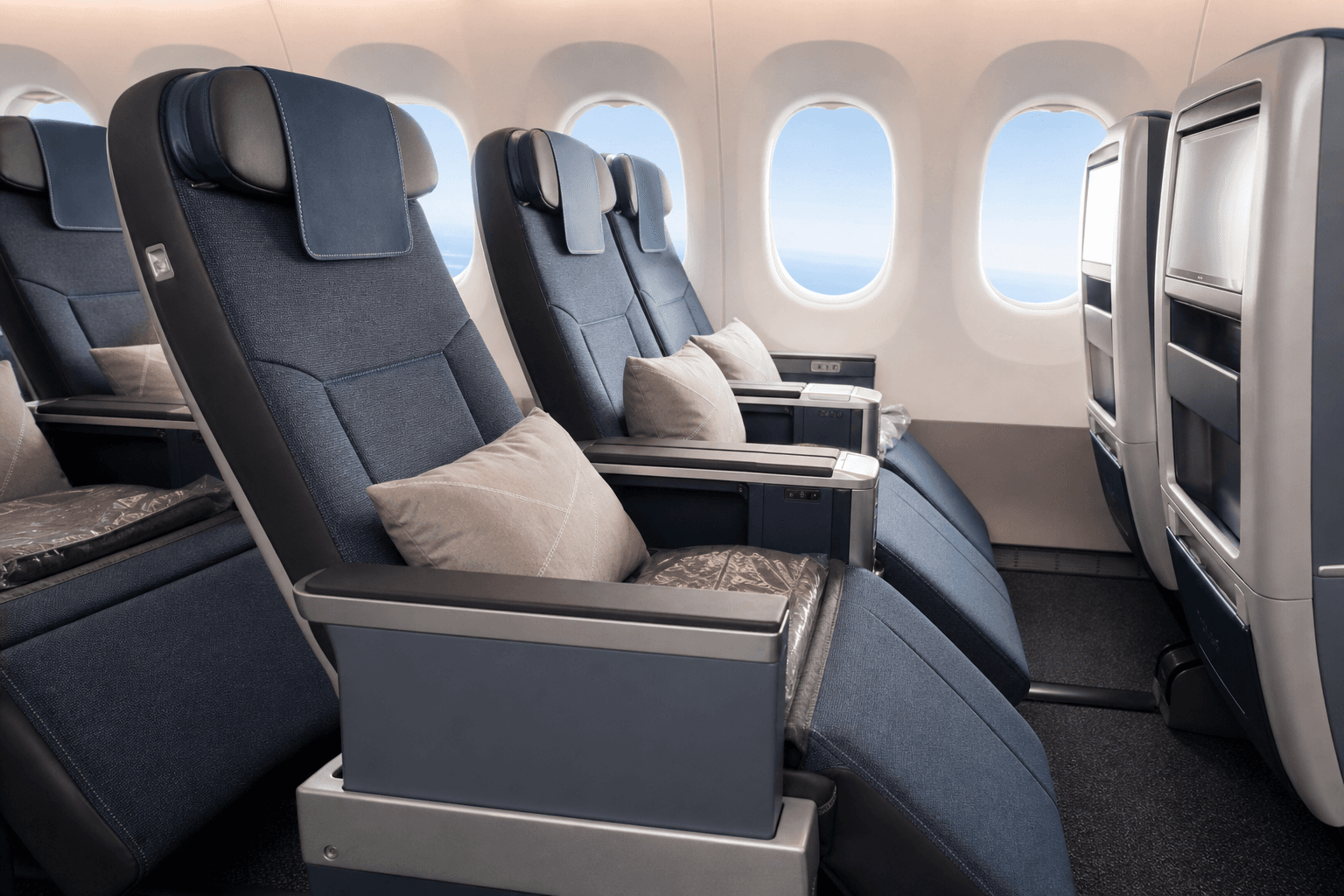
Premium Economy Seats Provide Up to Eight Extra Inches of Legroom Over Economy
Premium economy cabins offer significantly more space and comfort than economy, bridging the gap between low-cost seats and business class on long-haul flights.
The gist
Premium economy upgrades include wider seats, more legroom, greater recline, and enhanced services, creating a more comfortable long-haul experience.
As international travel rebounds, a growing number of passengers are opting for premium economy cabins that deliver a marked comfort boost over standard economy. These cabins provide a middle ground, offering travelers increased space and perks without the high cost associated with business class. This trend in cabin design reflects airlines’ response to passenger demand for affordable comfort on lengthy journeys.
Seat dimensions are the most tangible way to understand the premium economy upgrade. Typical economy seats range from 30 to 32 inches in seat pitch—the distance between a point on one seat and the same point on the seat in front. Premium economy frequently offers 36 to 40 inches, adding up to eight extra inches of legroom. Seat width also increases from the usual 17–18 inches in economy to 18–20 inches, reducing the feeling of being cramped and minimizing contact with neighboring passengers.
The recline angle in premium economy further distinguishes the experience, with many airlines providing five to eight inches of recline compared to the two to four inches typical in economy class. Additional features like footrests or leg rests are often included, enabling passengers to rest in a more ergonomic position during long flights. Together, these spatial enhancements cater especially to those who find economy seating restrictive on journeys lasting several hours.
Beyond size, premium economy cabins frequently incorporate service upgrades that enhance the overall travel experience. Passengers may receive priority check-in, boarding, and extra checked baggage allowance. Cabin environments tend to be more tranquil and less crowded relative to economy, allowing for quicker service and fewer disturbances. Enhanced meal options, improved entertainment systems, and amenity kits are also common additions that lift the cabin ambiance closer to business class standards.
Notably, airline offerings vary significantly in their premium economy products. Emirates leads with up to 40 inches of seat pitch, leather seating, large entertainment screens, and multi-course meals served in a distinct cabin. British Airways, KLM, and Cathay Pacific each feature their own configurations, typically with seat pitch in the range of 38 to 40 inches and varying degrees of recline, storage, and service upgrades.
The premium economy class concept emerged as a strategic response to the gap between economy fares and business class pricing. It caters to travelers seeking enhanced comfort without paying a luxury premium. This cabin class has grown in importance over the past two decades, becoming a mainstay on long-haul international routes where passenger comfort can significantly impact well-being and flight experience.
Anecdotal reports from travelers highlight the tangible benefits of premium economy. Improved legroom and greater seat width contribute to less stiffness and better rest during flights. The more subdued atmosphere of the dedicated cabin, combined with attentive service, often results in arrivals feeling noticeably more refreshed than after typical economy travel.
While premium economy seats do not convert to lie-flat beds like business class, some carriers, such as Thai Airways, offer special configurations blurring these lines. However, for the majority of airlines, premium economy remains a pragmatic upgrade balancing comfort, cost, space, and service enhancements that satisfy a wide spectrum of passengers.
The success of premium economy underlines the growing importance of cabin segmentation in modern air travel. Aircraft manufacturers and operators continue to innovate in seat design and cabin layouts to meet evolving passenger expectations, creating a distinct category that appeals broadly to business travelers on budgets and leisure travelers seeking affordable comfort.
Frequently asked questions
- How much more legroom does premium economy offer compared to economy class?
- Premium economy typically provides between 36 to 40 inches of seat pitch, offering up to eight inches more legroom than economy class, which ranges from 30 to 32 inches.
- What service upgrades are commonly included in premium economy cabins?
- Passengers in premium economy often receive priority check-in and boarding, enhanced meal options like multi-course meals, upgraded entertainment screens, additional baggage allowance, and sometimes amenity kits or noise-canceling headphones.
- Do all airlines offer the same premium economy experience?
- No, premium economy cabins vary widely by airline, with differences in seat pitch, width, recline, cabin layout, and amenities; for example, Emirates offers up to 40 inches of pitch with leather seats while other carriers have more modest configurations.
Read more
All Airlines →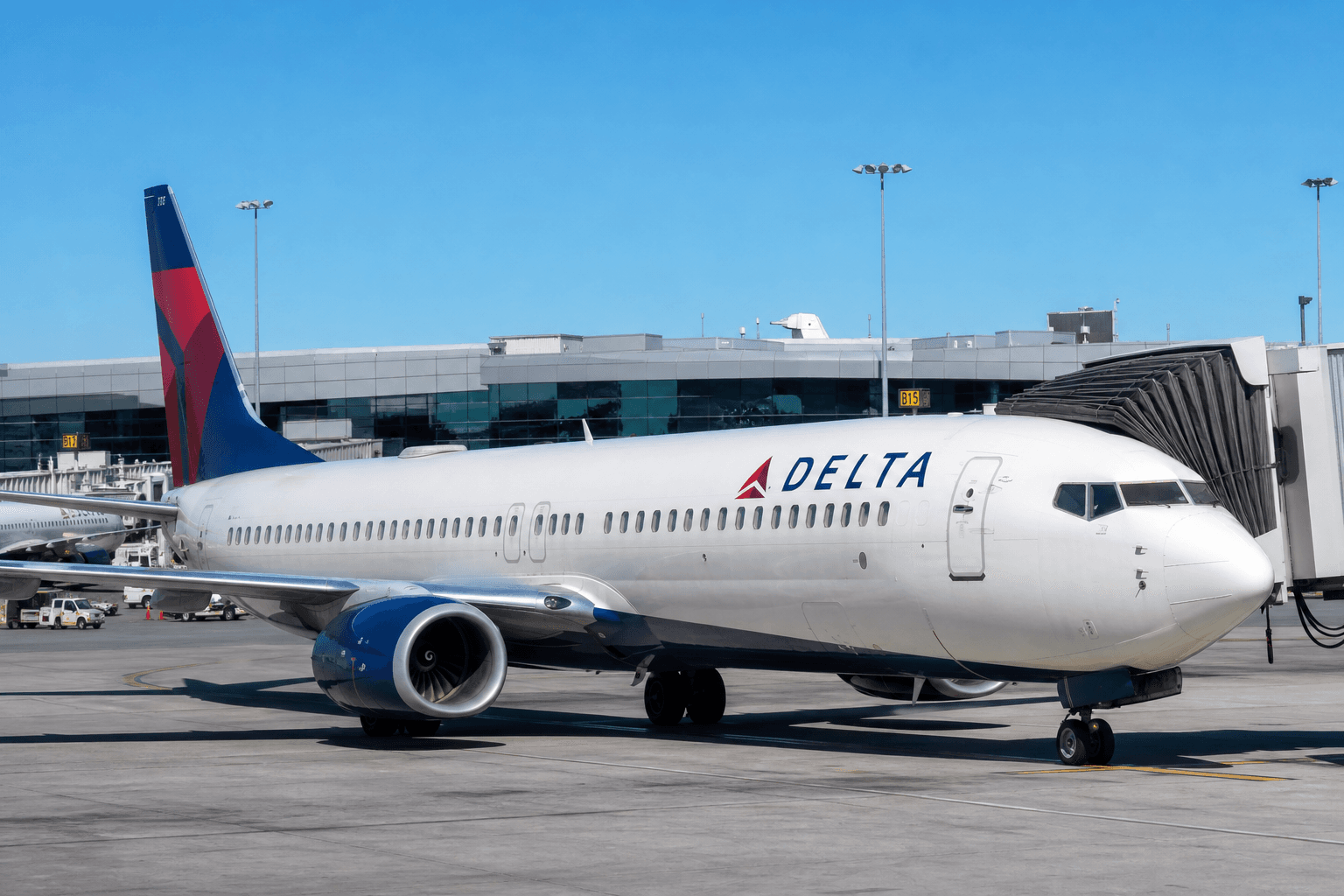
Delta CEO Ed Bastian Often Chooses Economy to Hear Real Passenger Experience
The key to Delta Air Lines' success in recent years has been the premium brand it has built. The carrier's identity today centers around Delta One Suites, glass doors, and a wine list created by master sommeliers that includes far too many bottles to count. The man behind that strategy, for the most part, is Delta Air Lines CEO Ed Bastian. However, he is not sitting behind those doors as you might expect. Rather, he is often in the Main Cabin or perhaps Comfort+.
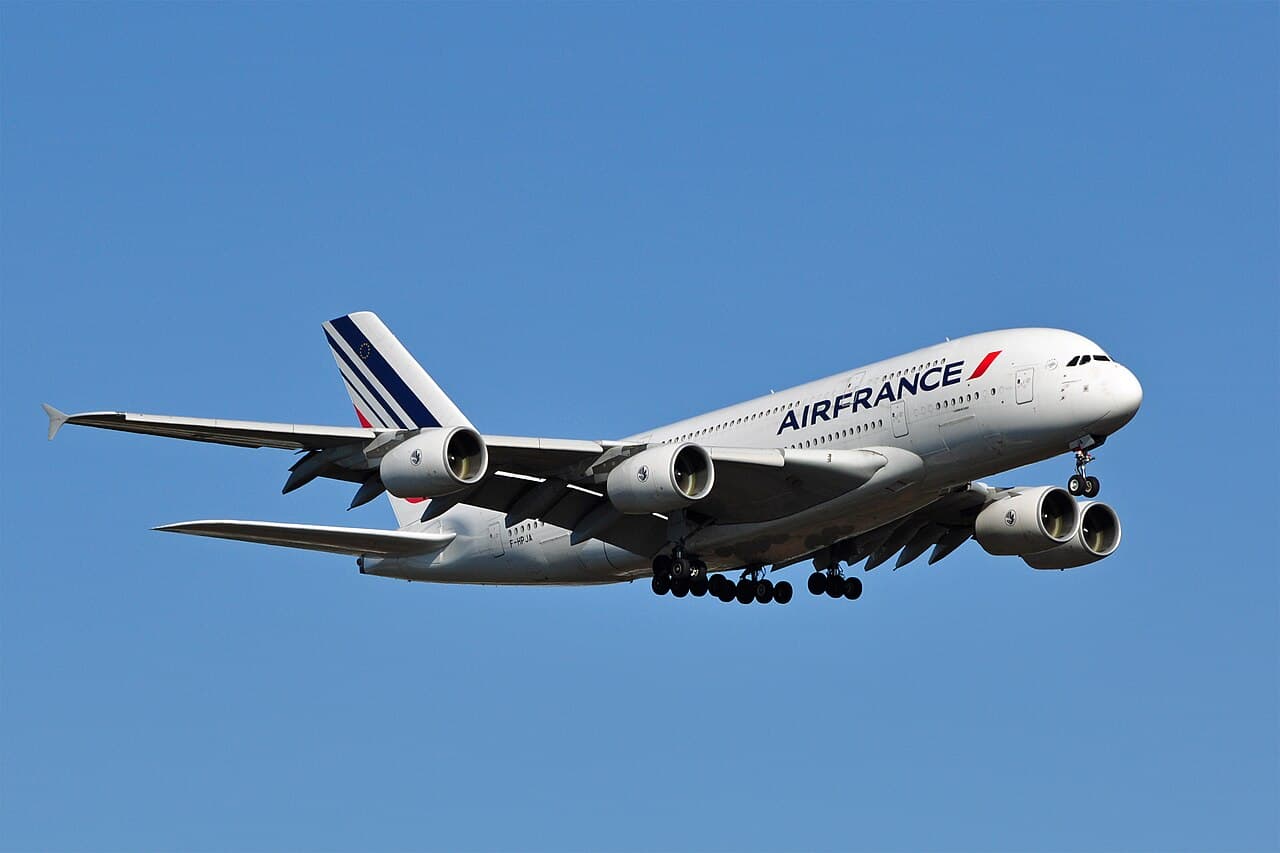
Airbus A380 First Class Cabins Set to Evolve With Unique Luxuries by 2026
The Airbus A380 is one of the most iconic and striking aircraft of the 21st century, with its double-deck design and quadjet configuration making it one of the world's most visually distinctive airliners. Meanwhile, passengers love its spacious cabin, low noise levels, and smooth ride, while carriers introduced innovative new premium cabins when they took delivery of these planes. Although few are in service, the A380 is one of the few commercial aircraft types to transcend the aviation industry and become a cultural icon.
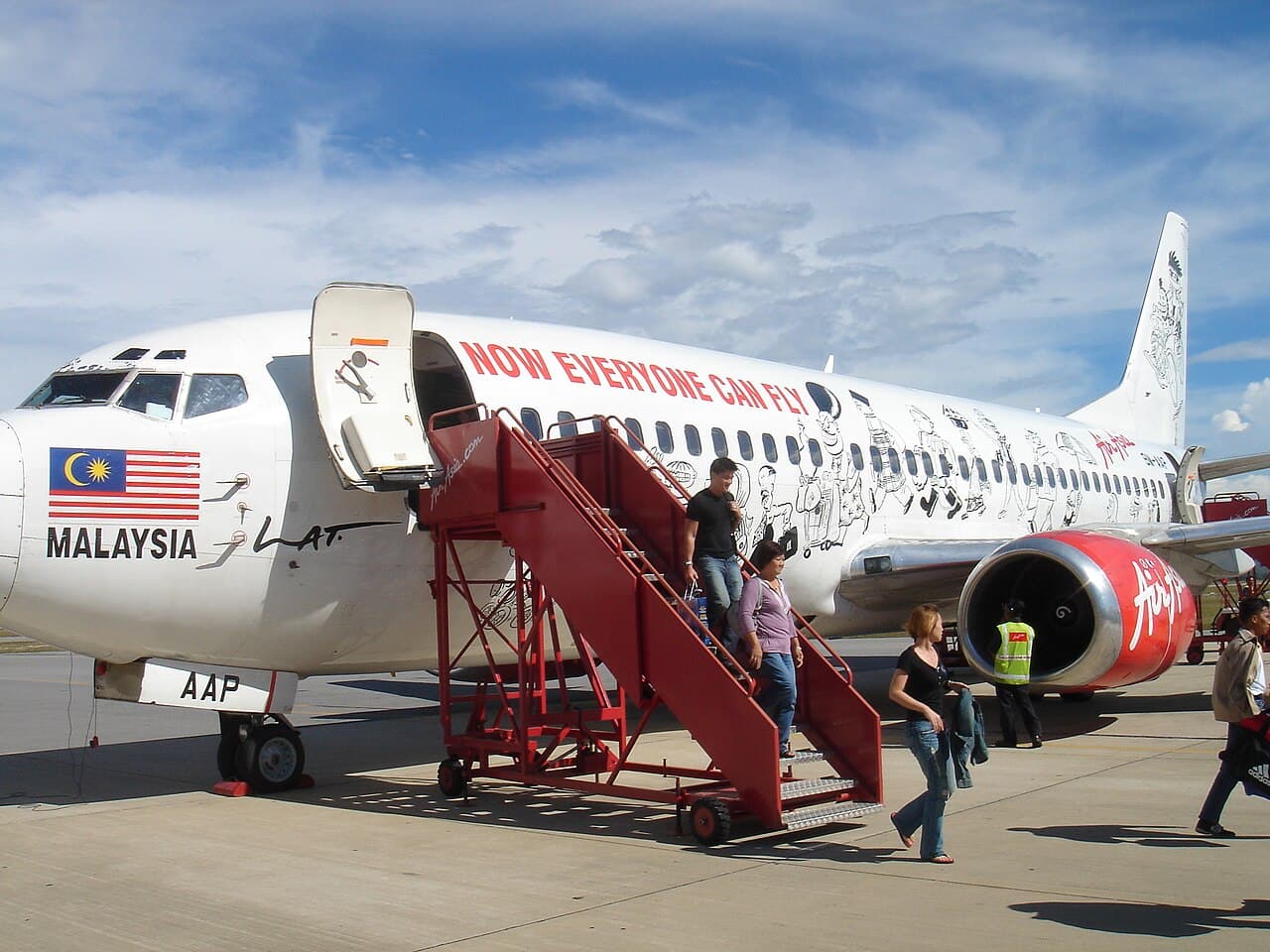
AirAsia Group Cuts Q3 Flight Capacity by 20-25% Amid Rising Fuel Costs
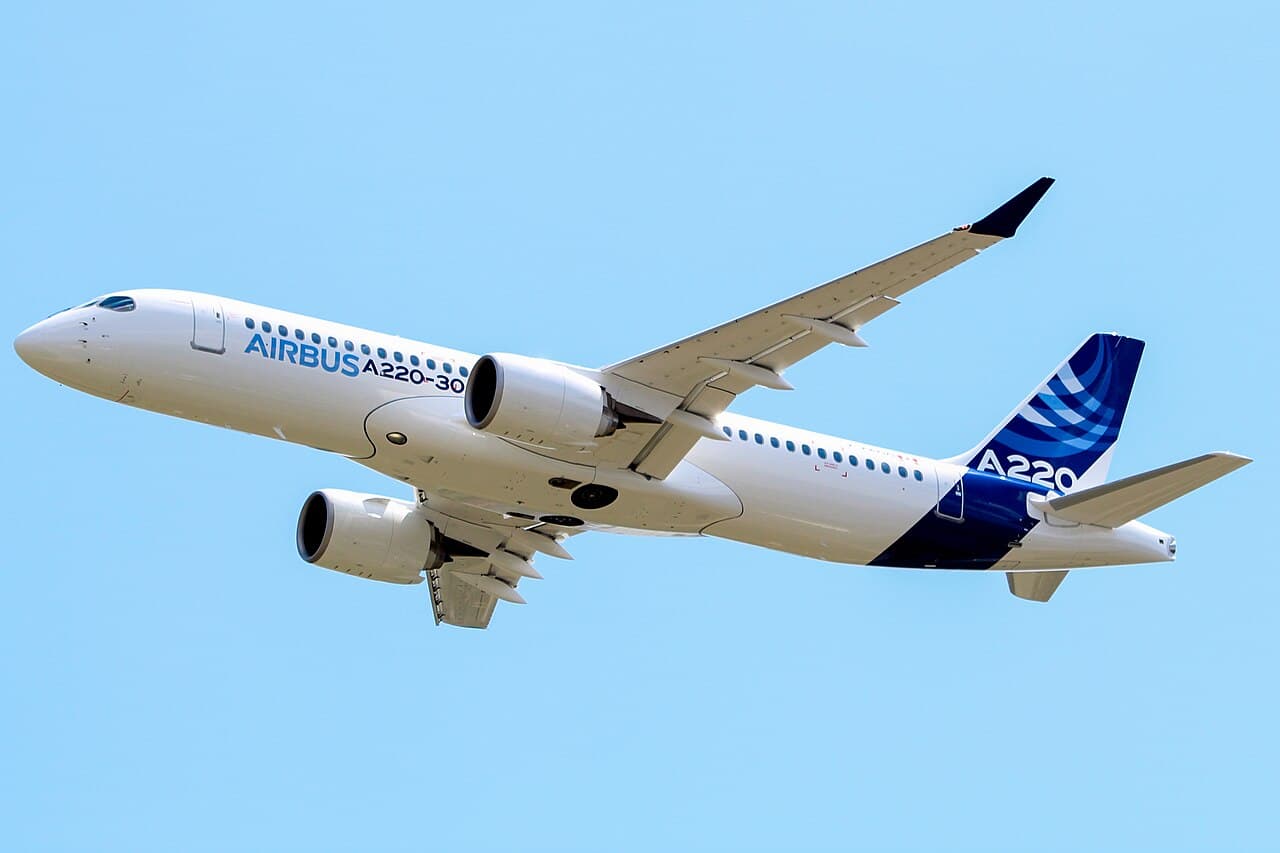
AirAsia Group is scaling back its third-quarter 2026 flight capacity. The low-cost carrier plans a 20% to 25% year-on-year reduction. This move follows a sharp rise in jet fuel expenses during the second quarter. ezstandalone.cmd.push(function () { ezstandalone.showAds(119); }); High Fuel Prices Drive Losses In the quarter ended 30 June 2026, average jet fuel prices hit US$183 per barrel. Fuel costs jumped 58% compared with the same period a year earlier. Geopolitical tensions in the Middle East pushed energy markets higher and created volatility. These higher costs contributed to a significant net loss for the group. AirAsia Group reported a loss of roughly RM527 million attributable to owners. ezstandalone.cmd.push(function () { ezstandalone.showAds(127); }); Broader group figures, including foreign exchange impacts, reached about RM830 million. Revenue stayed near RM5.1 billion. This held steady even though the airline cut capacity by about 11% in the second quarter. Management used dynamic pricing and fuel surcharges to recover around 70% of the extra fuel burden. Average fares rose more than 20% in May and June. Non-fuel unit costs also fell 7%. Still, the quarter marked a clear low point. ezstandalone.cmd.push(function () { ezstandalone.showAds(128); }); Group CEO Bo Lingam called it the “floor quarter.” Photo Credit: Gatwick Airport Why Capacity Is Being Reduced Now The third quarter is traditionally the softest period for regional travel in Southeast Asia. AirAsia Group is taking a cautious approach. It will trim capacity by 20% to 25% year-on-year. The goal is to protect margins and ensure every flight meets strict profitability targets. ezstandalone.cmd.push(function () { ezstandalone.showAds(129); }); The airline expects to restore capacity toward pre-war levels in the fourth quarter. Year-end holiday demand should support higher yields across its ASEAN network. Forward bookings already track in line with the previous year. Supporting Measures and Outlook AirAsia is also returning 25 older, less fuel-efficient aircraft this year. This reduces lease costs and improves overall fleet efficiency. Newer aircraft, including future A220 and A321XLR deliveries, will support longer-term growth from 2028 onward. The group is advancing talks for up to US$1 billion in funding and additional local facilities. These steps aim to strengthen liquidity after the difficult second quarter. ezstandalone.cmd.push(function () { ezstandalone.showAds(130); }); Bo Lingam noted that jet fuel prices are unlikely to stay at the extreme US$183 average seen in the second quarter. As fuel costs ease and higher fare levels remain in place, unit economics should improve. Short-haul operations in Malaysia and Cambodia stayed profitable. Thailand is expected to narrow losses in the third quarter and return to profit in the fourth. Photo Credit: Kentaro Iemoto from Tokyo, Japan, CC BY-SA 2.0, via Wikimedia Commons Implications for Travellers and the Industry Passengers may see fewer flights on some routes during the third quarter. Fares could stay elevated in the near term as the airline continues to manage costs. However, the planned capacity recovery in the fourth quarter should expand options again for peak season travel. ezstandalone.cmd.push(function () { ezstandalone.showAds(131); }); The situation highlights the vulnerability of unhedged airlines to sudden fuel spikes. AirAsia’s response prioritises yield over volume. It focuses on network discipline, cost control and selective capacity management. Analysts generally view the second quarter as the trough. Many expect a clearer recovery path in the second half of 2026 if fuel prices continue to moderate. The group’s ability to pass through a large share of cost increases while maintaining solid load factors of around 80% shows underlying demand remains resilient across its core markets. ezstandalone.cmd.push(function () { ezstandalone.showAds(132); }); AirAsia Group’s latest actions reflect a pragmatic response to elevated fuel costs. By cutting capacity temporarily and optimising its fleet, the airline aims to stabilise performance and position itself for stronger results later in the year.
Breeze Airways Passengers Removed in Bangor After Police Threaten No-Fly List
Police boarded a Breeze Airways Airbus A220 in Bangor, Maine and ordered a group of passengers including a parent with a toddler off the aircraft. One officer offered them a choice: leave voluntarily or get arrested and placed on the no-fly list.
The Daily Touch & Go
The day's best aviation news in your inbox. Free, no spam.