

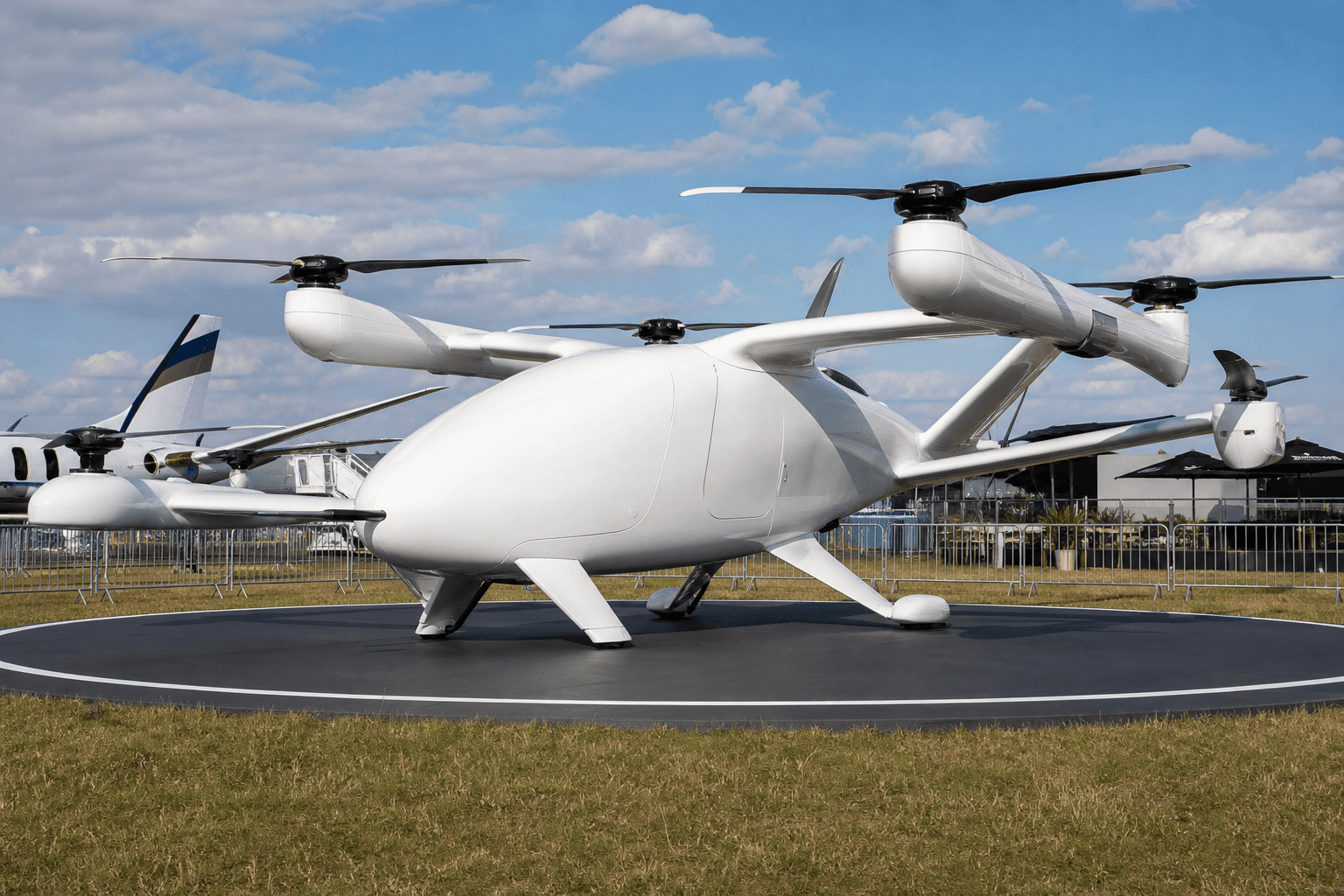
Illustration: The Touch & Go
Beta launches autonomous hybrid-electric MV250 VTOL focused on military logistics
Beta Technologies revealed the MV250 at Farnborough, a military variant of its A250 VTOL featuring hybrid propulsion and autonomous capabilities.
The gist
Beta unveils MV250, a hybrid-electric autonomous VTOL for military logistics with 1,300nm repositioning range and 907kg payload.
Continuing coverage
All Hybrid-Electric →- Electra inks production deal with Safran for 250 TG600 turbogenerators powering EL9 hybrid aircraft
- Safran to Power Electra's EL9 Hybrid Ultra-STOL Aircraft with New TG600 Turbogenerator
- Safran Commences Hybrid-Electric Testing on Modified Silvercrest Engine
- Safran's TG600 Turbogenerator Powering Electra EL9 Hybrid-Electric Aircraft
- FAA Sets Certification Basis for Electra EL9 Hybrid-Electric Aircraft
Beta Technologies has introduced a new military-focused variant of its vertical take-off and landing (VTOL) aircraft at the 2026 Farnborough Air Show. The MV250 builds upon the company’s fully electric A250 crewed VTOL but incorporates significant modifications tailored to military logistics operations. These include a hybrid-electric propulsion system that extends range and autonomous flight capability to support uncrewed missions.
Unlike its crewed predecessor, the MV250 eliminates the two pilot cockpits and passenger compartment, optimizing its interior for cargo transport. The airframe retains a similar external shape to the A250 but is designed to carry up to 907kg (2,000lb) of equipment, munitions, or medical supplies. Beta states the aircraft is capable of a tactical operational range of 250 nautical miles (463 kilometers) with a repositioning range of 1,300 nautical miles (2,400 kilometers), providing strategic flexibility in military contexts.
Kyle Clark, Beta’s founder and CEO, emphasized the aircraft’s improved performance compared to traditional tiltrotor and legacy platforms, citing significantly longer range, higher speed, and lower operating costs enabled by the MV250’s aerodynamic and propulsion design. The company is still flight-testing the crewed A250, which shares approximately 80% commonality with the MV250 including nearly identical cockpit controls, as observed at Beta’s Vermont headquarters earlier this year.
A key departure from Beta’s commercial all-electric models, the MV250 uses a hybrid-electric drivetrain to meet specific military requirements. This approach balances the reliability and reduced maintenance attributes of electric propulsion with the increased range and power resilience demanded by tactical missions. The hybrid system also facilitates ground-based power production, enhancing operational versatility.
The hybrid propulsion system is developed in partnership with GE Aerospace, utilizing a turbogenerator derived from the proven T700 turboshaft engine family, famous for powering the Sikorsky UH-60 Black Hawk and Boeing AH-64 Apache helicopters. Amy Gowder, GE Aerospace’s defense systems CEO, highlighted the collaboration as a step forward in applying hybrid systems to military logistics, expanding mission flexibility while leveraging GE’s expertise in power and propulsion technologies.
Autonomous flight is integrated into the MV250 using Sikorsky’s Matrix system, a tested technology that enables uncrewed operation of rotorcraft including Sikorsky’s Black Hawk and experimental platforms like the Noman rotor-blown-wing UAS. Rich Benton, Sikorsky’s general manager, positioned the MV250 as a complementary capability to Sikorsky's existing unmanned systems, further enhancing military transport options.
Beta continues production of both the CX300 conventional take-off and landing aircraft and the A250 VTOL at its Burlington, Vermont factory. The CX300, which shares certification progress and has commenced limited commercial operations under a new FAA eVTOL pilot program, is confirmed to participate in flight displays at Farnborough following its debut in Paris. Notably, a Beta CTOL recently supported NATO’s Aurora 26 military exercises in Sweden by flying 30 sorties in a logistics role, underlining the company’s emerging presence in defense aviation markets.
The introduction of the MV250 represents a strategic move by Beta Technologies to diversify its electric aircraft portfolio into military applications, leveraging hybrid-electric power and autonomy to meet battlefield logistics demands. The program’s progress and upcoming demonstrations at prominent airshows will be key indicators of its operational viability and potential adoption by defense customers.
Frequently asked questions
- What is the main operational role of Beta's MV250 VTOL aircraft?
- The MV250 is designed primarily as a military logistics platform to move equipment, munitions, and medical supplies with autonomous flight capability.
- How does the MV250's propulsion system differ from Beta's commercial aircraft?
- Unlike Beta's fully electric commercial models, the MV250 uses a hybrid-electric drivetrain featuring a turbogenerator based on GE Aerospace's T700 turboshaft to increase range and mission flexibility.
- What autonomous flight technology is integrated into the MV250?
- The MV250 employs Sikorsky's Matrix autonomous flight system, which has proven capabilities to pilot various rotorcraft including the Black Hawk and experimental unmanned aerial systems.
Read more
All Military/Defense →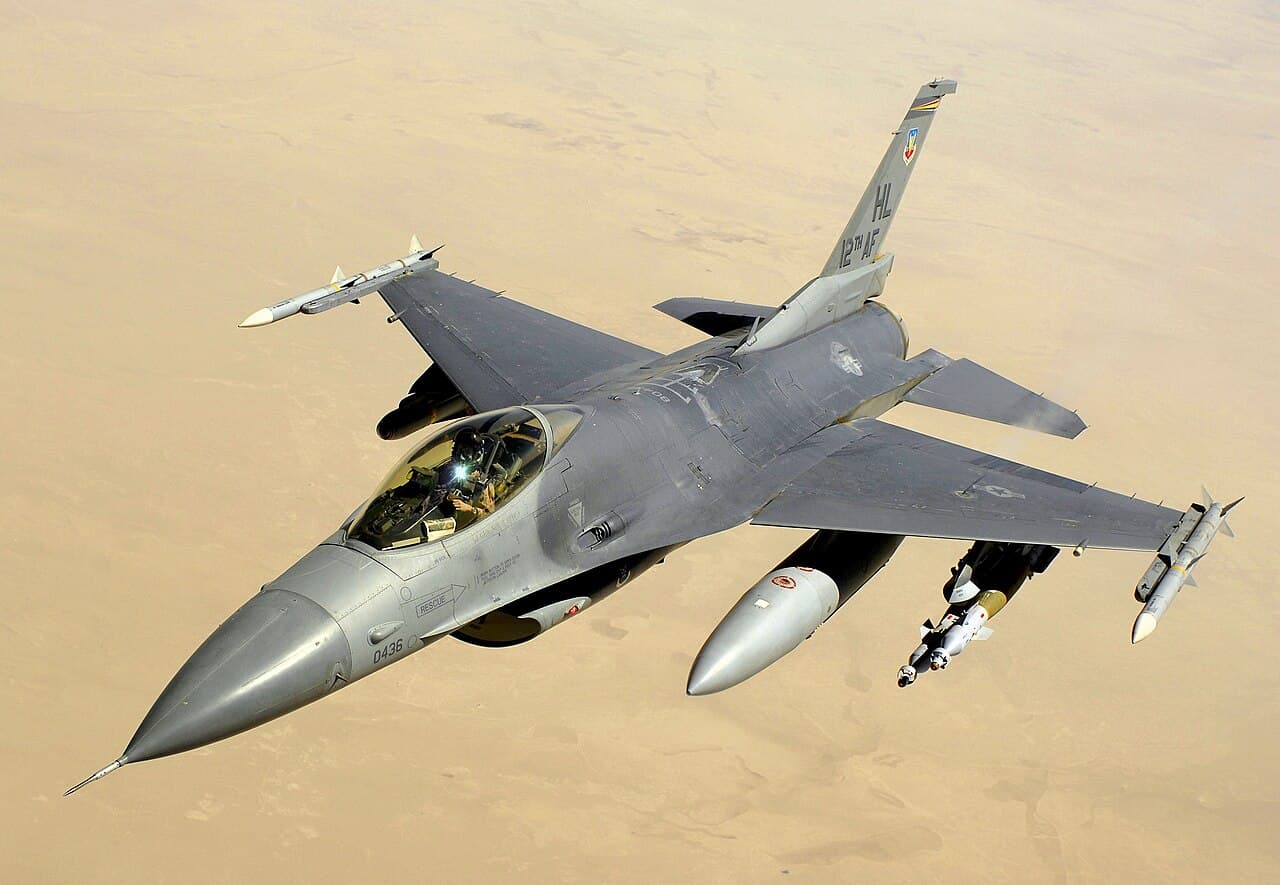
DARPA and US Air Force achieve AI-controlled flight in modified F-16s under VENOM program
DARPA and the US Air Force have flown a modified F-16 under the control of an artificial intelligence agent, moving autonomous combat testing from a one-off research project to actual modified frontline fighters. The service began flying VENOM-modified aircraft in June 2026 to confirm that the jets and their new systems operated safely. Test teams then allowed an AI agent to control an F-16 in flight in July, while a pilot remained in the cockpit to monitor the aircraft and take control if necessary. The program uses the name Viper Experimentation and Next-generation Operations Model–Autonomy Flying Testbed, or VENOM-AFT. Engineers equipped the F-16s with additional hardware, software and instrumentation that allow AI agents to fly the aircraft. DARPA said the modification automates the aircraft's flight controls and sensors without changing the F-16's core software. A human pilot can switch between conventional controls and autonomous operation during a flight. The pilot stays in the cockpit throughout the test and monitors the AI agent, aircraft systems and mission objectives. "These groundbreaking flight tests of VENOM-modified F-16s advance the infrastructure needed to develop trusted, autonomous air combat capabilities," DARPA Program Manager Brig. Gen. James Valpiani said. Valpiani said the system gives the Air Force and DARPA a faster way to develop and test AI tech for aerial combat. The Air Force did not discuss the specific maneuvers or mission tasks the AI performed during the recent test flights. It also did not identify the autonomy software or company behind the AI agent. DARPA says early sorties focused on confirming that the modified aircraft could fly safely with the VENOM equipment installed. Engineers completed months of engine runs, aircraft-system checks and simulation work before flight testing began. The program's ground-test work dated back to 2024. "Getting the aircraft into the air is always a monumental milestone for a complex test program," VENOM Test Pilot Tim Stevens said. "It represents years of design, modification and test planning poured into this project by a dedicated team of hundreds." The 40th Flight Test Squadron has led much of the early developmental testing at Eglin Air Force Base in Florida. The 53rd Wing and 96th Test Wing are also working together on the program with support from DARPA. VENOM expands on X-62 VISTA testing VENOM builds on earlier work with the X-62A Variable Stability In-flight Simulator Test Aircraft, or VISTA. DARPA used the heavily modified F-16 test aircraft to demonstrate AI-controlled air combat under its Air Combat Evolution program. The agency said an AI agent flew the X-62A during close-range dogfighting tests against human pilots. The X-62A remains a specialized, one-of-a-kind research aircraft. VENOM gives the Air Force a way to install and test autonomy systems aboard more conventional F-16s without redesigning the entire aircraft. The Air Force received the first three F-16s for VENOM conversion at Eglin in 2024. At the time, the service said developmental and operational test pilots would work from the same location, allowing them to share data and feedback directly with autonomy developers. The VENOM aircraft will now support DARPA's Artificial Intelligence Reinforcements program, which focuses on AI-controlled, multi-aircraft combat beyond visual range. DARPA plans to test autonomy software first aboard crewed F-16s and later transfer it to uncrewed combat aircraft. The program will also help the Air Force develop ways for pilots to direct groups of autonomous aircraft rather than control every movement individually. The work builds on the service's wider effort to field uncrewed combat aircraft alongside crewed fighters. The Air Force is currently testing the General Atomics YFQ-42A and Anduril YFQ-44A under its Collaborative Combat Aircraft program. The Air Force said the team will refine the aircraft and autonomy systems after each flight and gradually expand the complexity of the tests. It did not provide a schedule for the next phase of the program.
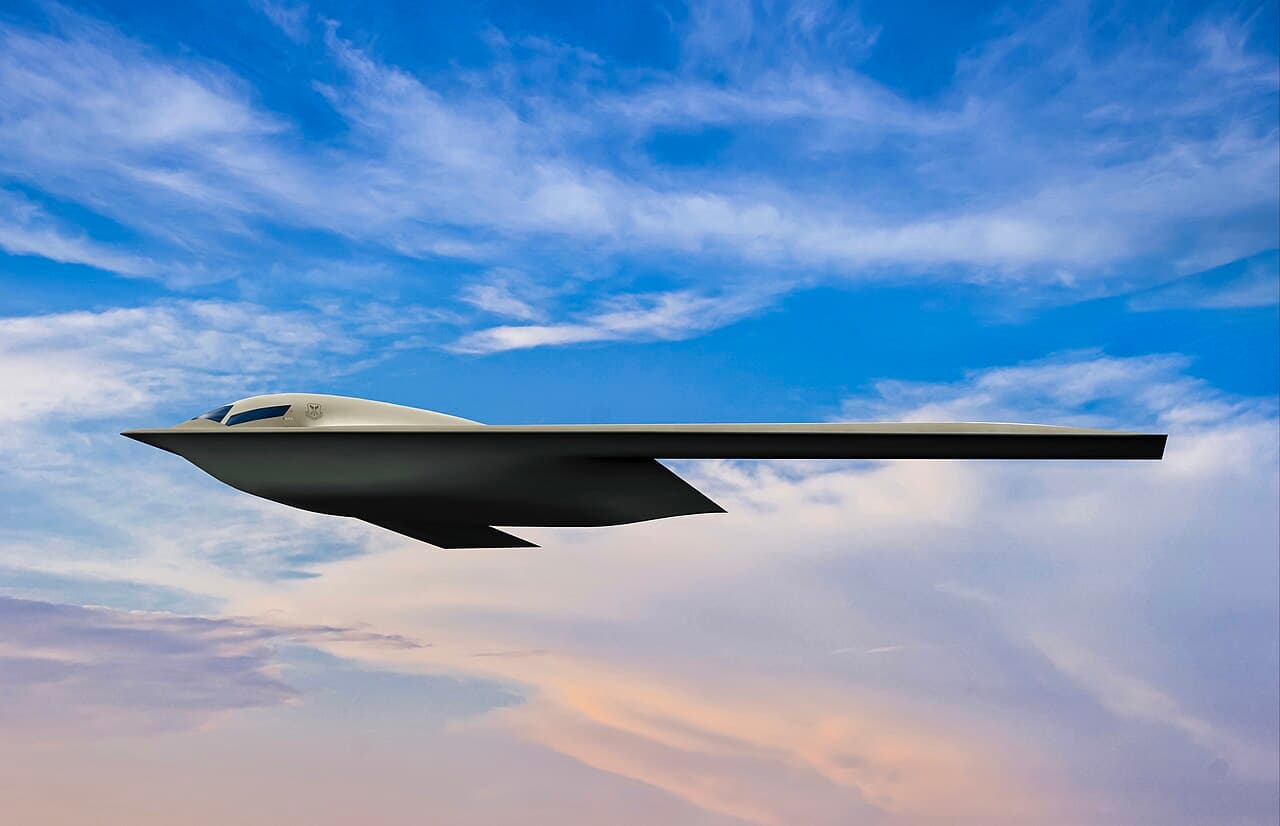
USAF to Convert B-21 Raider Test Jets Directly into Combat Bombers from 2027
The United States Air Force has a couple of test Northrop Grumman B-21 Raiders that are blurring the line between testing and fielding. The B-21 Raider is expected to enter service in 2027, making it the world's first all-new strategic bomber to enter service since the B-2 Spirit entered service in 1997. China is also working to develop its Xi'an H-20 stealthy strategic bomber, but it is unclear when it will enter service.
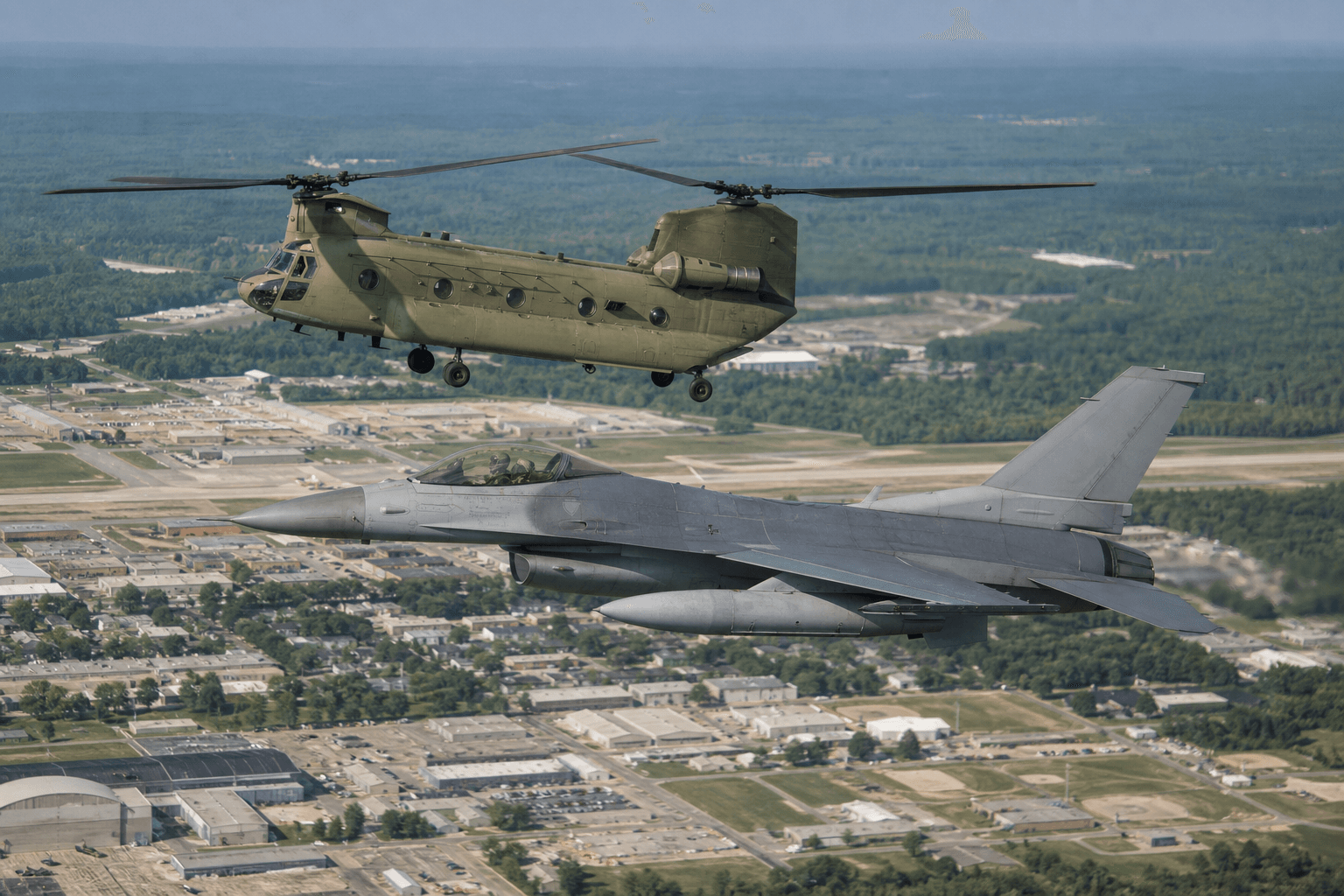
Five Military Aircraft With The Longest Continuous Production Runs Remain Operational
The United States has the largest military in the world by far, operating over 13,000 aircraft across all of its branches (Air Force, Navy, Army, Marines, and Coast Guard). With this, the armed forces operate a significant number of older aircraft in addition to cutting-edge designs, while some manufacturers continue to produce aircraft first designed in the mid-20th century.

San Diego Pilot's Volunteer Flights Bring Burn Survivors to Champ Camp
San Diego pilot Andy Coy recently flew 16-year-old burn survivor Susy home from Champ Camp, piloting the most recent of 18 Angel Flight West flights she has received since 2019. The trip also added to Coy's record as a volunteer aviator. He has completed 38 flights as an Angel Flight West Command Pilot, transporting passengers and supplies for the nonprofit organization. A Pilot Raised Around Aviation Coy grew up in a family with connections to general aviation and medicine. His father was a general aviation pilot who founded a radiology practice, and his uncle served in the Air Force before becoming a pilot for Delta Air Lines. Coy, however, did not begin pursuing his own pilot certificate until 2020, after his son left home to attend college about seven hours away in San Luis Obispo. Coy has since logged more than 1,100 flight hours. His Angel Flight West assignments have included transporting patients and their families, carrying blood and flying campers and counselors to specialized programs across the western United States. Angel Flight West coordinates the flights at no cost to passengers through a network of volunteer pilots and commercial airline partners. "Camp flights are especially important to me," Coy said. "Those kids have been through tough experiences, and I love seeing the camaraderie between the campers and counselors — laughing together, supporting one another, and being part of the group." Eighteen Flights to Camp Susy attends the Alisa Ann Ruch Burn Foundation's Champ Camp, a weeklong residential program held at Wonder Valley in Sanger, California. She began traveling to the camp in 2019 and has since received 18 flights through Angel Flight West. Coy piloted her most recent trip home. "As a burn survivor, Susy has walked a path that requires courage every single day," her mother, Vivana, said. "The trips didn't just take her to camp; they lifted her confidence, her independence, and her sense of possibility. Because of Angel Flight West, she was able to experience unforgettable adventures, learn new skills, and feel empowered in ways that truly matter." Champ Camp is open to burn survivors ages 5 to 17 who were treated at California hospitals or currently live in the state. The 2026 session was held June 6-13 and included activities like fishing, horseback riding, canoeing, archery, crafts, water slides, campfires and team-building exercises. The program is staffed by medical personnel, counselors and volunteers, including adult burn survivors and firefighters. Three Decades of Camp Flights "It's one thing to have your physical needs cared for in the hospital, but it's another to care for your soul and mental health journey after something as life-changing as a burn injury," Alisa Ann Ruch Burn Foundation Camps and Recreation Manager Erika Mendoza said. "Because of AFW and the partnership we've had for many, many years, our camp kids don't just get to see their favorite people once a year — they get to see them multiple times." The distances involved can make transportation a deciding factor in whether a child can attend a specialized camp. Angel Flight West said some participants travel hundreds or thousands of miles, and volunteer aircraft can shorten that trip while connecting campers with programs such as Champ Camp. Know someone using GA to make a difference? Send the details to editor@avweb.com .
The Daily Touch & Go
The day's best aviation news in your inbox. Free, no spam.