

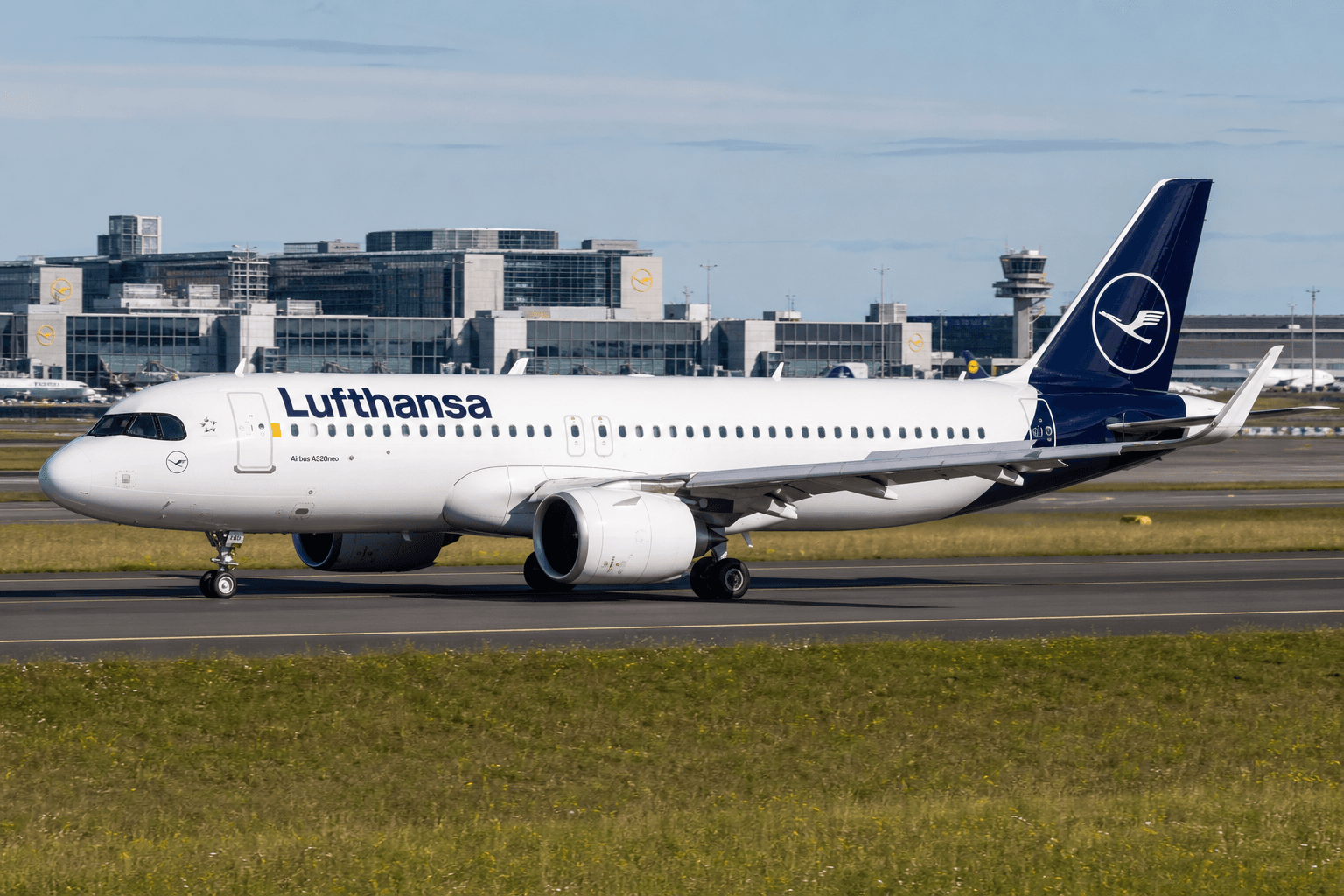
Illustration: The Touch & Go
Airbus Plans To Launch New A320 Successor Program In 2030
Airbus is preparing to initiate a new aircraft program to replace the popular A320 family, aiming for a 2030 launch as part of its eAction strategy underway since 2021.
The gist
Airbus will start development of a successor to the A320 in 2030, advancing its eAction initiative begun five years ago.
Continuing coverage
All Airbus →- Airbus delivers 67 jets in July 2026, sales momentum cools but stays strong
- Airbus Surpasses 1,000 Net Orders in 2026 Following Strong July Demand
- Airbus A321XLR Challenges Hub-and-Spoke Model with Long-Range Narrowbody Flights
- Airbus Posts Strong H1 2026 with 351 Aircraft Deliveries and Record Order Backlog
- Rolls-Royce Estimates Up to Seven Years to Develop Engine for Stretched Airbus A350-2000
Airbus has announced plans to launch a replacement program for its widely used A320 aircraft family starting in 2030. This new program forms part of the manufacturer's broader eAction initiative, which focuses on innovation and sustainability, and has been in motion since at least 2021. The replacement will address evolving market demands and environmental standards that affect short- and medium-haul aircraft.
The A320 series has been a cornerstone of single-aisle commercial aviation, renowned for its efficiency and popularity among airlines globally. Airbus’s approach with this replacement program indicates a strategic effort to build an aircraft that surpasses current models in performance, fuel efficiency, and emissions reduction. The program goal is to ensure this next-generation aircraft meets more stringent regulatory and environmental requirements anticipated in the coming decades.
Development under the eAction initiative suggests incorporation of advanced technologies including new propulsion systems possibly integrating hybrid or hydrogen elements to reduce carbon footprint. Airbus is aligning the replacement aircraft as a critical part of its roadmap to zero-emission flight, reflecting rising pressure from the aviation industry and regulators for sustainable solutions.
The timing of the 2030 launch aligns with aircraft lifecycle replacement cycles and intensifying competition in the single-aisle sector, where manufacturers are investing heavily in modernization and decarbonization. Airbus aims to leverage its engineering expertise and market trust to maintain leadership against rivals and meet airline customer expectations around cost and environmental performance.
This program launch sets the stage for a pivotal decade in commercial aviation, as the industry grapples with climate change and market evolution. Watching Airbus’s design choices, supplier partnerships, and certification progress will be critical for understanding future trends in aircraft technology and fleet compositions worldwide.
Read more
All Airlines →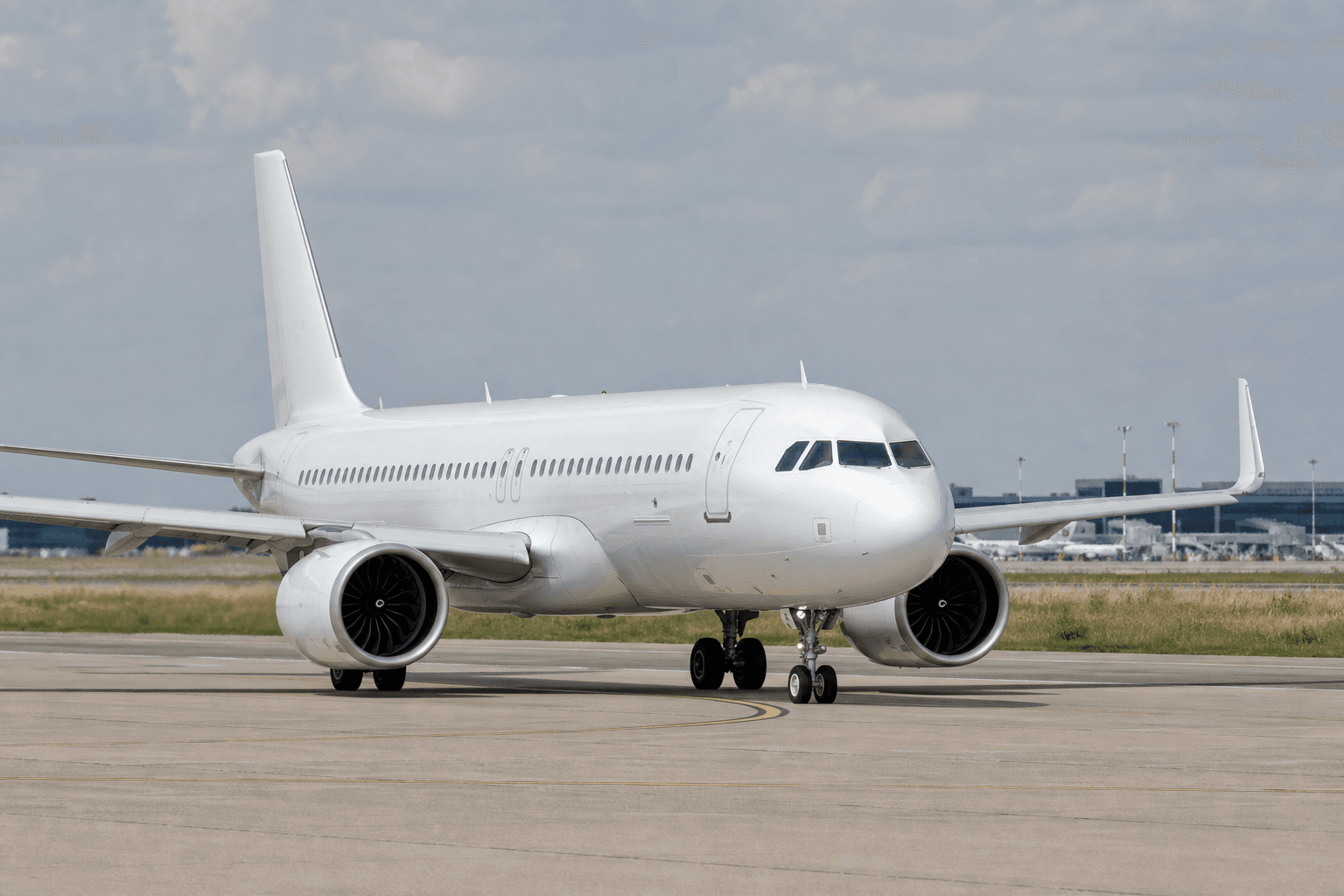
Airbus Surpasses 1,000 Net Orders in 2026 Following Strong July Demand
Airframer nearly halfway to delivery target after handing over 67 aircraft in July. Airbus's net orders for this year have surpassed 1,000 after the airframer added more than 200 to its total during July. It has confirmed China Eastern Airlines' order for 25 A330-900s and Hainan Airlines' agreement for 40 A320neo-family aircraft in the airframer's latest backlog figures. It has listed the Hainan deal as comprising 13 A321neos and 27 A320neos. Airbus's July backlog records the SMBC Aviation Capital order for 65 A321neos and 35 A320neos unveiled at the Farnborough air show . Orders from Saudi Arabian carriers Riyadh Air, for six A350-1000s, and Flynas for five A330-900s and 20 A321neos – both revealed during the show – have also been listed. Airbus's figures for the month show two agreements from undisclosed customers, one for six A321neos, and the other for a single A320neo and A319neo – the first for an A319neo since March 2024. Net orders to the end of July, as a result, reached 1,024. Airbus has also delivered 418 aircraft this year, including 32 A350s, 10 A330s and 326 A320neo-family aircraft, alongside 50 A220s. This total is just under half of the planned full-year target of 870.
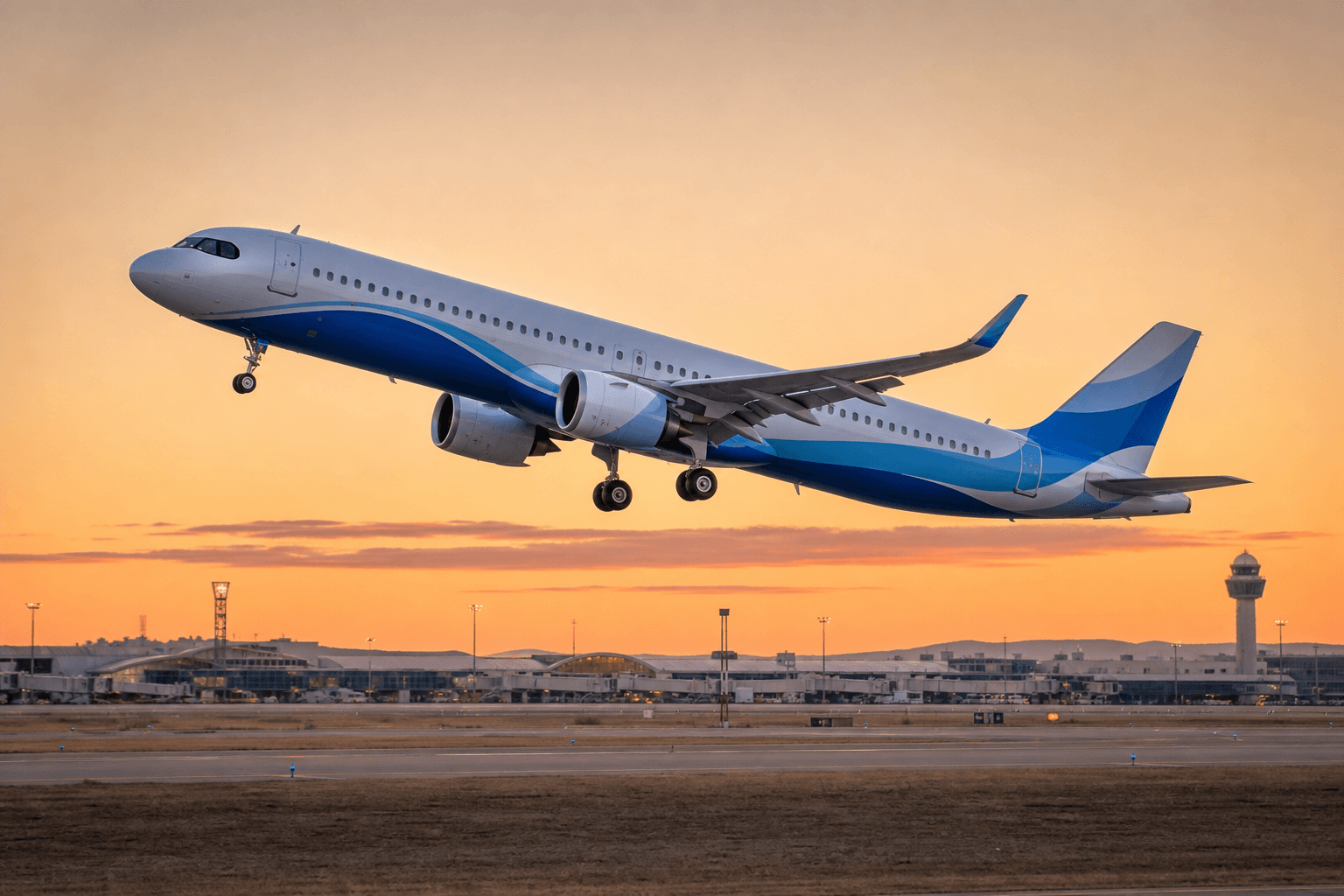
Airbus A321XLR Challenges Hub-and-Spoke Model with Long-Range Narrowbody Flights
Long-haul international travel has, for many of the largest airlines of the modern age, operated using a simple economic formula. The goal is to gather passengers from regional spoke airports, funnel them through mega-hubs like London Heathrow , Frankfurt , or Atlanta , and consolidate them onto twin-engine or four-engine widebody jets. Connecting traffic was the only way airlines could consistently guarantee high load factors on 250-to-300-seat aircraft when crossing oceans. However, the arrival of the Airbus A321XLR has changed this thinking by introducing a single-aisle jet capable of flying 4,700 nautical miles (8,704 km).
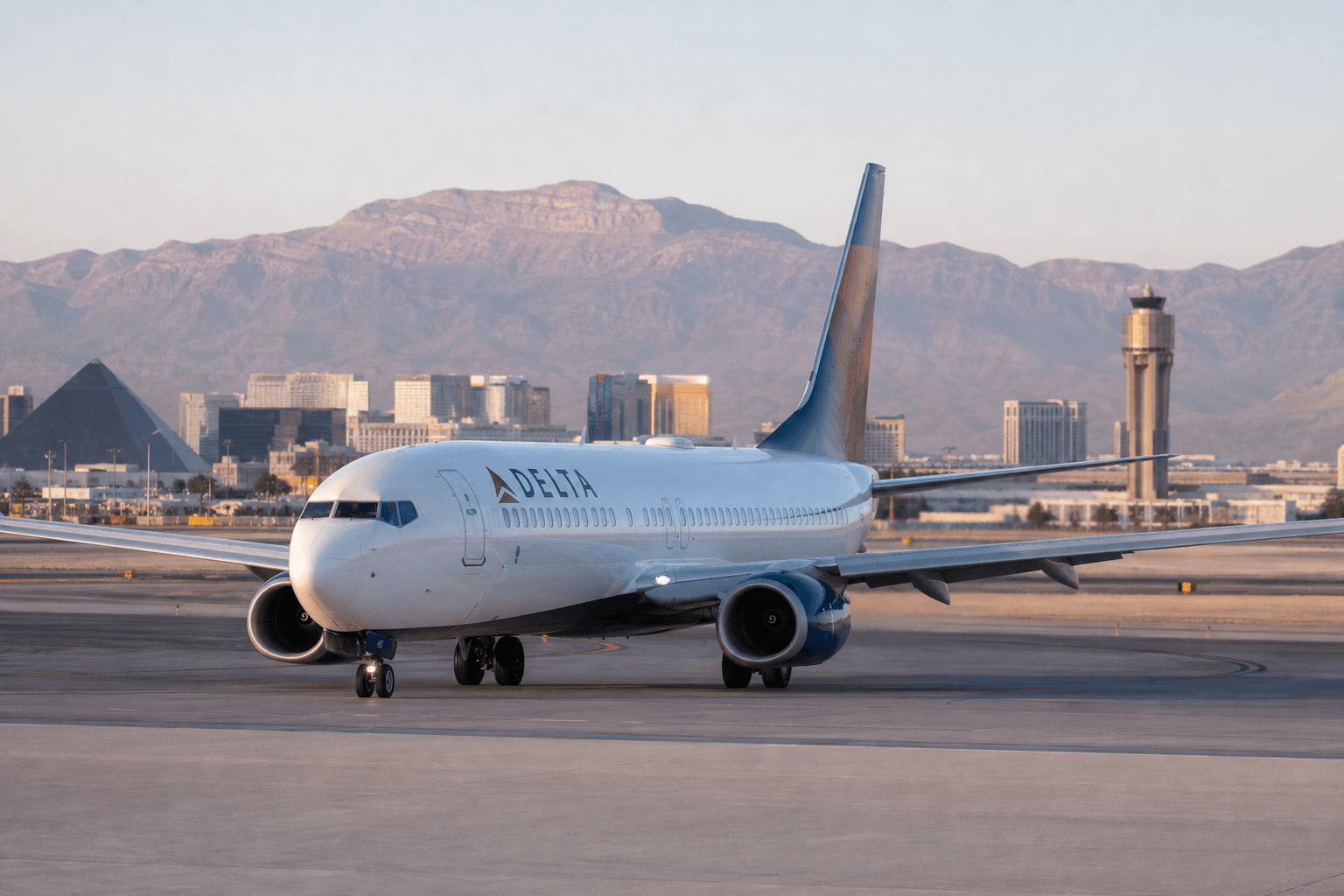
Delta Flight from Las Vegas Faces Inflight Wi-Fi Scam After DEF CON
Delta flight 591 from Las Vegas to Atlanta became a post-DEF CON Wi-Fi scare after the crew reported that passengers had created a fake "Delta WiFi Fast" network and "jammed" the inflight internet. The plane itself does not appear to have been at risk, but phishing passengers, disrupting onboard Wi-Fi, or impersonating Delta's network could still create serious legal trouble.
Southwest Airlines Adds Leaders from Royal Caribbean and Rocket Companies to Board
Both executives bring expertise in technology, innovation, and commercial strategy, the carrier said.
The Daily Touch & Go
The day's best aviation news in your inbox. Free, no spam.