

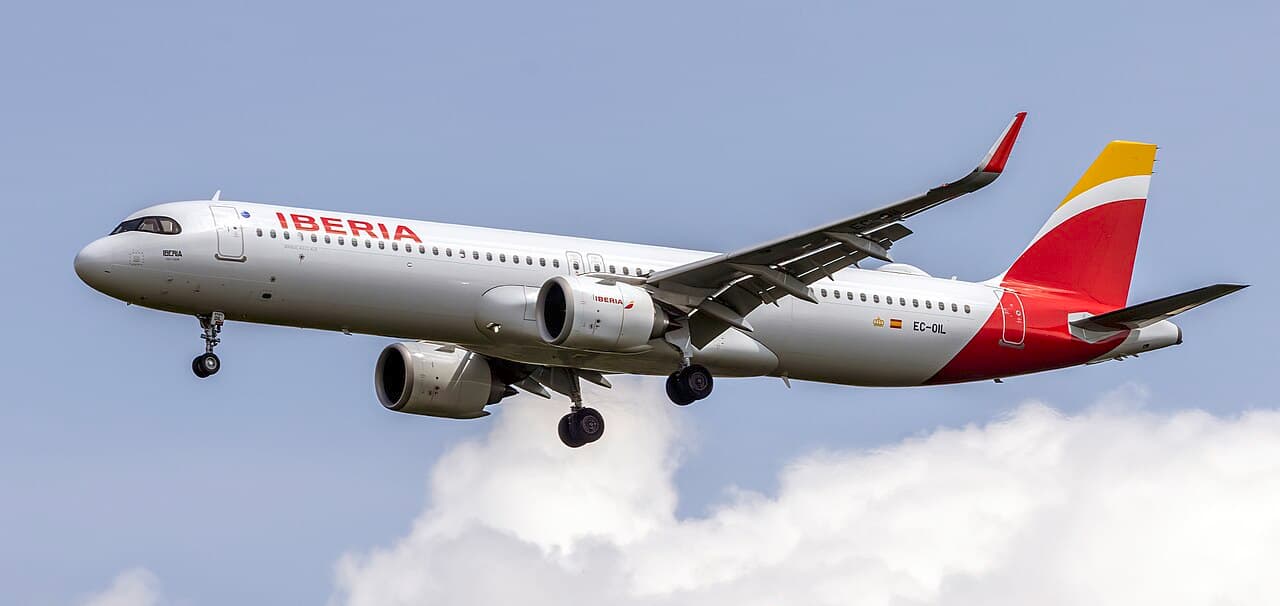
Image: Acroterion · CC BY-SA 4.0 · via Wikimedia Commons
Airbus A321XLR Challenges Hub-and-Spoke Model with Long-Range Narrowbody Flights
The Airbus A321XLR offers up to 4,700-nm range, enabling point-to-point long-haul flights from secondary cities and eroding traditional hub dominance.
The gist
Airbus A321XLR's extended range empowers airlines to bypass mega-hubs by flying direct long routes from smaller cities, transforming network strategies.
Continuing coverage
All Airbus →- Airbus Posts Strong H1 2026 with 351 Aircraft Deliveries and Record Order Backlog
- Rolls-Royce Estimates Up to Seven Years to Develop Engine for Stretched Airbus A350-2000
- Airbus Sees Premium Cabin Growth Driving US Domestic Aviation Through 2045
- Airbus fixed A380 wing cracks by replacing carbon composite parts with aluminum to avoid fleet grounding
- Legacy 1960s Boeing 737 Design Caps Economy Seat Width at 17 Inches
For decades, global airlines have structured their long-haul flights around a hub-and-spoke model, funneling passengers from smaller regional airports through major hubs like London Heathrow, Frankfurt, or Atlanta. This system allowed carriers to fill large widebody jets by consolidating passenger flows, essential for covering overseas routes with high operating costs. However, the introduction of the Airbus A321XLR, a narrowbody aircraft capable of flying approximately 4,700 nautical miles (8,704 kilometers), is quietly reshaping this paradigm by enabling viable direct long-haul flights from secondary airports without dependence on hub connections.
The A321XLR's unprecedented range for a single-aisle jet allows airlines to rethink network design. Unlike traditional widebody aircraft requiring at least 200-250 passengers per day to break even on long routes, the A321XLR demands fewer passengers, often only 100 to 180, to operate profitably. This lower threshold enables airlines to open routes between city pairs previously considered too thin to justify nonstop service, bypassing the time-consuming and increasingly congested hub transfers.
Airbus achieved the A321XLR’s extended range through innovative fuel system engineering. Instead of relying on removable additional center tanks that reduce cargo space, Airbus integrated a permanent rear center tank behind the main landing gear, boosting fuel capacity while preserving baggage volume. This structural enhancement raises the maximum takeoff weight to 223,000 pounds (101,151 kg), supporting long-haul mission profiles traditionally unattainable for narrowbody jets.
From an operational cost perspective, the A321XLR offers roughly 45% lower trip costs than modern widebodies. Although twin-aisle aircraft realize lower cost per seat mile when full, their overall trip expenses—owing to heavier weight, higher fuel consumption, and airport fees—remain significant. The A321XLR’s cost profile allows consistent year-round service on routes previously forced to scale back during seasons of lower demand, thus reducing seasonal schedule volatility and enabling more flexible, passenger-friendly timetables.
This aircraft facilitates growth outside congested mega-hubs where slot constraints limit expansion. By opening up approximately 350 new city pairs by 2030, the A321XLR empowers airlines to serve secondary market connections directly. Recent examples include American Airlines flying New York to Edinburgh and Aer Lingus linking Dublin with Nashville—routes that would not sustain a 250-300 seat widebody jet. This trend expands market reach without requiring costly hub slot acquisitions or infrastructure investments.
Direct nonstop service also appeals to business travelers and premium passengers who prioritize time and reliability over lower connecting fares. Removing the need to navigate crowded hubs cuts risks of missed connections, baggage mishandling, and customs delays. Airlines recognize that nonstop offerings command pricing premiums and capture lucrative segments of corporate and frequent flyer customers on previously underserved long-haul city pairs.
This shift is a continuation of a broader industry trend toward fragmentation of route networks, first evidenced by the Boeing 787. The Dreamliner demonstrated how twin-aisle aircraft with improved fuel efficiency could open numerous point-to-point routes, challenging the dominance of mega-hubs. The A321XLR builds on this evolution by applying similar principles in a more flexible, lower-capital-risk narrowbody platform, allowing carriers to experiment with long-haul markets carefully.
Boeing’s current lack of a comparable single-aisle aircraft with extended long-range capability reinforces Airbus’s leadership in this niche. With the New Midsize Airplane program shelved, Boeing operators lack an aircraft to match the A321XLR’s reach. This gap affords Airbus a competitive advantage, as its narrowbody long-range solution redefines mid-market long-haul aviation.
In summary, the Airbus A321XLR is subtly undermining the traditional hub-and-spoke model by enabling direct long-distance narrowbody flights from secondary cities. This capability reduces airlines’ reliance on congested hubs, lowers operational risks, and creates new profitable route opportunities previously unattainable with widebody jets. The industry’s network structures are adapting accordingly, signaling a significant shift in long-haul aviation economics and passenger preferences.
Frequently asked questions
- How does the Airbus A321XLR impact the traditional hub-and-spoke model?
- The A321XLR enables airlines to operate profitable long-haul point-to-point flights from secondary airports without relying on hub connections, reducing dependence on congested mega-hubs.
- What technical features enable the A321XLR's extended range?
- Airbus integrated a permanent rear center fuel tank increasing fuel capacity and maximum takeoff weight, allowing a range of approximately 4,700 nautical miles without reducing cargo space.
- Why is the A321XLR financially advantageous compared to widebody aircraft?
- The A321XLR delivers about 45% lower trip costs and requires fewer passengers to break even on long-haul routes, making it viable for thinner markets and year-round seasonal service.
Read more
All Airlines →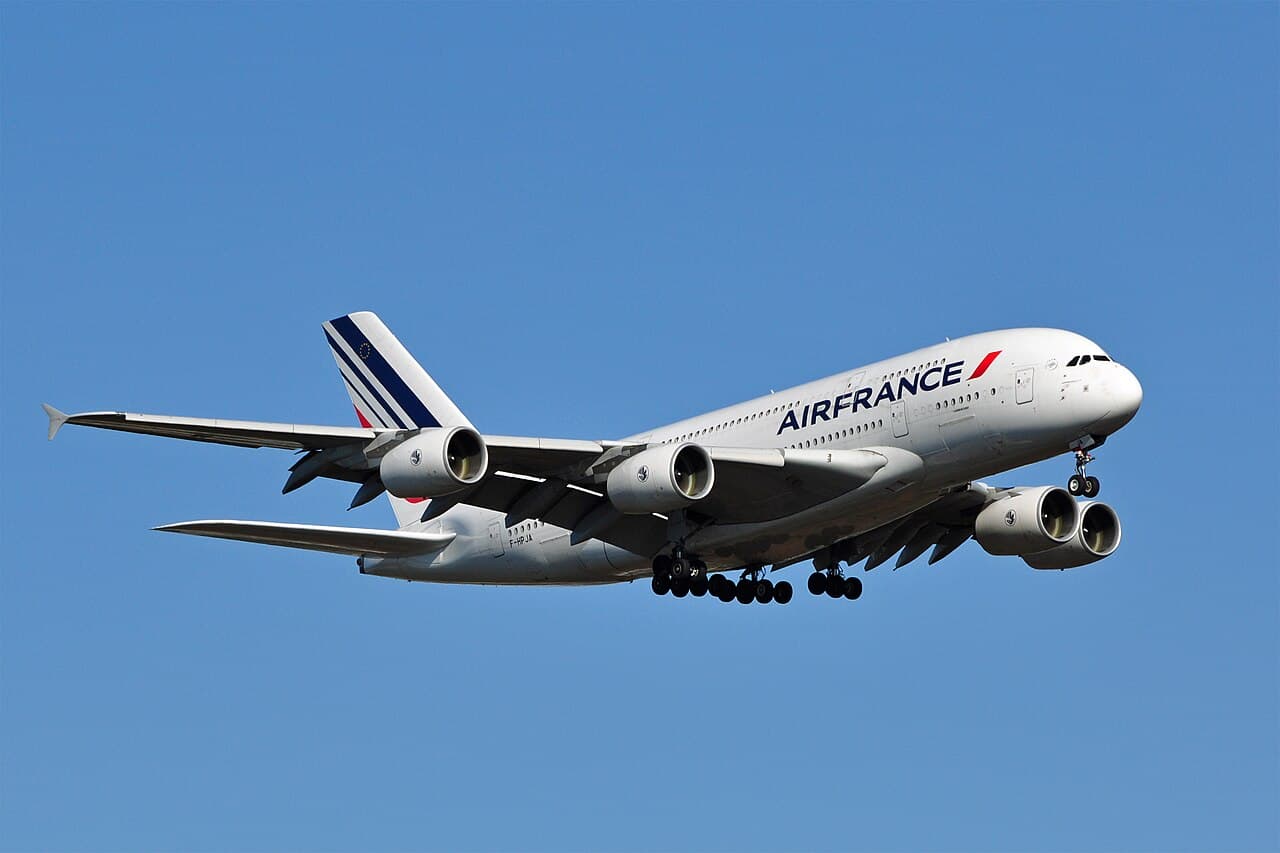
Airbus fixed A380 wing cracks by replacing carbon composite parts with aluminum to avoid fleet grounding
The Airbus A380 is the largest passenger airliner ever built. Airbus launched the double-decker to compete directly with Boeing's 747 and targeted airlines that needed a high-capacity aircraft for long-haul routes between major hubs. The aircraft entered commercial service in 2007 with Singapore Airlines, and several major carriers later added the A380 to their long-haul fleets.
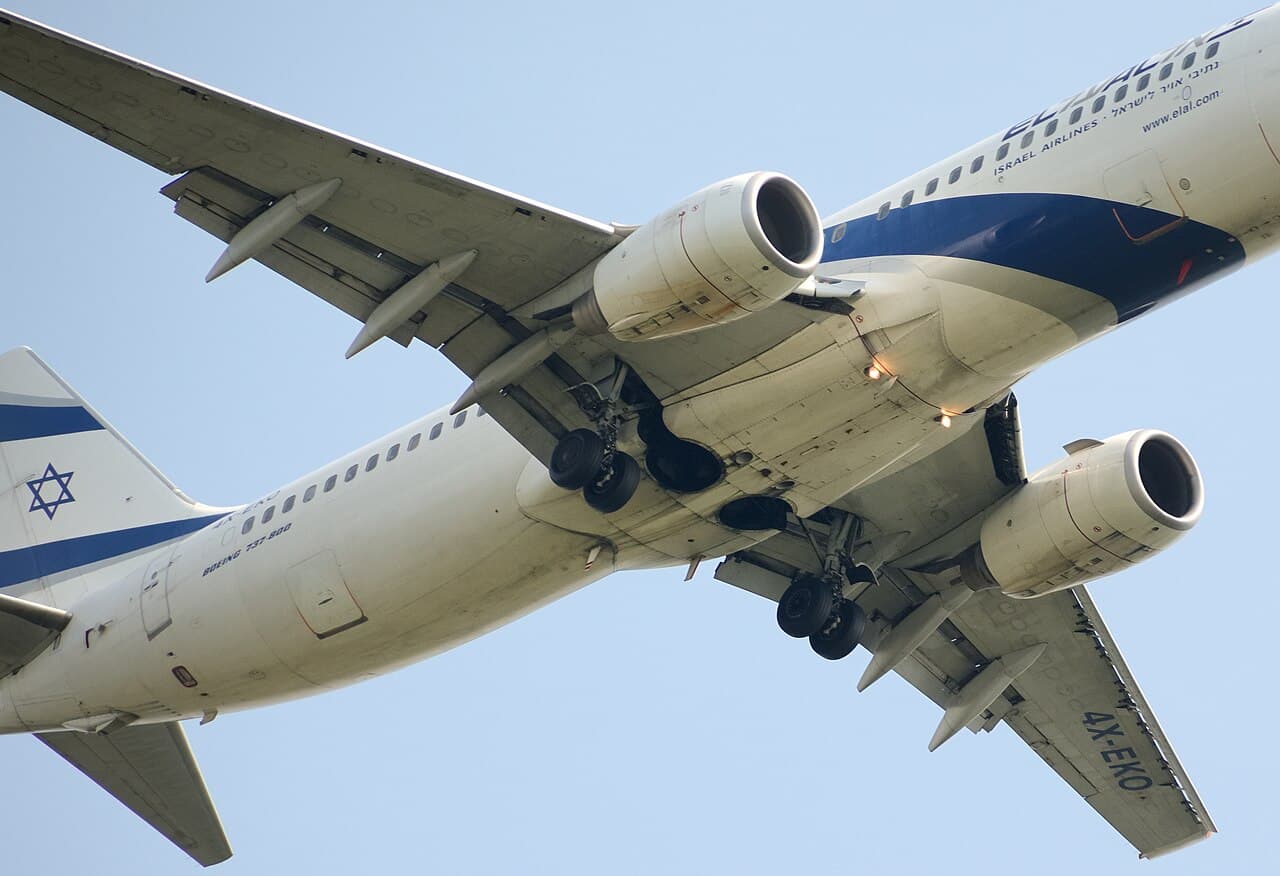
Legacy 1960s Boeing 737 Design Caps Economy Seat Width at 17 Inches
The Boeing 737 is one of the most popular narrowbodies in service, essentially offering the same economics and capabilities as the rival Airbus A320. It's the second-most successful commercial jetliner of all time (behind only the A320), and the two types have become ubiquitous on short-range routes, while later models are now becoming popular on medium-to-long-range routes.

WestJet Flight Attendants Strike Halts All Boeing 737 and 787 Flights in Canada
WestJet flight attendants have officially gone on strike after last-minute contract negotiations failed, forcing Canada's second-largest airline to cancel all scheduled Boeing 737 and Boeing 787 operations. The strike began on Sunday, August 2, at the height of the country's busy summer holiday period, immediately disrupting travel plans for tens of thousands of passengers across Canada and on international routes. More than 300 flights were canceled before the strike even officially started as the airline attempted to wind down operations in an orderly manner.
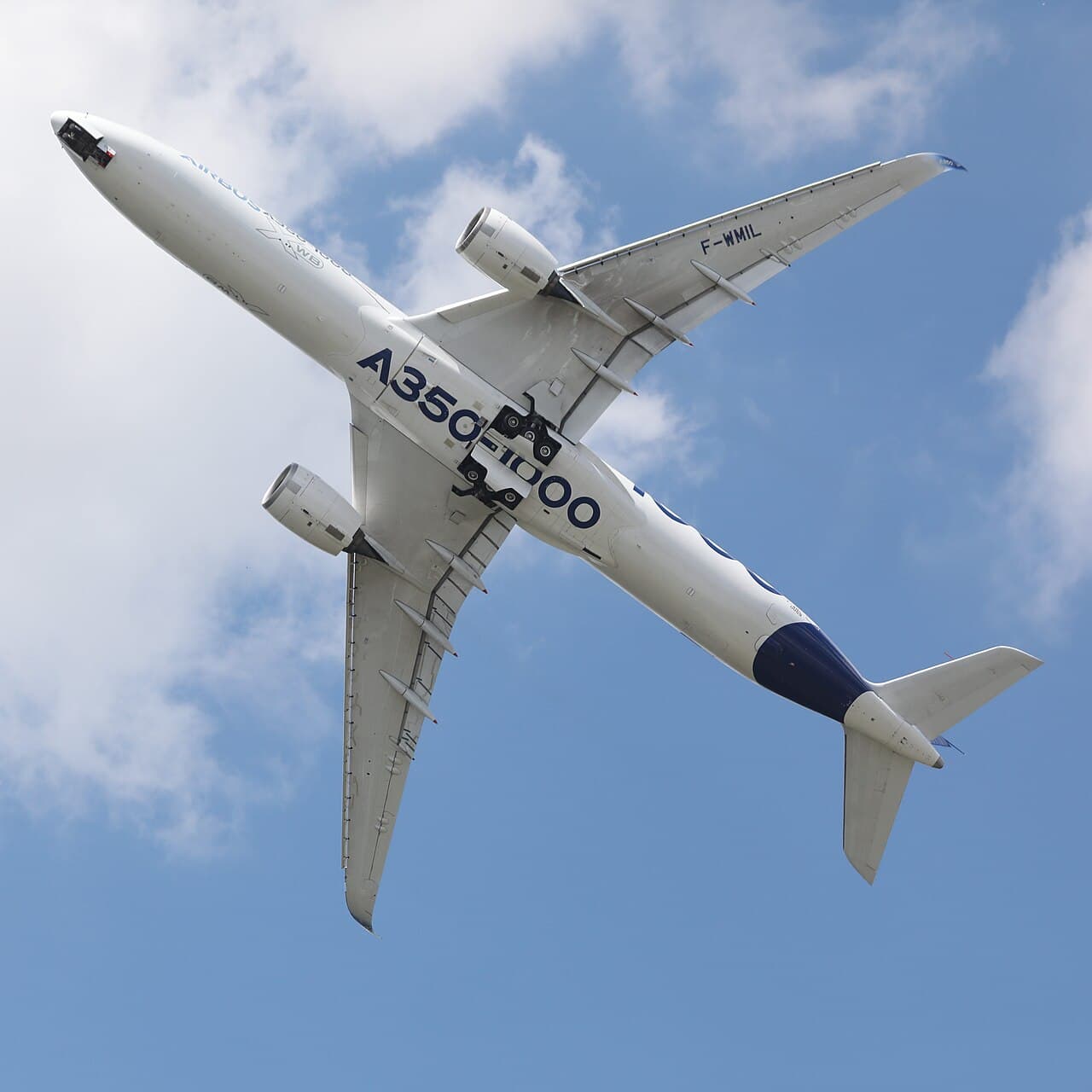
Boeing 777-9 challenges Airbus A350-1000 dominance in long-haul widebody market
When the Boeing 777-9 finally enters commercial service, it will become the largest twin-engine airliner ever built. By then, however, its main rival will already have spent nearly a decade carrying passengers, building a global customer base, and proving itself on some of the world's longest routes. That unusual timing means the contest between the 777-9 and Airbus A350-1000 is not about which widebody aircraft is better on paper. It is about whether Boeing's larger, higher-capacity design can overcome Airbus' years-long operational head start.
The Daily Touch & Go
The day's best aviation news in your inbox. Free, no spam.