
Illustration: The Touch & Go
Ryanair CEO Michael O'Leary Renewed Through 2032 with New Share Option Deal
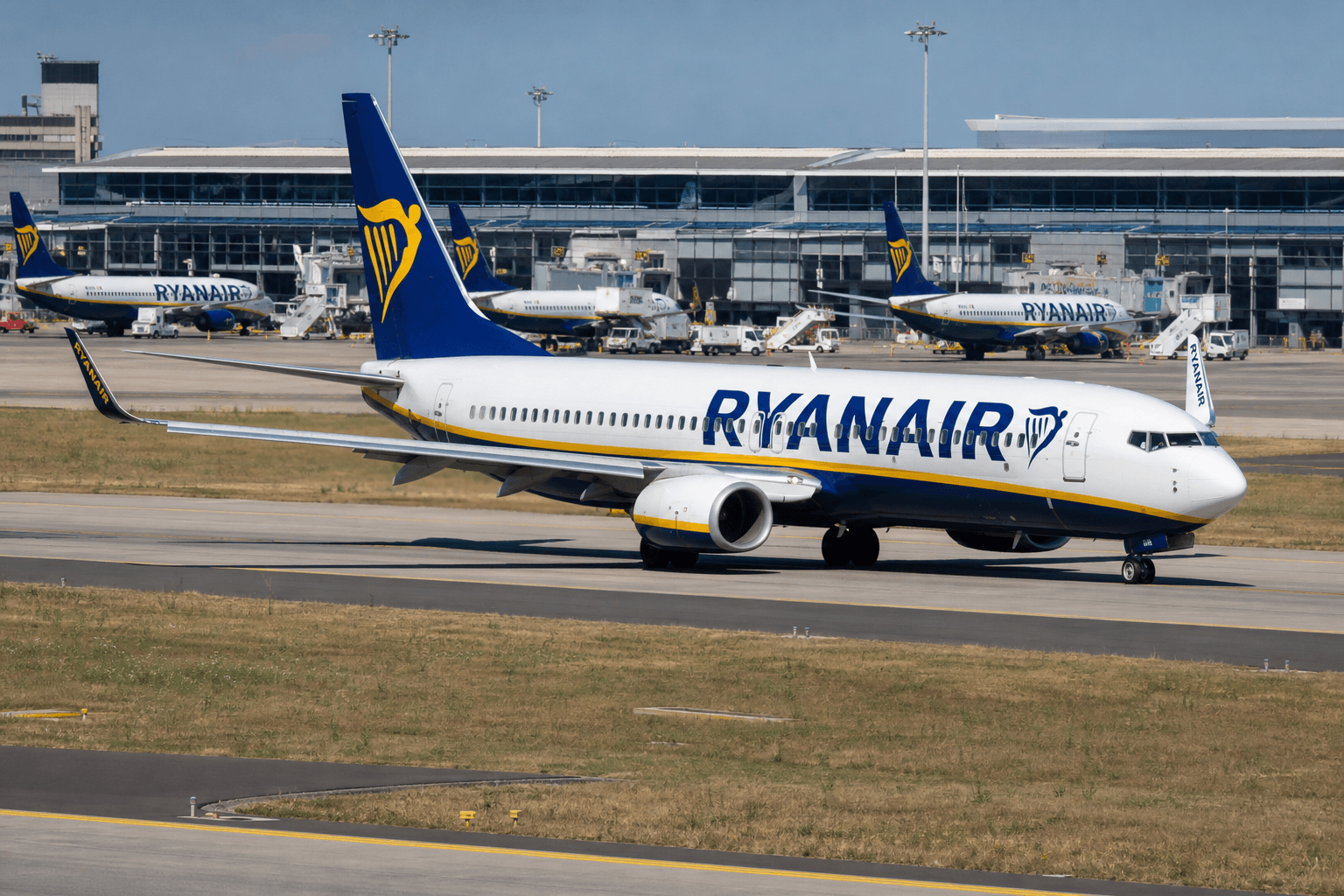
Michael O'Leary has signed a new contract to continue leading Ryanair until April 2032, including performance-linked share options and capped bonuses.
The gist
Ryanair CEO O’Leary extends contract to 2032 with new share purchase incentives tied to company targets.
Continuing coverage
All European Aviation →Michael O’Leary, Ryanair Group’s long-serving chief executive, has agreed to extend his tenure at the airline until April 2032. This agreement extends his leadership well beyond the expiration of his previous contract, which was set to end in 2028. O’Leary has been at the helm since 1994 and was appointed to the role of group chief executive in 2019, guiding the budget carrier through two decades of growth and market challenges.
The new contract features a modest base salary and establishes a cap on the annual bonus O’Leary can receive. Alongside these traditional compensation elements, a significant new incentive has been introduced in the form of a one-off purchase option for over 10 million shares in Ryanair. This option is contingent on O’Leary remaining in his position until 2032 and on the airline meeting ambitious profit or share price performance targets.
Ryanair has highlighted that achieving these targets would generate substantial additional value for shareholders, suggesting a strong alignment between O’Leary’s incentives and shareholder interests. The introduction of a sizable share option marks a shift toward performance-based compensation and potentially rewards the CEO for further expanding the company’s market leadership.
The discussions that led to the new contract began in the spring of 2026, involving extensive consultations with Ryanair’s largest shareholders. Ryanair’s chairman, Stan McCarthy, emphasized that the process concluded successfully with agreement on the terms of the six-year extension. The chair’s statement underlines the importance the board places on O’Leary’s continued leadership amid competitive and regulatory pressures in the airline sector.
O’Leary’s extended tenure comes at a time when Ryanair continues to pursue its low-cost model aggressively, expanding its network and fleet amid a recovering European aviation market. The CEO’s previous contracts and leadership have been marked by bold expansion strategies and cost leadership, enabling Ryanair to maintain its status as Europe’s largest low-cost airline. The new contract suggests confidence by the board and shareholders in O’Leary’s ability to navigate future industry challenges.
The terms of the new contract, including the capped bonuses and conditional share options, may reflect evolving trends in executive compensation aimed at balancing reward with accountability. By linking a substantial portion of the potential remuneration to long-term performance, Ryanair is aligning management incentives with sustained company growth and shareholder returns.
Ryanair currently operates a fleet primarily composed of Boeing 737 aircraft, serving over 200 destinations across Europe and North Africa. Under O’Leary’s leadership, the airline has focused on operational efficiency, maintaining low fares through high aircraft utilization and ancillary revenue generation. The reaffirmation of O’Leary’s contract likely signals continuity in the airline’s strategy amid rising fuel prices and increasing regulatory scrutiny on environmental impacts.
The airline industry, particularly the European low-cost segment, faces heightened competition from legacy carriers improving their cost bases and other low-cost entrants expanding rapidly. O’Leary’s role in steering Ryanair to maintain its competitive edge will be critical as the airline adapts to post-pandemic demand patterns and sustainability targets.
This decade-long extension gives Ryanair a clear leadership horizon. It also sets measurable benchmarks through the linked share option, indicating that Ryanair’s board expects O’Leary to deliver significant growth or share price appreciation. The new deal consolidates his position as one of Europe’s longest-serving airline executives with a clear mandate through the early 2030s.
Read more
All Airlines →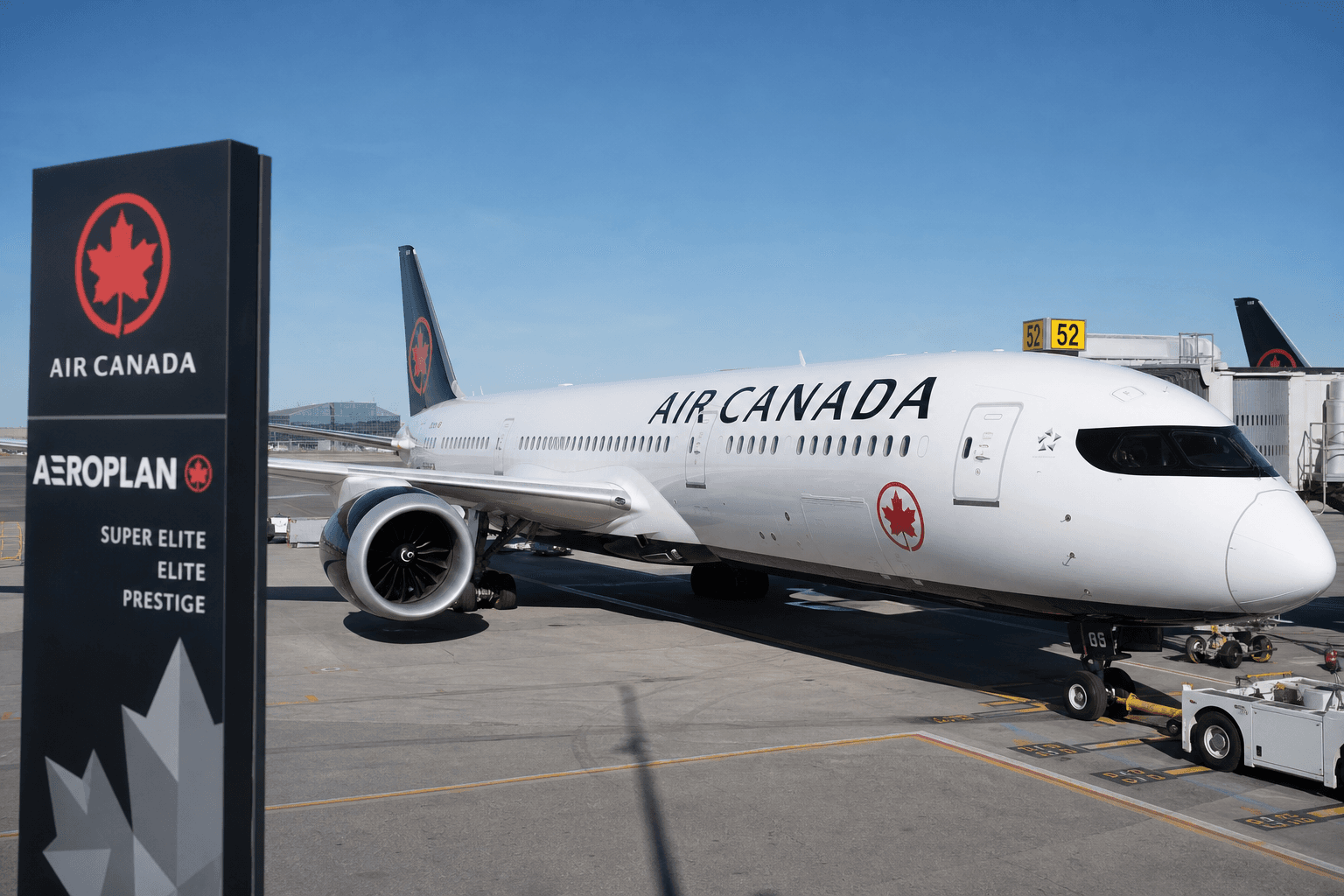
Air Canada sells 25% of Aeroplan loyalty program to Blackstone and Canadian investors for $2.5B
Private equity firm and other investors will receive a 25% stake of the programme, valued at $10 billion. Air Canada has agreed to sell a stake in its Aeroplan loyalty programme to the private equity firm Blackstone and a consortium of Canadian funds, including pensions. The investors will pay $2.5 billion for a 25% stake in the programme, valuing it at $10 billion. Air Canada will use the proceeds to reduce its debt and buy back shares. Air Canada will have the option to repurchase shares in five to eight years at a price that reflects a total rate of return of 6.5% for the outside investors. Shares of Air Canada spiked more than 5% in trading following a Bloomberg report of the potential deal on Tuesday, followed by another large gain on Wednesday following the announcement and earnings report that topped investor expectations. It's not Air Canada's first time using its frequent flyer scheme as a cushion for fresh capital, though a deal like this is relatively rare among North American airlines. Aeroplan was previously spun off into a separate company in 2005 as part of Air Canada's 2003 bankruptcy. The carrier repurchased the programme in 2019. In 2014, Virgin Australia sold a 35% stake in its Velocity frequent flyer programme to Affinity Equity Partners for A$336 million. It bought back the stake in 2019 for A$700 million. And as the COVID-19 pandemic hit airlines in 2020, many carriers used their loyalty programmes and credit card business as collateral to shore up liquidity. "Aeroplan remains a core part of Air Canada’s commercial strategy, and we continue to retain full control of the programme’s strategy, operations, partnerships, and member experience, while monetising a portion of its underlying value," says departing chief executive Michael Rousseau.
Singapore Airlines Faces Challenges With Largest Premium Economy Section on Ultra-Long Haul Flight
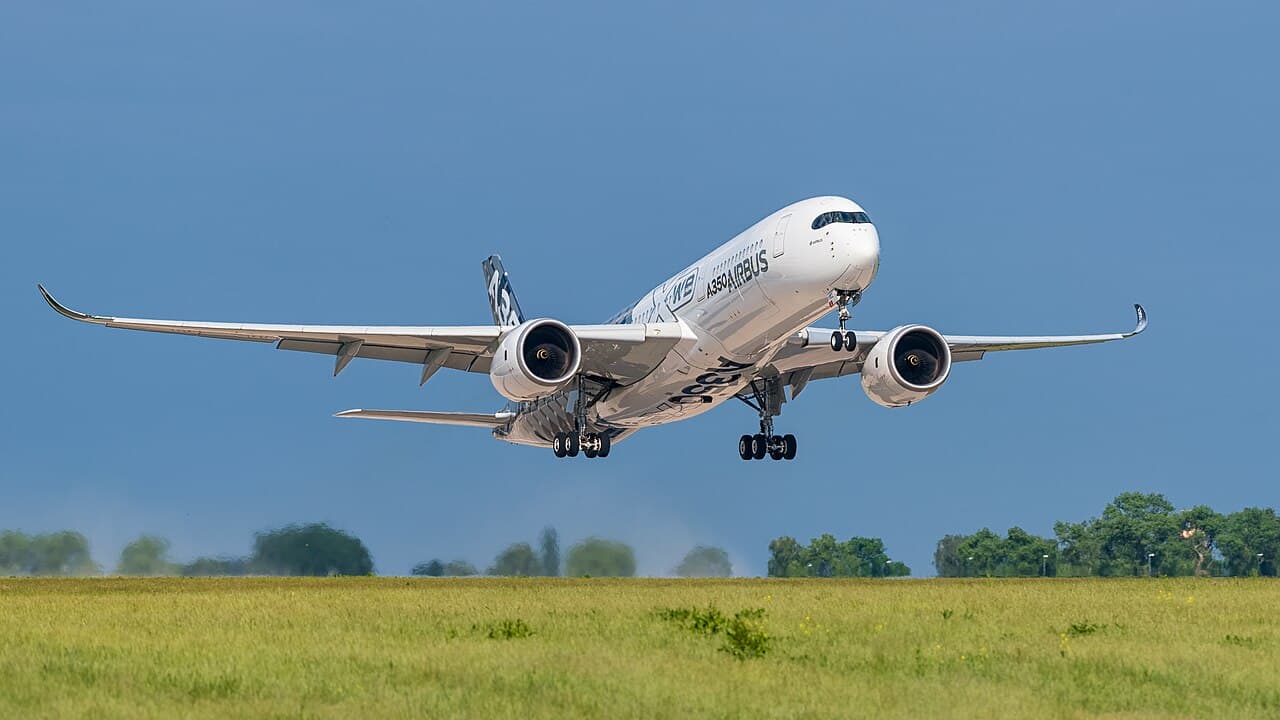
The world's longest flight is currently Singapore Airlines' mammoth trip from New York to Singapore, requiring 18 hours in the sky. Given this time, there is no true economy class product available, with 67 business class and 94 premium economy seats. The hard product for both classes is undeniably strong. However, it has been suggested that the cramming of 94 premium economy passengers into an area with one galley and three washrooms is breaking the product.
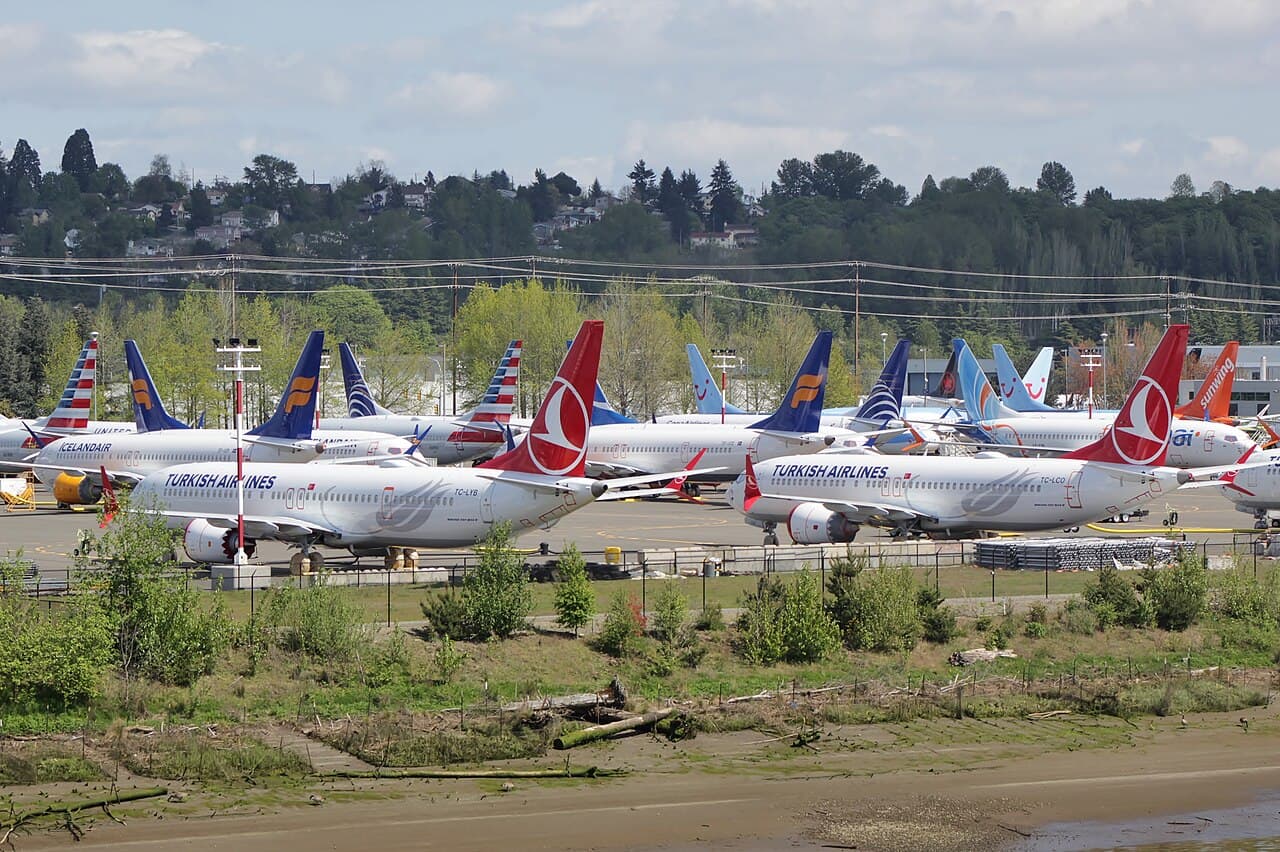
SpiceJet Flight SG105 Returns to Gate After Cabin Overheats in Delhi
Passengers on a SpiceJet flight from Delhi to Pune refused to take off after the cabin became unbearably hot, with travelers fanning themselves, crowding the forward door, and later chanting "Stop playing with our lives." SpiceJet says the air conditioning remained operational, but the aircraft was swapped after a technical issue — and this was not the first recent report of passengers trapped in sweltering conditions on the airline.
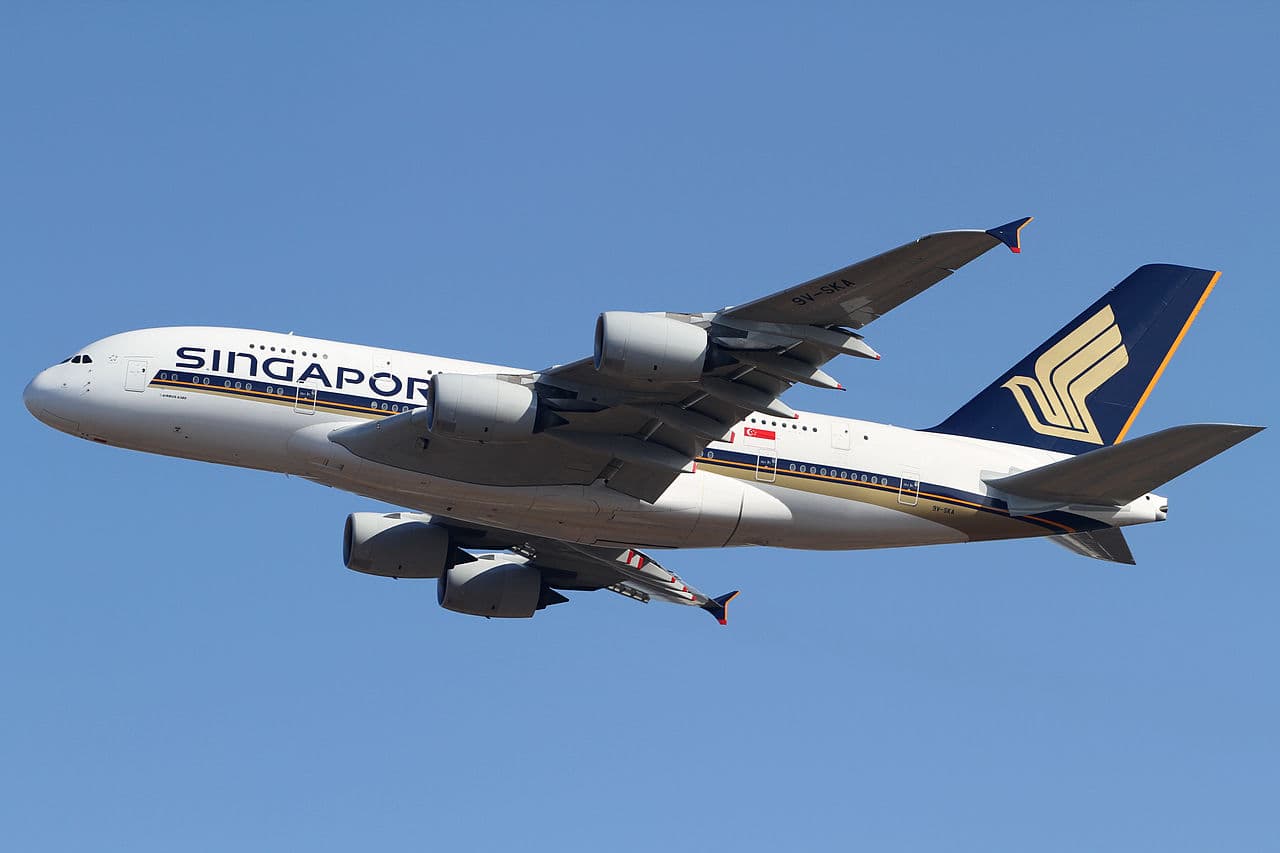
Singapore Airlines Business Class Delivers Consistent Luxury With Tailored Comfort
Singapore Airlines' Business Class has long been regarded as one of the most polished premium products in the world of global aviation. While many carriers are capable of offering lie-flat seating, refined meals, and premium lounges, Singapore Airlines layers these elements with a consistency, attention to detail, and overall design philosophy that elevate the entire experience. The airline views Business Class not simply as a transport product but as a hospitality offering built on deliberate service rituals, thoughtful cabin ergonomics.
The Daily Touch & Go
The day's best aviation news in your inbox. Free, no spam.