

Illustration: The Touch & Go
Cathay Pacific A350 Intercepted by NATO Jets After Radio Silence Over Europe
A Cathay Pacific flight from Hong Kong to London lost radio contact over Hungary, prompting fighter jet interception until communication was restored.
The gist
Cathay Pacific flight lost radio contact mid-Europe, triggered NATO jet interception before pilots confirmed all was well.
Continuing coverage
All Fighter Jets →- Saab inks $2.5B deal to deliver 16 Gripen E fighters to Ukraine by 2030
- US Marine F-35B Pilots Leaving for Airlines Offering Pay Nearly Double
- Thermal Management Emerges as Critical Challenge for 6th-Generation Fighter Jets
- Saab completes Hungarian contract with delivery of final two Gripen C fighters
- Fighter Jets Retiring Worldwide Find Varied Second Lives from Foreign Service to Aggressors
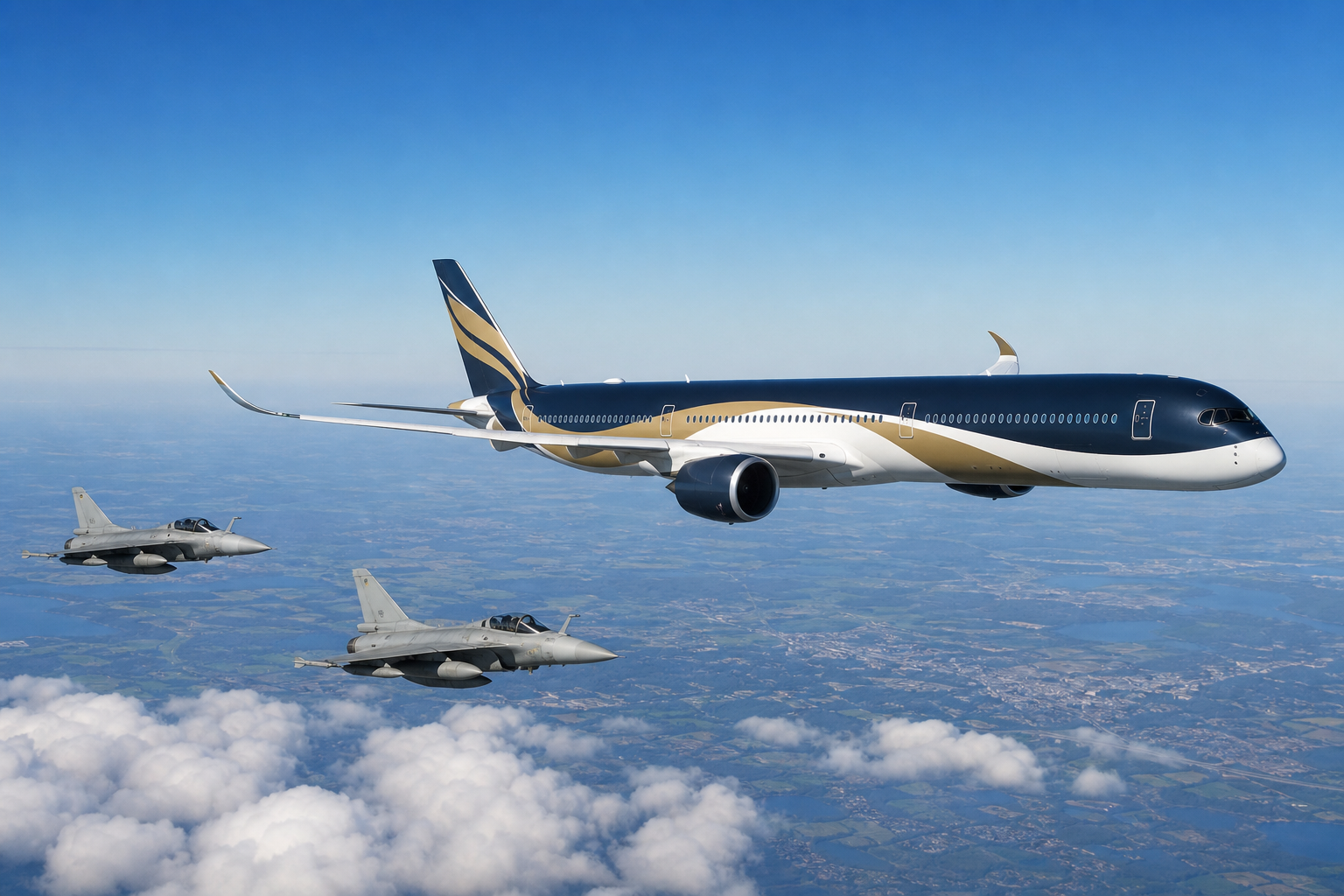
On July 4, Cathay Pacific flight CX-257, an Airbus A350-1000 carrying up to 334 passengers, encountered a serious in-flight communication issue while en route from Hong Kong to London Heathrow. After departing Hong Kong at around 8:40 am local time, the long-haul flight was proceeding on a 13-hour, 40-minute journey that navigated around Russian airspace to reach Europe. During passage through Romanian airspace at 38,000 feet, Air Traffic Controllers (ATC) lost radio contact with the flight's cockpit, unable to reach the pilots despite repeated attempts over the designated frequency.
The loss of communication persisted as the aircraft crossed into Hungarian airspace without notifying the responsible ATC unit. This breach of standard protocol escalated security concerns and triggered a potential alert. In response, NATO scrambled fighter jets to intercept the flight and assess the situation directly. The jets visually approached the Airbus A350-1000, signaling the need for pilot attention via established visual warning measures. Shortly thereafter, the flight crew reestablished radio contact, confirming no emergency conditions aboard the aircraft.
With communication restored, the NATO fighter jets were quickly stood down, and Cathay Pacific CX-257 was allowed to proceed safely to London Heathrow. While the immediate crisis was resolved without incident, questions remain as to why the radio silence occurred initially. Hong Kong's Civil Aviation Department has instructed Cathay Pacific to conduct a thorough investigation and produce a detailed report within one week of the incident.
Cathay Pacific confirmed a comprehensive review is underway, including meetings with relevant flight crew. One possible explanation under consideration is a malfunction in the aircraft's radio system, although this is viewed as less likely given communications resumed almost immediately following jet interception. Another scenario being examined is whether the pilots inadvertently selected the wrong radio frequency, causing the loss of contact with ATC.
Some commentators have floated the possibility that fatigue may have played a role, with the suggestion that both pilots could have fallen asleep during the ultralong-haul flight. Cathay Pacific typically crews flights to Europe from Hong Kong with at least four pilots, allowing two to rest while two remain on duty. The regulatory framework also permits controlled rest — a short nap for one pilot while another monitors the flight — designed to mitigate fatigue risk, particularly during late flight stages.
In Europe, controlled rest periods are strictly limited to 45 minutes plus a 20-minute recovery phase, intended to prevent deep sleep and ensure prompt pilot responsiveness. European Aviation Safety Agency research indicates such rest can significantly improve pilot alertness near descent and landing phases. Contrastingly, the U.S. Federal Aviation Administration does not permit controlled rest, favoring alternative fatigue management strategies.
Despite these considerations, Cathay Pacific reaffirmed the flight followed its authorized route for the entire journey. The incident evokes parallels to a 2022 case involving Ethiopian Airlines, in which both pilots reportedly fell asleep on a flight from Khartoum to Addis Ababa, overshooting their destination and triggering onboard alarms when autopilot disconnected. Such cases highlight ongoing challenges in balancing crew rest with operational vigilance on long-haul flights.
Frequently asked questions
- Why were NATO fighter jets scrambled to intercept the Cathay Pacific flight?
- The fighter jets were dispatched because the Cathay Pacific flight lost radio contact with air traffic control while flying over Hungary, prompting a potential security alert until communication was restored.
- What are the possible reasons for losing radio contact during the flight?
- Investigations are considering possible radio system malfunction, pilots selecting the wrong frequency, or pilot fatigue including potential sleep episodes during the long-haul flight.
- How does Cathay Pacific manage pilot fatigue on long-haul flights like HK to London?
- Cathay Pacific crews such flights with at least four pilots, allowing two to rest at a time, and permits controlled rest—a short nap for one pilot while the other monitors—to maintain alertness during extended operations.
Read more
All Aviation Safety →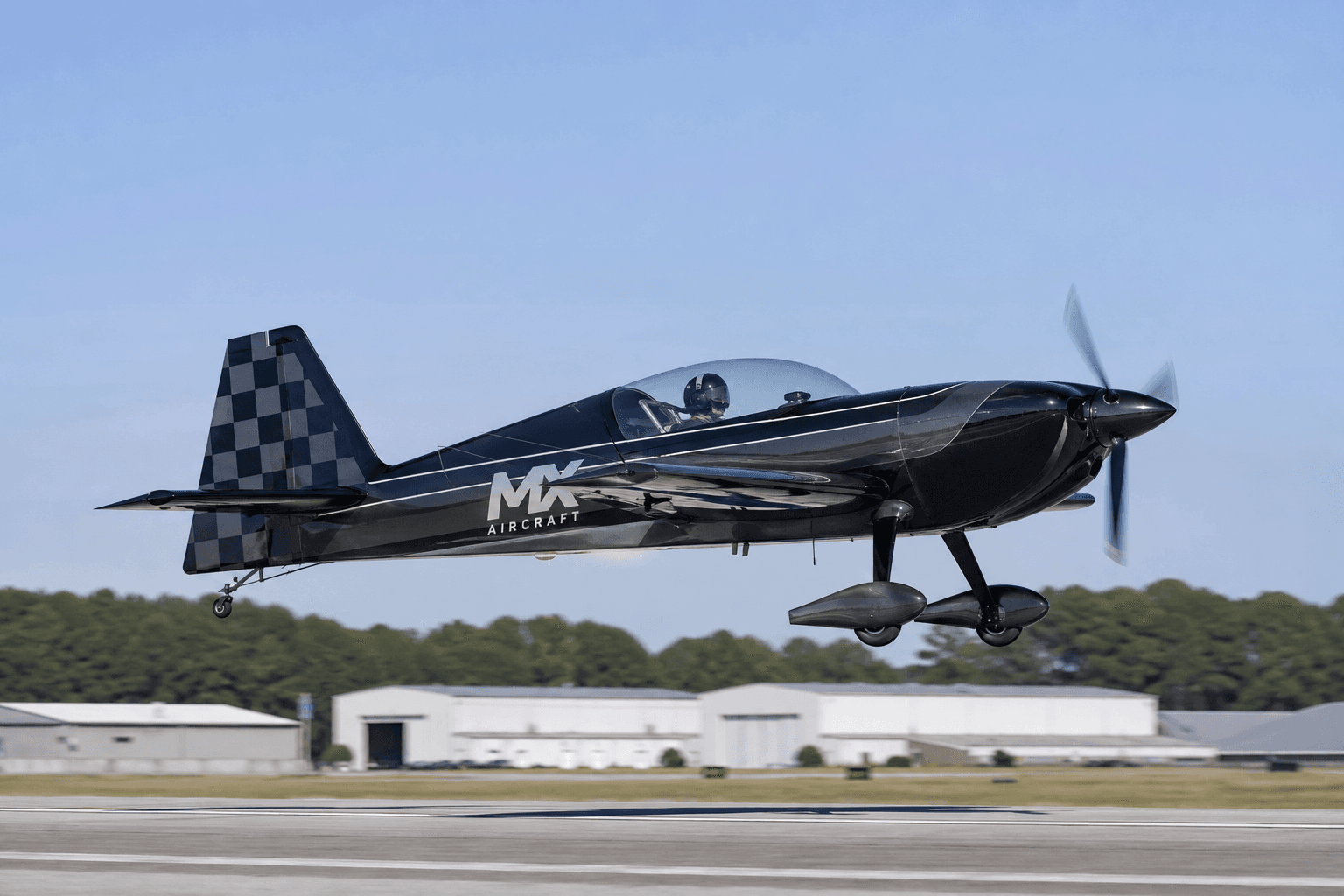
NTSB Final Report Cites Elevator Counterweight Plug Failure in Rob Holland Crash
National Transportation Safety Board authorities investigating the 2025 accident that killed aerobatic pilot Rob Holland have determined the failure of a custom counterweight plug resulted in a jammed elevator and subsequent loss of control during landing. Holland, 50, was one of the top aerobatic pilots in the world. He held an ATP certificate and had more than 15,000 hours of flight experience. The accident occurred on April 24 at approximately 11:35 a.m. ET as Holland was attempting to land his aerobatic MX Aircraft Tech MXS airplane at Langley Air Force Base (KLFI) in Hampton, Virginia. READ MORE: Master of the Air: Recalling a Close Encounter With Rob Holland READ MORE: NTSB Releases Preliminary Report on Holland Accident The weather was clear and the winds calm at the time of the accident. According to witnesses, the airplane made a smooth approach to Runway 08, leveling off about 50 feet above the runway and flying straight down the runway for several hundred feet, then it porpoised twice, pitching up 45 to 60 degrees then climbing several hundred feet and rolling 90 degrees to the left. The aircraft rolled and descended straight down to the ground. The aircraft pancaked in a ditch off the side of the runway. The NTSB report notes that “all major components of the airplane were accounted for at the accident site. The left elevator counterweight plug was located about 10 feet behind the wreckage in the grass.” An electronic flight instrument system was recovered from the accident airplane. The data were consistent with the witness descriptions of the accident sequence. According to the medical examiner, the cause of death was listed as blunt force trauma. Holland tested negative for all drugs. Holland had flown to Virginia from Smyrna Airport (KMQY) in Tennessee because he was slated to perform in the Air Power Over Hampton Roads airshow in the MXS. Holland had been performing aerobatics in the customized all-carbon fiber single-seat aerobatic aircraft since 2011. The aircraft was built by a company in Australia. Aerobatic performer Rob Holland dominated the Unlimited Power category in his MX Aircraft Tech MXS. [Credit: Gary Schenaman] According to the NTSB final report, the aircraft was issued a special airworthiness certificate in the experimental category for the purpose of exhibition and air racing on July 26, 2019. A representative of the airframe manufacturer stated that Holland had contacted them requesting the company incorporate an adjustable balance tube into the design of the elevator during its construction. Per the NTSB report: “The design included an access hole in the left and right elevator horns to insert counterweights. The access hole/tube was covered by a plug. The manufacturer described that the plugs were designed as a short-term solution and that no manuals or other information was provided specifying torque valves to be used when installing the plug. The airframe manufacturer also provided a design drawing for the plug that appeared to be dimensionally different from the plug found installed in the accident airplane. The design document also called for an o-ring, which the airframe manufacturer described as a locking device. No o-rings were found on either of the plugs associated with the accident airplane. When asked about the differences observed between the specified plug and the plugs found on the accident airplane, the airframe manufacturer could not explain the discrepancy.” Following the accident the aircraft manufacturer published an undated mandatory safety notice (SN 2025-01), which was applicable to MXS and MX2 airplanes fitted with adjustable balance tubes that provided instructions for filling existing adjustable balance tubes with a lead/resin mixture. In November 2025 Holland was posthumously inducted into the EAA Sport Aviation Hall of Fame. He learned to fly as a teenager and went on to win many aerobatic competitions and became a favorite performer at airshows. Among his accomplishments: Thirteen-time consecutive U.S. National Aerobatic champion Six-time world 4-minute freestyle champion Fourteen-time U.S. 4-minute freestyle champion 2015 World Air Games freestyle gold medalist 2012 Art Scholl Memorial Showmanship Award recipient 2008 World Advanced Aerobatic champion Ten-time U.S. Aerobatic Team member 37 medals in international competition (14 Gold)
Fuel System Failure at Boston Logan Triggers 370+ Delays and 100+ Cancellations
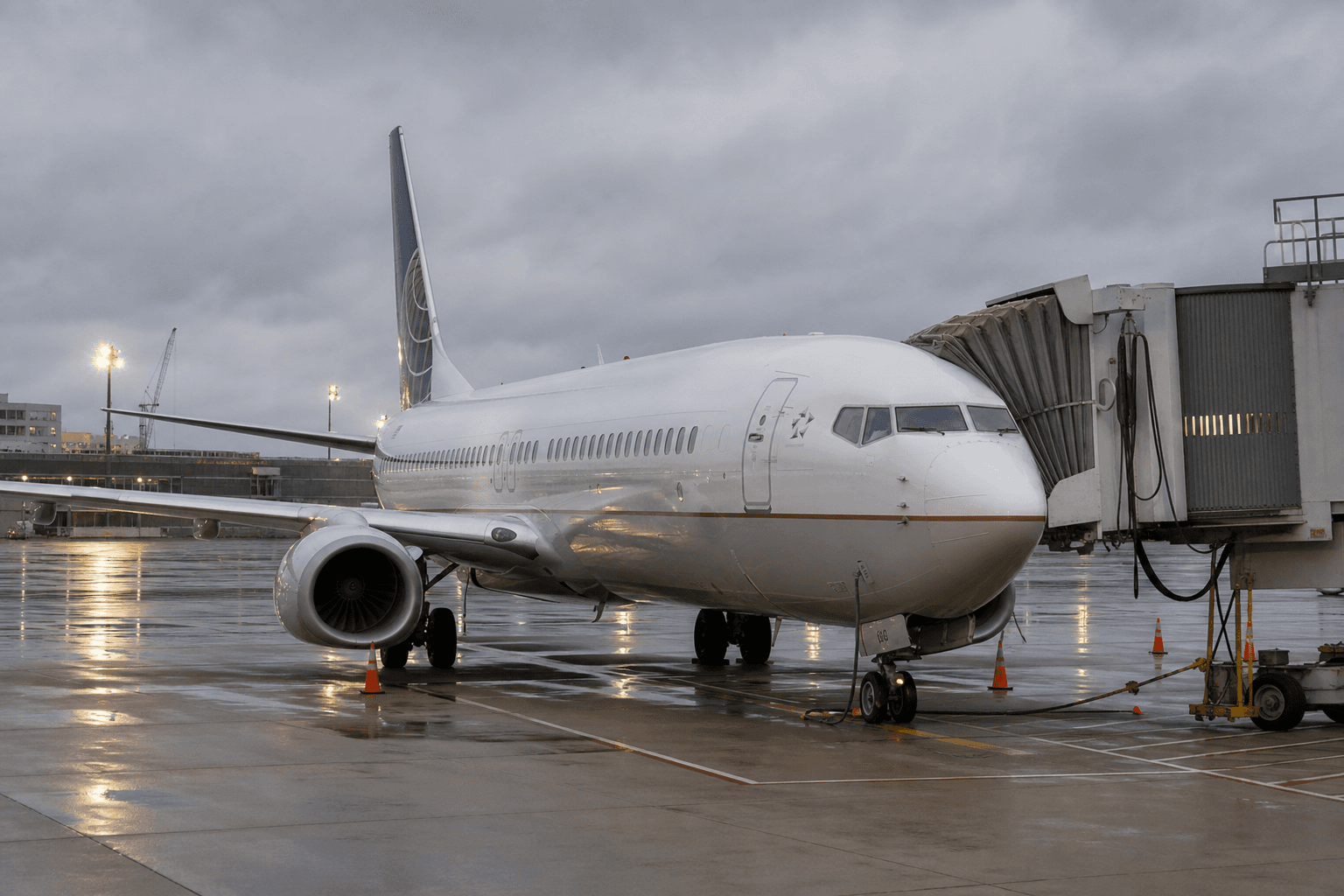
A major fueling system failure at Boston Logan International Airport (BOS) brought one of the nation's busiest airports to a near standstill Sunday evening, triggering more than 370 flight delays and over 100 cancellations. The failure came on July 4 weekend, disrupting travel during one of the busiest periods of the summer . The incident prompted the Federal Aviation Administration to issue a ground stop, preventing departures as airport officials worked to restore access to jet fuel across the airfield.
UK F-35s intercept Russian Tu-142 near Royal Navy carrier HMS Prince of Wales
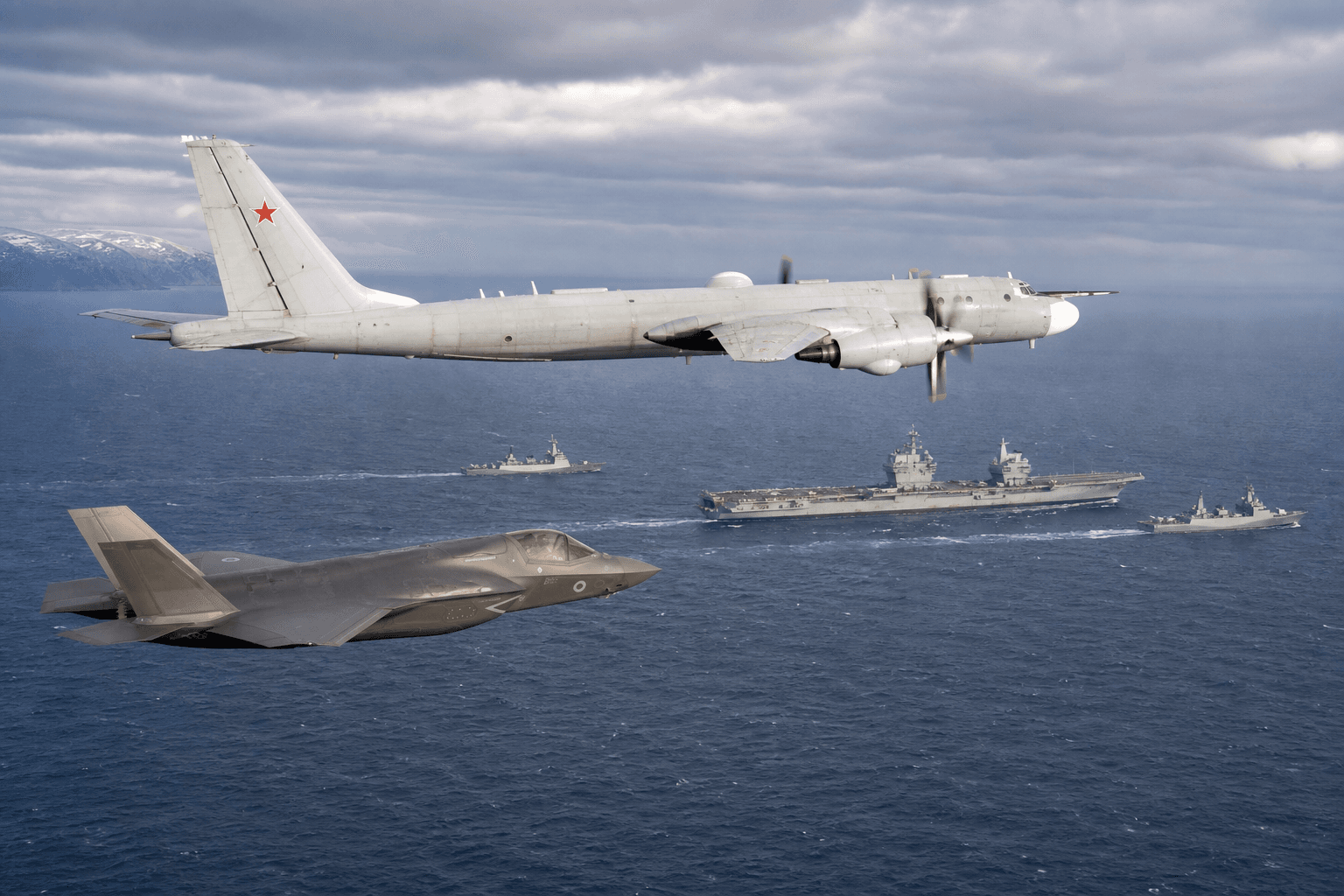
London says the long-range maritime patrol aircraft failed to respond on international safety frequencies. A Russian long-range patrol aircraft flew “unnecessarily close” to the UK Royal Navy’s flagship, acting in a dangerous manner, according to London. The UK Ministry of Defence (MoD) says a Tupolev Tu-142 Bear-F maritime reconnaissance aircraft buzzed the Royal Navy’s HMS Prince of Wales aircraft carrier in the Norweigan Sea on 6 July. Two Lockheed Martin F-35B stealth fighters from the embarked 809 Naval Air Squadron were launched to intercept the Russian aircraft, which did not respond to hails, according to London. “The aircraft flew unnecessarily close to HMS Prince of Wales , dropped multiple sonobuoys nearby, and failed to respond on international safety frequencies,” the MoD says. “This activity was unsafe and unprofessional.” The British carrier and its supporting vessels are deployed to the region as part of NATO’s Arctic Sentry mission — a multi-domain military effort launched in February 2026 to strengthen the alliance’s presence and ability to operate in the High North. Following the Tu-142 incident, London says the UK Carrier Strike Group will continue to operate in the region. The Royal Navy vessels began the mission in June under the designation Operation Firecrest. Two F-35Bs from 809 Naval Air Squadron escorted the Tu-142 out of the area, according to London. Source: UK Ministry of Defence Photos released by the MoD show one of the F-35Bs flying off the wing of the Tu-142, which carries tail number RF-34059. The aircraft can also be seen making a low pass near one of the Prince of Wales ‘ escort vessels, which appears to be the Type 45 destroyer HMS Duncan . Fleets data from aviation analytics company Cirium indicates the Tu-142 was built in 1983 for the Soviet navy. Tu-142s assigned to support Russia’s Northern Fleet operate from an airbase in Vologda Oblast, some 435 miles (700km) east of St Petersburg. The four-engined turboprops provide naval reconnaissance and conduct anti-submarine warfare. Cirium shows Moscow has 32 Tu-142s in service, although some appear to have been lost in Russia’s ongoing war in Ukraine. The available Tu-142 fleet is split between Russia’s Northern and Pacific fleets, with the Pacific aircraft operating from an airbase in Russia’s Far East region of Khabarovsk Krai. Russia’s Pacific Fleet Tu-142s have been used to probe airspace near Alaska and northern Canada, according to the North American Aerospace Defense Command.
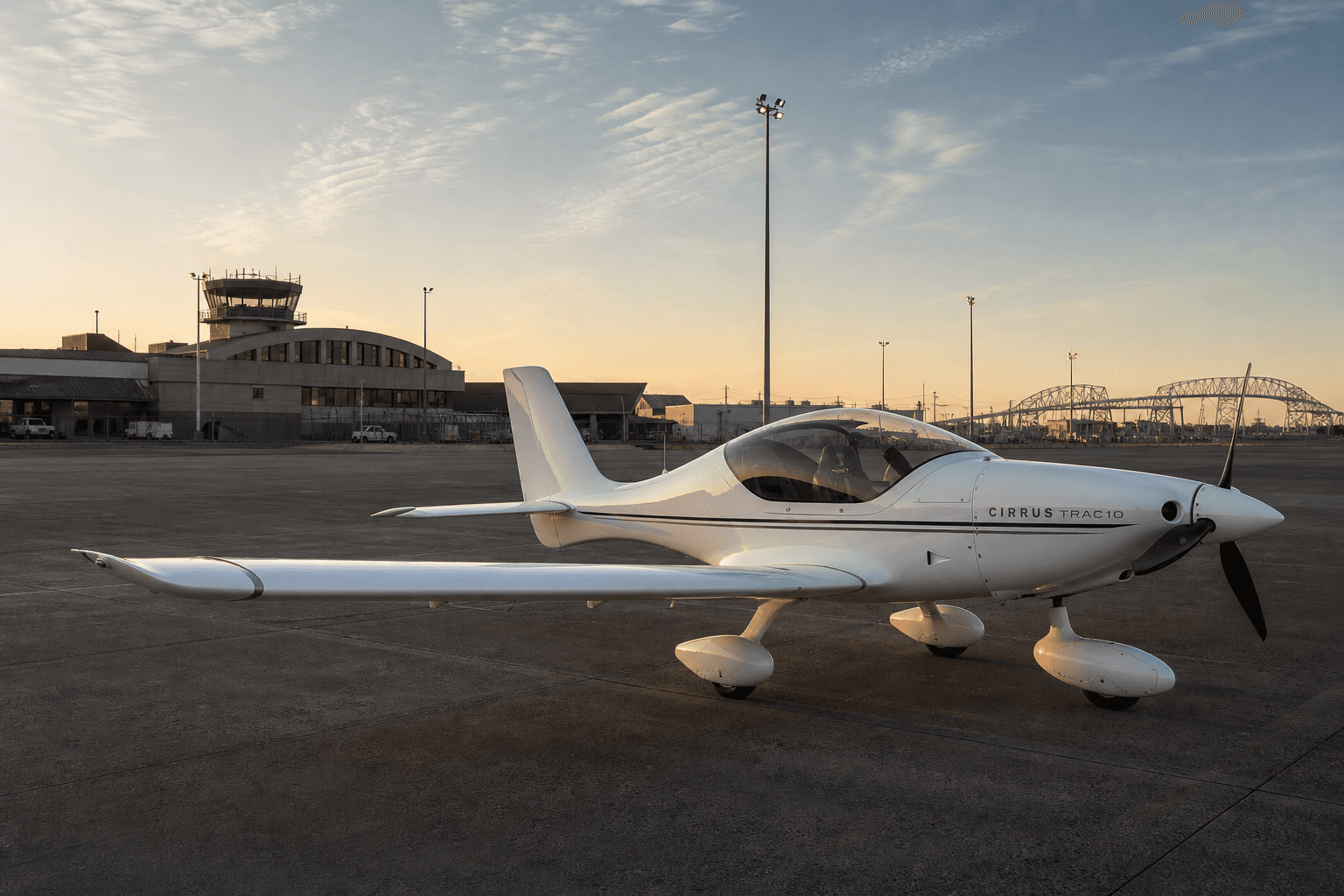
Cirrus Launches TRAC10 Training Aircraft for Professional Flight Schools
Cirrus introduced the TRAC10 on Monday, a new flight training aircraft intended for professional, collegiate and career-oriented flight schools. The aircraft expands the company's TRAC training lineup and will be built at the company’s headquarters in Duluth, Minnesota. Orders And Deliveries "Drawing on more than thirty years of designing, building, and supporting aircraft worldwide, the TRAC10 is our most deliberate answer yet to what professional flight schools need to succeed," Cirrus CEO Zean Nielsen said. "Our focus on safety, efficiency, connectivity, and reliability serves every stakeholder in the professional pilot training equation – we are excited for students around the world to start training in the TRAC10." The TRAC10 is powered by a 160-horsepower turbocharged Rotax 916 iSc FADEC engine. Cirrus said the aircraft can burn as little as 5.9 gallons per hour at 65% power in cruise and can operate on 100LL avgas, 91/94 unleaded fuel and select mogas blends. Aircraft Systems The aircraft has a three-seat cabin, Garmin flight deck and Cirrus Airframe Parachute System (CAPS). The company said the rear seat is designed for an observer and can include a configurable display for training use. The cabin also includes adjustable seats and rudder pedals, USB-C ports, storage and optional air conditioning. The TRAC10 also includes Electronic Stability and Protection, the Blue Level Button, stick shakers and a cuffed-wing design. Cirrus IQ is included for fleet data, aircraft status monitoring, maintenance tracking and database updates. Cirrus said it has received orders for more than 100 TRAC10s from 13 flight schools worldwide. U.S. deliveries are expected to begin in 2027, followed by international deliveries in 2028. The aircraft starts at $499,900.
The Daily Touch & Go
The day's best aviation news in your inbox. Free, no spam.