


Spinner vs. Roller Luggage: Weighing the Pros and Cons for Travelers
Spinner suitcases with four wheels offer maneuverability and style but face challenges on uneven terrain and space constraints compared to traditional two-wheel roller bags.
The gist
Spinner luggage excels in smooth, tight spaces but struggles on rough terrain; roller bags offer durability and practicality.
Travelers often debate the optimal luggage design, particularly the merits of spinner suitcases versus traditional roller bags. Spinner suitcases, defined by their four wheels allowing 360-degree movement, have surged in popularity recently, frequently paired with a hard-sided shell. Conversely, roller bags typically feature two wheels and often have a soft-sided build. This distinction sparks strong opinions among travelers about performance, durability, and convenience.
Spinner suitcases provide several advantages, chiefly their flexibility in movement. Unlike two-wheeled roller bags, which primarily roll behind the user, spinner suitcases can be pushed or pulled alongside or ahead, aiding navigation through crowded airport aisles or narrow train turnstiles. Their four-wheeled design allows lateral movement into tight spaces and generally reduces physical strain on arms and shoulders when operating on flat, even surfaces.
Many manufacturers have embraced spinner designs, especially in premium lines where hard-sided cases predominate. These hard shells offer superior protection for belongings, while the quiet, smooth roll of four wheels improves the traveler’s overall experience in controlled environments like terminals and hotel lobbies. This blend of style, maneuverability, and perceived durability drives much of the market shift toward spinners.
However, spinner luggage has notable drawbacks, primarily linked to the external wheels protruding from the case body. This design consumes space and can push bags beyond airline carry-on size limits, causing headaches at boarding gates. Moreover, spinner cases often struggle off and on inclines, rough surfaces, or moving vehicles like trains, where stability is compromised. Wheel breakage is an increased risk due to four points of contact versus two, and repairs tend to be more frequent and complicated.
The hard shell, while protective, also limits expansion, making spinners less adaptable for travelers who need extra packing room. In contrast, two-wheeled roller bags can often expand and feature flexible fabric exteriors. Additionally, roller luggage allows users to clip additional items, such as backpacks, onto the side handle, a practical feature spinners generally lack due to their wheel placement and case shape.
Personal preferences illustrate these tradeoffs clearly. Some travelers value the aesthetic and smooth rolling environment of spinner suitcases, favoring brands like Rimowa despite concerns about surface scratches. Others choose two-wheeled roller bags like Briggs & Riley for their robustness and capability on non-ideal surfaces, favoring function and reliability over style. This debate is ongoing, with household opinions sometimes diverging sharply.
Overall, the choice between spinner and roller luggage reflects differing priorities: ease of maneuvering in controlled spaces versus durability and adaptability to uneven terrains and heavy use. Industry trends indicate spinner luggage will continue to dominate, but a significant segment of travelers remains loyal to the traditional roller design for its tried-and-true performance under varied conditions.
Frequently asked questions
- What are spinner suitcases and how do they differ from roller luggage?
- Spinner suitcases have four wheels that allow 360-degree movement and are often hard-sided, while roller luggage typically has two wheels and a soft-sided design.
- What advantages do spinner suitcases offer compared to roller bags?
- Spinner suitcases are more maneuverable, can be rolled alongside or in front, and are easier to handle on flat surfaces, with less arm and shoulder strain.
- What are the drawbacks of spinner luggage for travelers?
- Spinner luggage can struggle on inclines or uneven surfaces, takes up more space due to external wheels, may be less durable, and often lacks expandable compartments.
Read more
All Airlines →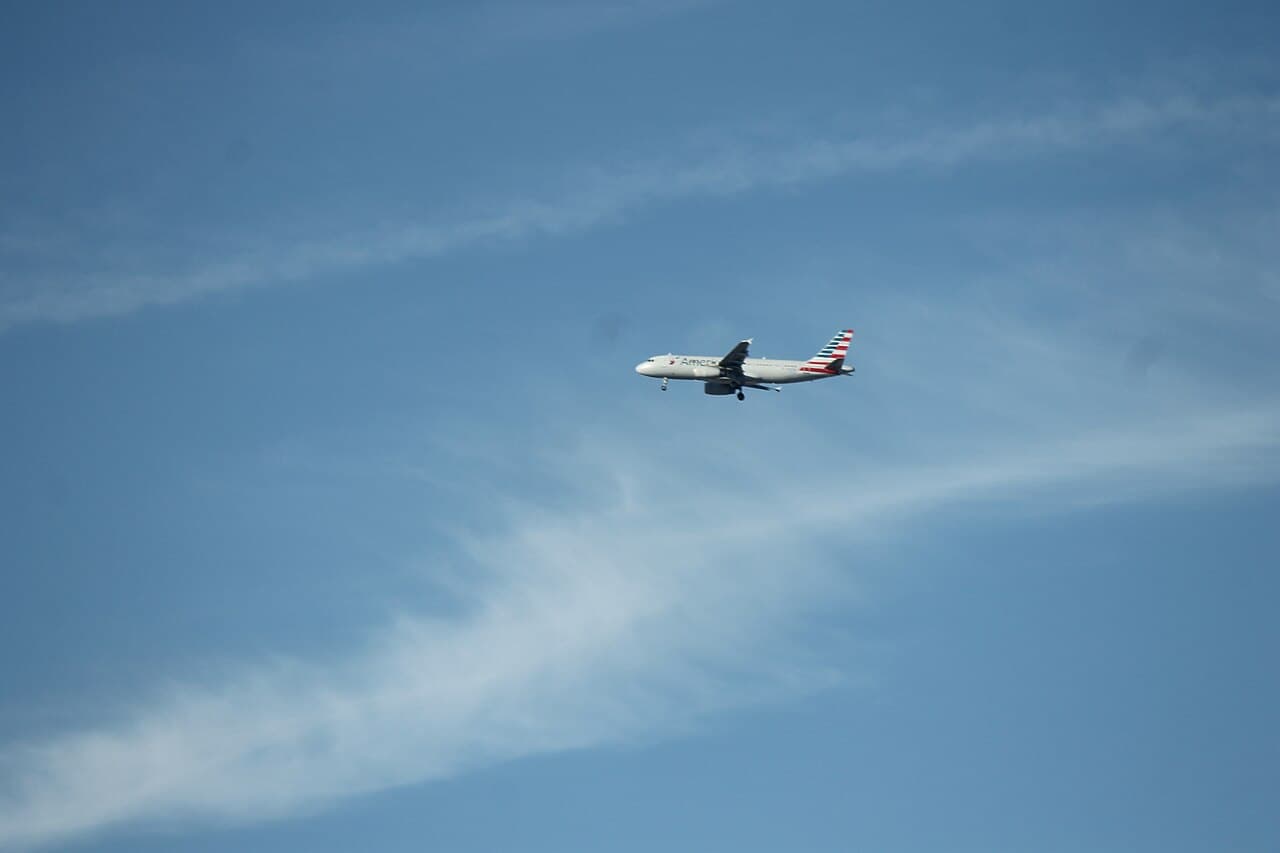
How Crews and Aircraft Separation Amplify Flight Delays Even After Weather Clears
Airlines often blame weather even after skies clear because the disruption has scattered aircraft, pilots and flight attendants across the network. After a storm delayed my American Airlines flight at Washington National, a missing crewmember exposed how separating planes and crews can turn one late arrival into delays across multiple flights.
Airbus to upgrade A321neo with A321XLR wing design and single-slotted flaps
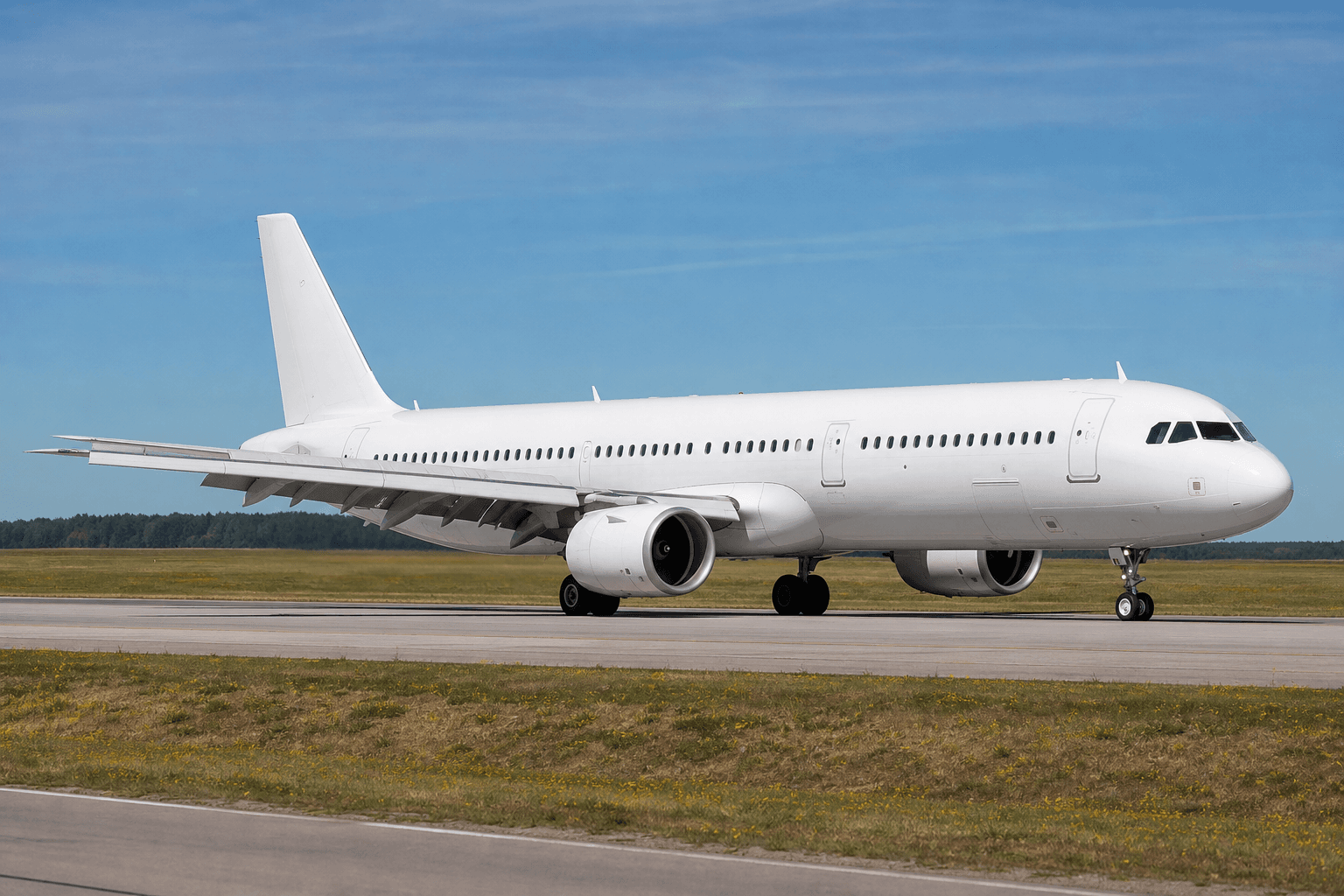
Airbus to incorporate batch of improvements on popular single-aisle model, and test production maturity of some on A320neo line. Airbus is to migrate A321XLR technology – including its revised wing design – to the A321neo, while other enhancements for the single-aisle family will initially be applied to the A320neo before being transferred up to the larger variants. The long-range XLR includes a lighter wing with a single-slotted inboard flap, and this will be incorporated into the regular A321neo, which currently uses a double-slotted design. A321neos will take advantage of a take-off performance improvement system which introduces intermediate flap positions, and works in conjunction with the single-slotted flap arrangement. The changes are part of a package of incremental improvements known as STEP4. A321neos will also benefit from new flight-control laws, the lighter electronic ‘e-rudder’, forward cabin temperature zones, and updated multi-functional runway lights. Head of A320-family development Torsten Hartung says the airframer is putting the "good ingredients" from the XLR onto the popular A321neo platform – the A321neo had a backlog of over 5,600 orders at the end of June. But the STEP4 enhancement will also entail new modifications which Airbus is to apply initially to the A320neo, as a low-risk measure to ensure production maturity before transferring them to the higher-rate A321neo, including the XLR variant. The A320neo will notably receive a new 'cobra' duct for the auxiliary power unit – mounted in the top of the fuselage, and aimed at enhancing cabin air quality – and corrosion-prevention measures such as titanium cabin rails. "The baseline A320neo is the first model to incorporate and prove the new modifications," says STEP leader for A320 family programme development Martin Schnoor. “Where we physically change the aircraft we decided to apply it first on A320neo in order to learn and see how well things are going." Once integration on the A320neo line is smooth, the new modifications will be made to the A321neo and XLR. Schnoor says deliveries of initial STEP4 A320neos are beginning, with the first A321neos and XLRs set to follow after a year. The A320neo has a different wing to the A321neo, but Airbus is ultimately aiming to migrate as many XLR innovations, outside of wing-related changes, to the A320neo as it can. Airbus says STEP4 will also eventually deliver further enhancements across the family, such as cabin-floor reinforcement, to account for changing standards in the weight of passengers and baggage, and a standardised flight data interface and management unit.
EVA Air Pioneered Premium Economy, Reshaping Long-Haul Travel Since 1992
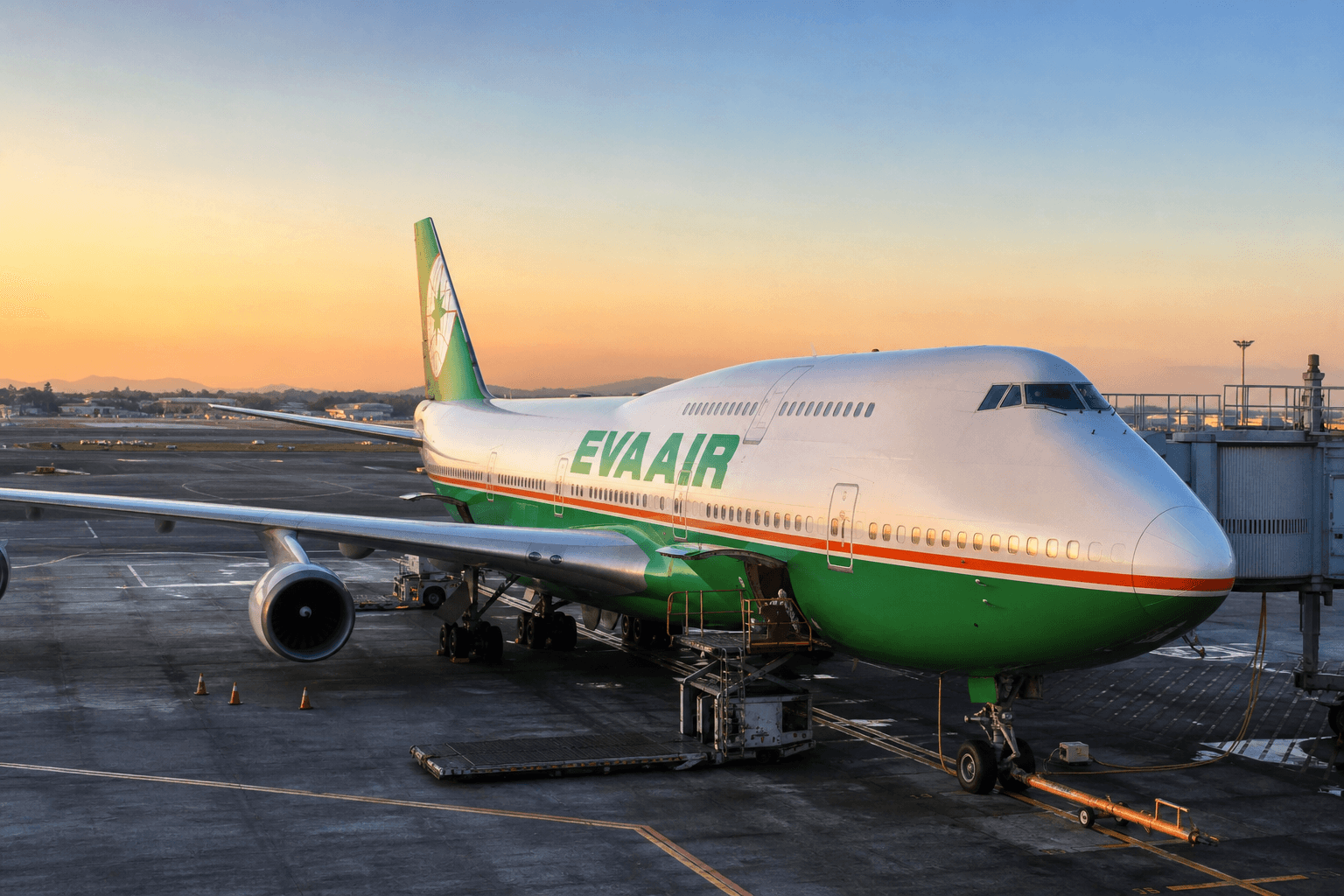
Today, Premium Economy has become one of the most important cabin classes in long-haul aviation. Airlines across the world now rely on the product to bridge the gap between economy affordability and business class comfort, offering wider seats, improved dining, and additional personal space for travelers willing to pay slightly more for a better experience.
Why Allegiant Air Operated Boeing 757s to Reach Hawaii and Beyond
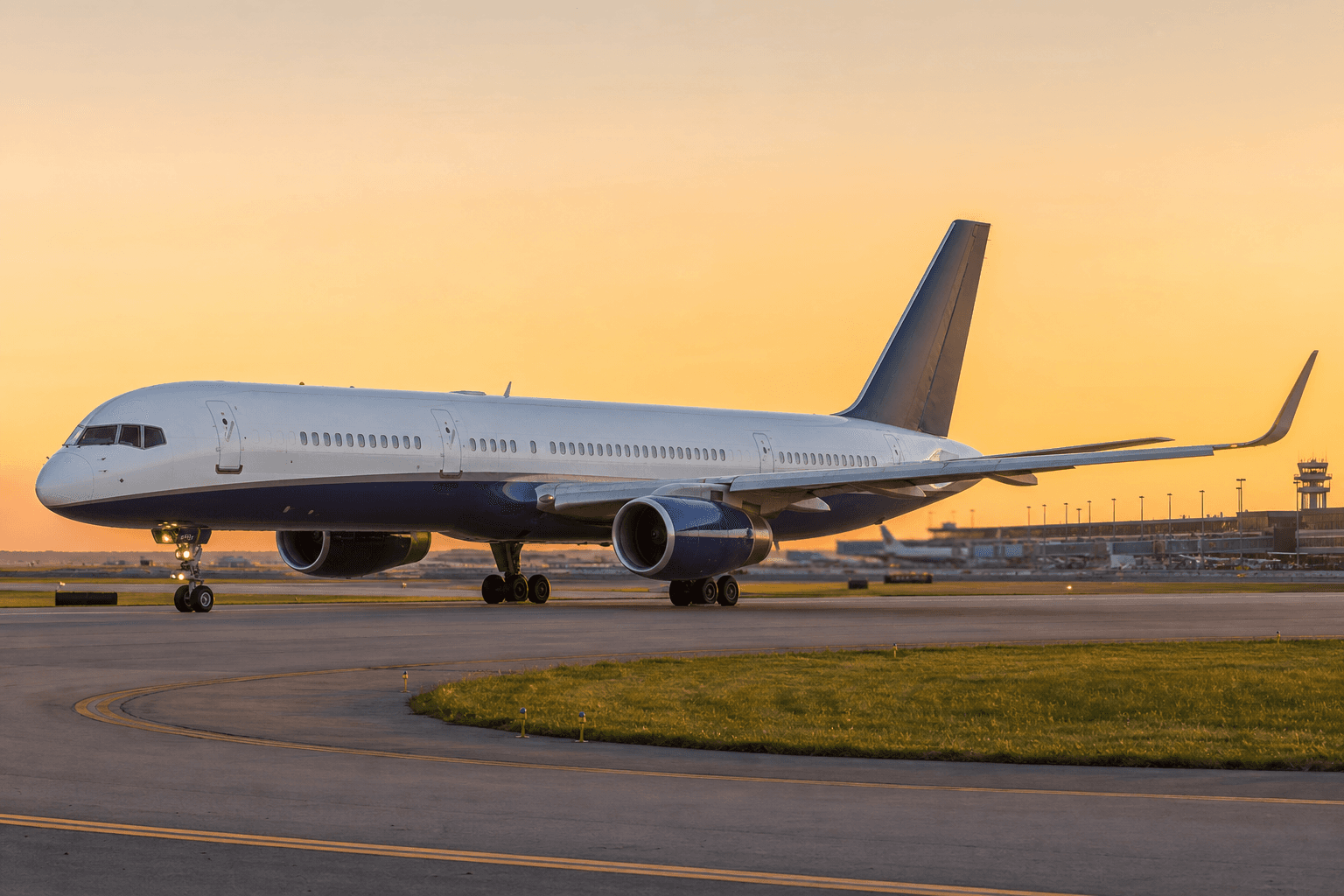
US-based ultra-low-cost carrier Allegiant Air is primarily known today for operating widebody twinjets from the Airbus A320 series. In fact, until recently, the airline had been an all-Airbus operator for several years, before its deliveries of the Boeing 737 MAX 8-200 began. However, prior to this spell, did you know that Allegiant Air also flew larger aircraft in the form of the 757 during the 2010s?
The Daily Touch & Go
The day's best aviation news in your inbox. Free, no spam.