

Illustration: The Touch & Go
Emerging Two-Hangar Trend Sees Pilots Balancing Business Jets with Personal Backcountry Aircraft
A new generation of pilots operates dual aircraft fleets, pairing corporate jets with smaller personal planes for diverse flying experiences and missions.
The gist
Many successful pilots now own two different aircraft types—business jets for work and smaller planes for personal backcountry flying.
Continuing coverage
All Business Jets →- Textron Aviation unveils Cessna CJ3 Gen2 and King Air 360 Crimson at Oshkosh 2026
- Gulfstream and Rolls-Royce demonstrate contrail reduction using 100% sustainable aviation fuel
- Embraer obtains global certification for upgraded Praetor 500E business jet
- Bombardier Global 8000 Sets New Speed Benchmark as Fastest Civil Jet Since Concorde
- Court directs EU to reconsider excluding business jet manufacturing from green taxonomy
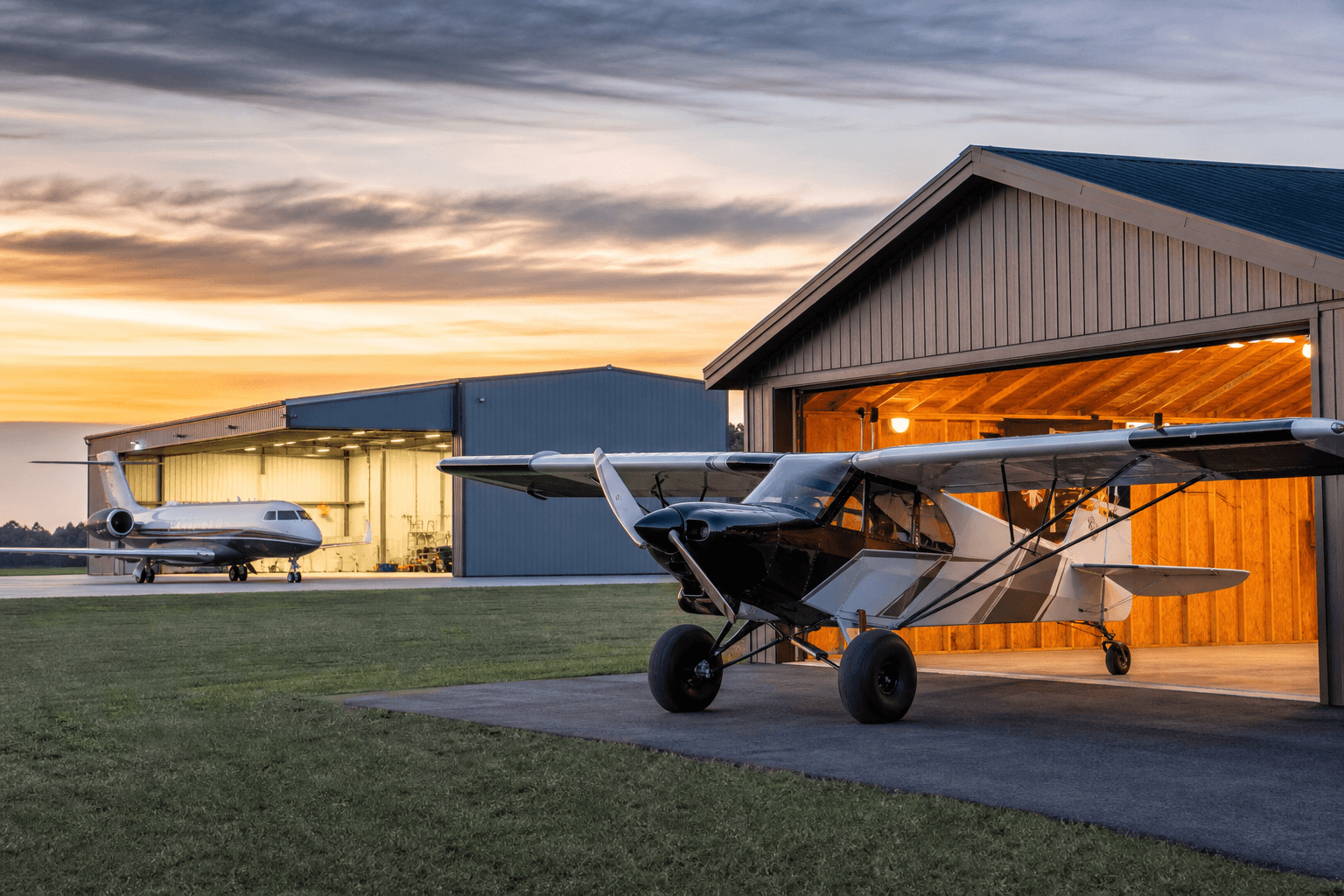
A distinct profile is emerging among experienced pilots who maintain ownership of two aircraft: a high-performance corporate jet and a smaller, personal plane housed in a separate hangar. The second aircraft, often tucked away at a local grass strip or smaller airport, tends to be a backcountry or experimental model that the owner pilots purely for enjoyment. These aircraft, like a Van’s RV-14 or Carbon Cub FX-3, evoke a nostalgic connection to why they originally learned to fly, contrasting with their more utilitarian and business-focused jets.
This dual-ownership pattern has been influenced by several factors converging over recent years. From 2020 to 2023, the value of premium certified piston and turboprop aircraft appreciated significantly. Owners of models such as the Cirrus SR22T found that retaining their planes made more financial sense than selling when upgrading to a business jet like a Vision Jet. Smaller aircraft continue to fulfill missions unsuitable for jets, for example, short local hops or backcountry access, reinforcing their practical relevance beyond just sentimental value.
The experimental aircraft market has also matured in recent years, producing models that excel in backcountry usability where many certified aircraft cannot safely operate. Aircraft like the CubCrafters Carbon Cub FX-3 offer capabilities like short takeoff and landing, rugged operation, and off-runway access that jets are not designed to handle. Similarly, Van’s Aircraft and Bearhawk models offer stall speeds and performance characteristics that suit remote flying adventures. These planes are not second choices but deliberate acquisitions chosen for distinct flying purposes.
Regulatory changes have further expanded the scope of personal flying. The FAA’s MOSAIC rule, effective July 24, 2026, eliminated previous limitations based on aircraft weight and introduced allowances for features such as retractable landing gear and night flight with endorsements in sport pilot categories. This regulatory evolution has revitalized pilot access to diverse aircraft types, allowing more pilots to maintain skills and enjoy a broader range of flying experiences under realistic medical standards.
The owners who embody this two-hangar lifestyle tend to be pilots with extensive experience and thousands of flight hours. Many hold commercial or airline transport pilot certificates and possibly have transitioned to sport pilot privileges after no longer meeting traditional medical standards. They maintain the business jet within an established flight department and operational framework, while their personal aircraft operates entirely outside company systems and scheduling, reflecting a clear separation between work and leisure flying.
This distinct pairing also highlights a notable divide in financing mechanisms. High-value jets typically undergo structured financing through commercial lending, supported by engine programs and detailed business use documentation. In contrast, smaller experimental or legacy certified aircraft are often financed individually, frequently through personal loans with less institutional support. Aviation lenders specializing in experimental aircraft tend to offer higher interest rates and different underwriting criteria, reflecting the asset class's niche nature and risk profile.
This financing complexity stems from traditional banking underwriting policies that do not regularly accommodate smaller or experimental aircraft as collateral. While jet financing benefits from established, experienced lenders familiar with asset-backed loans, the personal aircraft financing market remains fragmented, often requiring pilots to navigate more complex or cash-intensive purchase processes. Organizations dedicated to these dual financing needs aim to bridge that gap by providing tailored solutions for both certified jets and personal backcountry aircraft.
The implications of the two-hangar ownership trend suggest a continuing growth in demand for diverse personal aircraft, especially as certified aircraft become less affordable and experimental categories gain practicality. Successful pilots, now well established professionally and financially, increasingly invest in multiple aircraft tailored to distinct missions—corporate travel and personal recreation—reflecting a sophisticated approach to their flying lives and asset management.
This generation of pilots embodies a culture that values versatility and personal connection to flight beyond business needs. The second hangar is not merely storage; it is a gateway to flying traditions and adventures that modern jets cannot provide. This dual aircraft ownership trend is likely to influence future aircraft design, regulatory frameworks, and finance structures, as versatility and accessibility remain central to pilot communities.
Frequently asked questions
- What defines the 'two-hangar' pilot generation?
- They are pilots who own a corporate jet for business use and a separate smaller aircraft, often experimental or backcountry capable, kept in a different hangar for personal flying.
- How have regulatory changes like MOSAIC affected this trend?
- MOSAIC removed weight limitations in light sport aircraft, allowing features like retractable gear and night flight, which expanded capabilities and appeal of personal aircraft for this pilot group.
- Why is financing different for jets versus personal backcountry aircraft?
- Jets are financed through institutional lenders with commercial underwriting and engine programs, while smaller experimental aircraft often require personal loans or specialized lenders due to niche collateral status and higher risk profiles.
Read more
All Sustainability →
Gulfstream and Rolls-Royce demonstrate contrail reduction using 100% sustainable aviation fuel
Business jet manufacturer and engine provider Rolls-Royce carried out a series of test flights using different fuels. Gulfstream and propulsion partner Rolls-Royce have hailed the initial results from tests that have shown the potential of 100% sustainable aviation fuel (SAF) to reduce contrail formation during high-altitude flights. For the campaign, Gulfstream used a G800 prototype as the lead aircraft, followed by a specially modified G700 acting as a flying emissions measurement platform. Both jets are powered by twin Pearl 700 engines. Over a series of flights, the G800 ran on standard Jet-A, low-sulphur Jet-A, and 100% HEFA-produced SAF. Data captured by the G700 allowed a comparison between the performance of the different fuel types. Operating in close formation, the aircraft enabled researchers to capture precise, real-world measurements of particulate matter and contrail-forming atmospheric characteristics at the higher altitudes – up to 50,000ft – typically flown by certain business jets, Gulfstream says. "Preliminary results suggest a significant, measurable reduction in the particulate emissions that contribute to contrail formation when operating on neat SAF," the partners state. Gulfstream says months of preparation preceded the tests, including modifying the G700's cabin to host the necessary instrumentation and simulator-based training for flightcrew to practice the complex formation profiles to be flown. "As aviation continues its work in optimising environmental efficiencies, Gulfstream is focused on advancing solutions that deliver measurable impact today while shaping a more sustainable future for flight," says Mark Burns, president, Gulfstream. "Sustainable aviation fuels in combination with compatible, ultra-efficient aero engines will not only play a vital role in decarbonising aviation but have also been shown to reduce certain non-CO2 emissions," says Alan Newby, director of research and technology, Rolls-Royce. "The valuable insights we have gained from these latest tests at high altitudes… are driving real progress in understanding aviation's non-CO2 climate impacts and potential mitigation options." Also involved in the test programme were the Federal Aviation Administration, NASA, Germany's DLR aerospace centre, Missouri University of Science and Technology, Aerodyne Research, Montana Renewables and World Fuel Services. Although most modern jet engines are compatible with 100% SAF, current regulations limit their operation to a maximum of 50%.
Emirates Completes 100th Cabin Retrofit in Record 44 Months
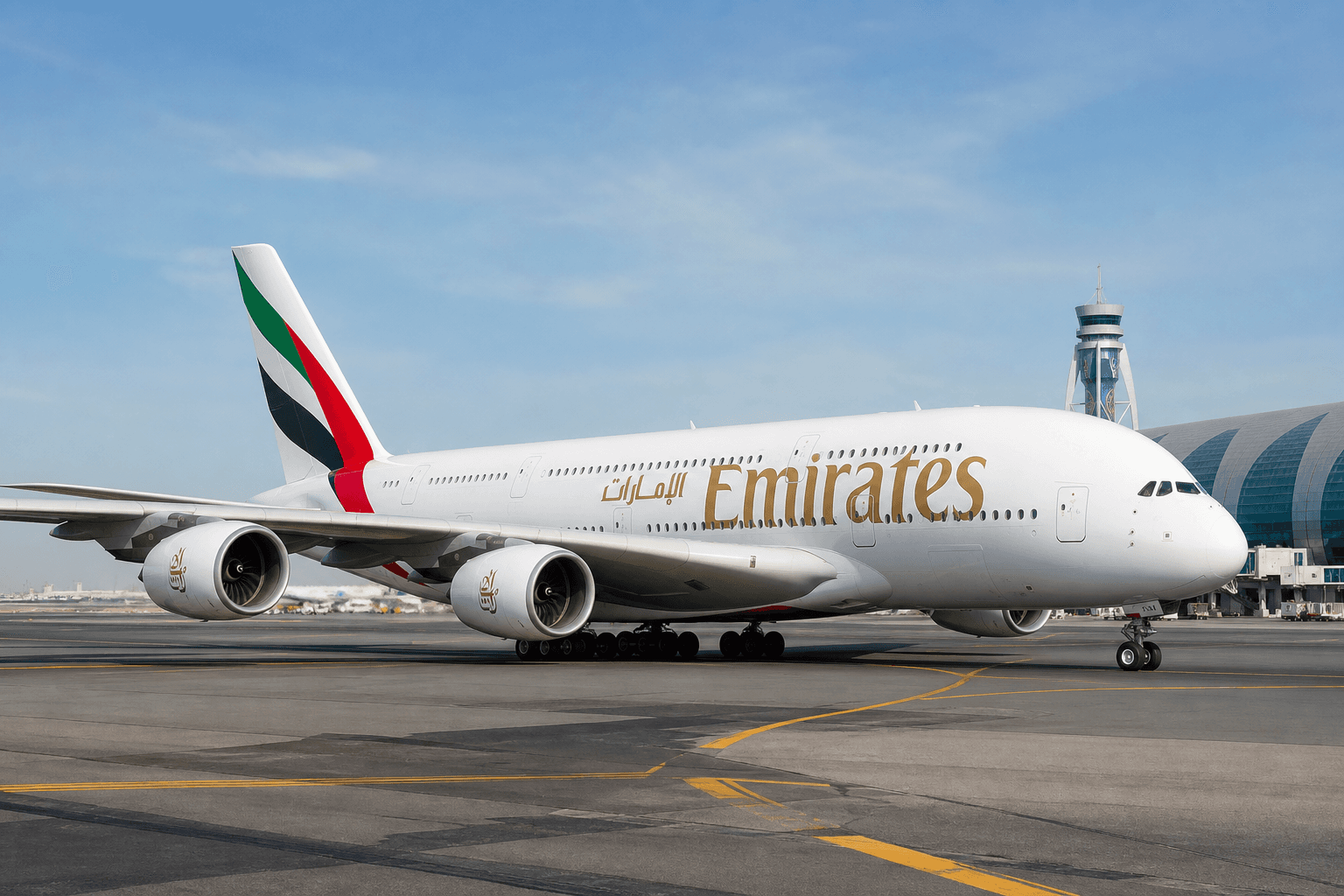
Emirates has successfully retrofitted its 100th aircraft under its ambitious cabin upgrade programme, the largest of its kind globally. ezstandalone.cmd.push(function () { ezstandalone.showAds(119); }); In just 44 months since November 2022, the carrier has refreshed 47 Airbus A380s and 53 Boeing 777s. The work was carried out at its state-of-the-art Engineering facilities in Dubai. This milestone represents a significant step in Emirates’ US$5 billion investment to elevate its onboard product. ezstandalone.cmd.push(function () { ezstandalone.showAds(127); }); By the end of December 2026, the airline expects to complete around 20 more aircraft, pushing it well past the halfway mark of its 219-aircraft target. The programme ensures every passenger enjoys consistent luxury, comfort, and modern amenities across the fleet. Massive Scale and Engineering Excellence The retrofit effort showcases extraordinary scale and precision. Emirates’ Engineering team, comprising over 400 engineers and technicians, has invested a total of 4.4 million man-hours. On average, the team completes about 28 aircraft per year. Each retrofit involves a complete nose-to-tail cabin refresh. ezstandalone.cmd.push(function () { ezstandalone.showAds(128); }); For an A380, engineers handle more than 4,000 parts, while a Boeing 777 requires over 2,500 parts. The interiors are fully disassembled, refreshed, and meticulously reassembled. To manage this complex operation, the team developed innovative solutions, such as using modified catering trucks to move large components inside the hangars. They also created zonal work tracking systems, specialized storage procedures, and custom equipment for accessing every area of the aircraft. ezstandalone.cmd.push(function () { ezstandalone.showAds(129); }); Emirates collaborated with over 100 suppliers to support this massive project, all executed entirely in-house in Dubai. This approach highlights the airline’s technical capabilities and commitment to maintaining tight schedules. Sir Tim Clark, President of Emirates Airline , commented on the achievement. “Our commitment to deliver best-in-class products across every cabin is an ongoing endeavour, and completing full cabin retrofits for 100 wide-body aircraft in 44 months is a significant achievement.” “Backed by a US$5 billion investment, it ensures our customers ‘fly better,’ with elevated luxury, comfort, and thoughtful detail throughout each cabin.” He praised the team for rewriting the rulebook on retrofitting the world’s largest passenger aircraft. ezstandalone.cmd.push(function () { ezstandalone.showAds(130); }); Premium Economy Rollout and Future Enhancements A standout feature of every retrofit is the addition of a new Premium Economy cabin. To date, more than 3,800 new Premium Economy seats have been installed. This has accelerated the product’s availability across Emirates’ extensive network, giving more passengers access to the highly praised experience. The programme continues to evolve. In May 2026, engineers completed a complex two-to-three class retrofit on an A380, introducing Premium Economy on the upper deck for the first time. Starting in October 2026, the next phase will bring 4K OLED HDR10+ seatback screens and new lightweight Safran Z400 seats, along with other upgrades. ezstandalone.cmd.push(function () { ezstandalone.showAds(131); }); Commitment to Sustainability Sustainability forms a key part of the initiative. Thousands of kilograms of high-grade leather, fabrics, and materials removed during retrofits are upcycled into limited-edition items under the ‘Aircrafted by Emirates’ collection, including luggage. The airline has also distributed over 4,000 backpacks made from repurposed Economy Class seat fabric to children in 11 countries. Conclusion Emirates first announced the retrofit programme in November 2021, initially targeting 105 aircraft. Strong customer demand led to expansions, reaching 191 aircraft by May 2024 and 219 by the end of that year. The first retrofitted Boeing 777 entered service in August 2024. ezstandalone.cmd.push(function () { ezstandalone.showAds(132); }); This programme reinforces Emirates’ position as an industry leader. Operating the world’s largest fleets of A380s and Boeing 777s, the airline continues to invest in its product to offer exceptional comfort, entertainment, and service on flights worldwide. With over half the fleet upgrades on track by late 2026, passengers can look forward to even more consistent, world-class experiences in the skies. Emirates’ in-house expertise and forward-thinking approach set a new benchmark for large-scale aircraft retrofits in commercial aviation.

London Gatwick's Summer 2026 Sees Over 230 Destinations via Record 63 Airlines
London Gatwick Airport is fully prepared for the busy summer holiday season, offering passengers more choice than ever before. ezstandalone.cmd.push(function () { ezstandalone.showAds(119); }); This summer, the airport will connect travellers to more than 230 destinations through a record 63 airline partners, making it one of the best-connected hubs in Europe. With 11 new routes and eight new airline partners already launched this year, Gatwick continues to expand its network. ezstandalone.cmd.push(function () { ezstandalone.showAds(127); }); The momentum shows no signs of slowing, as the airport prepares to welcome Air Zimbabwe with a new direct service to Harare in the coming weeks. Popular Destinations for Summer Getaways Short-haul favourites remain strong, with Barcelona, Faro, and Dublin topping many wish lists. Long-haul travellers can jet off to exciting spots like Shanghai in China, Orlando in Florida, and Cancun in Mexico. These routes provide perfect opportunities for family holidays, romantic getaways, or visits to friends and relatives abroad. ezstandalone.cmd.push(function () { ezstandalone.showAds(128); }); The airport expects its busiest days on the first, second, and third Sundays of August, with around 900 flights scheduled on peak dates. Millions of passengers will pass through Gatwick’s terminals, but the airport has made significant preparations to ensure smooth journeys. Photo Credit: Gatwick Airport Nick Williams, Head of Passenger Operations & Service at London Gatwick Airport , gave comment. “We are looking forward to welcoming millions of passengers through London Gatwick this summer and everything is in place to help them enjoy a positive start to their holiday.” ezstandalone.cmd.push(function () { ezstandalone.showAds(129); }); “In partnership with a record 63 airlines, we’re excited to offer a fantastic range of more than 230 destinations, providing passengers with excellent choice when planning their well-earned summer holidays.” Enhanced Facilities and New Experiences Gatwick Airport has invested heavily in improving the passenger experience. Later this summer, travellers will be among the first in the UK to use innovative robot valets from Stanley Robotics. Drivers simply pull into a dedicated cabin, and autonomous robots take care of parking—delivering a faster, more convenient start to any trip. Both terminals now feature freshly refurbished departure areas with better seating, extra charging points, and improved accessibility. ezstandalone.cmd.push(function () { ezstandalone.showAds(130); }); Shoppers and foodies will enjoy an expanded range of options, including Discover London stores showcasing regional produce, GAIL’s first airport bakery, and Venchi’s first UK airport store offering Italian chocolate and gelato. Top Tips for a Stress-Free Summer Trip To make your journey even smoother, follow these practical tips: Families returning to the UK: Children aged eight and over who meet the 3ft 11in height requirement can now use eGates with an adult. Plan ahead: Check any road and rail updates before you travel. Stay hydrated: Bring a reusable bottle and use free water refill points. Driving? Book official Gatwick parking in advance. Security: Keep liquids (up to 2L) and devices in your cabin bag. Pack power banks and vapes in hand luggage only. Book special assistance at least 48 hours ahead if needed. Arrive on time: Two hours before short-haul and three hours before long-haul flights. Take advantage of 10% off at World Duty Free with Reserve & Collect (T&Cs apply). ezstandalone.cmd.push(function () { ezstandalone.showAds(131); }); Photo Credit: Gatwick Airport A Major UK Transport Hub As the UK’s second-largest airport, Gatwick serves around 43 million passengers annually. It supports over 76,000 jobs and generates £5.5 billion in GVA for the economy. Located just 28 miles south of London , it offers excellent road and rail links, with more than a quarter of England’s population within a one-hour journey. The airport is advancing a major £2 billion sustainable growth programme, aiming for net zero emissions by 2030 while increasing capacity through the routine use of its Northern Runway. With its extensive route network, modern facilities, and focus on passenger comfort, London Gatwick is ready to make this summer’s holidays memorable for all travellers. Book early, prepare well, and look forward to smooth departures and exciting destinations ahead. ezstandalone.cmd.push(function () { ezstandalone.showAds(132); });
Lufthansa's First Airbus A350-1000 Debuts in Special 100th Anniversary Livery
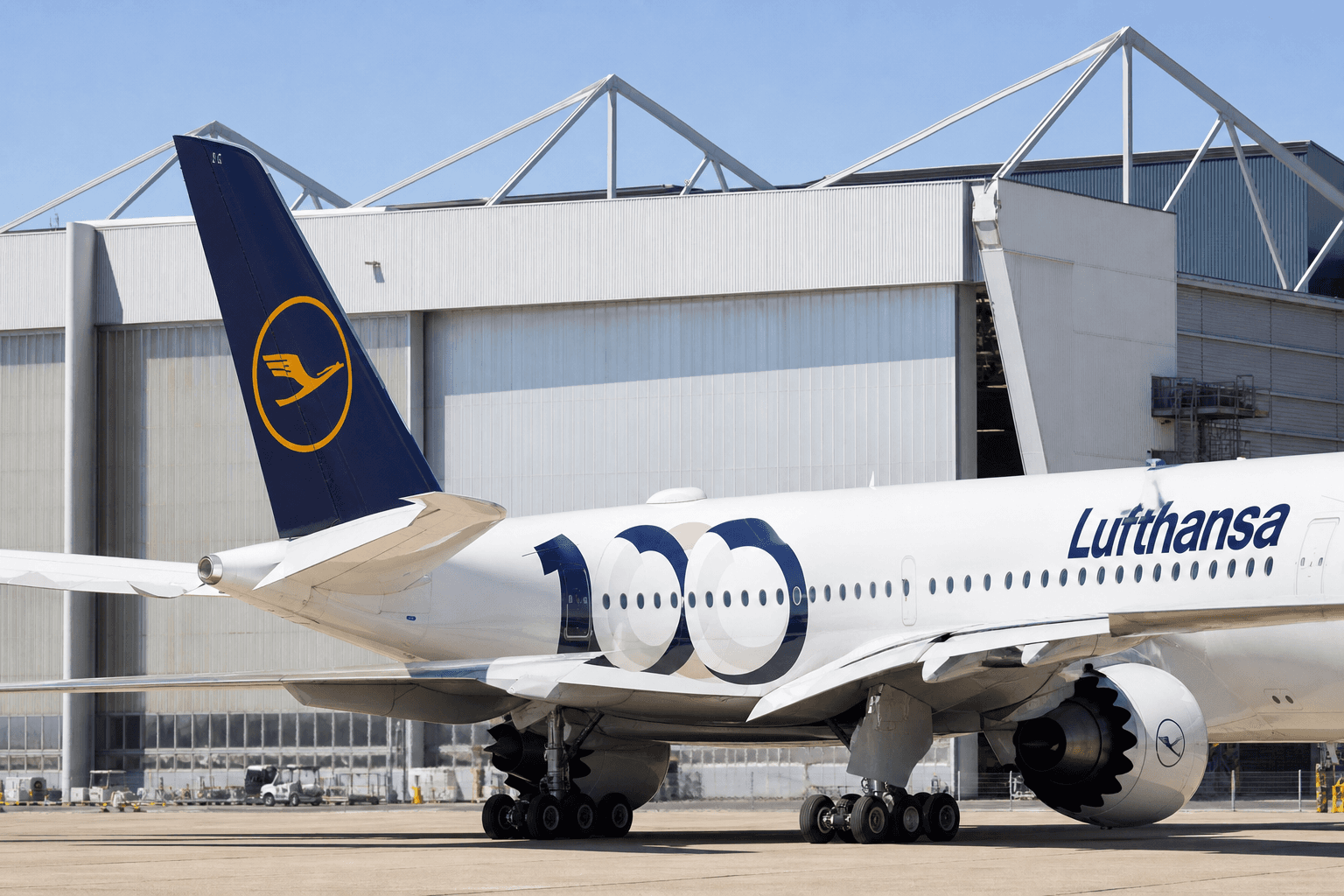
Lufthansa’s first Airbus A350-1000 has emerged from the paint shop in Toulouse wearing the airline’s striking special 100th anniversary livery, marking another milestone as it prepares to enter service later this year. The aircraft, registered D-AIFA , is the first of 15 Airbus A350-1000s on firm order for the German flag carrier and forms part of Lufthansa’s centenary celebrations, which are taking place throughout 2026. The eye-catching design features an oversized version of Lufthansa’s iconic crane logo sweeping across the rear fuselage, matching the commemorative scheme already carried by several aircraft in the airline’s anniversary fleet. These include a Boeing 787-9, Airbus A350-900, Airbus A380, Boeing 747-8 and selected narrowbody aircraft. New Flagship For Munich Following delivery from Airbus, D-AIFA will be based at Munich Airport , where it will operate alongside much of Lufthansa’s existing Airbus A350-900 fleet. Munich has become Lufthansa’s primary Airbus A350 hub in recent years, with the efficient twinjet operating many of the airline’s long-haul services from southern Germany. The arrival of the larger A350-1000 will further strengthen the airline’s premium long-haul operation from the airport. The Airbus A350-1000 is around seven metres longer than the A350-900 and offers greater passenger capacity while maintaining the type’s reputation for excellent fuel efficiency and reduced emissions. Lufthansa’s A350-1000 Fleet Lufthansa has ordered 15 Airbus A350-1000s , with options for a further 25 aircraft. The type will become the airline’s new flagship on many long-haul routes and is expected to feature Lufthansa’s latest Allegris premium cabin products throughout. The aircraft are intended to replace older four-engined Airbus A340-600s and provide increased capacity on high-demand intercontinental services while offering lower operating costs and improved environmental performance. With D-AIFA now painted in its commemorative colours, the aircraft is entering the final stages of preparation before delivery, ensuring Lufthansa’s newest flagship will also become one of its most distinctive as the airline celebrates 100 years since its founding.
The Daily Touch & Go
The day's best aviation news in your inbox. Free, no spam.