

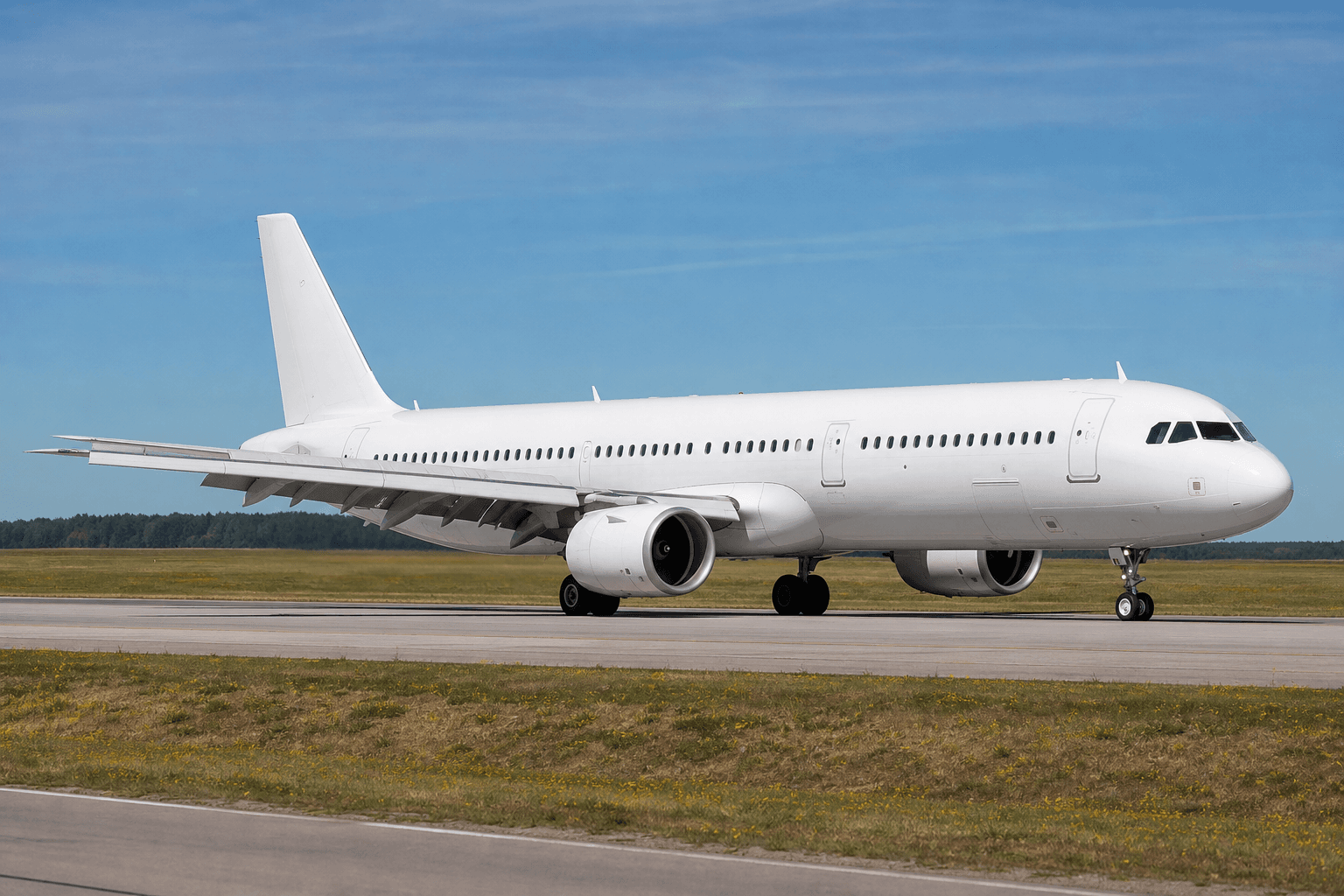
Image: Ravi Dwivedi · CC BY-SA 4.0 · via Wikimedia Commons
Frontier Airlines First US ULCC to Install Starlink WiFi Starting 2027
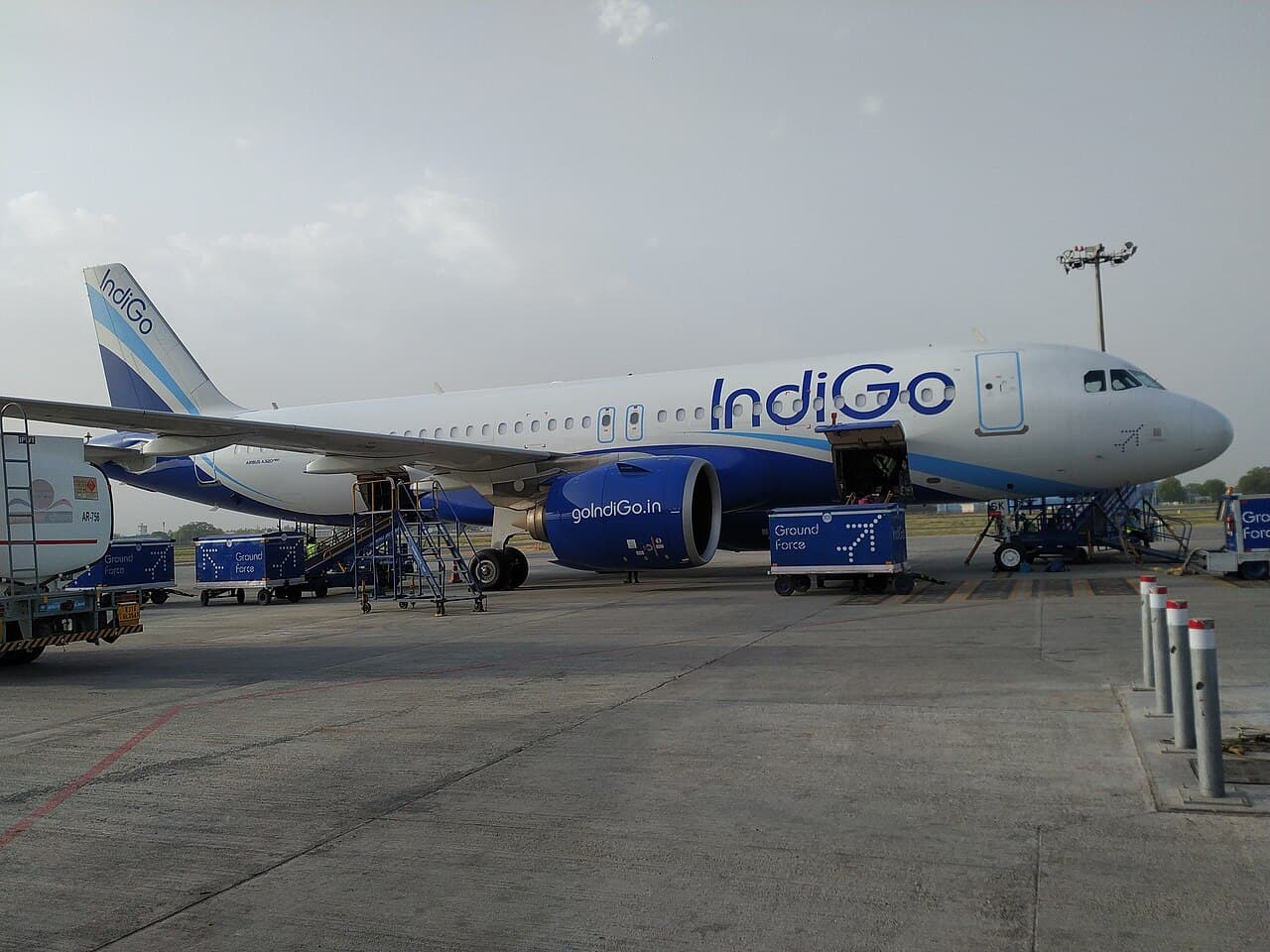
Frontier Airlines will begin installing SpaceX Starlink internet on its Airbus fleet early next year, introducing inflight WiFi for the first time at its ULCC price point.
The gist
Frontier becomes the first US ultra-low-cost carrier to adopt Starlink WiFi, aiming to enhance passenger and operational connectivity from 2027.
Continuing coverage
All Frontier Airlines →- Frontier Airlines to Launch Starlink Wifi Fleetwide, Surpassing Delta's Connectivity Offering
- Frontier Airlines to Install Starlink Wi-Fi Across Entire Fleet by Early 2027
- Frontier Airlines to Charge Passengers for Starlink Wi-Fi Starting 2027
- Frontier Airlines Faces Two Class Actions After Cyberattack Exposes Data of Over 11,000
- Canadian Soccer Star Alistair Johnston Faces Major Travel Issues with Frontier Airlines
Frontier Airlines announced a significant milestone as it commits to equipping its entire Airbus fleet with SpaceX's Starlink satellite internet, starting installations in early 2027. This marks the first time a major American ultra-low-cost carrier (ULCC) will offer high-speed inflight connectivity, a service Frontier has famously avoided to keep ticket prices low. The introduction of Starlink WiFi represents a notable shift in Frontier’s strategy, signaling its intent to upgrade passenger amenities while maintaining its low-cost model.
Historically, Frontier Airlines has operated without inflight internet, entertainment systems, or power outlets, focusing on cost minimization to offer competitive fares. The pivot to Starlink aligns with its recent efforts to attract higher-spending travelers, demonstrated by new premium services like First Class cabins and enhancements to its loyalty program. The airline emphasized that Starlink will deliver reliable, gate-to-gate internet capable of supporting streaming and browsing, aiming to compete with connectivity levels usually seen on legacy carriers.
Beyond passenger benefits, Frontier anticipates operational advantages from Starlink's connectivity. The airline stated that pilots, flight attendants, maintenance personnel, and ground crews will all gain better communication capabilities, which should enhance fleet reliability and overall operational efficiency. This wider usage of Starlink signals Frontier’s integrated approach to leveraging inflight internet not just for customer experience but also to improve internal workflows and safety communications.
A critical unknown about the rollout is Frontier’s pricing model for Starlink. Although many airlines implementing Starlink have offered complimentary WiFi to passengers, Frontier has not yet disclosed if the service will be free or require payment. This ambiguity follows Copa Airlines’ recent move to charge most passengers for Starlink access while granting free usage only to elite frequent flyers and Starlink residential subscribers, raising speculation that Frontier might adopt a similar revenue strategy.
Frontier’s potential decision to monetize onboard internet marks a crossroads in ULCC service design. Ancillary fees form a crucial revenue stream for low-cost carriers, and charging for premium WiFi fits within this framework. This contrasts with the trend in full-service airlines, which increasingly treat free inflight WiFi as a baseline competitive necessity rather than an upsell. Frontier’s announcement may influence other budget airlines’ decisions about investing in and pricing internet connectivity.
The airline’s Starlink commitment also reflects the broader strategy championed by Indigo Partners, Frontier’s main investor. Indigo has pledged to install Starlink on more than 1,000 aircraft in its affiliated carrier networks, including Wizz Air, Volaris, and JetSmart. This extensive adoption campaign highlights a widespread belief that high-speed satellite connectivity will become a competitive differentiator even for low-cost carriers globally.
Other ULCCs in the US are closely watching this development. For example, Allegiant Air revealed last year it is exploring inflight WiFi options for the first time, driven by growing passenger expectations. While Allegiant has yet to select a technology partner, the momentum behind Starlink makes it a strong contender. Meanwhile, some European budget airlines like Ryanair and easyJet have publicly questioned the economics of inflight internet, emphasizing the financial challenge of recouping the required investments.
Frontier’s introduction of Starlink WiFi could thus serve as a significant case study in the viability of combining premium inflight amenities with the ultra-low-cost business model. The airline’s approach to pricing and customer uptake will likely influence whether other ULCCs follow suit or remain skeptical about the return on investment. As the industry landscape evolves, the impact of such connectivity installations extends beyond passenger satisfaction to broader operational and financial implications for budget carriers.
In summary, Frontier Airlines’ upcoming Starlink rollout is a landmark move in US low-cost aviation, signaling the first major foray by an American ULCC into satellite-powered in-flight internet. With installations slated to begin early next year and a pending pricing scheme, Frontier is poised to reshape passenger expectations around connectivity even in the budget travel segment. Its decision may well pioneer new standards for inflight services in cost-sensitive airline markets.
Frequently asked questions
- When will Frontier Airlines start installing Starlink internet on its fleet?
- Frontier Airlines will begin installing Starlink internet across its Airbus fleet in early 2027.
- Has Frontier offered inflight WiFi before this announcement?
- No, Frontier has never previously offered inflight WiFi, entertainment, or power outlets prior to this Starlink announcement.
- Will Frontier charge passengers for access to Starlink WiFi?
- Frontier has not yet announced its pricing strategy for Starlink WiFi, leaving it unclear whether passengers will be charged or receive the service free of charge.
Read more
All Airlines →
Frontier Airlines to Charge Passengers for Starlink Wi-Fi Starting 2027
On Tuesday, Frontier Airlines announced it was to become the first ultra-low-cost carrier in the United States to reach a deal with Elon Musk’s Starlink internet company to offer ultra-fast, low-latency in-flight Wi-Fi service across its fleet beginning in 2027. This should be great news, but the announcement seemingly caught industry observers off guard because, unlike similar announcements from other airlines that have signed up for Starlink, there was no mention from Frontier that the service would be free. While the contracts reached between Starlink and individual airlines are, of course, strictly confidential, it’s been widely believed that the low-earth orbit satellite internet company has required carriers to offer its service for free through a quick and easy one-click portal. Given that Frontier Airlines hasn’t made any mention of offering Starlink for free, it’s assumed that not only will the Denver-based discounter make passengers pay for access, but that other airlines could follow suit in due course. This development already builds on the news that Panama’s Copa Airlines has activated its first Starlink-enabled plane, and is charging Economy Class passengers without elite status to use the service. But let’s just catch a breath for one second. This isn’t actually news. We’ve known since late last year that Starlink would allow some airlines to charge passengers to use its in-flight wi-fi service. To put a date on it, it was in November 2025 that European airline conglomerate IAG announced that it had signed a deal with Starlink for a fleet-wide rollout across its five airline brands. British Airways, Iberia, and Aer Lingus all announced that Starlink would be free for all passengers via the easy one-click portal. It was then disclosed that IAG’s two low-cost brands, Vueling and LEVEL, would charge for the use of Starlink on their planes. This apparent strategic approach to differentiating low-cost carriers and full-service carriers was further solidified in June when Hungary-based Wizz Air announced it was to become the first European discount airline to offer Starlink. Again, Wizz Air made no mention of the service being free, so it’s been assumed that the airline will charge passengers for its use. It makes complete sense that Frontier Airlines would follow suit. After all, both Frontier and Wizz Air are owned by the same parent company, Indigo Partners, which was responsible for negotiating a fleet-wide Starlink rollout that will include Mexico’s Volaris, JetSMART, and Cebu Pacific, which is based in the Philippines. It doesn’t take much imagination to picture how the negotiations probably went: Indigo Partners presumably approached Starlink and said they’d love to do a deal, but given the tight margins that its brands work under, it could only offer Starlink as a revenue base rather than a cost base. And, quite thankfully, who can really disagree with that argument? You pay for the base fare, and everything else comes at an additional cost – why not in-flight Wi-Fi as well? The real concern then isn’t that low-cost airlines will be allowed to charge for Starlink Wi-Fi, but whether, when contracts come up for renewal with the full-service carriers that have so far committed to offer Starlink for free, they will then be allowed to start charging customers. It’s conceivable that, at a minimum, some airlines will be allowed to start charging Basic Economy passengers for Starlink access, while retaining free access for premium and elite status passengers. What we can all only hope is that by that point, the expectation of free Wi-Fi when flying these airlines is so entrenched that they wouldn’t dare to start charging. Then again, we all know how ‘full-service’ airlines can suddenly start charging for services that were once free.
United Airlines Allows Flight Attendants to Drink Alcohol While Deadheading Under Strict Conditions
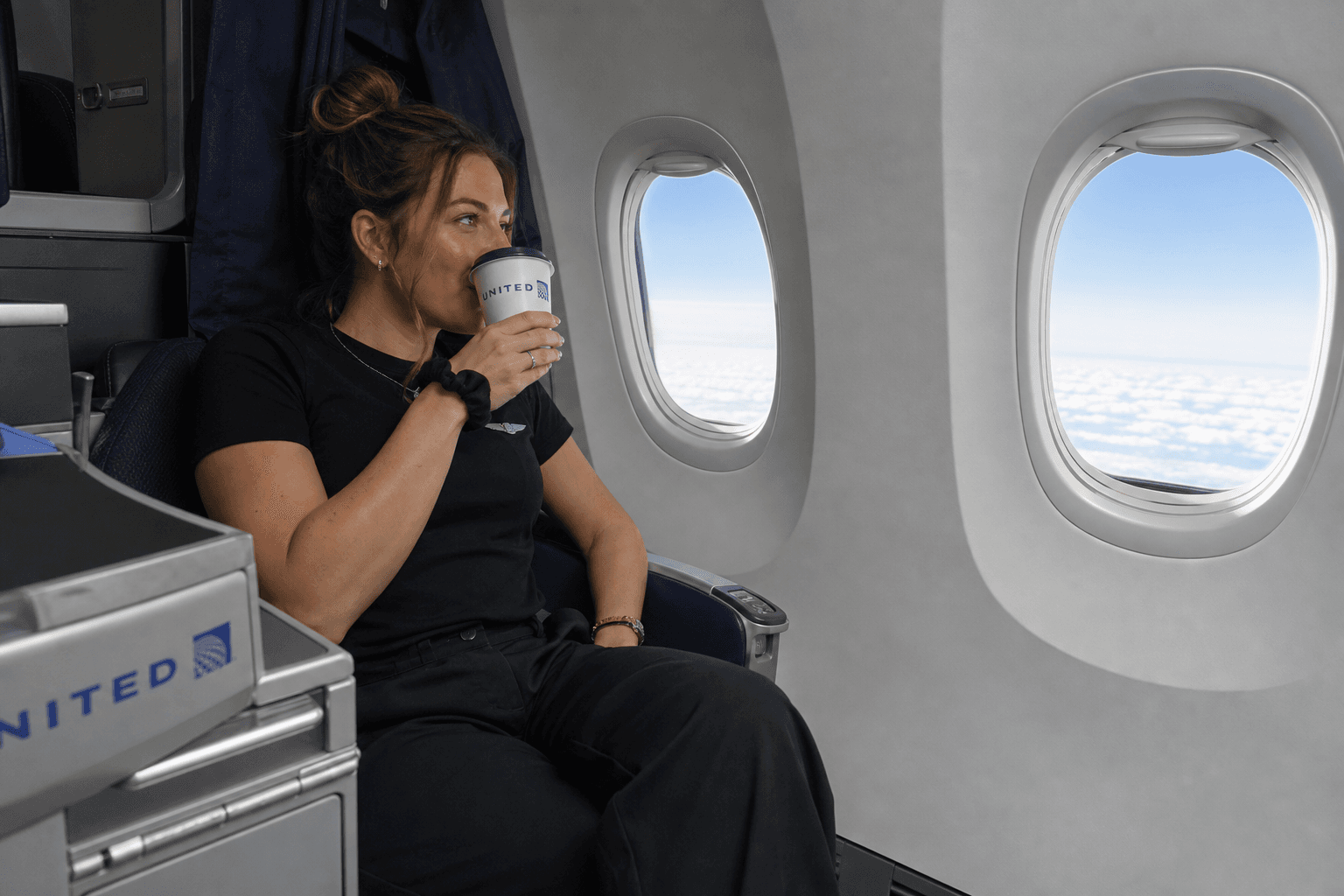
United Airlines flight attendants can drink while on duty in one narrow situation: when they are deadheading as passengers, out of uniform, and not expected to work another flight that day.
How Crews and Aircraft Separation Amplify Flight Delays Even After Weather Clears
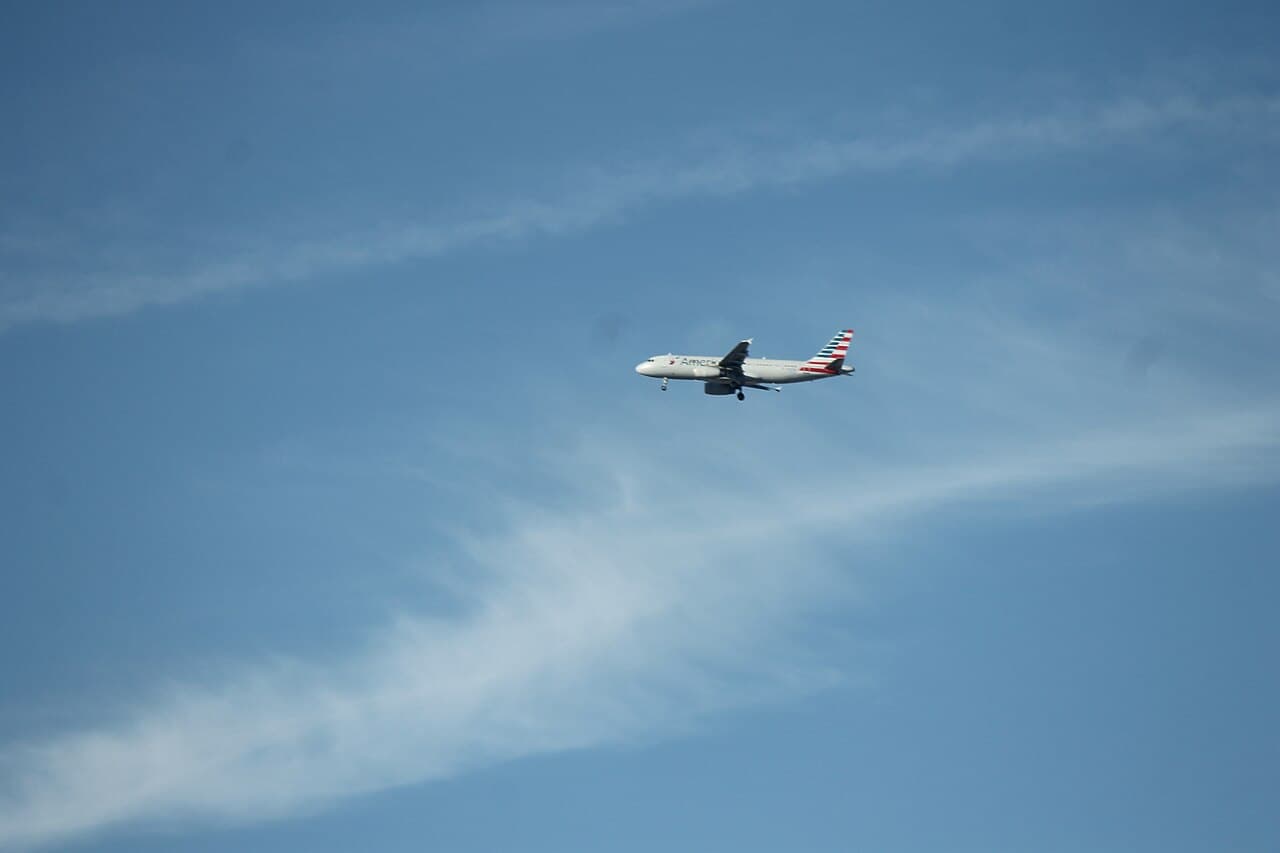
Airlines often blame weather even after skies clear because the disruption has scattered aircraft, pilots and flight attendants across the network. After a storm delayed my American Airlines flight at Washington National, a missing crewmember exposed how separating planes and crews can turn one late arrival into delays across multiple flights.
Airbus to upgrade A321neo with A321XLR wing design and single-slotted flaps
Airbus to incorporate batch of improvements on popular single-aisle model, and test production maturity of some on A320neo line. Airbus is to migrate A321XLR technology – including its revised wing design – to the A321neo, while other enhancements for the single-aisle family will initially be applied to the A320neo before being transferred up to the larger variants. The long-range XLR includes a lighter wing with a single-slotted inboard flap, and this will be incorporated into the regular A321neo, which currently uses a double-slotted design. A321neos will take advantage of a take-off performance improvement system which introduces intermediate flap positions, and works in conjunction with the single-slotted flap arrangement. The changes are part of a package of incremental improvements known as STEP4. A321neos will also benefit from new flight-control laws, the lighter electronic ‘e-rudder’, forward cabin temperature zones, and updated multi-functional runway lights. Head of A320-family development Torsten Hartung says the airframer is putting the "good ingredients" from the XLR onto the popular A321neo platform – the A321neo had a backlog of over 5,600 orders at the end of June. But the STEP4 enhancement will also entail new modifications which Airbus is to apply initially to the A320neo, as a low-risk measure to ensure production maturity before transferring them to the higher-rate A321neo, including the XLR variant. The A320neo will notably receive a new 'cobra' duct for the auxiliary power unit – mounted in the top of the fuselage, and aimed at enhancing cabin air quality – and corrosion-prevention measures such as titanium cabin rails. "The baseline A320neo is the first model to incorporate and prove the new modifications," says STEP leader for A320 family programme development Martin Schnoor. “Where we physically change the aircraft we decided to apply it first on A320neo in order to learn and see how well things are going." Once integration on the A320neo line is smooth, the new modifications will be made to the A321neo and XLR. Schnoor says deliveries of initial STEP4 A320neos are beginning, with the first A321neos and XLRs set to follow after a year. The A320neo has a different wing to the A321neo, but Airbus is ultimately aiming to migrate as many XLR innovations, outside of wing-related changes, to the A320neo as it can. Airbus says STEP4 will also eventually deliver further enhancements across the family, such as cabin-floor reinforcement, to account for changing standards in the weight of passengers and baggage, and a standardised flight data interface and management unit.
The Daily Touch & Go
The day's best aviation news in your inbox. Free, no spam.