

Illustration: The Touch & Go
CubCrafters Unveils Turbine-Powered Carbon Cub ULT for Backcountry Flying Under MOSAIC
CubCrafters introduces the Carbon Cub ULT with a TurboTech TP-R90 turbine engine, aiming to blend lightweight performance and turbine smoothness for sport pilots under new FAA regulations.
The gist
CubCrafters launches turbine-powered Carbon Cub ULT, the first US turboprop eligible for sport pilots under FAA's MOSAIC rules, debuting at AirVenture 2026.
Continuing coverage
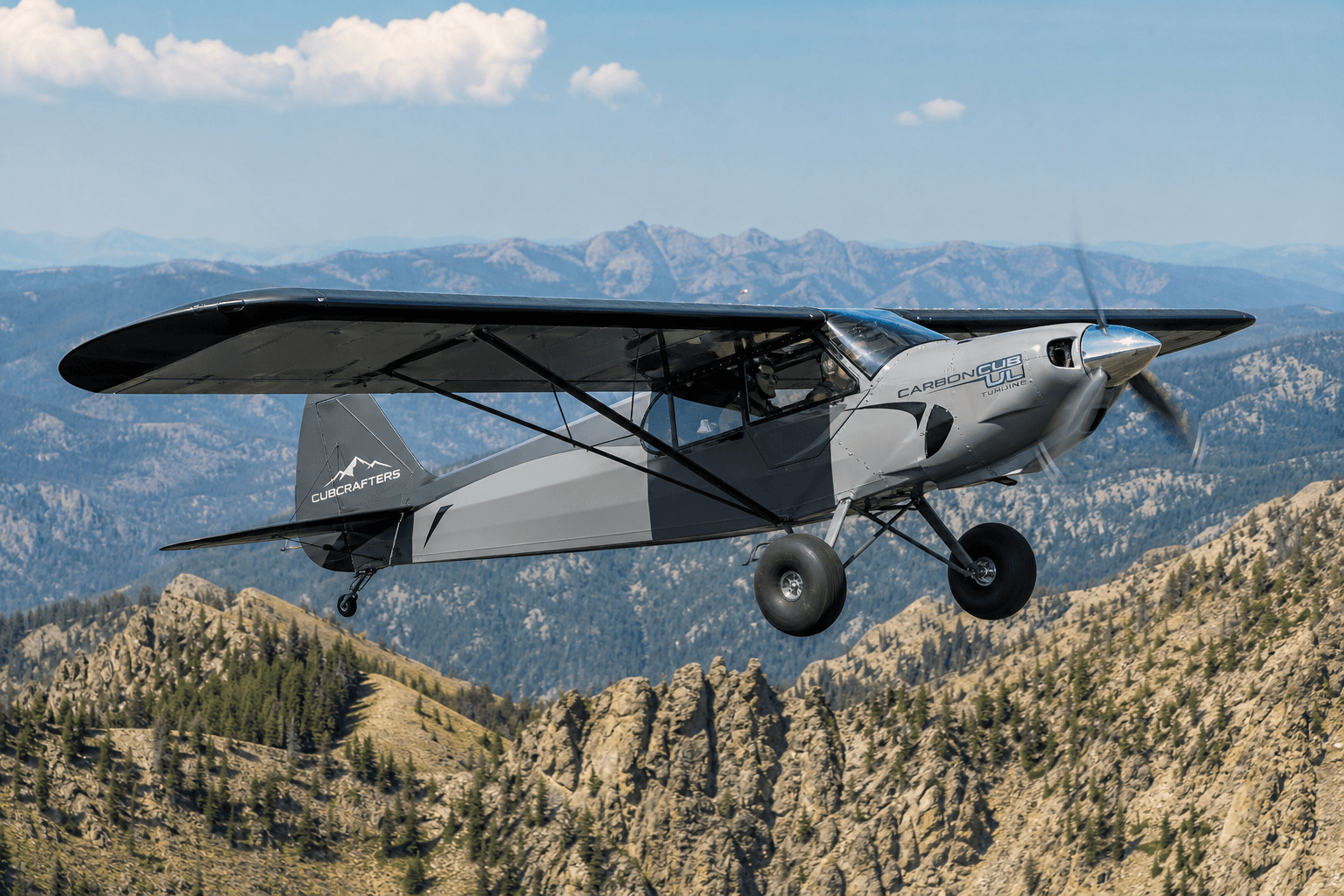
All Cubcrafters →CubCrafters has taken a bold step in backcountry aviation with the introduction of the Carbon Cub ULT, a turbine-powered variant of its well-regarded Carbon Cub UL platform. Announced on July 7, 2026, the aircraft features TurboTech's TP-R90 regenerative turbine engine, making it the first U.S.-manufactured turboprop eligible to be flown by sport pilots under the FAA's recently implemented MOSAIC rules. The turbine-powered Carbon Cub ULT has been under flight testing near the company's Yakima, Washington headquarters and is slated for its public debut this summer at EAA AirVenture in Oshkosh, Wisconsin.
The Carbon Cub ULT's powerplant, the TurboTech TP-R90, is a FADEC-controlled turboprop that simplifies engine management by autonomously handling fuel flow, ignition, engine temperatures, and propeller operation. This technologically advanced system reduces the typical complexities associated with both piston and turbine engines, offering pilots a highly intuitive flying experience. Integrated Garmin avionics work in tandem with a dedicated turbine engine display and a single-lever power control system, further streamlining pilot workload and contributing to the aircraft's notable ease of operation.
Brad Damm, CubCrafters' vice president, highlighted the effortless feel of the Carbon Cub ULT, emphasizing the quick start procedure enabled by the FADEC system and the smooth, quiet turbine operation. The aircraft preserves the lightweight performance and responsive handling characteristics that have become trademarks of the Carbon Cub line. This combination of turbine reliability and traditional backcountry maneuverability results in an aircraft that entices pilots to fly frequently and explore remote destinations.
The ULT designation extends the Carbon Cub UL lineage with a turbine twist, with the 'T' signifying the new powerplant. CubCrafters incorporated the latest aerodynamic enhancements and composite materials from the current UL airframe, ensuring the ULT maintains the short-field capabilities that backcountry pilots demand. This advancement reinforces CubCrafters' commitment to evolving its aircraft in tandem with pilot needs and regulatory opportunities, particularly under the MOSAIC framework which aims to expand access for sport pilots.
The FAA's MOSAIC (Modernization of Special Airworthiness Certificates) regulations have opened new doors by allowing sport pilots to operate aircraft that were previously beyond their reach due to certification constraints. The Carbon Cub ULT's eligibility under MOSAIC makes it a pioneering turboprop within this category, granting sport pilots access to turbine-powered flying experiences with a reliable and accessible platform. This regulatory shift aligns with CubCrafters' strategy to innovate in the sport and backcountry aviation sectors.
TurboTech's partnership with CubCrafters for the Carbon Cub ULT marks its first production aircraft collaboration within the United States. The aircraft's combination of regenerative turbine technology and CubCrafters' airframe expertise presents a novel integration that has potential implications for future light aircraft designs. The two companies are currently accepting deposits for production slots, and CubCrafters anticipates initial deliveries to customers in 2027.
The Carbon Cub ULT's debut at EAA AirVenture 2026 will provide a vibrant platform to showcase its capabilities to the aviation community, particularly those fascinated by backcountry flying and turbine technology. CubCrafters has secured booth space 272-274 to display the aircraft, emphasizing their confidence in capturing pilot interest at one of aviation's largest gatherings. The event will be critical in establishing market reception and generating momentum ahead of full production.
This launch underscores a significant development in light aviation by marrying turbine power with the agility and performance of a classic backcountry aircraft. The smoother operation, reduced pilot workload, and enhanced reliability offered by the turbine engine position the Carbon Cub ULT as a standout option in a niche yet growing segment. As the MOSAIC regulations enable broader sport pilot capabilities, the Carbon Cub ULT may serve as a catalyst for increased turbine adoption in ultralight and light-sport categories.
Looking forward, CubCrafters and TurboTech's collaboration will be watched closely as the Carbon Cub ULT enters service. Its success could influence other manufacturers considering turbine power in similar aircraft, potentially leading to broader innovation and expanded flight opportunities under MOSAIC. With initial customer deliveries planned for 2027, the aviation community awaits how this new aircraft shapes the future of accessible turbine-powered backcountry flying.
Read more
All Sustainability →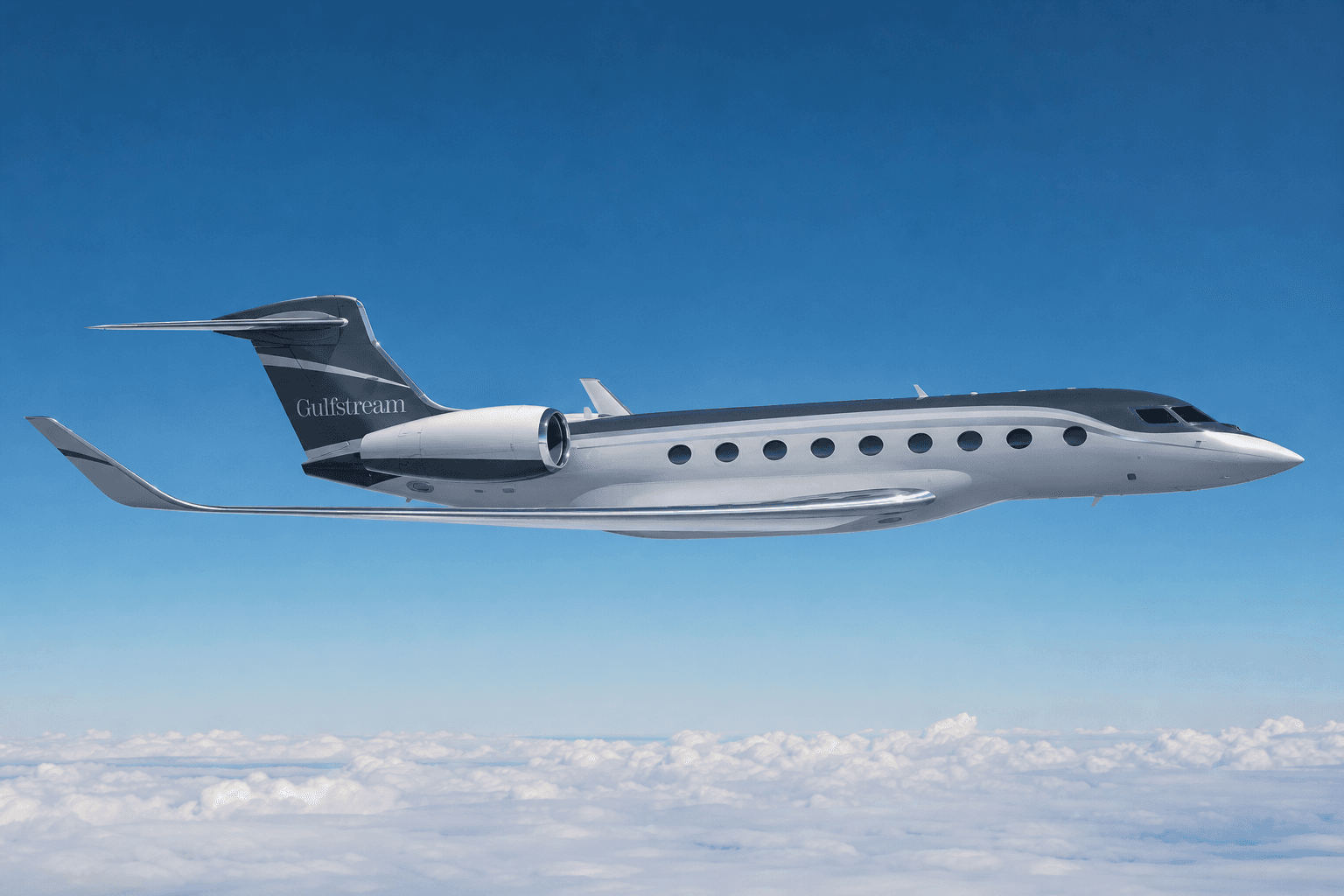
Gulfstream and Rolls-Royce Complete First High-Altitude Flights Using 100% Sustainable Aviation Fuel
Gulfstream Aerospace and Rolls-Royce said this week that they completed a high-altitude flight-test campaign examining the emissions produced by 100% sustainable aviation fuel at altitudes up to 50,000 feet. A Gulfstream G800 powered by Rolls-Royce Pearl 700 engines conducted the flights alongside a modified G700. The G700 served as an airborne laboratory and measured particulate emissions and atmospheric conditions while flying in close formation. The campaign also marked the first G800 flight using 100% SAF. [Credit: Gulfstream] Researchers compared conventional Jet-A, low-sulfur Jet-A and 100% hydroprocessed esters and fatty acids SAF . Rolls-Royce said preliminary results showed a measurable reduction in particles that contribute to contrail formation. The FAA, NASA, German Aerospace Center and Missouri University of Science and Technology participated in the project. Although the test used unblended SAF, current fuel standards generally limit its commercial use to blends of up to 50% with conventional jet fuel, depending on the production pathway. Rolls-Royce said the campaign data will help inform future fuel standards and that demonstrating its current engines can operate on 100% SAF lays groundwork for certification.
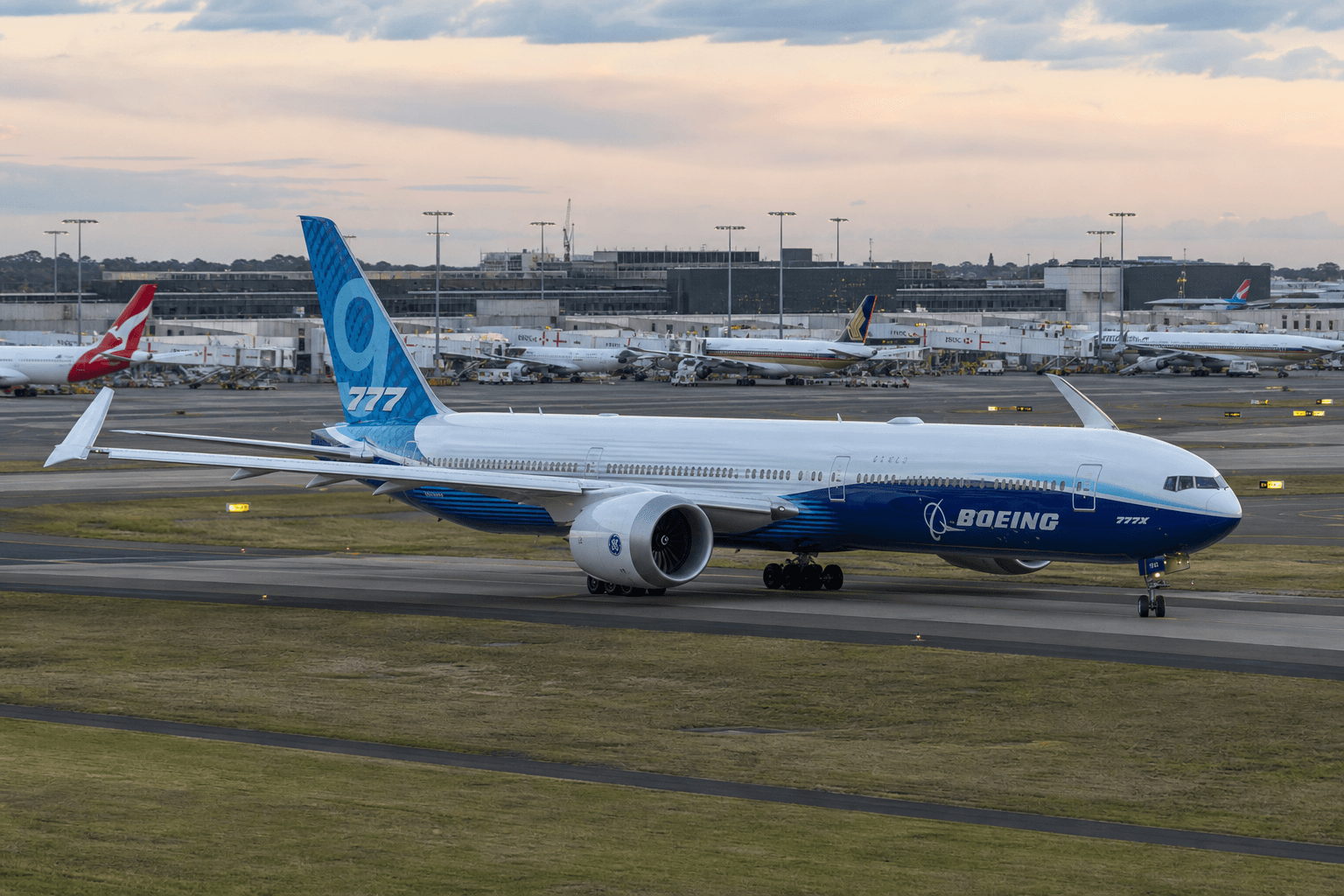
Sydney Airport's Tight Space Requires Boeing 777X to Fold Wings at Gates
The long-anticipated Boeing 777X is almost here, and when it does finally arrive, it will begin an era of vastly different wing design to commercial aviation. To achieve unprecedented fuel efficiency, designers equipped the massive twin-engine jet with a sprawling carbon-fiber wing that exceeds standard international airport dimensions. Making the wings smaller was not an option, so Boeing opted for a very different kind of solution.

Gulfstream and Rolls-Royce demonstrate contrail reduction using 100% sustainable aviation fuel
Business jet manufacturer and engine provider Rolls-Royce carried out a series of test flights using different fuels. Gulfstream and propulsion partner Rolls-Royce have hailed the initial results from tests that have shown the potential of 100% sustainable aviation fuel (SAF) to reduce contrail formation during high-altitude flights. For the campaign, Gulfstream used a G800 prototype as the lead aircraft, followed by a specially modified G700 acting as a flying emissions measurement platform. Both jets are powered by twin Pearl 700 engines. Over a series of flights, the G800 ran on standard Jet-A, low-sulphur Jet-A, and 100% HEFA-produced SAF. Data captured by the G700 allowed a comparison between the performance of the different fuel types. Operating in close formation, the aircraft enabled researchers to capture precise, real-world measurements of particulate matter and contrail-forming atmospheric characteristics at the higher altitudes – up to 50,000ft – typically flown by certain business jets, Gulfstream says. "Preliminary results suggest a significant, measurable reduction in the particulate emissions that contribute to contrail formation when operating on neat SAF," the partners state. Gulfstream says months of preparation preceded the tests, including modifying the G700's cabin to host the necessary instrumentation and simulator-based training for flightcrew to practice the complex formation profiles to be flown. "As aviation continues its work in optimising environmental efficiencies, Gulfstream is focused on advancing solutions that deliver measurable impact today while shaping a more sustainable future for flight," says Mark Burns, president, Gulfstream. "Sustainable aviation fuels in combination with compatible, ultra-efficient aero engines will not only play a vital role in decarbonising aviation but have also been shown to reduce certain non-CO2 emissions," says Alan Newby, director of research and technology, Rolls-Royce. "The valuable insights we have gained from these latest tests at high altitudes… are driving real progress in understanding aviation's non-CO2 climate impacts and potential mitigation options." Also involved in the test programme were the Federal Aviation Administration, NASA, Germany's DLR aerospace centre, Missouri University of Science and Technology, Aerodyne Research, Montana Renewables and World Fuel Services. Although most modern jet engines are compatible with 100% SAF, current regulations limit their operation to a maximum of 50%.
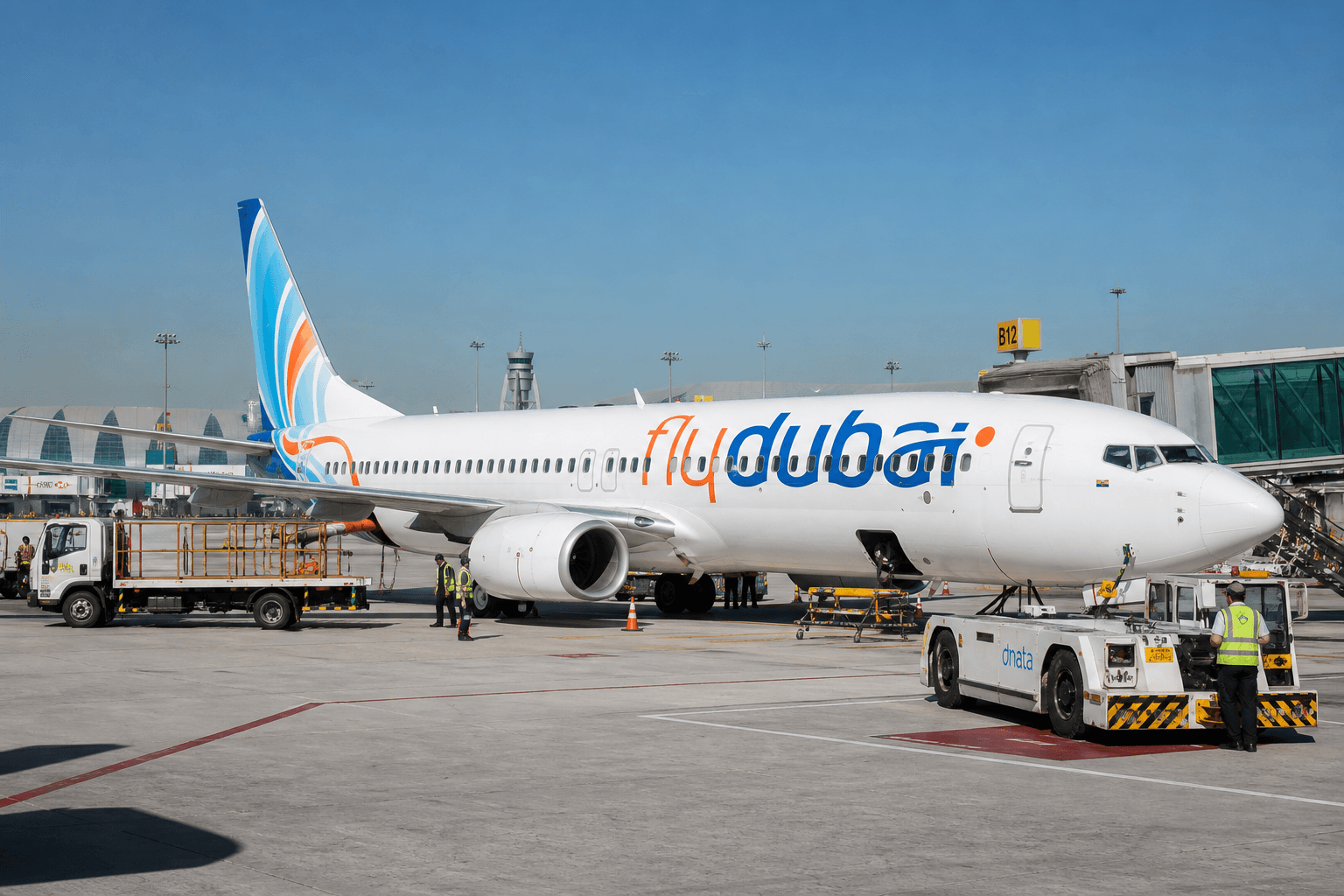
flydubai's single-engine taxiing program cuts emissions well above industry average
Small changes can make a big difference in aviation when extrapolated across a whole fleet.
The Daily Touch & Go
The day's best aviation news in your inbox. Free, no spam.