

Illustration: The Touch & Go
1975 Cessna 310R: Classic Light Twin Offers Speed, Space, and 1970s Style for $205,000
This well-maintained 1975 Cessna 310R features fresh engine overhauls, modern avionics, and a roomy cabin, making it a compelling piston twin option for cross-country pilots.
The gist
A 1975 Cessna 310R with freshly overhauled engines and updated avionics is available for $205,000, blending speed, comfort, and classic appeal.
Continuing coverage
All Avionics Upgrade →- 1969 Beechcraft Baron 55 Offers Versatile Multi-Engine Flight at $139K
- 1976 Piper PA-32R-300 Lance offers six-seat capacity and performance upgrades
- Garmin Launches Axis Flight Displays Tailored for Certified Piston Aircraft
- Meticulously Restored 1960 Cessna 310D Blends Vintage Charm with Modern Avionics
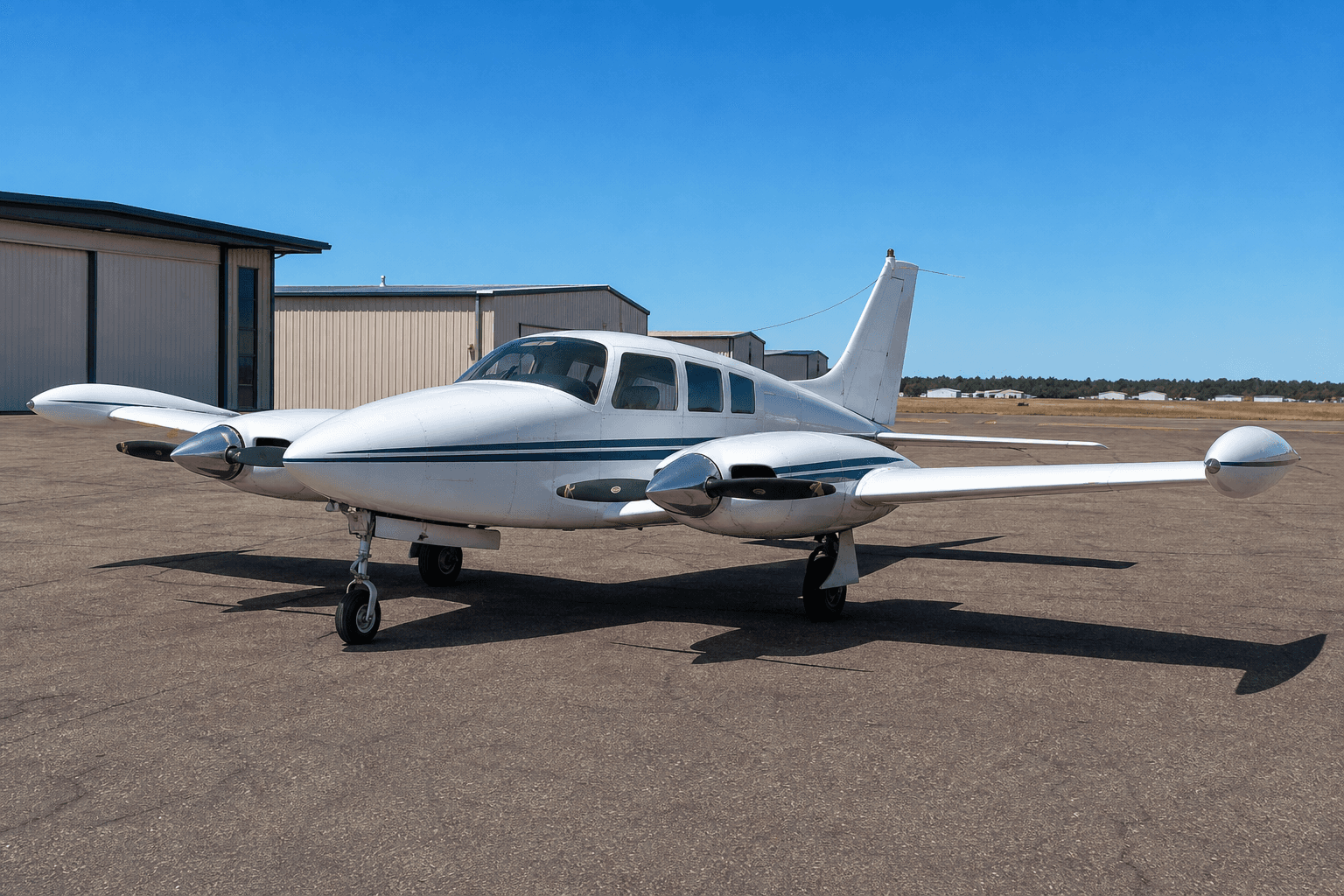
The 1975 Cessna 310R remains a highly regarded aircraft among light piston twins, prized for its combination of performance, size, and 1970s charm. The latest example offered through AircraftForSale continues this tradition, drawing attention for its refreshed mechanical state and impressive equipment. Pilots stepping up from single-engine planes often find the 310R's spacious cabin and long-legged landing gear notable, contributing to an imposing and comfortable presence both on the ramp and in flight. This particular model inspires thoughts of cross-country trips and rivalry debates over high-performance light twins like the Beechcraft Baron.
With 6,780 hours logged on the airframe, the Cessna 310R on sale has recently undergone significant maintenance improvements. Both of its Continental IO-520-M engines, each rated at 285 horsepower, have been overhauled within the last 100 hours. These upgrades extend to the Hartzell three-blade propellers as well, ensuring reliable and efficient powerplants ready to handle the rigors of piston twin operations. The aircraft’s fuel system provides 200 usable gallons, supporting longer-range missions and greater versatility in flight planning.
Comfort and utility receive equal attention in the aircraft's outfitting. The cabin features a South Wind heater with 290 hours since its last overhaul, enhancing passenger comfort on cooler days or at altitude. Inside the cockpit, the avionics suite combines modern GPS and communication systems with traditional navigation and instrumentation to create a well-rounded and capable flight deck. Equipment includes a Garmin GNS 530W GPS/navigation/communication system, King KX 155 Nav/Com radios, a Garmin GMA 340 audio panel and intercom, and a KT 71 transponder.
Additional flight instruments include a Garmin G5 attitude indicator serving as a backup, a King KCS 55A Horizontal Situation Indicator (HSI), and an ARC 800 autopilot to assist with workload management during longer flights. A JPI EDM 760 engine monitor provides vital data on the engine's health and status, while a full set of copilot instruments ensures readiness for two-pilot operations or instruction scenarios. This avionics setup represents a comprehensive approach to safety, situational awareness, and reliability.
On the ground, the aircraft's longstanding reputation for carrying heavy loads is paired with its roomy interior, ensuring passengers and cargo alike can enjoy comfortable transits. The 310R’s strong ramp presence complements its practical performance, standing tall with a design that combines rugged utility and aesthetic appeal. These attributes make it a favorite among pilots who value a blend of speed, capability, and style inherited from the classic light twin category.
Proposed at $205,000, this aircraft offers an attractive price point given its robust condition and enhancements. Financing options are available through services such as FLYING Finance, which also provides resources like an airplane loan calculator to assist prospective buyers. This financial accessibility adds to the appeal of acquiring a 310R in refreshed condition, encouraging pilots to consider a worthy step up from piston singles.
The Cessna 310 has long been a contender in discussions about which light piston twin most deserves acclaim, often competing with the Beechcraft Baron for top honors. This example continues to exemplify the qualities that have earned the model loyal adherents, including reliable twin-engine performance, a capacious and comfortable cabin, and an attractive, timeless design. The aircraft is well positioned to attract pilots looking for a classic yet capable cross-country platform.
Frequently asked questions
- What engine upgrades does this 1975 Cessna 310R have?
- Both 285 hp Continental IO-520-M engines have been overhauled within the last 100 hours, along with Hartzell three-blade propellers, ensuring refreshed powerplants.
- What avionics are installed in this Cessna 310R?
- The aircraft features a Garmin GNS 530W GPS/nav/com, King KX 155 Nav/Com radios, Garmin GMA 340 audio panel, KT 71 transponder, Garmin G5 attitude indicator, King KCS 55A HSI, ARC 800 autopilot, and JPI EDM 760 engine monitor.
Read more
All MRO/Maintenance →
1976 Piper PA-32R-300 Lance offers six-seat capacity and performance upgrades
Each day, the team at Aircraft For Sale picks an airplane that catches our attention because it is unique, represents a good deal, or has other interesting qualities. You can read Aircraft For Sale: Today's Top Pick at FLYINGMag.com daily. Today's Top Pick is a 1976 Piper PA-32R-300 Lance. Aircraft manufacturers are known for developing existing models into new ones. Often this method makes more economic sense than embarking on a clean- sheet project. Piper is especially famous for squeezing, pulling, and stretching its original PA-28 Cherokee in ways that resulted in a whole fleet of airplanes, from trainers to twins. Enlarging the PA-28 to become the PA-32 Cherokee Six was one of Piper's greatest moves because it gave pilots the flying equivalent of the family station wagon—at a time when station wagons were very much in vogue and economical six-place airplanes were rare. If you ask me, though, it was the decision to retract the gear and further modify the Six to produce the Lance that truly moved Piper into the mainstream of high-performance personal transport. The Lance's cabin has plenty of room for six seats. [Credit: Bradford Fuller] The aircraft for sale today has plenty of space for growing families traveling on vacation or colleagues making business trips to cities without airline service. A wide cabin means occupants are not constantly rubbing shoulders and passengers have space to get comfortable on long flights. This heavy hauler has the bonus of LoPresti aerodynamic modifications to improve speed. It also received new paint and interior in 1998. This 1976 Piper Lance has 4,417 hours on the airframe and 512 hours since overhaul on its Lycoming IO-540K1G5D engine, which also underwent a top overhaul 240 hours ago. The aircraft's Hartzell Scimitar propeller has logged 250 hours since new. The Lance has a gross weight of 3,600 pounds, useful load of 1,508 pounds, and fuel capacity of 98 gallons. This Lance's panel includes Garmin GPS and other updated equipment. [Credit: Bradford Fuller] The panel includes a Garmin GNS 430W GPS/nav/com, King KX170B nav/com, AutoControl IIIB autopilot, Garmin 495, GTX 345 transponder, KMA 20 TSO audio panel, FS 1000II intercom, Narco DME, and JPI EDM 700 engine monitor. Pilots looking for the carrying capacity of a large SUV with cross-country performance that feels more like that of a super sports car should consider this 1976 Piper PA-34R-300, which is available on AiircraftForSale . If you're interested in financing, you can do so with FLYING Finance. Use our airplane loan calculator to calculate your estimated monthly payments. Or, to speak with an aviation finance specialist, visit flyingfinance.com . FLYING Magazine: Air Compare: Piper Lance vs. Saratoga FLYING Magazine: Piper Saratoga Avionics Install: Part 1 Plane + Pilot : Piper Cherokee Six/Lance/Saratoga Plane + Pilot : Piper Lance/Turbo Lance Plane + Pilot : Piper Saratoga The Aviation Consumer: Used Aircraft Guide: Piper Saratoga and Lance
Essential Maintenance Tips for Pilots Heading to AirVenture Oshkosh and Beyond
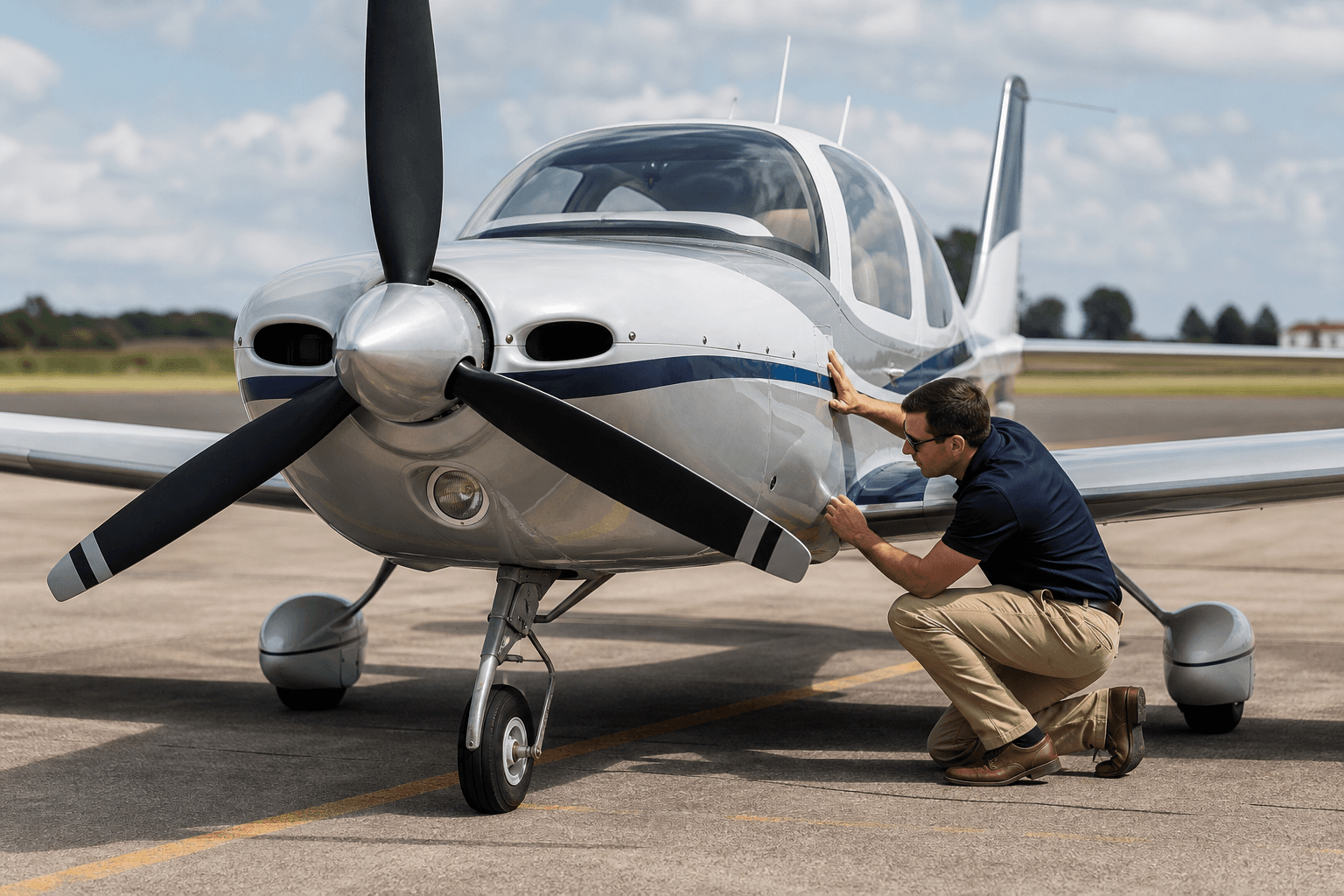
With EAA AirVenture Oshkosh in Wisconsin around the corner, thousands of pilots are preparing to take their aircraft on long cross country trips. Inevitably, some of those pilots will find themselves facing a challenging maintenance issue far from home. Preparation is the key here, and a little advance planning can go a long way toward reducing your risk and salvaging your trip. Here are some of the most important do's and don'ts for your next cross-country adventure:
Pilots Gear Up for Summer with Essential Pre-Trip Aircraft Maintenance Tips
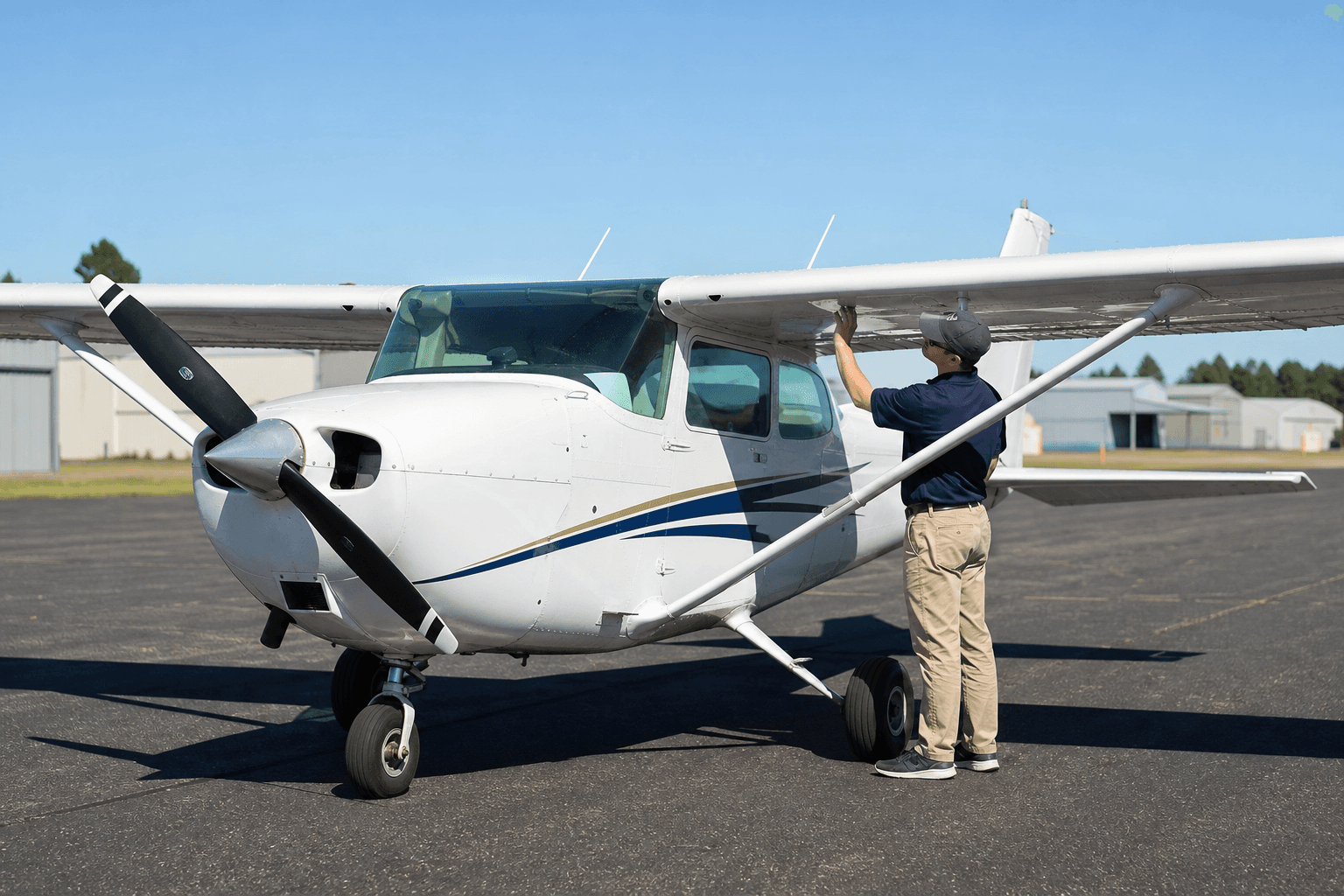
With EAA AirVenture Oshkosh in Wisconsin around the corner, thousands of pilots are preparing to take their aircraft on long cross country trips. Inevitably, some of those pilots will find themselves facing a challenging maintenance issue far from home. Preparation is the key here, and a little advance planning can go a long way toward reducing your risk and salvaging your trip. Here are some of the most important do's and don'ts for your next cross-country adventure:
Danbury Municipal Airport Secures $4.2 Million FAA Grant for Secondary Runway Rehab
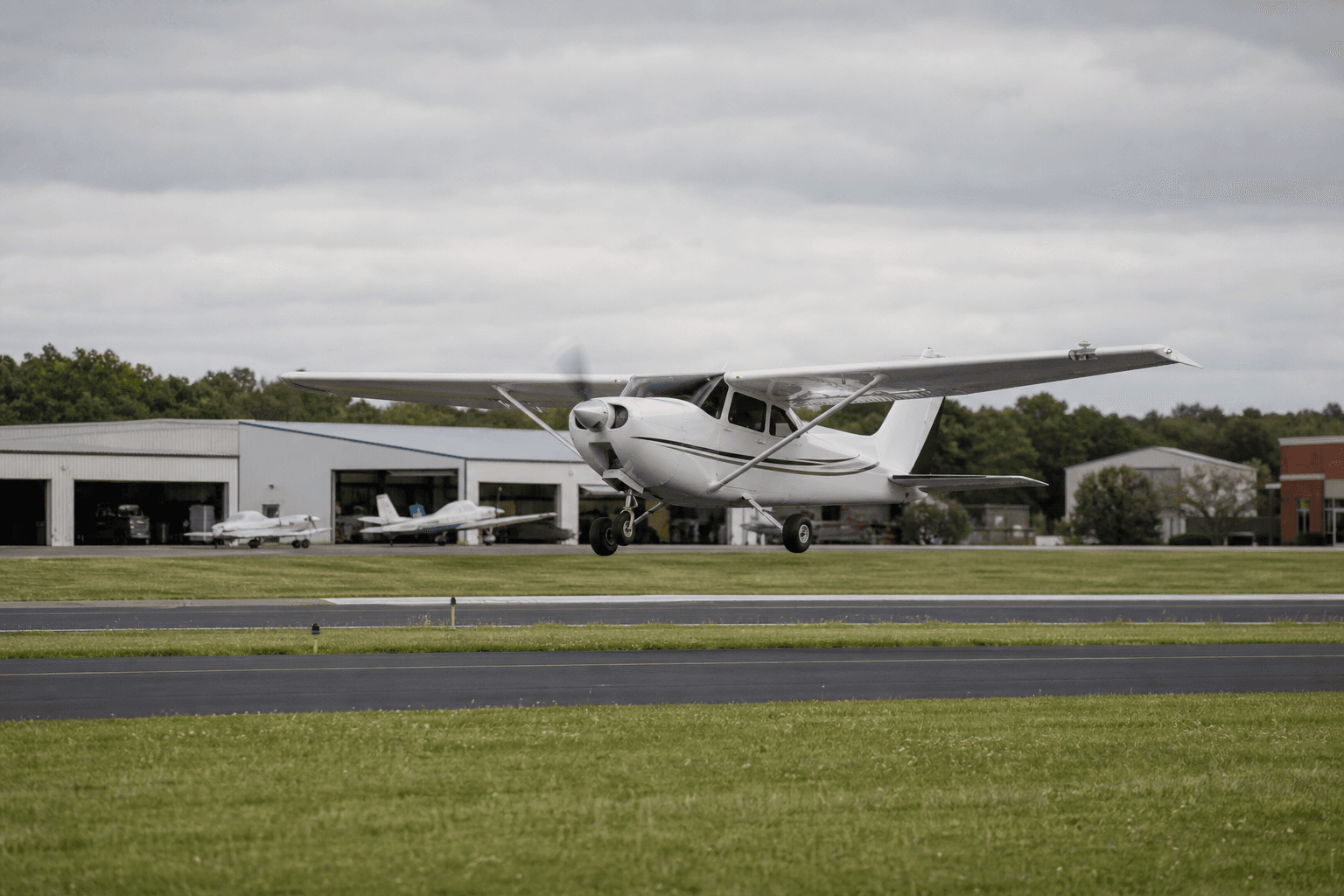
A decades-old airport record helped Connecticut’s Danbury Municipal Airport secure a $4.2 million FAA grant to rehabilitate its secondary runway, keeping it in service rather than facing possible closure. Officials uncovered records from the 1990s identifying the pavement as a noise-abatement runway rather than simply a crosswind runway. That designation made the project eligible for Airport Improvement Program funding after previous grant requests had been denied. Airport Administrator Mike Safranek told the Stamford Advocate he discovered the paperwork while reviewing archived airport records. Once the runway’s historical designation was documented, the FAA approved funding for the long-needed rehabilitation project, which the Danbury City Council has since accepted. Without the grant, airport officials said the city likely would not have been able to afford the estimated $4 million reconstruction project. The aging runway had deteriorated to the point where closing it was being considered. Although the runway is not the airport’s primary landing surface, it provides an alternate runway when crosswinds make operations on the main runway less favorable. Preserving that capability was a major factor behind the airport’s efforts to secure federal assistance. According to the Stamford Advocate , Danbury Municipal Airport is one of Connecticut's busiest general aviation airports, with about 70,000 annual operations and is home to is roughly 220 based aircraft. The airport supports flight schools, charter operators, maintenance businesses and aircraft storage facilities. Construction on the rehabilitated runway is expected to begin in the coming months.
The Daily Touch & Go
The day's best aviation news in your inbox. Free, no spam.