

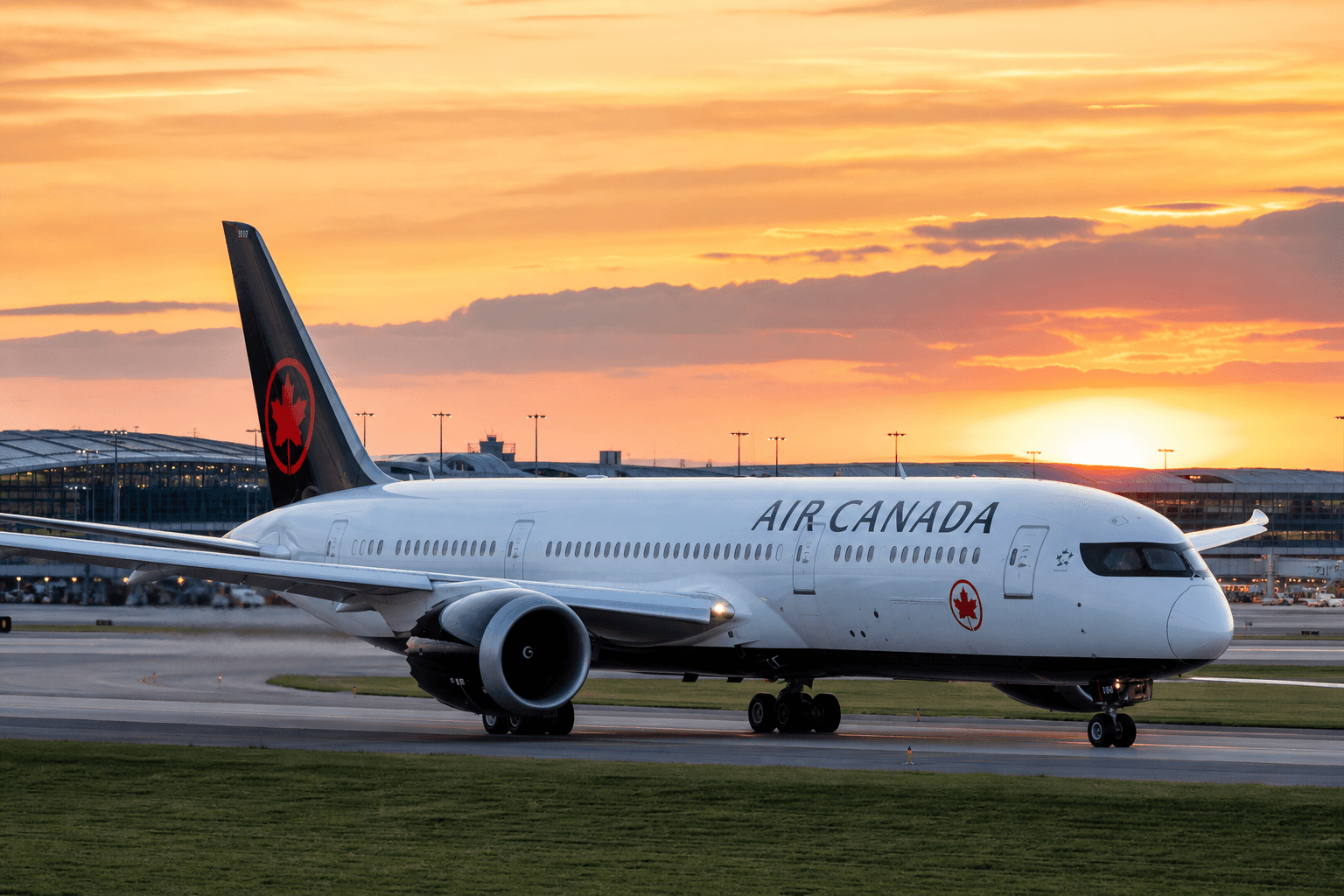
Illustration: The Touch & Go
Air Canada posts solid Q2 results as global carriers announce fleet and route shifts
Air Canada releases Q2 financials while Air France confirms Airbus A318 retirement, Asiana merger nears, and several airlines restart international services.
The gist
Air Canada's Q2 earnings highlight strong performance amid key fleet retirements and international route resumptions across major airlines.
Continuing coverage
All Air Canada →- Air Canada sells 25% of Aeroplan loyalty program to Blackstone and Canadian investors for $2.5B
- Air Canada Nears $2 Billion Deal Selling Minority Aeroplan Stake to Blackstone
- Air Canada launches new long-haul routes to Tenerife and Sapporo for 2026/27 winter
- United Airlines Allows Flight Attendants to Drink Alcohol While Deadheading Under Strict Conditions
- Air Canada Aeroplan and World of Hyatt Launch New Status and Points Partnership
Air Canada revealed its financial performance for the second quarter of 2026, marking continued strength in its core operations amid a recovering global aviation market. The report details key metrics reflecting the airline's ability to manage costs and capitalize on rising travel demand, underscoring its strategic positioning after pandemic disruptions. The carrier's results provide insight into trends affecting North American airlines as they navigate evolving passenger preferences and competitive pressures.
Meanwhile, Air France has publicly set a target date to retire the remaining Airbus A318 aircraft from its fleet. This move aligns with the airline's broader strategy to modernize its aircraft roster and improve fuel efficiency. The A318, a smaller member of the A320 family, has become increasingly less economical to operate, leading Air France to accelerate its phase-out timeline. This transition reflects wider industry trends prioritizing newer, larger narrow-body jets with advanced technologies for sustainability and operational performance.
Asiana Airlines faces a critical deadline to complete its planned merger, with the final date approaching rapidly. The airline’s consolidation is part of a regional realignment intended to strengthen competitive standing in Asia’s crowded aviation market. This merger will involve integrating fleets, staff, and route networks, with regulatory approvals advancing steadily. The deadline represents a pivotal point for Asiana’s operational future and its capacity to compete against dominant neighbors.
In the Atlantic, Cabo Verde Airlines has unveiled a new plan aimed at restructuring its international operations and expanding its reach. This strategy is designed to revitalize the airline's service offerings and tap into growth opportunities in West Africa and beyond. The carrier’s approach encompasses route optimization, fleet adjustments, and partnerships to leverage Cabo Verde’s geographic advantage. These initiatives indicate a proactive stance in a region emerging as a vital hub for connecting continents.
European airline Neos has announced intentions to resume an international route that was previously suspended. This reinstatement signifies confidence in recovering passenger traffic and marks a step in rebuilding its network post-pandemic. The selection of routes reflects demand patterns and strategic market focus, aiming to enhance connectivity and profitability. Resuming international flights aligns with Neos' goals to diversify its revenues and extend seasonal operations.
Nok Air, the Thai low-cost carrier, has confirmed it will restart its international operations after a period of suspension. The decision follows improving travel conditions and regulatory clearance for cross-border flights. Restarting international services will enable Nok Air to reengage with important markets and support Thailand's broader tourism recovery efforts. The airline plans to prioritize routes with strong demand and operational feasibility.
Together, these developments illustrate dynamic changes across global airlines in mid-2026, highlighting efforts to optimize fleets, consolidate operations, and capitalize on emerging travel demand. Strategic fleet retirements, mergers, and route resumptions are responses to a complex post-pandemic landscape shaped by economic, environmental, and competitive factors. Tracking these airline moves offers a window into broader industry recovery and adaptation patterns.
As the industry adjusts, the announced fleet transitions and operational restarts will impact market capacity, competitive positioning, and traveler options. Each carrier’s approach signals differing priorities shaped by geography, market segment, and financial condition. This snapshot of airline activity underscores that recovery in aviation continues to be multifaceted with varied regional dynamics and operational strategies.
Frequently asked questions
- What did Air Canada report in its Q2 financial results?
- Air Canada reported solid financial performance in its second quarter of 2026, indicating strength in core operations and successful cost management amid rising travel demand.
- What changes is Air France making to its Airbus A318 fleet?
- Air France has announced a target retirement date for the remaining Airbus A318 aircraft in its fleet to improve efficiency and modernize operations.
- Which airlines are restarting international routes and why?
- Neos and Nok Air plan to resume international routes reflecting improving travel conditions and demand, aiming to rebuild networks and support regional tourism recovery.
Read more
All Airlines →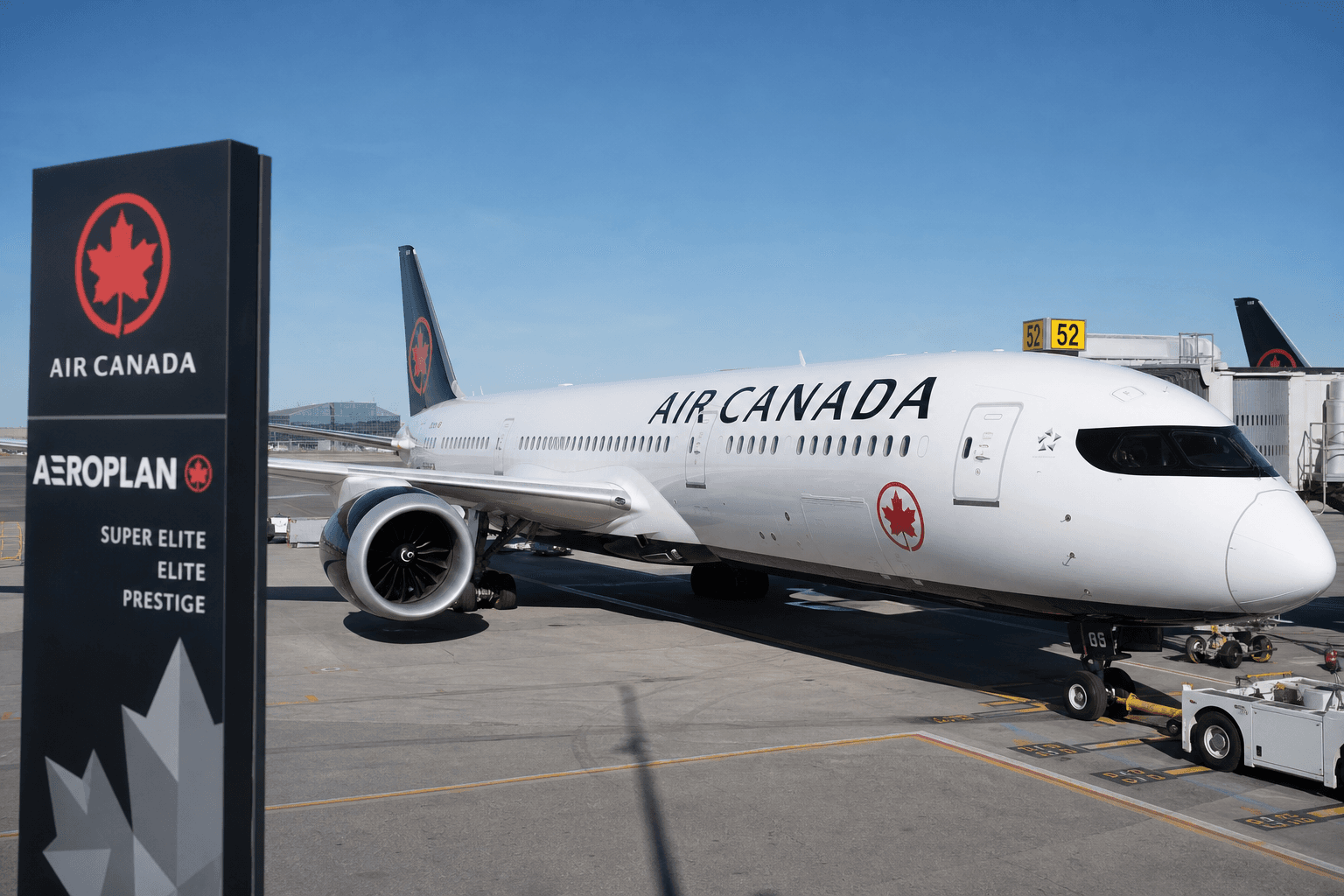
Air Canada sells 25% of Aeroplan loyalty program to Blackstone and Canadian investors for $2.5B
Private equity firm and other investors will receive a 25% stake of the programme, valued at $10 billion. Air Canada has agreed to sell a stake in its Aeroplan loyalty programme to the private equity firm Blackstone and a consortium of Canadian funds, including pensions. The investors will pay $2.5 billion for a 25% stake in the programme, valuing it at $10 billion. Air Canada will use the proceeds to reduce its debt and buy back shares. Air Canada will have the option to repurchase shares in five to eight years at a price that reflects a total rate of return of 6.5% for the outside investors. Shares of Air Canada spiked more than 5% in trading following a Bloomberg report of the potential deal on Tuesday, followed by another large gain on Wednesday following the announcement and earnings report that topped investor expectations. It's not Air Canada's first time using its frequent flyer scheme as a cushion for fresh capital, though a deal like this is relatively rare among North American airlines. Aeroplan was previously spun off into a separate company in 2005 as part of Air Canada's 2003 bankruptcy. The carrier repurchased the programme in 2019. In 2014, Virgin Australia sold a 35% stake in its Velocity frequent flyer programme to Affinity Equity Partners for A$336 million. It bought back the stake in 2019 for A$700 million. And as the COVID-19 pandemic hit airlines in 2020, many carriers used their loyalty programmes and credit card business as collateral to shore up liquidity. "Aeroplan remains a core part of Air Canada’s commercial strategy, and we continue to retain full control of the programme’s strategy, operations, partnerships, and member experience, while monetising a portion of its underlying value," says departing chief executive Michael Rousseau.
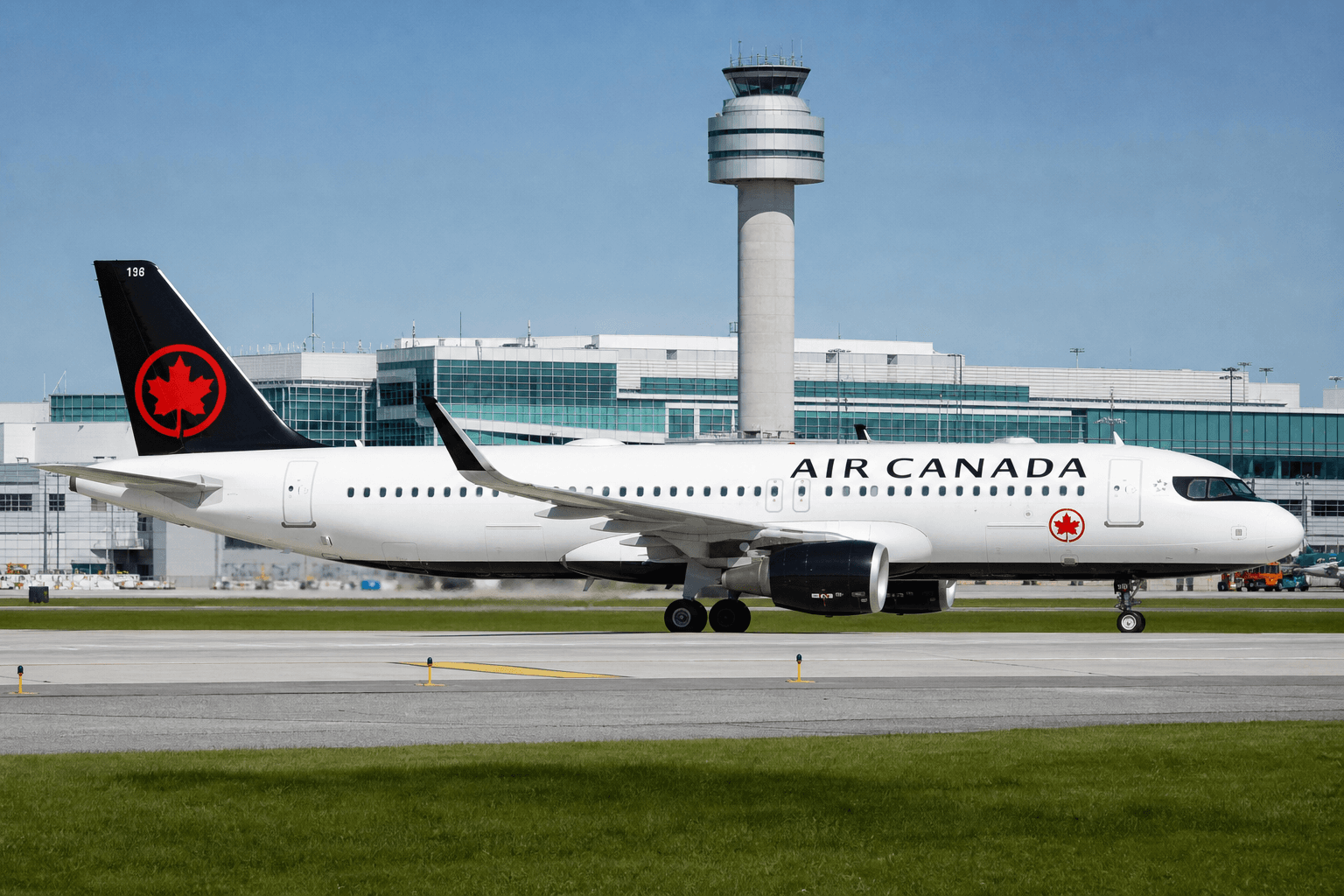
Air Canada Nears $2 Billion Deal Selling Minority Aeroplan Stake to Blackstone
Bloomberg is reporting that that Air Canada is nearing a deal to sell a minority stake in its frequent flyer program to Blackstone, in order to fund new planes, aircraft interiors, etc. Will this have any implications for program members? Blackstone to take $2 billion stake in Aeroplan Blackstone is reportedly very close to investing $2 billion in Air Canada's Aeroplan loyalty program, in exchange for a minority stake (there are some reports that this would be for a 20% stake, though I don't see that in the initial reporting). Some Canadian funds are set to invest in Aeroplan at the same time, and an announcement could be made in the coming days. It's not unusual to see airlines looking to raise cash. In this case, Air Canada is looking to raise money to buy new aircraft and to invest in the interiors of existing planes. Obviously the airline is under financial pressure, given the impact that increased fuel costs are having on the industry. There's certainly precedent to airlines using their loyalty programs for financing. At many airlines, loyalty programs are by far the highest margin aspects of the business, and the programs often make up a majority of the value of an airline. During the pandemic, the "big three" carriers in the United States raised more than $25 billion through debt deals that used loyalty programs as collateral. Keep in mind that this wouldn't be the first time that Air Canada is looking to outside firms to invest in its loyalty programs. Air Canada went into bankruptcy protection in 2003, and in 2005, the loyalty program was listed as a separate company, which was later renamed Aimia. So for a long time, Aeroplan was a completely separate, publicly traded company. The relationship between the two companies eventually soured, and in 2017, Air Canada announced it wouldn't renew its contract with Aimia, and would instead start its own competing loyalty program. Eventually the company agreed to sell Aeroplan back to Air Canada for $450 million CAD ($323 million USD) in cash, plus the assumption of certain liabilities. Air Canada is close to selling a $2 billion stake in Aeroplan Should Aeroplan members be worried about this? Broadly speaking, outside investment firms getting involved in businesses (whatever they may be) typically doesn't lead to an improved experience for customers. They want margins to be as good as possible, often at the expense of trying to promote the overall brand. It's one thing if Air Canada were just using its loyalty program as collateral for financing, but it sounds like Blackstone is actually taking a stake in Aeroplan, so may have a bit more say. Do I like the sound of this? No. At the same time, this isn't something I'd be overly worried about. Ultimately we're talking about a minority stake. And honestly, in terms of value for members, I'd argue that Aeroplan was actually at its best when it was a fully separate company. Now, the lack of broad value nowadays isn't the fault of Air Canada leadership, but instead, reflects how the miles & points world has evolved , especially with airlines increasingly limiting award space to members of their own frequent flyer program, and not making it available to members of partner frequent flyer programs. Aeroplan just isn't the Star Alliance award booking powerhouse it used to be, and that's because no program is that way anymore — you really often have to use each individual loyalty program to find availability. Aeroplan just isn't as useful for redemptions as it used to be Bottom line Air Canada is reportedly nearing a deal to sell a minority stake in the Aeroplan loyalty program to Blackstone for around $2 billion. So while the program wouldn't be fully spun off, it would have outside investors that would presumably have expectations of getting some level of return. Going back nearly a decade, Aeroplan was fully spun off, and was owned by Aimia, only to then have Air Canada buy the program back at a huge discount. While I never like the sound of outside investors coming in, I wouldn't expect there to be too many implications here, quite frankly. What do you make of Blackstone investing in Aeroplan?
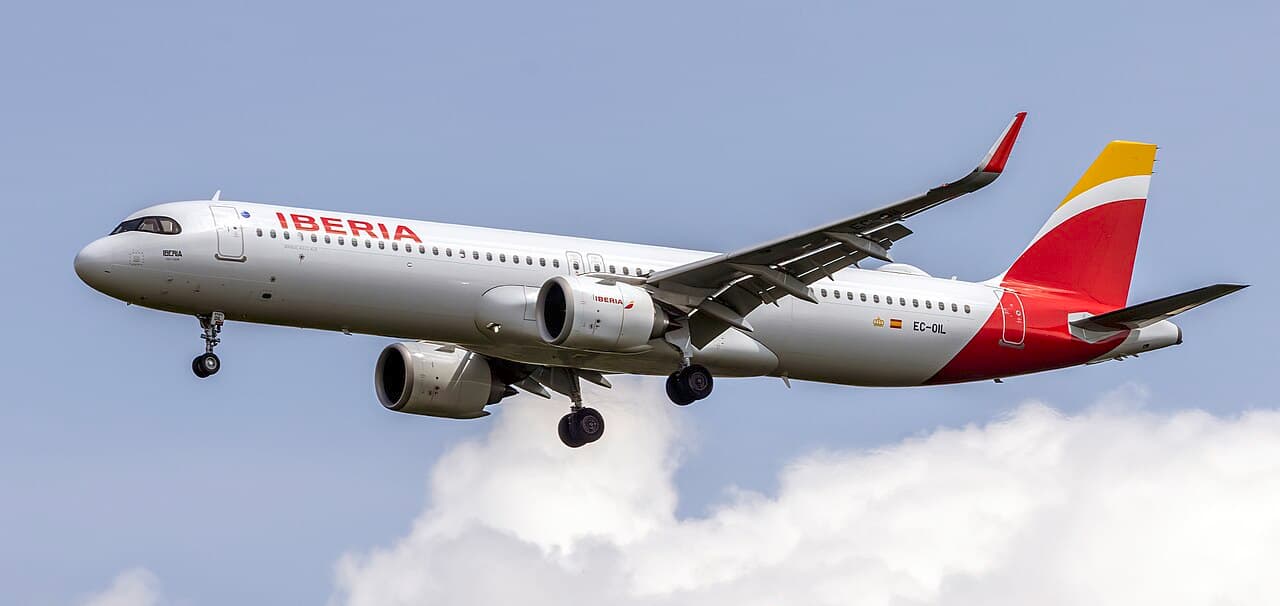
Qantas Postpones First Airbus A321XLR International Flight to February 2027
Each week, airlines worldwide submit schedule changes to Cirium Diio, OAG , and elsewhere. In the latest update, Qantas confirmed a notable change to its inaugural international service aboard the Airbus A321XLR. The launch date has been pushed back to next year.
Vietjet to launch thrice-weekly flights from Western Sydney to Ho Chi Minh City in 2027
Asian budget airline’s link to new Australian airport from Vietnam commences at the beginning of 2027. Vietnamese budget carrier Vietjet is the latest operator to sign up to services from the new Western Sydney airport, with plans to open routes from January next year. Cargo flights have been operating at Western Sydney since 27 July and passenger operations are scheduled to commence on 25 October. Qantas, Jetstar, Singapore Airlines and Air New Zealand have already committed to serving the 24h airport. Vietjet will bring the number of airlines to five with a twice-weekly link to Ho Chi Minh City from 10 January 2027, rising to thrice-weekly in March. These flights will be operated by Airbus A330s. “Becoming one of the first airlines to operate at this new airport reinforces Vietjet's strategy of pioneering the expansion of its international network," says Vietjet chief Nguyen Thanh Son. The carrier's Vietjet Thailand venture also intends to begin a four-times weekly operation to Bangkok the following November. Western Sydney airport chief Simon Hickey says the Ho Chi Minh City route expands the number of links available, and "reinforces the choice, flexibility, and global connectivity" of the new facility. "Vietnam is an incredibly popular destination for [Australian] travellers," he adds. Vietjet's Ho Chi Minh City flights are being supported by an incentive programme from the New South Wales government, the Western Sydney International Take-Off Fund.
The Daily Touch & Go
The day's best aviation news in your inbox. Free, no spam.