


Image: U.S. Air Force photo/Senior Airman Julius Delos Reyes · Public domain · via Wikimedia Commons
UK military helicopter fleet drops by 27 aircraft after Puma retirement
The UK's military rotorcraft inventory declined to 249 in early 2026, largely due to Puma helicopter withdrawals as Chinook remains the largest helicopter type.
The gist
The UK military’s helicopter count fell by 27 to 249 after retiring Puma helicopters, while fixed-wing aircraft numbers grew with more F-35s.
The United Kingdom's military helicopter fleet saw a significant decrease during the 2025-2026 period, with total rotary-wing platforms dropping by 27 to reach 249 as of April 1, 2026. This reduction primarily stems from the Royal Air Force’s formal retirement of the Puma helicopter after more than five decades of service. The Ministry of Defence publicized the updated fleet figures on August 20, 2026, reflecting ongoing changes within its air capabilities.
Puma helicopters were retired in March 2025 following a decision announced in November 2024 to remove 17 Puma and 14 Chinook helicopters from service as part of cost-saving measures. Despite the Puma’s exit, the Chinook remains the most numerous rotary-wing aircraft in the UK inventory, maintaining a fleet size of 45 units. Their continued operational status underscores their enduring role in military transport and support missions.
While rotary-wing numbers declined, fixed-wing aircraft in the UK military air fleet showed a modest increase, rising by three units to a total of 507. This growth is driven primarily by the ongoing delivery and integration of Lockheed Martin F-35 Lightning II jets. The Typhoon FGR4, however, continues to see a fleet reduction, with the retirement of the bulk of its Tranche 1 aircraft by April 2025 shrinking its numbers, although it still stands as the largest fixed-wing type at 124 aircraft.
The official fleet count at the April 1, 2026 snapshot date precedes the completion of the UK’s initial batch of 48 F-35B aircraft by just a few weeks. Therefore, the final jets from this batch are not included in the total count. Enhanced availability rates were reported for both aircraft types, with 86% of fixed-wing airframes considered in service—up from 82% a year earlier—and 77% of rotary-wing platforms actively operational compared to 70% previously.
The Ministry of Defence clarifies that ‘in-service’ figures for fixed-wing aircraft include those under active fleet management, encompassing those in storage status, and exclude aircraft operated by contractors. This explains why in-service totals are lower than overall inventory numbers. Such metrics provide insight into the operational readiness rather than simple ownership of aircraft types.
The UK’s uncrewed aircraft systems inventory has also expanded, with a total of 189 platforms recorded as of April 2026, marking an increase of nine units over the previous year. This increase corresponds with the phased retirement of the MQ-9 Reaper, which was officially withdrawn from Royal Air Force service in October 2025 and replaced by the new Protector RG Mk1 drone.
Protector drones represent a more advanced remotely piloted air system and are counted among platforms authorized under the Ministry of Defence’s Certified or S2 categories. Smaller unmanned systems not falling under these regulatory categories are not included in these figures, meaning the actual number of unmanned aerial vehicles operated may be higher.
Organizationally, the RAF fields 104 squadrons as of the April 2026 count. The Royal Navy’s Fleet Air Arm reports 15 squadrons plus four headquarters units, while the British Army Air Corps includes eight regiments, one of which is a reserve unit. The overall structure reflects the breadth of rotary and fixed-wing aviation capabilities maintained across the UK military services.
These adjustments to the UK military aviation inventory demonstrate a transition period, with retirements of legacy platforms like the Puma and Reaper balanced by the introduction of modern systems such as the F-35 and Protector. Fleet availability improvements also indicate a focus on maintaining operational readiness during this period of change.
Frequently asked questions
- Why did the UK military helicopter fleet decrease in 2026?
- The helicopter fleet decreased mainly due to the retirement of 17 Puma helicopters in March 2025 after 54 years of service, as part of a cost-saving effort.
- What is the largest helicopter type currently in the UK military inventory?
- The Boeing Chinook remains the largest rotary-wing type in UK military service with 45 aircraft as of April 2026.
- How has the UK fixed-wing military aircraft inventory changed recently?
- Fixed-wing aircraft increased by three to 507 due largely to ongoing deliveries of F-35 Lightning II jets, despite continued Typhoon fleet retirements.
Read more
All Military/Defense →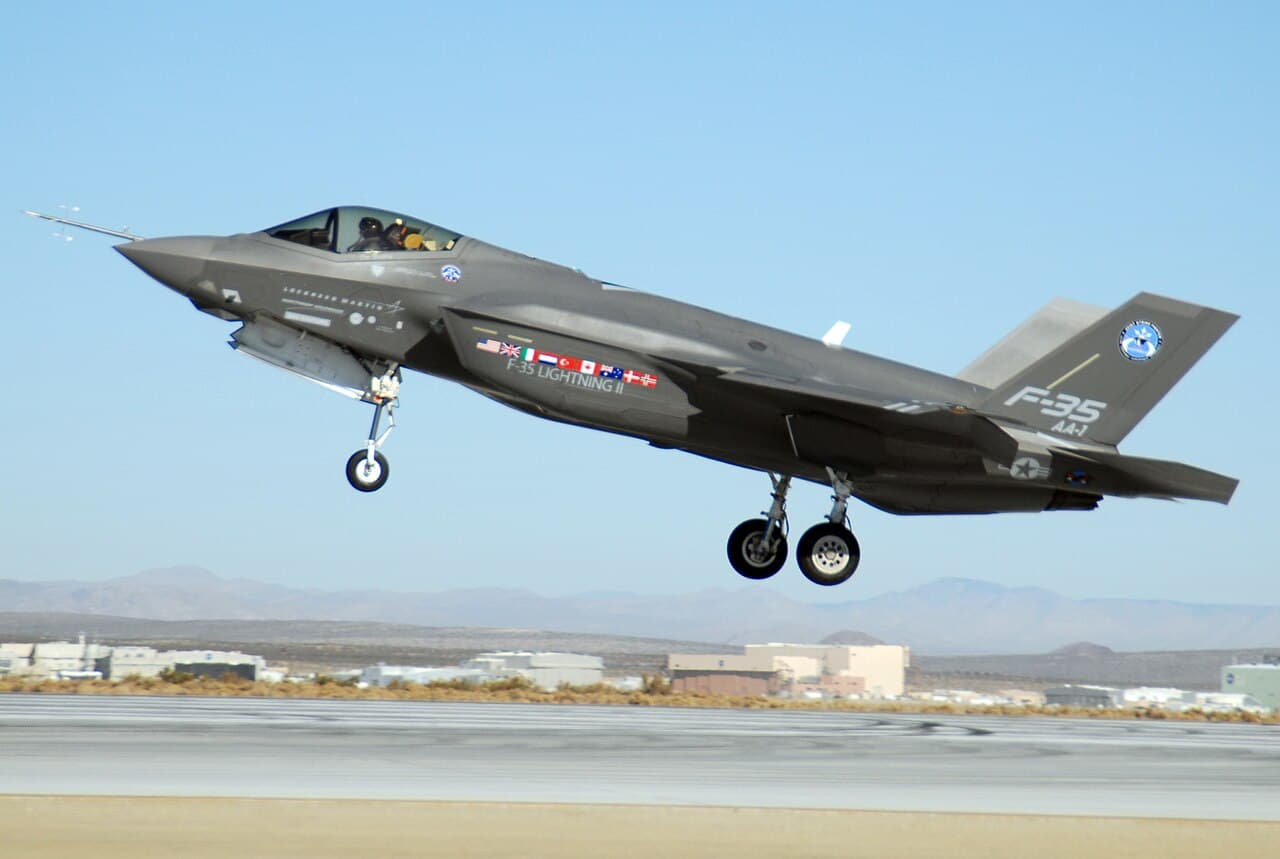
World's Stealth Fighter Landscape in 2026 Divided Between F-35 Allies and Sino-Russian Blocks
According to TheWorldData's 2026 F-35 statistics roundup , the global Lockheed Martin F-35 fleet has already passed 1,300 aircraft delivered across 17 or more nations, dwarfing every other stealth fighter program combined. Everyone else on Earth flying stealth fighter jets in 2026, such as China, Russia, and their allies, is flying something else entirely, built by a different country, sold under different rules, and answering to a different set of allies.
Multiple Drones Breach Restricted Airspace Over Australia's RAAF Base Williamtown
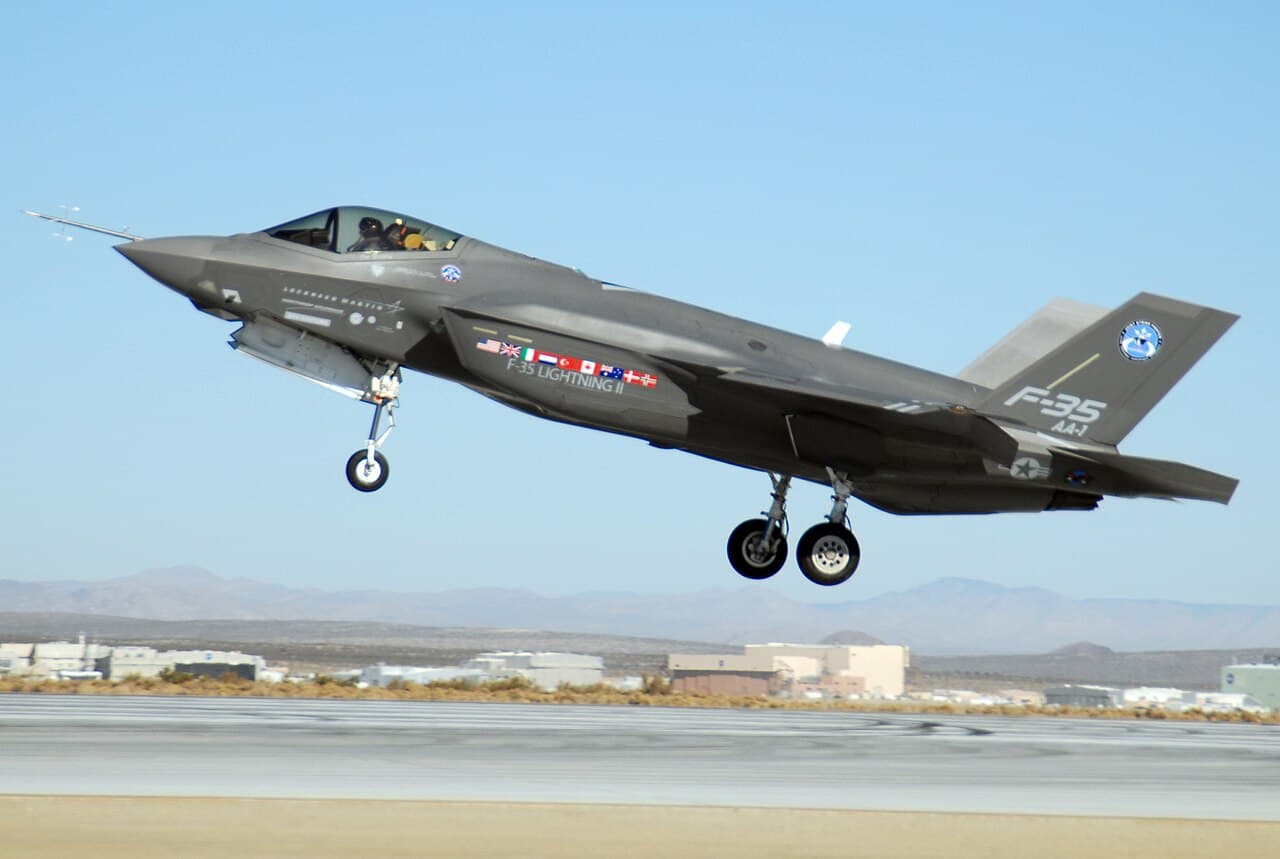
Multiple unidentified drones repeatedly entered restricted airspace around one of Australia's most sensitive military air bases recently, raising questions about how well the country can protect its F-35 fighters and other high-value aircraft from small unmanned aircraft. The drones were reported over RAAF Base Williamtown and neighboring Newcastle Airport in New South Wales between July 11 and 13, 2026, according to Australian media reports. Australia's Department of Defence has acknowledged the incidents, while Defence Industry Minister Pat Conroy said the broad reporting about the number of drones and the days they appeared was accurate. Authorities have not identified the operators or indicated why the drones were there. Williamtown, about 20 miles north of Newcastle, is Australia's main fighter training base and houses most of the Royal Australian Air Force's Lockheed Martin F-35A Lightning II fleet. The base also operates Boeing E-7A Wedgetail airborne early warning and control aircraft, Hawk 127 trainers and Pilatus PC-21 trainers. Newcastle Airport operates from the same airfield under an agreement with the Australian Department of Defence. The Daily Telegraph, which first reported the incursions, said multiple drones were confirmed in restricted airspace during the three-day period. Personnel at Williamtown were reportedly instructed to close window blinds to prevent sensitive information from being viewed or photographed. None of the drones was reported recovered or publicly identified. The incidents were referred to the New South Wales Police Counter-UAS Unit. Conroy said on August 10 that the police investigation has since been completed, but he did not disclose its findings. He also declined to say whether the drone activity disrupted military or civilian flight operations or what, if any, counter-drone measures were used. "We have robust layered security measures to protect our personnel, our bases and our capabilities," Conroy told ABC Newcastle. Australia changed its Defence Regulations last year to give military personnel authority to seize, disable or destroy drones. Conroy said the government is also investing heavily in technology intended to detect and defeat unmanned aircraft. The unexplained flights have prompted concern from Australian defense experts because small commercial drones can be used for surveillance as well as attacks against aircraft and infrastructure. There is no public evidence linking the incursions to a foreign government or establishing that the drones were conducting surveillance.
UK delays delivery of expanded F-35 fleet until early 2030s amid strategic and logistical challenges
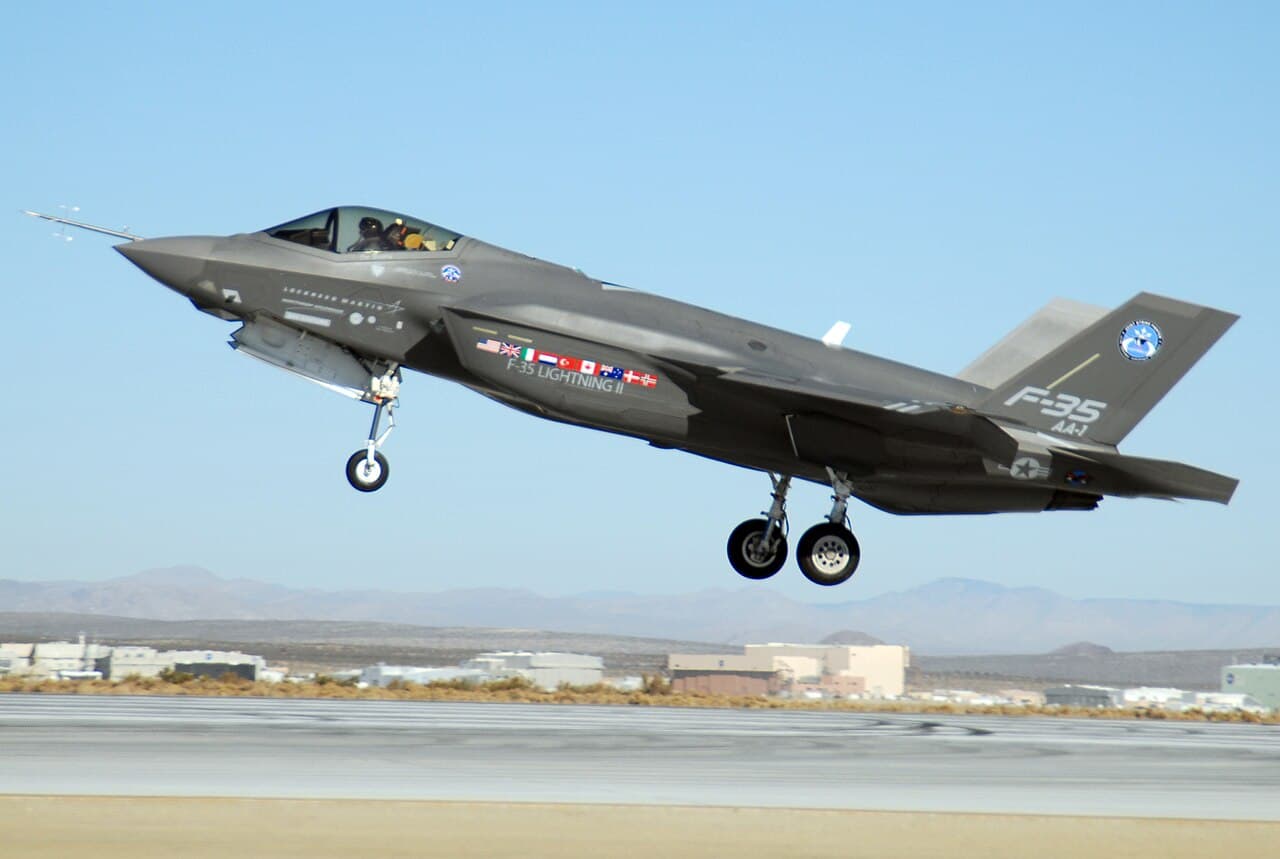
Due to severe worldwide backlog pressures within the F-35 Joint Program Office and a strategic procurement delay by the Ministry of Defense, the United Kingdom will not receive any new Lockheed Martin F-35 Lightning II jets from its enlarged fleet order until the early 2030s. The upcoming batch introduces the F-35A variant to the UK fleet for the first time, intended to fulfill NATO nuclear-sharing missions.

US Air Force Chose F-35A Over F-22 For Export to Strengthen Global Alliances
The primary reason that the US steered export partners towards the F-35 Lightning II rather than the F-22 Raptor was never just about which jet was better. The two aircraft fundamentally help build different kinds of airpower. The F-22, which was manufactured by defense prime Lockheed Martin, was conceived as a uniquely American air-dominance fighter, protected by law from being exported and never constructed for sale to foreign operators.
The Daily Touch & Go
The day's best aviation news in your inbox. Free, no spam.