

Illustration: The Touch & Go
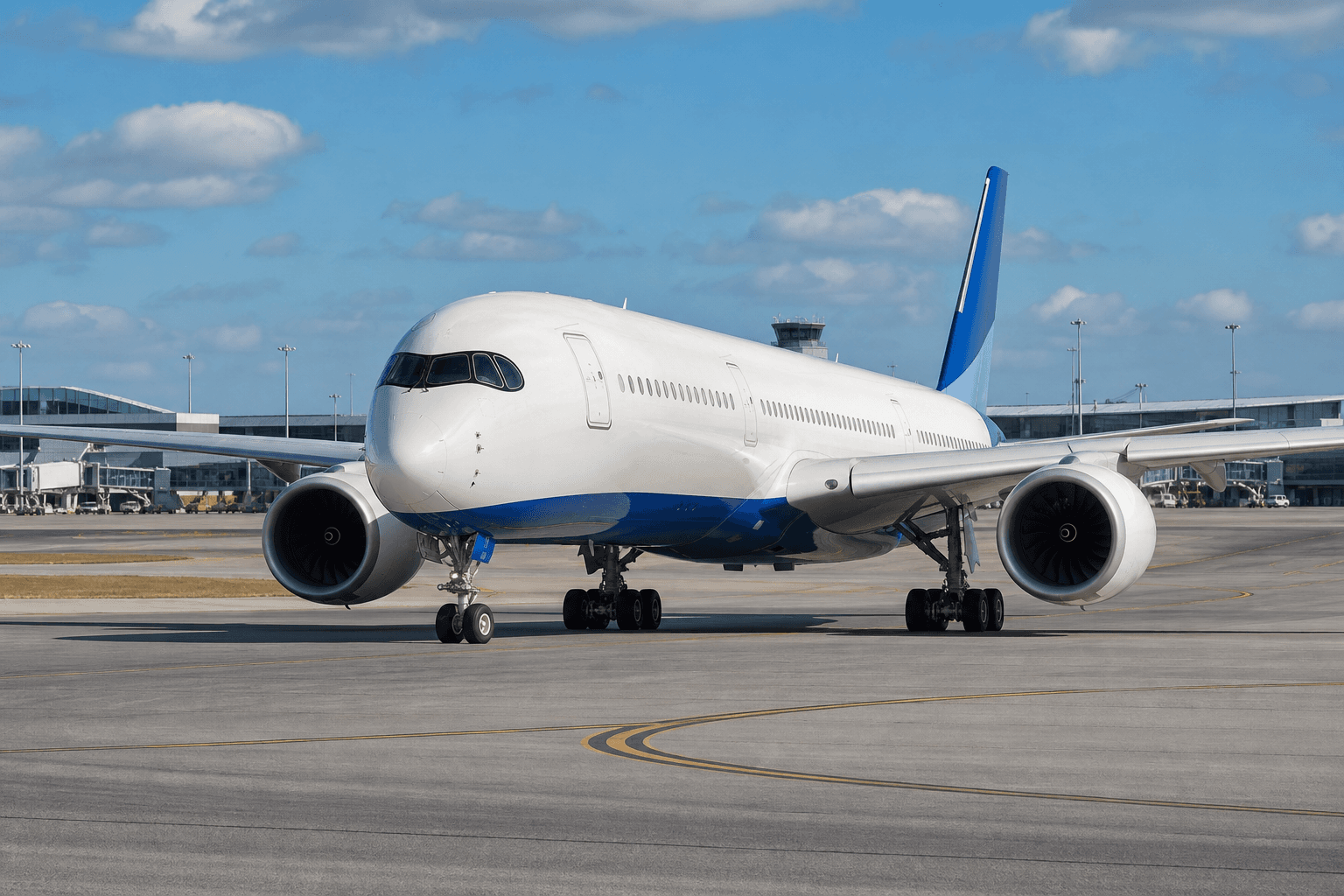
United Airlines CEO Criticizes Rolls-Royce Over A350 Engine Monopoly and Order Wins
United Airlines CEO publicly challenges Rolls-Royce's dominance on Airbus A350 engines, highlighting competition and order dynamics in widebody fleet renewals.
The gist
United's CEO attributes Rolls-Royce’s A350 engine order success to a monopoly, sparking debate over widebody engine competition.
United Airlines' commitment to the Airbus A350 has become one of the aviation sector’s most prolonged and debated widebody aircraft orders in recent memory. Initially announced in 2009, United placed an order for 25 Airbus A350-900s as part of its strategy to modernize its long-haul widebody fleet. Over time, this order expanded to 45 aircraft, underscoring United's significant investment in the type.
In the course of this procurement, United’s CEO has leveled pointed criticism against Rolls-Royce, the exclusive engine supplier for the Airbus A350. The CEO contends that Rolls-Royce’s success in securing these engine orders is largely attributable to having a monopoly on powering the A350, rather than superior competitive offerings. This stance highlights ongoing tensions in engine supplier competition and procurement choice dynamics.
The Airbus A350 features the Rolls-Royce Trent XWB engine exclusively, distinguishing it from other widebody aircraft types that typically offer multiple engine options to carriers. This exclusivity has become a source of frustration for some operators, who may seek more competition to leverage pricing power or optimize fleet performance across different missions. United’s vocal criticism reflects these broader industry discussions about supplier diversity and the implications of engine monopolies on airline purchasing strategies.
United Airlines’ fleet renewal strategy, which originally included an order for 25 A350s, aimed to replace older aircraft models and improve fuel efficiency, passenger comfort, and operational performance on long-haul routes. By increasing the order to 45 aircraft, United signaled considerable confidence in the type despite concerns raised about the lack of engine competition.
The CEO’s remarks can also be seen in the context of the competitive landscape at the time of the United A350 order. Boeing and Airbus were heavily competing for widebody sales, and engine manufacturers Rolls-Royce and General Electric were engaged in their own battle for powerplant contracts. The exclusivity of Rolls-Royce on the A350 narrowed these choices for airlines like United, making fleet decisions dependent on a single supplier relationship.
Industry observers note that United’s criticism is part of a broader dialogue on how engine monopolies affect airline operations and market pricing. While exclusivity can offer benefits such as optimized aircraft-engine integration and potential performance efficiencies, it can also limit airlines’ leverage and flexibility when negotiating contracts or considering diverse fleet strategies.
This dispute also sheds light on the intricate relationships between aircraft manufacturers, engine suppliers, and airlines. United’s public feedback might influence future negotiations or prompt discussions about more engine options on new aircraft programs. Airlines constantly balance operational reliability, cost-efficiency, and supplier partnerships when shaping their fleets, and engine supply is a critical component of these decisions.
Understanding United’s perspective helps explain part of the long duration and complexity in confirming the aircraft orders and delivery timelines, reflecting how technical and commercial considerations interplay in widebody fleet renewals. The evolution from 25 to 45 aircraft further emphasizes how strategic planning can be affected by supplier dynamics and competitive pressures in the aerospace market.
As the airline industry continues to navigate post-pandemic recovery and fleet modernization, the conversation around engine choice on flagship aircraft like the A350 remains influential. United Airlines’ stance may resonate with other operators evaluating the balance between aircraft capabilities and the implications of engine supplier exclusivity.
Read more
All Airlines →
Frequent Flyer Award Loopholes Close as Airlines Tighten Elite Perks
The frequent flyer ecosystem has operated on a silent contract between airlines and their most loyal customers, but now that contract seems to be ending. There was once a period defined by the exploitation of fixed award charts, complex routing rules, and the mathematical beauty of carrier-imposed surcharges. Travelers spent years reverse-engineering award flight availability, viewing the loyalty landscape as a puzzle where deep knowledge of program intricacies provided access to premium cabins for a fraction of their cash value.
Boeing 777-300ER Revolutionized Long-Haul Air Travel with Twin-Engine Efficiency
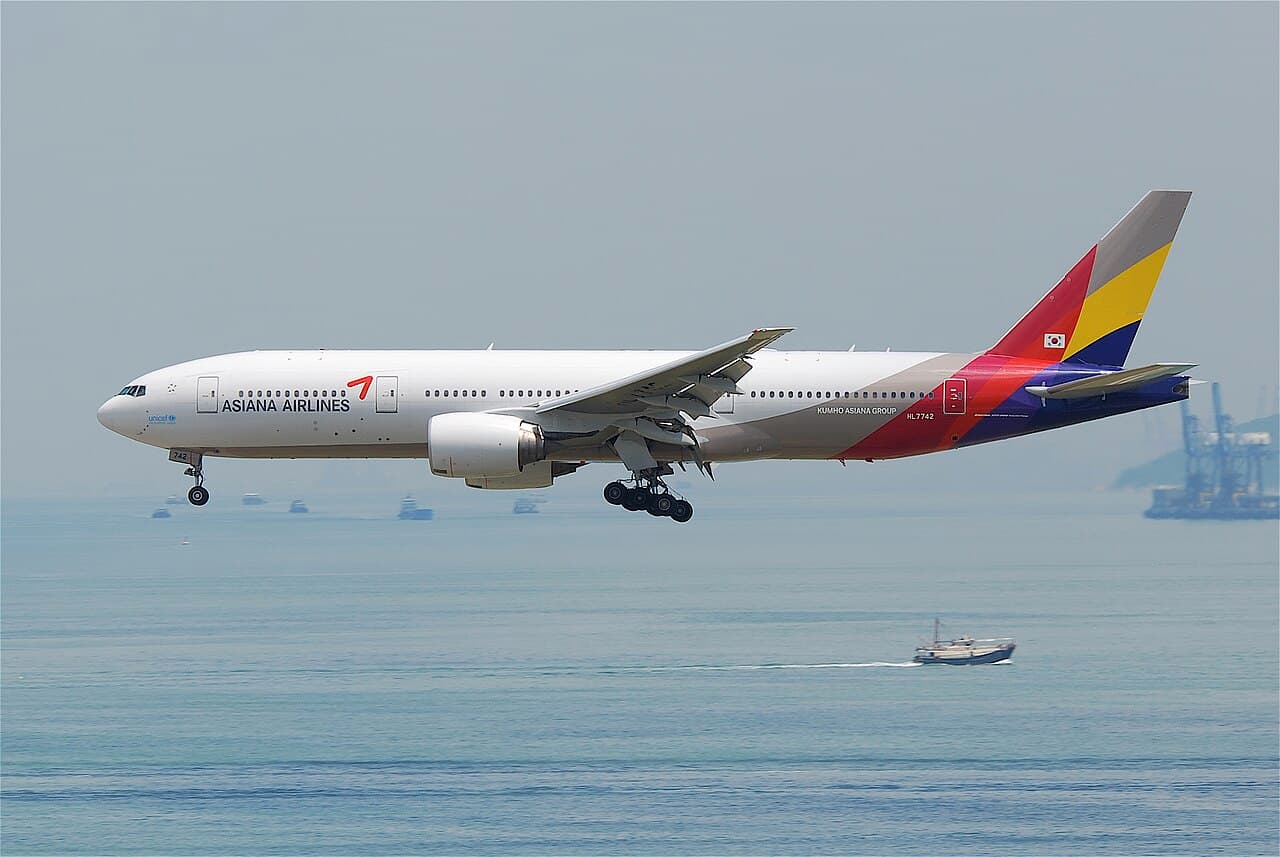
The 777 succeeded Boeing's first widebody twinjet, the 767 , and showed the world just how great the platform could be for both the economics of the notoriously volatile flying business and the satisfaction of flyers. The success of the 777 series directly contributed to the end of its larger quadjet predecessor, the 747.
Study Finds GEnx-Powered Boeing 787-10 Leads Widebody Fuel Efficiency Among 14 Competitors
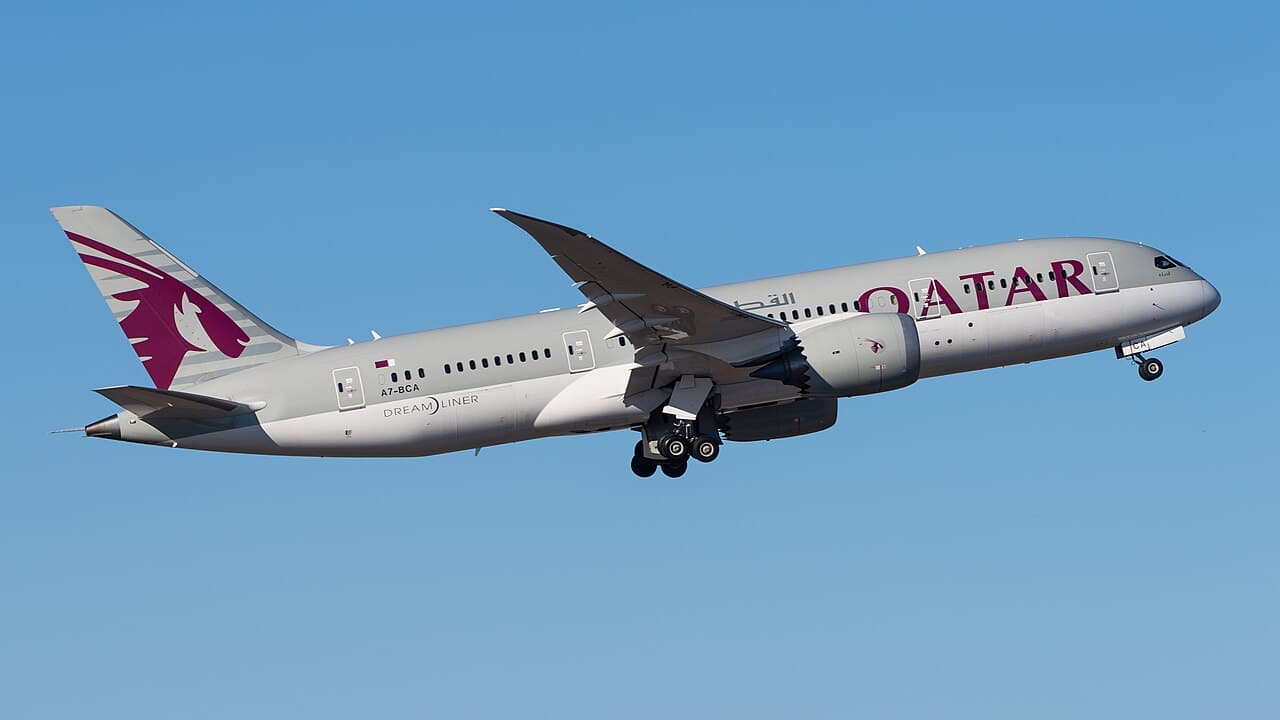
An Aircraft Commerce study comparing 14 widebody aircraft-engine combinations across five routes found that the GEnx-powered Boeing 787-10 produces the lowest fuel burn per available seat mile of any widebody configuration currently in service. The finding ranked the 787-10/GEnx ahead of the same aircraft with Trent 1000 engines, ahead of both A350 variants, and ahead of every older widebody type including the 777-200ER, 777-300ER, and 747-400.
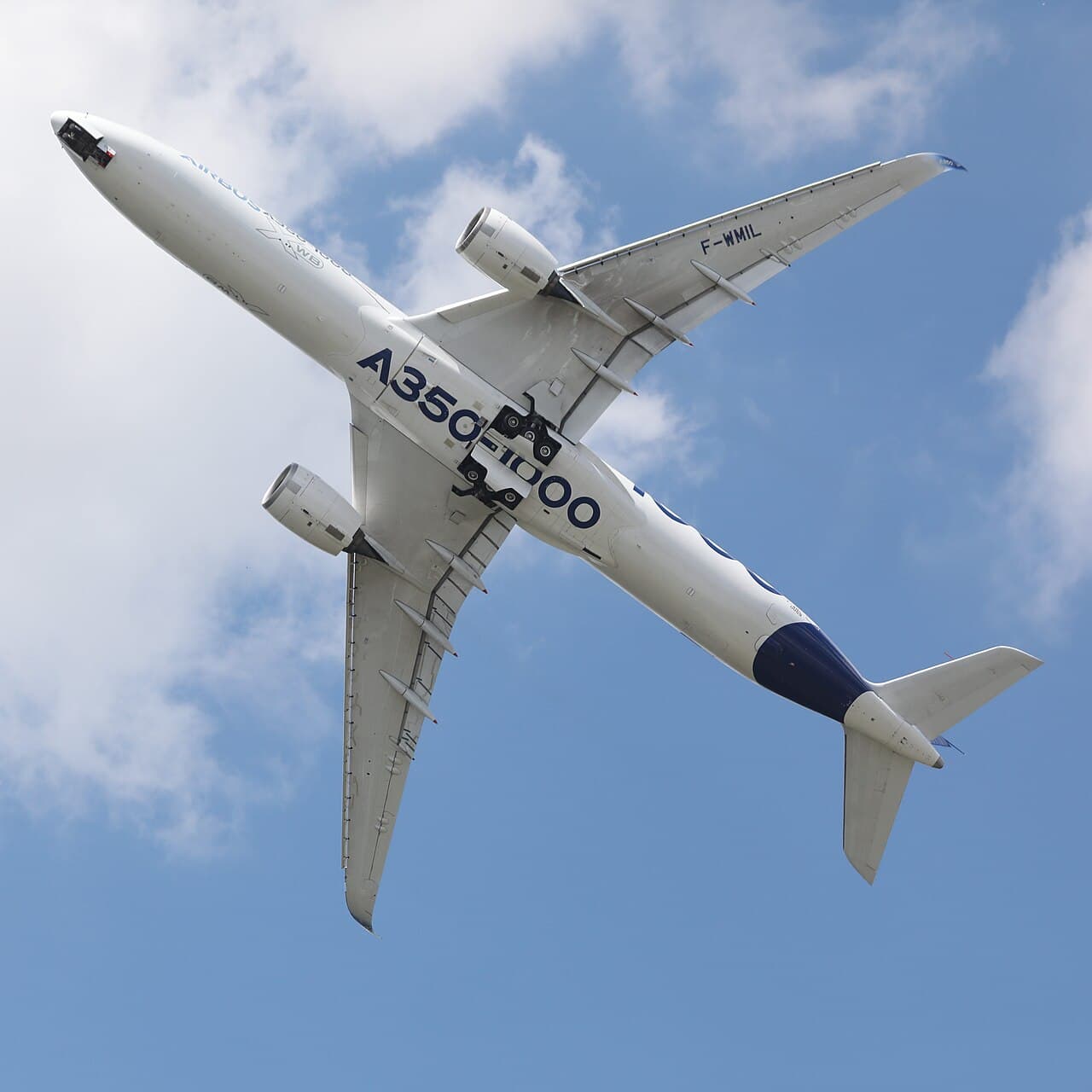
Boeing 777-9 challenges Airbus A350-1000 dominance in long-haul widebody market
When the Boeing 777-9 finally enters commercial service, it will become the largest twin-engine airliner ever built. By then, however, its main rival will already have spent nearly a decade carrying passengers, building a global customer base, and proving itself on some of the world's longest routes. That unusual timing means the contest between the 777-9 and Airbus A350-1000 is not about which widebody aircraft is better on paper. It is about whether Boeing's larger, higher-capacity design can overcome Airbus' years-long operational head start.
The Daily Touch & Go
The day's best aviation news in your inbox. Free, no spam.