

Image: PJSC "UAC" · CC BY-SA 4.0 · via Wikimedia Commons
United Airlines sues insurer Homesite over $5 million cyber claim refusal after CrowdStrike outage
United Airlines filed a lawsuit against Homesite Insurance after it refused to pay $5 million following losses from the widespread July 2024 CrowdStrike cyberattack that disrupted the airline's operations.
The gist
United Airlines is suing Homesite after the insurer refused to pay $5 million for cyber losses tied to the 2024 CrowdStrike outage.
United Airlines has initiated legal action against Homesite Insurance after the company declined to pay a $5 million claim linked to the July 19, 2024, CrowdStrike cyber outage. The outage severely disrupted Microsoft Windows systems worldwide and caused chaos in United's network, forcing the airline to cancel 1,600 flights and delay thousands more. About 200,000 passengers were stranded as United scrambled to restore its IT infrastructure, resulting in losses approaching $114 million.
United foreseen such a scenario and secured an extensive insurance program designed for catastrophic cyber events. This risk-transfer arrangement, known as an insurance tower, involves nine insurers providing a combined $200 million in coverage above a $50 million self-insured retention. Under this structure, United shoulders the first $50 million in losses before claiming insurance proceeds. The various tiers are divided among different insurers, each with coverage limits and specific payout responsibilities.
The first layer was insured by AIG, which paid out the full $15 million expected from its portion of coverage. The second layer, jointly insured by Starr and Evanstan, covered a $10 million limit, with each insurer paying $5 million. Scottsdale held the third layer's $10 million coverage limit and fulfilled its payout completely. The fourth layer was shared by Starr and Liberty to a $10 million limit, with both paying $5 million each.
The fifth and final layer in the tower was divided between Indian Harbor and Homesite, who shared a $10 million maximum. Indian Harbor fulfilled its commitment by paying $5 million; however, Homesite refused to pay its $5 million share. This refusal prompted United to file the lawsuit in an Illinois district court, charging Homesite with bad faith and breach of contract for failing to honor its obligations.
United's legal team contends that of the total losses from the CrowdStrike incident, approximately $20 million resulted directly from federal regulations requiring compensation payments to passengers. Homesite supposedly argued that United should have sought prior written approval before disbursing these compensations, a condition United's lawyers state is not legally justifiable or consistent with insurance norms.
The complaint emphasizes that no insurer acting in good faith would force a policyholder to choose between complying with federal mandates and receiving insurance coverage. United highlights that seven other insurers covering the same event agreed to pay their claims in full, making Homesite's stance an outlier and lacking reasonable grounds.
United also highlights contrasting positions taken within the same insurance layer, where Starr approved claim payments while Homesite denied them. This disparity supports United's argument that Homesite's refusal was not a genuine coverage dispute but rather an attempt to evade contractual responsibilities and financial commitment after collecting premiums.
The lawsuit seeks a jury trial along with the $5 million Homesite owes. Furthermore, United requests a judicial declaration that Homesite acted in bad faith and is liable for pre- and post-judgment interest, plus additional damages resulting from the denial. The suit marks a rare public confrontation over cyber insurance claims and may influence how insurers handle complex, high-value cyber events in the future.
This dispute underscores the challenges facing airlines and other large corporations in managing financial risks from increasingly frequent and impactful cyber disruptions. United's comprehensive insurance tower was designed to provide layered protection, but the refusal by a single insurer to pay can jeopardize rapid recovery efforts after catastrophic incidents.
Frequently asked questions
- What caused United Airlines to incur losses of nearly $114 million in July 2024?
- United Airlines' losses stemmed from the widespread July 19, 2024 CrowdStrike cyber outage that disrupted Windows computers globally, leading to 1,600 flight cancellations, thousands more delays, and about 200,000 stranded passengers.
- How is United's cyber insurance coverage structured?
- United's cyber insurance is structured as a $200 million coverage tower above a $50 million self-insured retention, with nine insurers covering successive layers, each with specific payout limits.
- Why is United suing the insurer Homesite?
- United is suing Homesite because, unlike other insurers who paid their shares of claim losses from the CrowdStrike outage, Homesite refused to pay its $5 million portion, which United alleges was in bad faith and breached contract obligations.
Read more
All Regulatory →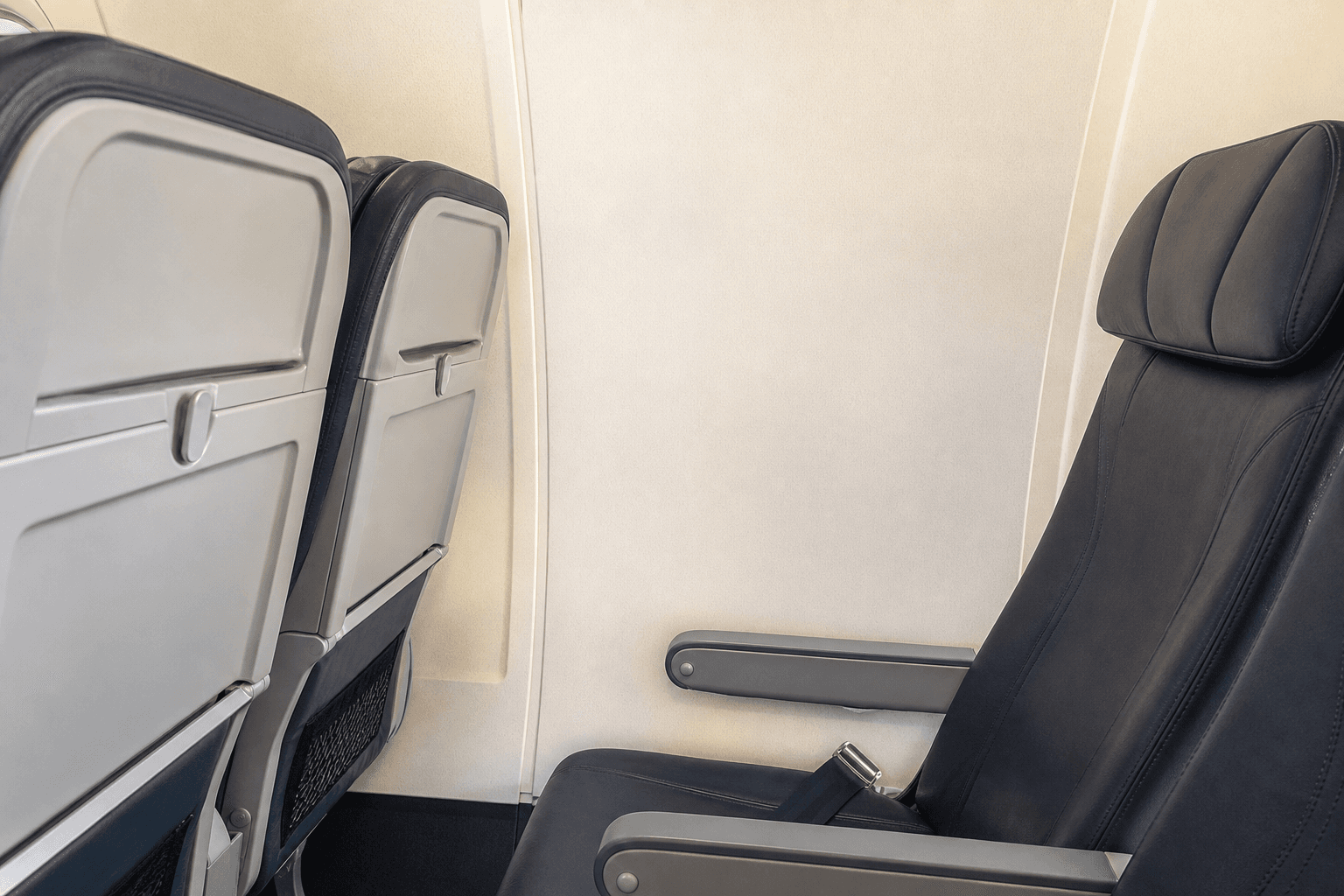
Judge Allows Lawsuit Over United's Windowless Window Seat Claims to Continue
The carrier argued that a "window seat" is defined by its position in the cabin, not its proximity to an actual window.
Airbus A350-1000ULR embarks on nonstop Toulouse to Melbourne test flight
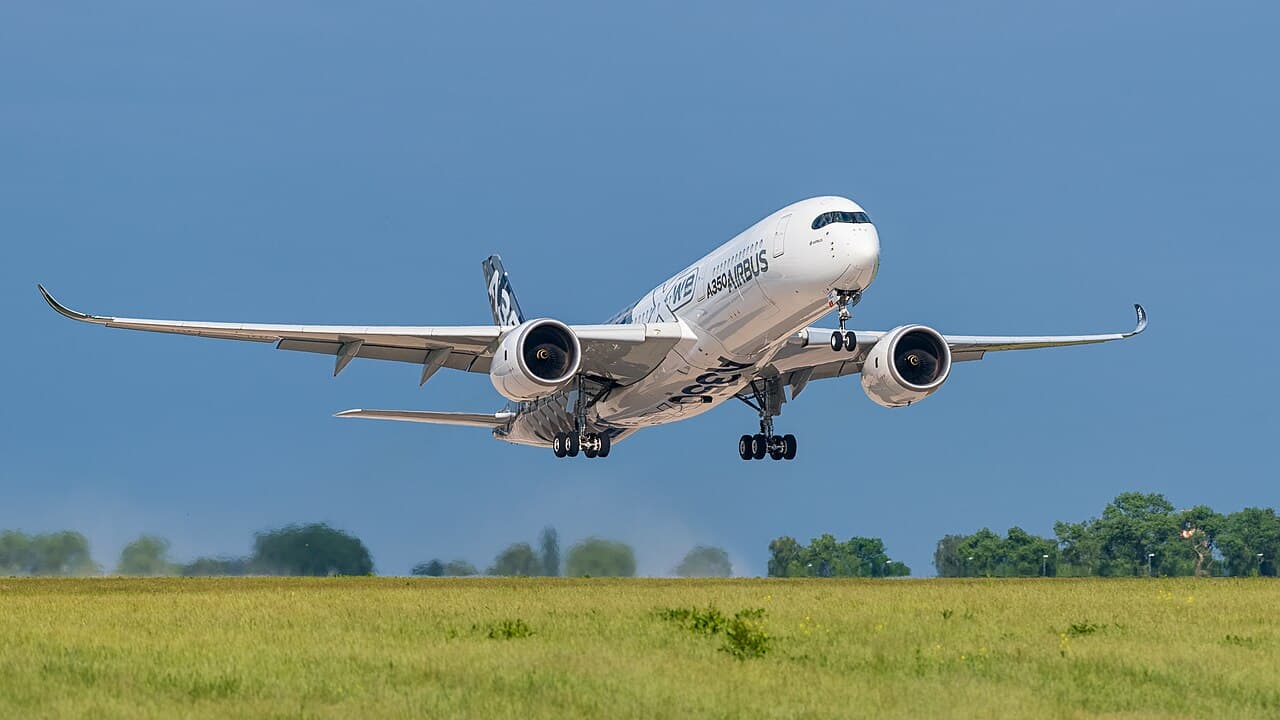
Crew of Airbus twinjet designed for Qantas’s Project Sunrise to test systems including aft fuel tank. Airbus's first ultra-long range A350-1000ULR has taken off from Toulouse on a nonstop test flight to Melbourne. The twinjet – developed for Australian carrier Qantas's Project Sunrise initiative – lifted off from Toulouse Blagnac's runway 32L at about 07:34 local time on 23 July. While total flight time will not be formally confirmed until it arrives in Melbourne, the aircraft is intended to operate the Sydney-London route and fly for durations of 22h. This will be achieved with the specially-designed 20,000-litre aft centre fuel tank in the Rolls-Royce Trent XWB-powered jet. Airbus indicates that a crew of nine is on board the aircraft. The test flight is part of a 75-80h certification campaign for the -1000ULR ahead of Qantas's plans to launch the commercial Project Sunrise routes in October next year. Airbus carried out the maiden flight of the variant on 2 June. Qantas's first 238-seat A350-1000ULR will be a different airframe to the test flight aircraft MSN707 – the initial delivery will be MSN814. The airline has 12 of the type on order.
Boeing 777X Delays Cost Exceed Entire Airbus A350 Development
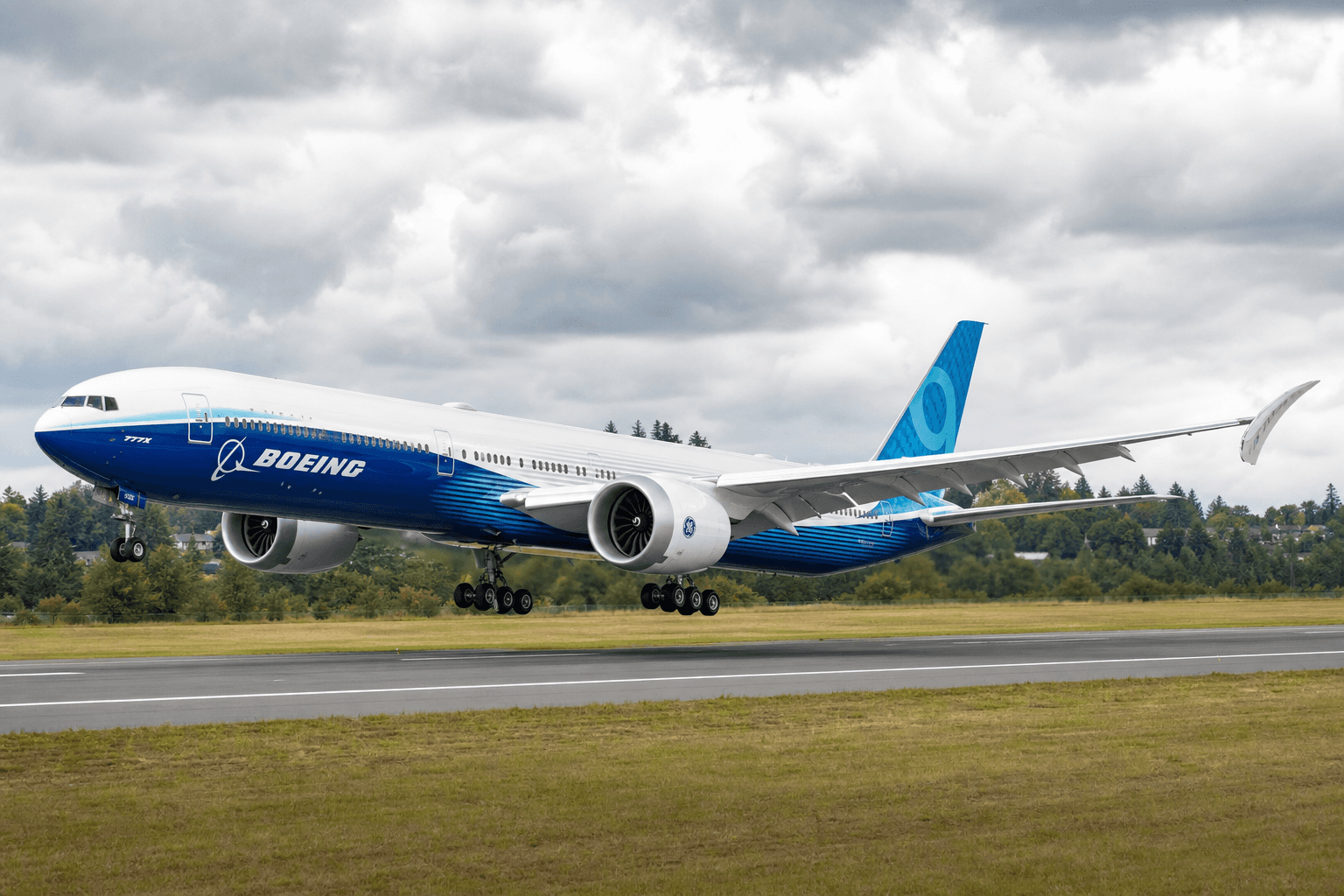
Few commercial aircraft programs have experienced a certification journey as prolonged as the Boeing 777X . Originally expected to enter airline service in 2020, the latest member of the 777 family is now scheduled to arrive in 2027, representing a delay of roughly seven years.
FAA Signals Imminent Certification for Boeing 737 MAX 7, MAX 10, and 777X Jets
Reuters spoke with the Deputy Administrator of the Federal Aviation Administration, Chris Rocheleau, on the opening day of the Farnborough Airshow, about the expected certification of Boeing's single-aisle 737 MAX 7, MAX 10, and widebody 777X . He commented that the agency expects all three to be certified in the near future.
The Daily Touch & Go
The day's best aviation news in your inbox. Free, no spam.