


Image: AlexanderCraker · CC BY-SA 4.0 · via Wikimedia Commons
United Airlines Considers Buying Up to 20 Early Boeing 777-9 Jets
United Airlines is reportedly in talks to acquire up to 20 early-production Boeing 777-9 aircraft, which have been awaiting delivery amid program delays and require extensive updates.
The gist
United Airlines aims to acquire up to 20 early Boeing 777-9 jets, potentially boosting its long-haul fleet with next-gen widebodies soon.
The Boeing 777-9, a key model in the 777X family, is edging closer to entering service after years of development delays. United Airlines has emerged as a potential customer for up to 20 of the earliest 777-9 jets produced, which have remained undelivered due to certification setbacks. These first-built airframes were completed years ago but could not be handed over while Boeing addressed engineering and compliance challenges in the 777X program. Boeing's ongoing efforts to finalize the 777-9 have made it possible to place these early production aircraft with new operators seeking advanced widebody jets.
These earliest 777-9 aircraft require significant modification to meet the latest standards and incorporate subsequent design improvements implemented since their initial assembly. Unlike newer production units that feature updated elements from the outset, these legacy airframes need retrofitting to align with current certification requirements. The modification process will involve integrating advanced systems and updates that Boeing developed after the initial build phase. Launch customers who originally ordered the 777-9 opted to wait for later, more updated versions, leaving the early-build jets available for alternative buyers.
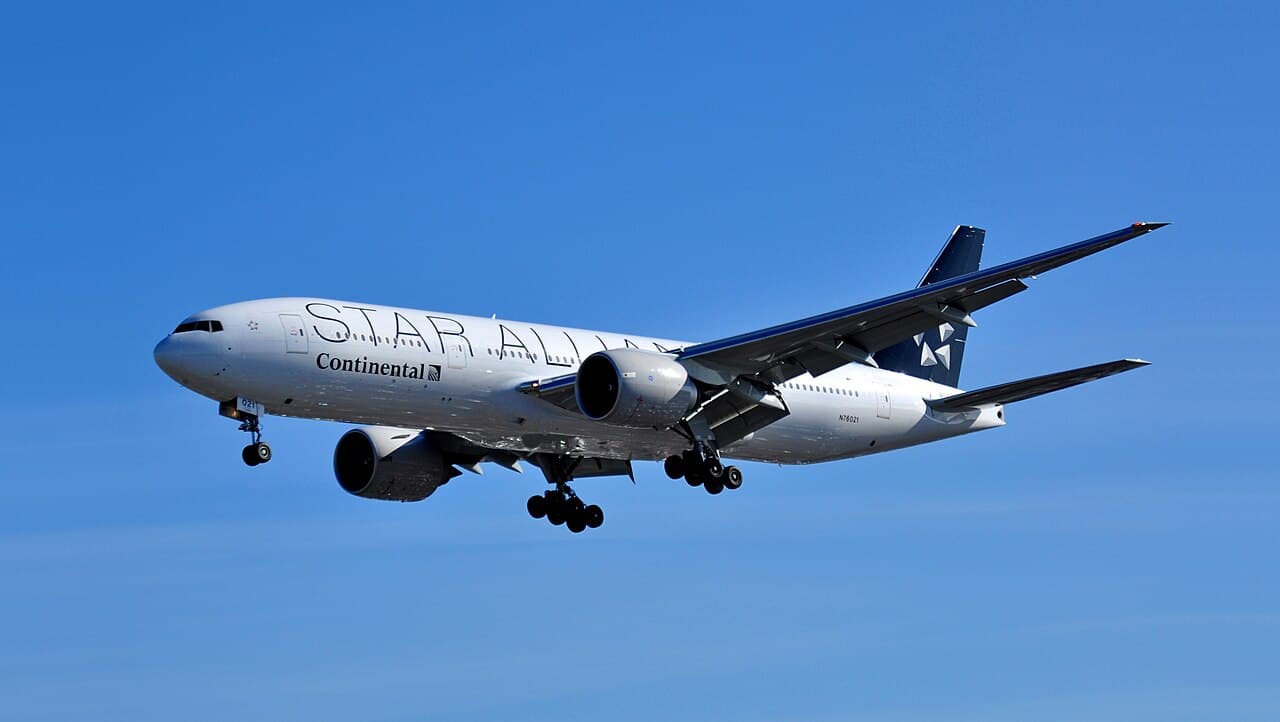
United Airlines currently operates a substantial Boeing 777 fleet, positioning the carrier as a major Boeing widebody customer. Adding the 777-9 would enhance its operational capabilities on long-haul international routes due to the aircraft's improved fuel efficiency, extended range, and larger cabin space. The 777-9, being the largest variant in the 777X series, is designed to deliver lower operating costs per seat and elevate passenger comfort with features such as a spacious interior and modern amenities. This acquisition could enable United to refresh its long-haul fleet and better compete in premium markets.
While acquiring early production 777-9s offers United the advantage of relatively prompt deliveries compared to later production slots, the airline will face challenges related to the necessary modifications. These aircraft will require retrofitting and testing before entering commercial service, demanding additional time, resources, and coordination with Boeing and regulatory bodies. Despite these complexities, securing up to 20 planes of this model could provide United a meaningful boost to its widebody capacity without waiting for brand-new delivery schedules.
Boeing's 777X program encountered persistent certification delays due to multiple technical and regulatory hurdles. The 777-9 incorporates new GE9X engines, composite wings with folding wingtips, advanced avionics, and structural innovations aimed at improving fuel efficiency and operational performance. Successfully placing the early production jets with United signifies a positive step in moving past these certification obstacles and advancing toward full program maturity. It also reflects Boeing's strategy to deploy available assets efficiently to meet customer needs.
No official deal between Boeing and United Airlines has been publicly confirmed, and reports of negotiations remain speculative. However, these developments indicate increasing optimism within the aerospace industry that the 777-9 will soon enter service. Should the transaction proceed, it would mark an important milestone for the 777X program, potentially encouraging other carriers to consider adding this next-generation widebody to their fleets. United continues to modernize with a mix of new and used aircraft to maintain competitive long-haul operations.
This situation illustrates broader trends in major aircraft manufacturing, where program delays often create secondary market opportunities for airlines responsive to retrofit and modification projects. Operators willing to invest in preparing earlier production airplanes may access advanced aircraft sooner than waiting for freshly built examples. For passengers, the 777-9 promises enhanced comfort through quieter cabins, larger windows, and improved pressurization systems, which carriers can leverage as part of premium travel offerings.
Frequently asked questions
- Why are the earliest Boeing 777-9 aircraft still available for delivery?
- The earliest 777-9 jets were completed years ago but remained undelivered due to certification delays and require extensive modifications to meet updated standards.
- What benefits would United Airlines gain by acquiring these early-build 777-9 aircraft?
- United would strengthen its long-haul capabilities with larger, more fuel-efficient 777-9 jets, serving busy international routes with updated passenger comfort features.
Read more
All Regulatory →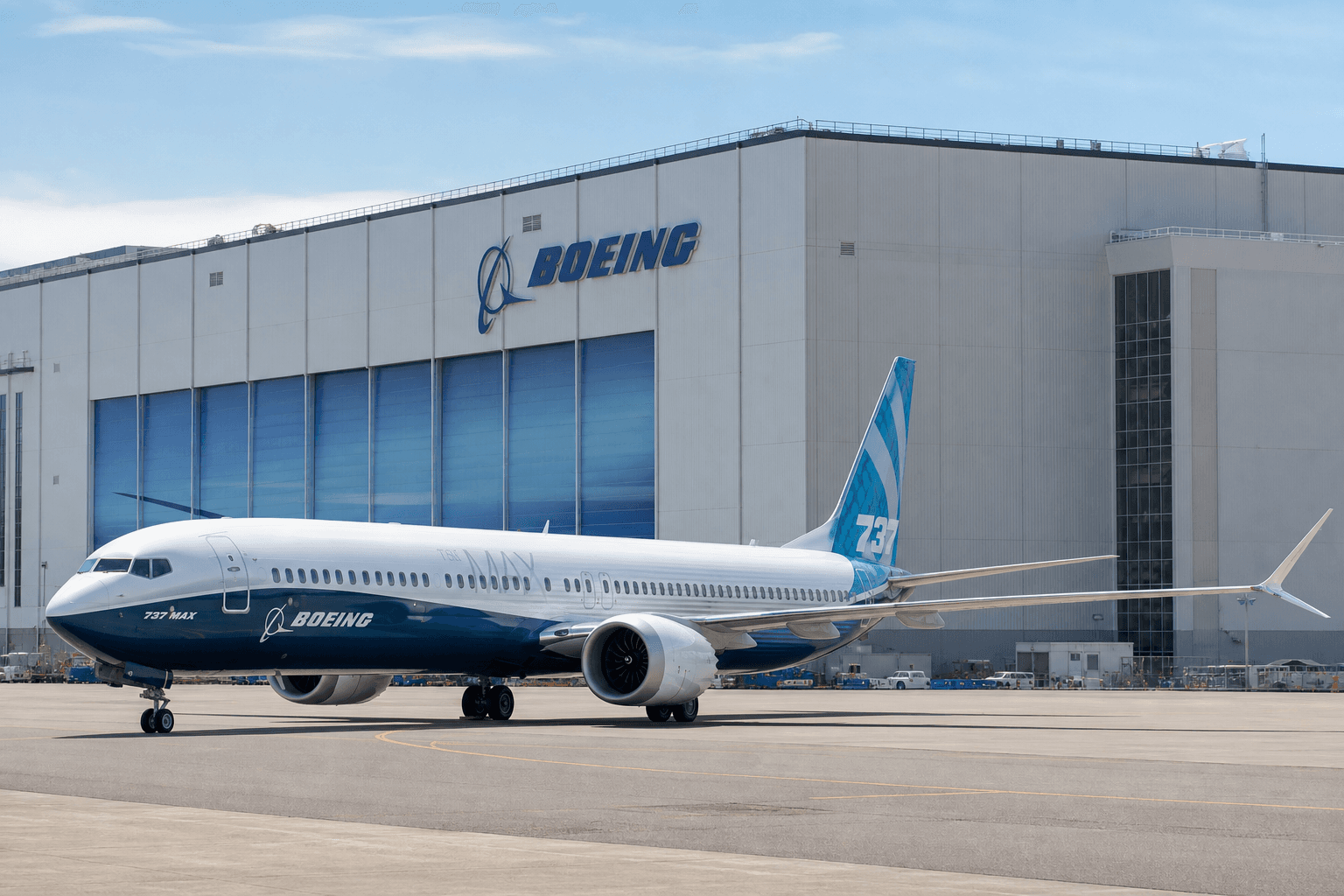
Boeing Plans New Clean-Sheet Jet After Completing 737 MAX and 777X Certification
Boeing Chief Executive Officer Kelly Ortberg told the Financial Times that his company will be ready to fund its first 'clean sheet' plane program in two decades by 2030. He expressed confidence that the final certification of the remaining 737 MAX variants and 777X widebody will bring the financial stability to launch its next all-new airliner design program.
United Airlines to Retire 80 Older Aircraft in 2027 as Boeing 737 Max 10 Joins Fleet
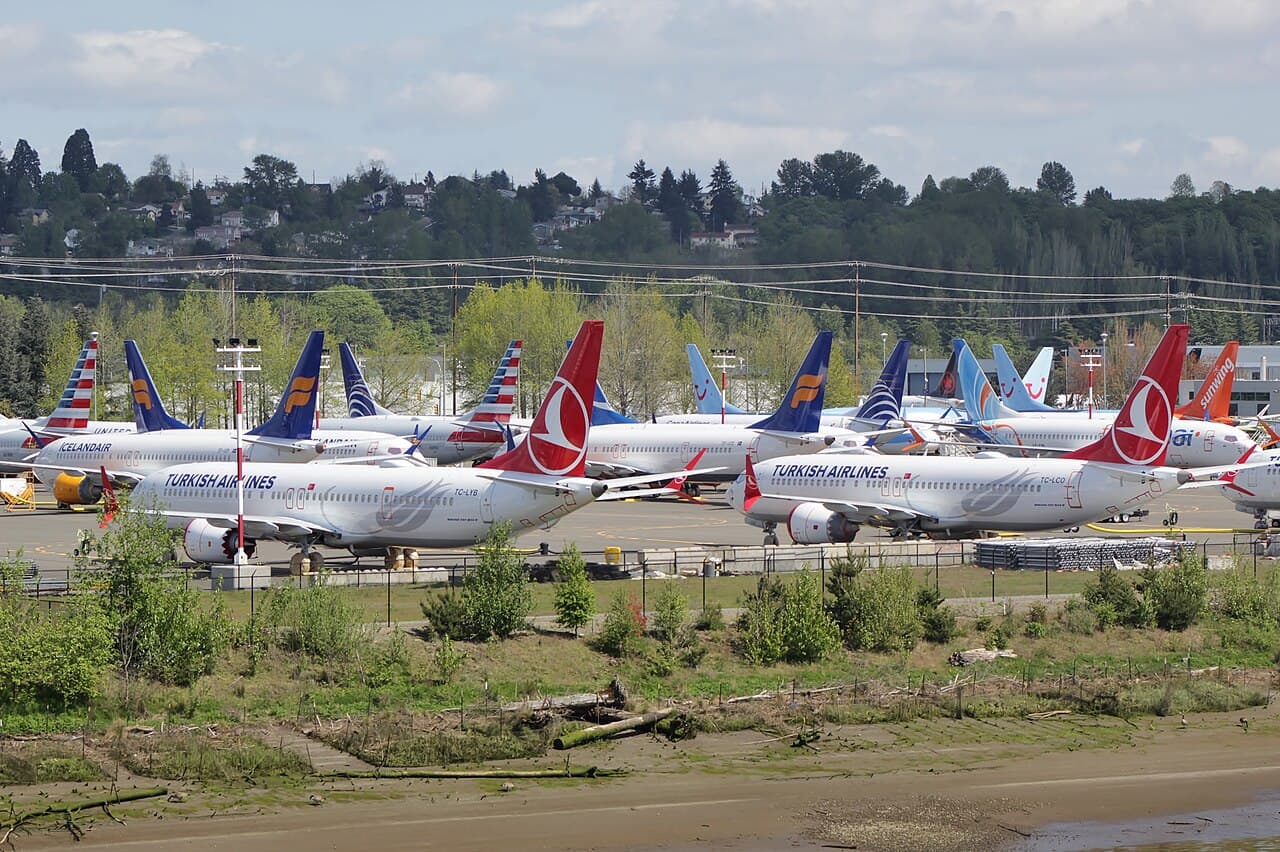
Number of retirements a "step up" from previous years, says the US carrier. United Airlines plans to retire 80 older, less fuel-efficient aircraft in 2027 amid a fleetwide cabin refresh that should help cut costs and improve margins. The new number of retirements is a "step up" from previous years, United chief financial officer Mike Leskinen said during the carrier's second-quarter earnings call on 16 July. This should help balance capacity with demand and help ensure the airline's entire fleet is retrofitted with upgraded interiors more quickly. As new aircraft enter the fleet, they will bolster United's "barbell approach", which matches newer, fuel-efficient aircraft to high-demand, profitable routes. Older aircraft with more dated cabins and higher costs can be "sat down" and only used when necessary in peak times. "It maximises not only profits, but it maximises return on invested capital to have a larger amount of these younger, more fuel-efficient aircraft," says Leskinen. United expects to take delivery of its first Boeing 737 Max 10 aircraft in 2027, with up to 20 expected next year and another 147 on order.. The more fuel-efficient new model will feature plenty of premium seats and will operate United's most important routes. "The Max 10 will be superior in every way," says the carrier's chief commercial officer, Andrew Nocella. Earlier in July, Boeing said it had started producing Max 10s on a new factory line in Seattle as it works toward securing US Federal Aviation Administration (FAA) certification for the narrowbody. Cabin upgrades across the fleet United reaffirmed its previous plan to add SpaceX's Starlink satellite Wi-Fi to 1,000 aircraft by the end of the year. "As fast as Starlink can produce the antennas for us, we're going to get them on the airplane," says chief executive Scott Kirby. "For premium customers that really want to be able to make sure they're connected with high speed, it is going to lead to big share gains for us." Other cabin refresh work – including increased premium seat capacity, upgraded seatback entertainment screens and larger overhead bins – is also under way, United says, which should help increase margins. Getting those margins to where United wants them, in the "mid-teens" will require "more structural changes in the industry", Kirby says, noting some competitors will lose money this year thanks to sharply higher fuel costs. "They have an awful lot of flying that loses money on an individual route basis. One way or another, that gets resolved over time," he adds.
Emirates anticipates Boeing 777X stretch variant as it awaits delayed 777-9 delivery
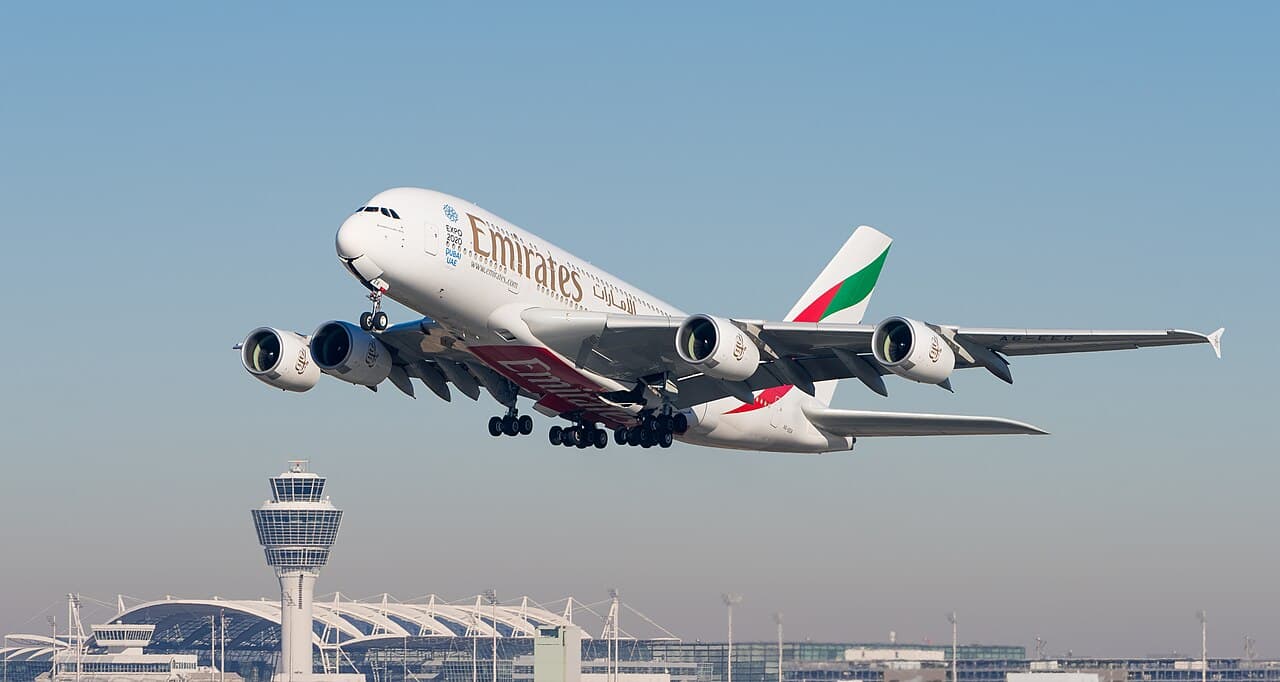
Dubai-based airline’s rejection of early-build airframes leaves their fate unclear. Emirates president Tim Clark believes Boeing will be tempted to explore a larger variant of the Boeing 777X – provisionally described as a '777-10' – based on performance data gathered from the prolonged development of the 777-9. Speaking during the Farnborough air show, Clark reiterated his interest in a stretched version, as the Dubai-based carrier awaits delivery of its much-delayed initial -9. "As far as the '777-10' is concerned…we do want a bigger one," he says, remarking that the capability of the 777-9 "is improving". "We already see higher take-off weights coming into the mix. We also see more thrust coming from [GE Aerospace]. "So in the end, the amount of testing they’ve been doing on this aircraft – given the time it’s taken to get out of the door – is already telling Boeing that they have the structural metrics to actually look at a stretch on this aircraft. "So I’m kind of confident that that’s the way it’ll go." He points out that the increased performance of the 777-9, and the possibility of a larger aircraft, appears to have "sparked interest…on the other side of the Atlantic", an apparent reference to Airbus's preliminary investigation of an A350 stretch beyond the -1000. Clark is hoping Emirates' first 777-9 will be delivered in the second quarter of 2027, adding that he expects Boeing will have the twinjet ready to show the carrier – with its power on, and all equipment fitted – in November this year. "And then we just wait for the certification process to complete, and its [extended twin-engined operations capability] programmed," he says. "So far, so good." But Clark states that Emirates has already informed Boeing that the carrier will not be taking any of the early-build models of the 777X initially destined for the airline, owing to the extensive rework that they would need to bring them up to the current delivery standard for the jet. Change incorporation Boeing is undertaking a process it calls "change incorporation", assessing some 30 777Xs to determine how much work is required to update them to delivery standard. This situation is a result of the 777X's long incubation period which meant early airframes, built to acquire experience and intended for airline service, have essentially become outdated. "Those airframes that were built for us…I was on board the first one, kitted out completely – except for our game-changer first-class suites," says Clark, adding that this was in 2019. "And when I got on board, the [folding wing-tips] were flapping for me…and [they were] trying to show me that it was all – not 'la la land', but they did actually work – and one thing and another. "I thought, this is great, I’m going to get this aircraft out of the door by maybe April [2020], and then, of course, it all went wrong." The pandemic disrupted the air transport system, particularly the long-haul market, for the next two years. "If we were to take those [early] aircraft in the first quarter of next year, they’ll be nearly eight years old, they’re half-life and no use to anybody," Clark states. "At the same time, we've been intimating to Boeing that's not the way they should go. "Quite honestly, if it had been me looking at these kind of things, looking at the prognosis…at some point, I would have provisioned for the write-off. And I would have charged that to my [profit-and-loss account]." Clark says there is "no point" in leaving the inventory on the balance sheet when delivery is "unlikely". "I probably would have said, 'These aren’t going anywhere'," he adds – although he acknowledges that Boeing might be able to "give them away" for a heavily-reduced price. "They have been standing on their wheels, with no engines of course, for some time. We last saw them a few years ago, parked outside Renton, all greened-up, looking very sad. "But the fact is, that’s commercial reality now. If they can, if they can get them out, that’s good to somebody who might buy them." Clark says this would mean carrying out the change incorporation work. "Whether or not that’s worth doing, whether or not you just cut them up, is up to them," he says. But he insists Emirates – which accounts for "10 or 11" of the early 777-9s – will not accept these aircraft. “We’ve already told them that," he adds. Clark says Boeing is focused on 737 Max 7 and Max 10 certification. "As soon as they've gone, their concentration is to get the [777-9] out the door," he says. "[Boeing] honestly thinks, and we believe, that with all the work that’s been done – the mods have been done, the latest mods on the engine – when it gets into the fleet, it’ll be almost a mature aeroplane. After all, it should be that, given that it’s probably the most tested aircraft in history. So we'll see."
Emirates Faces Lawsuit Alleging Theft of Advance Meal Order Technology
A startup says it pitched Emirates on a passenger meal-preorder platform, shared confidential implementation details, and then watched the airline launch its own business class preorder system. A new lawsuit claims Emirates stole the technology.
The Daily Touch & Go
The day's best aviation news in your inbox. Free, no spam.