

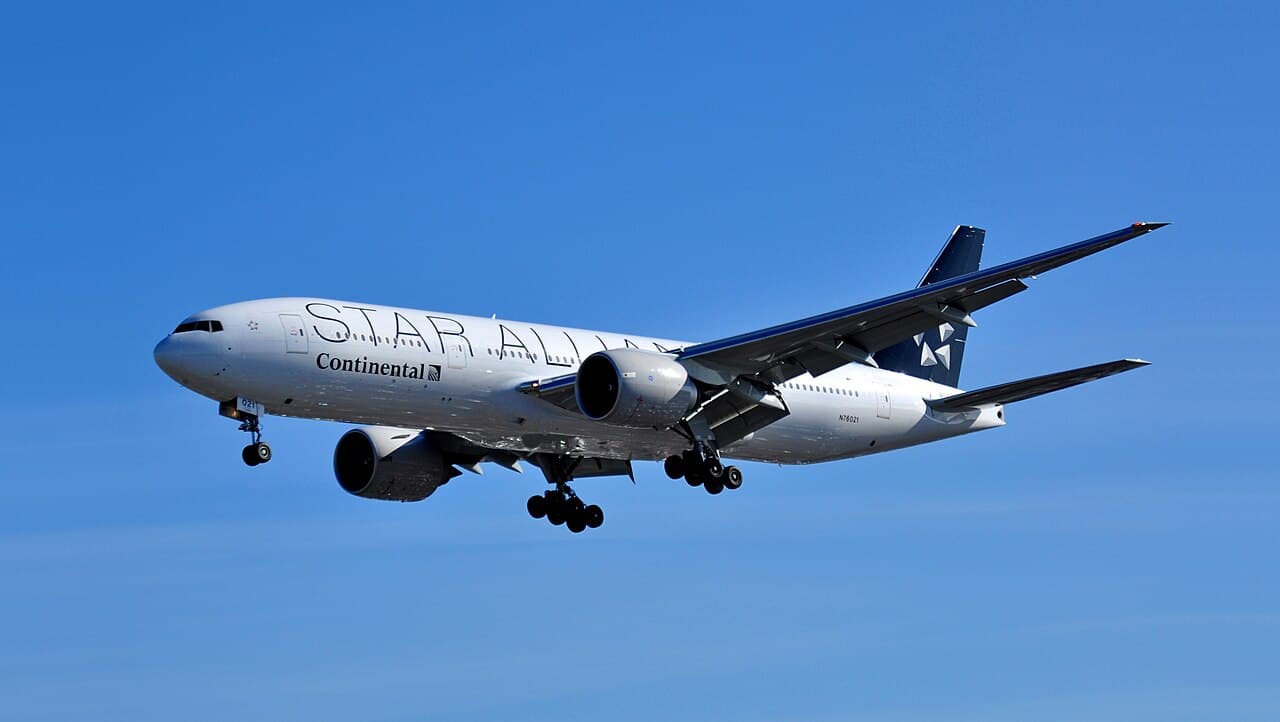
Image: Boeing 777-224ER - Star Alliance (Continental Airlines) (N76021).JPG : Eluveitie · CC BY-SA 3.0 · via Wikimedia Commons
Emirates anticipates Boeing 777X stretch variant as it awaits delayed 777-9 delivery
Emirates president Tim Clark expresses confidence Boeing will develop a larger 777X model amid improvements seen in 777-9 performance while waiting for initial delivery.
The gist
Emirates expects Boeing to pursue a stretched 777X following 777-9 performance gains, rejecting early-built aircraft to await modern standards.
Continuing coverage
All Boeing 777x →- Airbus A350 Freighter Emerges as Significant Competitor to Boeing in Large Cargo Market
- Boeing 777X Delays Cost Exceed Entire Airbus A350 Development
- Limited Facilities Worldwide Certified to Service Boeing 777X GE9X Engines at Launch
- GE9X Engine's Mid-Seal Crack Identified, Fix Underway as 777X Nears Certification
- Sydney Airport's Tight Space Requires Boeing 777X to Fold Wings at Gates
Emirates President Tim Clark has voiced optimism that Boeing will move forward with a stretched version of the 777X aircraft, tentatively referred to as a 777-10. This comes as Emirates awaits delivery of its delayed first 777-9 jets. Clark emphasized that the 777-9’s capabilities are advancing, citing enhancements such as increased take-off weights and greater engine thrust that bode well for a larger derivative.
The assessment of the 777-9's performance during its extended development period is influencing Boeing’s consideration of a bigger 777X model. Clark noted that the extensive testing has provided Boeing valuable structural data to gauge the feasibility of stretching the airframe further. He anticipates that this path will be the natural progression for the program after delivery of the initial 777-9 units.
Clark also suggested that interest in larger widebody twins is resonating beyond Boeing, hinting that Airbus is exploring an A350 stretch beyond the -1000 model. This context underscores a competitive environment where manufacturers seek to meet airlines’ demand for bigger and more efficient jets to handle growing passenger volumes on long-haul routes.
Despite this anticipation, Emirates’ arrival of the 777-9 has been pushed back, with the carrier now aiming for a second-quarter 2027 delivery. Boeing reportedly plans to have a fully equipped and powered 777-9 available for Emirates viewing by November of the current year, signaling readiness for certification and entry into service following successful validation of extended twin-engined operations capability (ETOPS).
A significant issue is that Emirates has rejected early-built 777X airframes originally intended for it. These early aircraft require extensive rework to meet the current standards and feature numerous updates dubbed 'change incorporation' by Boeing, which covers around 30 existing 777X units. These frames served to provide production experience but became outdated after a prolonged development period.
Clark described inspecting the first 777X prototype years ago, highlighting mechanical issues such as wingtip flapping. With delivery delays stemming from the global pandemic’s disruption to air travel demand, these aircraft have aged to roughly eight years by the time Emirates would have received them. He conveyed that accepting these older frames would not be practical, given their diminished value and required refurbishment work.
The economic reality facing Boeing involves decisions about these early airframes’ fate, whether to upgrade, sell at a discount, or scrap them. While Boeing retains ownership of these planes, Emirates has made clear it will not accept these early models, effectively leaving them in limbo. Clark acknowledged that Boeing might offload them if they find buyers willing to invest in bringing the planes up to modern configuration.
Boeing's priority, as Clark outlined, is shifting focus from the earlier 777X builds to finalizing the 737 Max 7 and Max 10 certifications and getting the 777-9 production streamlined for entry into service. The modifications to the engines and systems implemented over the development period mean that once the 777-9 joins airline fleets, it should be a highly mature and reliable aircraft despite the prolonged program timeline.
The situation reveals the complexities of modern widebody aircraft programs, where extensive testing and market shifts can render initial prototypes obsolete long before airline deliveries. Emirates’ stance signals a stringent expectation for delivery standard and aircraft performance, directly influencing Boeing’s strategy for the 777X lineup’s future evolution.
Frequently asked questions
- Why is Emirates rejecting early-built Boeing 777X aircraft?
- Emirates rejected early-built 777X airframes because they require extensive rework to meet current delivery standards and have become outdated after a prolonged development period.
- When does Emirates expect to receive its first Boeing 777-9?
- Emirates expects delivery of its first 777-9 in the second quarter of 2027, after a significant delay in the program.
- What improvements have been seen in the Boeing 777-9 that suggest a larger 777X variant is feasible?
- Improvements include higher take-off weights and increased thrust from GE Aerospace engines, indicating structural and performance capability for a potential 777-10 stretch variant.
Read more
All Regulatory →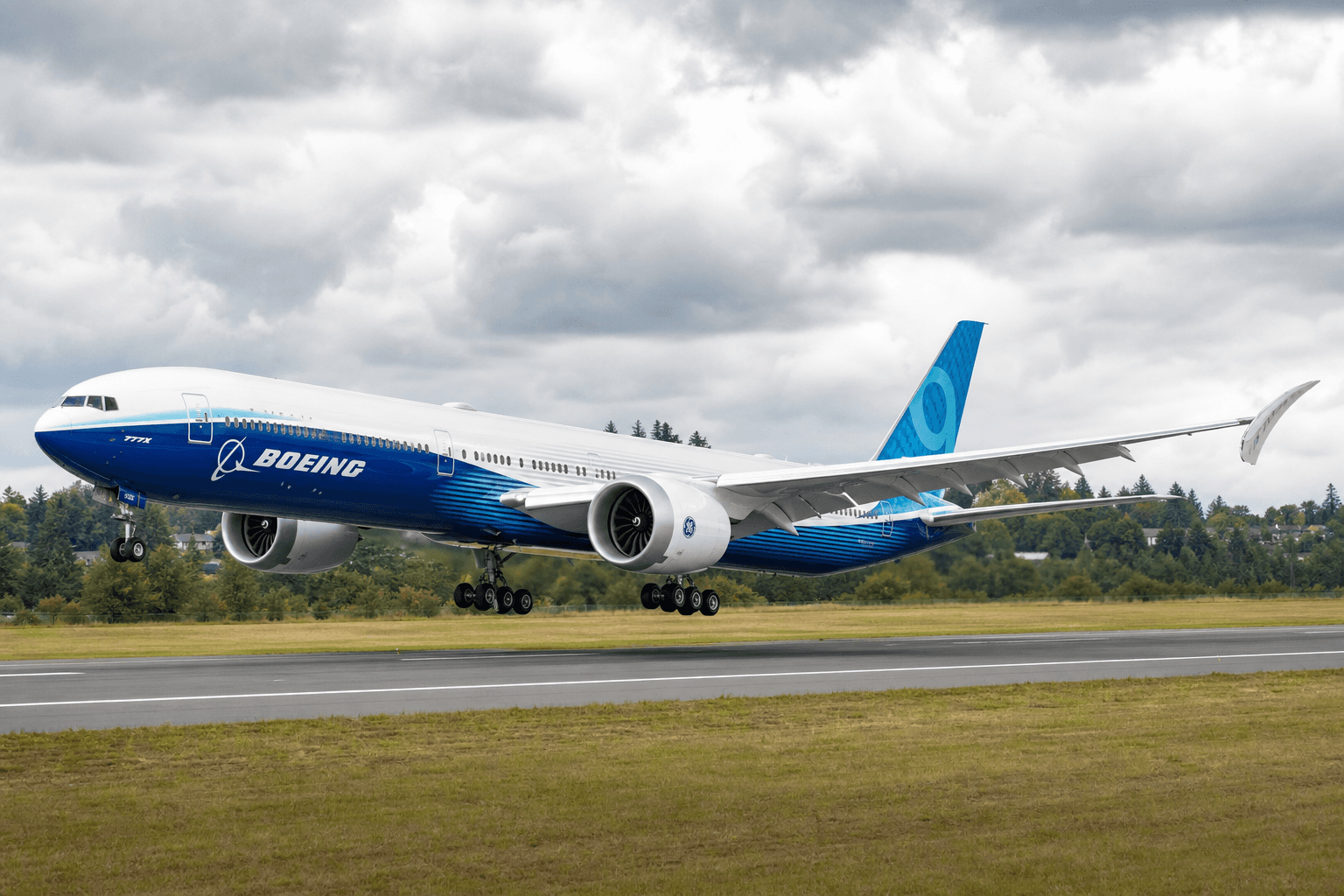
Boeing 777X Delays Cost Exceed Entire Airbus A350 Development
Few commercial aircraft programs have experienced a certification journey as prolonged as the Boeing 777X . Originally expected to enter airline service in 2020, the latest member of the 777 family is now scheduled to arrive in 2027, representing a delay of roughly seven years.
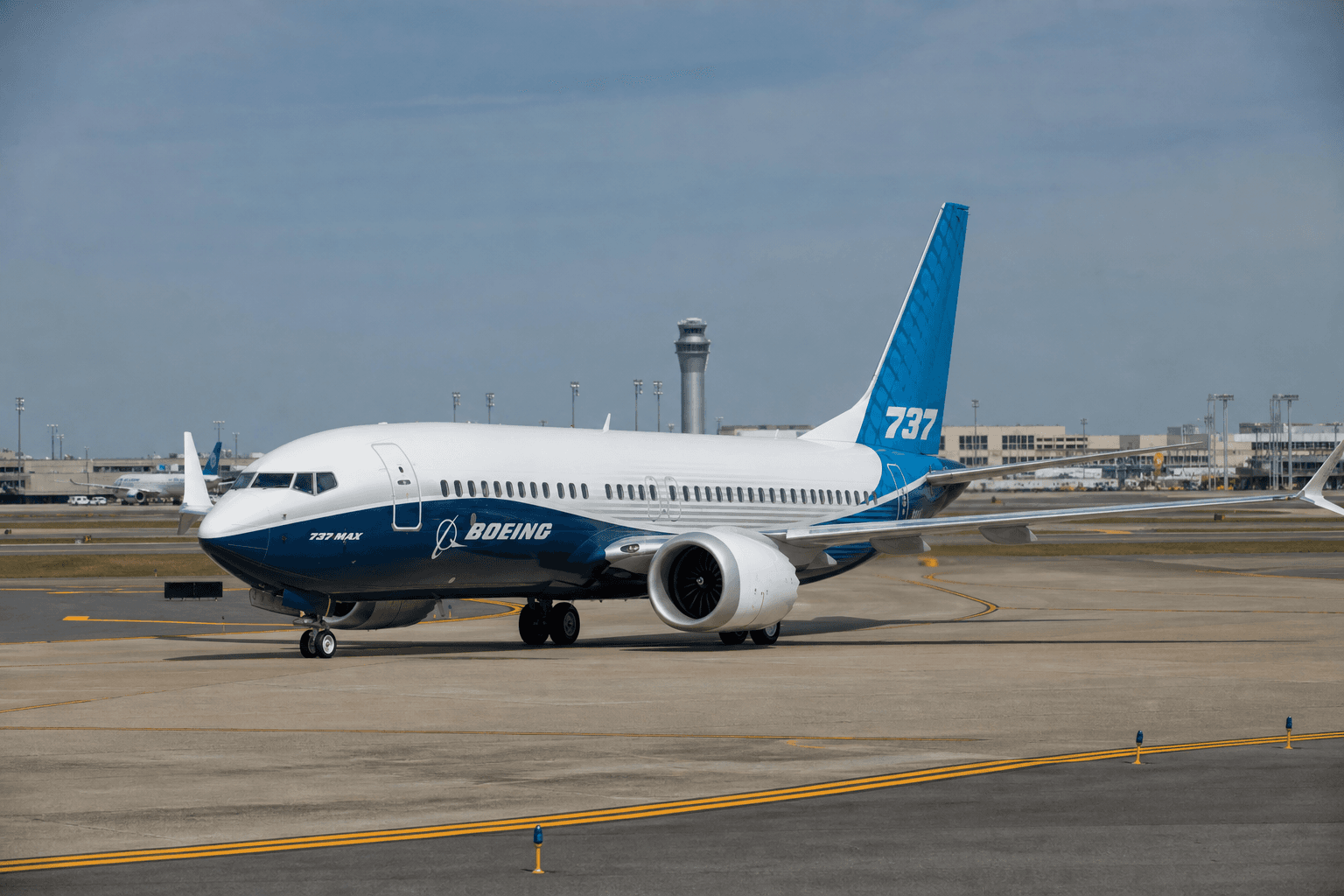
FAA Signals Imminent Certification for Boeing 737 MAX 7, MAX 10, and 777X Jets
Reuters spoke with the Deputy Administrator of the Federal Aviation Administration, Chris Rocheleau, on the opening day of the Farnborough Airshow, about the expected certification of Boeing's single-aisle 737 MAX 7, MAX 10, and widebody 777X . He commented that the agency expects all three to be certified in the near future.
FAA Restores Boeing's Authority to Certify 737 MAX and 787 Deliveries
The Federal Aviation Administration ( FAA ) has finally returned authority to Boeing to certify airworthiness certificates again on select Boeing 737 MAX and Boeing 787 family of aircraft. This comes after the permissions were revoked in 2019, following the fatal MAX crashes .
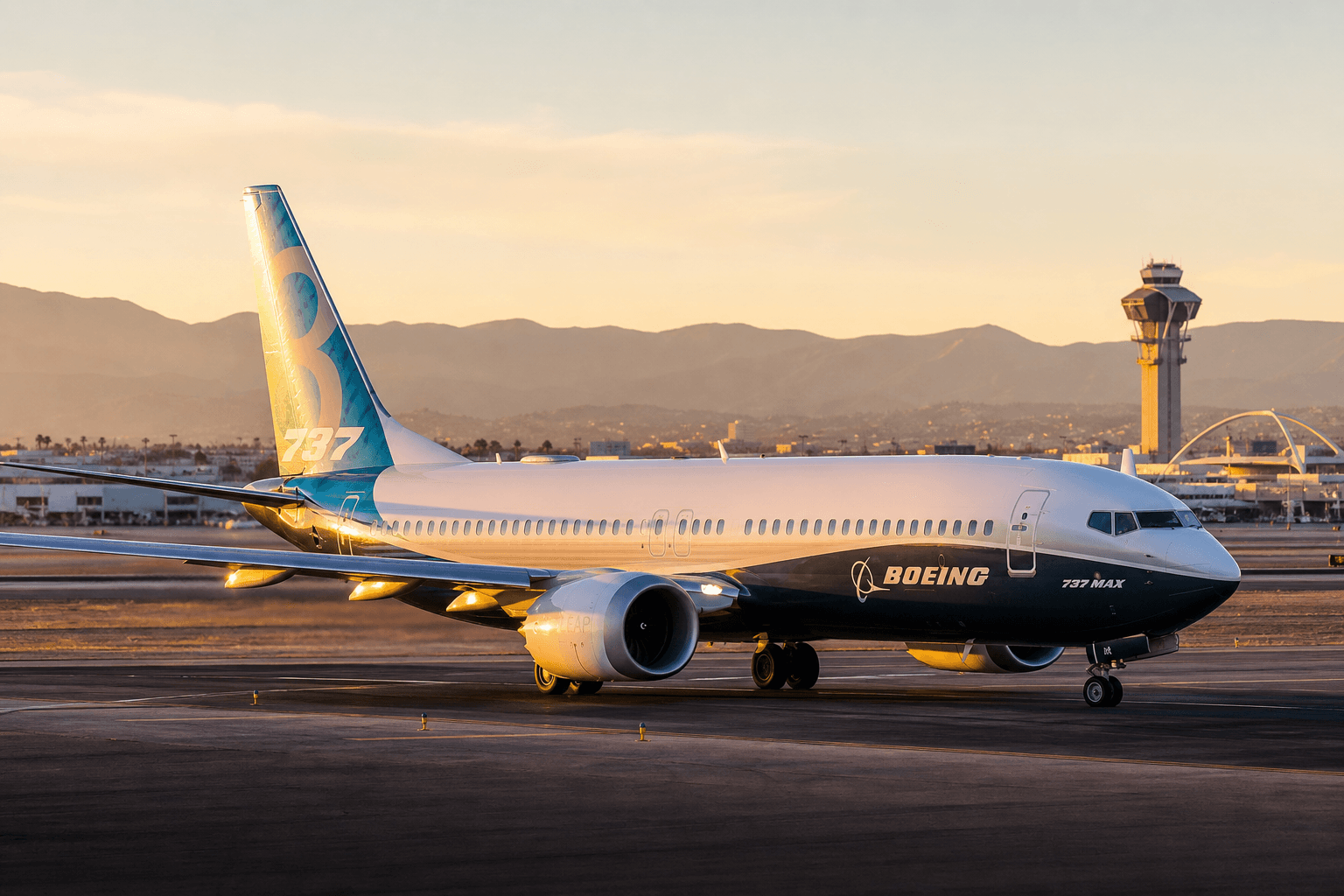
FAA Restores Boeing's Authority to Certify New 737 MAX and 787 Jets
Starting July 20, Boeing will again issue final airworthiness certificates for newly built 737 MAX and 787 aircraft—authority the FAA reserved after fatal crashes and production failures. The agency says eight months of alternating inspections produced comparable quality findings, while federal audits and production oversight will continue.
The Daily Touch & Go
The day's best aviation news in your inbox. Free, no spam.