

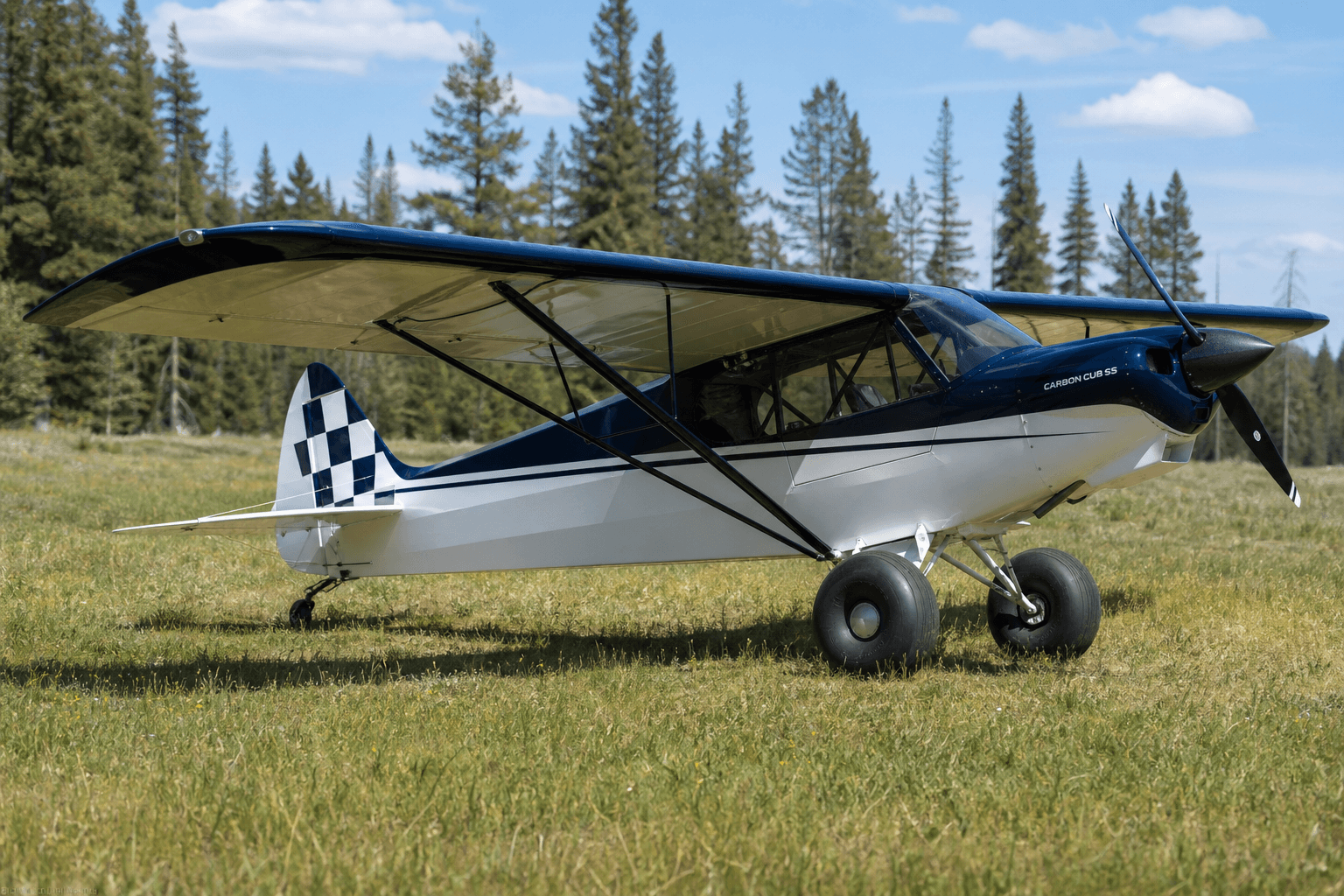
Illustration: The Touch & Go
2015 CubCrafters Carbon Cub SS Offers Rugged Performance and Modern Avionics
This 2015 Carbon Cub SS combines lightweight construction with advanced avionics, ideal for backcountry pilots seeking high performance and durability.
The gist
A lightly flown 2015 Carbon Cub SS with advanced avionics and rugged gear offers ultimate backcountry flying capability.
Continuing coverage
All Cubcrafters →- CubCrafters Launches Carbon Cub ULT with Innovative Turbine Powerplant
- CubCrafters Unveils Turbine-Powered Carbon Cub ULT for Backcountry Flying Under MOSAIC
- CubCrafters debuts regenerative turbine-powered Carbon Cub ULT for backcountry flying
- Garmin Launches Axis Flight Displays Tailored for Certified Piston Aircraft
The 2015 CubCrafters Carbon Cub SS stands out as a versatile and high-performing aircraft tailored for backcountry enthusiasts. Its design merges the timeless appeal of classic Cubs with modern materials and technology, resulting in a plane capable of excelling from short, rough strips while delivering an engaging pilot experience. This particular airframe has accumulated only 370 total hours since new, indicating it has been carefully maintained and lightly used.
Built from ultralight composite materials, the Carbon Cub SS boasts an impressive power-to-weight ratio that surpasses nearly all competitors in its class. This facilitates aggressive climb performance and makes short takeoffs effortless, essential traits for pilots operating in remote and rugged environments. The aircraft’s construction emphasizes strength and durability without sacrificing agility, which is critical for maneuvering tight backcountry areas.
Equipped for demanding off-airport operations, the 2015 Carbon Cub SS features an Alpha Omega suspension system and a heavy-duty cabane vee structure, enhancing its ability to absorb rough landings. It includes a steerable 3200-type tailwheel, an Alaskan Bushwheel tail spring, and oversized 26-inch Airstreak tundra tires that further improve handling on uneven terrain. These components collectively contribute to reliable performance in wilderness and unimproved landing zones.
The cockpit instrumentation reflects a modernized approach suited for both recreational and cross-country flying. The pilot benefits from the Executive Glass Package, which includes a Garmin G3X primary flight display and a Garmin GDU 370 PFD/MFD with integrated SiriusXM weather and radio capabilities. This comprehensive avionics suite improves situational awareness and weather monitoring, enhancing flight safety and convenience.
Pilot workload reduction is addressed by incorporating a Garmin GFC 500 autopilot, which is particularly valuable during extended flights. Communication and regulatory compliance gear include a Garmin SL40 comm transceiver, GTX 23ES transponder, and a Garmin GDL39R ADS-B Out receiver, ensuring the aircraft meets contemporary airspace mandates. The integration of these systems makes the Carbon Cub SS well-equipped for varied flight conditions.
Aesthetics and interior design receive thoughtful attention with a striking navy-over-white exterior accented by a checkerboard rudder pattern that pays homage to CubCrafters’ heritage. Inside, a navy and slate vinyl interior accompanies an E-LSA single-seat conversion, tailored to pilot comfort. Additional practical features include an extended baggage compartment with an access door, dual USB ports for device charging, and a Reiff engine preheater to facilitate cold-weather starts, underscoring its readiness for diverse climates.
The aircraft recently completed a condition inspection in April 2026 and is based in Alabama, ready for immediate deployment. Priced at $249,900, this well-maintained 2015 Carbon Cub SS represents a compelling acquisition for pilots who prioritize genuine backcountry freedom combined with advanced avionics and rugged construction. Financing options are available through specialized aviation loan programs to assist prospective buyers.
The Carbon Cub SS embodies the spirit of traditional bush flying while elevating it with current technology and materials. Its blend of performance, durability, and pilot-focused amenities underscores why it continues to attract serious backcountry pilots. This 2015 model serves as a premier example of how classic flying platforms evolve to meet modern demands without compromising their unique flying characteristics.
Frequently asked questions
- What makes the 2015 CubCrafters Carbon Cub SS suitable for backcountry flying?
- Its ultralight composite build, powerful engine for excellent power-to-weight ratio, oversized tundra tires, rugged suspension, and specialized tailwheel make it adept at short and rough strip operations.
- What avionics features are included in this Carbon Cub SS?
- The aircraft features a Garmin G3X primary flight display, Garmin GDU 370 with SiriusXM weather and radio, Garmin GFC 500 autopilot, Garmin SL40 comm transceiver, GTX 23ES transponder, and Garmin GDL39R ADS-B Out receiver.
- How many hours has this 2015 CubCrafters Carbon Cub SS flown?
- The aircraft has logged only 370 total hours since new, reflecting light use since its manufacture in 2015.
Read more
All Military/Defense →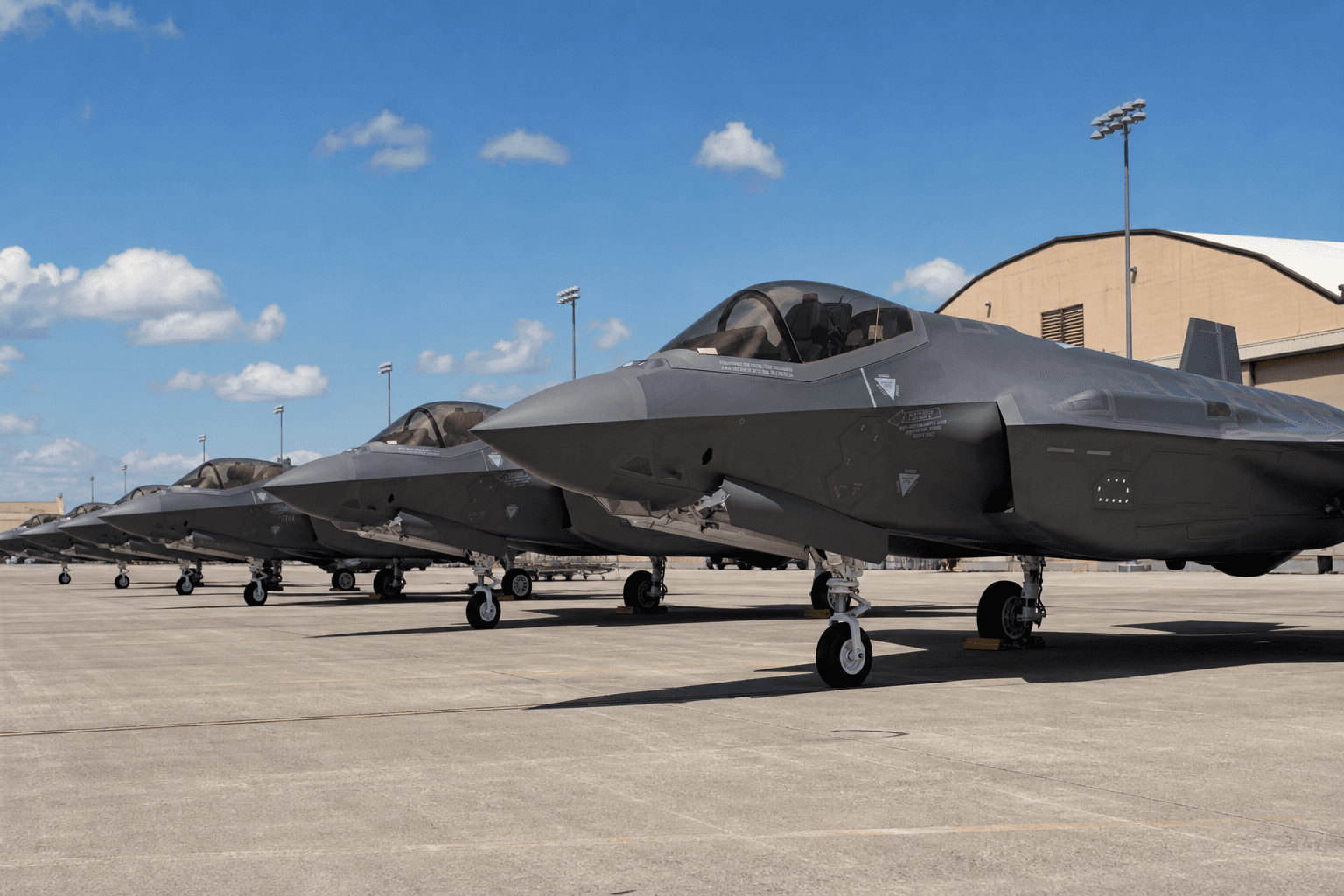
At Least 15 F-35s Delivered Without Required Equipment Since May 2025
Pictured is a U.S. Air Force photo of F-35A fighters at Jacksonville Air National Guard Base, Fla. on July 9, 2025. At least 15 F-35s built in the last year have lacked required equipment, according to a Defense Contract Management Agency (DCMA) list sent to sister publication Defense Daily after a Freedom of Information Act (FOIA) request. On Feb. 7, Defense Daily requested from DCMA a list of all Department of Defense Form DD-250s–Material Inspection and Receiving Reports–filed with the agency since May 2025, for all Lockheed Martin F-35 fighters delivered to the U.S. Air Force, U.S. Navy, and U.S. Marine Corps between May 1, 2025, and Feb. 6, 2026. When a military service accepts a system but does not mark it as delivered because of material shortfalls, that system is "DD-250ed" and is in a not operationally ready-supply (NORS) status until the gaps are filled. The signing of the "receipt"–the DD-250–marks a transfer in ownership from the contractor to the federal government. Nine "DD-250ed" F-35s are on the list provided by DCMA on July 13 in response to the FOIA request–one Marine F-35B to be delivered/ferried to VMFA-533 at Marine Corps Air Station Beaufort, S.C., three Navy F-35Cs to be delivered/ferried to VFA-125, a fleet replacement squadron at Naval Air Station Lemoore, Calif., one F-35A to be delivered/ferried to the 325 th Fighter Wing, a training wing at Tyndall AFB, Fla., and four F-35As to be delivered/ferried to the 125 th Fighter Wing, an Air National Guard domestic air defense wing. Asked why each of the above nine aircraft were "DD-250ed," the F-35 Joint Program Office (JPO) wrote in a July 14 email that "we cannot detail the specific equipment shortfalls, resolution timelines, or variant mix of these aircraft." "Due to program security reasons, we are protecting any additional information with enhanced security measures," according to the JPO. In addition to the above nine aircraft, six Marine Corps F-35s are in NORS status as "DD-250ed." Marine Lt. Gen. Gregory Masiello, the director of the F-35 Joint Program Office (JPO), testified last month that "we have accepted six aircraft for the Marine Corps that do not have a radar installed" because the Marine Corps is awaiting the installation of the Northrop Grumman [NOC] APG-85 radar, which the Pentagon expects to field in the first half of 2028. The APG-85 is critical to the 55 upgrades in the Block 4 program–22 of which have fielded so far, including seven last year, and six on target for this year, according to Masiello. For full functionality, the APG-85 and Block 4 require 62 kilowatts to 80 kilowatts (kW) of cooling versus the 32 kW on the plane now. The current mission capable rate of the F-35 is 56 percent, and the full mission capable rate is 25 percent. Radar mountings in the F-35's nose are different for the current APG-81, also by Northrop Grumman, and the APG-85–a difference which has helped complicate fielding of the new radar that was to deliver with F-35 Lot 17. The Air Force has been considering an APG-81/APG-85 dual-mount bulkhead, though the latter may take two years to field. The service's fiscal 2027 future years defense plan (FYDP) contains $133 million in fiscal 2031 for retrofitting 14 F-35As with APG-85s–a unit cost of $9.5 million per radar, and outside the FYDP the service said it plans to spend about $1.6 billion to retrofit another 167 jets with the APG-85. The first signed DD-250 for an F-35 in Lot 17 was on July 8, 2025, for an F-35A delivered/ferried the next day to the 125th Fighter Wing in Jacksonville, according to the list provided by DCMA in response to the FOIA request. Radar-less F-35s must fly with nose ballast to balance the fighter during flight. Temporarily radar-less fighters are not unprecedented. For example, in the late 1960s, McDonnell Douglas, now part of Boeing, put lead in the nose of the F-4J for the Navy/Marine Corps due to late deliveries of the fighter's government furnished equipment radar by Westinghouse, now part of Northrop Grumman, and in the 1980s, the Panavia Tornado F2 interceptor had so-called "Blue Circle" concrete in the nose due to delays in the development of the fighter's Foxhunter radar by GEC-Marconi, now part of BAE Systems. British Aerospace, Germany's MBB, and Aeritalia built the Panavia Tornado. Those companies are now part of BAE Systems, Airbus, and Leonardo, respectively. A version of this story originally appeared in sister publication Defense Daily .
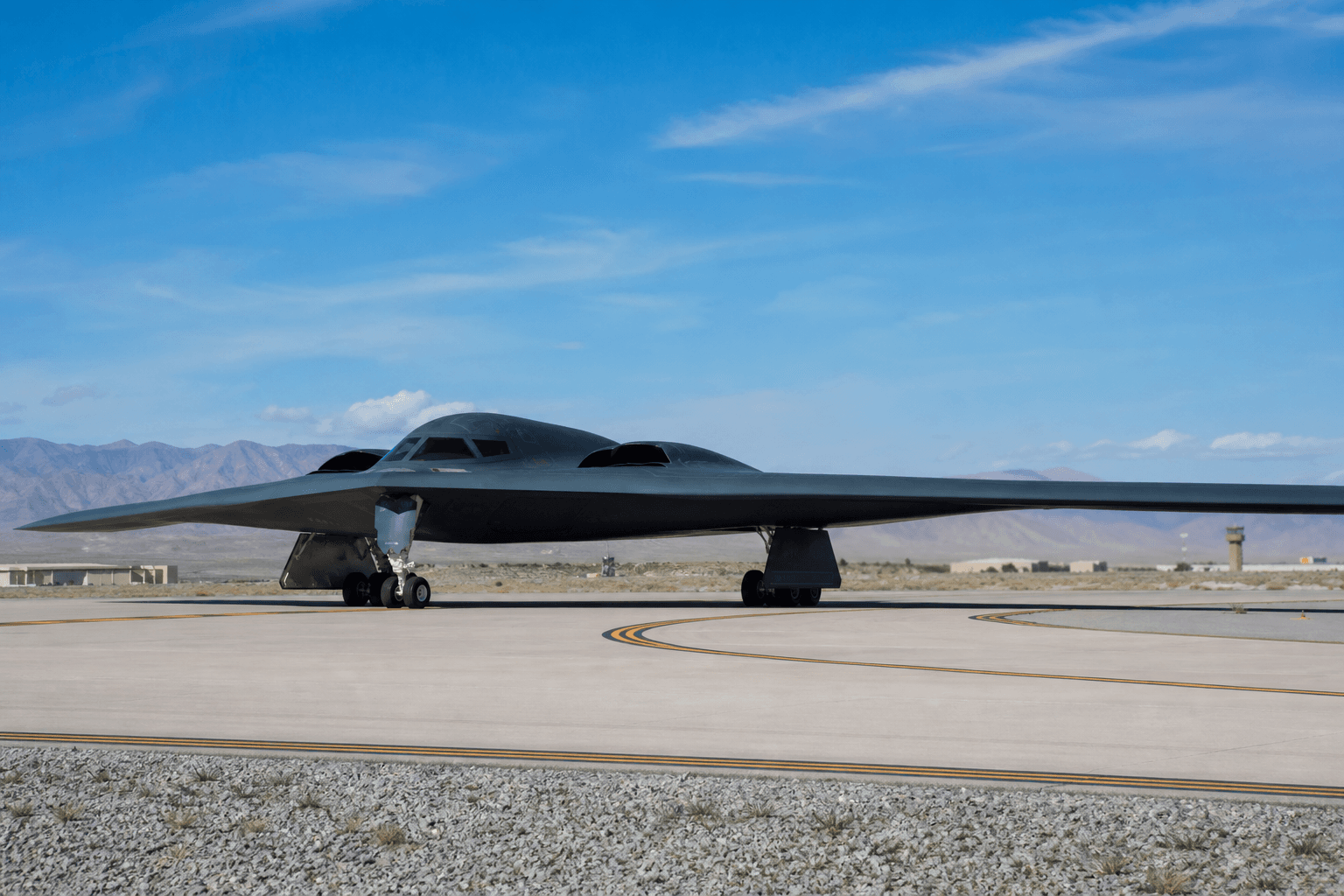
USAF Requests $1.7B to Upgrade B-1 and B-2 as B-21 Raider Production Ramps Up
The Northrop Grumman B-21 Raider program is already underway, and the aircraft is the future of the US military's long-range strike capability. The Raider is set to replace legacy aircraft , such as the B-2 Spirit and the Rockwell International B-1B Lancer. While the B-21 is set for operational service as soon as 2027, it will take time for the United States Air Force (USAF) to receive enough of the aircraft to finally and permanently retire both older bombers.
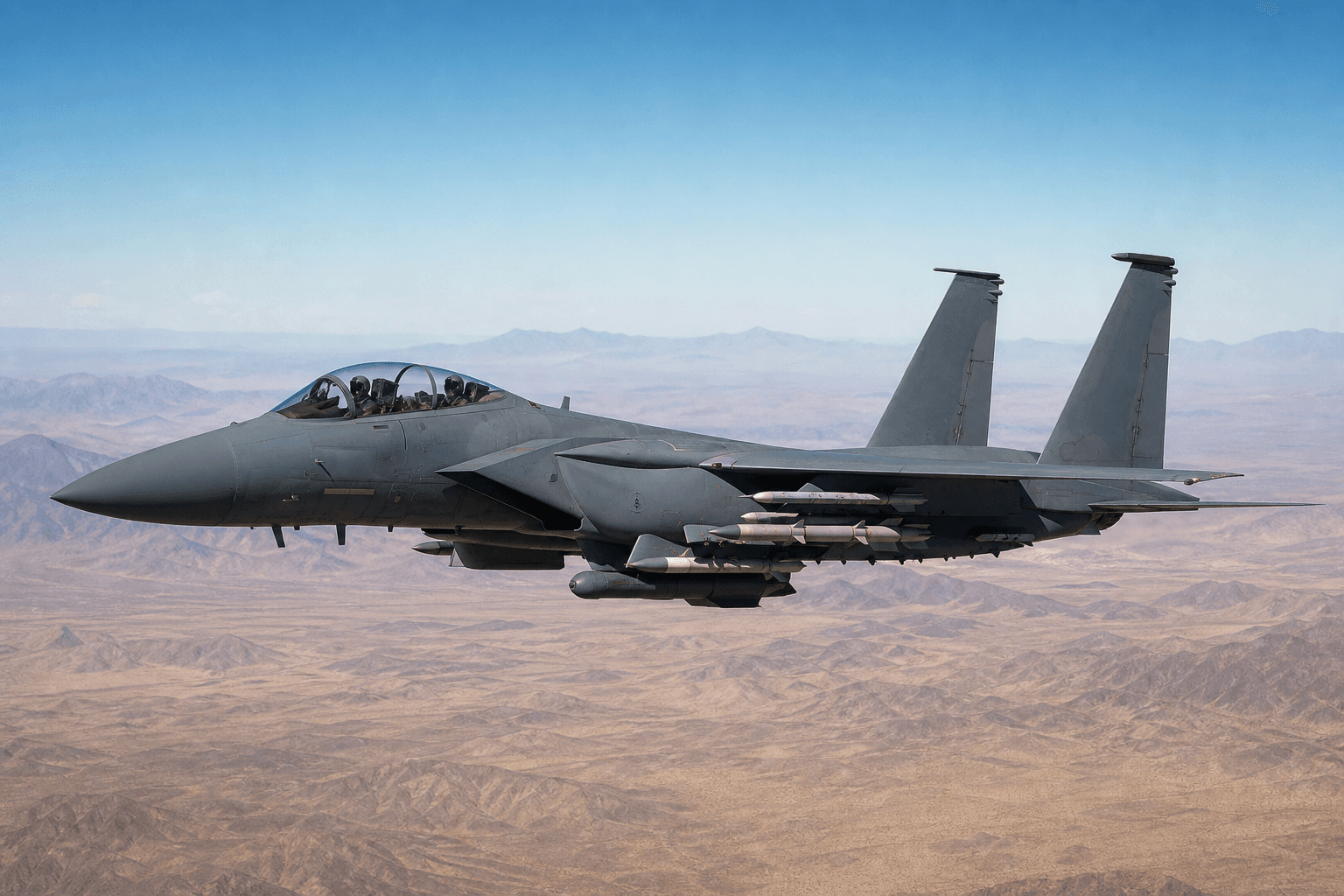
USAF Plans 267 F-15EX Fighters to Complement Growing F-35 Fleet as 'Missile Trucks'
The Lockheed Martin Lightning II fighter jet is the world's most advanced fighter and is taking its place as the second-most in-service fighter jet in the world (depending on how the numbers are counted). At the same time, the Air Force is planning to double the number of F-15EXs it is procuring to 267. Importantly, this is not so much increasing its F-15 fleet as it is intended to recapitalize the aging F-15E fleet as they age out and retire .
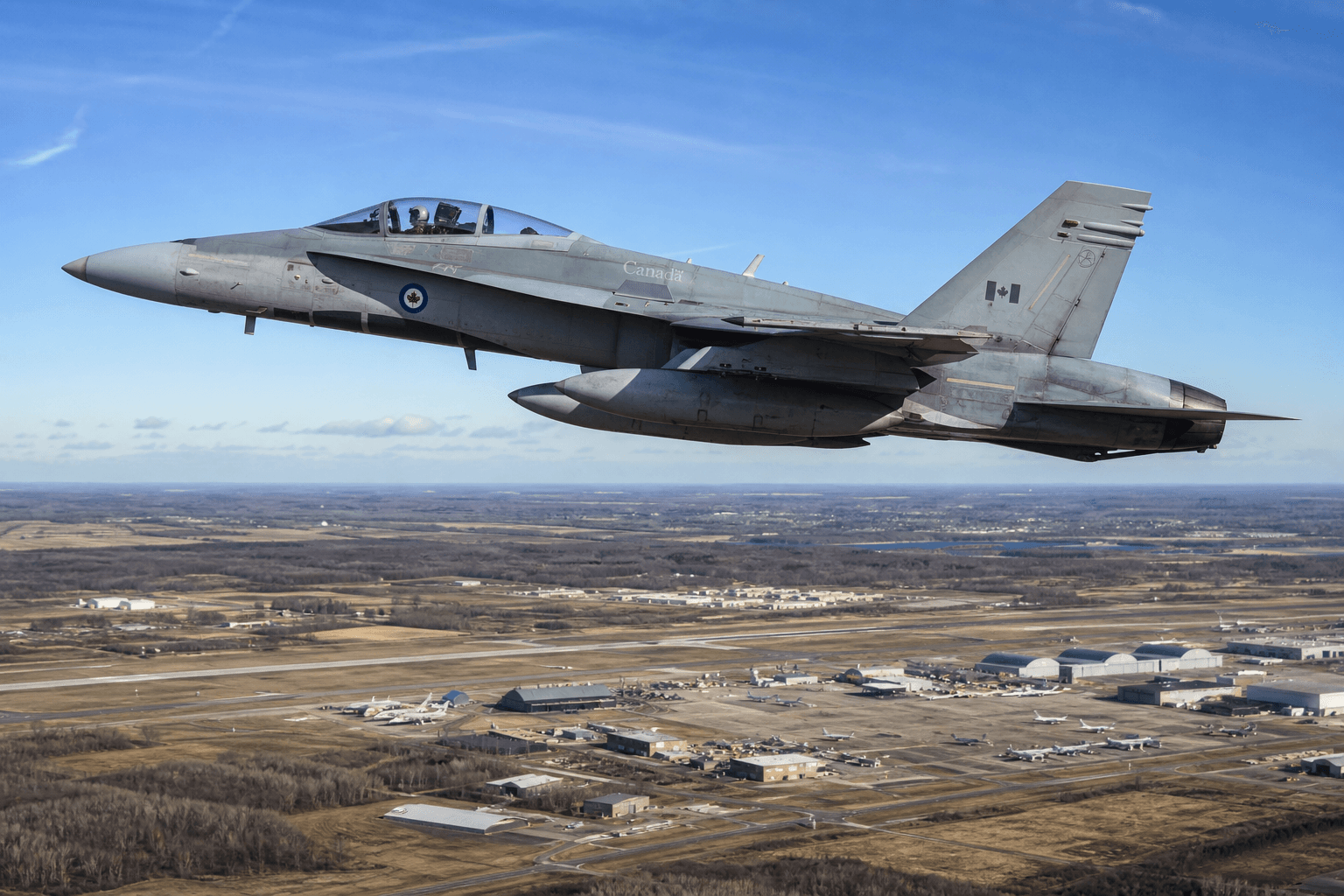
Royal Canadian Air Force Fighter Pilot Salaries Range From 60K to Over 220K CAD Annually in 2026
Fighter pilots are among the most visible faces of the Royal Canadian Air Force, but their compensation is far less than that of a Hollywood superstar, and details on it are easily available to the public. Pay guides are published by the Canadian Armed Forces, with compensation rising with rank and years of service. It is also supplemented by targeted allowances and a robust benefits package built around mobility, readiness, and long careers.
The Daily Touch & Go
The day's best aviation news in your inbox. Free, no spam.