

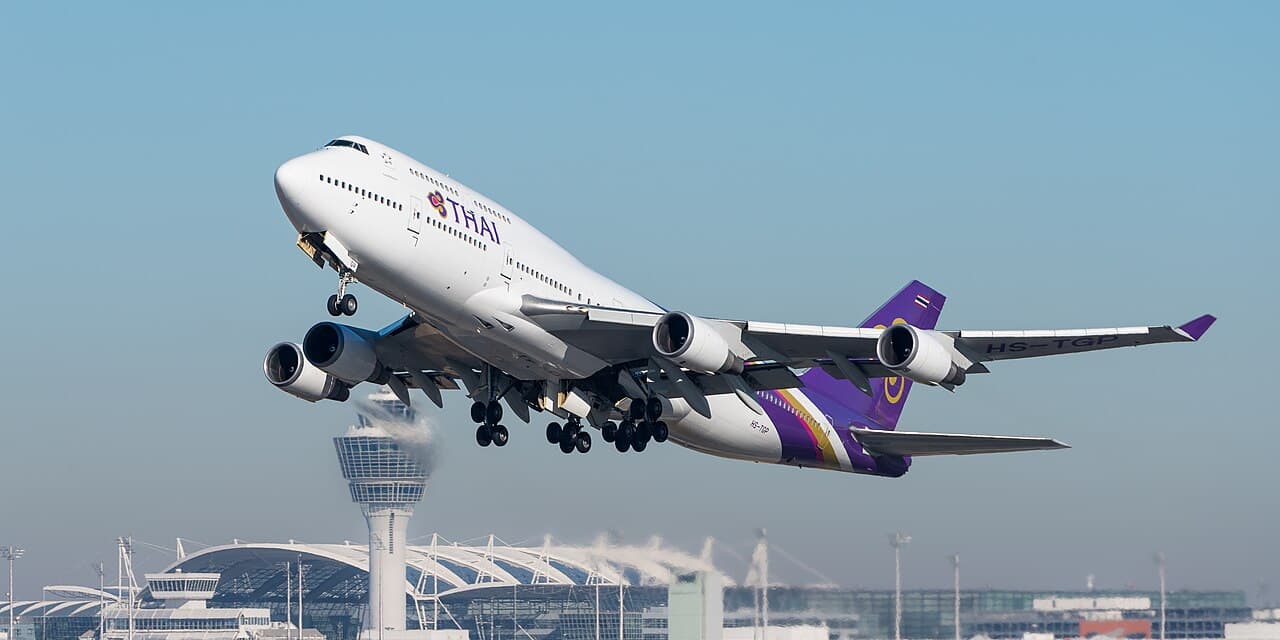
Image: Julian Herzog ( Website ) · CC BY 4.0 · via Wikimedia Commons
Air Force VC-25B Bridge Jet Delivered to Joint Base Andrews for Commissioning Flights
The Air Force's VC-25B Bridge aircraft has been delivered to Joint Base Andrews to undergo commissioning flights ahead of joining the presidential airlift fleet.
The gist
The Air Force received the VC-25B Bridge aircraft at Joint Base Andrews; commissioning flights start before it supports presidential missions.
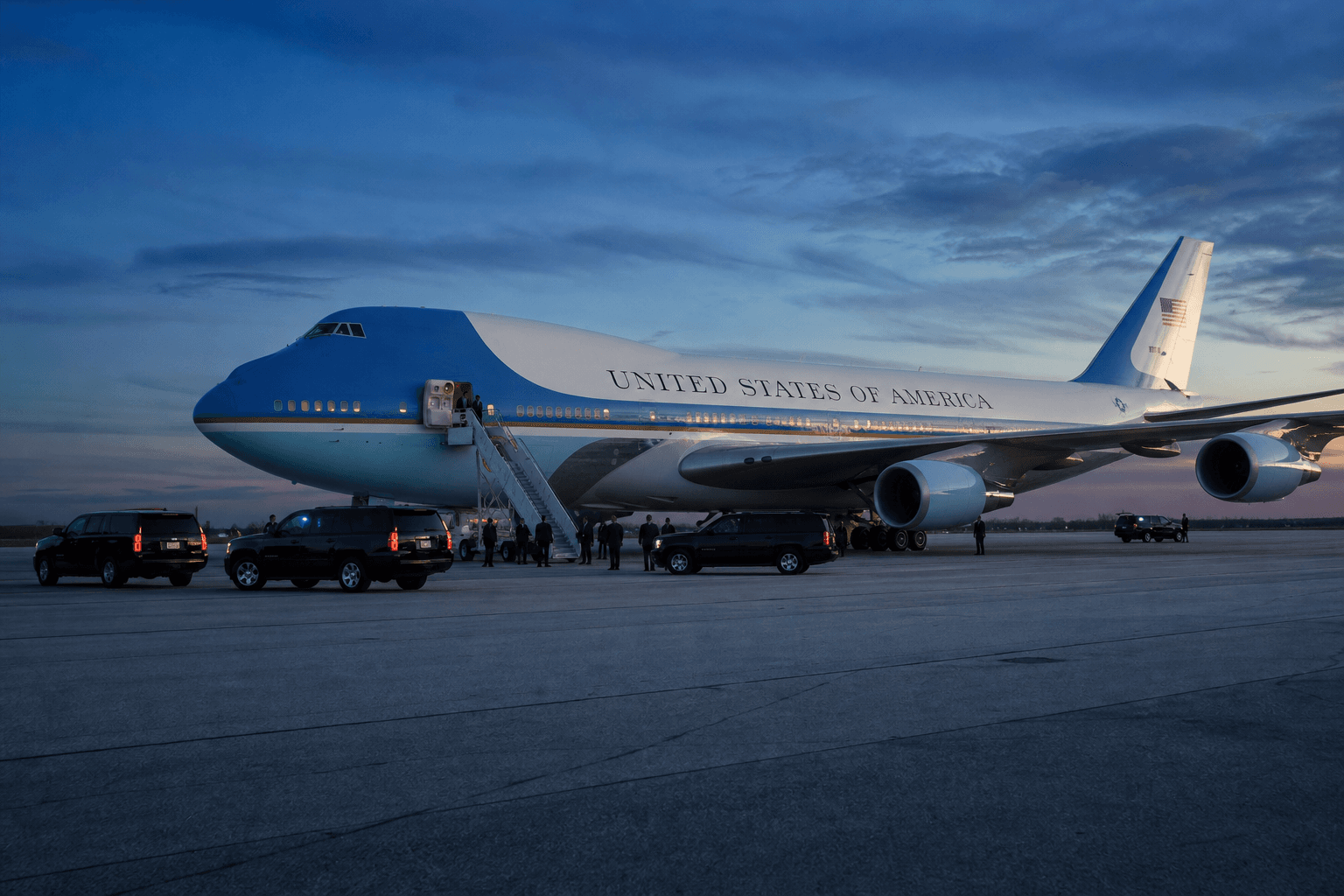
The United States Air Force recently welcomed the VC-25B Bridge, a former Boeing 747-8i aircraft, to Joint Base Andrews in Maryland. This arrival marks a significant milestone as the aircraft is set to begin commissioning flights, a critical phase to validate its capability for presidential transport missions. Following these flights, the VC-25B Bridge will officially join the presidential executive airlift fleet, complementing the existing VC-25A and C-32 aircraft.
The aircraft was delivered after extensive modifications to meet government specifications. These changes included the application of the iconic red, white, and blue paint scheme synonymous with U.S. presidential aircraft. The commissioning flights will test the aircraft’s systems, verify operational procedures, and ensure it meets the stringent standards required for the demanding presidential airlift role. These flights serve as the final step before the jet is cleared for active service.
Secretary of the Air Force Troy Meink emphasized the program’s focus on balancing rapid delivery with uncompromised quality. He noted that every requirement was carefully evaluated to accelerate the Bridge aircraft’s entry into service while maintaining the high standards expected for presidential missions. The successful delivery and commissioning of the VC-25B Bridge highlight the Air Force’s capability to innovate swiftly without sacrificing security or reliability.
Originally manufactured for a foreign head of state—in this case, Qatar—the Bridge aircraft was acquired to help reduce operating demands on the aging VC-25A fleet. The two existing VC-25As, which are heavily modified Boeing 747-200s, have served as presidential transports since 1990 and have flown every U.S. president since George H.W. Bush. The Bridge serves as an interim asset while the Air Force continues to develop and prepare the long-term VC-25B program, with full replacements expected by 2028.
Prior to the arrival of the Bridge aircraft, the Air Force completed extensive modification and flight testing, including a paint phase that was announced in May 2026. The broader VC-25B replacement program involves multiple assets: an Atlas Air 747-8F leased specifically for pilot qualification training and two former Lufthansa 747-8i aircraft, one dedicated as a training platform and the other used for parts to support sustainment. This complex approach supports a smooth transition to the newer presidential airlift fleet.
The timing of the Bridge’s arrival coincides with unclear signals about the status of VC-25A tail number 29000, one of the two original presidential 747-200s. After completing what White House officials described as a final flight from Europe, there has been speculation regarding the aircraft’s retirement. However, the Air Force has not issued an official retirement announcement for either of the original VC-25As, indicating the Bridge will initially augment rather than replace these aircraft.
Supporting the presidential fleet, the newly arrived VC-25B Bridge stands as a testament to the Air Force’s ability to leverage existing wide-body commercial aircraft to meet specialized mission requirements. Integrating a former Qatari 747-8i into the fleet demonstrates an innovative strategy to maintain executive airlift capacity amid ongoing development delays of purpose-built replacements.
As commissioning flights proceed, the Air Force and Presidential Airlift Group will finalize operating protocols and mission readiness procedures to ensure seamless integration of the VC-25B Bridge. This addition is expected to enhance the fleet’s operational flexibility and support high-profile executive missions, helping maintain continuity of presidential transport as the Air Force advances toward the next-generation VC-25B aircraft.
The arrival and commissioning of the VC-25B Bridge illustrate a transitional phase for U.S. executive airlift capability. By supplementing the decades-old VC-25As and the C-32 fleet with this nearly new aircraft, the Air Force secures interim capacity and mitigates operational pressures. This move ensures presidential transport missions continue without interruption during the development of future, purpose-built presidential aircraft slated for entry into service around 2028.
Read more
All Military/Defense →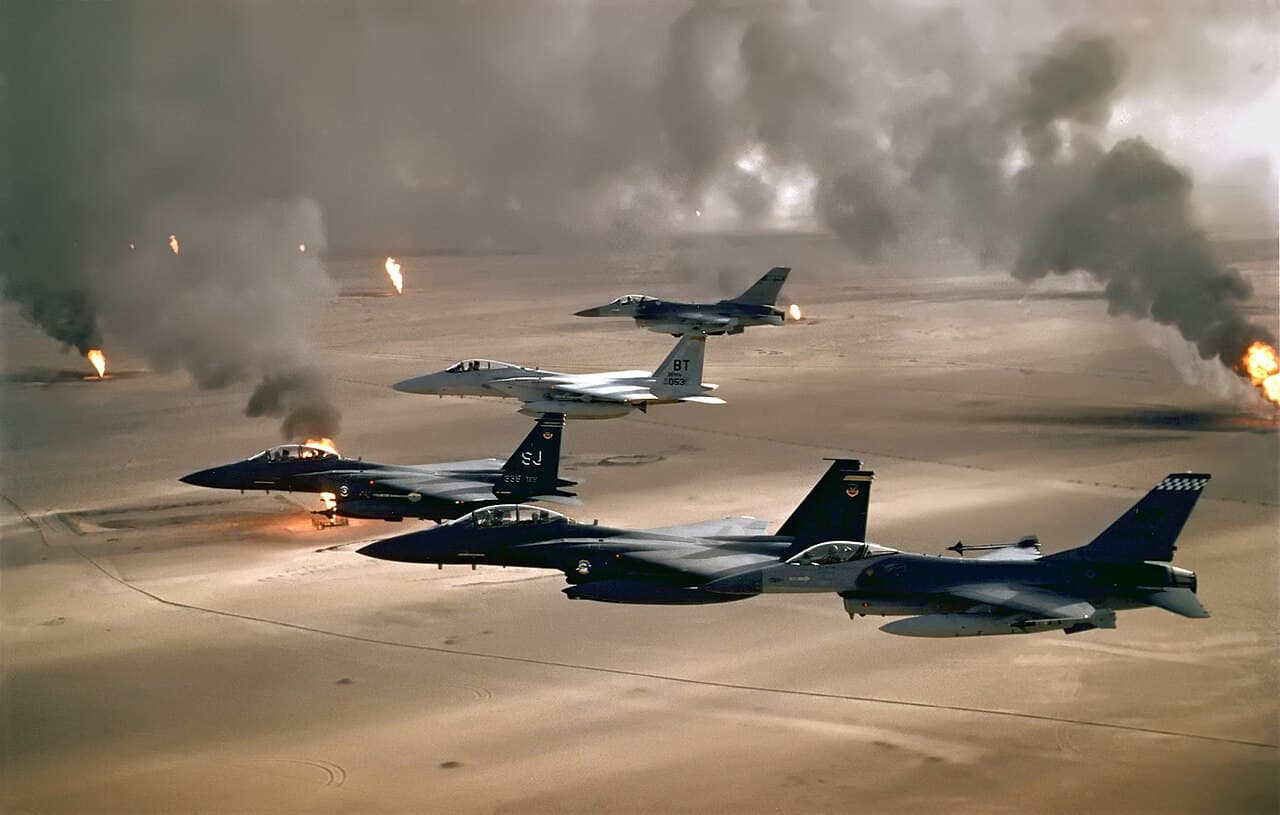
Six U.S. Combat Aircraft Lost and Crew Rescues Highlight Operation Epic Fury's Tough Toll
Since Operation Epic Fury was launched on February 28, 2026, 42 American aircraft have been lost in combat. Of those, 24 were MQ-9 Reaper drones and one an exceptionally rare MQ-4C Triton drone. The remaining were crewed aircraft, with four shot down and two destroyed on the ground by enemy fire.
US Military Pilots Weigh Retirement Benefits Versus Airline Pay After Service
The aviators of the US Armed Forces face a crossroads when they come to the end of their minimum active-duty service commitments. All the branches of the Department of Defense have their own core of professional aircrew. In the US Air Force and Army, the contracts to be a professional flyer come with a ten-year commitment. Meanwhile, the US Navy and the Marines have a slightly shorter minimum duty at eight years.
Davis-Monthan Air Force Base Ends Five Decades of A-10 Pilot Training as Focus Shifts to F-35
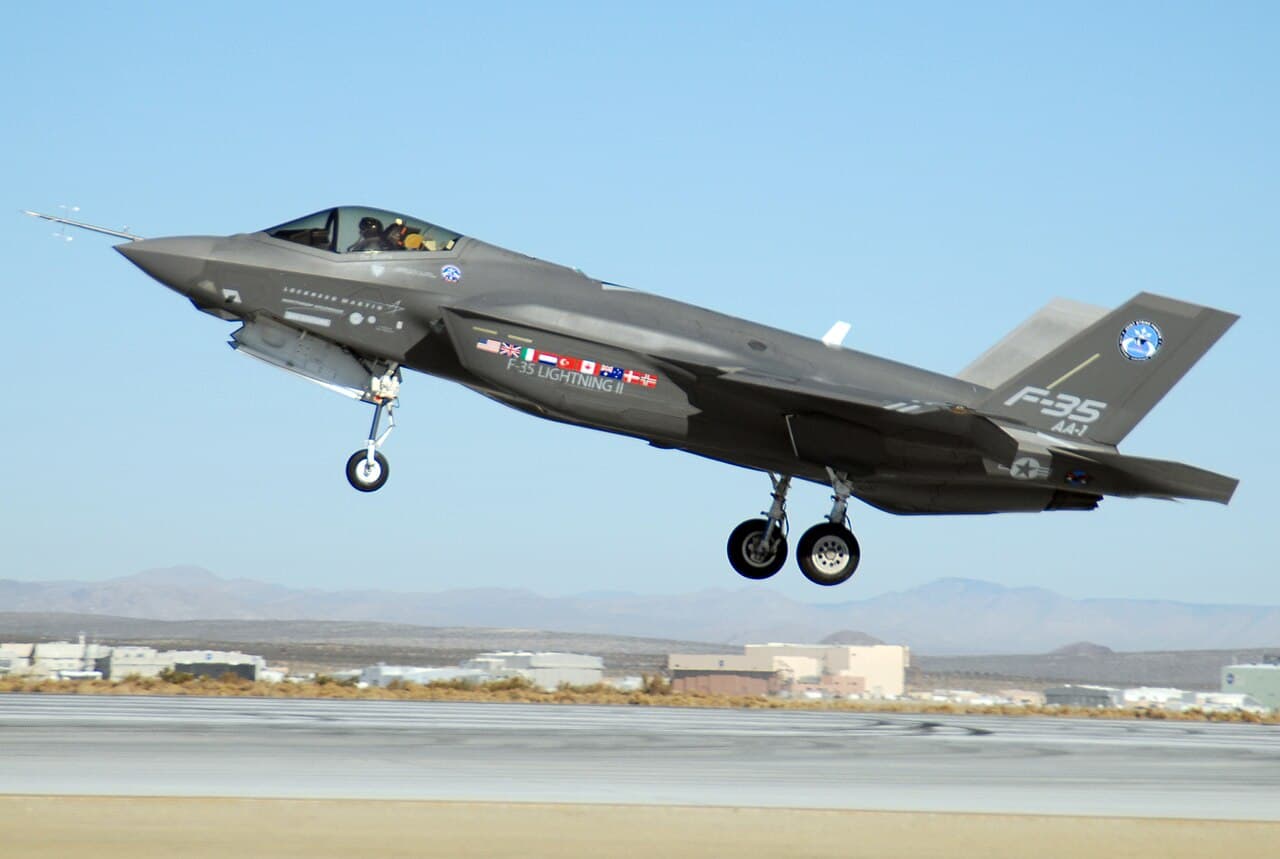
In April 2026, the US Air Force closed the training pipeline that had produced every Fairchild Republic A-10 pilot it ever fielded. The 357th Fighter Squadron graduated its last class of Thunderbolt II students at Davis-Monthan Air Force Base in April. That same week, and at that same base, an A-10 flying combat search and rescue escort over Iran took enemy fire, kept flying, and helped bring a downed fighter pilot home before its own pilot was forced to eject over Kuwait.
Trump Secretly Switched Air Force One Planes Twice in 2026 Iran Threat Operation
In an elaborate ruse straight out of a movie subplot, US President Donald Trump was secretly whisked off a Boeing 747 Air Force One in Turkey in July 2026, driven across the airport hidden inside a catering truck and flown to Britain aboard a Boeing 757 as part of an operation to protect him from a possible Iranian attempt on his life. The operation involved three presidential aircraft, a decoy flight carrying reporters who believed Trump was aboard and a second switch after landing in Britain that allowed the president to emerge publicly from the same 747 he had supposedly flown from Turkey. Trump had traveled to Ankara for a NATO summit aboard the recently converted Boeing 747-8 donated to the United States by Qatar. The aircraft, sometimes called the VC-25B Bridge, entered presidential service in July as an interim replacement while Boeing continues work on two new VC-25Bs. But Trump announced before leaving Turkey on July 8 that he would not use the new jet for the flight to Britain. Instead, he said he would take one of the older VC-25A Boeing 747-200Bs "for old time's sake," while the Qatar-supplied aircraft flew ahead to RAF Mildenhall so US service members there could see it. That was not what actually happened. The red-white-and-blue Qatar-supplied 747 departed Ankara first. Trump then arrived at the legacy robin's-egg-blue VC-25A, climbed the stairs in front of television cameras and waved before disappearing inside. Reporters and some White House staff prepared to travel aboard the aircraft believing the president was with them. Minutes later, a catering truck positioned against a door on the opposite side of the 747 was raised to the aircraft using its hydraulic lift. Trump and several aides secretly entered the truck through the aircraft door, were lowered to the ramp and driven across the airport to a waiting US Air Force C-32A. The C-32A is the military version of the Boeing 757-200 used by the Air Force to carry the vice president and other senior US officials. The type also regularly accompanies presidential trips as a backup aircraft and can carry the president when necessary. Defense Secretary Pete Hegseth boarded the C-32A separately using conventional stairs, helping make the aircraft's departure appear routine. He then flew with Trump to the UK. Meanwhile, the VC-25A departed Ankara with the White House press corps and some staff aboard, but without Trump. Reporters were instructed to keep the window shades in the cabin closed. The deception extended to the aircraft's electronic identity. The C-32A carrying Trump used the military call sign RCH18, or Reach 18, rather than Air Force One, and was not readily visible on public flight-tracking services. The legacy VC-25A continued toward the UK appearing to be the presidential aircraft. Details of the elaborate security operation were first reported by The Washington Post on August 10, 2026, with Reuters and other news organizations subsequently confirming key elements of the account. Air Force One is not the name of a particular airplane. It is the call sign normally assigned to any US Air Force aircraft carrying the president. In this case, hiding which aircraft actually carried Trump was the centerpiece of the clandestine operation. The C-32A carrying Trump reached RAF Mildenhall at about 22:20 local time, several minutes before the VC-25A carrying the press. Trump was later seen walking down the stairs of the VC-25A at Mildenhall at 22:56, meaning he had been moved from the C-32A back aboard the 747 after the two aircraft arrived. Exactly how that transfer was carried out has not been disclosed. The public appearance preserved the impression that Trump had flown aboard the VC-25A all the way from Ankara. After greeting US military personnel at Mildenhall, Trump walked to the Qatar-supplied 747-8 that had arrived earlier and boarded it for the flight back to the United States. The Secret Service made a hasty decision to concoct the plane-switching plot after US intelligence identified a threat against Trump or his aircraft as tensions between Washington and Tehran suddenly escalated during the NATO summit. Turkey shares a long border with Iran, and the operation took place shortly after the US renewed military strikes against Iran. The threat also came shortly after Trump began using the Qatar-supplied 747-8. The aircraft underwent a rapid conversion for presidential service but does not have all of the defensive capabilities installed on the highly modified VC-25As. It is expected to undergo security upgrades before returning to service soon. White House Communications Director Steven Cheung said there are "many enemies of America" targeting Trump and that officials use every available tool to protect him. Using another aircraft to disguise a president's movements is not unprecedented. President Bill Clinton flew into Pakistan aboard an unmarked aircraft in 2000 while the more recognizable Air Force One served as a decoy. US officials say similar tactics have been used on other occasions when threats warranted.
The Daily Touch & Go
The day's best aviation news in your inbox. Free, no spam.