


Vertical Aerospace pushes Valo eVTOL certification to 2029 after program re-baseline
Vertical Aerospace announces a new delay in certifying its Valo eVTOL aircraft, moving the milestone to 2029 following a program plan re-baselining and ongoing development challenges.
The gist
Certification of Vertical Aerospace's Valo eVTOL aircraft is now expected in 2029 after recent program delays and rigorous testing requirements.
Continuing coverage
All Evtol →Vertical Aerospace has revealed a further postponement in the certification timeline for its Valo electric vertical take-off and landing (eVTOL) aircraft, now targeting 2029 for regulatory approval. This adjustment comes after the company conducted a re-baselining of its programme plan, taking into account the extensive remaining certification workload and construction of test aircraft that comply with certification standards. This marks a shift from previous announcements that set certification for 2028, which itself was a delay from the original 2025 goal.
The Valo eVTOL, a key development project aiming to bring a new class of electric aircraft to market, was publicly unveiled in December 2025. Vertical Aerospace anticipates completing a critical design review (CDR) for Valo by the end of 2026, a crucial step to establish a design baseline needed for certification efforts. The company acknowledges the complexity of certifying an innovative category of aircraft within the established regulatory framework of the UK and Europe, which contributes to the elongated schedule.
Chief Executive Stuart Simpson highlighted increasing schedule risks in the company’s May investor call, citing slower-than-expected progress on prototype flight transitions for the earlier VX4 model and the cautious management of company spending. Despite these hurdles, Vertical confirmed successful milestones including the first transition flight of the VX4 prototype in April 2026. Simpson emphasized a new focus on meeting certification goals moving forward, with the upcoming CDR expected to substantially de-risk the programme.
The company is advancing the infrastructure needed for production, with a new aircraft assembly facility being prepared at Kemble airfield. This facility, housed in renovated hangars, is scheduled to become operational in the third quarter of the year. Additionally, Vertical plans to open a battery manufacturing site near Bristol in the last quarter, which will support the assembly of Valo test fleet aircraft at Kemble once running.
Operational progress includes regulatory developments as well: on 10 July, the UK Civil Aviation Authority extended the VX4’s flight permit to allow public demonstration flights beyond its home base. This permits Vertical to showcase its second VX4 prototype at the Farnborough International Airshow later this year, a biennial aerospace event that will increase the aircraft's exposure to industry stakeholders and potential partners.
Technical advances are also underway, with Vertical recently conducting test bench runs of a hybrid powertrain version equipped with a turbogenerator. The company intends to finalize the supplier selection for this powertrain component by the end of 2026 and anticipates progressing to flight testing during the first half of 2027. This move is critical to validating the operational capabilities of the Valo aircraft and meeting regulatory certification requirements.
The developmental path of the Valo reflects the challenges aerospace firms face in bringing novel electric vertical takeoff and landing designs through the certification process. Each delay in schedule highlights the rigorous safety and performance standards imposed by regulators, which require extensive empirical data and design maturity. Vertical's transparency about these delays and its progress indicators, such as the CDR, signal a structured approach to managing the certification.
Altogether, the company’s current roadmap integrates technical validation, regulatory milestones, and manufacturing readiness, positioning it for eventual market introduction despite extended lead times. The delay until 2029 pushes the timeline for commercial operations further into the next decade, coinciding with increasing interest in urban air mobility and next-generation air transport solutions.
Vertical’s ongoing efforts to assemble certified test aircraft, expand manufacturing facilities, and execute regulated flight demonstrations present critical steps in preparing the Valo for entry into service. These endeavors underscore the intricate development phases required for pioneering eVTOL aircraft to move from prototype to production and operational certification.
Frequently asked questions
- What is the new expected certification timeline for the Valo eVTOL?
- Vertical Aerospace now expects to complete certification of the Valo eVTOL aircraft by 2029 following program plan re-baselining and extended testing phases.
- What are key milestones involved in Valo’s certification process?
- Important milestones include the critical design review scheduled for end-2026, flying certification-conforming test aircraft, and completing flight testing with hybrid powertrains from 2027 onwards.
- Where will Valo’s aircraft be assembled and batteries produced?
- Valo test aircraft will be assembled at Vertical Aerospace’s new facility at Kemble airfield, and battery production is planned nearby in Bristol later this year.
Read more
All Technology/eVTOL →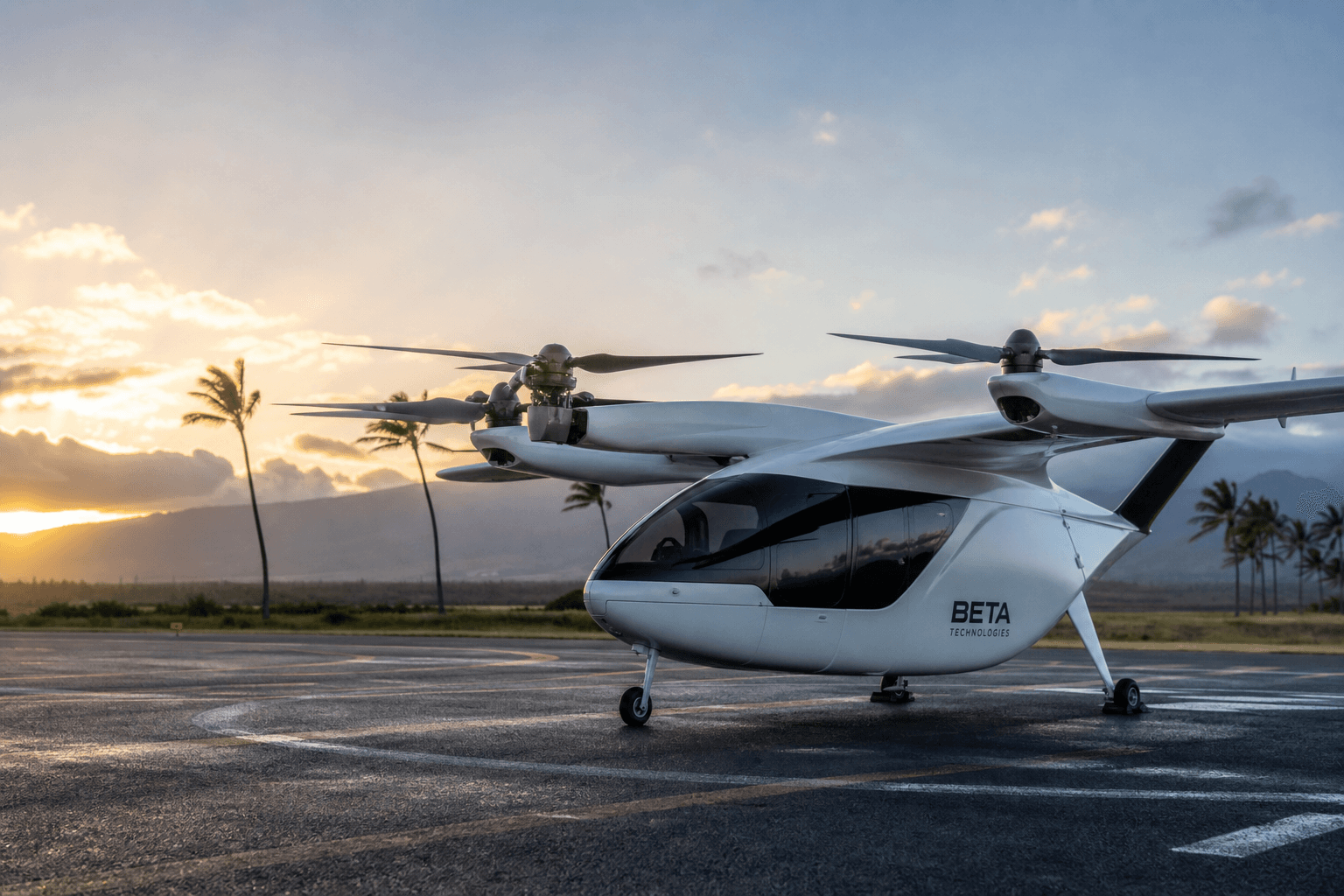
Electric Aircraft Start Short Flights Between Hawaiian Islands in Early Trials
Beta Technologies, Surf Air Mobility, and Hawaiian Airlines begin a six-to-eight-week electric aircraft trial.
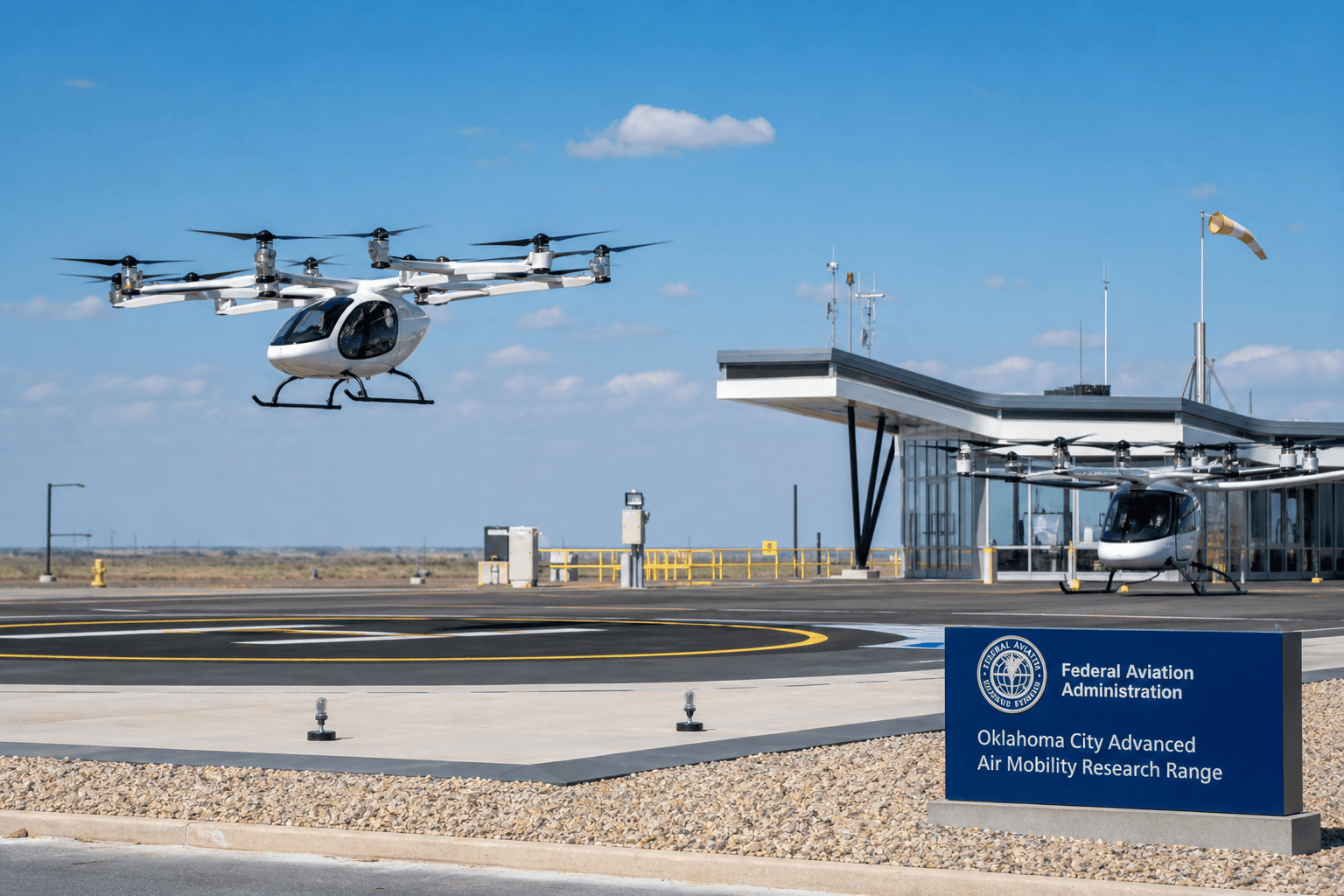
FAA Launches $8.3M Advanced Air Mobility Test Range in Oklahoma City
New Oklahoma City site will support vertiport testing and eVTOL integration work.
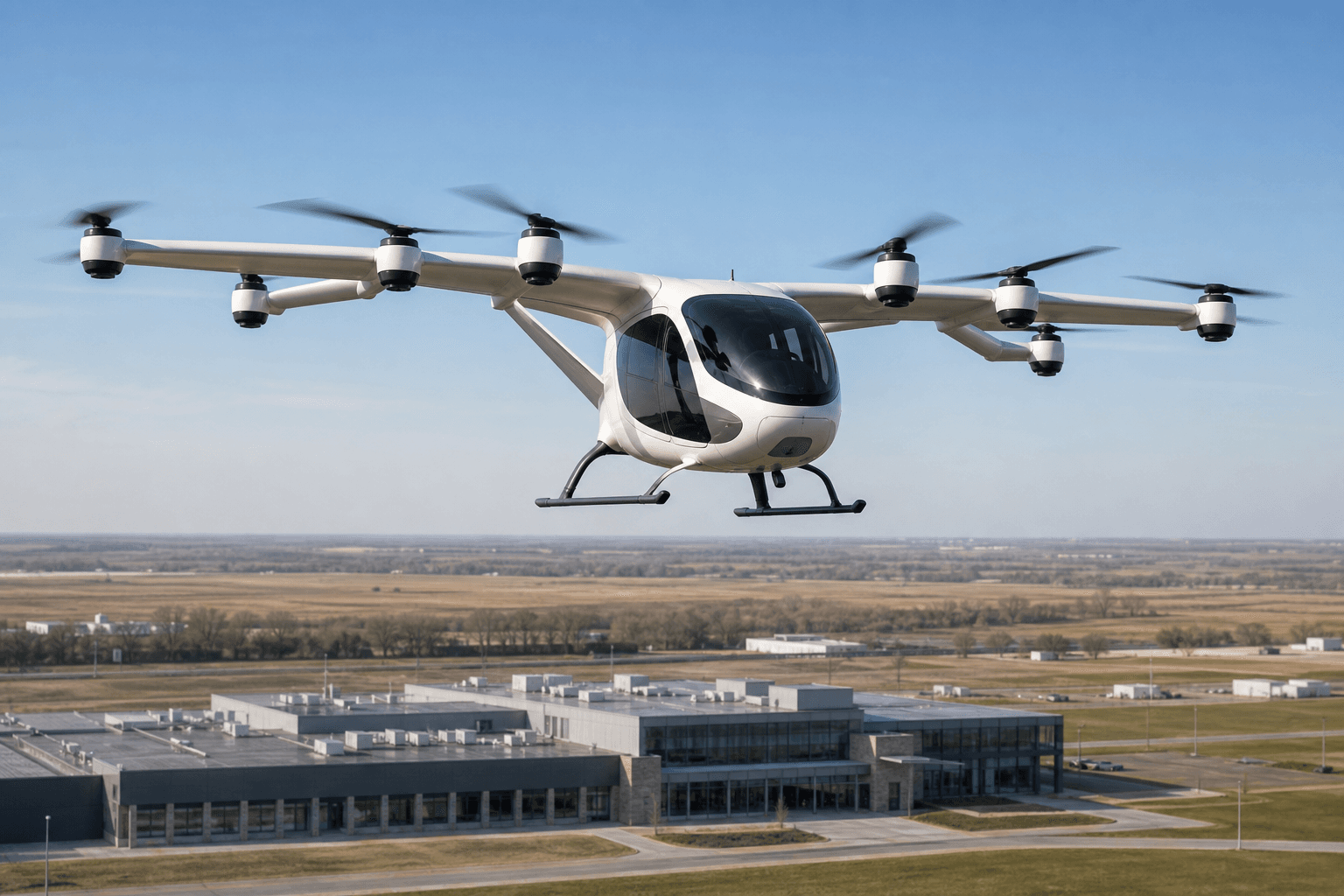
DOT and FAA launch $8.3M Oklahoma facility to advance eVTOL research and integration
It has been announced that the US Department of Transportation (DOT) and Federal Aviation Administration (FAA) have broken… DOT and FAA break ground on $8.3 million facility for eVTOL research in Oklahoma appeared first on AeroTime.
Electra inks production deal with Safran for 250 TG600 turbogenerators powering EL9 hybrid aircraft
Production agreement includes initial 250-unit order for new Arrano-based TG600 system. Safran Helicopter Engines (SHE) has been selected to supply its TG600 turbogenerator to the Electra EL9 Ultra Short hybrid-electric aircraft. Building on a memorandum of understanding signed by the pair in 2023, the "life-of-programme production agreement" includes an initial order for 250 TG600 systems. Electra is targeting 2030 service entry for the EL9, a goal assisted by a recent agreement with the US Federal Aviation Administration establishing its certification basis under the regulator's Part 23 commuter aircraft category. First flight is expected in late 2027 or early 2028. Combining a 1,300shp (970kw)-class Arrano turboshaft engine – which also equips the Airbus Helicopters H160 medium-twin – with a pair of GENeUS generators from sister company Safran Electrical & Power, the TG600 delivers a 600kW output. This in turn powers the eight Evolito electric motors arrayed on the EL9's wing. In July, SHE performed the first bench test of the turbogenerator that will power the EL9’s maiden flight. Electra says the distributed propulsion system and blown-wing configuration means the EL9 should be capable of taking off and landing in as little as 45m (150ft). "This agreement is a defining step forward for Electra and for the future of advanced air mobility," says Marc Allen, chief executive of Electra. “The signing of this contract marks a major milestone in our collaboration with Electra and signifies the official launch of our turbogenerator activities, a promising new chapter that complements our leadership in turboshaft technology," says Cedric Goubet, Safran Helicopter Engines chief.
The Daily Touch & Go
The day's best aviation news in your inbox. Free, no spam.