

Illustration: The Touch & Go
Mexico's Interjet Left with 22 Idle Sukhoi Superjet 100s Amid Financial Collapse
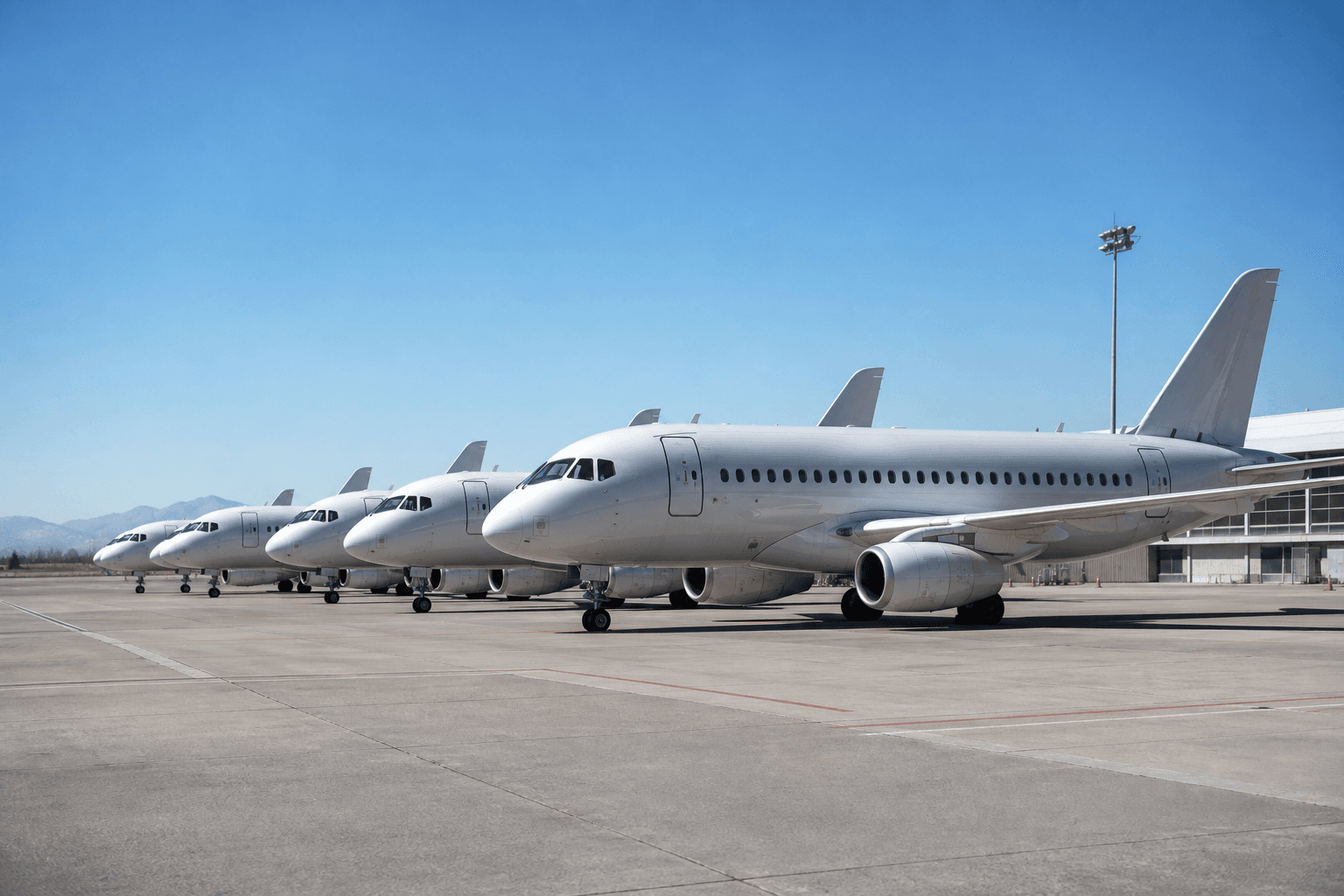
Interjet's decision to acquire 30 Sukhoi Superjet 100 jets in 2011 led to the fleet of 22 aircraft sitting unused at Mexican airports since 2020 after the airline's financial downfall.
The gist
Interjet’s 2011 Sukhoi Superjet purchase now burdens Mexico’s airports with 22 unused jets amid the airline’s collapse.
In 2011, Mexico’s then third-largest airline by passenger count, Interjet, made a pivotal fleet decision by ordering 30 Sukhoi Superjet 100 regional jets from Russia, bypassing more conventional options from Bombardier and Embraer. This choice was driven by appealing financial terms at the time, as Interjet sought to enhance its domestic network with an efficient regional aircraft. The airline aimed to capitalize on the Superjet’s promise of modern design and competitive operating costs to support its growing route system spanning Mexico’s diverse geography.
Despite the initial rationale, the decision proved to be a critical misstep that contributed significantly to Interjet’s eventual financial unraveling. The complex maintenance demands of the Russian-built aircraft, combined with challenges sourcing parts and technical support, placed strain on the airline’s operational capabilities. Over time, economic pressures and management difficulties led Interjet into severe distress, culminating in a near-complete halt of flight operations by 2020.
Today, 22 of these Sukhoi Superjet 100s remain parked and inactive at various Mexican airports, essentially rotting due to lack of use and proper upkeep. The fleet’s dormant status underscores the airline’s ongoing troubles and highlights the broader implications of acquiring aircraft without robust after-sales service and maintenance infrastructure. The geographic isolation from the aircraft’s Russian supply chain further complicated efforts to keep the fleet airworthy during Interjet’s financial collapse.
This situation is a stark contrast to the landscape in which Bombardier and Embraer regional jets operate widely across North America with established support networks. Interjet’s gamble on the Superjet, while financially attractive at purchase, neglected these critical logistical and operational factors. The consequences have left Mexican airports grappling with a sizable number of idle jets that have depreciated and deteriorated substantially since their introduction.
The story of Interjet’s Superjets also highlights the risks airlines face when prioritizing upfront acquisition costs over lifecycle sustainability and support. The aircraft’s inability to integrate well into the airline’s existing maintenance programs exacerbated downtime and service disruptions. Combined with the airline’s other fiscal mismanagement, these factors contributed to a rapid erosion of passenger confidence and operational viability.
Industry watchers view the parked Sukhoi jets as a cautionary tale in fleet strategy and aircraft procurement. While the Superjet’s modern design presented opportunities in emerging markets, the apparent disconnect between manufacturer capabilities and operator needs in Mexico turned a promising fleet upgrade into a stranded asset. The 22 planes laying idle illustrate the tangible cost of mismatched fleet acquisitions.
The situation also serves as a case study for airports and authorities dealing with defunct or struggling airlines whose grounded aircraft occupy precious apron space and generate costly maintenance liabilities. Efforts to repurpose, sell, or scrap the Superjets have been limited to date, leaving empty metal hulks as a visual reminder of what went wrong.
Looking back, Interjet’s 2011 choice to bypass established regional aircraft manufacturers for the Russian-made option was a gamble that ultimately undermined its business model. The idle Sukhoi Superjet fleet remains emblematic of the airline’s rise and fall and stands out as a unique challenge in North American aviation, where Russian-built aircraft are uncommon and logistical support networks minimal.
Read more
All Business Aviation →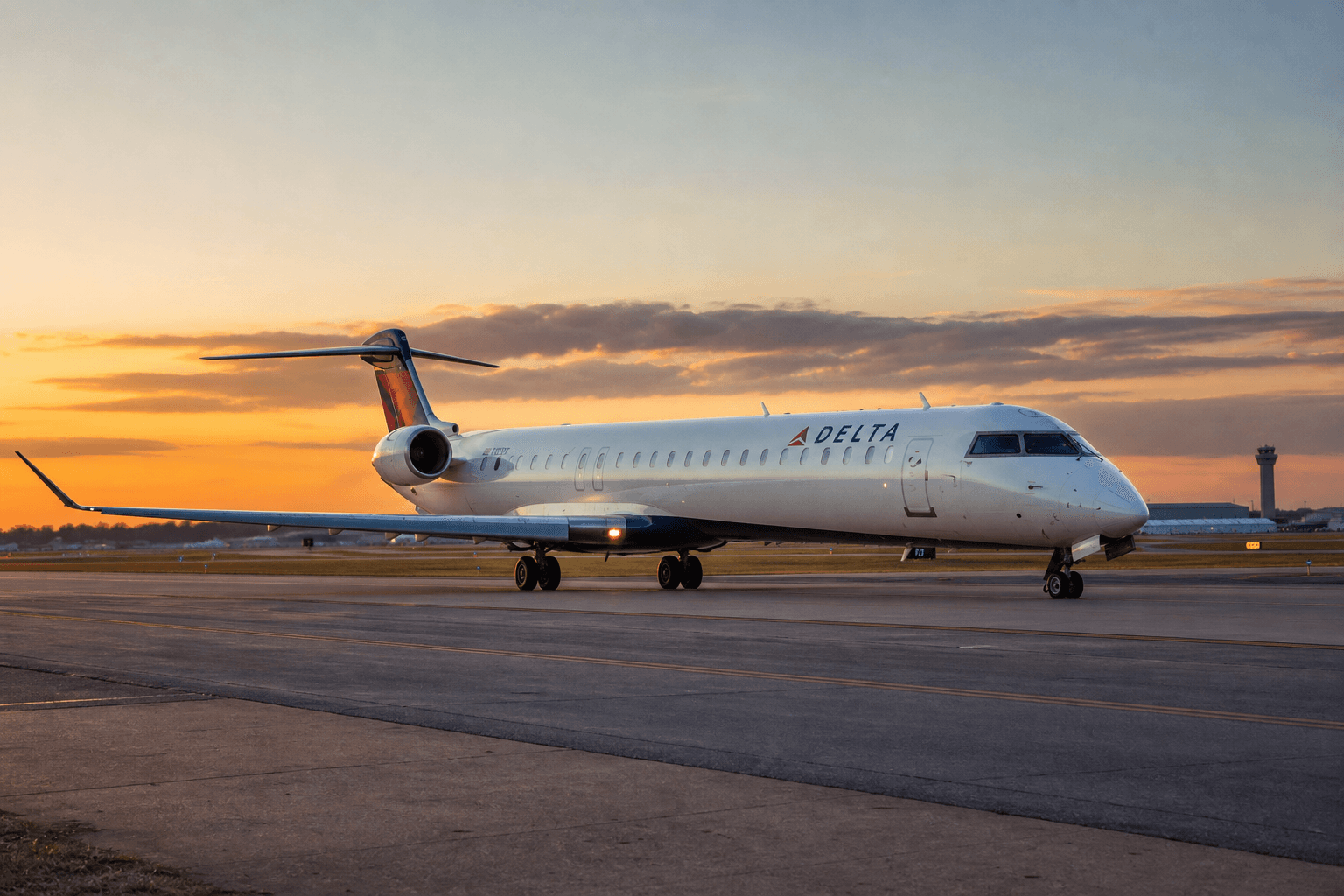
Delta Medallion Loyalty Faces New Challenges as CRJ200 Fleet Retires and MQD Rules Tighten
For years, small communities occupied a unique place in Delta Air Lines' network. Travelers from cities served by the 50-seat Bombardier CRJ200 often accepted cramped cabins, limited amenities, and frequent connections because loyalty delivered tangible rewards. Frequent regional flyers accumulated Medallion status through repeated trips, received complimentary upgrades on connecting flights, and benefited from priority treatment during disruptions. That long-standing tradeoff has now been disrupted by two major changes that arrived almost simultaneously. Delta retired its CRJ200 fleet in late 2023, replacing the aircraft with larger dual-class regional jets such as the CRJ700, CRJ900, Embraer E175, and eventually the CRJ550. Although several CRJ200s briefly returned during the summer of 2024 to cover temporary fleet shortages, the airline's long-term strategy remains centered on fewer, fuller aircraft that offer a more premium onboard experience. At nearly the same time, Delta overhauled its SkyMiles Medallion program by making Medallion Qualification Dollars (MQDs) the primary path to elite status, shifting the emphasis from how often customers fly to how much they spend.
Owning a Bombardier Challenger 300 Beats Chartering Beyond 300 Flight Hours Annually
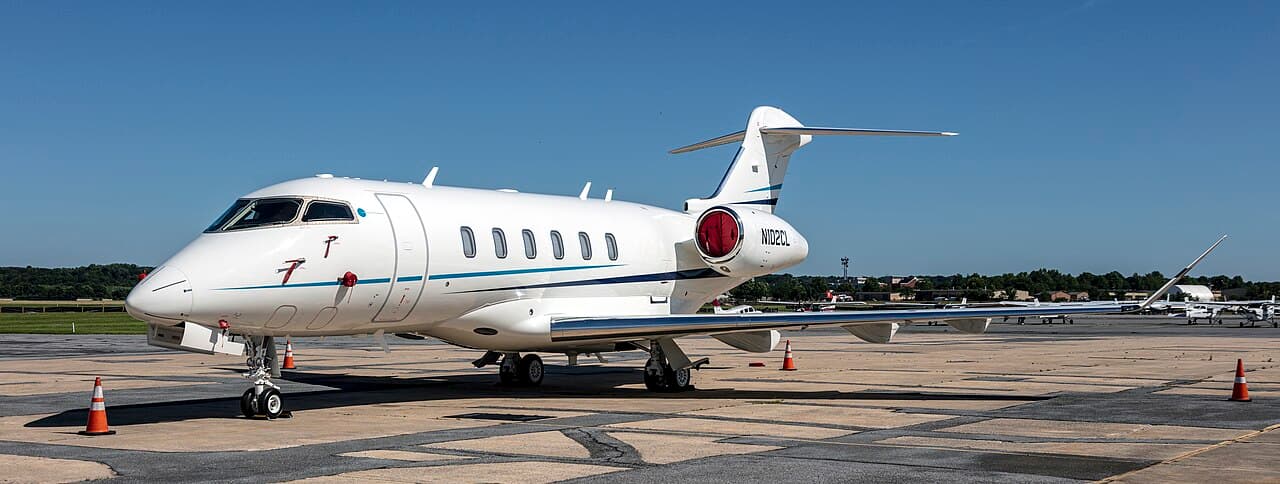
200 hours of flight time is the most commonly cited figure for when it makes more sense to purchase a private jet than charter one. However, the exact number of flight hours depends heavily on the cost of charter and the aircraft in question. To take the Bombardier Challenger 300 as an example, charter rates are usually between $5,950 (low-end quote) and $9,525 (billable average) per hour, according to the Air Charter Journal . The latter is the figure that this article will use.

Cirrus SF50 Vision Jet Offers Ultra-Cheap Ownership Compared to Chartering Business Jets
Most people associate the term ' private jet ' with the largest, most expensive long-range jets produced by Gulfstream and Bombardier, but most business jets are significantly smaller with less range. These planes are less usable and may appear to provide fewer benefits, but they're also much cheaper to purchase. Meanwhile, at the bottom of the market lies the tiny Cirrus SF50 Vision Jet, a single-engine, single-pilot very-light-jet that's more similar in design and capabilities to turboprops than other VLJs.
Apollo Agrees £5.7bn Bid to Acquire EasyJet After Castlelake Withdraws
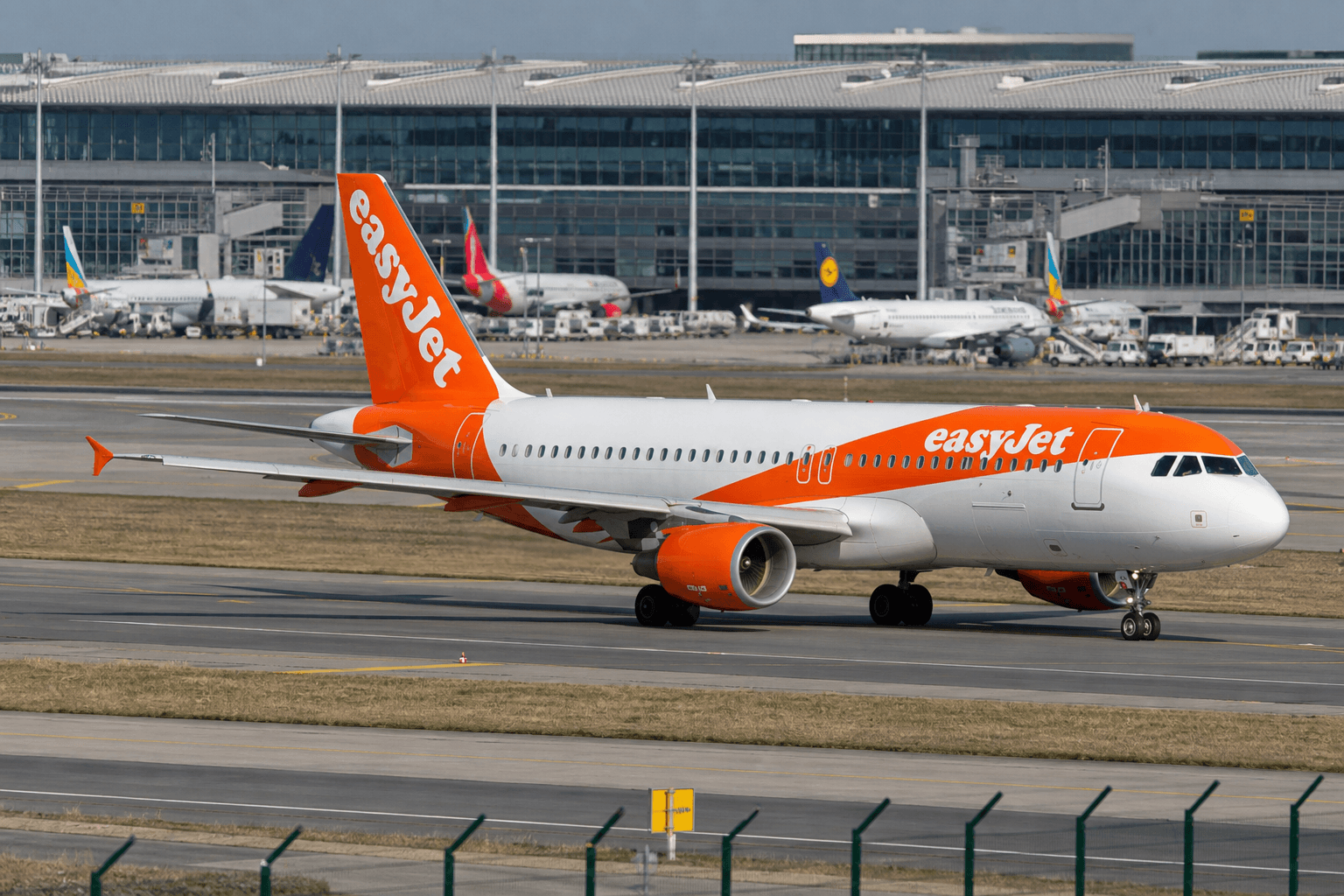
Apollo and Castlelake had both been given a 7 August deadline to firm acquisition interest. US investment firm Apollo Management has agreed to a £5.7 billion ($7.7 billion) recommended offer for EasyJet , shortly after potential rival bidder Castlelake disclosed it would not be making a formal bid for the UK budget carrier. Apollo had appeared in pole position to acquire EasyJet after the latter's board signalled its intent to back the proposed £7.15-per-share acquisition. That came after the carrier had previously outlined its intention to support a potential offer from another US investment firm, Castlelake, based on a £6.90-per-share acquisition. Both suitors were given until 7 August to put forward binding offers and, shortly after Castlelake disclosed it had dropped out of the running, Apollo now says it has agreed a recommended offer for EasyJet based on a price of £7.15 per share. The offer has been made through Eagle Bidco, a company indirectly owned by Apollo Funds and managed by Apollo Capital Management and its affiliates. In a statement outlining the offer, Apollo says it represents an 81% premium on EasyJet's share price of 28 May, and a 22% premium on its highest closing price in the four years before that. "The EasyJet board has carefully evaluated the proposal from Apollo alongside EasyJet’s standalone prospects,” says EasyJet chair Stephen Hester. “While we remain confident in the strength of our business and the opportunities ahead, we believe this offer appropriately recognises the quality of the business we have built and delivers immediate, certain and attractive value for shareholders.” Antoine Munfakh, partner and deputy global head of Private Equity at Apollo, says: “Our partnership with EasyJet will draw upon Apollo’s extensive experience investing in and growing businesses in the airline sector, bringing capital and deep operational and strategic expertise to support the team in generating long-term, sustainable growth. "We are committed to supporting the EasyJet Group in reaching its full potential.” Apollo says it has also secured irrevocable undertakings supporting the offer from Stelios Haji-Ioannou and his family, which together account for over 15% of the carrier's share capital. “I am pleased with Apollo’s strategic intentions for the EasyJet business, which aim to create more growth,” says Haji-Ioannou. “The fact that Apollo, as one of the most well-resourced and experienced institutional investors in the world, has decided to back and grow EasyJet, the leading member of the easy family of brands, is testament to the strength of the Easy brand and the business model of EasyGroup.” Haji-Ioannou adds that he and his family intend to remain invested as “ long-term major shareholders” of EasyJet. Apollo expects the acquisition to complete by the end of the first quarter of 2027. Earlier investment firm Castlelake said it had opted against making a formal offer for the carrier. "Castlelake is very appreciative of the constructive engagement with the EasyJet board and management team, and would like to thank them for their time and consideration of this potential transaction,” it says.
The Daily Touch & Go
The day's best aviation news in your inbox. Free, no spam.