


AI-generated illustration
FAA Attributes Nationwide Ground Stop to Aging Telecom Equipment, Rules Out AI Involvement
After a more than four-hour nationwide ground stop grounded thousands of flights, the FAA identified aging telecommunications infrastructure as the cause, with no evidence linking the agency's SMART AI system to the disruption.
The gist
Aging FAA telecom equipment caused the nationwide ground stop; investigations confirm no role for AI or cyberattacks in the outage.
Continuing coverage
All Faa →- FAA Ground Stop Sparks Confusion as Leadership Seeks $50 Billion for Modernization
- FAA Ends Nationwide Ground Stop After Air Traffic Control System Outage
- FAA Orders Nationwide Ground Stop as Air Traffic Control Communications Fail
- FAA Grounds All U.S. Flights in Widespread Air Traffic Control Outage
- FAA Issues Nationwide Ground Stop Due to Air Traffic Control Communications Failure
At approximately 3:54 p.m. Eastern Time on Friday, the Federal Aviation Administration (FAA) imposed a nationwide ground stop that halted all departures across the United States. The stoppage lasted over four hours, until it was lifted at 8:15 p.m. Eastern. This unprecedented action was prompted by communication and radar inconsistencies that affected air traffic operations, compelling the agency to intervene to maintain safety. Transportation Secretary Sean Duffy announced the restoration of communications within air traffic control centers, yet cautioned that it would take airlines additional time to return to normal schedules due to the scale of disruption.
More than 3,500 aircraft were airborne when the FAA decided to initiate the ground stop. While a total loss of radar or communication did not occur, the agency prioritized critical operations during the halt. Exceptions were granted for medical flights, essential cargo shipments, and law enforcement activities, ensuring that vital services continued despite widespread restrictions. Decisions on flights resuming prioritized larger general aviation charter planes carrying between 60 and 100 passengers ahead of smaller aircraft, reflecting operational priorities as the system recovered.
Transportation Secretary Duffy explained that the FAA's probe revealed that recently installed digital telecommunications systems remained operational throughout the event. However, older analog switches and routers within the agency’s infrastructure experienced overloads leading to degraded performance. This points to the challenge of maintaining legacy equipment alongside modern systems in high-demand national airspace operations. The failure was attributed specifically to these aging components becoming overwhelmed during peak operational periods.
Concerns were raised publicly about the potential role of artificial intelligence (AI) in triggering the disruptions. The FAA recently rolled out the SMART AI system designed to assist controllers by providing recommendations. However, officials clarified that SMART AI operates independently and is not integrated with the FAA’s core air traffic management systems such as STARS (Standard Terminal Automation Replacement System) or ERAM (En Route Automation Modernization). Secretary Duffy stated clearly that the AI system could not have contributed to the outage in any way, given it has no direct connection to the affected communications infrastructure.
Homeland Security Secretary Markwayne Mullin addressed public and investigative questions about the possibility of cyberattacks or malicious AI interference. He confirmed that, so far, no evidence has emerged to support such theories. Authorities continue to investigate the root cause thoroughly, but the current consensus attributes the failure to technical overload rather than hostile interference or cyber vulnerabilities. This distinction provides some reassurance about the security of the national air traffic control system, even amid increasing cyber threat concerns.
The grounding caused extensive disruption to commercial air travel nationwide. By early evening, at least 827 flights had been diverted to alternate airports, according to flight tracking data. Airlines issued warnings that delays and cancellations would persist as aircraft and flight crews gradually repositioned. This ground stop follows the FAA’s notable nationwide NOTAM outage in January 2023, highlighting recurring vulnerabilities in critical aviation infrastructure that must be addressed to avoid future disruptions.
The FAA’s continuity procedures included protocols for maintaining safety despite imperfect data and communication inconsistencies. These procedures activated to manage the unprecedented scenario. The experience has sparked momentum to accelerate modernization of telecommunications hardware across the FAA’s facilities. Keeping aging analog equipment operational alongside digital systems amid surging traffic places strain on the reliability of the air traffic management network.
This incident underscores the complexity of sustaining a vast, integrated air traffic control environment that seamlessly manages thousands of daily flights. Modernizing infrastructure, including switches and routers, is essential to preventing similar ground stops from reoccurring. The timely resumption of flights following the outage demonstrates resilience, but also highlights the need for continued investment in technology upgrades and robust contingency planning within the national airspace system.
Maintaining public confidence and operational continuity during technology-driven disruptions remains a top priority for the FAA and Department of Transportation. Clearing up misconceptions about AI’s involvement also helps focus remediation efforts on tangible hardware and network vulnerabilities. The investigation into this event remains ongoing as authorities work to fully understand all contributing factors and implement upgrades to safeguard the US air traffic system.
Originally reported by AVweb
Read more
All Cargo →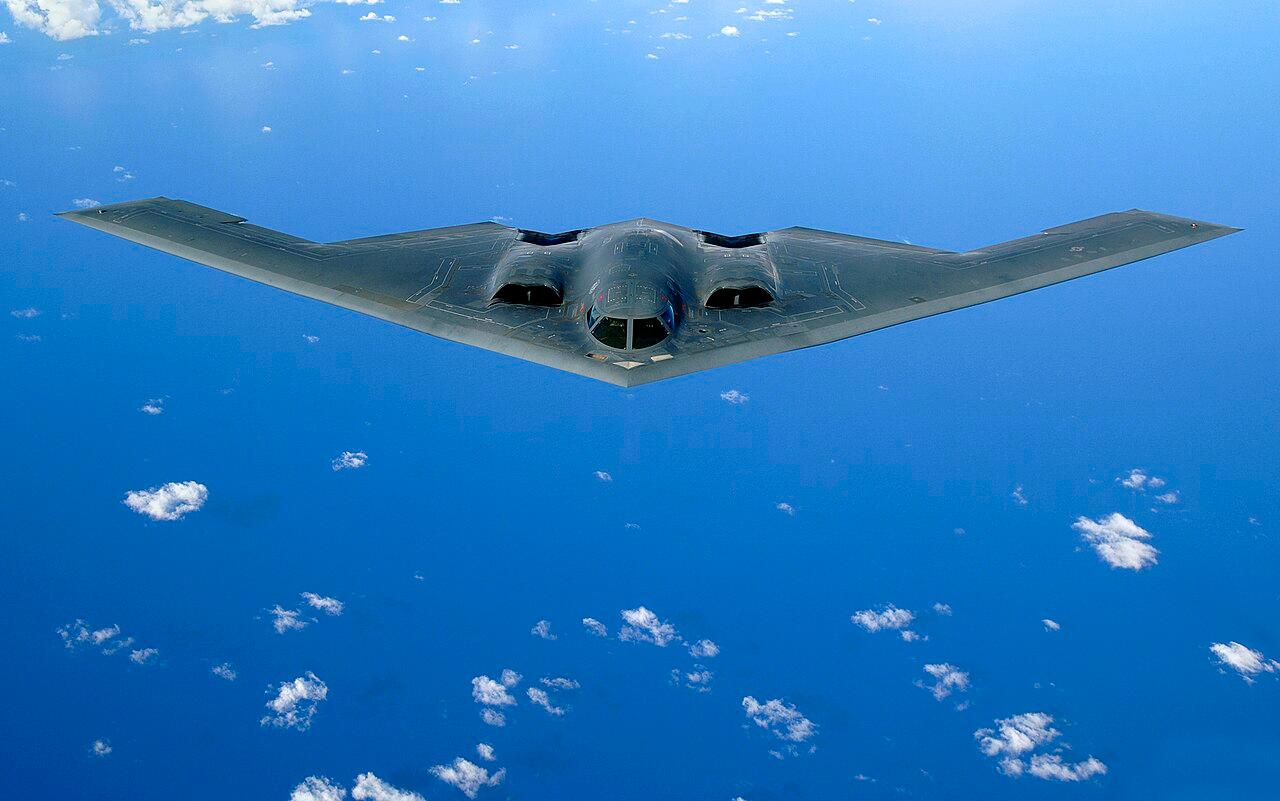
Northrop B-2 Spirit Bomber Balances Stealth and Subsonic Speed for Global Reach
The B-2 Spirit combines a flying wing design with stealth features and high subsonic speed to achieve intercontinental strike missions with precision payloads.

FlyExclusive Expands Fleet and Services by Integrating Fly Alliance Aircraft
FlyExclusive announces a strategic agreement to provide flight operations, management, and maintenance services for Fly Alliance's fleet, enhancing long-range and large-cabin offerings while maintaining Fly Alliance's brand identity.
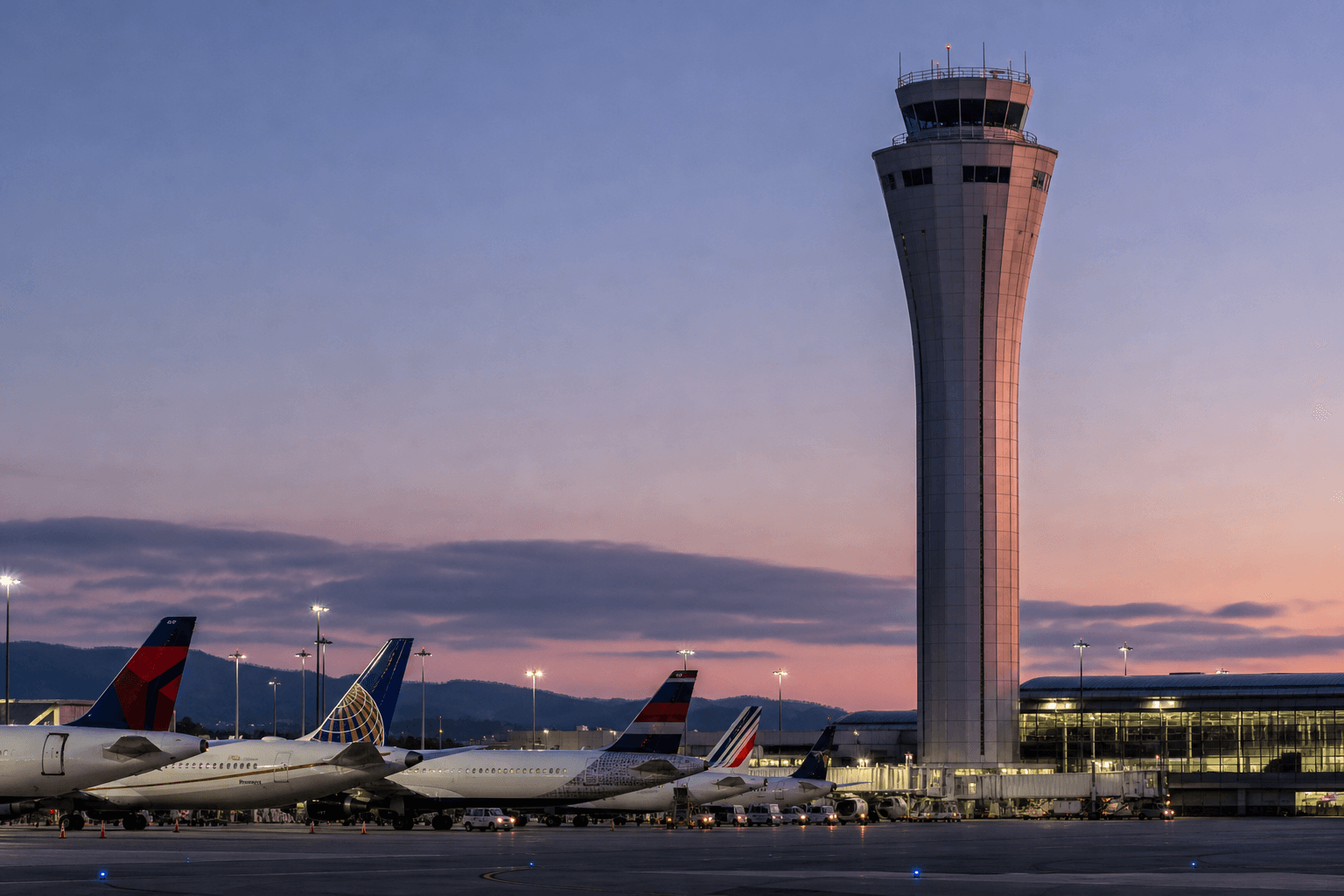
FAA Ground Stop Sparks Confusion as Leadership Seeks $50 Billion for Modernization
Transportation Secretary Duffy and Homeland Security Secretary Mullin held a press briefing after the longest nationwide flight ground stop since 9/11, citing outdated infrastructure and conflicting causes while requesting major funding.

Premium Economy Seats Surging in Popularity with Enhanced Comfort and Amenities on Long-Haul Flights
Premium economy offers passengers significant upgrades over economy class including more space and better service, fueling its rapid growth on long-haul airline routes.
The Daily Touch & Go
The day's best aviation news in your inbox. Free, no spam.