

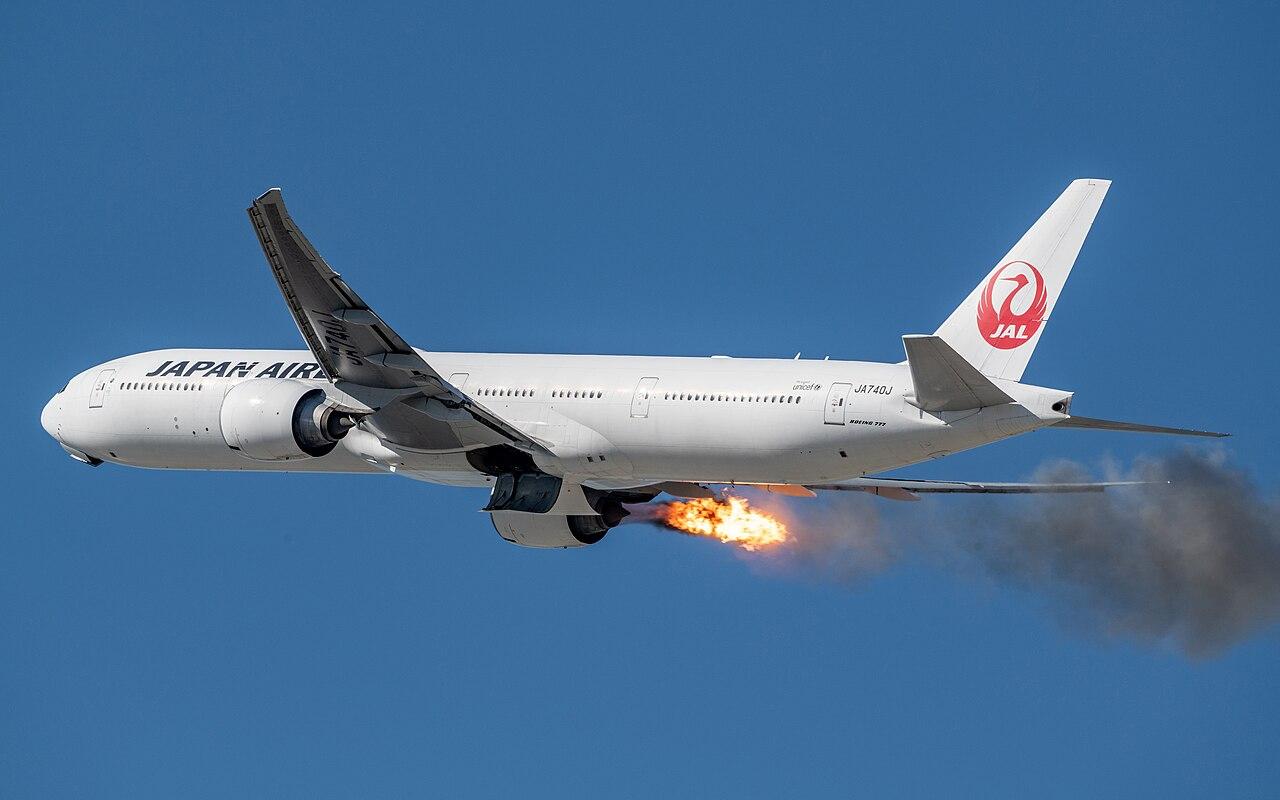
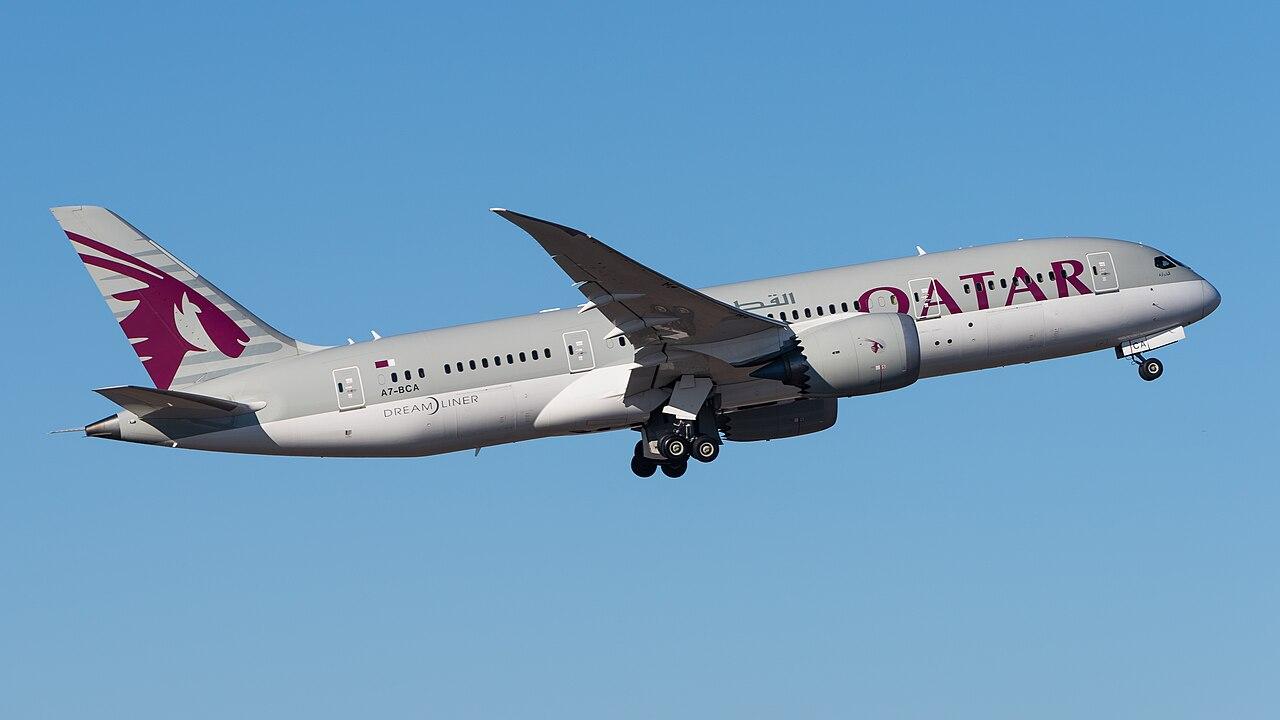
Image: Glenn Beltz from Goleta, CA, USA · CC BY 2.0 · via Wikimedia Commons
FAA Ends Nationwide Ground Stop After Air Traffic Control System Outage
The FAA has lifted a nationwide ground stop after an air traffic control system failure disrupted thousands of US flights Friday afternoon and evening.
The gist
FAA lifts nationwide ground stop following system outage, flights begin resuming amid lingering delays and recovery efforts.
Continuing coverage
All Faa →- FAA Ground Stop Sparks Confusion as Leadership Seeks $50 Billion for Modernization
- FAA Orders Nationwide Ground Stop as Air Traffic Control Communications Fail
- FAA Grounds All U.S. Flights in Widespread Air Traffic Control Outage
- FAA Attributes Nationwide Ground Stop to Aging Telecom Equipment, Rules Out AI Involvement
- FAA Issues Nationwide Ground Stop Due to Air Traffic Control Communications Failure
On Friday evening, the Federal Aviation Administration (FAA) officially lifted the nationwide ground stop that had frozen almost all commercial air traffic across the United States. The agency's Air Traffic Control System Command Center announced the cancellation of the ground stop at 8:19 p.m. EST, signaling a gradual resumption of flight operations after a multi-hour disruption. An update from the FAA was scheduled for late Friday night to address ongoing operational conditions.
The decision to lift the ground stop followed extensive testing by FAA personnel to ensure the stability and reliability of air traffic control systems. The agency stated that all systems were thoroughly checked before authorizing the return to normal flight activities. Despite the clearance to resume departures, airlines warned that residual delays and cancellations would affect schedules into Saturday morning as the system and workforce recover from the outage's effects.
American Airlines issued a statement detailing its response to the disruption, explaining the prioritization of flights for non-hub cities and international routes during the recovery phase. The airline emphasized its efforts to position both aircraft and crew effectively to support operational recovery in the following days and maximize the number of departing flights on Friday night.
U.S. Transportation Secretary Sean Duffy addressed the media at the White House, confirming the restart of flights but underlining that the process would be gradual. He described the situation as a sizeable operational unwind, noting that the outage was linked to old analog switches that became overloaded and failed, prompting the FAA's cautious decision to ground flights initially.
Duffy highlighted that the air traffic control outage was due to legacy equipment failures, not new systems implemented recently, which remained operational throughout. He reiterated the longstanding challenge presented by the aging US air traffic control infrastructure and urged Congress to authorize increased funding to expedite modernization efforts. The FAA's ongoing upgrade program, funded in part by the One Big Beautiful Bill Act, aims to overhaul the system but currently faces budget constraints.
He stated the FAA's original modernization cost estimate of roughly $30 billion was insufficient, proposing a revised need of $50 billion to fully replace outdated equipment and prevent future incidents. Duffy emphasized that incremental fixes would be inadequate, warning that without comprehensive investment, similar outages were likely to recur.
The outage did not impact the FAA's AI-driven Strategic Management of Airspace, Routes and Trajectories (SMART) system, which recently began assisting controllers in all 22 Air Route Traffic Control Centers. SMART provides recommendations for navigating airspace but operates independently from the affected Standard Terminal Automation Replacement System (STARS) and En Route Automation Modernization (ERAM) systems responsible for terminal and high-altitude flight traffic management respectively.
Homeland Security Secretary Markwayne Mullin addressed concerns regarding a potential cyberattack, confirming that none was involved. He explained the outage stemmed from an attempted technology update that overwhelmed the communication systems of air traffic control, necessitating a system reboot and causing the disruption. Mullin reassured the public that safety was never compromised, as over 3,000 flights were airborne when the incident began and all landed safely according to trained emergency procedures.
Originally reported by Flying Magazine
Read more
All MRO/Maintenance →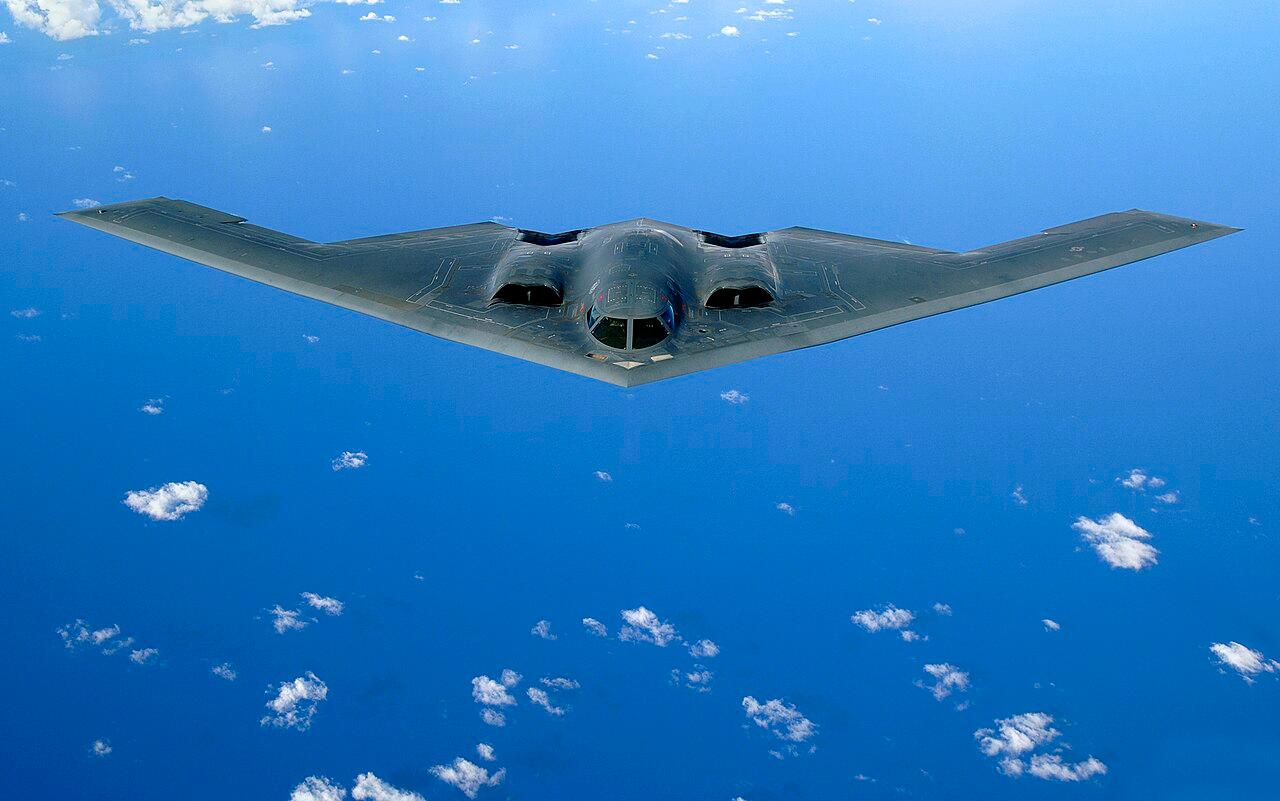
Northrop B-2 Spirit Bomber Balances Stealth and Subsonic Speed for Global Reach
The B-2 Spirit combines a flying wing design with stealth features and high subsonic speed to achieve intercontinental strike missions with precision payloads.
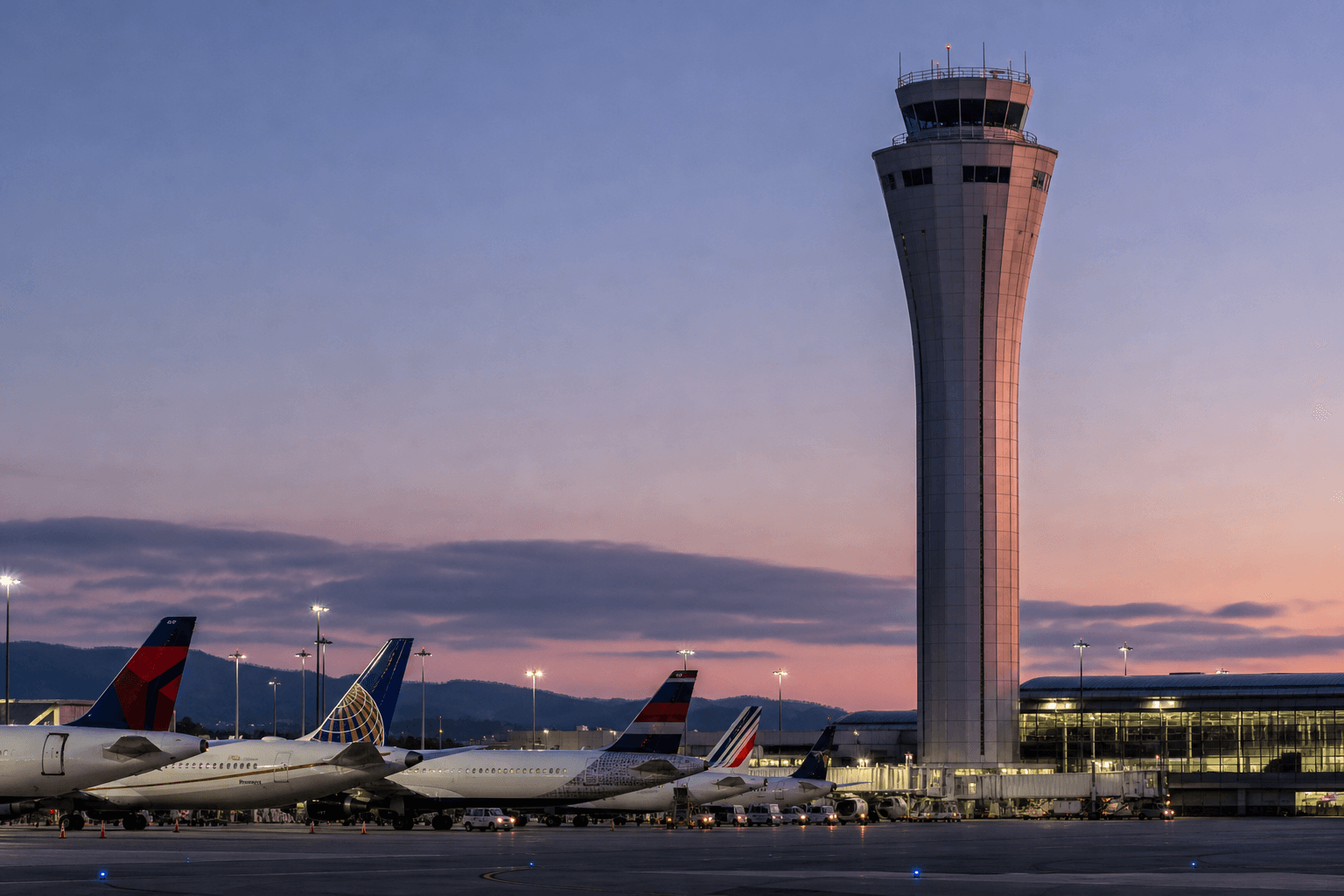
FAA Ground Stop Sparks Confusion as Leadership Seeks $50 Billion for Modernization
Transportation Secretary Duffy and Homeland Security Secretary Mullin held a press briefing after the longest nationwide flight ground stop since 9/11, citing outdated infrastructure and conflicting causes while requesting major funding.
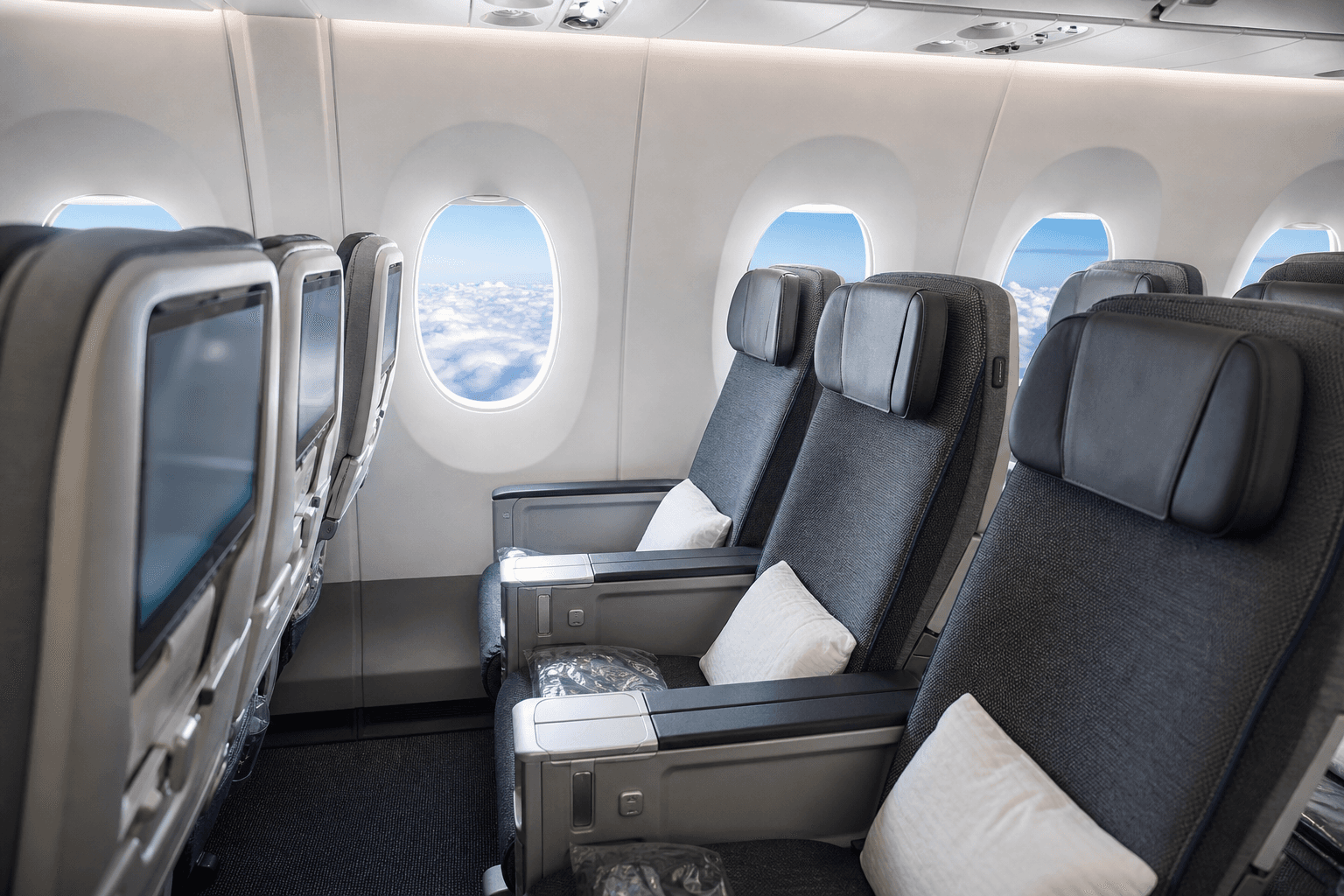
Premium Economy Seats Surging in Popularity with Enhanced Comfort and Amenities on Long-Haul Flights
Premium economy offers passengers significant upgrades over economy class including more space and better service, fueling its rapid growth on long-haul airline routes.
Boeing 787 Revolutionizes Flight Safety with Integrated Electronic Checklists
The Boeing 787 Dreamliner replaces traditional paper checklists with an interactive electronic system integrated into its flight deck, enhancing pilot efficiency and alert response.
The Daily Touch & Go
The day's best aviation news in your inbox. Free, no spam.