

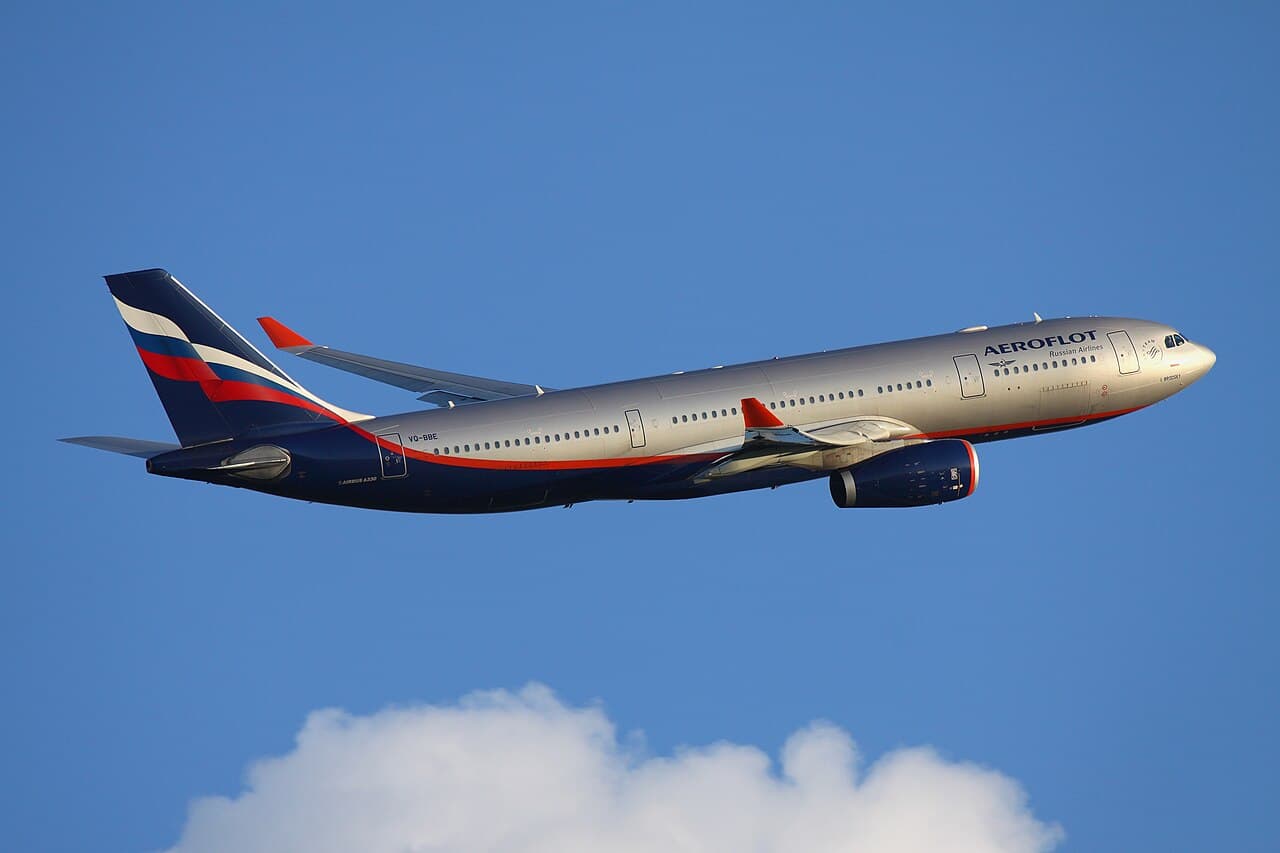
Image: Sergey Kustov · CC BY-SA 3.0 · via Wikimedia Commons
Riyadh Air and GOL spearhead 2026 long-haul network expansions amid established carriers' route growth
Saudi Arabia's Riyadh Air launches multiple new international routes while Brazil's GOL enters long-haul with A330 services as Qatar Airways relaunches key destinations.
The gist
Riyadh Air expands globally, GOL enters long-haul, and Qatar Airways resumes routes, reshaping 2026’s international aviation landscape.
Continuing coverage
All Qatar Airways →- Qatar Airways Reactivates Retired Widebodies After Airbus A350 Grounding Crisis
- Qatar Airways Shifts New Zealand Flights From Adelaide to Melbourne Starting December
- Qatar Airways Sued After Teen Dies from Allergic Reaction on Doha-New York Flight
- 16-Year-Old Dies Midflight After Qatar Airways Crew Assured Allergen-Free Sandwich
- Qatar Airways Delays Launch of New 21-Hour Triangular Route to South America
Riyadh Air, Saudi Arabia’s second national airline, commenced scheduled commercial service in June 2026, marking a significant milestone in the Kingdom’s aviation ambitions. The airline began flights between Riyadh and London Heathrow utilizing Boeing 787-9 Dreamliners, following a period since October 2025 when these flights operated non-commercially under a special launch program. Within just two months of official passenger service, Riyadh Air rapidly expanded its network, adding key cities including Cairo, Dubai, Madrid, and Manchester, with daily and thrice-weekly frequencies. This early growth not only emphasizes Riyadh Air’s strategic push but also reflects Saudi Arabia’s Vision 2030 plan aimed at transforming Riyadh into a global aviation hub.
Riyadh Air’s rapid route development has introduced nonstop connections from Riyadh to destinations that previously lacked direct flights. For instance, services to Cairo and Dubai operate daily, while Madrid and Manchester maintain three weekly flights each, supplemented by seasonal summer routes to Malaga. Such offerings diversify travel options for Riyadh’s growing international passenger base. Upcoming launches are slated for important South and Southeast Asian cities, including Kuala Lumpur, Dhaka, and Mumbai, with scheduled starts from late July through early August 2026, highlighting Riyadh Air’s intent to establish a broad long-haul presence.
The airline’s expansion extends beyond Asia and Europe; it also gained approval from the US Department of Transportation to serve routes to the United States. Future plans include launching flights between Riyadh and Bangkok for the 2026/27 winter season, leveraging allocated weekly slots by Thailand’s Civil Aviation Authority. Riyadh Air aims to operate approximately 22 destinations by March 2027 and set an ambitious target of connecting 100 destinations by 2030. Supporting this network ambition requires significant fleet growth beyond the current Boeing 787-9 lineup of seven aircraft.
Fleet development has been a focal point for Riyadh Air, demonstrated during the 2026 Farnborough International Airshow when it exercised options for 28 additional Boeing 787 Dreamliners. Notably, 20 of these are conversions from the 787-9 variant to the larger 787-10, enhancing capacity for its expanding route portfolio. Additionally, the airline confirmed a purchase of six Airbus A350-1000s, raising its firm order total to 31, a substantial increase from its initial commitment announced in 2025. These widebody aircraft acquisitions underpin Riyadh Air’s long-haul network aspirations within the broader framework of Saudi Arabia’s economic diversification strategy.
Meanwhile, Brazilian carrier GOL stepped into the long-haul arena in July 2026 by inaugurating thrice-weekly flights between Rio de Janeiro Galeão International Airport and New York JFK. The service began using a leased Airbus A330-200 from Wamos Air, a Spanish ACMI operator, pending delivery of GOL’s own Airbus A330-900neos expected later this year. This marks a notable strategic pivot for GOL, which initially focused on regional and domestic markets employing a fleet of Boeing 737 narrowbodies.
The introduction of the A330-900neo is designed to facilitate GOL’s gradual expansion into intercontinental markets, particularly targeting North American and European destinations. After initiating New York flights, the airline scheduled services to Lisbon starting in September 2026, with reported plans to add routes to Orlando and Paris Charles de Gaulle later in the year. This fleet modernization and network pivot underscore GOL’s ambition to compete on a larger, international scale beyond its Latin American stronghold.
Established carriers are also refining their long-haul presence in 2026. Qatar Airways resumed flights between Doha and Philadelphia from August 1 following American Airlines’ withdrawal, reclaiming a key US gateway. Additionally, Qatar reinstated services to Helsinki in July 2026, a city where it had operated previously and now shares the route with Finnair. Notably, the route between Doha and Helsinki is relatively underserved by Middle Eastern airlines; neither Emirates nor Etihad has operated it, although Flydubai offered flights in past years.
Qatar Airways illustrated further network adjustments by returning to Tokyo Haneda Airport in 2026, resuming a route it had suspended in 2024. While Japan Airlines operates the route as part of the oneworld alliance partnership, Qatar Airways now flies it independently as well, offering daily frequencies. These route restorations exemplify Qatar’s strategy to maintain a robust long-haul network and capitalize on re-established international travel corridors.
The developments of Riyadh Air’s entrance and rapid expansion, GOL’s strategic long-haul launch with new widebody aircraft, and Qatar Airways’ targeted route resumptions collectively signal a dynamic reshaping of global long-haul aviation in 2026. Emerging carriers and legacy airlines alike are expanding their reach, opening new international gateways, and investing in modern fleets to meet evolving passenger demand and geopolitical aspirations. These movements will influence market competition, connectivity, and choice across key regions in the years ahead.
Frequently asked questions
- What destinations has Riyadh Air recently added to its network?
- Since starting scheduled service, Riyadh Air expanded from London to include Cairo, Dubai, Madrid, Manchester, and seasonal flights to Malaga, with upcoming routes to Kuala Lumpur, Dhaka, and Mumbai.
- How is GOL entering the long-haul market in 2026?
- GOL started thrice-weekly flights between Rio de Janeiro and New York using a leased Airbus A330-200, planning to replace it with its own Airbus A330-900neos and expand to Europe and North America.
- Which established routes has Qatar Airways resumed or expanded in 2026?
- Qatar Airways resumed Doha-Philadelphia flights after American Airlines' withdrawal, reinstated Doha-Helsinki services alongside Finnair, and returned to Tokyo Haneda with daily flights.
Read more
All Airlines →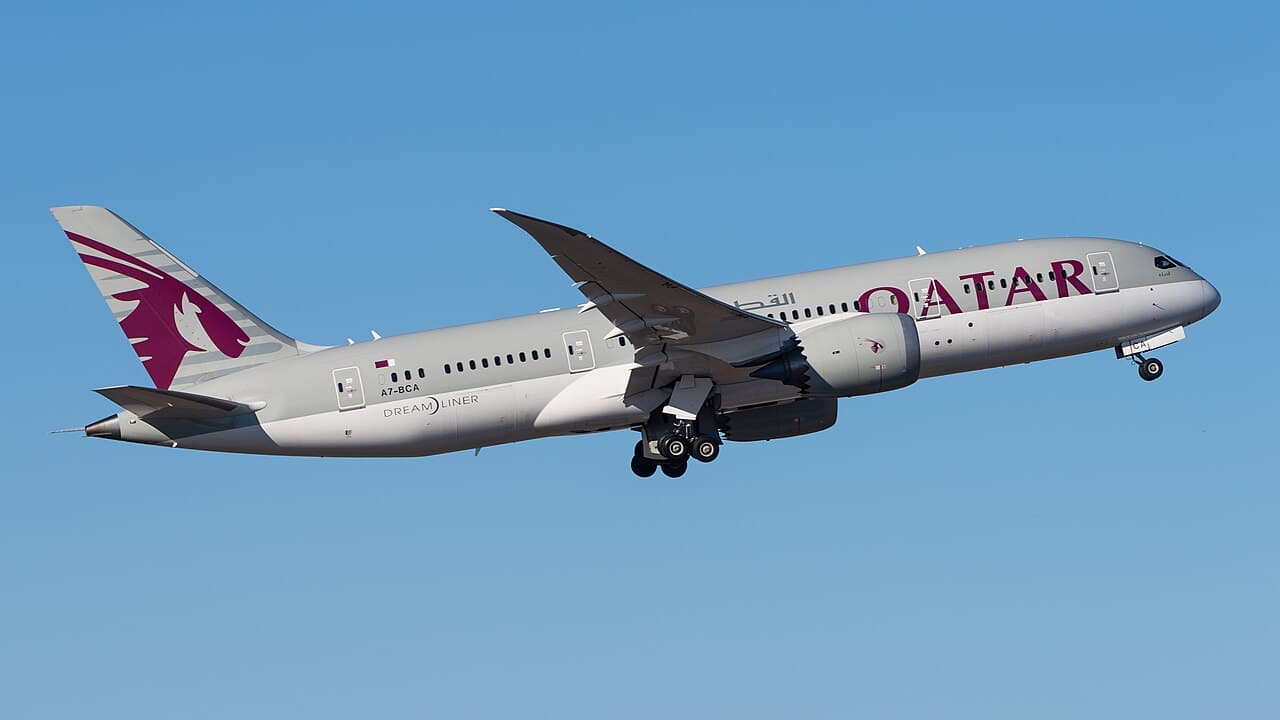
Study Finds GEnx-Powered Boeing 787-10 Leads Widebody Fuel Efficiency Among 14 Competitors
An Aircraft Commerce study comparing 14 widebody aircraft-engine combinations across five routes found that the GEnx-powered Boeing 787-10 produces the lowest fuel burn per available seat mile of any widebody configuration currently in service. The finding ranked the 787-10/GEnx ahead of the same aircraft with Trent 1000 engines, ahead of both A350 variants, and ahead of every older widebody type including the 777-200ER, 777-300ER, and 747-400.

WestJet Flight Attendants Strike Halts All Boeing 737 and 787 Flights in Canada
WestJet flight attendants have officially gone on strike after last-minute contract negotiations failed, forcing Canada's second-largest airline to cancel all scheduled Boeing 737 and Boeing 787 operations. The strike began on Sunday, August 2, at the height of the country's busy summer holiday period, immediately disrupting travel plans for tens of thousands of passengers across Canada and on international routes. More than 300 flights were canceled before the strike even officially started as the airline attempted to wind down operations in an orderly manner.
Norse Atlantic Eyes Sale or Merger After IndiGo Leasing Deal Ends
All-Boeing 787 airline Norse Atlantic Airways is pursuing a sale, merger, or partnership, as the airline has otherwise run out of viable options, after India's IndiGo pulled the plug on its aircraft leasing agreement. To Norse Atlantic's credit, the airline sure is putting a positive spin on this . Is there any chance this will work out well for the airline, or is this overoptimism? Norse Atlantic gets back 787s, has nowhere to fly them The airline industry can be a funny business, and there's no clearer example of that than Norse Atlantic Airways. The airline launched in 2022 , with the goal of operating long haul, low cost flights, particularly across the Atlantic. That wasn't exactly a unique business model, because this was exactly what Norwegian did, before it discontinued long haul flights in 2021 . Not only was the idea sort of copied, but Norse Atlantic had some executives from Norwegian, and even picked up the planes that Norwegian previously flew. But as is all too common in the airline industry, clearly they thought it would be different this time around… it wasn't. So in 2024 we saw the airline update its business model , making the focus less about operating regularly scheduled commercial flights, and more about leasing out aircraft, all while reducing its fleet. The company got a lifeline when IndiGo decided to lease some Norse Atlantic 787s to dabble in long haul flying, ahead of the airline taking delivery of its own Airbus A350s . However, between all the airspace closures, high oil costs, and generally declining performance at IndiGo as the airline increasingly moves away from its core strengths, the airline has now decided to scrap that experiment. These planes will be returning to Norse Atlantic as of November 1, 2026. This means Norse Atlantic will be getting back five Dreamliners (beyond the one that has already been returned), just in time for the winter season… which isn't exactly the ideal time of year for a long haul, low cost airline to get more planes! So what's the plan? Norse Atlantic's IndiGo leases are coming to an end Norse Atlantic now open to basically any opportunity What does Norse Atlantic plan to do with these planes that are being returned? Well, let me just quote the airline. Here's what it had to say about fleet deployment: Norse is already engaged in discussions with several airlines regarding ACMI opportunities for up to five aircraft and expects to provide further updates in due course. Moreover, the Company intends to deploy part of the returning fleet within its own network for increased production on selected profitable routes during the upcoming winter season, such as flights from Europe to Orlando and New York. And here's the more interesting point, about a strategic update: The transition provides Norse Atlantic with greater fleet flexibility as the Company advances its strategic review. Given the level of interest received to date as part of the strategic review, the Board has decided to move forward with a formal process, which may result in a sale, merger or partnership. Further information will be provided as and when appropriate. I also can't help but point out this quote from Norse Atlantic CEO Eivind Roald: "The return of these six aircraft opens up strategic opportunities that were not available to us before. We are seeing strong demand for modern, fuel-efficient long-haul aircraft, and we also see attractive opportunities to deploy additional capacity within our own network. Our priority is to use this increased flexibility to improve profitability and create long-term value for our shareholders." Correct, when you run out of business opportunities, that does indeed open up strategic opportunities that were not available before! Now, I'm struggling to see where there's much upside here. Norse Atlantic leases its fleet of planes, so it's not like an "acquisition" of a company that barely has scheduled flights and that is struggling to lease out aircraft adds much value. If Norse Atlantic's own scheduled operations were anywhere close to profitable on a year-round basis, the airline wouldn't be in this situation. If someone wanted the planes, well… they could just do what Norse Atlantic did to Norwegian. Wait until the company goes out of business and the planes are returned to the leasing company, and then pick them up there. I'm not trying to be so flippant, I feel bad for the people who would be losing their jobs here. But we also have to be realistic that basically replicating a failed business model with the same planes and similar routes isn't a recipe for success. We've seen this over and over… just look at what we saw in Iceland with WOW Air and then PLAY Airlines. Norse Atlantic's top cabin is premium economy Bottom line Norse Atlantic is once again finding itself in a tough situation — well, even tougher situation, since I don't think it was ever in a good situation. For the past 18 months or so, the airline has been leasing out a majority of its active fleet to IndiGo, but those planes will be returned as of late 2026. While the airline claims it will try to redeploy the planes on profitable routes, that's easier said than done. It's also reportedly in talks to lease the planes to other airlines. The company is pursuing "strategic opportunities," which could include a sale, merger, or partnership, but the upside seems pretty limited when your planes are leased in the first place. How do you see this situation playing out for Norse Atlantic?
Rolls-Royce Applies A330neo Engine Tech to Fix Boeing 787's Trent 1000 Issues
In an ironic twist of fate, the Boeing 787 Dreamliner foiled the market debut of the Airbus A330neo, yet in 2022, new turbine parts made for the European widebody finally resolved long-running engine trouble in the 787. The American-made next-gen jetliner caught Airbus off guard when it officially launched in 2004. But the engines on the facelifted Airbus have proven to be more reliable over the years. The Rolls-Royce Trent 7000 engines on the A330neo have logged over 1 million continuous engine flying hours with zero in-flight disruptions and nearly 100% dispatch reliability.
The Daily Touch & Go
The day's best aviation news in your inbox. Free, no spam.