

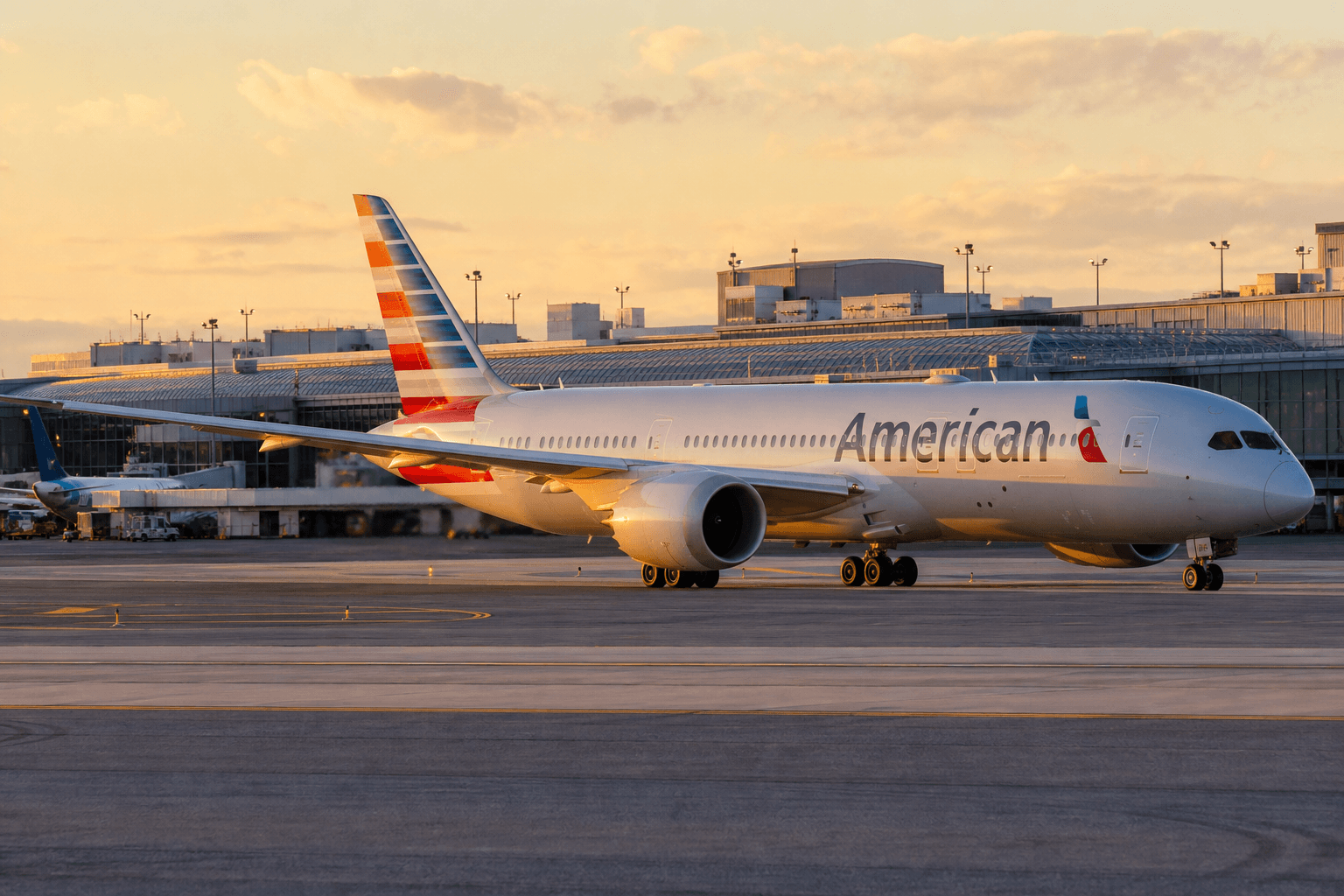
Illustration: The Touch & Go
American Airlines Ends Philadelphia-Doha 14.5-Hour Nonstop Route
American Airlines has discontinued its longest nonstop flight from Philadelphia to Doha, trimming its global network as part of broader route adjustments.
The gist
American Airlines has stopped flying its longest route, Philadelphia to Doha, after operating 14.5-hour nonstop flights.
Continuing coverage
All Route Network →- Qatar Airways Shifts New Zealand Flights From Adelaide to Melbourne Starting December
- Aer Lingus cuts three US routes and trims fleet amid rising transatlantic rivalry
- British Airways Ends 36 Long-Haul Routes From London Over Past Two Decades
- British Airways Launches 11 Ultra-Long Boeing 787 Routes Including Sydney and Melbourne
- Delta Air Lines Posts $1.6 Billion Q2 Profit on Strong Revenue Growth Despite Rising Fuel Costs
American Airlines has officially ceased operations of its nonstop route between Philadelphia International Airport and Hamad International Airport in Doha, Qatar. This flight held the distinction as the longest route ever operated by the carrier from Philadelphia, covering an extensive distance with a typical flight duration of approximately 14.5 hours. The termination of this service marks a shift in the airline's strategic network planning, balancing expansion in other markets with reductions on less profitable or more challenging long-haul sectors.
The Philadelphia-Doha route operated using long-range aircraft tailored for ultra-long haul services, designed to maximize fuel efficiency and passenger comfort over vast distances. The decision to discontinue this service follows a series of network adjustments by American Airlines, which recently launched nine new routes on a single day, signaling a reallocation of resources toward markets with stronger demand or competitive advantage.
Philadelphia International Airport has served as a significant transatlantic and global hub for American Airlines. However, ultra-long haul flights such as the one to Doha impose unique operational demands, including crew management complexities, higher costs, and exposure to geopolitical factors. Adjusting the airline's route portfolio reflects an ongoing industry-wide reassessment of network profitability and resilience in the post-pandemic environment.
Doha's Hamad International Airport, a premier gateway in the Middle East, has been a key hub for connections across Asia, Africa, and Europe. American Airlines' entry into this market with a nonstop flight added competitive pressure against carriers based in the Middle East, while offering passengers in the Philadelphia region direct access to this global crossroads. The end of this route may shift some demand back onto connecting itineraries via other American hubs or partner airlines.
The timing of the route discontinuation coincides with broader strategic moves by American Airlines to refine its offerings amid fluctuating international travel demand and evolving geopolitical considerations. While expanding presence in select markets, the airline appears to be rationalizing long-haul capacity where load factors or yields might not meet targets.
Passengers who previously relied on the Philadelphia-Doha nonstop service will need to rebook flights with connections or via alternative hubs. American Airlines has not announced immediate replacement services for this route, suggesting a pause or reconsideration of direct Middle East services from Philadelphia. This move aligns with industry patterns where ultra-long haul flights are scrutinized for operational efficiency and commercial viability.
The cessation of the Philadelphia-Doha route also reflects the broader aviation landscape where airlines continuously optimize route networks to adapt to changing travel patterns, fuel costs, and competitive dynamics. American Airlines’ decision underscores the complexities faced in maintaining extremely long-distance routes, especially given evolving international travel regulations and passenger preferences.
Looking back, the launch of the Philadelphia-Doha service represented a milestone for American Airlines, showcasing its capability to operate one of the world’s longest flights nonstop. The conclusion of this chapter drives a clear signal that continuous evaluation of such mega-routes is essential in maintaining financial and operational health within a major global carrier’s portfolio.
Read more
All Airports →
American Airlines updates West Palm Beach airport name and code to honor Donald Trump
American Airlines is giving employees talking points to explain West Palm Beach airport's Trump rename, pointing to Florida law and IATA guidance. Gate screens already display the presidential name, while the airport code officially changes from PBI to DJT on August 18.
American Airlines Offers $1,125 to Volunteers for Seat Waiver on Philadelphia Flight
I set out to kill time with a lounge crawl across the Philadelphia airport and wound up with a snapshot of American Airlines today: Bollinger and cheesesteaks in the Flagship Lounge, buses from a barren concourse, and a startling $1,125 offer at my gate for someone to give up a seat. The trip ended with one of aviation's great views, and a reminder of how much customer service has disappeared from airports. It was Sunday and I had a long time to kill in the Philadelphia airport before my American Airlines flight down to D.C. So I pulled up my Royal Jordianian oneworld sapphire status, which gives me access to American’s business class Flagship lounges even on domestic flights. That status match offer was a winner. At Philadephia, that’s in the international terminal A West.…
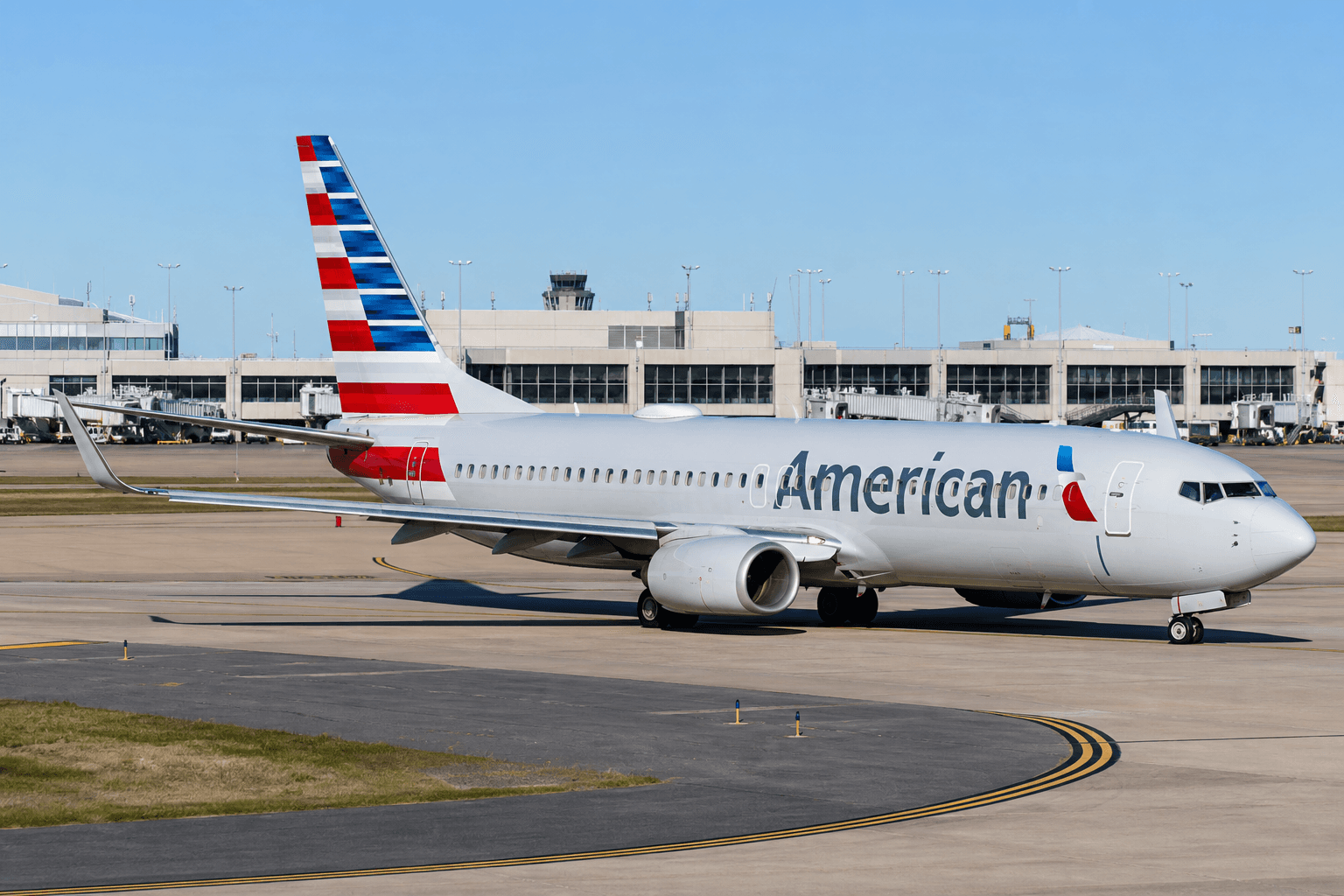
American Airlines Faces Flight Attendant Shortages at Dallas Hub Due to Management Groundings
Managers at American Airlines’ biggest hub at the Dallas-Fort Worth International Airport (DFW) blocked 1,128 days’ worth of work for flight attendants in a single month, as crew members were grounded while the airline carried out investigations into anonymous complaints, first-time lateness, and stolen crew devices. The Association of Professional Flight Attendants (APFA), which represents more than 7,000 crew members at DFW , by far American Airlines’ biggest base, now says the carrier’s “increasingly rigid disciplinary process” is having a real effect on punctuality, with flights being delayed because there aren’t enough flight attendants. And while DFW saw the highest number of lost flight attendant work days in June, APFA says a similar situation occurred across the airline’s hub bases that are dotted around the United States. Miami (MIA) lost around 646 flight attendant work days in June, LaGuardia (LGA) lost 484 days, Charlotte (CLT) lost 477, Philadelphia (PHL) lost 420 days, Chicago (ORD) lost 317 days, Phoenix (PHX) lost 221 days, Los Angeles (LAX) lost 201 days, and finally, Washington National (DCA) lost 68 days. In total, nearly 4,000 flight attendants’ work days were lost in June because flight attendants were being pulled off working flights so that they could attend management meetings or were grounded due to ongoing investigations. “No one is arguing against accountability. But somewhere along the way, common sense has been replaced,” an internal memo from APFA said. The union places the blame for this massive increase in lost flight attendant work days on a newly introduced management structure, which APFA describes as “micromanagement.” “Years of disappointing financial performance, recurring operational failures, inexperienced leadership, a lack of support for both passengers and employees, siloed departments, and an unhealthy obsession with disciplining Flight Attendants instead of addressing management’s own shortcomings have brought us to this point,” a second memo from the union slammed. “While the company has the right to manage its employees, we question why nearly every interaction has become an investigation.” When American Airlines’ Vice President of Inflight Bobbi Wells introduced the new management structure, it was described as a way to offer flight attendants, who don’t routinely work with a manager, more support. Instead, APFA says the new management structure is “disrupting our operations and costing the company dearly through unnecessary and excessive paid removals at all bases.” The union says it both accepts and supports the fact that management has the right to investigate and manage flight attendants, but claims the airline has become too focused on discipline. In one case, the union claims a flight attendant was put under investigation after they were the victim of a passenger assault. In another case, several flight attendants had to answer why they followed the airline’s own policies when a passenger made a complaint. The latest dispute comes just months after American Airlines introduced a new system that scores flight attendants against a slew of metrics that the carrier was quietly building over a 12-month period before anyone was even aware the platform, dubbed ‘Me@Work’ was being introduced. For now, at least, the platform is being sold as a way for flight attendants to monitor their own performance and give them insight into how their performance compares to their coworkers. Metrics included in the overall 'Me@Work' score include customer satisfaction, flight delays attributed to flight attendants, a so-called 'operational contribution,' and other data.
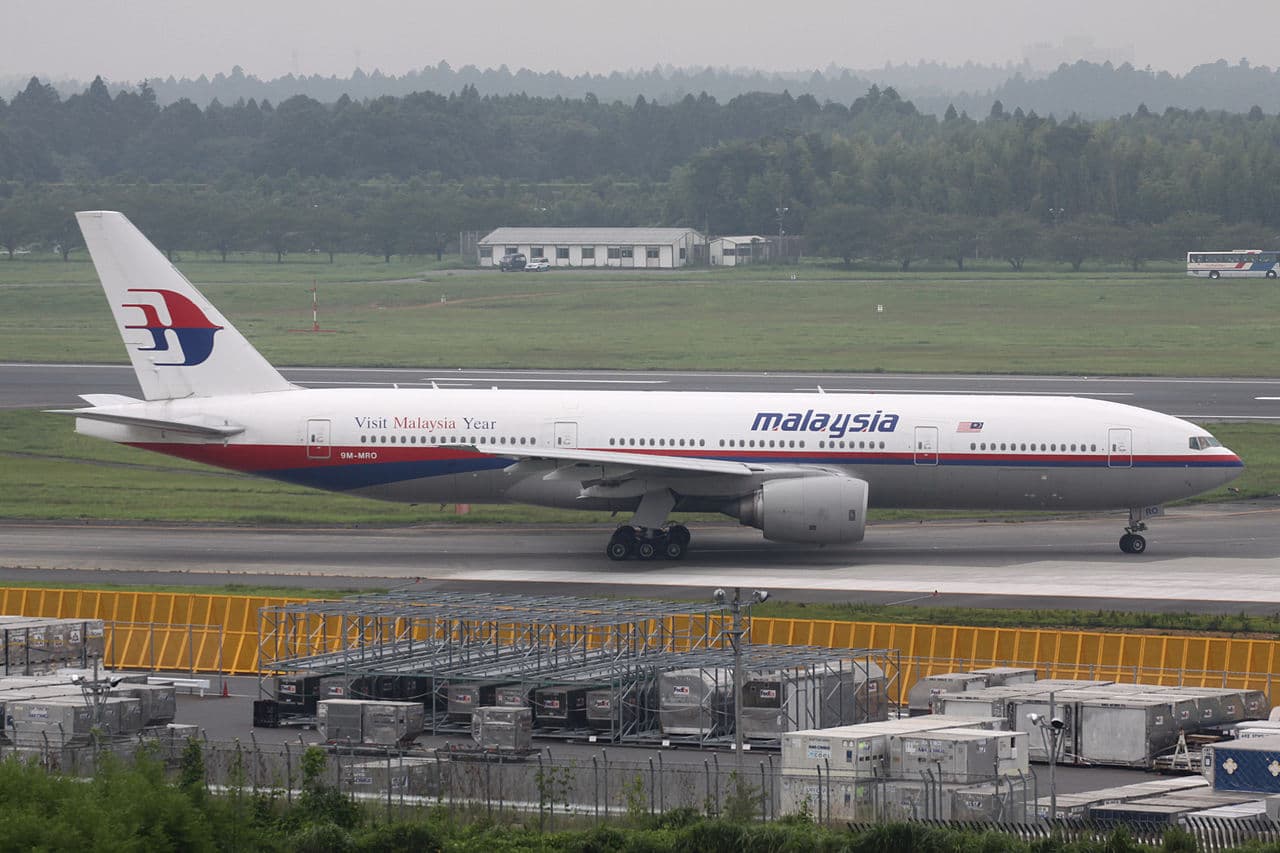
Malaysia Airlines Pilot Detained in Indonesia for Smuggling Over 70,000 Ecstasy Pills
A Malaysia Airlines pilot faces the threat of being sentenced to death by a court in Indonesia after he was allegedly caught trying to smuggle more than 70,000 ecstasy pills into Soekarno–Hatta International Airport on the island of Java during a work trip, hiding the more than 55 pounds of narcotics in his luggage. To make matters worse, the Malaysia Airlines pilot, who had just operated a flight from Kuala Lumpur, tested positive for ecstasy (also known as MDMA) and cocaine. Identified only by the initials MBSO, the Boeing 737 First Officer has been detained under Law No. 35 of 2009 on Narcotics, which carries a maximum sentence of death for the most serious charges or life imprisonment. Indonesian authorities said on Friday that MBSO was caught after a routine X-ray inspection of luggage by customs officials. Officers noticed something suspicious in a suitcase, which was identified by MBSO as being his. Inside, they discovered 14 large packages containing ecstasy and one package of methamphetamine. In total, officials counted 70,114 ecstasy pills. MBSO then allegedly told law enforcement that he had been recruited by a drug-smuggling gang, and for this particular shipment, he had been promised a payout of 50,000 Malaysian Ringgit (US $12,235). He was to transport the shipment to Jakarta, where he would check into a local hotel and meet up with a runner who would collect the drugs. This wasn’t the first time that MBSO had smuggled drugs into Indonesia, prosecutors allege. He has also allegedly smuggled methamphetamine to Sabah, Malaysia, and delivered 7 kg of methamphetamine to Jakarta during a previous trip. While rare, pilots and flight attendants are sometimes recruited by international drug smuggling gangs, often targeting crew members with debt problems or substance misuse issues. Malaysia Airlines has had more than its fair share of crew members caught up in this type of activity. In 2018, for example, a senior member of cabin crew at Malaysia Airlines was jailed for 12 months after being caught trying to smuggle £150,000 in criminal cash out of Heathrow Airport in West London. The money is believed to have come from illegal drug dealing. Two years later, a Malaysian flight attendant who hid millions of dollars’ worth of heroin in her underwear was jailed for nine and a half years by a Melbourne court for smuggling the drugs into Australia. The mother of two smuggled heroin into Australia on at least eight occasions between October 2018 and January 2019, when she was finally caught. The flight attendant claimed she had agreed to help the drug smugglers to help pay off her daughter's mounting medical bills. Other airlines in the region have had similar issues. In March 2023, four Vietnam Airlines flight attendants were arrested on suspicion of trying to smuggle around 11.4 kilograms of ecstasy from France through Ho Chi Minh City Airport. The drugs were concealed in toothpaste tubes. And a couple of monts a go, a Thai flight attendant was busted by police and customs agents at Melbourne International Airport as she attempted to smuggle 1kg of heroin into Australia.
The Daily Touch & Go
The day's best aviation news in your inbox. Free, no spam.