

Illustration: The Touch & Go
Air Saint-Pierre Operates Rare Paris to Saint-Pierre Transatlantic Flights Using Boeing 737-700
Air Saint-Pierre runs weekly summer nonstop transatlantic flights between Paris Charles de Gaulle and Saint-Pierre Pointe-Blanche Airport via a leased Boeing 737-700 aircraft.
The gist
Air Saint-Pierre uniquely offers seasonal nonstop transatlantic service between Paris and Saint-Pierre using a Boeing 737-700, a rare narrowbody transatlantic route.
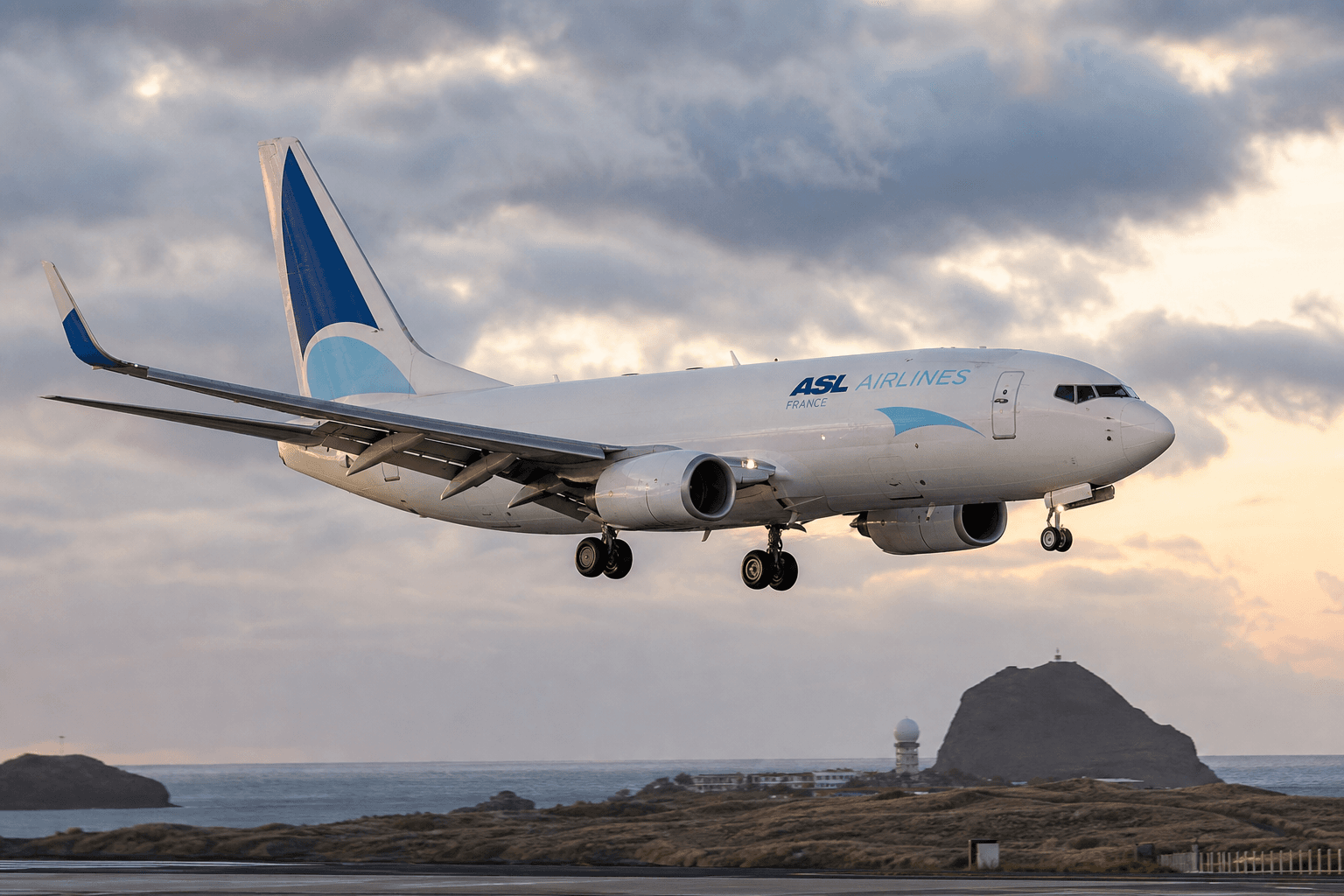
The transatlantic aviation market is traditionally dominated by large widebody aircraft connecting major hubs in North America and Europe. Yet, a particularly unusual service stands out: a weekly nonstop flight connecting Paris Charles de Gaulle (CDG) and Saint-Pierre Pointe-Blanche Airport (FSP), the airport for the small French overseas territory of Saint-Pierre-et-Miquelon near Canada. This obscure route is operated by Air Saint-Pierre with a narrowbody Boeing 737-700, a rarity on transatlantic legs.
Air Saint-Pierre's flights on this route run seasonally once a week during the summer months, from June 22 through September 7, 2026. According to flight schedules compiled by Cirium, these 12 round trips mark a unique nonstop transatlantic corridor between mainland France and Saint-Pierre. The outbound flight, PJ637, departs Paris CDG every Monday at 4:00 PM and lands in Saint-Pierre approximately six and a half hours later at 6:30 PM local time. The aircraft then remains overnight before returning eastbound as flight PJ638 on Tuesday, departing at 10:30 AM and arriving back in Paris at 8:05 PM local time.
While Air Saint-Pierre predominantly operates ATR 42 turboprop aircraft for its regional routes, these aircraft lack the range and payload capacity for the transatlantic route. Instead, the Paris-Saint-Pierre service is operated by ASL Airlines France on behalf of Air Saint-Pierre using a Boeing 737-700. This specific jet, tail number F-GZTP, was built in December 2006, initially operated by China Southern Airlines before joining ASL Airlines France in 2017. It features 148 economy class seats.
Operationally, this narrowbody twinjet manages the route effectively, but with restrictions. Although configured with 148 seats, Air Saint-Pierre limits available seats to 122 per flight, capping capacity at approximately 82.4%. This seat restriction arises due to the relatively short 1,800-meter runway at Saint-Pierre Pointe-Blanche Airport, which constrains the aircraft's maximum takeoff weight and payload capacity. Payload limits are common operational considerations for airports with shorter runways, especially on long overwater legs.
Flight tracking data from Flightradar24 indicates the transatlantic journey times vary with wind and conditions. Eastbound flights from Saint-Pierre to Paris can take as little as 4 hours and 40 minutes, while westbound flights toward Saint-Pierre commonly take a bit longer, around 5 hours and 14 minutes, though scheduled times are 6.5 hours westbound and 5 hours 35 minutes eastbound. These times demonstrate the efficiency achievable on a transatlantic route with a narrowbody jet under favorable conditions.
Without this direct nonstop service to Paris, passengers traveling between Saint-Pierre and the French mainland must transfer through Canadian airports. Air Saint-Pierre maintains frequent regional service connecting Saint-Pierre with three Canadian cities: Halifax, Montreal, and St. John's. Seasonal schedules for July 2026 detail four weekly ATR turboprop flights to Halifax, two to Montreal, and one to St. John's weekly. These connections provide alternative air links but require transit stops rather than direct flights.
The Paris nonstop service represents a strategic niche operation linking the small French overseas community directly with the European continent. At only 1,800 meters, Pointe-Blanche's runway limits aircraft choices, but ASL Airlines France’s 737-700 lease enables it to effectively bridge the Atlantic route that turboprops cannot reach. This operation highlights creative fleet utilization and routing strategies in niche aviation markets.
Such a rare narrowbody nonstop transatlantic service underlines the flexibility of modern 737-class aircraft to serve uncommon routes longer dominated by larger widebodies. Air Saint-Pierre's continued seasonal operation since 2018 of this transatlantic connection confirms the demand for direct access from Saint-Pierre-et-Miquelon to mainland France, despite the logistical challenges of short runway infrastructure and limited aircraft payload.
This unusual service provides insight into how small regional operators and leasing partnerships expand connectivity across transoceanic distances. The combination of aircraft choice, runway limitations, and market demand shapes unique routes that remain lesser known outside niche aviation circles but sustain vital transport links for remote territories.
Frequently asked questions
- What aircraft type operates the Paris to Saint-Pierre transatlantic flight?
- ASL Airlines France operates the route on behalf of Air Saint-Pierre using a Boeing 737-700 aircraft configured with 148 economy seats.
- Why is the Paris to Saint-Pierre flight limited to 122 passengers despite having 148 seats?
- The short 1,800-meter runway at Saint-Pierre Pointe-Blanche Airport restricts the aircraft's maximum takeoff weight, limiting available seats to approximately 122 for operational safety.
- How often do nonstop flights between Paris and Saint-Pierre operate?
- These seasonal nonstop flights operate once weekly during the summer months, specifically on Mondays from June 22 to September 7, 2026. They return eastbound on Tuesdays.
Read more
All Airlines →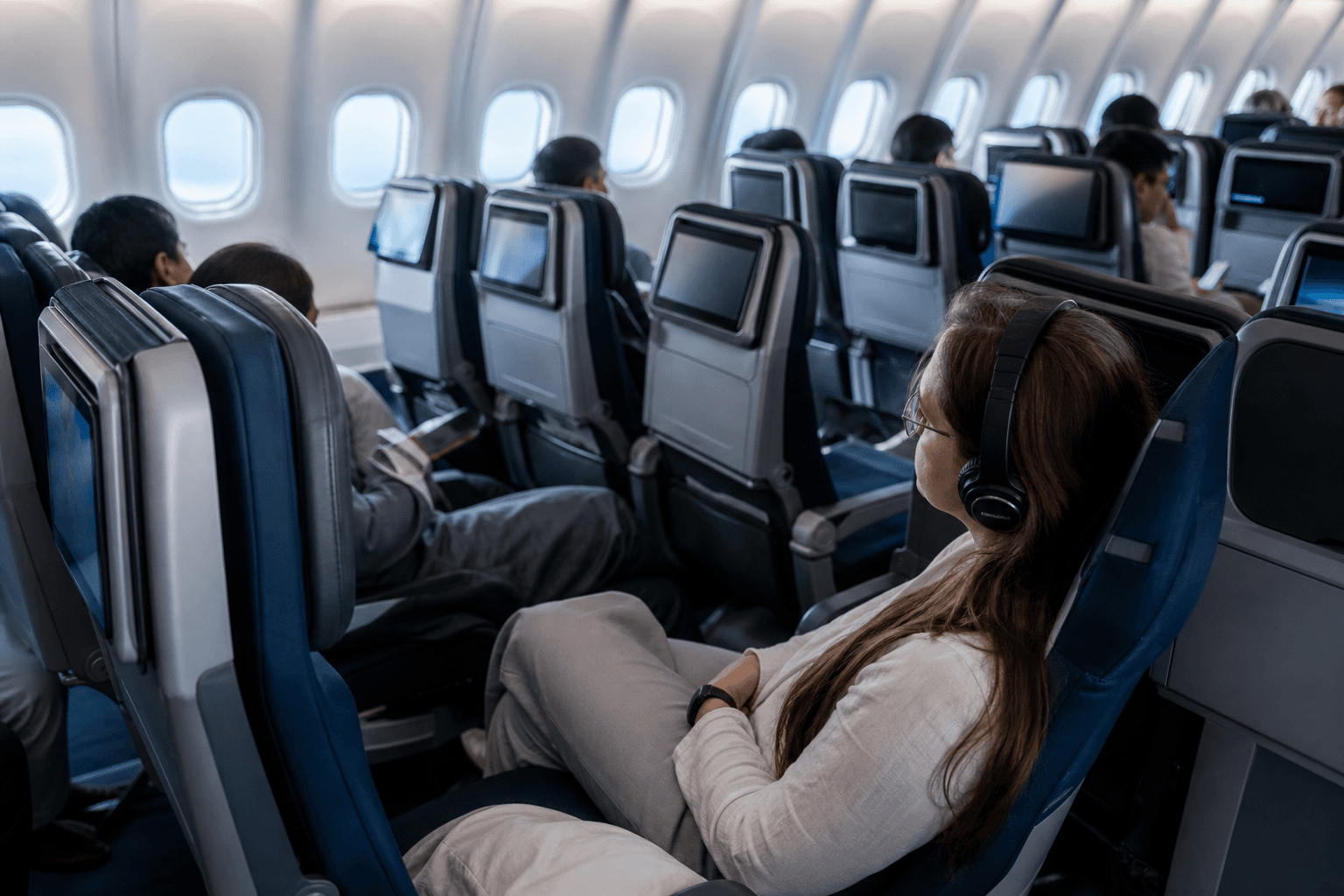
Top 10 Airlines with the Most Comfortable Economy Class Seats in 2026
Not all economy class cabins are created equal. Some airlines go beyond the basics, offering meals you will actually enjoy, seat space that feels livable, and cabin crew who treat passengers kindly.
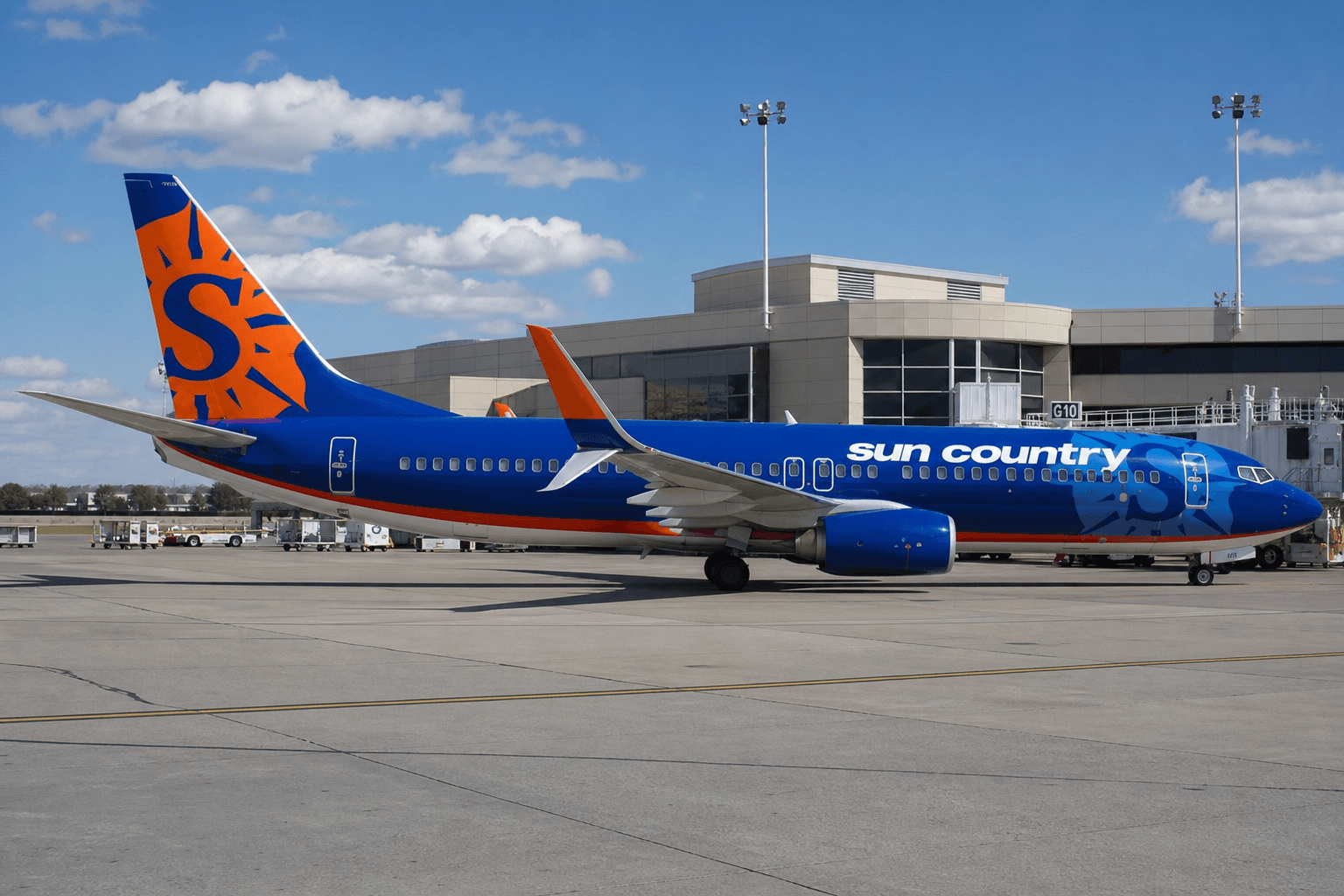
Allegiant to Retire Sun Country Brand by Early 2028 After FAA Merger Approval
The two carriers officially merged in May but are maintaining separate operations for the time being.
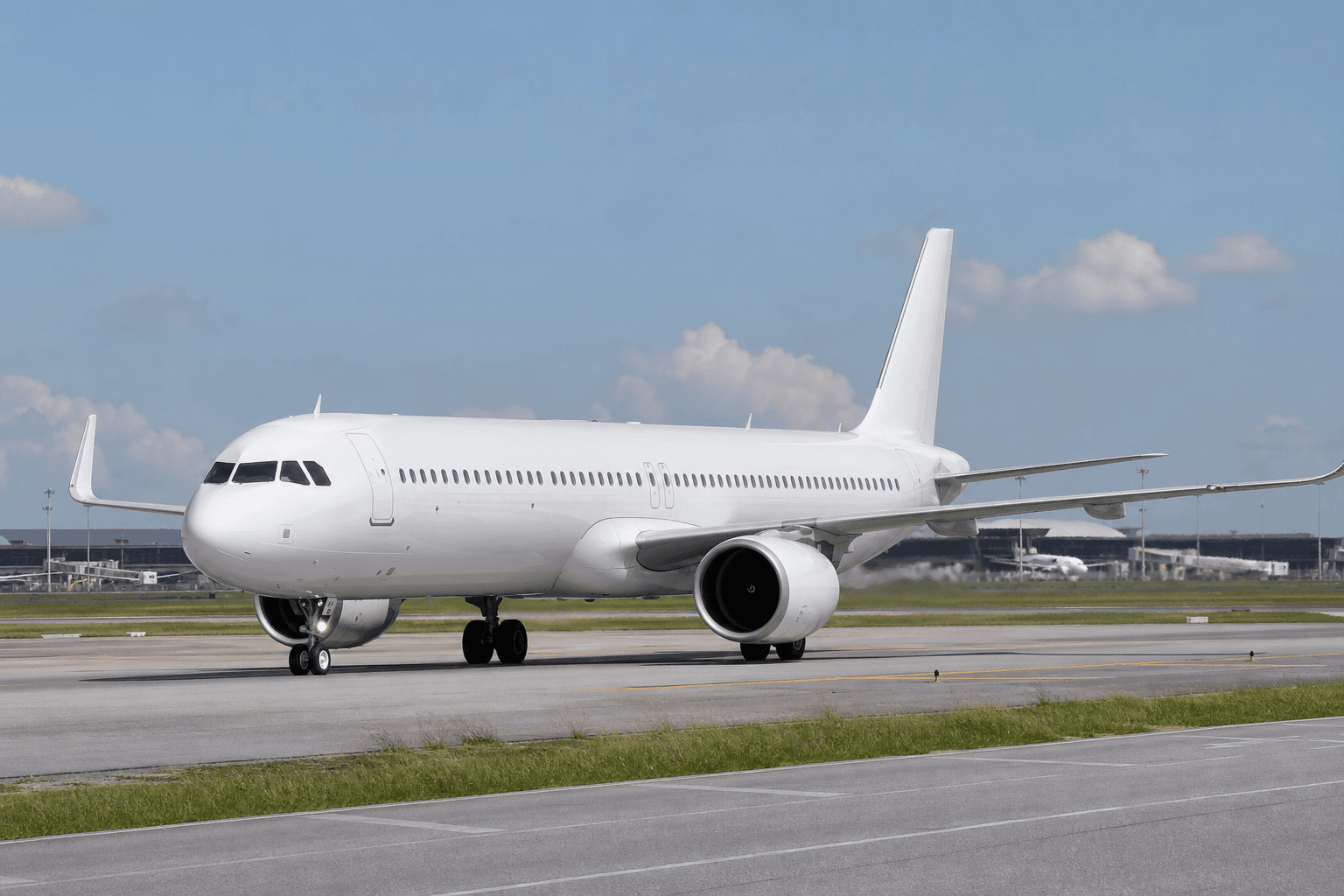
AirAsia X ends widebody expansion, pivots to Airbus A321XLR single-aisle strategy
In mid-2026, Airbus was hit with a major decision from one of its long-standing customers. AirAsia X and Airbus reached a mutual agreement to remove the remaining 15 Airbus A330-900 aircraft from the manufacturer's backlog. The decision unravels a long-shelved widebody expansion plan that had previously been framed as the future of budget travel across the Asia-Pacific region. Now formally striking these twin-aisle flagships from its future alignment, the airline group has reached an undeniable conclusion: the economic realities of flying massive, multi-aisle jets on long-distance budget routes no longer make structural sense in a volatile global market.
Kenya Airways Dreamliner Returns to Nairobi Due to Flight Controls Spoiler Issue
The New York-bound flight turned around over central Africa and landed safely in Nairobi.
The Daily Touch & Go
The day's best aviation news in your inbox. Free, no spam.