

Illustration: The Touch & Go
How a Single Airline CEO Can Influence oneworld Alliance Membership Decisions
A single CEO's power to block an airline from joining the oneworld alliance reveals the high-stakes strategy behind global airline alliances.
The gist
One CEO's veto can prevent an airline joining oneworld, highlighting the complex politics of global airline alliances.
In the dynamic world of aviation, airline alliances have become a critical pathway for carriers to expand their global reach and enhance competitiveness. Unlike in aviation’s early years, when airlines operated independently, alliances today represent a strategic approach where member airlines cooperate on routes, ticketing, and customer benefits. Among the leading alliances, oneworld stands out, but its membership process is subject to complex decision-making, including the significant influence held by individual CEOs.
A striking aspect of oneworld’s admission process is the authority vested in the CEOs of member airlines. This power means that a single CEO can effectively veto the addition of a new carrier into the alliance. The rationale behind this significant control lies in protecting existing members’ interests, safeguarding market share, and maintaining alliance cohesion. CEOs weigh the competitive impact and strategic fit before consenting to expand the alliance.
The veto power is not a mere formality; it underscores the delicate balance alliances must maintain. Every new member can alter market dynamics, routes coordination, and revenue sharing. By granting CEOs such influence, oneworld ensures that new entrants align closely with the shared values and strategic goals upheld by the alliance’s existing carriers. This adds a layer of scrutiny that goes beyond operational or financial metrics to consider broader competitive implications.
Historically, airline alliances evolved to counteract the fragmentation and competition that limited airline growth. Whereas early airlines independently built and managed their networks, alliances enable a coordinated approach enhancing connectivity, scheduling, and service standards. This shift aligns with the globalized nature of modern air travel, where passengers expect seamless experiences across multiple airlines and continents.
The oneworld alliance, which includes some of the world’s most prominent airlines, has established rigorous criteria for membership. These criteria cover factors such as network synergism, operational compatibility, and mutual benefits for passengers and carriers. However, the unique authority of individual CEOs to block membership requests adds a personal and strategic dimension to these assessments.
This CEO veto mechanism also reflects the political undercurrents within aviation alliances. Airlines are sensitive to how new entrants could shift power balances or threaten established routes and partnerships. Thus, CEOs act as gatekeepers, balancing alliance growth opportunities against the risks of diluting existing members’ advantages. This dynamic can impact negotiation timelines and the strategic positioning of potential members.
Looking forward, the importance of alliance memberships continues to grow as airlines seek access to new markets, cost efficiencies, and enhanced brand strength. The CEO veto power, while controversial, ensures that any expansion is deliberate and preserves alliance integrity. Potential member airlines must therefore engage deeply with existing leadership and demonstrate clear value to gain acceptance.
Ultimately, the ability of a single CEO to influence oneworld’s membership decisions highlights both the complexity and high stakes involved in modern airline alliances. It underscores the intersection of strategic business considerations and personal leadership decisions shaping the global aviation landscape. Stakeholders and aviation watchers should continue observing how this power shapes alliance developments and global airline cooperation.
Read more
All Airlines →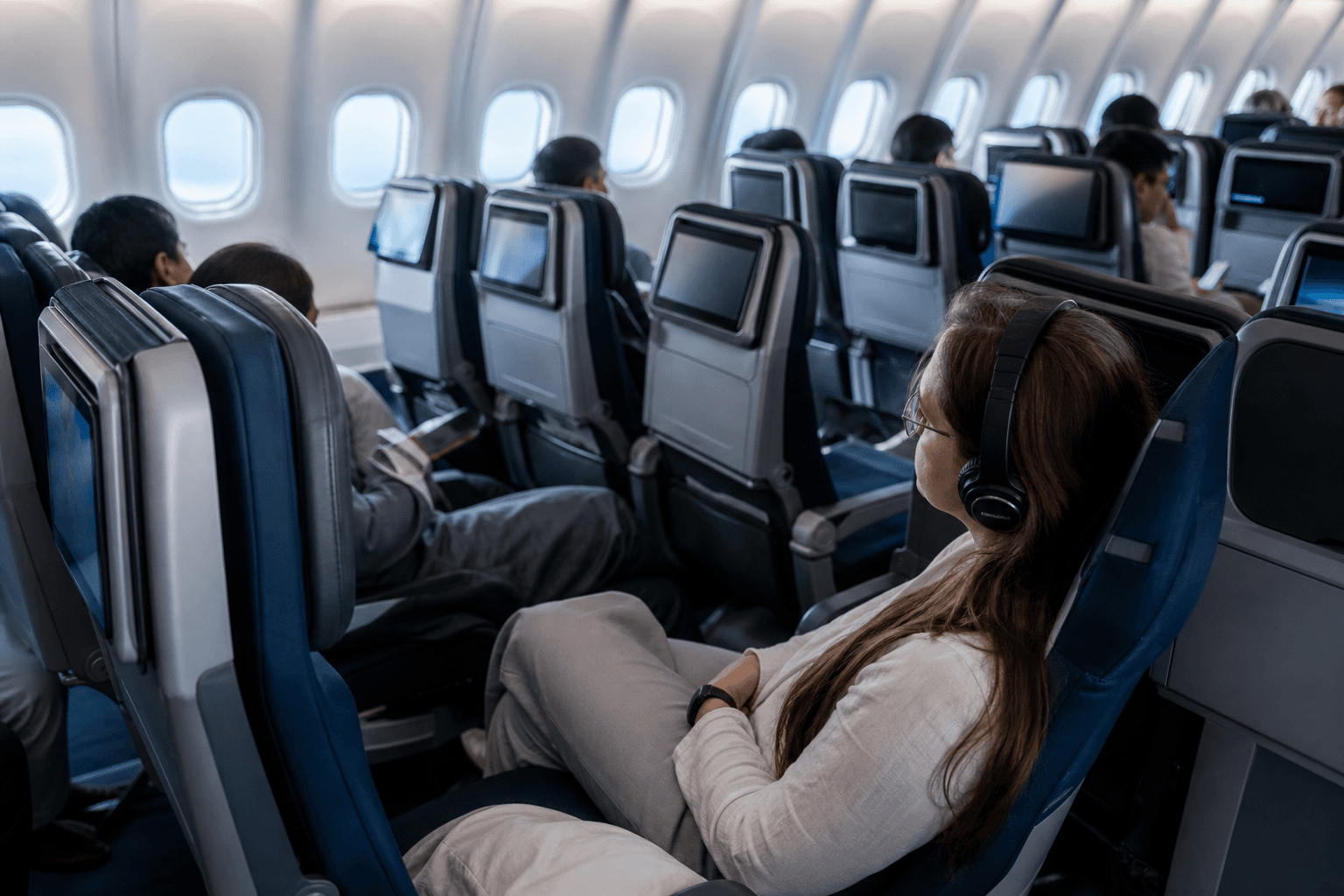
Top 10 Airlines with the Most Comfortable Economy Class Seats in 2026
Not all economy class cabins are created equal. Some airlines go beyond the basics, offering meals you will actually enjoy, seat space that feels livable, and cabin crew who treat passengers kindly.
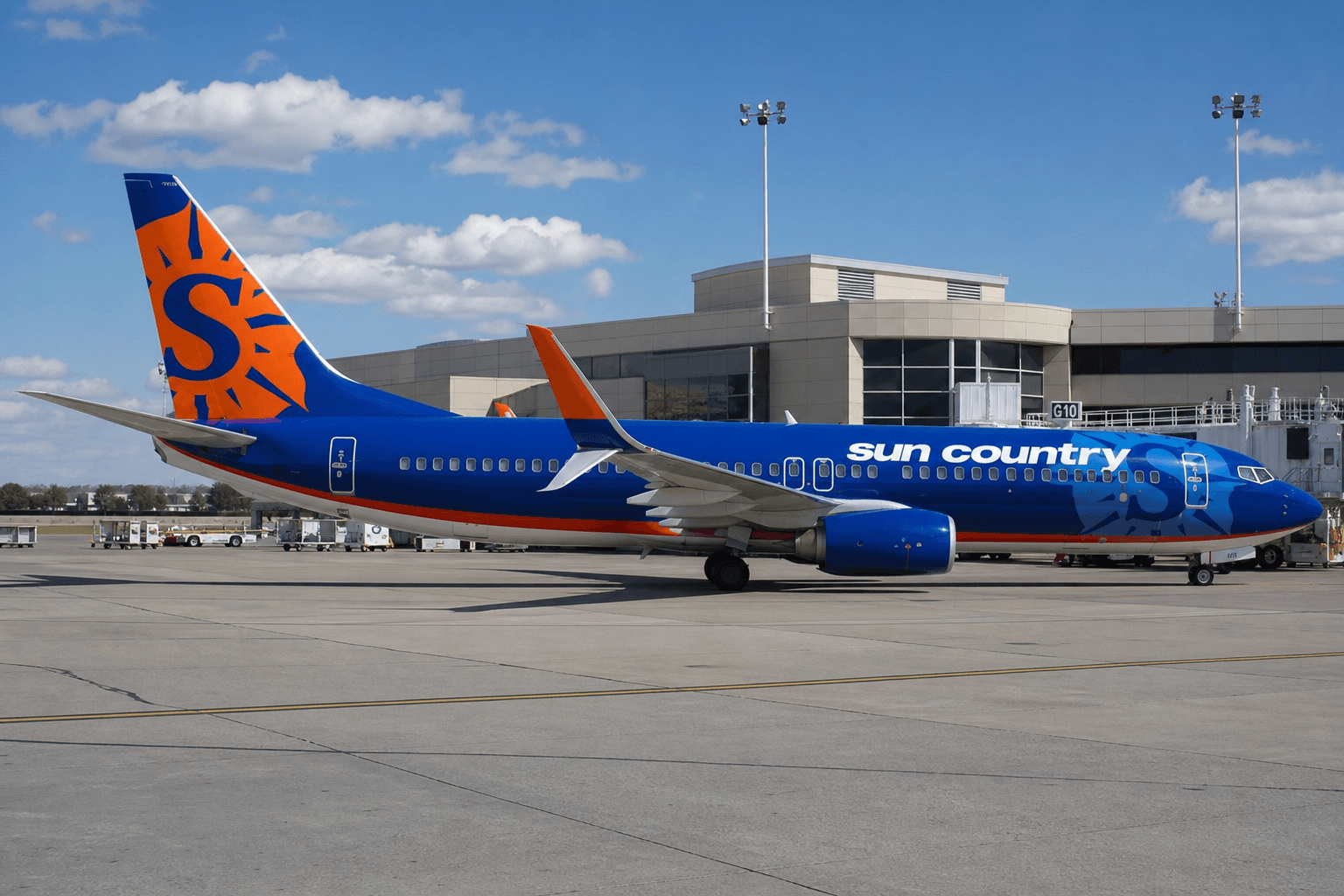
Allegiant to Retire Sun Country Brand by Early 2028 After FAA Merger Approval
The two carriers officially merged in May but are maintaining separate operations for the time being.
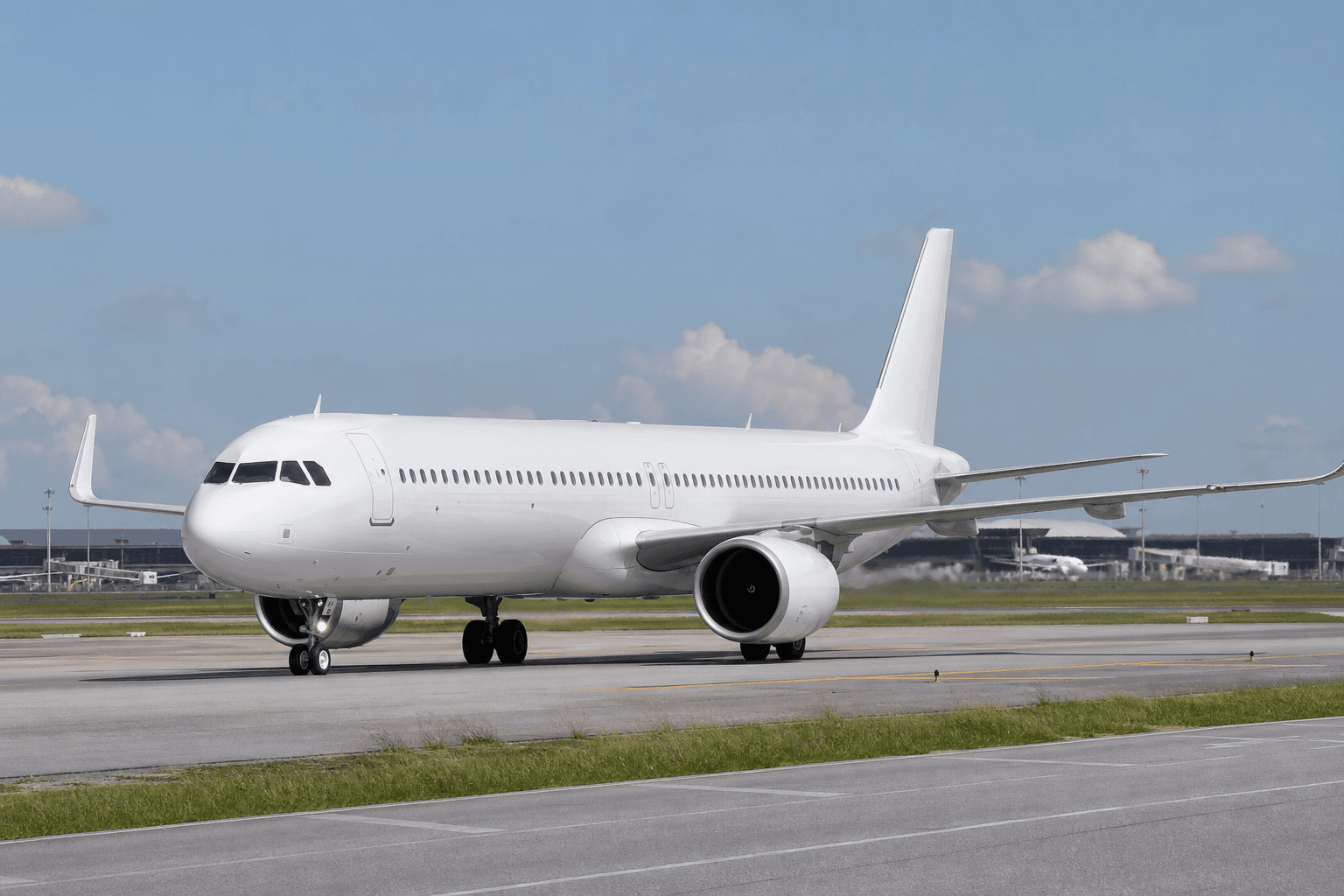
AirAsia X ends widebody expansion, pivots to Airbus A321XLR single-aisle strategy
In mid-2026, Airbus was hit with a major decision from one of its long-standing customers. AirAsia X and Airbus reached a mutual agreement to remove the remaining 15 Airbus A330-900 aircraft from the manufacturer's backlog. The decision unravels a long-shelved widebody expansion plan that had previously been framed as the future of budget travel across the Asia-Pacific region. Now formally striking these twin-aisle flagships from its future alignment, the airline group has reached an undeniable conclusion: the economic realities of flying massive, multi-aisle jets on long-distance budget routes no longer make structural sense in a volatile global market.
Kenya Airways Dreamliner Returns to Nairobi Due to Flight Controls Spoiler Issue
The New York-bound flight turned around over central Africa and landed safely in Nairobi.
The Daily Touch & Go
The day's best aviation news in your inbox. Free, no spam.