

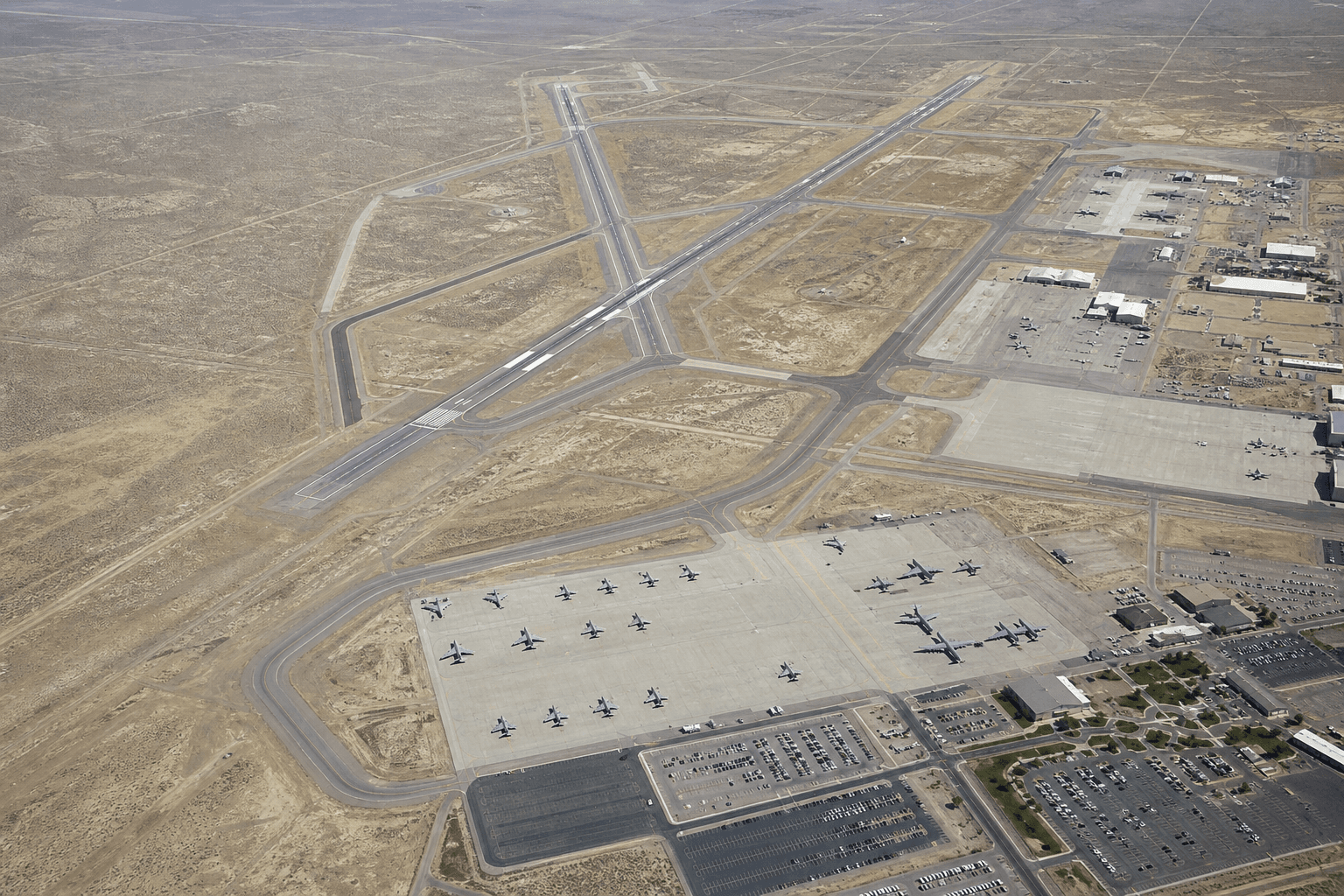
Illustration: The Touch & Go
US Navy Operates Six Largest Naval Air Stations Spanning Vast Land Areas
The US Navy's extensive aviation footprint includes six major naval air stations covering from 10,000 to 55,000 acres, supporting fighter squadrons, research, and testing missions.
The gist
The US Navy's six largest naval air stations stretch across tens of thousands of acres, underpinning its carrier strike, testing, and electronic warfare capabilities.
The United States Navy maintains one of the world's most extensive military aviation networks, encompassing a variety of shore-based installations that support carrier-based squadrons, research, testing, and training. Among these facilities, six naval air stations stand out by their sheer land area, ranging from 10,000 acres to an expansive 55,000 acres. These stations are crucial to the operation and readiness of the Navy's carrier air wings and development of next-generation aircraft.
At the smaller end of this group, Naval Air Station (NAS) Oceana in Virginia covers over 10,000 acres, including the adjacent Dam Neck Annex. Oceana serves as the Navy's primary East Coast master jet base and is home to multiple carrier-based strike fighter squadrons. The station supports intensive flight operations for the Atlantic Fleet, providing crucial infrastructure specifically designed for carrier aviation missions, including maintenance and training.
Moving northward, NAS Patuxent River in Maryland extends over approximately 14,500 acres along the Chesapeake Bay shore. Known colloquially as Pax River, this base is the headquarters of the Naval Air Systems Command (NAVAIR) and a key center for naval aviation research and development. Unlike fleet bases focused on operations, Patuxent River specializes in testing and evaluation of new aircraft and systems, controlling extensive restricted airspace for safe and secure flight testing.
Patuxent River's role in naval aviation innovation is underscored by its involvement in the development and testing of programs ranging from the F-35 Lightning II stealth fighter to unmanned systems like the MQ-25 Stingray. The installation hosts a diverse fleet for evaluation purposes including manned fixed-wing and rotary-wing platforms, reflecting its unique contribution to future naval air capabilities.
Further west, Naval Air Station Lemoore in California sprawls across nearly 30,000 acres in the state's Central Valley. Opened in 1961 to meet growing carrier aviation demands, this base currently functions as the Navy's primary West Coast jet fighter hub. Lemoore supports the bulk of Pacific Fleet carrier strike fighter squadrons, operating large numbers of F/A-18E/F Super Hornets and F-35C Lightning IIs.
Lemoore's remote location provides expansive, unrestricted airspace ideal for rigorous flight training and operations, along with facilities designed to sustain thousands of personnel and multiple fighter squadrons. The base significantly bolsters the Navy's ability to project power across the Pacific by maintaining high readiness for carrier deployments.
The largest by land area is NAS Whidbey Island in Washington, encompassing over 55,000 acres when including associated training properties. Situated in the Puget Sound region, Whidbey Island is renowned as the home of the Navy's EA-18G Growler electronic attack aircraft community. The station supports specialized electronic warfare missions critical to modern naval operations.
Its expansive acreage provides ample space for training ranges and airspace essential for the Growler squadrons to conduct electronic warfare exercises and maintain operational proficiency. Whidbey Island's facilities also accommodate a range of support and maintenance operations tailored to the demanding requirements of the EA-18G and other assigned aircraft.
Collectively, these six largest naval air stations illustrate the scale and diversity of the US Navy's shore-based aviation infrastructure. From operational fleet fighter bases on both coasts to cutting-edge research and electronic attack hubs, the vast land areas controlled by these installations are integral to sustaining and advancing the Navy's carrier aviation capabilities. Their varied missions and geographic distribution reflect the multifaceted nature of modern naval air power.
Read more
All Military/Defense →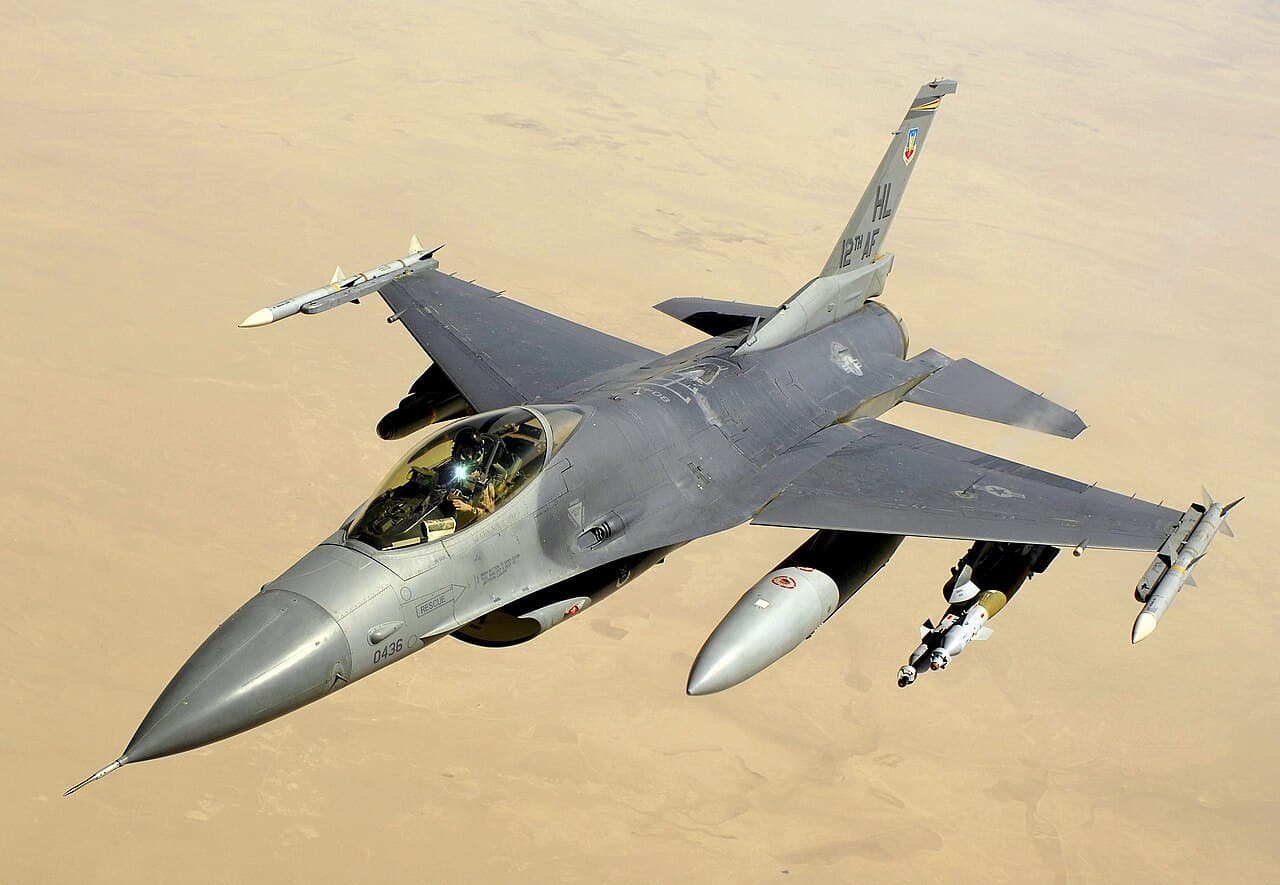
F-16 Viper Gets Major Combat Boost with New AN/APG-83 AESA Radar Upgrade
The Lockheed Martin F-16 Fighting Falcon, also known as the Viper, is no longer the premier lightweight fighter jet of the US Air Force, but it is far from irrelevant. As a much less expensive airframe than the more exquisite F-35 Lightning II, the Viper continues to roll off the assembly line. It is the most mass-produced supersonic fighter jet still in production today, with more than 4,500 examples having been delivered. Now, the existing fleet is also getting a major lethality upgrade in the form of the Northrop Grumman AN/APG-83 Scalable Agile Beam Radar.
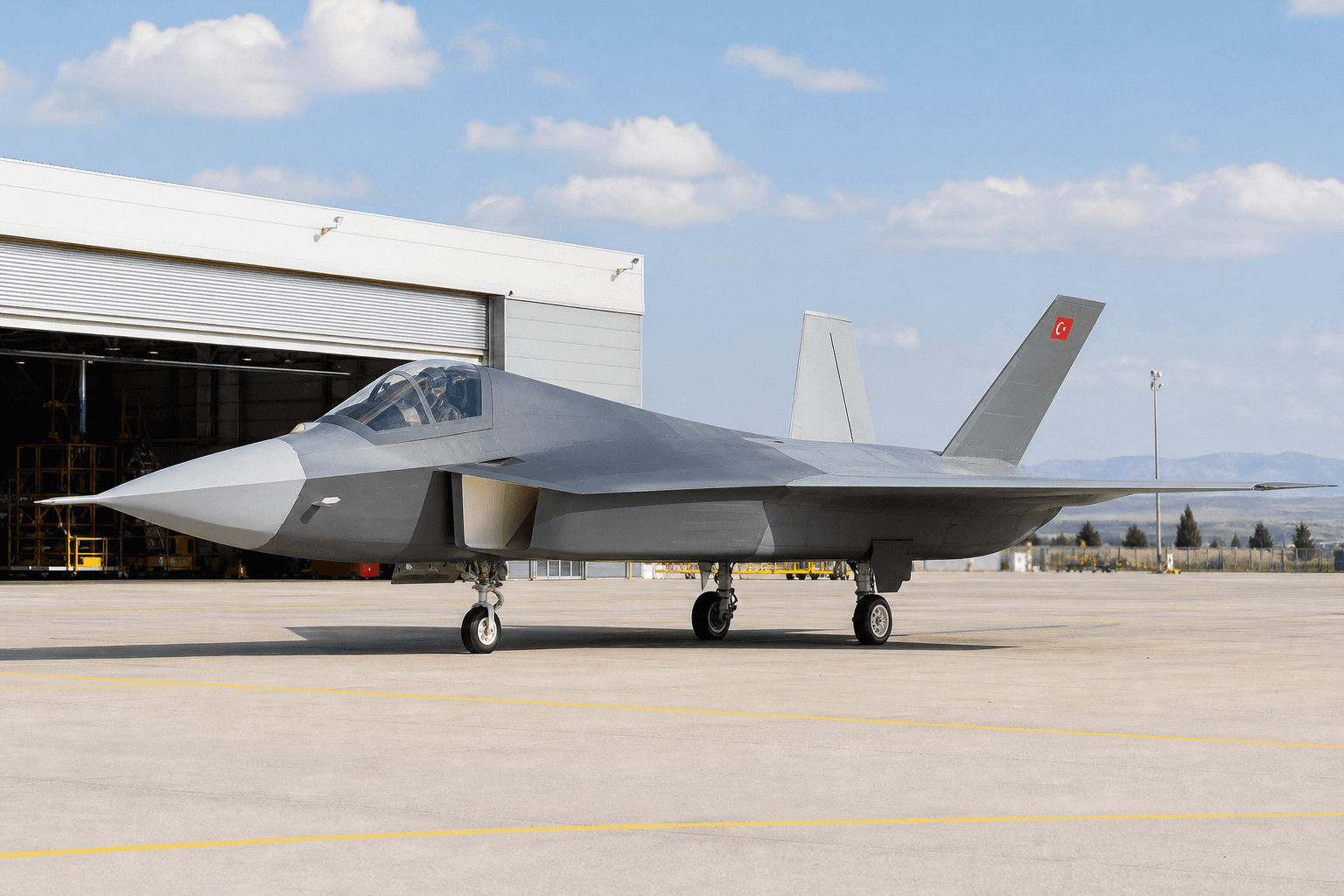
Turkish Aerospace confident Kaan fighter prototypes will fly by end 2026 with US-engine deliveries approved
Turkey’s ambitious Kaan fighter is set to enter a new phase of testing, with export approval for US-made F110 engines apparently in hand. The Turkish Aerospace (TAI) Kaan fighter programme is on track to meet its delivery schedule, with test flights of two prototypes before the end of 2026. Both the P1 and P2 prototype aircraft will be airborne before the end of year, says Mehmet Demiroglu, chief executive of Turkish Aerospace. He indicates that ground tests have already started with the aircraft. "We are waiting for a number of tests to be completed," says Demiroglu. "We are hoping that it's going to be in a couple of months that we will see [the first Kaan prototype] flying. On the second one, our goal is to also fly by the end of the year. Two Kaans will be flying by the end of year…that's our goal, and let's hope that's the case." Demiroglu spoke to FlightGlobal at the 2026 Farnborough air show. The P1 and P2 prototypes will kick testing into full gear. A demonstrator aircraft already flew in February 2024. The Kaan is powered by a pair of GE Aerospace F110 engines, but deliveries of 80 additional engines were held up owing to US sanctions related to Ankara’s earlier procurement of a Russian S-400 air defence system. TAI already had possession of 10 engines for use on Kaan prototypes prior to the restrictions. Demiroglu confirms that the US Congress has approved the export licence for the engines, and the company is now working with GE to secure the powerplants. The Trump administration recently approved Turkey's acquisition of "dozens" of F110 engines for use on the Kaan, although some congressional lawmakers have questioned the arrangement. Deliveries had been held up owing to US CAATSA (Countering America's Adversaries Through Sanctions) legislation. The CAATSA action was triggered in 2019 by the S-400 purchase, a decision that also saw Ankara booted from the Lockheed Martin F-35 programme. "Since these engines are for serial production, which is at least two, two and half years away, we will have no issue receiving those engines in time to support our serial production for the Turkish air force," says Demiroglu. He adds that the first Kaan delivery should be on track for 2028, although he concedes that the Kaan is a "challenging programme”. A specific delivery timeline for the F110 engines remains murky. A senior member of the Foreign Relations Committee in the US House of Representatives says the turbofans will "not be delivered for years". Initial Block 10 and Block 20 Kaan jets will use the F110 engine, but subsequent Block 30/40 examples will use the locally made Tusas TF35000 engine from 2032. Demiroglu also confirmed that industrial collaboration is also underway with Indonesia, which has orders for 48 Kaan fighters . While this may not lead to a Kaan assembly line in the Southeast Asian country, Indonesia's aerospace sector will be part of the aircraft's supply chain and will also support other TAI programmes. TAI is in discussion with Jakarta about offsets related to the Kaan order. It has 60 people working in Indonesia, with this number set to grow. "Kaan is the future of the Turkish air force," he adds. "It is a programme that will continue for the next 20 to 30 years."
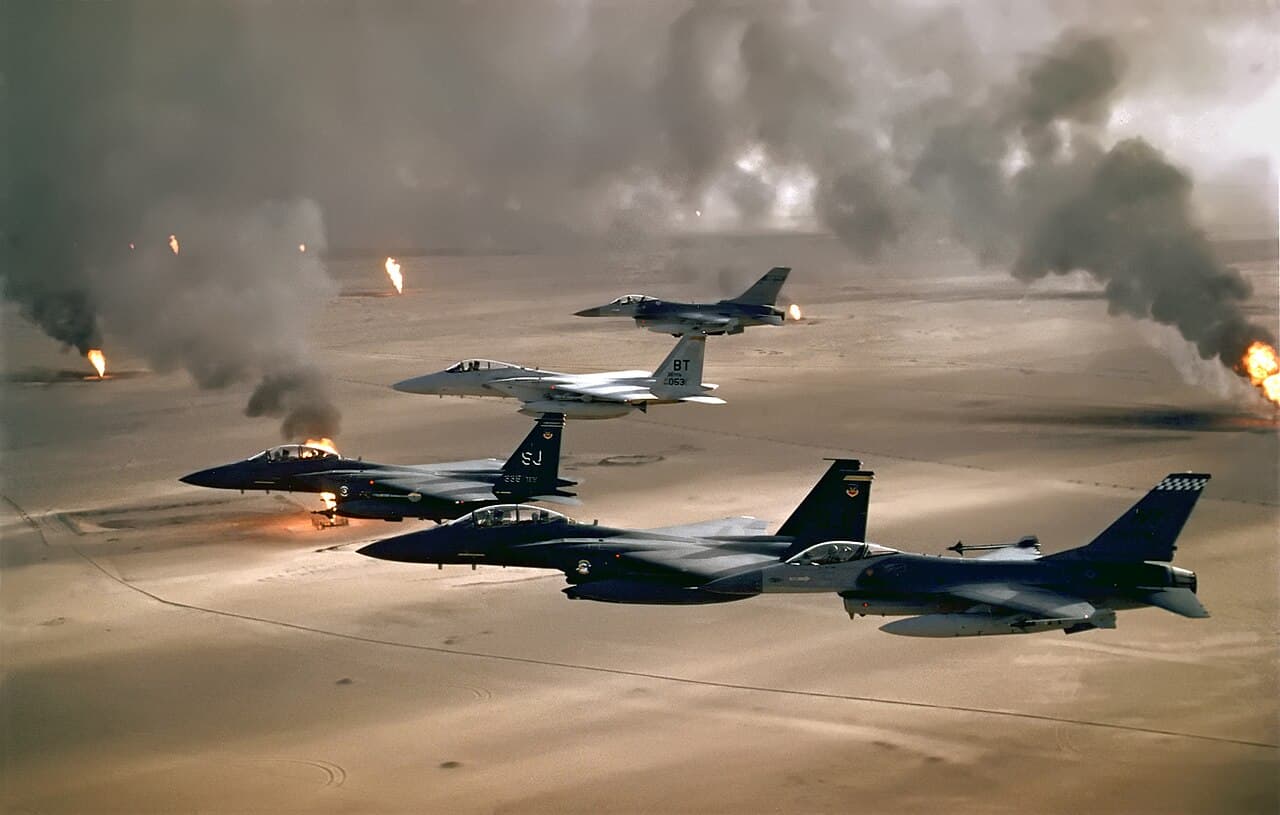
US Air Force Retires 119 F-15Es as Saudi Arabia Invests $5 Billion to Upgrade F-15SA Fleet
In February of this year, the State Department approved a foreign military sale for the Kingdom of Saudi Arabia that opens up the potential for a $3 billion fighter jet deal . Despite speculation that the Kingdom may be procuring the Lockheed Martin F-35 Lightning II, they are in fact seeking to upgrade the fleet of Boeing F-15SA Eagle air superiority fighter jets. Boeing's multi-billion dollar upgrade program is explicitly designed to close the technology gap and bring the Royal Saudi Air Force F-15SA fleet up to parity with the US Air Force's F-15EX Eagle II.
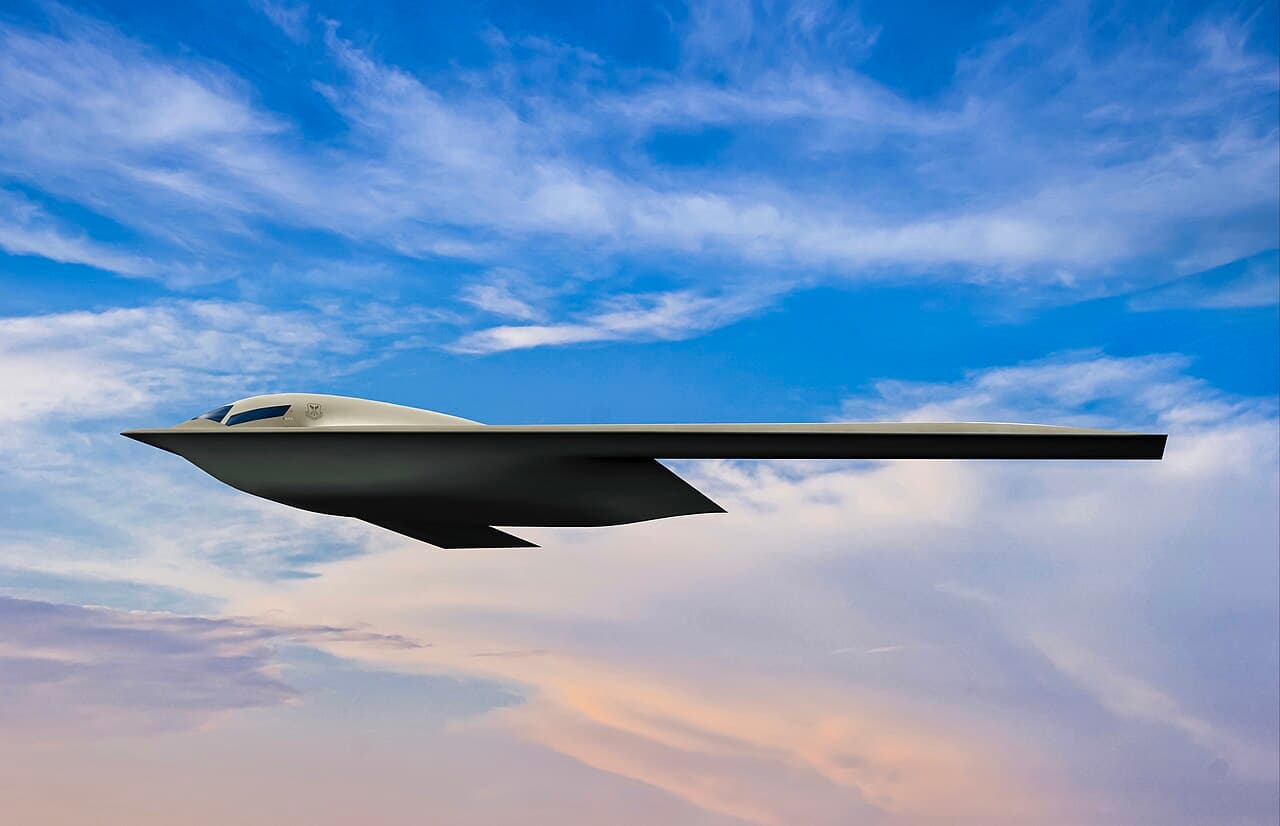
USAF to Convert B-21 Raider Test Jets Directly into Combat Bombers from 2027
The United States Air Force has a couple of test Northrop Grumman B-21 Raiders that are blurring the line between testing and fielding. The B-21 Raider is expected to enter service in 2027, making it the world's first all-new strategic bomber to enter service since the B-2 Spirit entered service in 1997. China is also working to develop its Xi'an H-20 stealthy strategic bomber, but it is unclear when it will enter service.
The Daily Touch & Go
The day's best aviation news in your inbox. Free, no spam.