

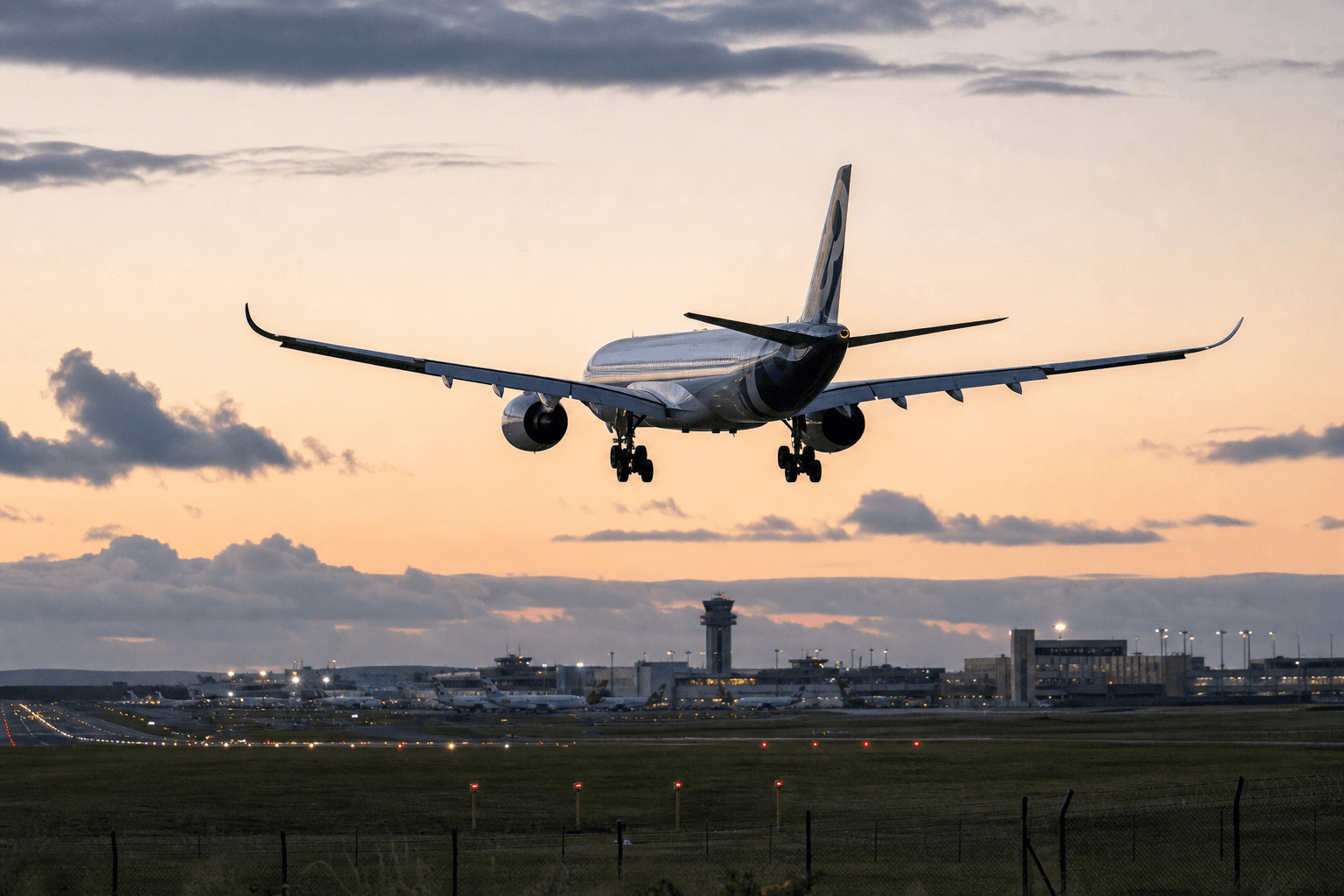
Illustration: The Touch & Go
Seven Key Airports That Frequently Serve As Critical Flight Diversion Hubs Worldwide
Certain airports across the Atlantic and Pacific stand out for their strategic locations, infrastructure, and readiness to accommodate emergency diversions of widebody aircraft during long-haul routes.
The gist
Seven airports have become crucial diversion spots for long-haul flights, providing vital safety nets during emergencies over vast oceanic routes.
Across global airspace, despite aviation’s remarkable reliability, unforeseen events such as medical emergencies, technical malfunctions, or severe weather spur flights to divert from their planned destinations. When such diversions become necessary, some airports have established reputations for their ability to absorb unexpected arrivals of various large commercial aircraft, owing to their strategic locations and infrastructure.
The Portuguese Azores archipelago is a pivotal aviation lifeline in the mid-Atlantic, hosting diversion airports like Lajes on Terceira Island and João Paulo II in Ponta Delgada. These islands are vital ETOPS alternates for flights between North America, Europe, the Caribbean, and South America. Lajes Airport’s military-origin runway is exceptionally long and was once designated a potential Space Shuttle emergency landing site, affirming its capacity to handle the largest planes, including Boeing 777s and Airbus A350s. Its role as a diversion site has been underscored by multiple recent incidents involving widebody jets.
Further northwest, Bangor International Airport in Maine plays a unique and crucial role as a transatlantic diversion airport on the U.S. northeastern edge. Despite being smaller than metropolitan hubs, Bangor’s long runway, uncongested airspace, and comprehensive customs and immigration facilities enable it to efficiently manage large aircraft diversions, including Boeing 747s and Airbus A380s. Historically a refueling point for transatlantic flights, it remains an indispensable alternative for flights destined for or originating from Europe.
In Canada, Goose Bay Airport in Labrador provides safety coverage beneath northern Atlantic flight routes. Built originally for military use, Goose Bay’s infrastructure supports widebody aircraft, making it a trusted diversion point. Its importance has risen alongside expanded ETOPS rules that allow twin-engine aircraft to operate farther from land. The airport’s capabilities were demonstrated in 2025, when a Scandinavian Airlines flight diverted there following technical difficulties that required extensive passenger accommodations.
Ted Stevens Anchorage International Airport in Alaska stands out as the Pacific counterpart to the Atlantic diversion hubs. It serves flights crossing Pacific and polar routes between North America and East Asia. Anchorage’s strategic placement ensures that long-haul traffic between cities such as New York and Tokyo or Los Angeles and Hong Kong remain within reach of this diversion field. Its robust infrastructure supports large aircraft from passenger jets to cargo carriers like FedEx and UPS, which depend on its facilities during unscheduled landings caused by medical emergencies or technical anomalies.
These airports share common characteristics that qualify them as trusted diversion fields: they feature lengthy runways, the capability to handle large and widebody aircraft, 24-hour operations, available customs and immigration services, and geographic positioning aligned with major transoceanic routes. Their abilities to swiftly accommodate unscheduled arrivals are vital for enhancing flight safety on some of the world’s longest and busiest air corridors.
While other airports such as Gander, Keflavik, and Shannon are also notable diversion locations, the seven examined—primarily Lajes and João Paulo II in the Azores; Bangor in Maine; Goose Bay in Canada; and Anchorage in Alaska—highlight how geography and infrastructure converge to create essential safety nets for the aviation industry. This layered safety infrastructure proves indispensable in mitigating risk during extended flights over vast oceanic expanses.
The enduring utility of these diversion hotspots illustrates the aviation sector’s commitment to contingency preparedness. As flight routes grow longer and aircraft capabilities expand, maintaining and upgrading such airports ensures passengers and crew retain access to safe haven fields amid emergencies. The ongoing operational readiness of these airports remains a cornerstone of transoceanic flight safety management.
Read more
All Aviation Safety →
Malaysia Orders 30-Day Drug Testing for All Pilots and Cabin Crew After Smuggling Arrest
A Malaysia Airlines pilot was recently arrested in Indonesia after they were found to be smuggling drugs into the country. With the event having serious safety and reputational ramifications for not just the airline but, indeed, the commercial aviation sector in Malaysia as a whole, authorities are working hard to ensure that the incident is not repeated. Most recently, mandatory drug testing is being rolled out.

Military GPS Jamming Probed in Fatal New Mexico Medevac Crash Amid Rising Interference Incidents
A military GPS jamming exercise is drawing renewed attention after new reporting suggested it may have contributed to the May accident of a Beechcraft King Air in New Mexico that killed four people. The accident remains under investigation, and no official probable cause has been determined. According to the report, the twin-engine aircraft was flying from Roswell to Ruidoso when it encountered GPS interference during an electronic warfare exercise near White Sands Missile Range. The crew reportedly lost reliable satellite navigation while approaching mountainous terrain at night. Three other aircraft in the area also experienced GPS disruptions during the exercise, suggesting the interference extended beyond a single flight. The report said the loss of GPS left the medevac crew with limited navigation capability during a critical phase of flight. The aircraft subsequently struck a mountainside, killing both pilots and two medical crewmembers aboard. While investigators have linked the GPS outage to the sequence of events, officials have not concluded that military jamming caused the accident. The findings remain preliminary pending completion of the investigation. The accident has also renewed concern over the increasing frequency of GPS interference. Figures cited from the Aircraft Owners and Pilots Association show reported GPS disruption events in the continental U.S. climbed from four in 2020 to 50 in 2024, with another 40 incidents recorded in 2025.
Boeing 737 MAX 7 Secures FAA Certification After Lengthy Development Delay
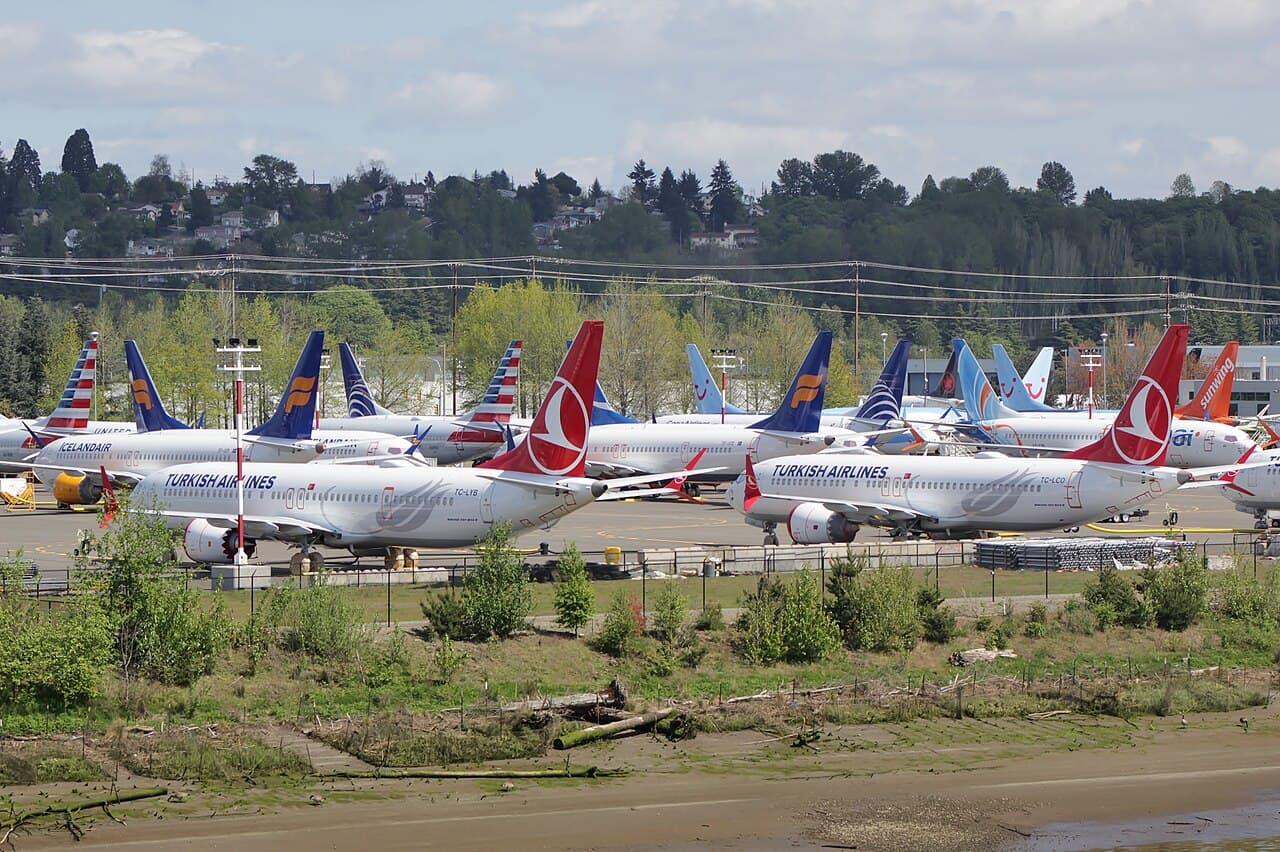
Just over 13 years ago, Boeing and Southwest Airlines came together to launch the 737 MAX 7, the third and smallest member of the 737 MAX family. In May 2013, Boeing was riding high and, alongside its launch customer Southwest , predicted that the Dallas carrier would receive its first 737-7 delivery in 2019. In the following years, the dynamics shifted significantly for Boeing with two fatal Boeing 737 MAX 8 crashes between 2018 and 2019. The worldwide Boeing MAX fleet was grounded, and confidence in the company's manufacturing and quality controls diminished. In November 2020, the Federal Aviation Administration (FAA) finally gave Boeing 's 737 MAX the go-ahead to fly commercially again, but the impact on the 737-7 development had been significant. Original artwork from 2013 (Boeing) Plans for the 737-7's entry into service were rescheduled and even when Boeing thought they were nearly there, further complications arose during the certification process. However, on August 3, 2026, Boeing finally announced the news it had been waiting to deliver for several years, confirming that the MAX 7 had secured type certification from the FAA. "This important certification validates the rigor of our airplane's design and recognizes the determination and resilience of our 737 MAX development team," Stephanie Pope, President and CEO of Boeing Commercial Airplanes, said. Since the test program began in 2018, the 737-7 has completed more than 1,000 hours of flight and ground evaluation and conducted extensive system safety analysis and human factors reviews. During the program Boeing also updated the engine anti-ice system to address a potential condition that was discovered during flight testing. The Federal Aviation Administration has certified the 737-7! This milestone for the longest-range 737 MAX validates the rigor of the design and testing and recognizes #TeamBoeing 's determination and resilience. Certification includes more than 1,000 hours of flight and ground… pic.twitter.com/0S45IjqL3u — Boeing Airplanes (@BoeingAirplanes) August 3, 2026 Boeing said that the regulatory approval "caps a multi-year certification effort" in which the company "demonstrated through comprehensive testing and analysis that the airplane meets all commercial aviation regulations". "Our team of dedicated engineers and test experts worked through challenges, an extended pandemic, and the transition to new certification processes," Pope added. "Through it all, our team stayed focused on completing all requirements and delivering a safe and more capable airplane to our customers." The FAA on 737-7 certification process The FAA issued Boeing an amended type certificate for the new 737-7 and a Production Limitation Record (PLR). In a statement explaining the aircraft's certification process, the FAA said the approval followed almost a "decade of extensive review". The FAA said its work involved resolving complex technical issues and completing a thorough review of the aircraft's design and supporting safety analyses. "Throughout the process, the FAA performed or directly reviewed significant work involving flight controls, system safety assessments, human factors, flightcrew alerting, and other novel, complex, or safety-critical areas, while also requiring testing, design changes, and additional analysis where necessary," the FAA stated. The FAA required Boeing to "incorporate key improvements" that address requirements in the Aircraft Certification, Safety, and Accountability Act and recommendations from the National Transportation Safety Board (NTSB). Anna Zvereva / Creative Commons These included updates to the flight-control software, flightcrew alerting system, and a redesigned engine anti-ice system. "These changes provide pilots with clearer information and warnings and prevent the engine inlet from overheating and potentially weakening the surrounding structure," the FAA said. FAA safety inspectors will remain present at Boeing sites across the US to oversee the manufacturing process and assess the planemaker's Safety Management System (SMS) and safety culture. "Our Boeing team held regular and detailed discussions with the FAA to ensure Boeing understood the requirements and provided transparency of our progress," said Mike Sinnett, Senior Vice President of Product Strategy, Product Development and Development Programs. "With this certification program, Boeing has developed a clearer understanding of the latest regulatory requirements, which is expected to accelerate future airplane development with a renewed emphasis on human factors, safety and quality." Focus moves to Boeing's 737-7 airline customers Focus will now begin to move to Boeing's airline customers that ordered 737-7 aircraft, namely Southwest Airlines, which has purchased around 250 jets. In response to news of the latest certification, Southwest said it was "pleased with the FAA's certification of the Boeing 737-7 aircraft, and we look forward to the plane entering service in the coming months." "Certification is an important step toward continuing to modernize our all-Boeing 737 fleet with upgraded interiors and more fuel-efficient aircraft to fit our customers' preferences and demand patterns," Southwest Airlines added. According to ch-aviation data, there are around 28 assembled 737-7s destined for Southwest currently in storage. The US carrier plans to introduce the aircraft in 2027. Boeing In the most up to date ch-aviation data available, China's Ruili Airlines has ordered two 737-7s, as had Ukraine's SkyUp Airlines. There in an order on the database for a single 737-7 from Indonesia's Jhonlin Air Transport. Luxair, the European launch customer, also ordered four 737-7s at Paris Air Show 2023. WestJet canceled its orders for Boeing's smallest MAX jet as did the now defunct Canada Jetlines. Turkmenistan Airlines also canceled an order for three 737-7s. With MAX 7 type certification now secure it remains to be seen whether more customers will be willing to purchase the aircraft. RELATED Little and large: Boeing rounds off 737-7 and 737-10 certification flight tests
Malaysia Airlines Pilot Arrested in Indonesia with 70,000 Ecstasy Pills and Multiple Drugs
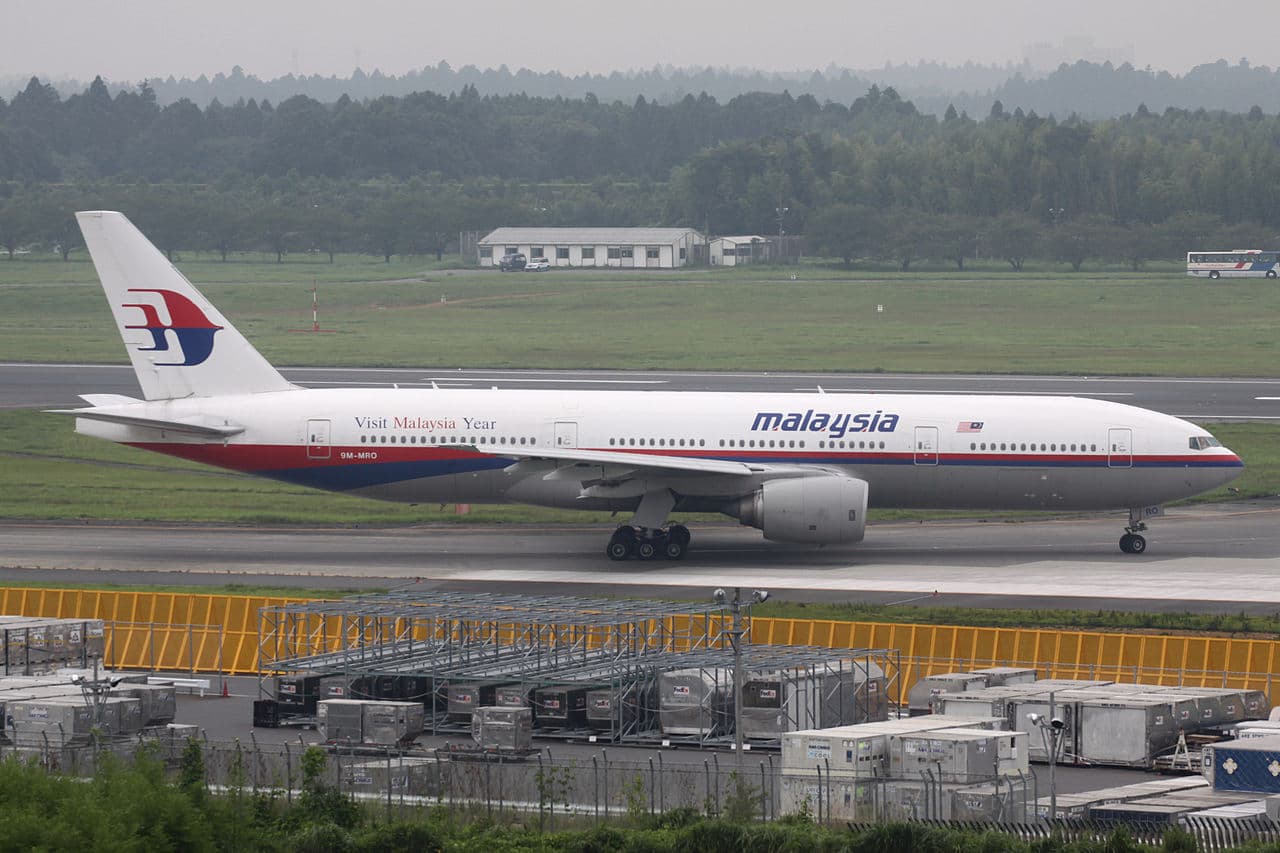
A lot of drug smuggling happens by airplane, and it's not totally uncommon to see pilots and flight attendants involved, given how much they travel, plus the special privileges they have at some airports. Well, here's one of the most extreme stories I've ever heard — a Malaysia Airlines pilot was caught in Indonesia transporting 57 pounds of ecstasy. Not only that, but he even tested positive for methamphetamine, ecstasy, and cocaine. Malaysia Airlines pilot caught smuggling drugs into Indonesia This incident happened on the night of Tuesday, July 28, 2026, at Jakarta Soekarno-Hatta Airport (CGK). Customs officers at the airport were inspecting baggage at the international arrivals hall via x-ray, and noticed a bag that looked suspicious. The bag was later collected by a 39-year-old Malaysia Airlines pilot who had just completed flight MH727 from Kuala Lumpur Airport (KUL). At that point, customs officers approached the pilot, and took him and the suitcase to a customs inspection room for further examination. It was there that authorities discovered 14 large packages containing more than 70,000 ecstasy pillows, weighing a total of 26 kilograms (57 pounds). There was also a separate package of methamphetamine. As you'd expect, the pilot was detained, and authorities are still trying to figure out the network he was involved in. During questioning, the pilot stated that he had been instructed by another person to transport the drugs to Jakarta, and that they would be picked up from his hotel. He was offered 50,000 MRY (11,700 USD) for doing the job. The pilot also admitted that he had previously transported drugs on two occasions. In addition to once previously transporting seven kilograms (15 pounds) of methamphetamine to Jakarta, he had also once transported methamphetamine to Sabahh, Malaysia. Unfortunately for this pilot, Indonesia has some of the strictest anti-drug laws of anywhere in the world, and drug trafficking charges can carry a life sentence, or even the death penalty (though the country has maintained a moratorium on executions for the last decade). This Malaysia Airlines pilot was caught at Jakarta Airport The pilot also tested positive for three different drugs Here's what makes this story even more shocking. When this all happened, the pilot also had a drug test administered on him, and that showed positive results for methamphetamine, ecstasy, and cocaine. I'm not an expert on this stuff, but I'd interpret that to mean that the results were positive for this being in his system, rather than him just coming in contact with these drugs? Because if so… wow! One would certainly hope that he hadn't consumed these drugs shortly before flying, and that they were just in his system from days earlier. Of course that still completely violates rules and is unacceptable, but there's a difference between doing these drugs days before a flight, vs. an hour before a flight. Sometimes we'll see airline employees get caught drug smuggling because they need (or want) the money, even if they wouldn't consume any of these drugs themselves. However, in this case it seems the pilot both consumed and smuggled drugs. This Malaysia Airlines pilot also tested positive for drugs Bottom line A Malaysia Airlines pilot was caught smuggling a huge quantity of drugs at Jakarta Airport, including 57,000 ecstasy pills. He admitted he had done something like this twice before, and that someone was supposed to pick up the drugs at his hotel. Unfortunately for him, this is going to come with quite the punishment, given Indonesia's strict anti-drug laws. What makes this even wilder is that a drug test was performed on him, and he tested positive for methamphetamine, ecstasy, and cocaine. What do you make of this Malaysia Airlines pilot drug bust?
The Daily Touch & Go
The day's best aviation news in your inbox. Free, no spam.