

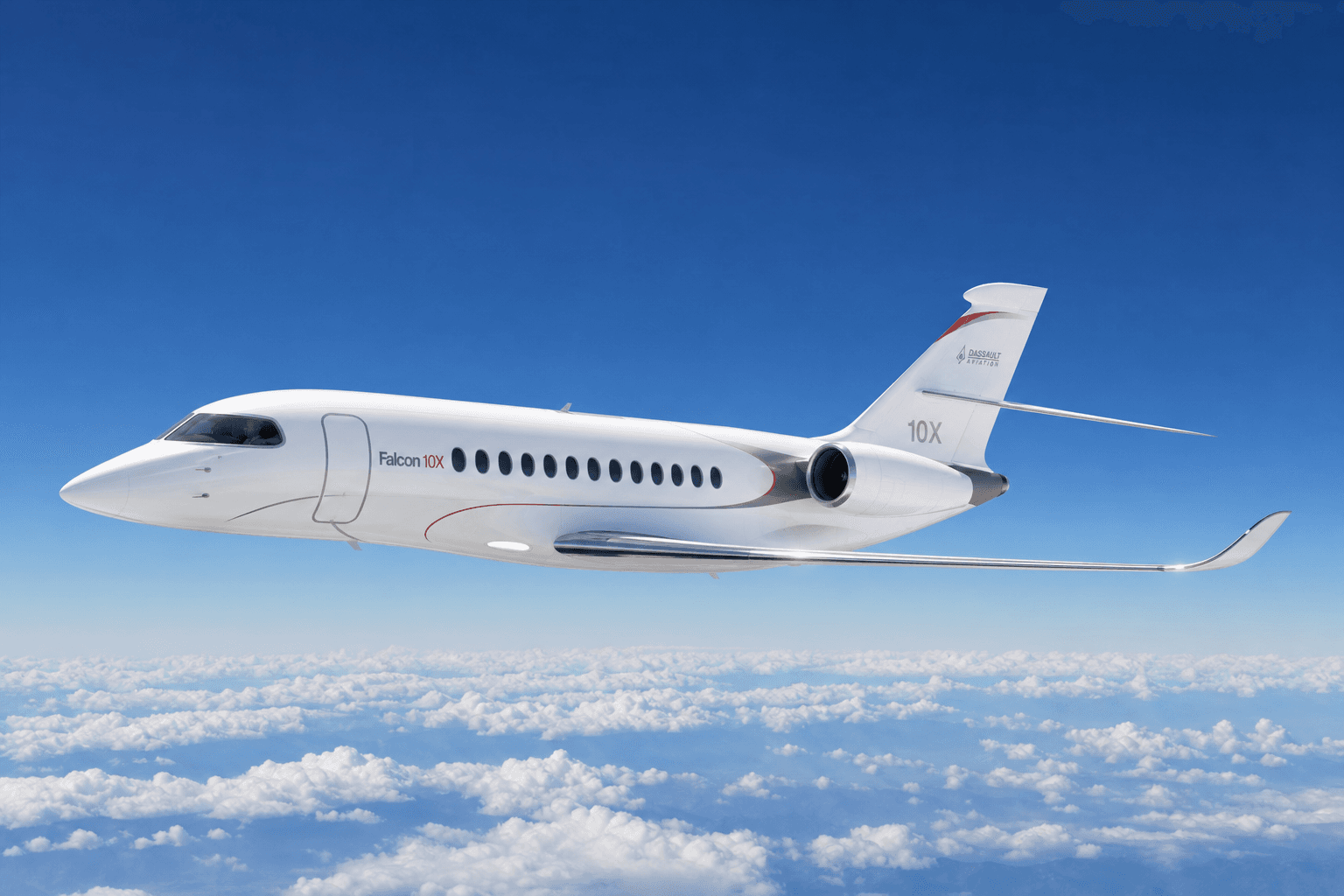
Illustration: The Touch & Go
Dassault Falcon 10X Completes Successful Maiden Flight From Bordeaux
Dassault Aviation's Falcon 10X conducted its first flight, a 2.5-hour test assessing handling and systems, marking a key milestone for the ultra-large business jet.
The gist
Falcon 10X took to the skies for the first time in a 2.5-hour flight, advancing Dassault’s next-generation business jet program.
Continuing coverage
All Business Aviation →- Chartering a Boeing 747 Costs $25K-$40K Per Hour in 2026 for Large Passenger and Cargo Needs
- Embraer debuts Phenom 300EV light jet with Garmin Emergency Autoland and upgraded range
- Embraer Launches Phenom 300EV Light Jet With Autoland and Enhanced Payload
- Palm Beach International Airport Renamed to President Donald J. Trump International Airport on July 9
- Tech Boom Fuels Surge in Private Jet Demand Among Young SpaceX Employees
The Dassault Falcon 10X ultra-large business jet achieved its inaugural flight on June 19, departing Bordeaux-Mérignac Airport in France. Test pilots Sébastien Dupont de Dinechin and Fabrice Dougnac took the aircraft into the air at 11:10 a.m. local time, returning safely at 1:40 p.m. after an extensive 2-hour and 30-minute sortie. This first flight marks the commencement of the Falcon 10X’s flight test campaign, an important phase to certify the aircraft ahead of its expected market entry later this decade.
During the maiden flight, the crew conducted evaluations of handling qualities and systems functionality at 15,000 feet. After these initial checks, the Falcon 10X retracted its landing gear and moved control surfaces before ascending to a high-altitude cruise at 40,000 feet. The aircraft then accelerated to Mach 0.82, demonstrating its designed cruise speed capabilities within the ultra-large bizjet category.
Dassault’s Chairman and CEO, Eric Trappier, described the successful flight as a milestone reflecting the skill and dedication of Dassault’s engineering, production, and flight test teams, as well as the strength of its global partners. He emphasized that the 10X flight test program’s progression ushers in a new phase for Dassault’s flagship business jet offering, signaling confidence in the aircraft’s design and future.
The Falcon 10X represents Dassault’s largest and most advanced business jet to date, designed to provide exceptional cabin space and long-range performance. The aircraft incorporates new technological advancements, including next-generation systems and aerodynamic improvements that support efficient power and range. Its inaugural flight showcases Dassault’s commitment to pushing the boundaries in business aviation innovation.
This first 10X test aircraft will be joined by two additional test platforms throughout the flight test program. Dassault reports the second aircraft is nearing completion, and the third will be outfitted with a fully functional interior. The latter will focus on systems integration, cabin functionality, and reliability testing, ensuring that the passenger experience meets the highest standards.
The flight test campaign will scrutinize multiple aircraft parameters, from systems performance and handling to environmental controls and avionics. With the phased introduction of test aircraft, Dassault aims to validate the 10X against stringent certification requirements, preparing it for entry into service. This thorough development is critical given the complex nature and high expectations for ultra-large business jets.
Since its announcement, the Falcon 10X has generated considerable interest among business aviation customers seeking long-range capability combined with unmatched cabin comfort. The aircraft’s spacious interior and advanced technology position it to compete with other ultra-large jets in a market segment demanding continuous innovation and reliability.
Dassault’s expertise in business jet design and its long heritage in military and commercial aviation underpin the 10X’s development. The program demonstrates how the company leverages its technical prowess and collaborative industry relationships to field a cutting-edge product that meets evolving client needs.
With the successful first flight now complete, flight testing will intensify as Dassault gathers critical data on airframe and systems integration. The insights gained will guide refinements in performance and safety, leading to eventual certification. The 10X flight campaign represents a tangible step toward expanding the portfolio of ultra-large business jets with new capabilities.
Read more
All Business Aviation →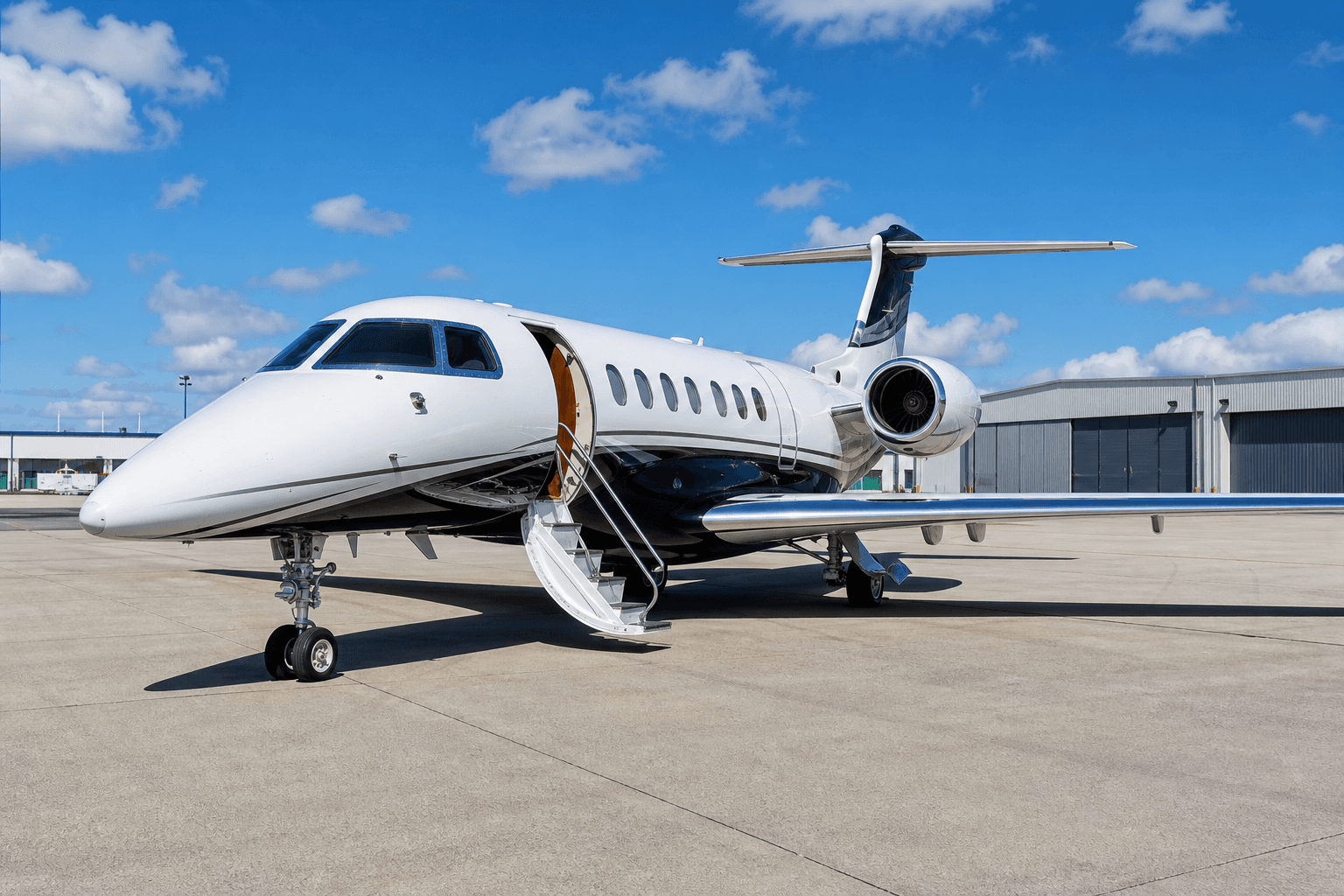
Private Jet Charter Costs in 2026 Vary Widely by Aircraft Size and Hidden Fees
Private jet charter rates range from $2,000 to more than $20,000 per hour, but taxes, fees, discounts, and passenger count determine the true costs.
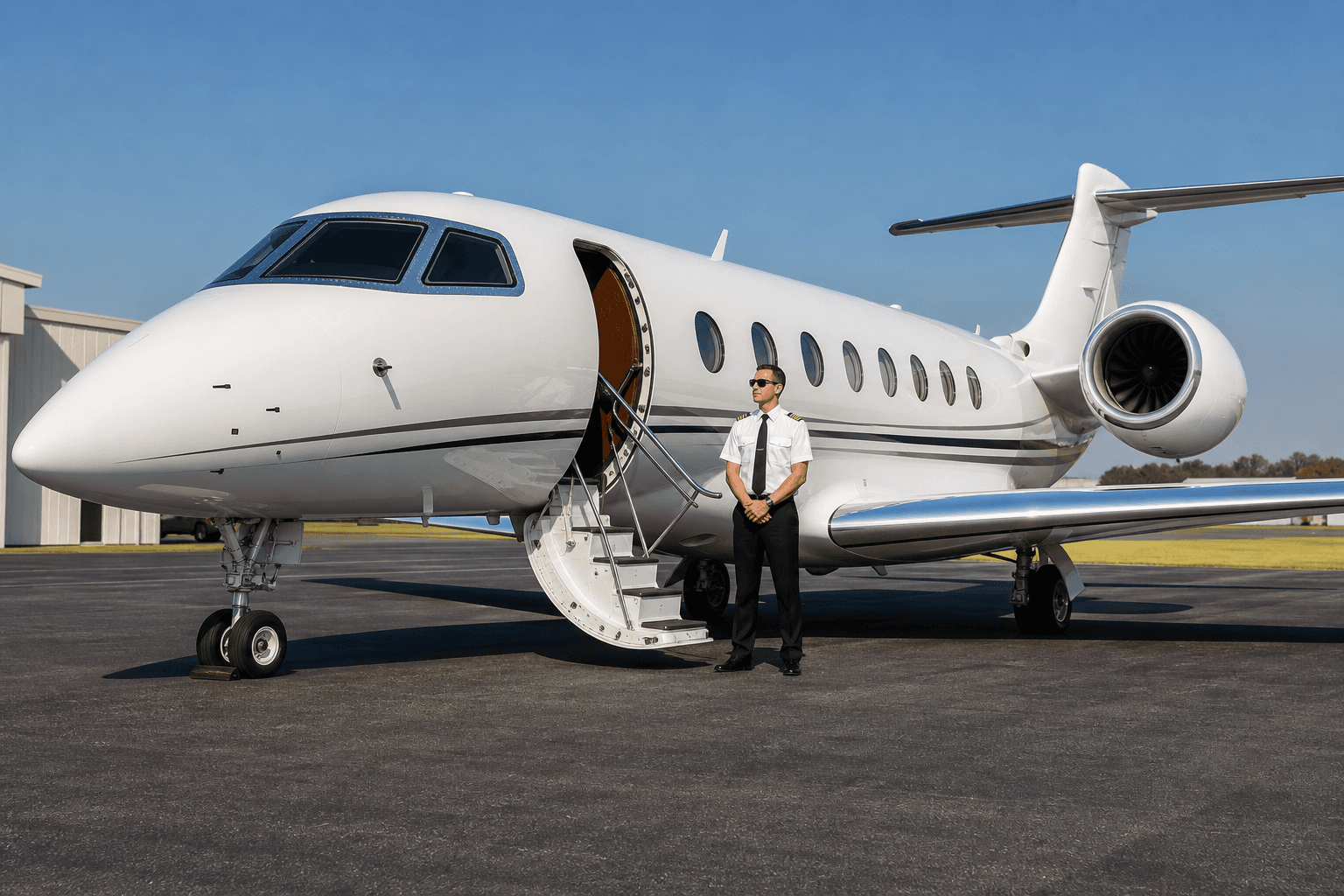
US Private Jet Pilots Earn Average $130,916 Annually with Wide Salary Range
Private jet careers are still popular for pilots even though they typically pay less than commercial pilot positions.
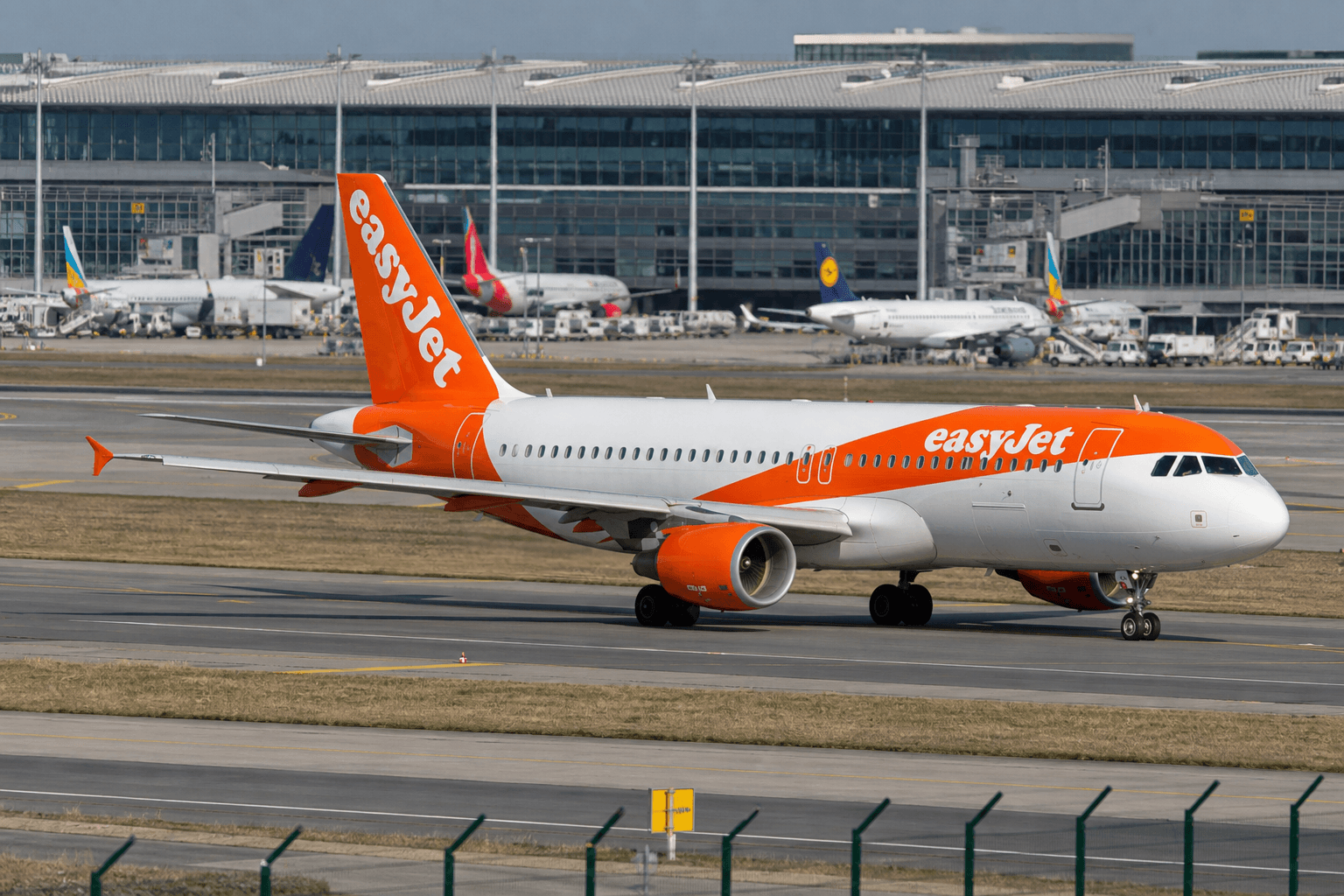
Apollo Agrees £5.7bn Bid to Acquire EasyJet After Castlelake Withdraws
Apollo and Castlelake had both been given a 7 August deadline to firm acquisition interest. US investment firm Apollo Management has agreed to a £5.7 billion ($7.7 billion) recommended offer for EasyJet , shortly after potential rival bidder Castlelake disclosed it would not be making a formal bid for the UK budget carrier. Apollo had appeared in pole position to acquire EasyJet after the latter's board signalled its intent to back the proposed £7.15-per-share acquisition. That came after the carrier had previously outlined its intention to support a potential offer from another US investment firm, Castlelake, based on a £6.90-per-share acquisition. Both suitors were given until 7 August to put forward binding offers and, shortly after Castlelake disclosed it had dropped out of the running, Apollo now says it has agreed a recommended offer for EasyJet based on a price of £7.15 per share. The offer has been made through Eagle Bidco, a company indirectly owned by Apollo Funds and managed by Apollo Capital Management and its affiliates. In a statement outlining the offer, Apollo says it represents an 81% premium on EasyJet's share price of 28 May, and a 22% premium on its highest closing price in the four years before that. "The EasyJet board has carefully evaluated the proposal from Apollo alongside EasyJet’s standalone prospects,” says EasyJet chair Stephen Hester. “While we remain confident in the strength of our business and the opportunities ahead, we believe this offer appropriately recognises the quality of the business we have built and delivers immediate, certain and attractive value for shareholders.” Antoine Munfakh, partner and deputy global head of Private Equity at Apollo, says: “Our partnership with EasyJet will draw upon Apollo’s extensive experience investing in and growing businesses in the airline sector, bringing capital and deep operational and strategic expertise to support the team in generating long-term, sustainable growth. "We are committed to supporting the EasyJet Group in reaching its full potential.” Apollo says it has also secured irrevocable undertakings supporting the offer from Stelios Haji-Ioannou and his family, which together account for over 15% of the carrier's share capital. “I am pleased with Apollo’s strategic intentions for the EasyJet business, which aim to create more growth,” says Haji-Ioannou. “The fact that Apollo, as one of the most well-resourced and experienced institutional investors in the world, has decided to back and grow EasyJet, the leading member of the easy family of brands, is testament to the strength of the Easy brand and the business model of EasyGroup.” Haji-Ioannou adds that he and his family intend to remain invested as “ long-term major shareholders” of EasyJet. Apollo expects the acquisition to complete by the end of the first quarter of 2027. Earlier investment firm Castlelake said it had opted against making a formal offer for the carrier. "Castlelake is very appreciative of the constructive engagement with the EasyJet board and management team, and would like to thank them for their time and consideration of this potential transaction,” it says.
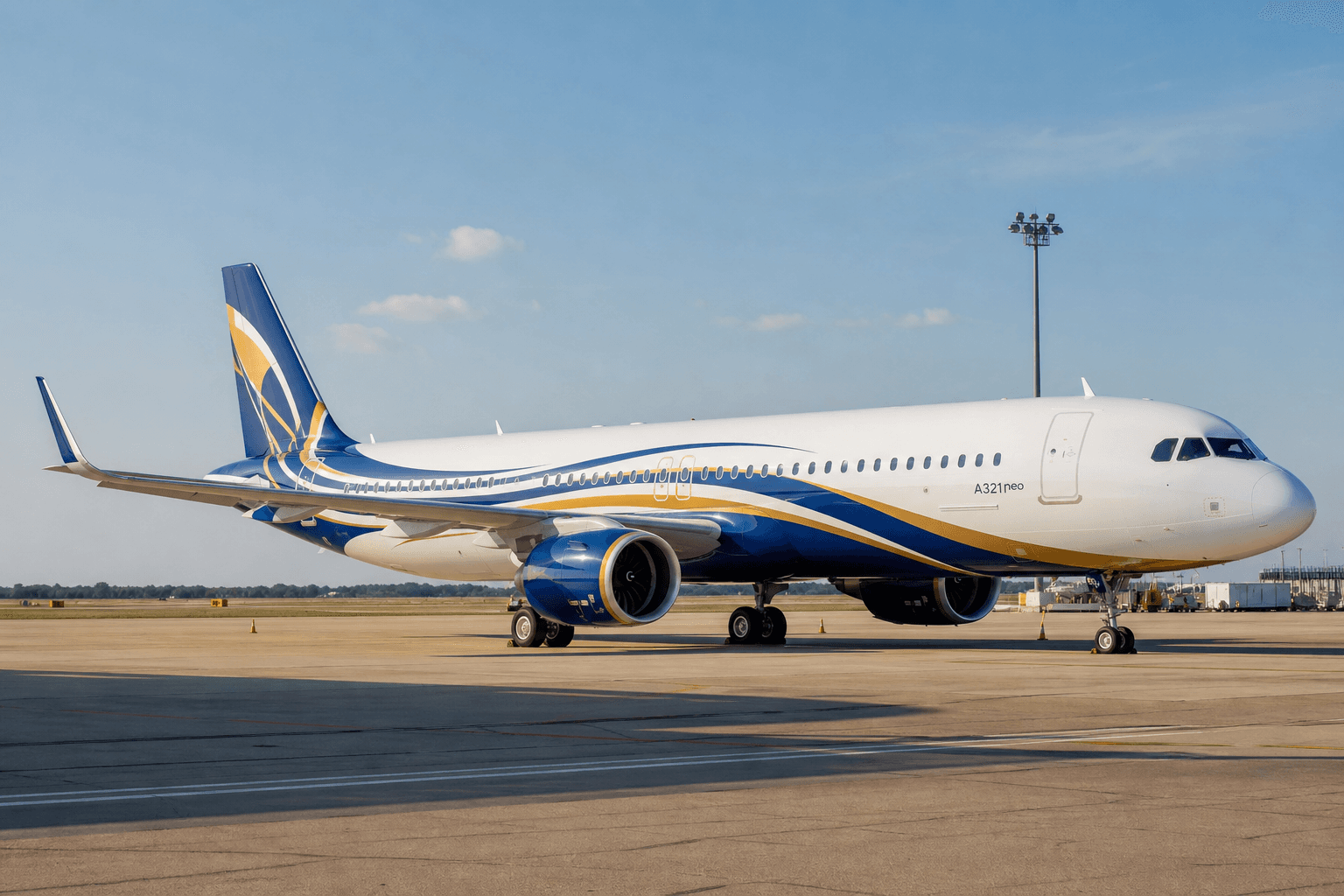
Delta Introduces First Airbus A321neo VIP Jet for NBA Charter, Replacing Boeing 757s
The first of 14 VIP-configured Airbus A321neo aircraft arrived to Delta Air Lines last week, which the airline will soon operate for the National Basketball Association (NBA). These planes will be a welcome replacement for the airline's flying pencil, the Boeing 757-200 . For Delta, the 757-200s for the NBA are leased from Aviation Capital Group and are at least three decades old.
The Daily Touch & Go
The day's best aviation news in your inbox. Free, no spam.