

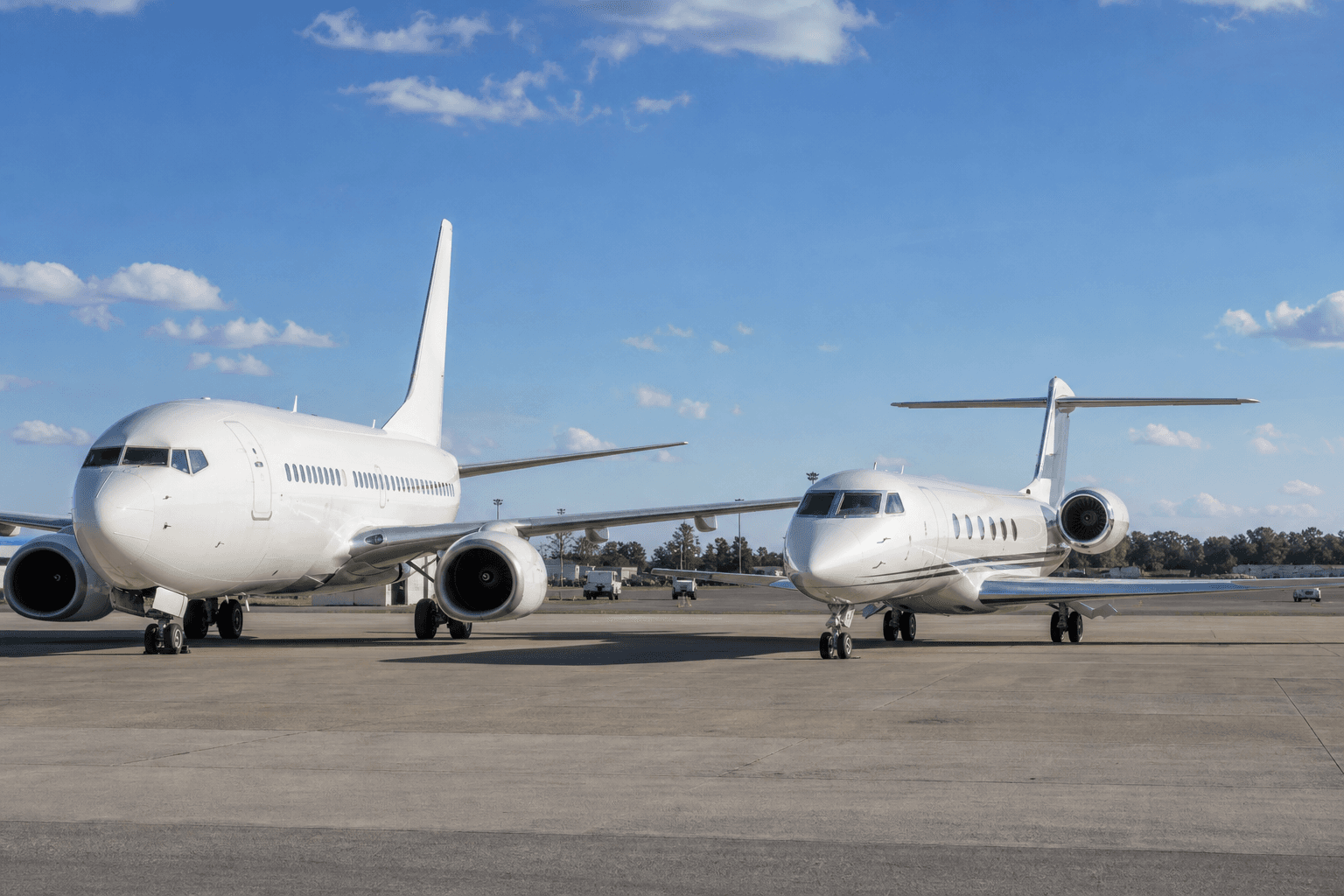
Illustration: The Touch & Go
DHS Advances Plans for Its Own Deportation Airline Named ICE Air
The Department of Homeland Security plans to launch ICE Air with Boeing 737s and Gulfstream jets to handle deportations and related missions by mid-2027.
The gist
DHS is creating ICE Air, an airline with Boeing 737s and Gulfstreams, to conduct deportation flights and other missions, operational by July 2027.
Continuing coverage
All Gulfstream →- Gulfstream and Rolls-Royce Complete First High-Altitude Flights Using 100% Sustainable Aviation Fuel
- Gulfstream and Rolls-Royce demonstrate contrail reduction using 100% sustainable aviation fuel
- Gulfstream's G800 Sets New Speed and Distance Records in Business Jet Category
- US Private Jet Pilots Earn Average $130,916 Annually with Wide Salary Range
The U.S. Department of Homeland Security is actively moving forward with establishing a government-operated airline, dubbed ICE Air, designed primarily to manage immigration deportation flights. This new initiative will see the department acquire a dedicated fleet rather than relying on third-party contractors for such operations. Initial plans call for a fleet consisting of Boeing 737-700 aircraft alongside Gulfstream 650ER or equivalent models, allowing DHS to cover a variety of missions at their own discretion.
While the primary focus of ICE Air will be on deportations and voluntary repatriations, the airline's role is broader, encompassing high-risk charter flights, deployment of crisis response teams, and transportation for senior DHS officials, including Administrator Markwayne Mullin. The operational scope underlines DHS’s intent to have a flexible and responsive air service tailored to diverse departmental needs beyond mere deportation logistics.
According to recent federal filings, ICE Air is slated for launch with seven Boeing 737-700 jets accompanied by two C-37B aircraft, typically Gulfstream-based platforms configured for VIP transport. This combination suggests an emphasis not only on capacity and range for deportation flights but also on executive transport capabilities and the ability to support rapid response and specialized missions.
DHS has not yet finalized its operational base strategy for ICE Air. Discussions include whether to operate from a centralized hub or to station aircraft across multiple locations in a 'hub and spoke' model. Such a structure would mimic commercial airline networks, allowing more efficient routing and deployment of aircraft based on mission demands scattered geographically.
The ambition to have ICE Air operate continuously year-round, with flights available 24/7, highlights the department’s commitment to maintaining uninterrupted immigration enforcement operations by air. This approach could streamline DHS logistics by enabling more timely and reliable transportation, yet it requires significant planning concerning scheduling, crew staffing, and maintenance to sustain high operational tempos.
Former DHS Administrator Kristi Noem is credited with conceiving ICE Air and initially investing around $200 million in two luxury Gulfstream G700 jets. Although those aircraft were procured with justification linked to deportation flights, they primarily served as transportation for administrative purposes rather than for active deportation missions. This history reveals the evolving priorities and rationales behind DHS’s aviation expansion.
In a notice to potential contractors selected to operate ICE Air, DHS has outlined requirements including the provision of pilots, flight attendants, flight nurses, and security personnel when necessary. This comprehensive staffing plan demonstrates awareness of the multi-faceted nature of ICE Air’s fleet utilization, ensuring safety and security across both standard and higher-risk flights.
The contract details also preserve DHS’s right to expand the ICE Air fleet in the future, indicating an intent to scale operations as needed. This flexibility is integral to sustaining current and future DHS missions in a dynamic policy environment that may require increased airflow capacity for enforcement and emergency response.
With ICE Air set to be operational by July 28, 2027, the establishment of a dedicated government deportation airline marks a transformation in how DHS manages its air transport logistics. It removes previous reliance on outsourced commercial operators, potentially increasing operational control but also placing the responsibility for aviation management squarely within the department.
Frequently asked questions
- When is ICE Air expected to begin operations?
- ICE Air is planned to be operational by July 28, 2027, according to recent Department of Homeland Security filings.
- What types of aircraft will ICE Air initially operate?
- ICE Air will launch its fleet with seven Boeing 737-700 jets and two C-37B aircraft, typically Gulfstream models, for deportation and related missions.
- What are the main missions planned for the ICE Air airline?
- The airline will conduct deportation flights, voluntary repatriations, high-risk charters, crisis response personnel deployments, and transportation for senior DHS officials.
Read more
All Business Aviation →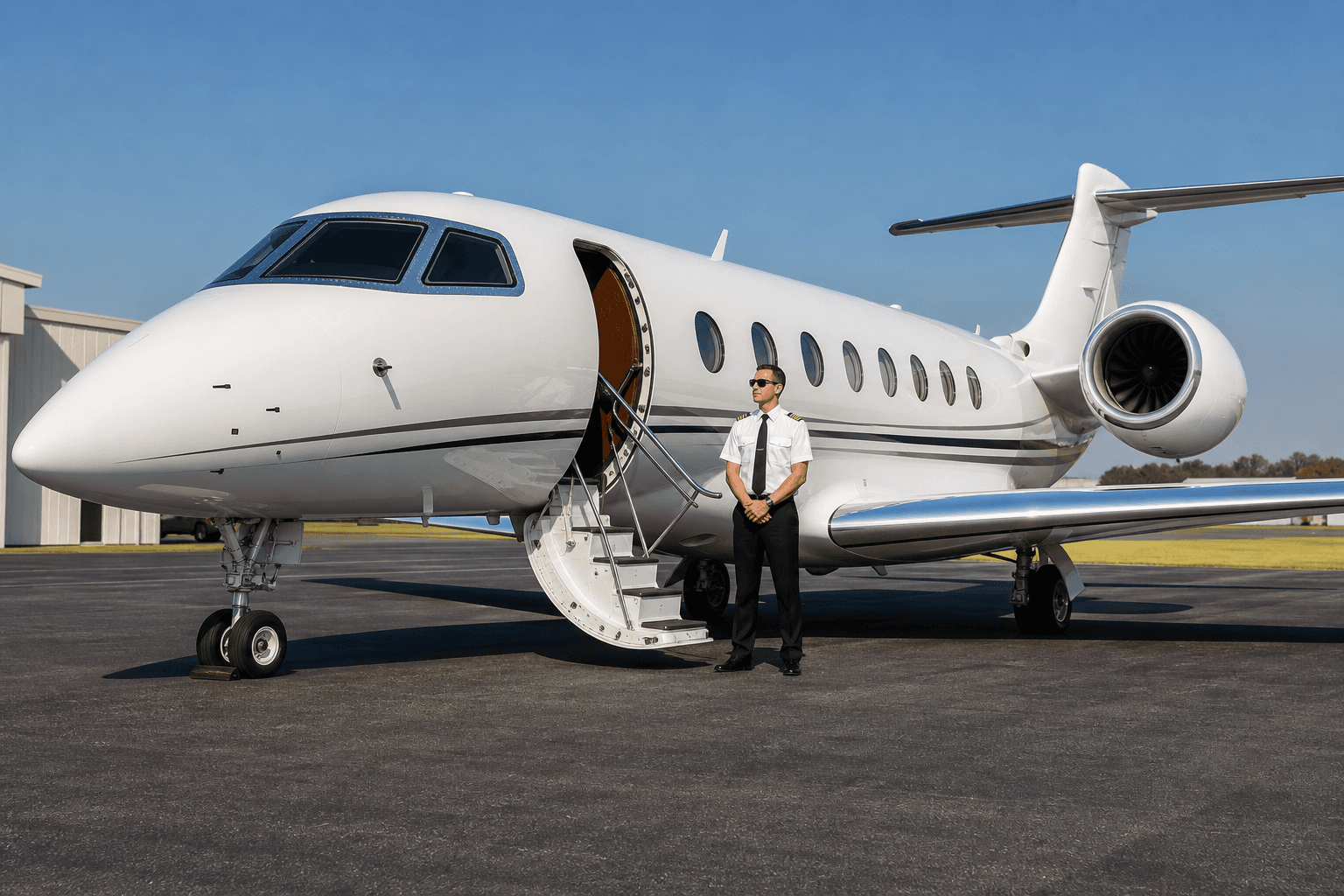
US Private Jet Pilots Earn Average $130,916 Annually with Wide Salary Range
Private jet careers are still popular for pilots even though they typically pay less than commercial pilot positions.
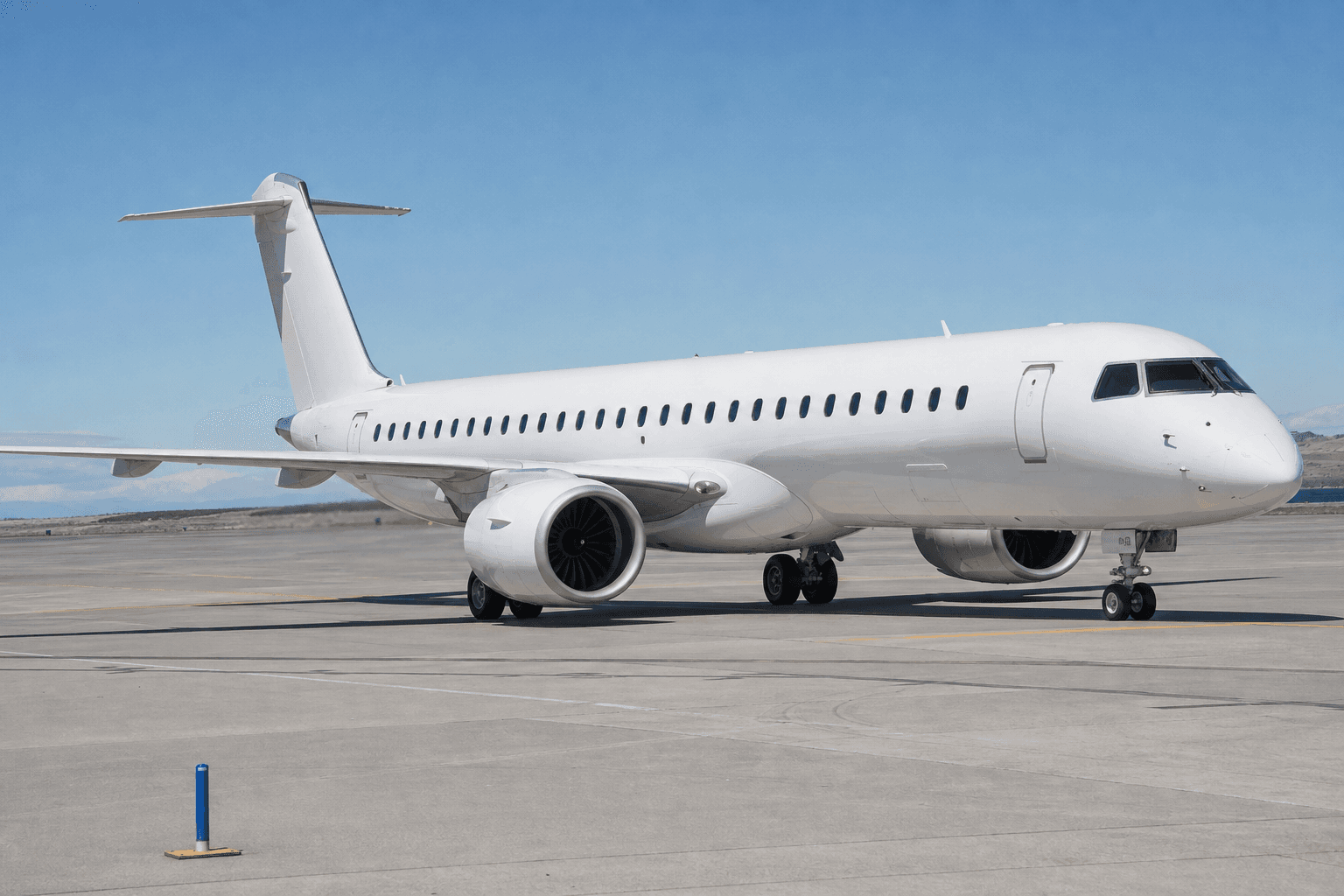
Embraer Achieves Highest Second-Quarter Aircraft Deliveries Since 2010
Embraer delivered 65 aircraft in the second quarter of 2026, its highest second-quarter delivery total in 16 years, according to a July 2 company report. The total was up from 44 aircraft in the first quarter and from 61 aircraft in the same period last year. The company said the increase was supported in part by its production leveling efforts, which are aimed at spreading deliveries more evenly through the year. Commercial Aviation accounted for 20 deliveries during the quarter, including six E195-E2s, doubling the 10 aircraft delivered in the first quarter. Executive Aviation delivered 45 aircraft, compared to 29 in the first quarter and 38 in the second quarter of 2025. Through the first half of 2026, Embraer delivered 109 aircraft, up from 91 during the same period last year. There were no Defense & Security deliveries during the quarter. Embraer said it continues to expect 80 to 85 commercial aircraft deliveries and 160 to 170 executive aircraft deliveries for the year.
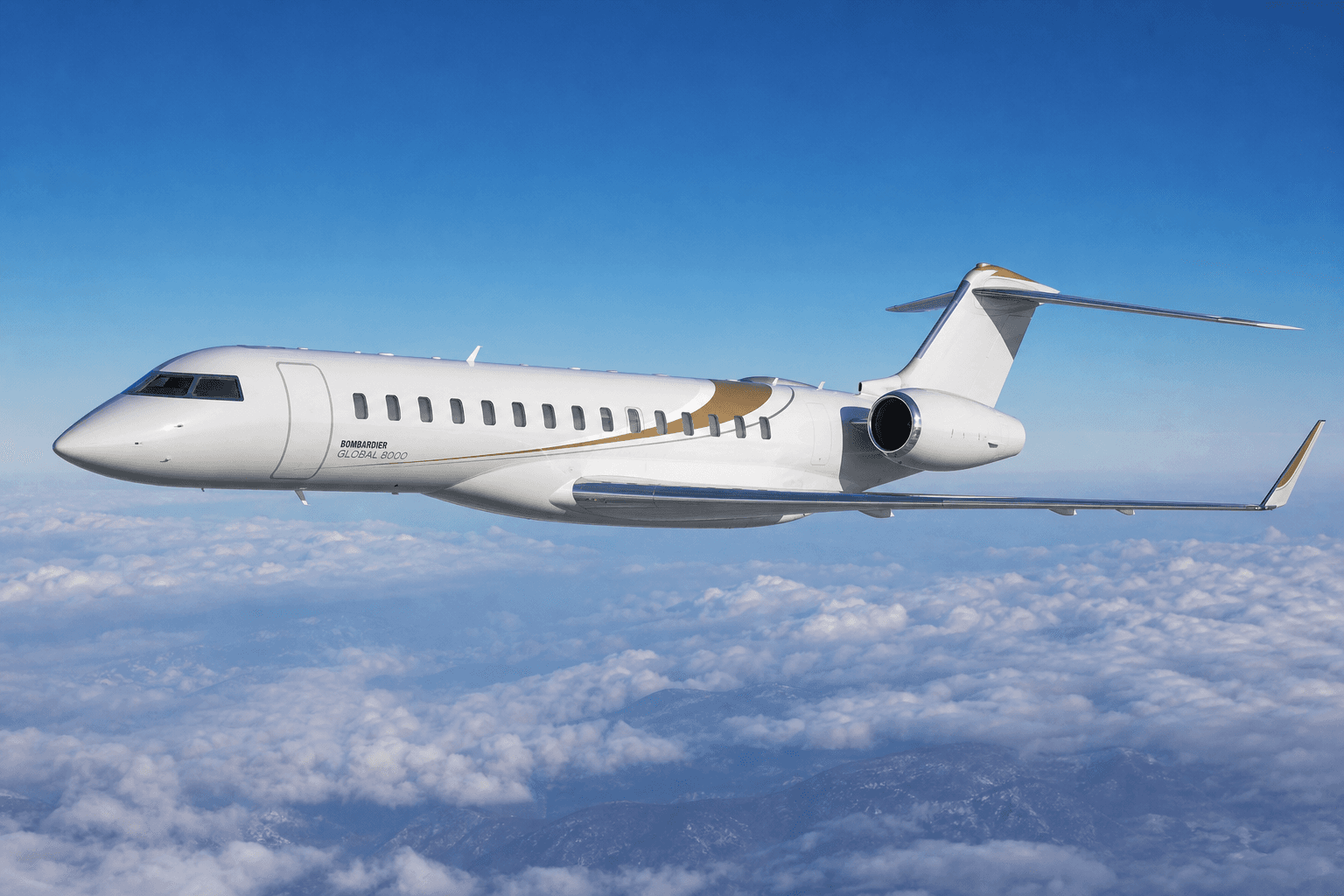
Bombardier Global 8000 Sets New Speed Benchmark as Fastest Civil Jet Since Concorde
The Bombardier Global 8000 is the fastest civil jet since Concorde, combining Mach 0.95 speed, 8,000-nm range, and record-setting performance.
Private Jet Charter Costs in 2026 Vary Widely by Aircraft Size and Hidden Fees
Private jet charter rates range from $2,000 to more than $20,000 per hour, but taxes, fees, discounts, and passenger count determine the true costs.
The Daily Touch & Go
The day's best aviation news in your inbox. Free, no spam.