

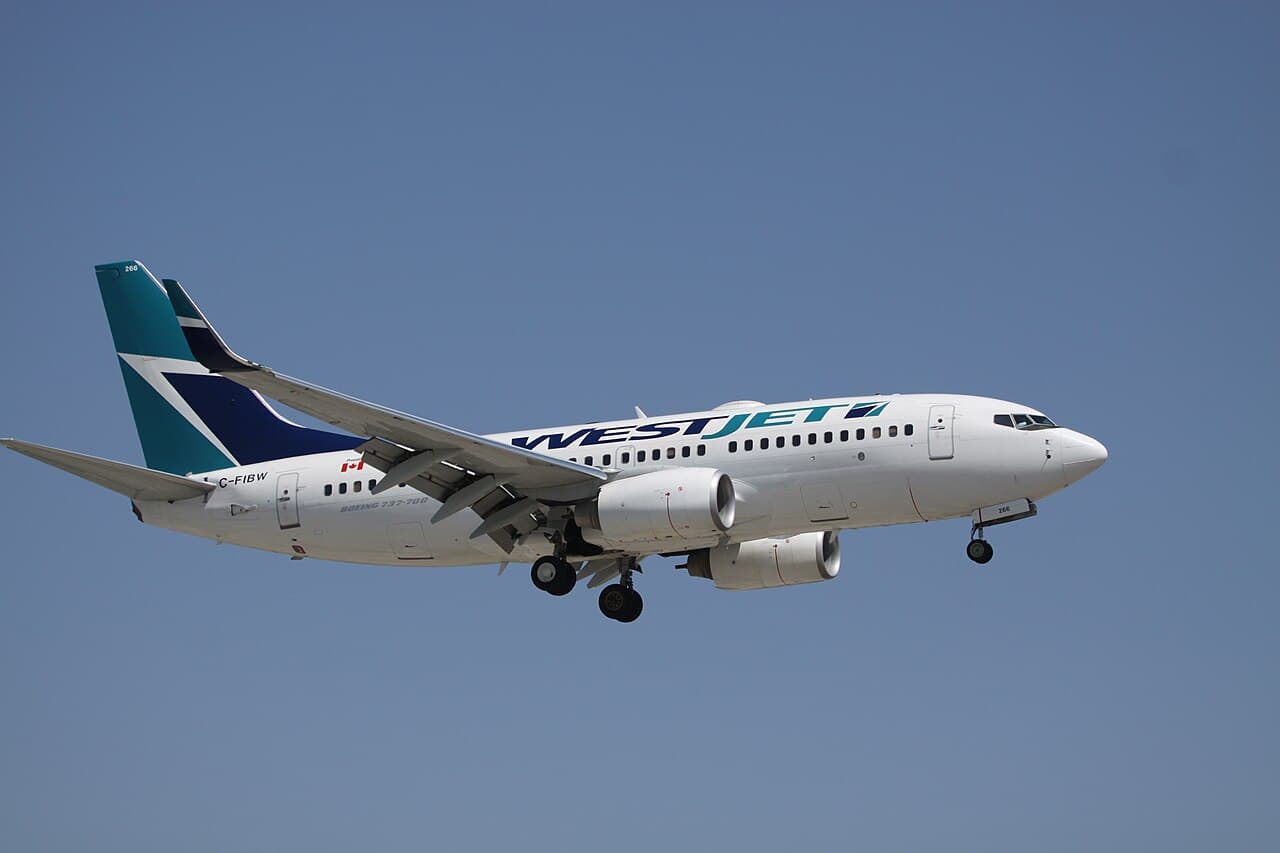
Image: Aeroprints.com · CC BY-SA 3.0 · via Wikimedia Commons
Air Canada and WestJet Link Checked Bag Fees to Fuel Price Fluctuations Amid Energy Crisis
Facing soaring jet fuel costs, Canada's largest airlines revamp luggage fees as variable charges tied to fuel prices and operational weight.
The gist
Air Canada and WestJet adjust checked baggage fees dynamically to offset unprecedented jet fuel cost spikes amid volatile energy markets.
Continuing coverage
All Air Canada →- Air Canada Nears $2 Billion Deal Selling Minority Aeroplan Stake to Blackstone
- Air Canada launches new long-haul routes to Tenerife and Sapporo for 2026/27 winter
- United Airlines Allows Flight Attendants to Drink Alcohol While Deadheading Under Strict Conditions
- Air Canada Aeroplan and World of Hyatt Launch New Status and Points Partnership
- Air Canada and IAMAW Reach Tentative Four-Year Deal Covering 11,000 Maintenance Workers
Canada’s two largest airlines, Air Canada and WestJet, have overhauled their checked baggage fee strategies in response to a sharp surge in jet fuel prices triggered by recent geopolitical events affecting global energy supply. Jet fuel, traditionally accounting for about 25% to 30% of an airline’s operating expenses, saw significant price volatility after key maritime shipping lanes closed earlier this spring. This disruption sent crude oil prices soaring, resulting in refined fuel costs pushing upward through $195 per barrel—a level that challenged the financial stability of carriers’ operational models across North America.
Airlines operate on tight profit margins that cannot readily absorb sudden, large increases in fuel costs without adjusting their revenue generation. Instead of raising base ticket prices—which risks driving away price-sensitive customers—Air Canada and WestJet have shifted toward dynamic ancillary fees, particularly luggage charges, to pass some of the increased operational burden to travelers who add weight to flights. This approach supports maintaining competitive baseline fares by selectively taxing optional services that directly impact fuel burn.
For Air Canada, the fuel price spike and associated operational pressures prompted a strategic contraction of available seat capacity, especially on US-bound routes where seat supply was cut by nearly 10%. This move supported higher load factors and mitigated flying half-filled widebody aircraft on costly fuel. Concurrently, the airline raised ancillary fees across its network—domestic luggage fees increased to offset rising handling costs and trans-Pacific checked baggage fees climbed up to $112 for additional or overweight bags, channeling the heavy cost penalties to passengers who influence fuel consumption most.
WestJet took a different but equally adaptive approach, launching its UltraBasic fare category, integrating multi-tiered, fluid pricing mechanisms for checked bags directly into its lowest fare offerings. The carrier introduced variable luggage fees that fluctuate depending on when bags are paid for, such as discounted rates for pre-paid bags up to 24 hours before departure versus higher fees at airport counters. Fees for oversized or overweight baggage can spike by as much as $50, incentivizing travelers to travel lighter while giving WestJet granular forecasting capability for aircraft weight before flights depart.
This variable ancillary pricing not only provides immediate financial relief but also improves operational efficiency. Knowing the precise aircraft weight composition in advance enables pilots to optimize fuel tankering and reduces contingency reserves needed during flight. Since fuel burn correlates closely with aircraft weight, penalties on heavy checked bags effectively apply a risk premium that shields the airlines’ thin operating margins on domestic and transborder sectors from extreme fuel price shocks.
Both airlines’ use of ancillary fee restructuring exemplifies an industry trend toward unbundled, flexible pricing models that quickly react to volatile external costs. This strategy allows carriers to shield core base fares from rapid adjustments that could disrupt demand, while targeting ancillary revenues at services that drive marginal operational costs. Furthermore, maintaining lower headline fares supports competitive visibility on third-party booking platforms that prioritize lowest fares in customer search results.
The contrasting yet complementary tactics employed by Air Canada and WestJet highlight distinct responses to the same market pressures: one focusing on capacity management combined with fee increases, the other on fare segmentation and dynamic ancillary pricing. Both approaches demonstrate how leading North American carriers navigate fuel price instability by leveraging luggage fees as a direct lever tied to aircraft weight and fuel utilization.
Ultimately, the integration of fuel cost volatility into ancillary fee structures marks a recalibration of commercial airline economics in response to global energy disruption. Airlines can maintain market share by keeping headline fares stable while managing operational costs through nimble pricing on baggage that directly impacts aircraft weight and fuel consumption, sustaining profitability under unprecedented cost pressures.
Read more
All Airlines →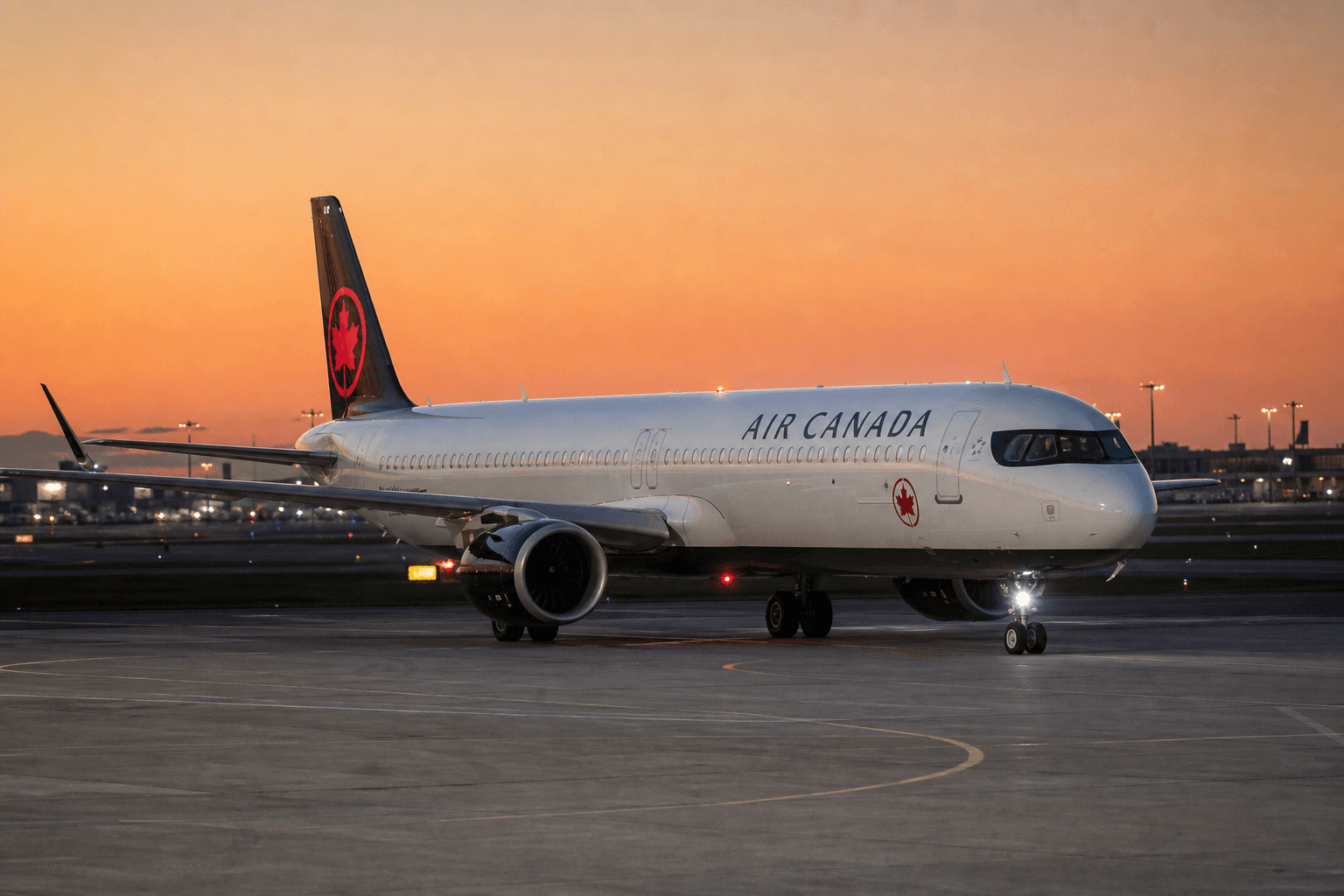
Air Canada launches new long-haul routes to Tenerife and Sapporo for 2026/27 winter
Air Canada has been steadily expanding its international network in recent years. The airline has added several new destinations so far this year and increased its presence across leisure markets. It is continuing this expansion with more additions for the 2026/27 winter season .

Simple Flying enhances Flight Tracker with cleaner interface and new features for easier live flight viewing
Since launching in May, the Simple Flying Flight Tracker has established itself as an essential tool for aviation enthusiasts, frequent flyers, and industry professionals seeking real-time global airspace data . Built to provide a clean, informative window into global flight movements, the platform bridges the gap between complex transponder data and an accessible, user-friendly interface.
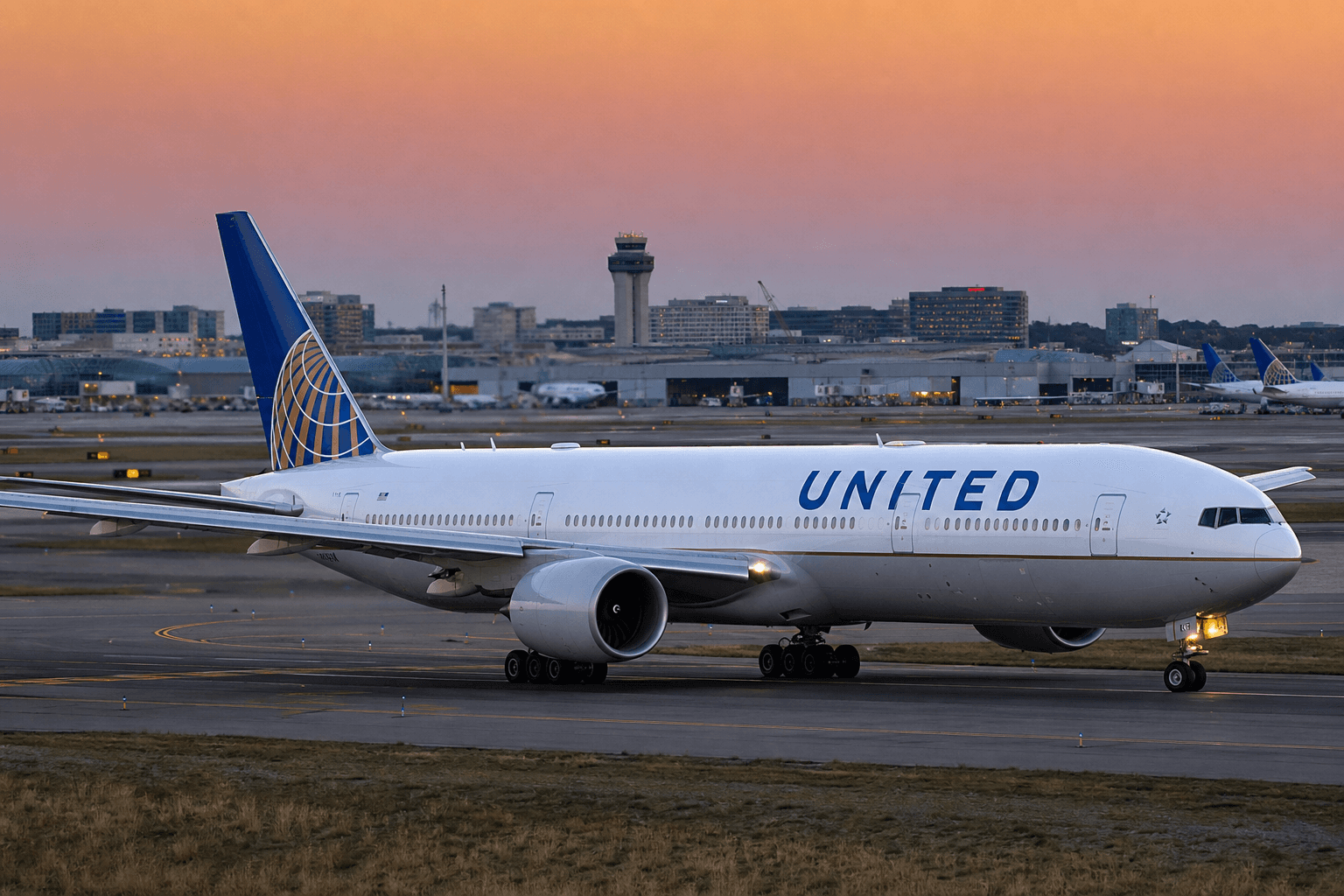
United Airlines CEO predicts just two US premium carriers amid mixed passenger experiences
United CEO Scott Kirby says there may be room for only two premium U.S. airlines, but passengers keep posting photos and complaints that make United's own case harder. Also new Priority Pass-accessible grab-and-go Atlanta "lounge," a DCA shutdown for the DC Grand Prix, Ritz-Carlton Pentagon City inspection issues, and a car hitting an aircraft at Milan Linate.
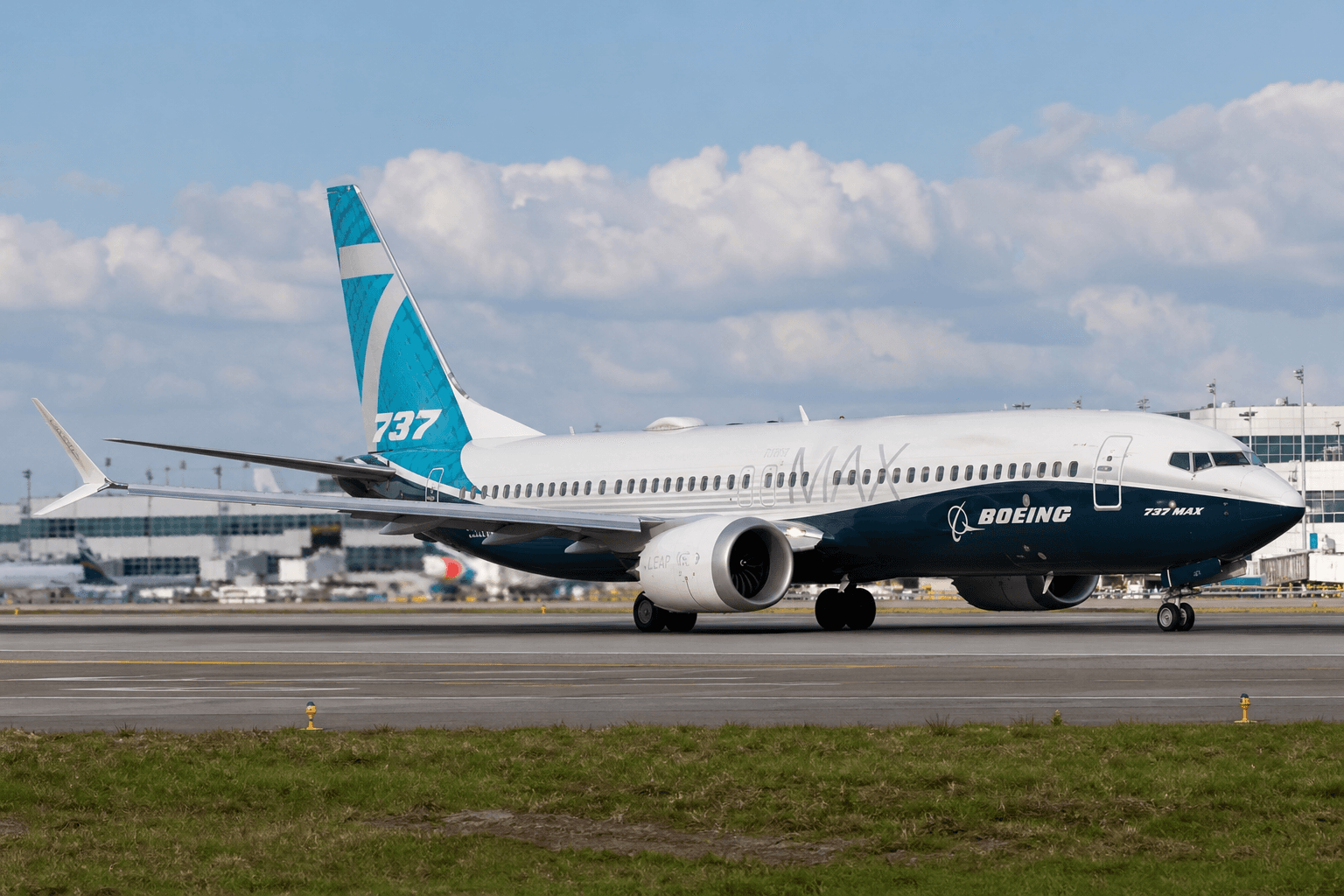
Boeing Delivers 53 Jets in July Amid Airbus Lead in 2026 Production Race
Boeing handed over 53 commercial airplanes in July 2026. The total marks steady progress in the company’s recovery. It also highlights ongoing competition with rival Airbus. ezstandalone.cmd.push(function () { ezstandalone.showAds(119); }); The deliveries included 39 Boeing 737 MAX jets and 10 787 Dreamliners. Boeing also delivered three 767s and one 777 Freighter. These numbers come from the company’s monthly orders and deliveries report. Modest Gain for Boeing, Clear Lead for Airbus July’s total rose about 10 percent from the same month last year. In July 2025, Boeing delivered 48 airplanes. That earlier figure included 37 MAX jets and eight 787s.Still, the July 2026 result fell short of recent highs. ezstandalone.cmd.push(function () { ezstandalone.showAds(127); }); Boeing delivered 60 planes in May and 64 in June. Production timing and customer readiness can cause these monthly swings. Airbus outpaced Boeing in July . The European manufacturer delivered 67 aircraft to 39 customers. That figure included a strong mix of A320-family jets plus several A220s and A350s. ezstandalone.cmd.push(function () { ezstandalone.showAds(128); }); Year-to-date through July 31, the gap remains clear. Airbus has delivered 418 planes. Boeing has delivered 367. Airbus continues to hold the monthly and cumulative lead. Photo Credit: Boeing Boeing’s Production Focus Boeing continues to raise 737 MAX output. The company aims to stabilize rates near 47 jets per month. Regulators earlier lifted tighter limits after past safety issues. The higher pace supports backlog reduction and customer needs. ezstandalone.cmd.push(function () { ezstandalone.showAds(129); }); The 10 Dreamliner deliveries stand out. Boeing delivered 13 of the jets in June but only six in May. Seat certification delays slowed some earlier handovers. July’s total shows progress at the South Carolina factory. Fresh Orders Maintain Momentum July also brought new business for Boeing. Uganda Airlines signed for four 787-9 Dreamliners and four 737 MAX 8s. This marked the African carrier’s first direct order with Boeing. The deal supports fleet growth and more efficient routes. AerCap ordered 15 more 787-9s. The lessor already holds a large Dreamliner portfolio. This addition expands its offerings to airline customers. ezstandalone.cmd.push(function () { ezstandalone.showAds(130); }); Boeing recorded 38 gross orders in July. These covered 18 of the 737 MAX, 19 of the 787, and one 777X. Eight 737 MAX cancellations offset some of the gains. Net orders for the month stood near 30 after adjustments. Through the end of July, Boeing logged 429 net orders for the year. Airbus posted a much stronger sales month with 204 gross orders. The European firm continues to build a larger backlog overall. Photo Credit: Boeing The Bigger Picture Deliveries serve as a useful proxy for factory output. Not every completed plane leaves in the same month it rolls off the line. Customer readiness and final checks can shift the timing. ezstandalone.cmd.push(function () { ezstandalone.showAds(131); }); Boeing trails Airbus in monthly deliveries and year-to-date totals. Yet Boeing’s focus remains clear: steady production increases, quality improvements, and backlog fulfillment. Narrowbody MAX jets drive most volume. Widebody 787s add higher-value activity. Both manufacturers face supply-chain pressures as they chase ambitious full-year targets. Airbus aims near 870 deliveries for 2026. Boeing works to close the gap through higher rates and consistent output. The July data shows Boeing moving in the right direction after earlier challenges. New orders from airlines and lessors keep the pipeline healthy. Industry watchers will track the next rate increases and how the two rivals perform through the rest of the year. ezstandalone.cmd.push(function () { ezstandalone.showAds(132); });
The Daily Touch & Go
The day's best aviation news in your inbox. Free, no spam.