

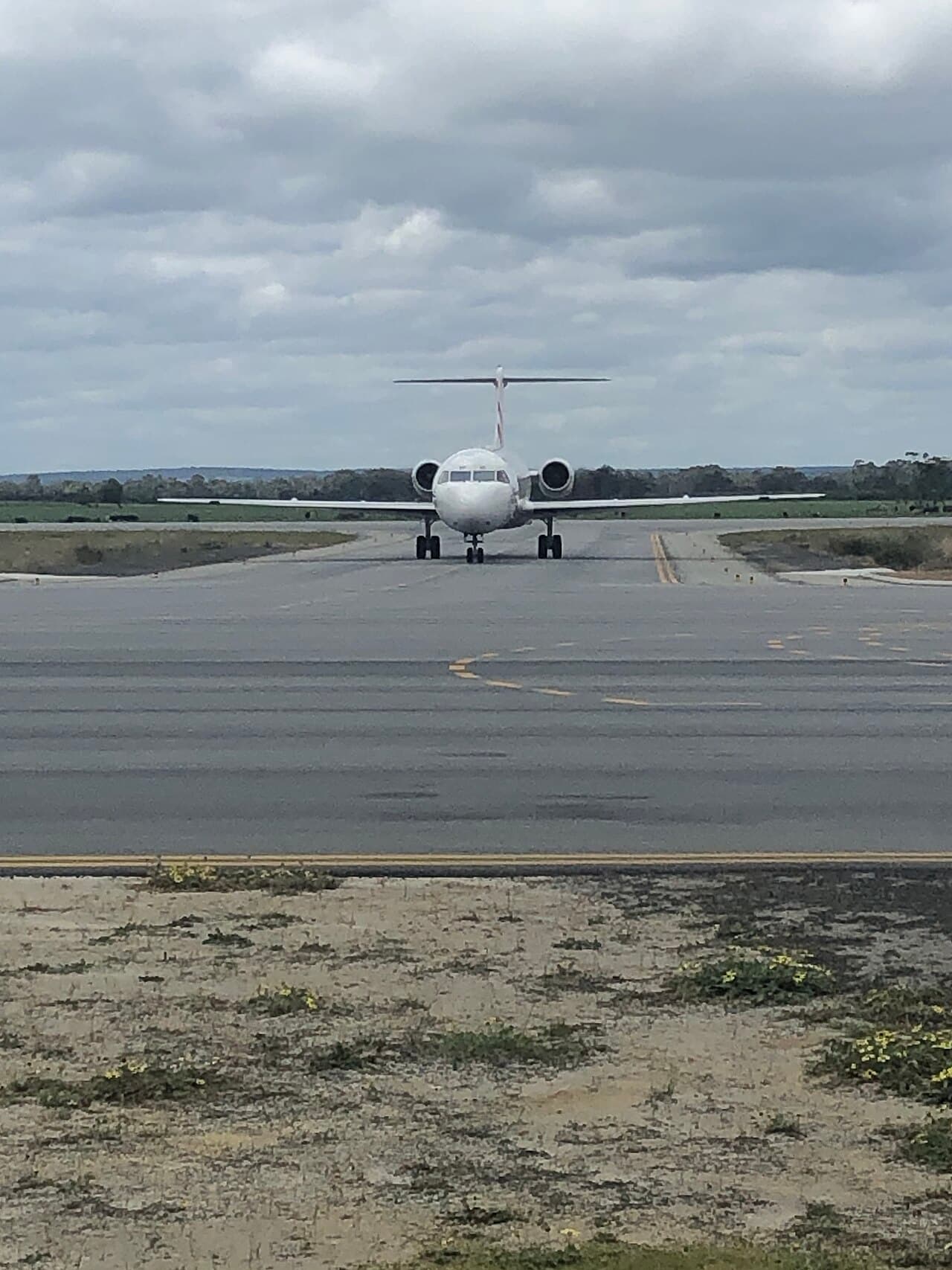
Image: DaHuzyBru · CC BY-SA 4.0 · via Wikimedia Commons
US Regional Pilot Shortage Eases As Cadet Programs Adjust to New Realities
Pilot shortage rooted in regulatory changes and retirements is easing, prompting shifts in US regional airlines' pilot cadet programs.
The gist
Pilot scarcity in US regional airlines is diminishing, reflected by reduced cadet support and program suspensions amid improved staffing.
Continuing coverage
All Regional Airlines →- US Flight Attendant Pay Scales Split Sharply Between Legacy and Regional Airlines
- Bahamas grounds Flamingo Air after fatal Cessna 402 crash near North Andros
- Andrew Bonney Named CEO to Lead Kenmore Air into Next Growth Phase
- Toki Air Launches First Commercial Flight to Sado Airport Using ATR 42-600
- Eastern Airways fleet sold after rescue attempts fail, Gatwick slots surrendered
The longstanding pilot shortage in the United States, once heavily impacting regional airlines, is showing signs of abating, leading to significant changes in pilot cadet programs. PSA Airlines recently informed its cadets that it would no longer sponsor the mandatory ATP/CTP course, shifting these costs to the trainees themselves, signaling tighter recruitment budgets. This change comes amid broader trends affecting US airlines' approach to pilot training and hiring that have evolved since the 2010s and intensified during the COVID-19 pandemic.
Historically, the pilot shortage stemmed from a surge of retirements as a large cohort of pilots employed in the late 20th century simultaneously reached the mandatory retirement age, which was increased from 60 to 65 in 2007. This created mounting vacancies throughout the 2020s. Alongside retirements, major US carriers experienced growth, further inflating pilot demand. However, establishing a career as an airline pilot in the US entails considerable financial and time investments, with training costs often reaching six figures and requiring between one to two years to secure a commercial pilot license.
A pivotal factor exacerbating the shortage was the 2013 FAA regulation raising the minimum flight hours required for an Airline Transport Pilot License (ATPL) from 250 to 1,500 hours for Part 121 air carriers. This change extended the training pipeline by two to three years as pilots needed additional hours in often low-paying roles before qualifying for mainline positions. While major airlines like American, Delta, and United maintained an ample supply of highly experienced candidates, regional airlines encountered severe staffing challenges due to these higher thresholds and competitive poaching of their pilots by mainline carriers.
The COVID-19 pandemic initially paused airline hiring and accelerated senior pilot retirements, thinning the workforce. As travel demand rebounded in 2021, US airlines aggressively recruited new pilots. Budget carriers lowered experience requirements and abandoned degree prerequisites to attract talent. The ensuing surge of mainline hiring drew experienced pilots away from regional carriers, which in turn intensified the shortage of qualified first officers and captains at the regional level, amplifying the supply-demand imbalance during pilot career entry.
To bolster pilot recruitment, regional airlines raised wages to levels comparable to newly hired mainline pilots and introduced substantial sign-on bonuses. Contractual commitments binding pilots for fixed terms became more common, though enforcement varied. Starting in 2018, major US carriers launched cadet programs designed to fast-track pilots from training to mainline flying, predominantly channeling new pilots through affiliated regional brands. These programs also offered financial incentives and mentorship to improve retention and attract candidates in a highly competitive environment.
Despite these efforts, regional airlines struggled to maintain applicant flow with a limited pool of qualified entrants. Cadet programs at carriers like American and Delta initially expanded access, but recent developments indicate a pullback in support. American Airlines suspended its cadet program operation, redirecting candidates toward regional airline-managed training with reduced benefits. Similarly, United's Aviate and Delta's Propel programs have trimmed incentives, reflecting a stabilized pilot supply at the regional level.
The easing of pilot shortages at regional airlines correlates with the reduction or elimination of cadet program sign-on bonuses and sponsorships. Airlines such as PSA now require cadets to individually finance their ATP/CTP training, a key credential for commercial pilot certification. This reallocation of costs suggests a recalibration of recruitment strategies consistent with improved staffing levels. Whereas the pilot labor market was highly applicant-driven post-pandemic, it is now trending toward greater equilibrium between supply and demand.
Overall, the US aviation industry’s pilot shortage narrative has matured from a critical recruitment crisis to a more balanced employment landscape. The initial surge in retirements and regulatory changes disrupted pilot availability, disproportionately affecting regionals, but concerted efforts through higher pay, training programs, and flow agreements have successfully rebuilt capacity. The current environment reflects these structural shifts, with cadet program adjustments and hiring stabilization marking the transition.
Continued monitoring of pilot demographics, regulatory frameworks, and training investment will be necessary to maintain regional airline staffing. While major carriers continue to grow and adapt, sustaining a qualified pipeline remains crucial. The recent modification of cadet programs, including the removal of company-paid ATP/CTP courses, mirrors the complex interplay of industry supply chains and economic considerations shaping the future pilot workforce.
Frequently asked questions
- Why are some US regional airlines reducing support for pilot cadet programs?
- As pilot shortages at regional airlines ease, companies like PSA Airlines are reducing sponsorships for training courses such as the ATP/CTP, shifting costs to cadets due to fewer staffing pressures.
- What caused the pilot shortage at US regional airlines in recent years?
- The shortage resulted from a wave of retirements due to the age-65 rule, FAA regulations increasing flight hour requirements, and mainline airlines attracting experienced regional pilots, tightening the regional pilot labor market.
- How have pilot cadet programs changed since the COVID-19 pandemic?
- Post-pandemic, cadet programs expanded with incentives to attract pilots, but as shortages ease, programs like American's have been suspended while others reduced bonuses and benefits reflecting stabilized hiring needs.
Read more
All Flight Training →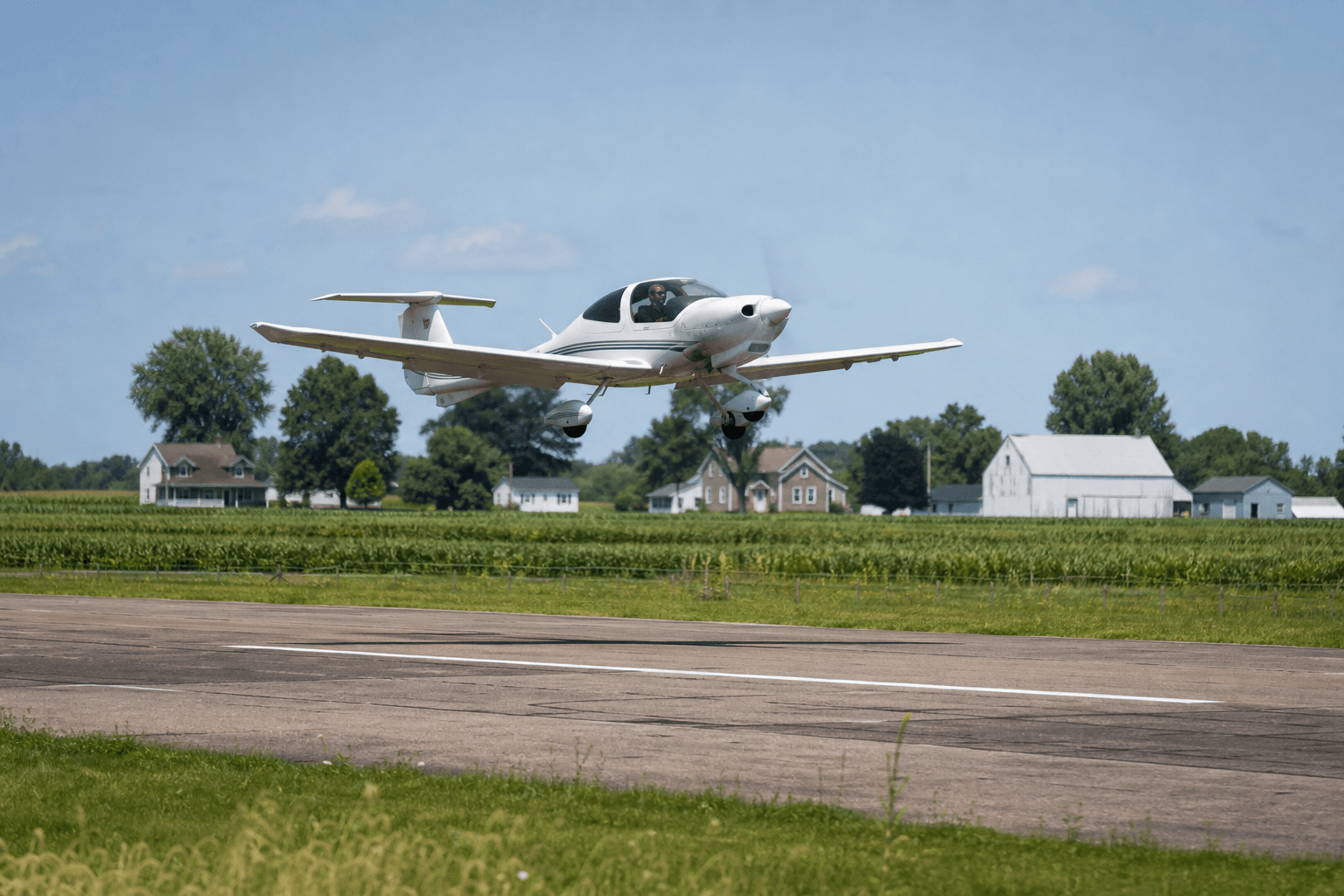
Embry-Riddle's Proposed Flight Training Facility at Deep Woods Ranch Faces Local Opposition
Residents have voiced concerns about noise, traffic, and environmental impact as the proposal moves through local review.
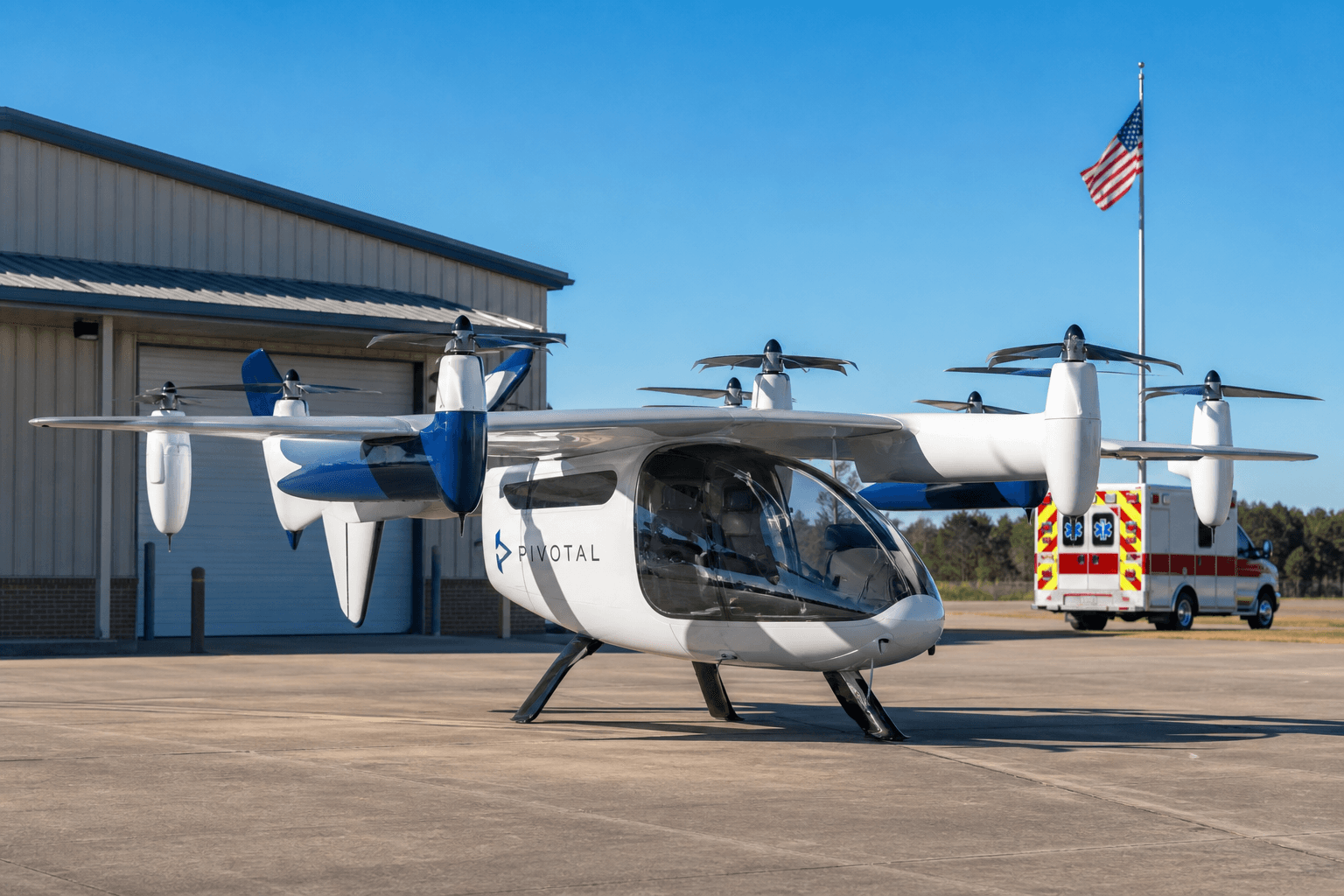
North Carolina Launches First US ALS Emergency Response Using eVTOL Aircraft
After months of preparation and training, North Carolina paramedic Quinn Reece was ready on June 27 when a 911 call summoned her to fly the first advanced life support (ALS) response in the United States using an electric vertical takeoff and landing aircraft.
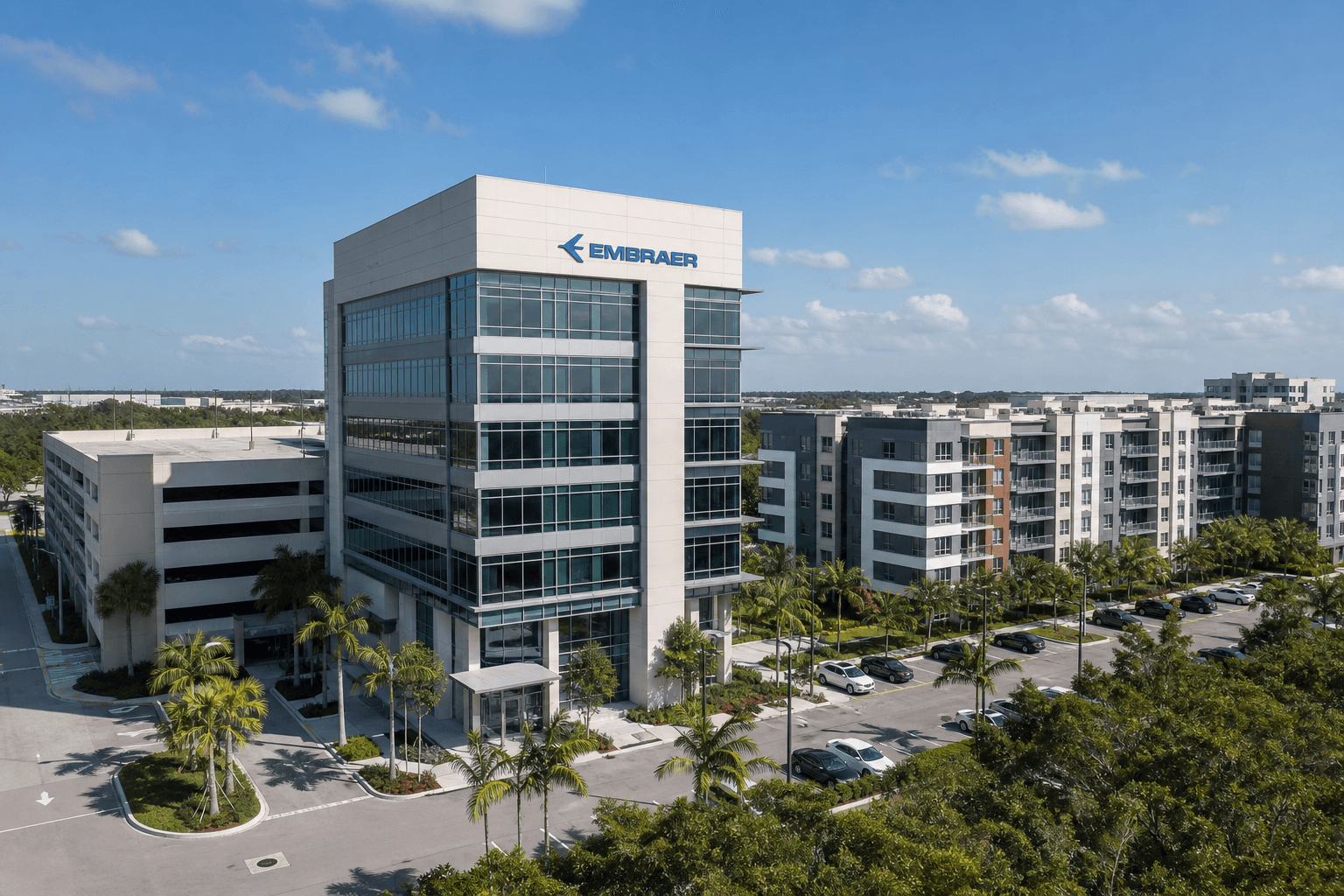
Spirit Airlines' $250M Dania Beach Campus Faces $88M Bankruptcy Bid
Spirit opened its new $250 million "Spirit Central" corporate campus in 2024, complete with training facilities, employee housing, and space for more than 1,000 workers. Now, in bankruptcy, a stalking horse bidder is offering just $88 million for much of the nearly brand-new headquarters complex — an extraordinary markdown for a project that symbolized how far the airline had drifted from its ultra-low-cost roots.
Ohio Pilot Mike McCoy Turns Passion Into Ownership and Aviation Career
Anyone convinced that aircraft ownership is only for the affluent, or that working for FBO line wages is no longer a viable plan to support flight training, ought to chat with Mike McCoy, a 31-year-old private pilot who lives in Mentor, Ohio.
The Daily Touch & Go
The day's best aviation news in your inbox. Free, no spam.