

Illustration: The Touch & Go
Archer unveils Halo, an autonomous hybrid tiltrotor for commercial and parapublic markets
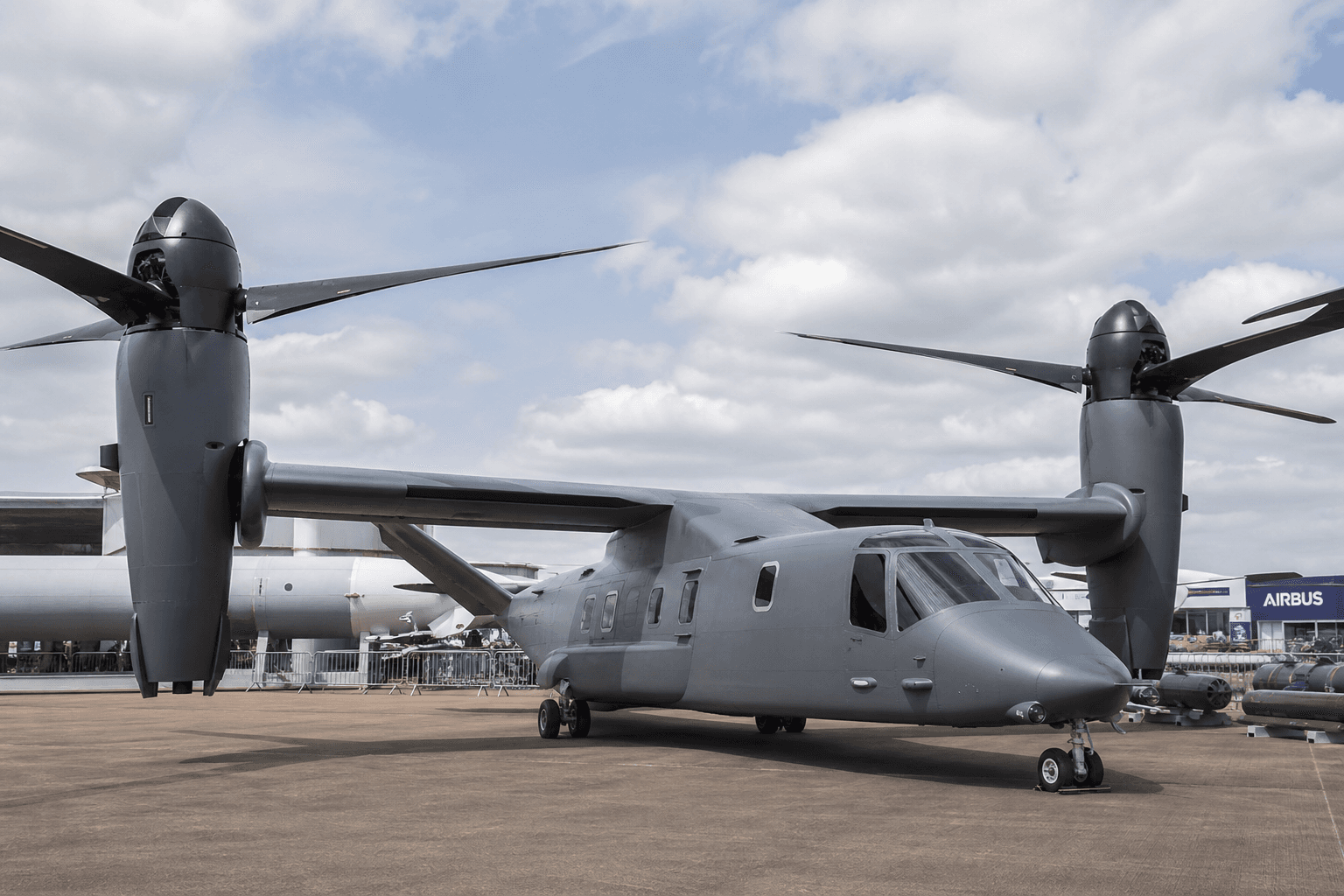
Archer introduces the Halo tiltrotor at Farnborough 2026, its new autonomous hybrid-electric aircraft targeting cargo, medevac, and search-and-rescue missions.
The gist
Archer launches Halo, an all-new autonomous hybrid tiltrotor focused on commercial cargo and rescue roles with long range and high payload.
Continuing coverage
All Hybrid-Electric →- Beta launches autonomous hybrid-electric MV250 VTOL focused on military logistics
- Electra inks production deal with Safran for 250 TG600 turbogenerators powering EL9 hybrid aircraft
- Safran to Power Electra's EL9 Hybrid Ultra-STOL Aircraft with New TG600 Turbogenerator
- Safran Commences Hybrid-Electric Testing on Modified Silvercrest Engine
- Safran's TG600 Turbogenerator Powering Electra EL9 Hybrid-Electric Aircraft
Archer Aviation has expanded its electric vertical takeoff and landing (eVTOL) portfolio with the unveiling of Halo, an autonomous hybrid tiltrotor concept aimed at commercial cargo and parapublic operators. Revealed at the 2026 Farnborough International Airshow, Halo supplements Archer's existing Midnight passenger eVTOL and complements the Thunder armed tiltrotor developed jointly with defense startup Anduril Industries. The new design showcases Archer’s diversification into hybrid-electric platforms beyond urban passenger mobility, targeting niche markets requiring longer range and greater payload capabilities.
The Halo and Thunder share a common fundamental architecture, including design, structural elements, and the electric drivetrain, all manufactured by Archer. While Thunder airframes are handed over to Anduril for militarization, Archer retains full production responsibility for the civilian-oriented Halo aircraft. This bifurcation allows Archer to leverage a common tiltrotor platform for distinct mission sets—military and commercial—while streamlining manufacturing processes.
Archer is best known for its Midnight, a fully electric multi-rotor eVTOL intended for urban air mobility, which is still navigating certification stages. However, the slow development of the urban passenger market has prompted Archer and other eVTOL developers to seek alternative applications. Defense was an early target, but purely battery-powered aircraft fell short of military endurance needs, prompting a shift toward hybrid-electric designs that combine fuel-burning engines with electric propulsion for extended range and operational flexibility.
According to Archer’s chief technology officer Tom Muniz, the impetus for hybrid tiltrotors evolved from feedback that purely battery-electric eVTOLs could not meet defense mission profiles. Muniz explained that hybrid systems could alleviate the range constraints inherent to all-electric platforms, enabling new operational possibilities in both defense and commercial sectors. The partnership with Anduril led to co-development of the Thunder and Halo programs, with the latter focused on commercial use cases.
The Halo concept features a design visually reminiscent of legacy tiltrotors such as the Bell-Boeing V-22 Osprey, including a large fuselage and two wing-mounted nacelles that pivot for vertical takeoff and forward flight transition. However, the aircraft’s propulsion architecture is markedly simplified, relying on electric motors driven by an onboard turboshaft engine that functions primarily as a generator to recharge batteries, rather than mechanically spinning the rotors. This electrical transmission system removes the complex gearboxes and drive shafts characteristic of conventional tiltrotors.
Prototyping is underway with initial flight tests planned for next year. Muniz noted that the aircraft design was finalized about a year ago, and Archer is currently fabricating the first flight test articles. Though commercial operations are still several years away, Archer is positioning Halo to serve diverse markets including offshore oil and gas logistics, organ transplant transport, freight delivery, medical evacuation, and search and rescue services. These applications demand longer endurance and the ability to operate beyond urban corridors, aligning well with the hybrid tiltrotor’s capabilities.
The Halo’s autonomous operation also differentiates it from Archer’s piloted Midnight. By removing the onboard pilot, the aircraft aims to reduce operating costs and expand mission versatility, particularly in remote or hazardous environments. This development reflects ongoing trends in eVTOL and rotorcraft innovation pursuing hybrid propulsion and autonomy to broaden the range of viable mission profiles beyond passenger mobility.
Archer’s unveiling of the Halo highlights the company’s strategic pivot in the evolving eVTOL industry landscape, where early expectations for urban air taxis have given way to more pragmatic targets such as cargo, parapublic, and defense-related missions. Through partnerships and internal development, Archer is illustrating how flexible platform architecture and hybrid-electric propulsion can address market realities and emerging demand in vertical lift aviation.
Frequently asked questions
- What is the purpose of Archer's new Halo tiltrotor?
- Halo is an autonomous hybrid-electric tiltrotor aimed at commercial cargo and parapublic operators, complementing Archer's existing passenger eVTOLs.
- How does the Halo's propulsion system work?
- Halo uses a turboshaft engine to generate electricity that powers electric motors driving the rotors, replacing complex mechanical transmissions with an electric drivetrain.
- When is Archer planning to begin flight testing the Halo aircraft?
- Archer is currently prototyping Halo and expects to begin flight testing next year after finalizing the design about a year ago.
Read more
All Military/Defense →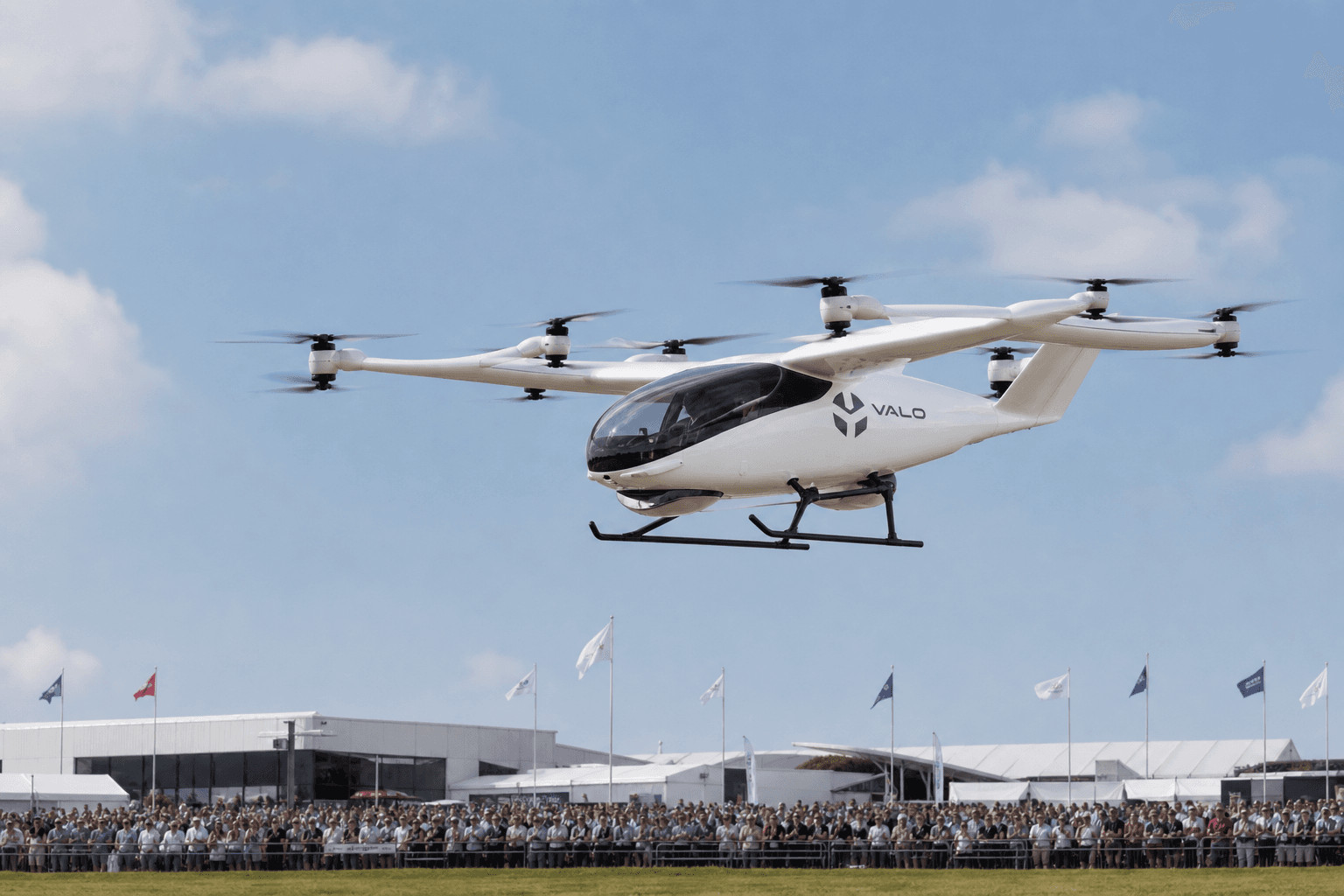
Vertical Aerospace to Perform First Public eVTOL Flights at Farnborough Airshow 2026
Vertical Aerospace (NYSE: EVTL), a pioneering company in UK electric aviation, is set to make history at the Farnborough International Airshow (20-24 July 2026). ezstandalone.cmd.push(function () { ezstandalone.showAds(119); }); The firm plans to conduct the first-ever public electric vertical take-off and landing (eVTOL) demonstration flights at the prestigious event. This milestone highlights Vertical’s rapid progress toward certification and eventual commercial operations. The demonstrations arrive at a pivotal moment for the company. In the past year, Vertical has achieved several major advancements. ezstandalone.cmd.push(function () { ezstandalone.showAds(127); }); It launched its commercial aircraft, named Valo, completed successful piloted transition flights, strengthened its financial position, and expanded its global network of technology partners. The company has also advanced its hybrid-electric defence initiatives while making steady headway in its certification programme. ezstandalone.cmd.push(function () { ezstandalone.showAds(128); }); Having proven the aircraft’s core capabilities, Vertical now shifts focus to the next critical stages: certification, industrialisation, and commercialisation. These efforts position the company to deliver sustainable, efficient air mobility solutions in the near future. Photo Credit: Vertical Aerospace Public Flights and Full-Scale Display At Farnborough, Vertical will showcase its progress in two key ways. Visitors will witness public piloted flights of the full-scale prototype, and they can explore a full-scale commercial model of Valo on the exhibition floor. ezstandalone.cmd.push(function () { ezstandalone.showAds(129); }); Stuart Simpson, CEO of Vertical Aerospace , expressed confidence in the company’s trajectory. “Vertical arrives at Farnborough with the key building blocks now in place,” he said. “Over the past year we’ve transformed the business – from launching Valo and achieving piloted transition to strengthening our financial position and expanding our industrial ecosystem. We’ve proven the technology.” “Our focus now is executing the roadmap to certification, industrialisation and commercial service. Every milestone we deliver reduces risk, strengthens our competitive position and brings us closer to building one of the world’s leading electric aerospace companies.” ezstandalone.cmd.push(function () { ezstandalone.showAds(130); }); Flight Demonstrations Open to the Public Vertical intends to perform public demonstration flights throughout the airshow week, marking the first time an eVTOL aircraft flies publicly at Farnborough. These flights remain subject to weather and regulatory approval. The planned demonstrations follow a recent decision by the UK Civil Aviation Authority (CAA) to expand Vertical’s Permit to Fly. This approval allows the company to operate public flights beyond its base at Cotswold Airport. Since receiving this authorisation, Vertical’s test pilots have successfully flown to multiple locations, including RAF Brize Norton, RAF Benson, Blackbushe Airport, and Farnborough Airport itself. ezstandalone.cmd.push(function () { ezstandalone.showAds(131); }); These operations have broadened the flight test programme and provided valuable experience across different operating environments. Such real-world testing is essential as the company moves closer to full certification and commercial service. Attendees interested in the latest flight schedules can join the Vertical Aerospace Farnborough International Airshow 2026 WhatsApp channel for real-time updates. Photo Credit: Gareth Iwan Jones Exploring the Valo Aircraft In Hall 4, visitors will have the opportunity to examine the full-scale commercial model of Valo up close and meet members of the team developing this advanced electric aircraft. The displayed model builds directly on the success of the flying prototype currently performing at the show. ezstandalone.cmd.push(function () { ezstandalone.showAds(132); }); Vertical brings one of the industry’s most robust technology ecosystems to Farnborough. The company collaborates with leading global partners, including Honeywell Aerospace, Aciturri, Evolito, Hyundai WIA, Syensqo, Sonaca, and Isoclima. It also holds approximately 1,500 conditional pre-orders from customers across four continents, such as American Airlines, Avolon, Bristow, GOL, and Japan Airlines. This week, Vertical announced a strategic partnership with Near Earth Autonomy. The collaboration aims to integrate advanced autonomous flight capabilities into Valo, supporting both future defence and commercial applications. ezstandalone.cmd.push(function () { ezstandalone.showAds(133); }); Leadership Voices on the Future of Air Mobility Throughout the week, Vertical’s executives will participate in high-level discussions about Advanced Air Mobility (AAM) and the path to commercial electric aviation. On Monday, 20 July (11:15–12:00) in Hall 3 – AGN Theatre 1L, Stuart Simpson will join a panel on “UK Leadership in Advanced Air Mobility.” Moderated by Sir Stephen Hillier, Chair of the UK Civil Aviation Authority, the session will explore how the UK can convert its early advantages in aircraft development, regulation, and operations into long-term commercial success. ezstandalone.cmd.push(function () { ezstandalone.showAds(134); }); Other confirmed speakers include representatives from Bristow Group, the CAA, NATS, and the Department for Transport. On Tuesday, 21 July (15:00–16:00), Simpson will take part in the “Inside the eVTOL Market” panel at the show’s inaugural Finance Summit in Hall 4. Hosted by Cantor Fitzgerald, the discussion will feature several prominent CEOs. This will include Kyle Clark of BETA, JoeBen Bevirt of JOBY, and Adam Goldstein of Archer Aviation. ezstandalone.cmd.push(function () { ezstandalone.showAds(135); }); The panel will examine the sector’s current progress and future vision. Image Credit: Vertical Aerospace Milestones on the Horizon As Vertical advances toward certification and entry into service, the company has outlined several important upcoming targets: Critical Design Review (CDR): Expected completion by the end of 2026. This review will establish the certifiable design baseline and pave the way for building and testing certification-conforming aircraft. Industrialisation: Opening the early production aircraft assembly facility in Q3 2026, followed by expansion of the Vertical Energy Centre in Q4 2026. Hybrid-electric Programme: Selection of a long-term turbogenerator supplier during 2026, ahead of hybrid-electric flight testing in the first half of 2027. ezstandalone.cmd.push(function () { ezstandalone.showAds(136); }); These planned achievements demonstrate Vertical’s clear and structured approach to bringing safe, sustainable electric flight to market. With strong partnerships, growing customer interest, and tangible technical progress, the company is well-positioned to play a leading role in the emerging advanced air mobility sector. Farnborough 2026 offers the public and industry stakeholders a unique opportunity to witness the future of aviation taking shape in real time. ezstandalone.cmd.push(function () { ezstandalone.showAds(137); });
Turkish Aerospace confident Kaan fighter prototypes will fly by end 2026 with US-engine deliveries approved
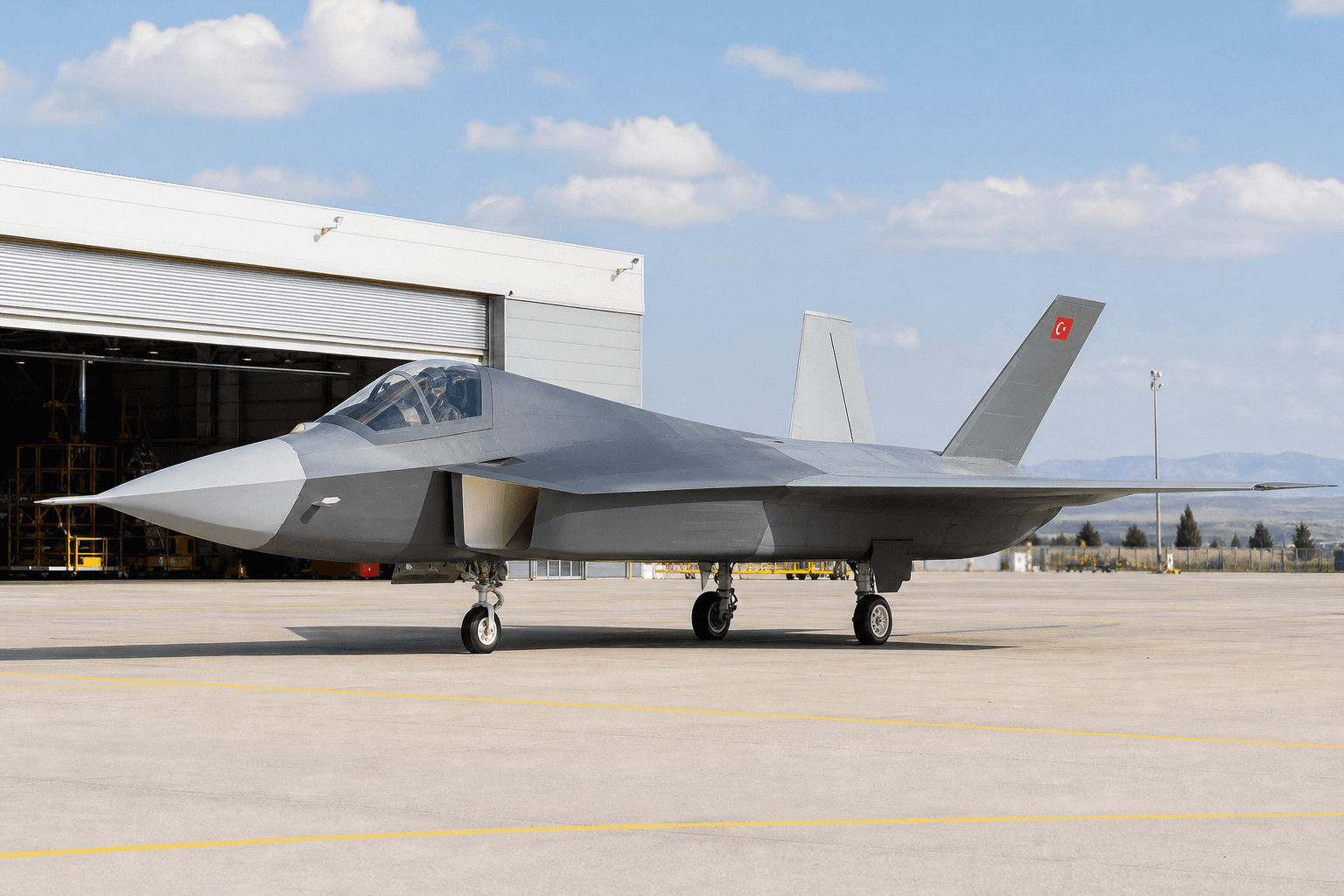
Turkey’s ambitious Kaan fighter is set to enter a new phase of testing, with export approval for US-made F110 engines apparently in hand. The Turkish Aerospace (TAI) Kaan fighter programme is on track to meet its delivery schedule, with test flights of two prototypes before the end of 2026. Both the P1 and P2 prototype aircraft will be airborne before the end of year, says Mehmet Demiroglu, chief executive of Turkish Aerospace. He indicates that ground tests have already started with the aircraft. "We are waiting for a number of tests to be completed," says Demiroglu. "We are hoping that it's going to be in a couple of months that we will see [the first Kaan prototype] flying. On the second one, our goal is to also fly by the end of the year. Two Kaans will be flying by the end of year…that's our goal, and let's hope that's the case." Demiroglu spoke to FlightGlobal at the 2026 Farnborough air show. The P1 and P2 prototypes will kick testing into full gear. A demonstrator aircraft already flew in February 2024. The Kaan is powered by a pair of GE Aerospace F110 engines, but deliveries of 80 additional engines were held up owing to US sanctions related to Ankara’s earlier procurement of a Russian S-400 air defence system. TAI already had possession of 10 engines for use on Kaan prototypes prior to the restrictions. Demiroglu confirms that the US Congress has approved the export licence for the engines, and the company is now working with GE to secure the powerplants. The Trump administration recently approved Turkey's acquisition of "dozens" of F110 engines for use on the Kaan, although some congressional lawmakers have questioned the arrangement. Deliveries had been held up owing to US CAATSA (Countering America's Adversaries Through Sanctions) legislation. The CAATSA action was triggered in 2019 by the S-400 purchase, a decision that also saw Ankara booted from the Lockheed Martin F-35 programme. "Since these engines are for serial production, which is at least two, two and half years away, we will have no issue receiving those engines in time to support our serial production for the Turkish air force," says Demiroglu. He adds that the first Kaan delivery should be on track for 2028, although he concedes that the Kaan is a "challenging programme”. A specific delivery timeline for the F110 engines remains murky. A senior member of the Foreign Relations Committee in the US House of Representatives says the turbofans will "not be delivered for years". Initial Block 10 and Block 20 Kaan jets will use the F110 engine, but subsequent Block 30/40 examples will use the locally made Tusas TF35000 engine from 2032. Demiroglu also confirmed that industrial collaboration is also underway with Indonesia, which has orders for 48 Kaan fighters . While this may not lead to a Kaan assembly line in the Southeast Asian country, Indonesia's aerospace sector will be part of the aircraft's supply chain and will also support other TAI programmes. TAI is in discussion with Jakarta about offsets related to the Kaan order. It has 60 people working in Indonesia, with this number set to grow. "Kaan is the future of the Turkish air force," he adds. "It is a programme that will continue for the next 20 to 30 years."
Developing Sixth-Generation Fighters Takes Decades Even for Superpowers
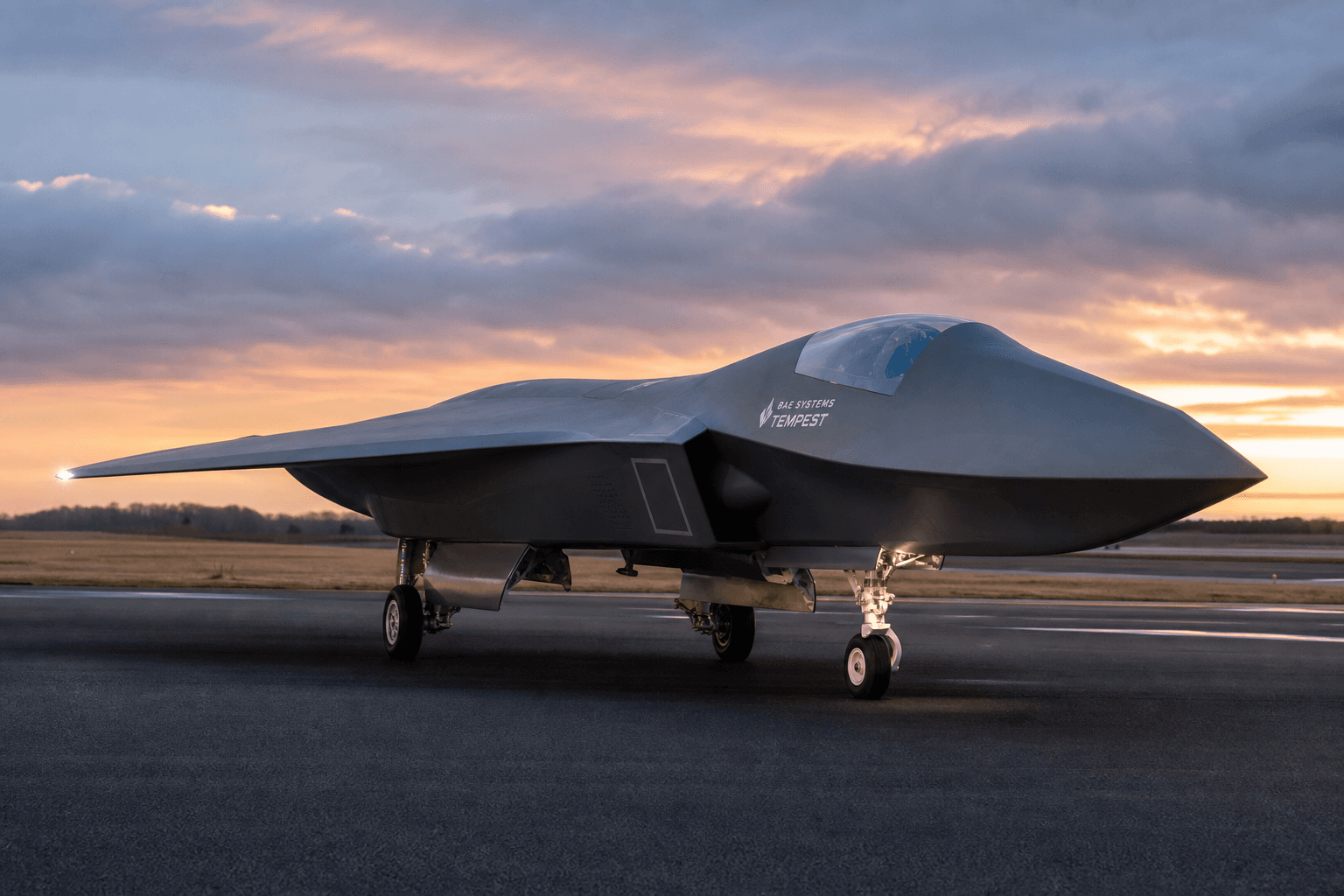
When thinking of next-generation fighter jets , it is useful not to think of them as fighter jets in the traditional sense. Rather, they are more like next-generation flying data centers forced to solve a raft of engineering challenges that had never been solved in the past (while also carrying missiles). Public attention is often focused on the easily visible aspects, like the stealthy shape and the tailless designs, but these can be distractions to understanding what is really going on.
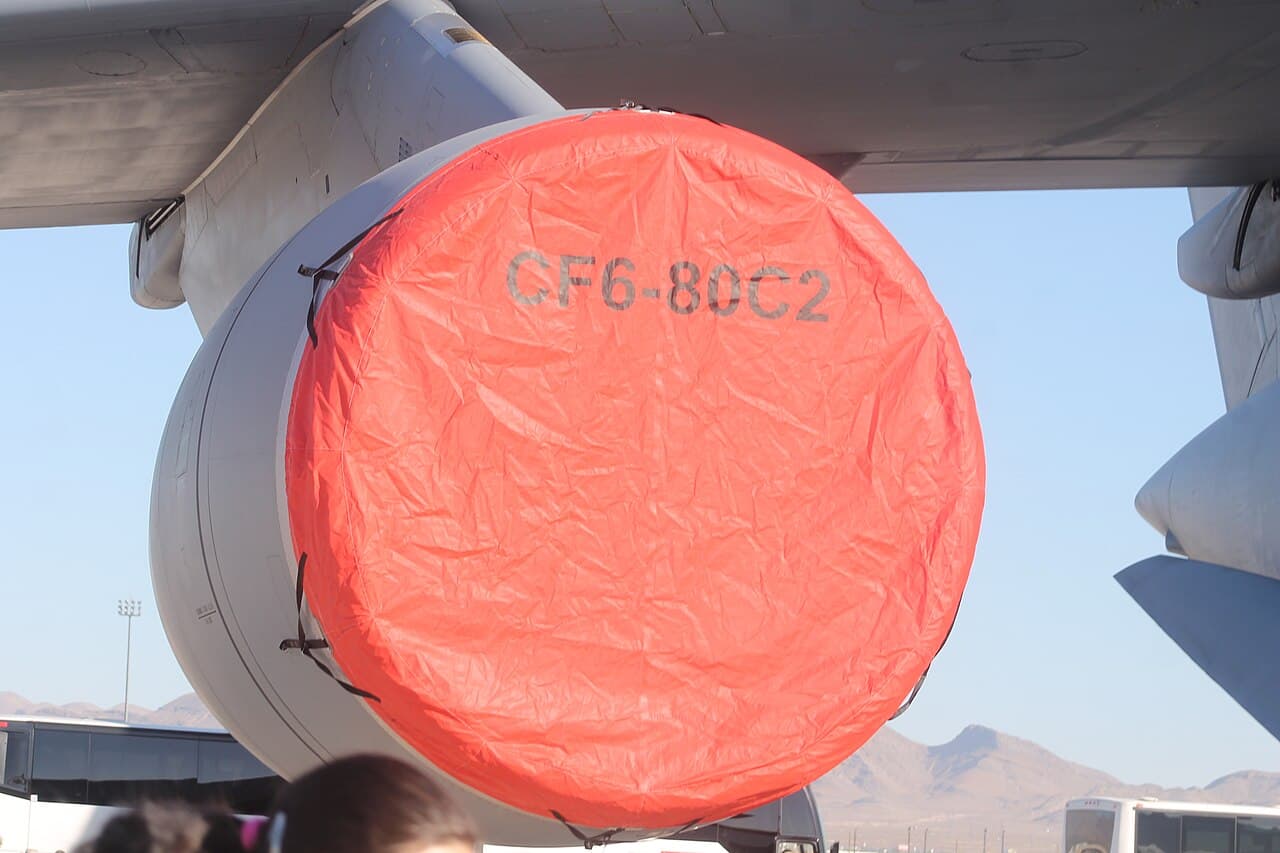
USAF Invests $143M in Software Upgrades to Keep C-5 Galaxy Airlifters Flying Until 2050
The largest aircraft in the United States Air Force's arsenal isn't the Boeing VC-25 (based on the 747) used for presidential transport, but rather the less glamorous Lockheed C-5 Galaxy . The C-5 is of a similar vintage as the 747 and was designed specifically as a military freighter, having only ever served for the USAF across the 56 years since its introduction. Despite its age, the USAF is firmly committed to the C-5 in its long-term fleet plan and will upgrade these aircraft.
The Daily Touch & Go
The day's best aviation news in your inbox. Free, no spam.