

Image: Sergey Kustov · CC BY-SA 3.0 · via Wikimedia Commons
Brussels Airlines Pauses Long-Haul Fleet Growth Citing Profit and Geopolitical Strains
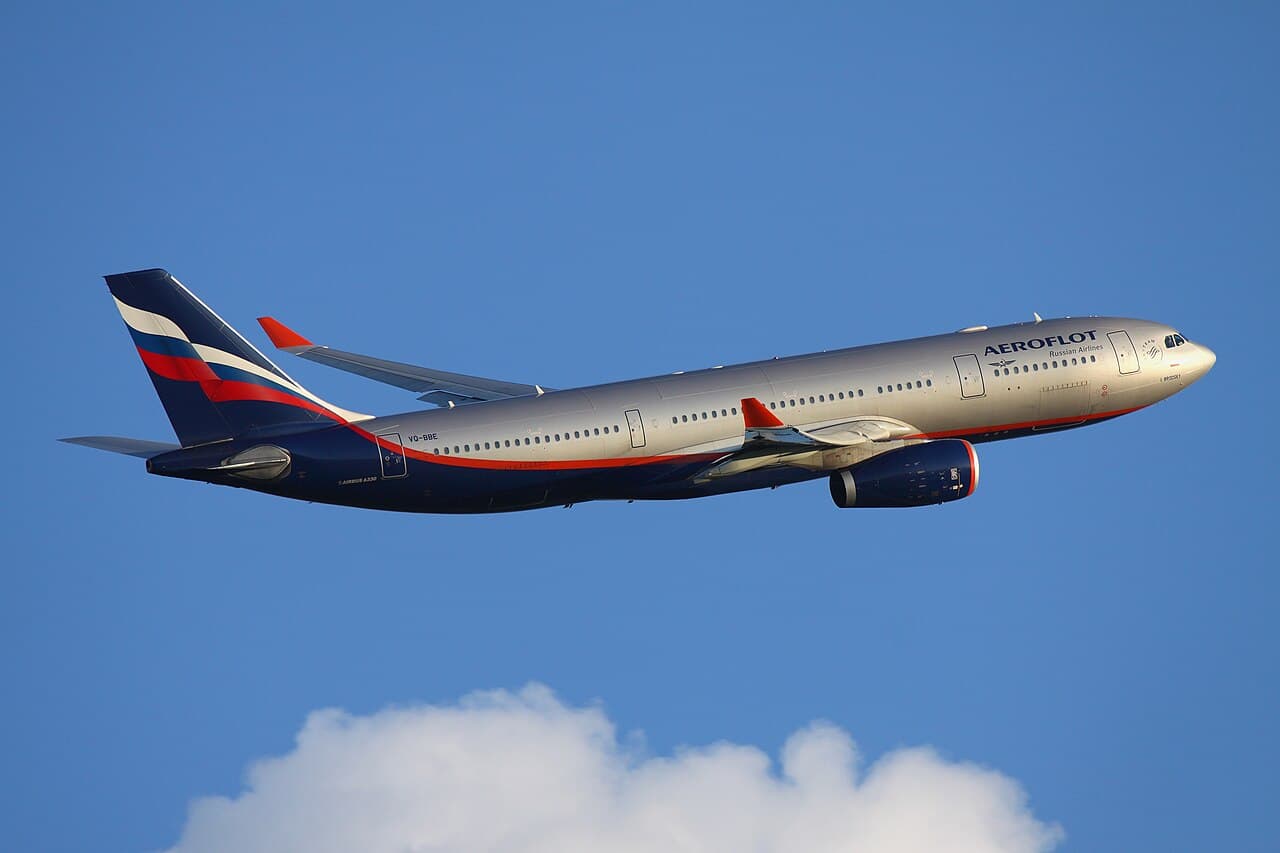
Brussels Airlines will hold its long-haul fleet steady at 11 Airbus A330s in 2027 due to weaker profits, strikes, and geopolitical challenges, ending wet-leased summer 2027 capacity.
The gist
Brussels Airlines freezes expansion of its long-haul A330 fleet and drops wet-leased summer planes amid financial and operational pressures.
Continuing coverage
All Fleet Expansion →- LATAM Airlines posts $227 million Q2 profit amid strong premium demand
- Cathay Pacific Group Posts 27% Operating Profit Rise and Stays on Track for 10% Capacity Growth
- US-Bangla Airlines to Double Fleet with $1.5B Boeing Order
- ANA expands Embraer E190-E2 order with eight additional jets for flexible domestic service
- flynas expands Airbus fleet with 25 new A330-900 and A321neo jets
Brussels Airlines has announced a halt to its planned expansion of the long-haul Airbus A330 fleet, opting to maintain its current count of 11 aircraft through 2027. The Belgian carrier, part of the Lufthansa Group, cited a combination of profitability setbacks, labor disruptions, and geopolitical uncertainties as driving factors behind this caution. Notably, the previously planned addition of two A330s next year will not materialize, marking a significant shift from the airline’s earlier growth ambition.
The airline’s financial results for the first half of 2026 illuminate the challenges underpinning this strategic adjustment. Brussels Airlines reported an adjusted operating loss of €70 million during this period, doubling its loss compared to the same half in 2025. Despite this downturn, operational metrics showed some improvement: passenger numbers climbed 8% to 4.5 million, revenue increased 9% to €821 million, and load factors improved. However, rising fuel costs linked to instability in the Middle East added €64 million in expenses, while an Ebola outbreak in East Africa dampened demand on key routes and complicated crew scheduling.
Labor troubles compounded the strain, with strikes at Brussels Airport and air traffic control disruptions costing approximately €3 million. These factors contributed meaningfully to the airline’s decision to keep fleet growth on hold. Earlier plans had envisioned a larger long-haul fleet to cement Brussels Airlines’ competitive edge, especially in connecting Europe to Sub-Saharan Africa, where it holds strategic importance within the Lufthansa Group.
In addition to freezing fleet growth, Brussels Airlines will discontinue using wet-leased aircraft during the summer 2027 season. The four airBaltic planes operating under wet-lease agreements through October 2026 will not be renewed next year, removing the extra seasonal capacity that helped meet demand peaks. This move reflects a tighter operational approach amid continuing external uncertainties and cost pressures.
Despite these retrenchments, Brussels Airlines is prioritizing passenger experience enhancements with the introduction of refreshed cabin interiors across its Airbus A330 long-haul fleet. The upgrades, expected in 2027, will cover Business Class, Premium Economy, and Economy seating areas. These improvements aim to sustain the airline’s long-haul appeal and competitiveness in the face of a challenging market environment.
Operational focus shifts toward maximizing efficiency and recovery from recent setbacks. Brussels Airlines plans to leverage a stronger summer 2026 schedule with increased production over 2025, provided stability is maintained. Holding the existing fleet steady contrasts with the broader European airline sector’s difficulties, where fuel price volatility, labor disputes, and geopolitical tensions have pressured many operators to reassess growth trajectories.
The airline continues to progress on fleet renewal for short- and medium-haul routes with Airbus A320neo aircraft, demonstrating a commitment to modernizing its operations where feasible. Maintaining Brussels as a key European hub for African destinations remains central to its network strategy. Meanwhile, a leadership transition is underway, with a new CEO expected to steer the airline’s integrated hub operations and recovery efforts.
Brussels Airlines’ conservative fleet stance and withdrawal from wet-leased planes underscore a drive for sustainable profitability over rapid expansion in the near term. As the 2027 season approaches, the airline will focus on solidifying its core business and stabilizing finances, relying on product enhancements and operational discipline to navigate a complex operating landscape.
Frequently asked questions
- Why is Brussels Airlines freezing the expansion of its long-haul fleet?
- Brussels Airlines cited weaker-than-expected profitability, repeated strikes in Belgium, and ongoing geopolitical uncertainty as the main reasons for freezing its long-haul fleet expansion plans.
- What financial challenges did Brussels Airlines face in the first half of 2026?
- The airline reported an adjusted operating loss of €70 million in the first half of 2026, worsened by a €64 million jump in fuel costs due to Middle East unrest and an Ebola outbreak in East Africa reducing demand and complicating scheduling.
- What changes is Brussels Airlines making to its wet-leased aircraft for 2027?
- Brussels Airlines will end the use of wet-leased aircraft in the summer 2027 season, discontinuing four airBaltic planes that operated until late 2026, thus removing seasonal extra capacity used during peak periods.
Read more
All Sustainability →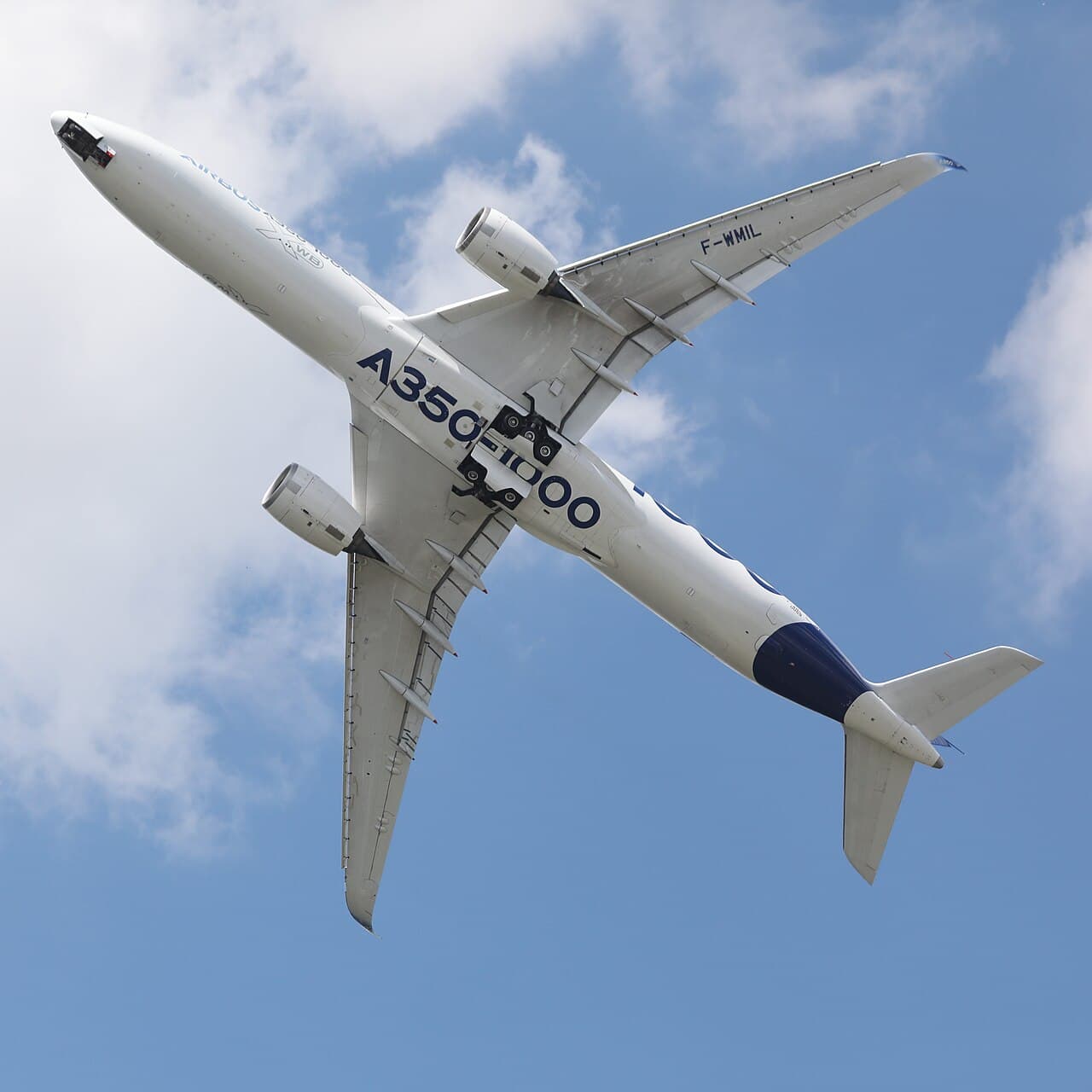
Lufthansa Readies First Airbus A350-1000 in Special 100th Anniversary Livery
Lufthansa continues to mark its 100th anniversary year in style. The airline is expecting delivery of its first Airbus A350-1000 in the coming weeks. This new jet has already been painted in a striking blue special livery that celebrates a century of aviation history. ezstandalone.cmd.push(function () { ezstandalone.showAds(119); }); The aircraft was painted at Airbus’s facility in Toulouse, France. It features a prominent white XXL crane motif along with the inscriptions “1926 | 2026” and “100”. Workers used 432 litres of blue paint and 246 litres of white paint to create this eye-catching design. This new jet will become the seventh aircraft in Lufthansa’s fleet to wear the special anniversary colours. ezstandalone.cmd.push(function () { ezstandalone.showAds(127); }); A Milestone Delivery for Lufthansa The A350-1000, registered as D-AIFA, carries the name “Deutschland.” An official naming ceremony will take place later. The aircraft is scheduled to fly from Toulouse to Munich this fall after completing necessary test flights, interior work, and final inspections. This delivery holds extra significance: it marks the 700th aircraft that Airbus has delivered to the entire Lufthansa Group. The long-haul jet will join Lufthansa’s growing fleet and help the airline modernize its operations while offering passengers enhanced comfort on international routes. ezstandalone.cmd.push(function () { ezstandalone.showAds(128); }); A350-1000: The Difference At 73.80 meters long, the A350-1000 is seven meters longer than the A350-900. This extra space allows the aircraft to seat up to 300 passengers across four classes: First Class, Business Class, Premium Economy, and Economy Class. Passengers can expect quieter cabins, better air quality, and improved lighting thanks to the A350 family’s advanced design. ezstandalone.cmd.push(function () { ezstandalone.showAds(129); }); Lufthansa has ordered a total of 15 A350-1000 aircraft. All are expected to arrive by 2030. These modern jets will replace older models and support the airline’s long-term growth strategy. Part of a Growing Anniversary Fleet The new A350-1000 joins an impressive lineup of aircraft already flying in the special blue livery. Long-haul routes currently feature an A350-900, an A380, a Boeing 787-9, and a Boeing 747-8. Two Airbus A320neo aircraft also wear the anniversary design on shorter routes. These special aircraft have drawn enthusiastic reactions from passengers and aviation enthusiasts worldwide. Plane spotters have gathered to photograph the distinctive blue jets, further marking the celebration of Lufthansa’s heritage. ezstandalone.cmd.push(function () { ezstandalone.showAds(130); }); Why the A350-1000 Matters for the Future The Airbus A350-1000 represents the latest in efficient wide-body technology. It offers lower fuel consumption and reduced emissions compared to older generation aircraft. This aligns perfectly with Lufthansa’s sustainability goals and its commitment to responsible growth. By introducing the larger A350 variant, Lufthansa can offer more seats on popular long-haul routes without increasing the number of flights. This approach helps balance capacity growth with environmental considerations. Looking Ahead As Lufthansa celebrates its centenary throughout 2026, the upcoming arrival of this specially liveried A350-1000 adds a powerful visual symbol to the festivities. The aircraft will not only connect passengers across continents but also represent the airline’s blend of tradition and innovation. ezstandalone.cmd.push(function () { ezstandalone.showAds(131); }); Travellers can look forward to experiencing the new jet on select routes once it enters service. With its advanced features and celebratory design, the A350-1000 is set to become a favourite among frequent flyers and aviation fans alike. Lufthansa’s investment in the A350 family demonstrates confidence in the future of premium air travel. As the airline continues to refresh its fleet, passengers will benefit from newer, more comfortable, and more efficient aircraft. This latest milestone reinforces Lufthansa’s position as a leading global carrier. The special livery serves as a flying tribute to 100 years of connecting people and cultures around the world. ezstandalone.cmd.push(function () { ezstandalone.showAds(132); });
TAP Air Portugal to Expand Fleet by 24 Airbus Jets After Restructuring Completion
TAP Air Portugal is set for significant growth. Following the successful completion of its restructuring program, the airline plans to introduce 24 new Airbus aircraft over the next two years. ezstandalone.cmd.push(function () { ezstandalone.showAds(119); }); This expansion will boost its operational fleet by about 25% and support new route developments. End of Restructuring Opens Doors for Expansion On July 15, 2026, TAP announced it would receive 10 aircraft in 2026, including six A320neos, two A321neos, and two A330neos. The remaining deliveries are scheduled through 2028. The order comprises 22 A320neo Family aircraft and two A330neos. ezstandalone.cmd.push(function () { ezstandalone.showAds(127); }); These aircraft were originally ordered but deferred during the COVID-19 pandemic as part of TAP’s restructuring efforts. With the European Commission’s approval of the restructuring plan now fully satisfied, the airline can expand beyond previous fleet limits imposed to ensure fair competition. TAP’s restructuring began after receiving substantial state aid during the pandemic. The European Commission approved around €2.55–3.2 billion in aid in 2021, tied to strict conditions including cost reductions, asset divestments, and capacity limits. ezstandalone.cmd.push(function () { ezstandalone.showAds(128); }); Recent completions of sales for stakes in catering and ground handling firm SPdH (Serviços Portugueses de Handling) marked the final milestones. Photo Credit: TAP Air Portugal Fleet Growth and Network Strategy The additional aircraft will strengthen TAP’s position as Portugal’s flag carrier. As of mid-2026, TAP operates roughly 94–104 aircraft, primarily Airbus models. The new narrowbodies and widebodies will modernize the fleet, improve fuel efficiency, and enhance passenger comfort with the latest technologies. ezstandalone.cmd.push(function () { ezstandalone.showAds(129); }); This growth directly supports recently announced route expansions across North America, South America, and Europe. TAP aims to leverage its Lisbon hub as a key transatlantic gateway between Europe and the Americas. The extra capacity will allow more frequencies on popular routes and open opportunities for new destinations. Path to Privatisation The timing of this fleet expansion aligns with Portugal’s ongoing privatization efforts. The government plans to sell a 44.5% stake in TAP later in 2026, with 5% reserved for employees. A new strategic investor could bring additional capital and expertise to support long-term ambitions. Industry analysts view the move positively. Completing restructuring removes regulatory constraints and signals financial stability. ezstandalone.cmd.push(function () { ezstandalone.showAds(130); }); Modern aircraft will lower operating costs and reduce environmental impact through better fuel efficiency — an important factor as airlines face increasing pressure to meet sustainability targets. BriYYZ from Toronto, Canada, CC BY-SA 2.0, via Wikimedia Commons Implications for Passengers and the Industry For passengers, the expansion promises more flight options, potentially competitive fares, and newer aircraft with improved amenities. TAP’s focus on transatlantic routes benefits travellers connecting between Europe and Latin America, where the airline has traditionally been strong. The development also highlights broader trends in European aviation. Many carriers deferred deliveries during the pandemic and are now accelerating fleet renewal with fuel-efficient models like the A320neo and A330neo families. This helps airlines recover profitability while addressing environmental concerns. ezstandalone.cmd.push(function () { ezstandalone.showAds(131); }); TAP’s recovery story demonstrates resilience. From pandemic lows, the airline has restructured operations, divested non-core assets, and now positions itself for sustainable growth. Success in privatization will be key to securing its future competitiveness. As deliveries begin in late 2026, aviation enthusiasts and frequent flyers can expect to see more of TAP’s distinctive livery on runways worldwide. The airline’s disciplined growth plan focuses on its core strengths: reliable service, strategic geography, and a modernizing fleet. This strategic expansion positions TAP Air Portugal to reclaim and strengthen its role as a major player in the competitive European and transatlantic markets. With a larger, more efficient fleet and freedom from restructuring constraints, the airline is ready for its next chapter. ezstandalone.cmd.push(function () { ezstandalone.showAds(132); });

London Gatwick's second runway expansion gets green light after legal challenge fails
UK hub to expand capacity after attempt to overturn judicial review rejection fails. London Gatwick's planned expansion, which will include a second runway, is set to proceed after a legal appeal against the development failed. In a ruling issued on 4 August by the Royal Courts of Justice in London, judges dismissed applications to appeal by two parties including Communities Against Gatwick Noise Emissions. The parties had sought a judicial review of the UK transport secretary's decision, in September last year, to make a development consent order authorising improvement of Gatwick's northern runway, and lifting restrictions so that both the northern and southern runway can be operated as a dual system. Permission for a judicial review was denied in June, after a hearing in January, and the parties sought permission to appeal, on several grounds, at a subsequent hearing on 27-28 July. But the application to appeal has failed. "We conclude that each of the grounds of appeal raised by each appellant is unarguable," says the ruling. "Neither appeal has a real prospect of success. We also consider that there are no other compelling reasons for either appeal to be heard." London Gatwick chief Pierre-Hugues Schmit says the judges "comprehensively" rejected the challenges of the two campaign groups, showing that the approval decision for the runway project was taken "properly and lawfully". “This final ruling means that we can now press on with the important job of bringing this exciting project to life and move forward into the design and delivery phase," he adds.
Somon Air debuts Boeing 737 MAX with first aircraft delivery from DAE lease
Somon Air has received its first Boeing 737 MAX jet. The Tajikistan national carrier accepted the 737-8 on August 3, 2026. This marks the first 737 MAX to operate in the country. ezstandalone.cmd.push(function () { ezstandalone.showAds(119); }); The aircraft is the first of two planes leased from Dubai Aerospace Enterprise (DAE). It forms a key part of Somon Air’s plan to modernize its fleet and grow its network. Boosting Routes Across Central Asia Somon Air plans to use the 737-8 on short- and medium-haul routes. These will cover Central Asia, Europe, the Middle East, and Asia. ezstandalone.cmd.push(function () { ezstandalone.showAds(127); }); The jet offers longer range and better operating economics than older models. This gives the airline more flexibility on high-demand routes. It also supports future expansion. Somon Air aims to add service to cities such as London, Beijing , and Guangzhou. Abdulkosim Valiev, CEO of Somon Air , highlighted the benefits. “Considering the central geographic location of Tajikistan and the improved range capability of Boeing 737-8, this fleet expansion gives Somon Air opportunity to open new routes with improved economics considering the new aircrafts’ fuel efficiency,” he said. ezstandalone.cmd.push(function () { ezstandalone.showAds(128); }); He also noted the airline’s strong partnership with Boeing. “Somon Air greatly values its unique long-term relationship with the Boeing company and looks forward to continuous growth of its fleet by adding more efficient and modern Boeing aircraft.” Photo Credit: Boeing Efficient Performance and Lower Emissions The 737-8 stands out as the most versatile model in the 737 MAX family. It can seat up to 210 passengers, depending on the layout. Its range reaches 3,500 nautical miles, or about 6,480 kilometres. ezstandalone.cmd.push(function () { ezstandalone.showAds(129); }); Compared with the aircraft it replaces, the 737 MAX cuts fuel use and carbon emissions by 20 percent. These gains support Somon Air’s modernization goals while improving cost efficiency. Firoz Tarapore, CEO of DAE , welcomed the delivery. “DAE is delighted to be a part of this momentous occasion, delivering both Somon Air’s first Boeing 737-8, and the first Boeing 737-8 in Tajikistan,” he said. “This aircraft is part of a two aircraft commitment, and we are excited to further our relationship with Somon Air. We wish the management team success in deploying these aircraft across their network.” ezstandalone.cmd.push(function () { ezstandalone.showAds(130); }); DAE Capital already holds more than 190 Boeing 737 MAX family jets in its portfolio. The type remains a core part of its focus on newer, fuel-efficient aircraft. Building on a Strong Boeing Partnership Paul Righi, Boeing vice president of Commercial Sales and Marketing for Eurasia, India, and South Asia , praised the milestone. “We’re honoured by Somon Air’s trust in Boeing, and the 737 family, as they evolved from a regional carrier into an emerging international presence over the past 20 years,” he said. “The 737-8 is the right airplane for the airline’s modernization, and we look forward to supporting Somon Air’s continued growth for many years to come.” ezstandalone.cmd.push(function () { ezstandalone.showAds(131); }); Last year, Boeing and Somon Air announced a commitment for up to 14 fuel-efficient airplanes. The order includes both 787 Dreamliners and additional 737 MAX jets. The new 737-8 will complement the planned Dreamliner fleet. About Somon Air Somon Air serves as Tajikistan’s national airline and leading commercial carrier. It began operations in 2008 and has always flown an all-Boeing fleet. The airline currently operates six Next-Generation 737s. It flies to 29 destinations across Europe, Asia, and the Middle East from its hub at Dushanbe International Airport. ezstandalone.cmd.push(function () { ezstandalone.showAds(132); }); The arrival of the first 737 MAX signals a clear step forward. It strengthens Somon Air’s ability to serve growing demand with more efficient and capable aircraft. As the airline expands, the new jet positions it for greater reach and improved performance across its network.
The Daily Touch & Go
The day's best aviation news in your inbox. Free, no spam.