

Illustration: The Touch & Go
Rolls-Royce Trent XWB and GE GEnx Engines Burn 100% SAF but Lack Certification
Despite successful test flights using fully sustainable aviation fuel, regulatory barriers keep modern widebody engines capped at 50% SAF blends for now.
The gist
Cutting-edge Rolls-Royce and GE engines run on 100% sustainable fuel, yet regulations limit commercial use to blends below 50%.
Continuing coverage
All Sustainable Aviation Fuel →- Gulfstream and Rolls-Royce Complete First High-Altitude Flights Using 100% Sustainable Aviation Fuel
- Gulfstream and Rolls-Royce demonstrate contrail reduction using 100% sustainable aviation fuel
- Rolls-Royce Trent XWB-84 EP Engine Upgrade Slashes Fuel Costs for Airlines
- Aviation's 65% Sustainable Fuel Goal by 2050 Faces Serious Doubts Amid Supply and Policy Challenges
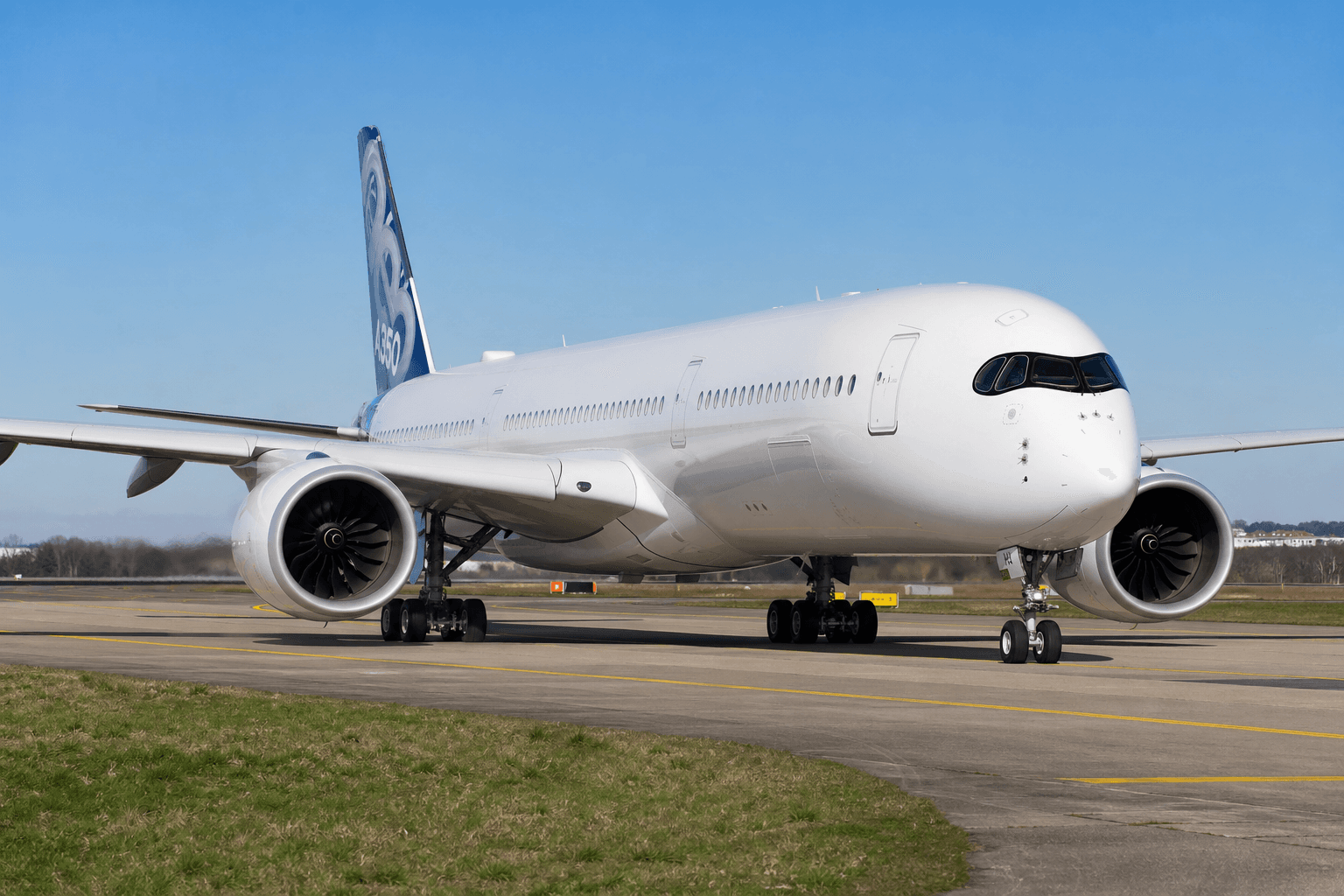
Rolls-Royce and GE Aerospace have demonstrated that their flagship widebody engines, the Trent XWB and GEnx respectively, can operate effectively on 100% sustainable aviation fuel (SAF). These engines have undergone rigorous flight and ground tests proving their capability to burn pure synthetic kerosene without compromising performance. However, despite these technological advancements, commercial use of unblended SAF in passenger flights remains prohibited under current regulatory standards.
The pioneering 2021 test by Rolls-Royce involved a Trent XWB-84 engine on an Airbus A350 flying for three hours fully fueled by synthetic kerosene. This collaborative research effort included European scientific partners and measured real-time emissions and combustion stability over long distances. The engine demonstrated robust operation without flameouts or other mechanical failures, establishing that modern turbofan architectures are fundamentally compatible with unblended SAF.
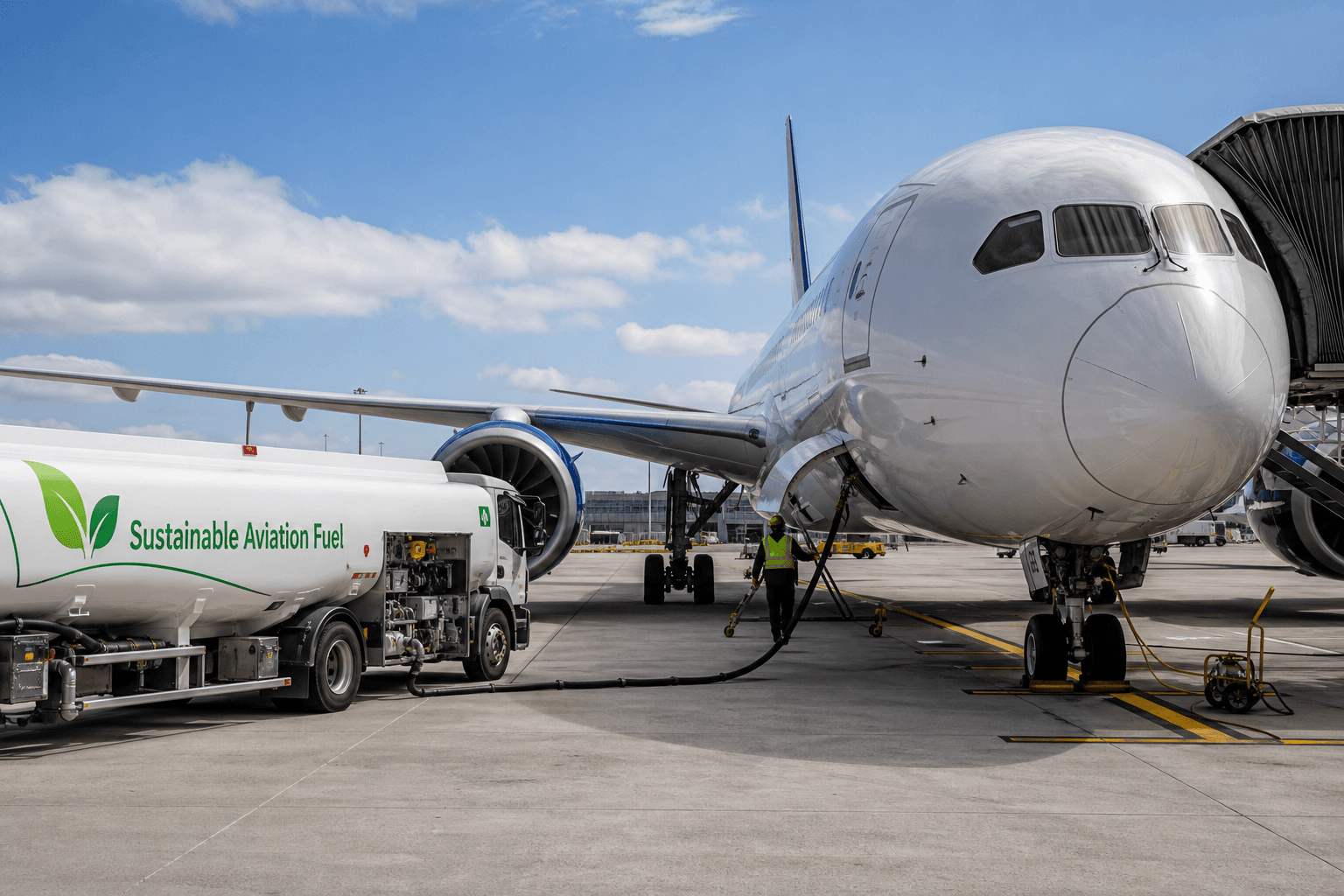
GE Aerospace followed with extensive campaigns testing ten engine models on 100% synthetic fuel in both ground test cells and flight environments. Their core validation focused on the GEnx-1B engine installed on a Boeing 787, assessing how alternative molecular fuel compositions interact with critical heavy-duty components under high operational stress. These tests confirmed that the engines maintained thrust symmetry, temperature stability, and structural integrity on pure synthetic fuel.
From an engineering perspective, synthetic aviation fuels used in these demonstrations are designed to closely mimic the chemical properties of conventional jet fuel but without sulfur and heavy impurities. This molecular similarity allows the combustion cycle of engines like the Trent XWB and GEnx to remain unchanged. Additionally, neat SAF offers slight advantages including higher energy density per unit mass, potentially reducing fuel weight and improving aircraft efficiency during long-haul flights.
The absence of sulfur in SAF leads to a cleaner burn that reduces deposits known as coking on combustor liners and fuel nozzle components. Over time, this could extend engine maintenance intervals and operational life by minimizing abrasive carbon buildup inside turbine parts. Yet while engine cores appear ready for high SAF content, the challenge lies elsewhere in the fuel delivery system, particularly in rubber components like seals, O-rings, and fuel lines.
Conventional jet fuels contain 15% to 25% aromatic hydrocarbons essential for maintaining the elasticity and swelling of nitrile rubber seals used throughout aircraft fuel systems. Aromatics cause the seals to expand, ensuring tight, leak-proof joints even at the sub-zero temperatures experienced during high-altitude flight. Most synthetic fuels are paraffinic and contain negligible aromatics, causing elastomeric seals to shrink and risking micro gaps that could lead to fuel leaks.
Given the potential safety hazard from fuel leaks, current regulations limit SAF usage to blends containing no more than 50% sustainable kerosene. This restriction allows sufficient aromatic content to maintain seal integrity with proven materials. Regulatory bodies like ASTM International require decades of data on the interactions between synthetic fuels and elastomer components before approving higher blend ratios or neat SAF for commercial passenger flights.
These material compatibility issues have shifted the industry’s focus from engine combustion performance to detailed studies on the long-term behavior of fuel system parts under continuous exposure to alternative fuels. Research efforts now include fluid dynamic analyses, material friction testing, and durability assessments relevant to 30-year operational lifespans of commercial aircraft. Until the effects of pure SAF on all fuel system materials are fully understood and standardized, certifying these fuels for routine use remains out of reach.
The gap between technological capability and certification highlights the aviation sector’s cautious approach to decarbonization. While the thermodynamic readiness of engines like the Trent XWB and GEnx is clear, maintaining absolute safety margins in fuel system integrity dictates the pace of regulatory approval. Airlines currently using SAF are restricted to blends adhering to international standards, reinforcing a measured transition toward future carbon-neutral operations.
Frequently asked questions
- Why are Rolls-Royce Trent XWB and GE GEnx engines not certified to use 100% sustainable aviation fuel commercially?
- Although these engines have successfully tested on 100% synthetic fuel, certification is limited by concerns about fuel system seals that require aromatic hydrocarbons to maintain integrity; current regulations mandate a maximum 50% SAF blend to prevent fuel leaks.
- What advantages does burning 100% sustainable aviation fuel offer for these engines?
- Burning neat SAF can improve operational efficiency due to higher energy density and reduces carbon deposits inside engine components, potentially lowering maintenance needs and extending engine life.
- What causes the 50% blending limit for sustainable aviation fuels in commercial use?
- The 50% limit ensures enough aromatic content is present in fuel blends to keep elastomeric seals in aircraft fuel systems swollen and leak-proof, as pure synthetic fuels lack these necessary aromatics, risking fuel leaks if unmodified systems are used.
Read more
All Sustainability →
Gulfstream and Rolls-Royce demonstrate contrail reduction using 100% sustainable aviation fuel
Business jet manufacturer and engine provider Rolls-Royce carried out a series of test flights using different fuels. Gulfstream and propulsion partner Rolls-Royce have hailed the initial results from tests that have shown the potential of 100% sustainable aviation fuel (SAF) to reduce contrail formation during high-altitude flights. For the campaign, Gulfstream used a G800 prototype as the lead aircraft, followed by a specially modified G700 acting as a flying emissions measurement platform. Both jets are powered by twin Pearl 700 engines. Over a series of flights, the G800 ran on standard Jet-A, low-sulphur Jet-A, and 100% HEFA-produced SAF. Data captured by the G700 allowed a comparison between the performance of the different fuel types. Operating in close formation, the aircraft enabled researchers to capture precise, real-world measurements of particulate matter and contrail-forming atmospheric characteristics at the higher altitudes – up to 50,000ft – typically flown by certain business jets, Gulfstream says. "Preliminary results suggest a significant, measurable reduction in the particulate emissions that contribute to contrail formation when operating on neat SAF," the partners state. Gulfstream says months of preparation preceded the tests, including modifying the G700's cabin to host the necessary instrumentation and simulator-based training for flightcrew to practice the complex formation profiles to be flown. "As aviation continues its work in optimising environmental efficiencies, Gulfstream is focused on advancing solutions that deliver measurable impact today while shaping a more sustainable future for flight," says Mark Burns, president, Gulfstream. "Sustainable aviation fuels in combination with compatible, ultra-efficient aero engines will not only play a vital role in decarbonising aviation but have also been shown to reduce certain non-CO2 emissions," says Alan Newby, director of research and technology, Rolls-Royce. "The valuable insights we have gained from these latest tests at high altitudes… are driving real progress in understanding aviation's non-CO2 climate impacts and potential mitigation options." Also involved in the test programme were the Federal Aviation Administration, NASA, Germany's DLR aerospace centre, Missouri University of Science and Technology, Aerodyne Research, Montana Renewables and World Fuel Services. Although most modern jet engines are compatible with 100% SAF, current regulations limit their operation to a maximum of 50%.
Aviation's 65% Sustainable Fuel Goal by 2050 Faces Serious Doubts Amid Supply and Policy Challenges
There are significant obstacles in the way for the airline industry to reach net-zero carbon emissions.
CubCrafters Unveils Turbine-Powered Carbon Cub ULT for Backcountry Flying Under MOSAIC
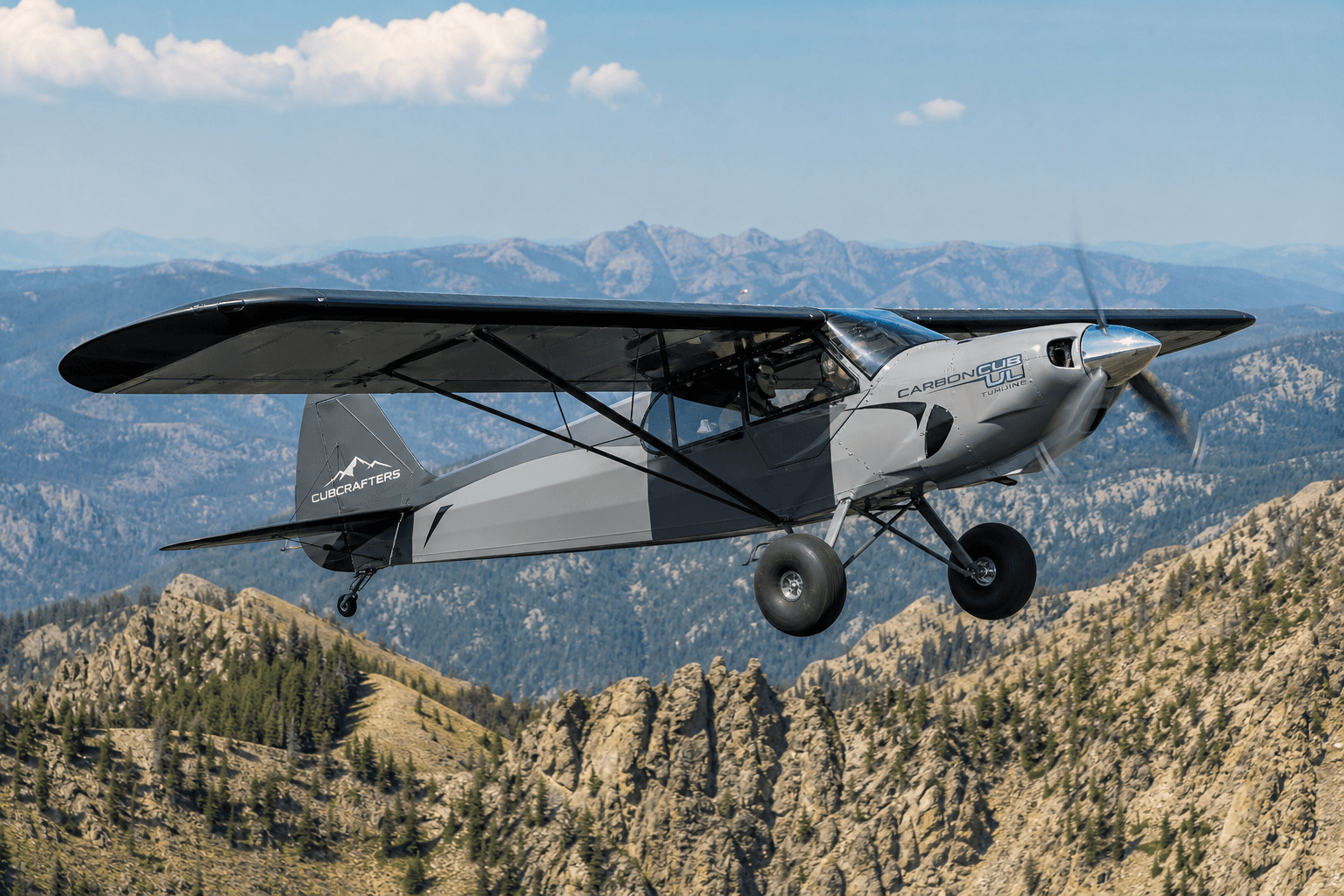
CubCrafters introduced the Carbon Cub ULT on Tuesday, a turbine-powered version of its Carbon Cub UL platform that the company says is aimed at backcountry flying under the FAA's MOSAIC rules. According to CubCrafters, the aircraft has been undergoing flight testing near the company's headquarters in Yakima, Washington, and will make its public debut this summer at EAA AirVenture in Oshkosh, Wisconsin. Turbine Power The Carbon Cub ULT uses TurboTech's TP-R90 regenerative turbine engine, a FADEC-controlled turboprop. The system manages fuel flow, ignition, engine temperatures and propeller operation, reducing the number of engine-management steps normally associated with piston and turbine aircraft. Also included are Garmin avionics, a dedicated turbine engine display and single-lever power control. "The first thing pilots notice is how effortless the airplane feels," Brad Damm, vice president of CubCrafters , said. "You push and hold the start button for a few seconds and the aircraft is ready to go fly. The FADEC handles the details, the turbine is incredibly smooth and quiet, and the aircraft retains the lightweight performance and responsiveness that pilots love about the Carbon Cub. It's one of those airplanes that makes you look for excuses to go flying." MOSAIC Plans CubCrafters says the ULT name follows the Carbon Cub UL program, adding the "T" to identify the turbine version. The company said the aircraft uses the latest Carbon Cub UL airframe updates, including aerodynamic refinements and composite construction, while retaining the short-field capability associated with the Carbon Cub line. CubCrafters also said the ULT is the first U.S.-manufactured turboprop aircraft eligible to be flown by sport pilots under the FAA's new MOSAIC regulations. The aircraft is also TurboTech's first production aircraft partnership in the United States. The company is accepting deposits for ULT production positions and said initial customer deliveries are expected in 2027. CubCrafters plans to display the aircraft at AirVenture 2026 at booths 272-274.
CubCrafters debuts regenerative turbine-powered Carbon Cub ULT for backcountry flying
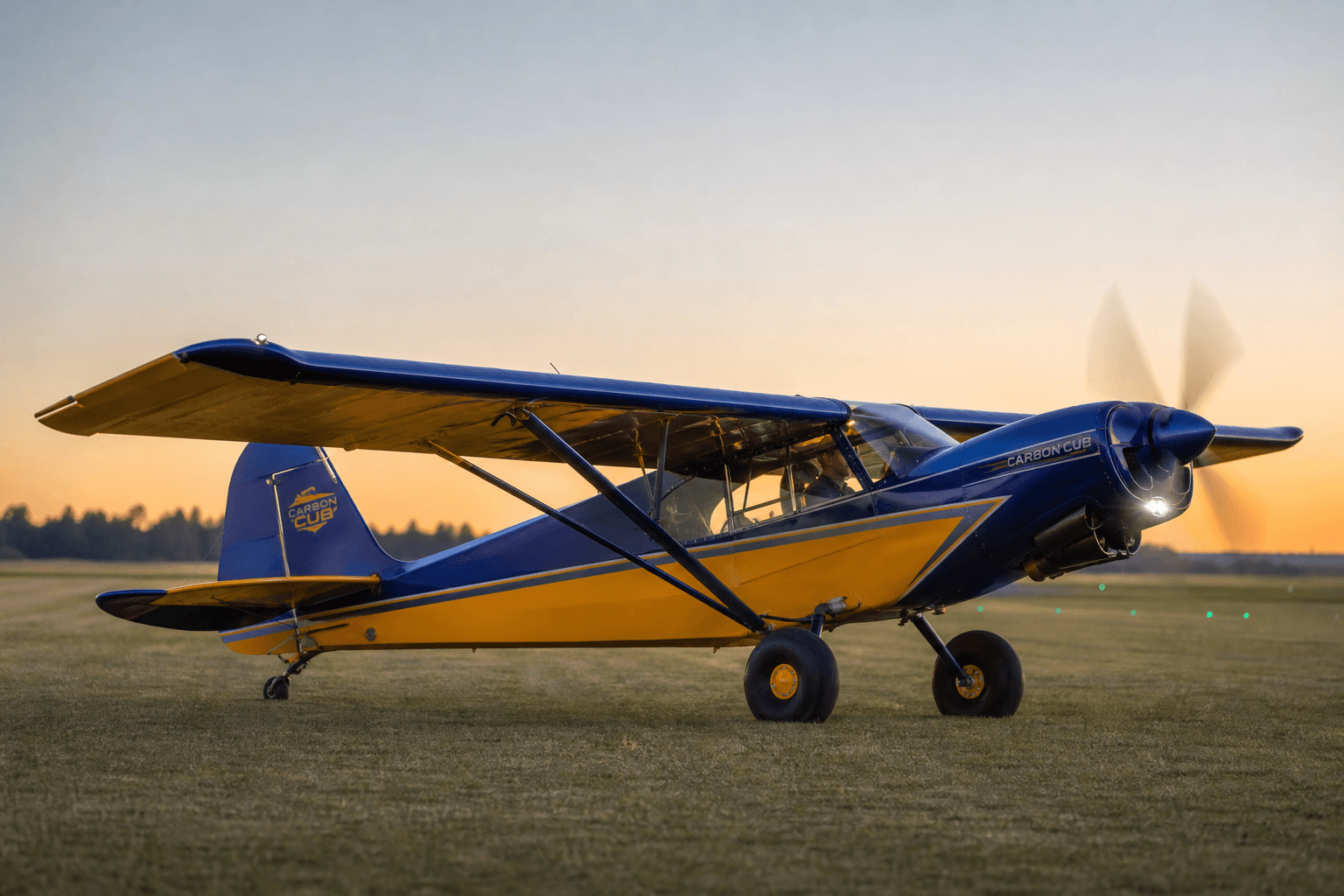
CubCrafters has introduced a turbine-powered version of its Carbon Cub UL, putting a French regenerative turboprop engine on the nose of one of the lightest high-performance backcountry airplanes currently in production. The Carbon Cub ULT is based on the already impressive Carbon Cub UL platform, which traces its roots to CubCrafters' long-running effort to modernize the classic Piper Super Cub. The ULT iteration replaces the UL's Rotax piston engine with a TurboTech TP-R90 regenerative turboprop. CubCrafters says the new aircraft is aimed at the FAA's MOSAIC era, which expands light-sport aircraft rules and allows new propulsion types, including turbine engines. Despite the addition of a turbine whine, however, the Carbon Cub ULT is not pitched as a faster or more powerful Carbon Cub so much as a different kind of Carbon Cub altogether: one with turbine smoothness, Jet-A/diesel fuel capability, push-button start and single-lever FADEC engine control, while retaining performance similar to the Rotax-powered Carbon Cub UL. CubCrafters announced the airplane on July 7, 2026, ahead of its planned public debut at EAA AirVenture Oshkosh this month. The company said it is accepting customer deposits, with first deliveries expected in 2027. Built for MOSAIC CubCrafters says the ULT is the first US-manufactured turboprop aircraft eligible to be flown by sport pilots under the FAA's new MOSAIC regulations. The aircraft uses the FADEC-controlled TurboTech engine to automatically manage fuel flow, ignition, engine temperatures and propeller operation. CubCrafters says pilots start the aircraft by turning on the master switch and pressing the start button, with the FADEC handling the start sequence to ease workload. The prototype cockpit shown by CubCrafters includes Garmin G3X Touch avionics, along with a dedicated turbine engine display for the TurboTech turboprop installation. Unlike a conventional small turboprop, the TurboTech engine uses a regenerative cycle. The system recovers heat from the exhaust and uses it to preheat intake air before combustion. That improves efficiency and is intended to give the engine fuel consumption closer to a modern piston engine while retaining turbine smoothness and Jet-A/diesel compatibility. TurboTech is a French aerospace company founded by former Safran engineers. Safran and GO Capital announced an investment in TurboTech in 2018, describing the company as a startup developing a new generation of turbine engines and hybrid propulsion systems. The engine has been in development for several years and has already flown in European light-aircraft applications. TurboTech engines have been flying in European ultralight aircraft including those built by Bristell, JMB and GoGetAir aircraft, as well as two helicopters. CubCrafters identifies the ULT powerplant as the TurboTech TP-R90 / R150. Its comparison page lists a power rating of 160 hp with "turbine + electric boost." TurboTech's current TP-R150 data lists a maximum output of 141 hp, eco-cruise fuel burn of about 5.0 gal/h at 50% power, a fully equipped weight of about 190 lb and a 3,000-hour time between overhauls. Advanced engineering work On paper, the ULT's published performance is close to the Rotax-powered Carbon Cub UL. CubCrafters lists both aircraft at more than 113 kt cruise speed, 28 kt stall speed, 50 ft takeoff distance and 90 ft landing distance when comparing the ULT with the higher-fuel, variable-pitch Carbon Cub UL configuration. CubCrafters has published an estimated empty weight of 880 lb, a maximum gross weight of 1,865 lb and an estimated useful load of 985 lb. The aircraft carries 44 gal of fuel and has an estimated endurance of 5.2 hours and range of 682 statute miles, or about 593 nm. CubCrafters lists estimated cruise speed at more than 113 kt, stall speed at 28 kt, takeoff distance at 50 ft and landing distance at 90 ft. The company notes that performance figures assume optimal conditions and that actual numbers will vary. The ULT has a 34 ft 3 in wingspan, 179 sq ft of wing area and seating for two. CubCrafters lists the aircraft as single-engine land and sea, with Light Sport and Experimental Amateur-Built factory builder-assist certification options. "The Carbon Cub ULT represents some of the most advanced engineering work ever undertaken at CubCrafters," said Patrick Horgan, CubCrafters President and CEO. "Bringing together regenerative turbine technology, full FADEC controls, lightweight composite construction, and our proven STOL capability into a practical backcountry aircraft demanded an incredible amount of focused innovation and refinement from our team." TurboTech CEO Damien Fauvet said CubCrafters is the company's launch partner in the United States. "CubCrafters has an exceptional reputation for innovation and engineering excellence in backcountry aviation, and the Carbon Cub ULT is an ideal platform to demonstrate the capabilities of the TP-R90 engine," Fauvet said. CubCrafters lists the Carbon Cub ULT base price as "TBD." The turbine-powered model is likely to command a steep premium over the Rotax-powered Carbon Cub UL, which starts at $293,900, according to the company's comparison page. CubCrafters said the aircraft is undergoing flight testing near its headquarters in Yakima, Washington. The company plans to display the Carbon Cub ULT at booths 272-274 during EAA AirVenture 2026.
The Daily Touch & Go
The day's best aviation news in your inbox. Free, no spam.