

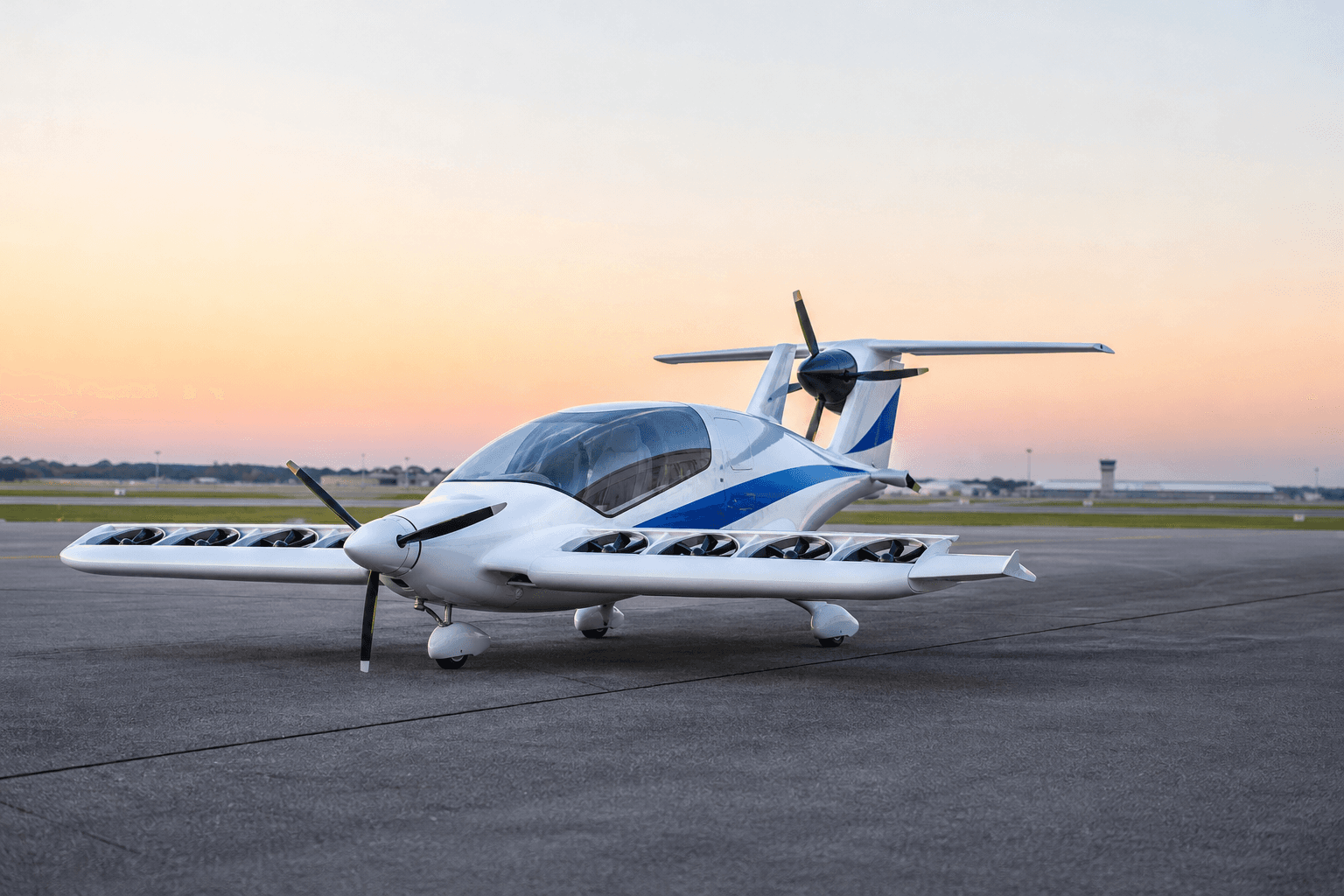
AI-generated illustration
Ascendance Rolls Out First Full-Scale Atea Hybrid-Electric VTOL After Eight Years of Development
The Toulouse-area startup unveiled its eight-rotor Atea demonstrator and will continue ground testing while seeking an EASA permit to fly, with certification targeted for 2029.
The gist
French startup Ascendance unveiled its first full-scale Atea hybrid VTOL, now in ground tests ahead of a first piloted flight under an EASA permit.
Continuing coverage
All Easa →- EASA Shortens ATR 42/72 De-Icing Valve Check Intervals After Voepass Flight 2283 Findings
- Gulf Carriers Extend Saudi Suspensions as Houthi Drones and Missiles Target the Kingdom
- Airbus Banks on 250 Year-End Handovers as A350 Directive, Cathay Order and Buyback Land at Once
- EASA Orders More Frequent ATR 42 and ATR 72 De-Icing Valve Tests to Guard Against Loss of Control
French developer Ascendance on Thursday unveiled the first full-scale example of Atea, a hybrid-electric vertical takeoff and landing aircraft designed to carry passengers, haul cargo and medical supplies, and fly defense missions such as surveillance. The rollout puts the company alongside U.S. air taxi developers Joby Aviation, Archer Aviation and Beta Technologies, all of which have shown full-scale prototypes. Ascendance said it will keep running ground tests and system validation on the demonstrator while it applies to the European Union Aviation Safety Agency for a permit to fly. That permit would cover Atea's first piloted flight. The company's website lists 2029 as the target for EASA certification.
The aircraft unveiled this week carries eight rotors built into its wings for vertical takeoff and landing, plus two propellers for forward flight. Ascendance began assembling it in 2025 after choosing Safran's ENGINeUS electric motors, which already hold EASA certification. According to the company's press kit, Ascendance has flown several subscale prototypes and finished wind tunnel and iron bird testing of the fan-in-wing system. It has also logged more than 1,000 hours of full-scale hybrid-electric test bench runs on its propulsion system.
Atea is configured for a pilot and up to five passengers, and it can be set up instead for cargo, medical or defense work. Ascendance is targeting a cruise speed of up to 250 kilometers per hour, about 155 mph. With four passengers on board, range is planned at up to 400 kilometers, close to 250 miles. Dropping to two passengers stretches that to 900 kilometers, almost 560 miles. The aircraft is designed to recharge its batteries in flight, and the company is aiming for turnarounds as short as 15 minutes between trips.
The demonstrator also serves as a testbed for Sterna, the hybrid-electric propulsion system Ascendance designed Atea around from the start. The company intends Sterna to power a range of civil and military platforms, from drones and CS-23 light aircraft up to CS-25 regional and commercial airplanes. Sterna adjusts power to each phase of flight and shifts its reliance on battery storage, onboard power generation and power distribution depending on the mission, Ascendance said. On Atea, the company claims the system will cut fuel burn and CO2 emissions by 80 percent, noise by 75 percent and operating costs by 50 percent compared with helicopters.
Ascendance's figures for other platforms are more modest. Installed on civil aircraft, Sterna would halve fuel burn and emissions and cut costs by 30 percent, according to the press kit. For defense uses, the company said the system would deliver four times the endurance of an electric drone. Running in all-electric mode, it would also give a lower acoustic and thermal signature than drones powered by combustion engines.
Larger manufacturers are already working with the startup. Ascendance has a partnership with Airbus to develop Sterna and another with ATR to study hybrid-electric propulsion on future regional aircraft. It is also working with Daher to test Sterna on the planemaker's aircraft, with a view to integrating the system later. Co-founder and CEO Jean-Christophe Lambert said the Atea unveiling demonstrates the company's technical capability and opens a new goal of industrializing and deploying Sterna for civil aviation and defense. He said Ascendance wants to become a leading European player in hybrid-electric propulsion.
The rollout comes well behind the company's earlier schedule. Ascendance was founded in 2018 by four engineers from Airbus' E-Fan electric aircraft program and spent eight years getting to a full-scale prototype. Its first Atea concept, shown in early 2021, used two ducted fans for vertical lift and a single three-bladed nose propeller. Later that year the company revealed a reworked design with eight ducted fans, four on the main wing and four on a canard near the nose, along with one propeller on the nose and another atop the tail. At that point Ascendance said EASA certification would be done by 2025, and Lambert said a full-scale prototype would begin testing in 2023.
Nearly three years after that revised design appeared, the company pushed its planned first test flight to 2025. The certification target has since moved to 2029. Ascendance is now preparing to expand Sterna production capacity at its facility at Muret-Lherm Aerodrome in 2027, according to its news release.
Originally reported by Aviation Safety Magazine
Read more
All Technology/eVTOL →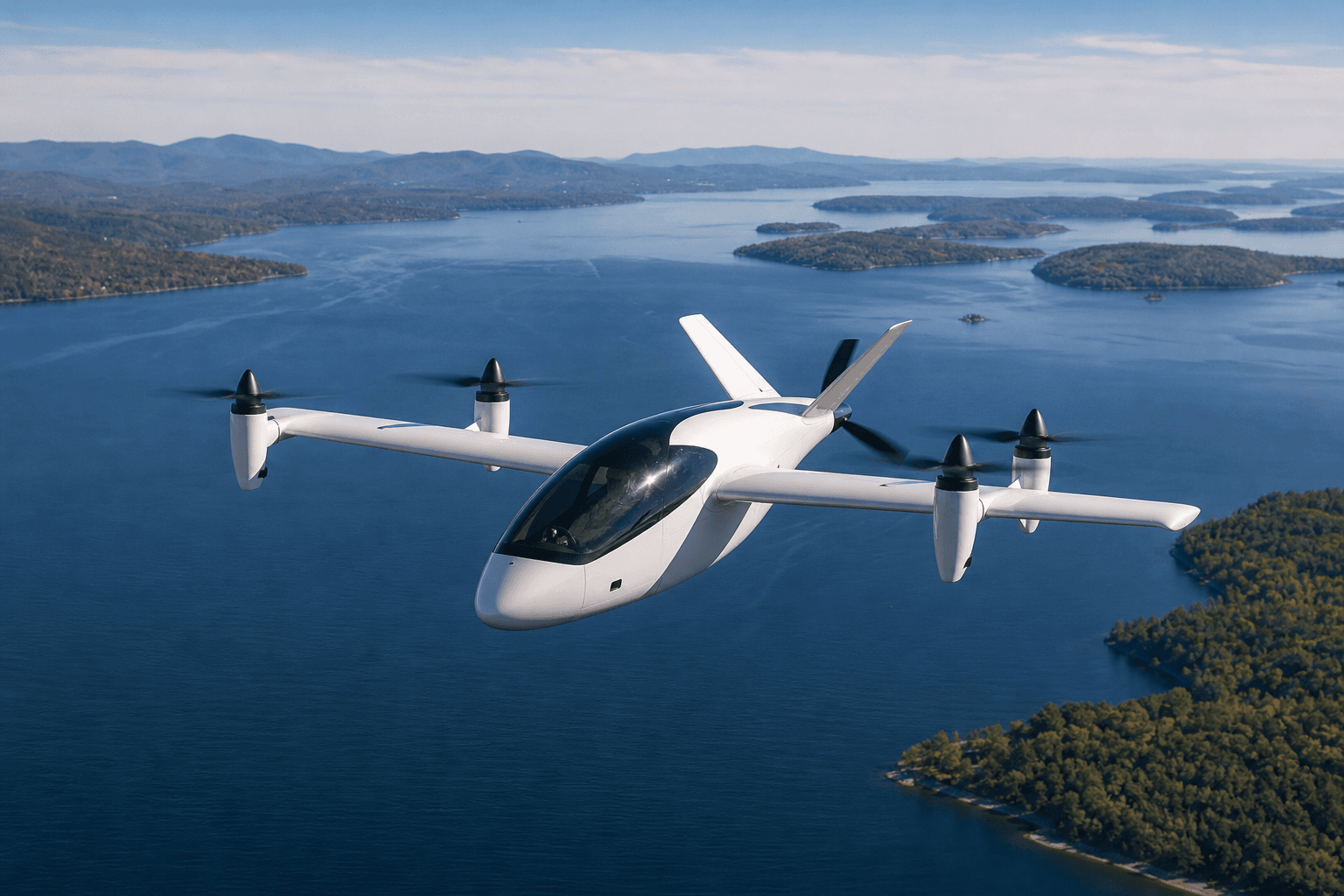
FAA Lets BETA Fly Prospective Customers Aboard ALIA A250 eVTOL Ahead of Certification
A special airworthiness certificate for market survey operations allows BETA Technologies to carry potential operators on A250 demonstration flights, though commercial passenger service remains off limits.
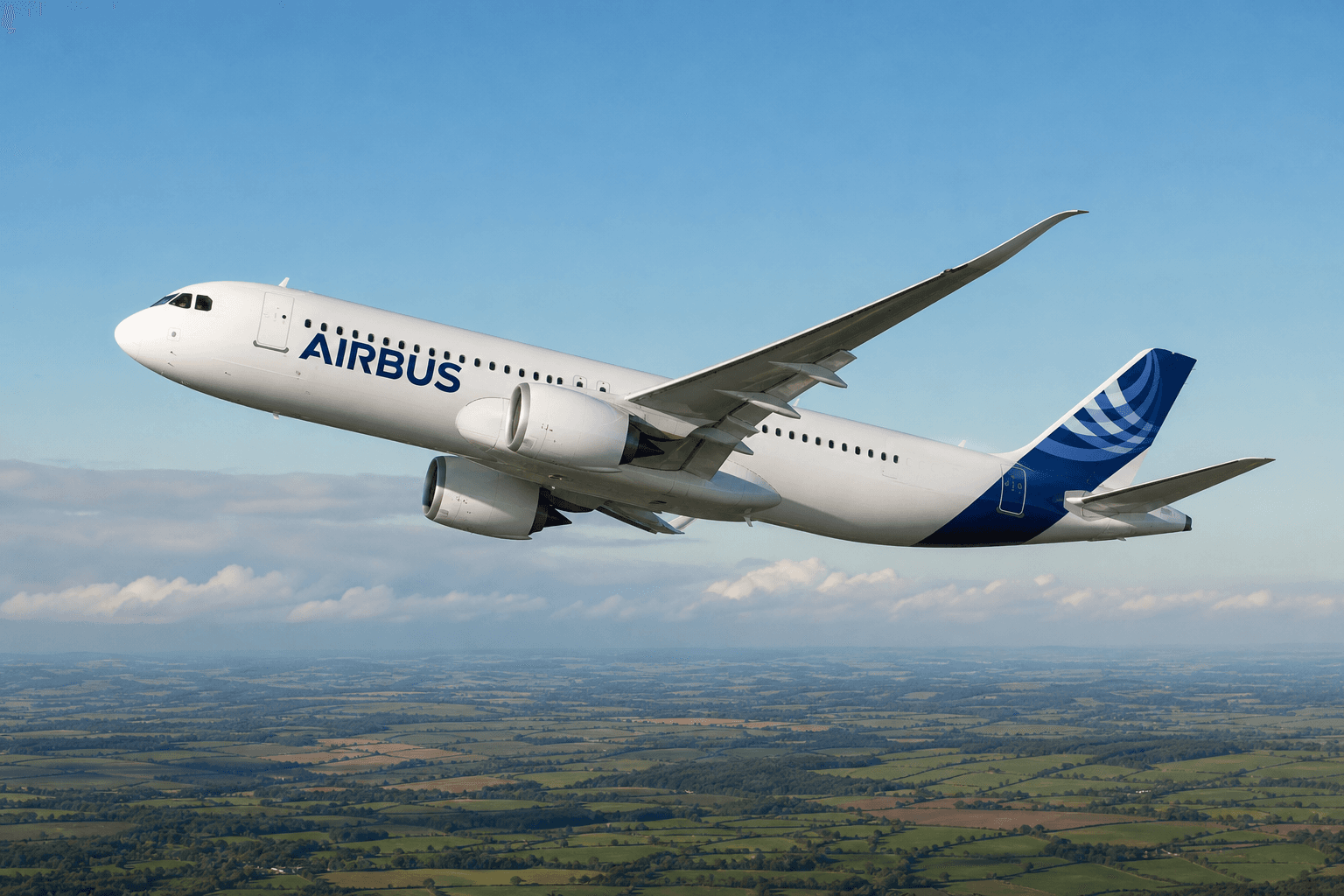
Airbus Starts Building Wing-Tip Extensions for Wing of Tomorrow Flight Tests Due in 2027
Airbus has begun manufacturing the first wing extensions that will replace Sharklets on a test aircraft, part of its work toward high-aspect-ratio wings for the A320neo successor.
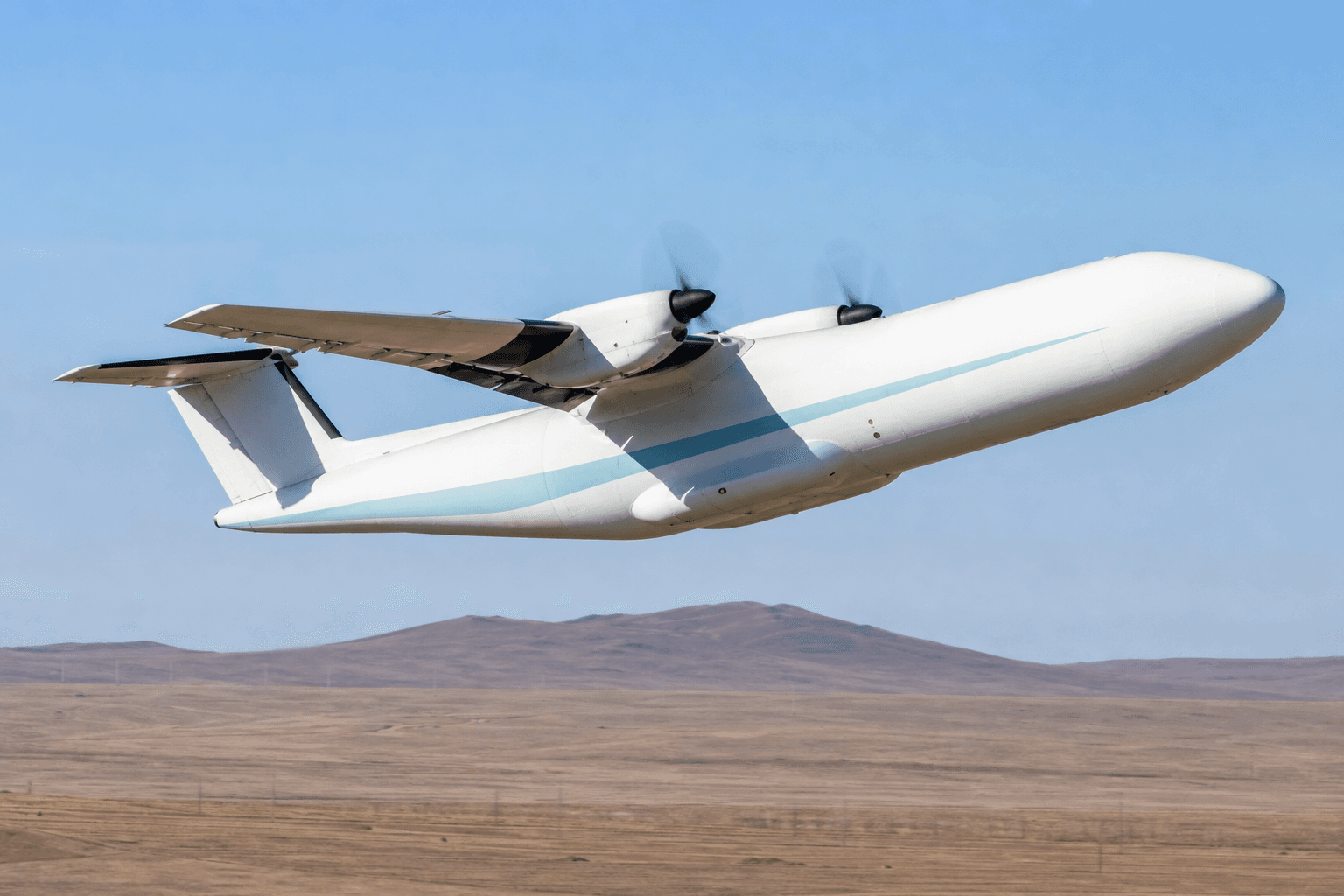
Air White Whale's W5000 Uncrewed Cargo Aircraft Makes 30-Minute First Flight in Inner Mongolia
The twin-turboprop W5000, billed by its Chinese developer as the largest uncrewed cargo aircraft of its kind, flew a 30-minute test at Otog Front Banner General Aviation Airport.
Archer to Start Midnight eVTOL Test Flights Over Los Angeles Ahead of 2028 Olympics
Archer Aviation says its electric Midnight aircraft will begin flying from Hawthorne Airport within weeks, but early sorties will use a runway, carry no passengers and precede FAA certification.
The Daily Touch & Go
The day's best aviation news in your inbox. Free, no spam.