

Image: New York-air · CC BY-SA 4.0 · via Wikimedia Commons
Vietnam Airlines B787-9 Overruns Munich Runway with Late Rotation, Sustains Gear Damage
On August 15, 2026, a Vietnam Airlines Boeing 787-9 departing Munich experienced a late rotation and runway excursion, leading to tyre failures on landing but no injuries reported.
The gist
Vietnam Airlines' 787-9 suffered a late rotation takeoff and runway excursion at Munich, returning safely with gear damage and no injuries.
A Vietnam Airlines Boeing 787-9, registered VN-A867, operating flight VN34 from Munich to Hanoi, endured a serious takeoff event on August 15, 2026, involving a notably late rotation on Munich’s 4,000-meter Runway 26L. The aircraft became airborne near or past the end of the runway, overrunning the paved surface by approximately 120 meters and entering the grass area close to the approach lighting system. Ground footage confirmed the main landing gear maintained contact until the latter part of the runway, kicking up a large cloud of dust as it lifted off. Preliminary accounts indicate the occurrence of a tailstrike during lift-off.
After becoming airborne, the crew maintained the aircraft at altitudes between 9,000 and 10,000 feet, entering a holding pattern in the vicinity of Munich. Given the long-haul flight’s typical fuel load, the aircraft was above its maximum landing weight. To reduce weight and prepare for a safe return, the crew jettisoned fuel and conducted a fuel-burning hold lasting approximately 90 minutes to two hours. During this time, a tyre-pressure warning was also reported, adding urgency to assessing the aircraft’s condition before landing.
The flight crew performed one or more low approaches over Runway 26R to permit ground personnel to visually inspect the aircraft’s underside and tail section for damage, particularly focusing on any effects from the tailstrike and potential debris. This maneuver allowed safety teams to evaluate structural integrity and prepare for a controlled landing attempt.
Upon landing on Runway 26R, the aircraft experienced significant tyre damage, with multiple tyres on the left main landing gear shredding or failing under the stress. The left main gear was seen trailing smoke, and the damaged aircraft became temporarily immobilized on the runway surface. Emergency rescue and firefighting units promptly responded as a precautionary measure, ensuring passenger and crew safety during this critical phase.
Vietnam Airlines has confirmed that the return to Munich was prompted by a technical issue, and that all safety protocols were followed throughout the incident. Fortunately, no injuries were reported among the passengers or crew on board. Munich Airport authorities acknowledged the unusually long takeoff roll, as well as the resulting landing gear and tyre damage incurred during the aborted departure and subsequent landing.
Germany’s Federal Bureau of Aircraft Accident Investigation (BFU) has opened an official investigation into the incident, examining factors ranging from the takeoff performance calculations, aircraft configuration, to operational procedures. The definitive cause of the late rotation and runway overshoot remains to be determined and will depend on further technical analyses.
This event underscores the critical importance of precise performance planning for takeoff in heavy, long-haul operations, especially on runways employing extended distances. The tailstrike and damaged rolling gear highlight operational risks when rotation is delayed, potentially affecting aircraft structural components and ground infrastructure—Runway edge lights were reportedly damaged during the excursion.
With a comprehensive investigation underway, authorities aim to clarify the chain of events and any contributing technical or procedural issues. Vietnam Airlines and regulatory bodies will likely review crew training, aircraft performance data, and airport ground conditions to prevent recurrence. Insights from this case may also inform industry best practices for managing takeoff performance margins under varying operational pressures.
Frequently asked questions
- What caused the Vietnam Airlines Boeing 787-9 to overrun the runway at Munich?
- The aircraft rotated extremely late on the takeoff roll, becoming airborne near or beyond the runway end, resulting in a runway overrun and tailstrike. The exact cause of the late rotation is under investigation by Germany's Federal Bureau of Aircraft Accident Investigation.
- How did the flight crew respond after the runway excursion?
- The crew held at 9,000–10,000 feet near Munich, jettisoned fuel to reduce weight, conducted low approaches to allow visual inspections of the aircraft, and then landed safely despite multiple tyre failures on landing.
- Were there any injuries or damage reported after the incident?
- No injuries were reported among passengers and crew. However, multiple tyres on the left main gear shredded on landing, the gear trailed smoke, and runway edge lighting was damaged during the excursion.
Read more
All Aviation Safety →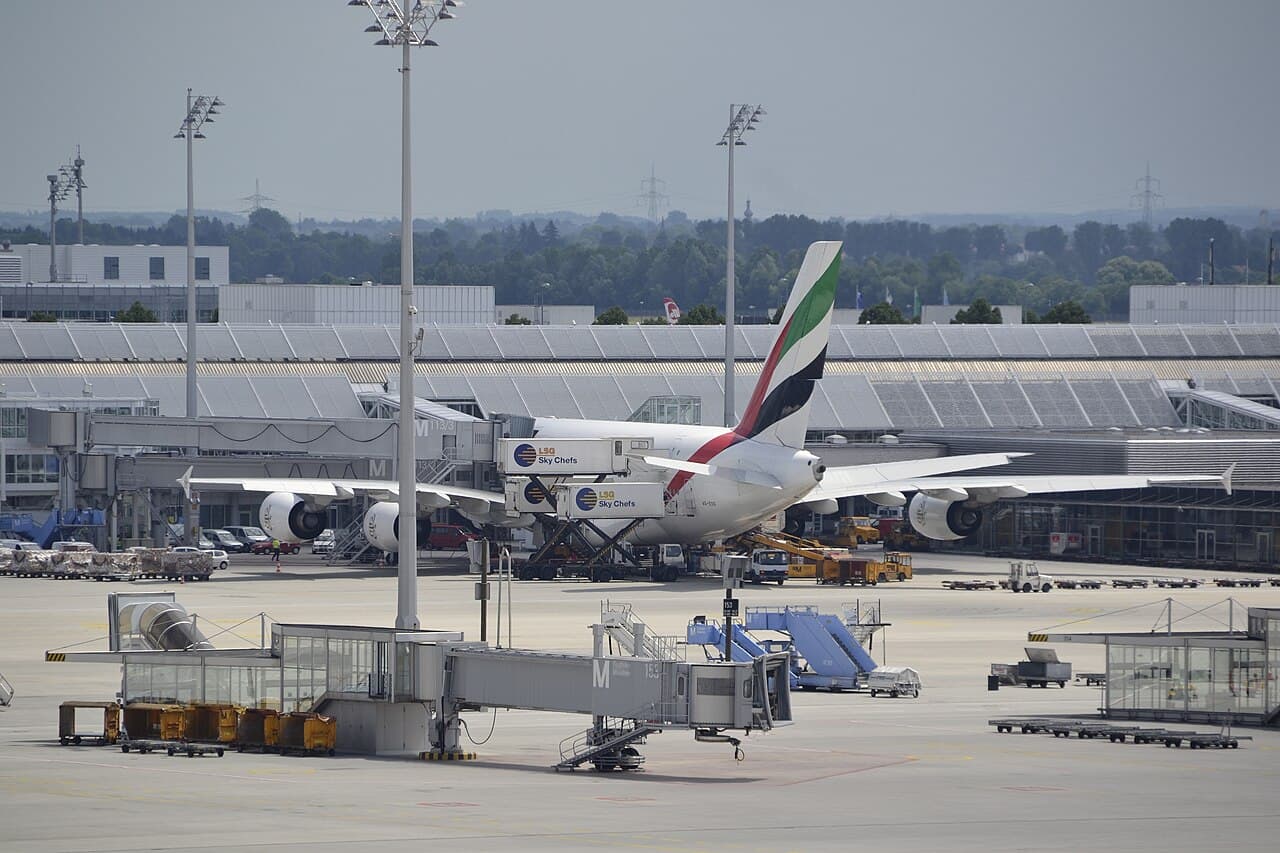
Vietnam Airlines Boeing 787 overruns runway and suffers tail strike during Munich takeoff
A Vietnam Airlines Boeing 787 had an accident today while taking off on a long haul flight from Germany to Vietnam. Fortunately no one appears to have been injured, but I can't even begin to wrap my head around how something like this could happen… Vietnam Airlines 787 struggles to take off on very long runway This incident happened today (Saturday, August 15, 2026), and involves Vietnam Airlines flight VN34, scheduled to fly from Munich (MUC) to Hanoi (HAN). The flight was operated by a 10-year-old Boeing 787-9 with the registration code VN-A867 . At 1:57PM local time, the plane started its takeoff roll on runway 26L, which is 4,000 meters (13,123 feet) long. This is about as long as commercial runways get, so it's way longer than what even a fully loaded Dreamliner would need. However, something went seriously wrong with this takeoff. The plane accelerated down the runway… and kept accelerating, and accelerating, and accelerating. Eventually the plane seemingly overran the end of the runway, causing damage to runway lights. In the video you can see that huge clouds of dust rose around the aircraft, as the tail struck the ground. Fortunately the plane did manage to become airborne, though the crew immediately declared an emergency. The plane climbed up to 10,000 feet, and at that point the crew reported that they had an indicator that they had an issue with tire pressure. The plane circled around the area for around 90 minutes (either to burn or dump fuel), at which point the aircraft performed two low approaches over the runway, so damage could be assessed. Then the plane landed on runway 26R on the third approach, and it became disabled on the runway, closing the runway for an extended period of time. That landing was at 3:57PM, two hours after the plane first took off. The path for Vietnam Airlines flight VN34 Below is the takeoff video. Vietnam Airlines Boeing 787-9 Dreamliner reportedly overruns the runway during take-off from Munich. The aircraft is currently on approach to the airport after holding. Video: MunichAviation pic.twitter.com/qqbWSV2jrN — Breaking Aviation News & Videos (@aviationbrk) August 15, 2026 Then below is the landing video. Vietnam B787-9 appears to have shredded its tires on emergency return landing to Munich https://t.co/4ZvkFG1nXC pic.twitter.com/2Gz0ZiTLs8 — Breaking Aviation News & Videos (@aviationbrk) August 15, 2026 Below are pictures showing the tire damage and tail strike after the plane returned to Munich. Tail strike on VN-A867 + possible ELECTRIC BRAKE ACTUATOR ISSUES On Both MAIN GEAR. Vietnam Airlines 787-9 out of Munich today… very late rotation, almost full runway used, confirmed tail strike, then returned with multiple tires shredded. Electric Brake Actuator (EBA)… pic.twitter.com/d2t2mD52T5 — Fahad Naim (@Fahadnaimb) August 15, 2026 Confirmed tail strike damage on VN-A867 The whole tail strike module is gone. There's a clear puncture through the lower fuselage, with torn composite and heavy scrape marks running aft. This was not light contact… they must have been pulling hard to get it airborne. This jet… pic.twitter.com/WNBqFvzMzf — Fahad Naim (@Fahadnaimb) August 15, 2026 I think it's safe to assume that this plane will be on the ground for quite some time, and isn't going anywhere any time soon… What could possibly explain this messed up takeoff? Looking at the video of the takeoff, there's nothing that stands out to me as being particularly unusual. It looks like the plane is accelerating decently, the flaps are in use, etc. But the plane just keeps going and going. I tried to pull up the flight data through Flightradar24, which typically shows you the altitude and speed for a plane, but oddly there's a roughly five minute gap around the takeoff time. I'm not sure how we're supposed to interpret that. Flightradar24 data on this Vietnam Airlines flight Either way, it's hard to comprehend what happened here. If the pilots felt something was off during the takeoff roll, they'd logically abort the takeoff. And a 13,000+ foot runway is particularly long, so they should've had a major buffer here. Typically when we see incidents like this, it's because the takeoff performance for the plane wasn't calculated correctly (that's not to say that's the cause here, but I'm just saying that's the most common explanation for this kind of an incident). Did the crew not have the right "numbers" for this flight when determining takeoff performance? That mistake can happen sometimes, but typically pilots would catch the error, because something looks off. I mean, this was a long haul 787 flight, so pilots roughly know what kind of takeoff performance they should be expecting. Was there some technical or other glitch that prevented the plane from taking of when it was supposed to, or what? We'll have to wait for a full investigation, but everything about this incident is very strange. Bottom line A Vietnam Airlines Boeing 787 had a seriously messed up takeoff from Munich, as the plane overran the runway on takeoff, causing it to damage runway lights, strike its tail, and cause huge clouds of dust to rise. When the plane came back to land, it also had serious issues with its wheels, and the full damage of the tail strike was discovered. Particularly given how long Munich Airport's runway is, there's nothing about this that looks good… I'm curious to see what an investigation reveals. On the plus side, thank goodness no one was hurt, because it seems like this could've also had a much worse ending. What do you make of this Vietnam Airlines runway overrun in Munich?
Southwest Pilot Who Reported Cockpit Misconduct Faces Union Sanctions Demand
A Southwest captain pled guilty after exposing himself and watching porn in the cockpit during a flight to Orlando while his first officer continued flying the plane. Now, years into the first officer's lawsuit claiming Southwest and its pilots union retaliated against her for reporting the incident, the union is asking a court to sanction her and make her pay its legal fees.
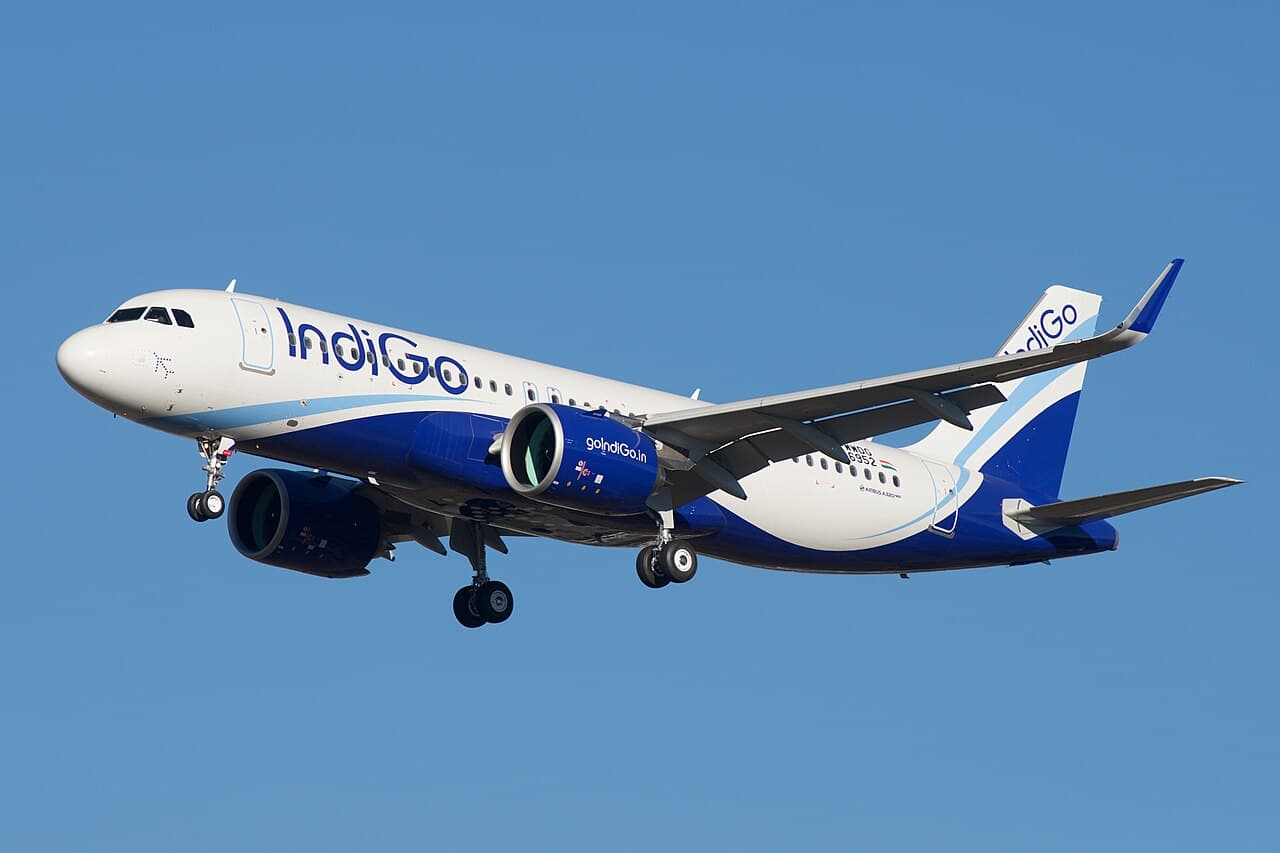
Air India A320neo Flight Control Systems Briefly Failed Before 300-Foot Plunge Injuring 24
The flight control systems of an Air India Airbus A320neo narrowbody plane which suddenly plunged 300 feet while at cruising altitude, leaving 24 passengers and crew injured, went dark for several seconds, an internal report from the aircraft manufacturer has revealed. Air India flight AI-2379 from Phuket, Thailand to Delhi on August 4 was flying at a cruising altitude of around 34,000 feet when it unexpectedly dropped. Anyone and anything that wasn't strapped down was thrown into the air. Multiple passengers and crew were injured after they were slammed into the ceiling of the seven-year-old aircraft Around 20 passengers and four cabin crew members were injured in the incident, many of whom had to be transported to the hospital with head, neck, and spinal injuries. In a new internal report from Airbus which had been viewed by Reuters but not independently verified, it is claimed that the flight control system that controls the plane's elevators and ailerons suddenly became unavailable for around four seconds. During this brief period, the plane pitched up. The First Officer responded by pointing the nose of the plane down but there was no immediate correction due to the alleged loss of hydraulic systems. The document does not establish the cause of the incident and the events are still under investigation by India's Aircraft Accident Investigation Branch (AAIB) with support from the French Bureau d'Enquetes et d'Analyses (BEA). Late last year, Airbus issued an urgent safety alert for its range of best-selling A320 family single-aisle aircraft following an investigation into an incident aboard a JetBlue aircraft when the plane suddenly pitched down mid-flight without any input from the pilots. Engineers were able to establish that the unexpected pitch-down input came from a malfunctioning ELAC computer unit. The ELAC stands for Elevator & Aileron Computer, and it is designed to interpret the inputs the pilots are putting into the controls and then smoothly and correctly control the elevators and ailerons. Airbus believes that the ELAC was corrupted by intense solar radiation, although the issue only affected a software update known as L104. To fix the issue, airlines were ordered to restore all aircraft with the L104 software to the last version before this. In most cases, this required engineers to plug a Portable Data Loader with the older L103 software into the cockpit computer of affected planes and reinstall the tested software. Although there are around 11,500 Airbus A320 series aircraft in active commercial service around the world, only 6,000 of these had the L104 software installed. Earlier this week, it was revealed that the Captain of flight 2379 had failed a second drug test. As is standard practice following a serious aviation occurrence, all of the crew are subject to drug testing. The Captain's initial rapid test came back as 'non negative' so a more detailed test was ordered. Investigators are yet to confirm the results of this test, but sources claim it tes tested positive for cannabis. There is currently no suggestion that illegal banned had anything to do with the events that unfolded on flight 2379.
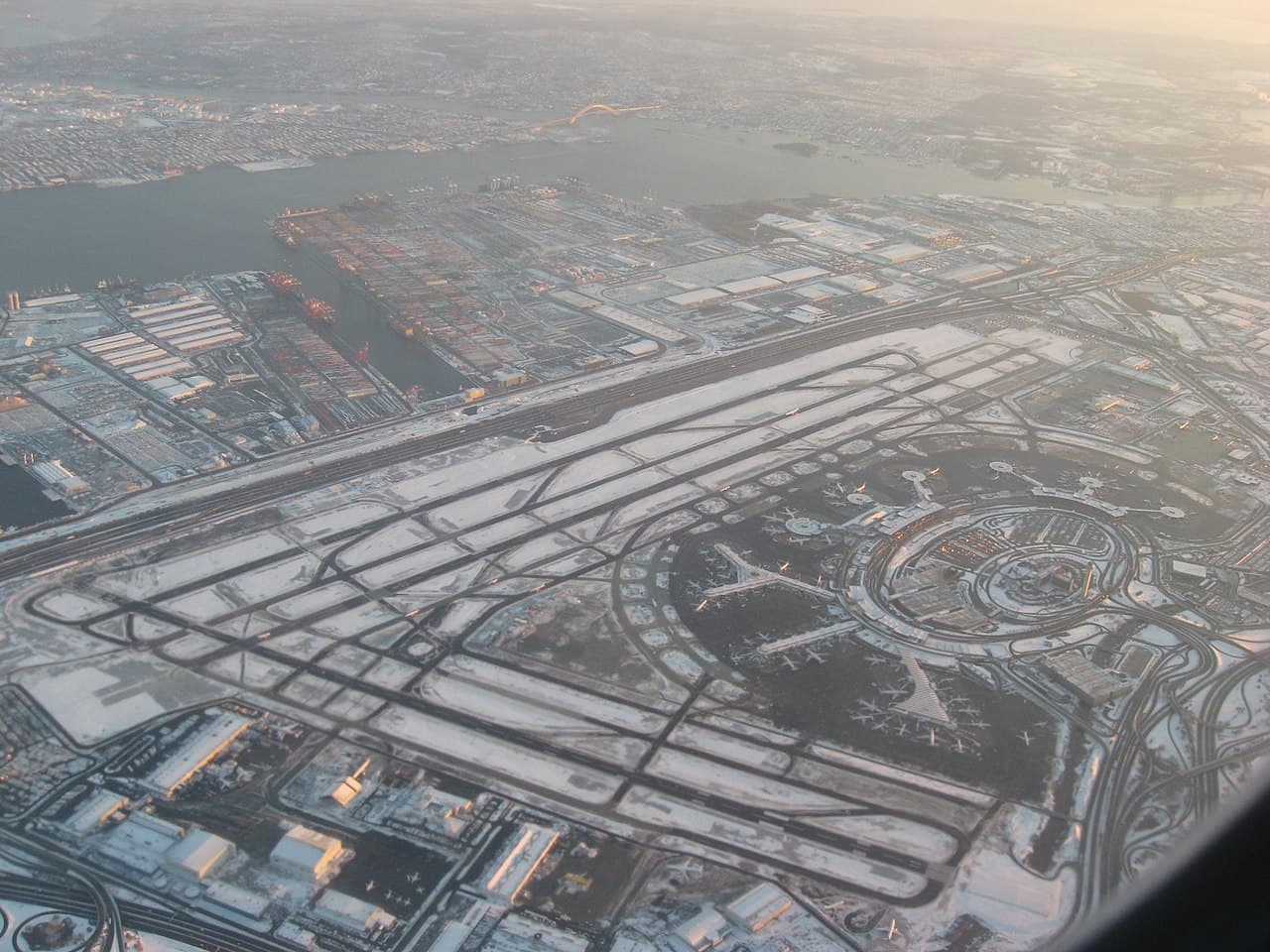
FAA Unveils Advanced Surface Movement Radar at Newark to Boost Airport Safety
The Federal Aviation Administration installed a new surface movement radar at Newark Liberty International Airport, as part of its effort to modernize the nation's aging air traffic control infrastructure. Transportation Secretary Sean Duffy and FAA Administrator Bryan Bedford unveiled the new Surface Movement Radar Model 4 (SMR-4) on Tuesday, saying the system will give controllers a clearer picture of aircraft and vehicle movements on the airport surface, particularly during darkness or low-visibility conditions. The radar replaces equipment that had been in service for roughly three decades. According to the FAA, Newark is the fifth airport to receive the new technology as part of a broader deployment that will place 53 surface movement radar systems at 44 of the nation's busiest airports. The rollout is expected to be completed by 2028. Unlike conventional airport surveillance systems, the SMR-4 is designed to provide controllers with improved situational awareness during poor weather, when visual observation from the control tower may be limited. Officials said the upgraded radar offers greater reliability while helping reduce the risk of runway incursions and ground collisions. "Newark sees well-over a thousand flights per day, and the new Surface Movement Radar will help controllers keep those flights safe at this major U.S. hub," said FAA Administrator Bryan Bedford . "This is just the latest step in the FAA's work to modernize our skies for the Golden Age of Travel." The announcement comes as the FAA continues facing scrutiny over infrastructure reliability following several high-profile equipment outages and recent runway safety incidents. Officials say modernizing surveillance and communications systems is intended to improve both operational efficiency and safety as air traffic demand continues to grow. Meanwhile, the agency reported a decline in runway incursions during the current fiscal year, a trend officials say reflects a combination of new technology, operational improvements, and ongoing safety initiatives.
The Daily Touch & Go
The day's best aviation news in your inbox. Free, no spam.