Illustration: The Touch & Go
Spirit Air wins legal battle to sell LGA slots; Sydney's new airport nears operational readiness
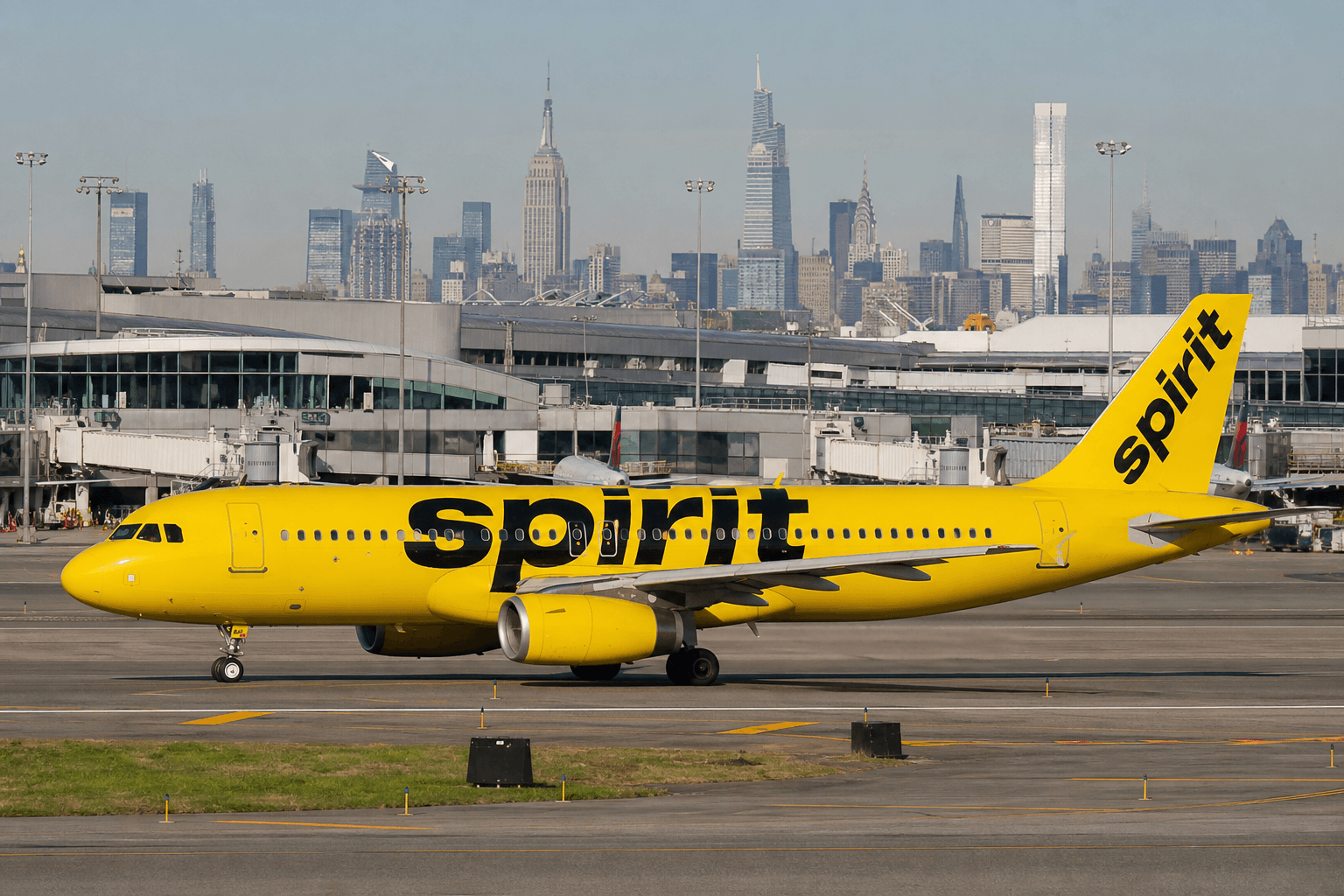
Spirit Airlines secured a bankruptcy court win ensuring its ability to sell LaGuardia slots despite opposition from the Port Authority while Sydney prepares to launch its new airport soon.
The gist
Spirit Airlines won court approval to sell LaGuardia slots amid Port Authority opposition; Sydney’s new airport is almost ready for operation.
Continuing coverage
All Sydney Airport →Spirit Airlines has successfully defended its right to sell operating slots at New York’s LaGuardia Airport (LGA) as part of its financial restructuring effort, overcoming objections from the Port Authority of New York and New Jersey. The Port Authority argued before a U.S. bankruptcy court that slot transfers are not transferable without its explicit consent, attempting to block Spirit’s planned transaction to raise capital and address creditor obligations. However, the court sided with Spirit, allowing the airline to proceed with the sale of its LGA slots, a critical asset for the carrier’s liquidity and strategic repositioning.
LGA slots represent valuable and limited resources that determine which airlines can operate at this congested airport. Spirit’s ability to monetize these slots through sale provides a vital lifeline during its bankruptcy proceedings. The Port Authority’s position focuses on controlling airport operations and maintaining oversight of slot allocation to ensure fair competition and operational integrity. The court’s decision reinforces the precedence that, under bankruptcy protection, asset management may supersede standard regulatory constraints, offering a pathway for Spirit to manage its debt.
Meanwhile, in a significant development for Australian aviation, Sydney’s new airport facility is approaching operational readiness. The long-anticipated infrastructure project aims to supplement the existing Kingsford Smith Airport and is designed to enhance capacity for the growing Sydney market. Its near-completion signals imminent shifts in airline operations and passenger flows within the region, likely affecting both domestic and international routes.
The launch of Sydney’s new airport is expected to relieve congestion, improve logistics, and foster economic growth by providing a modern hub for airlines operating in and out of the area. Airlines currently operating at Sydney will have to adapt their network strategies to capitalize on the new infrastructure. Industry analysts are watching closely as the airport’s opening could recalibrate market dynamics in the Asia-Pacific aviation sector.
These two parallel developments underscore the dynamic nature of airport slot management and infrastructure growth shaping aviation markets today. Spirit’s court victory clarifies slot asset treatment during bankruptcy, potentially influencing future airline restructurings, while Sydney’s new airport presents a fresh operational landscape that may invite new carriers and route expansions. Close attention to these stories will be essential as their full impacts unfold in the coming months.
Read more
All Airports →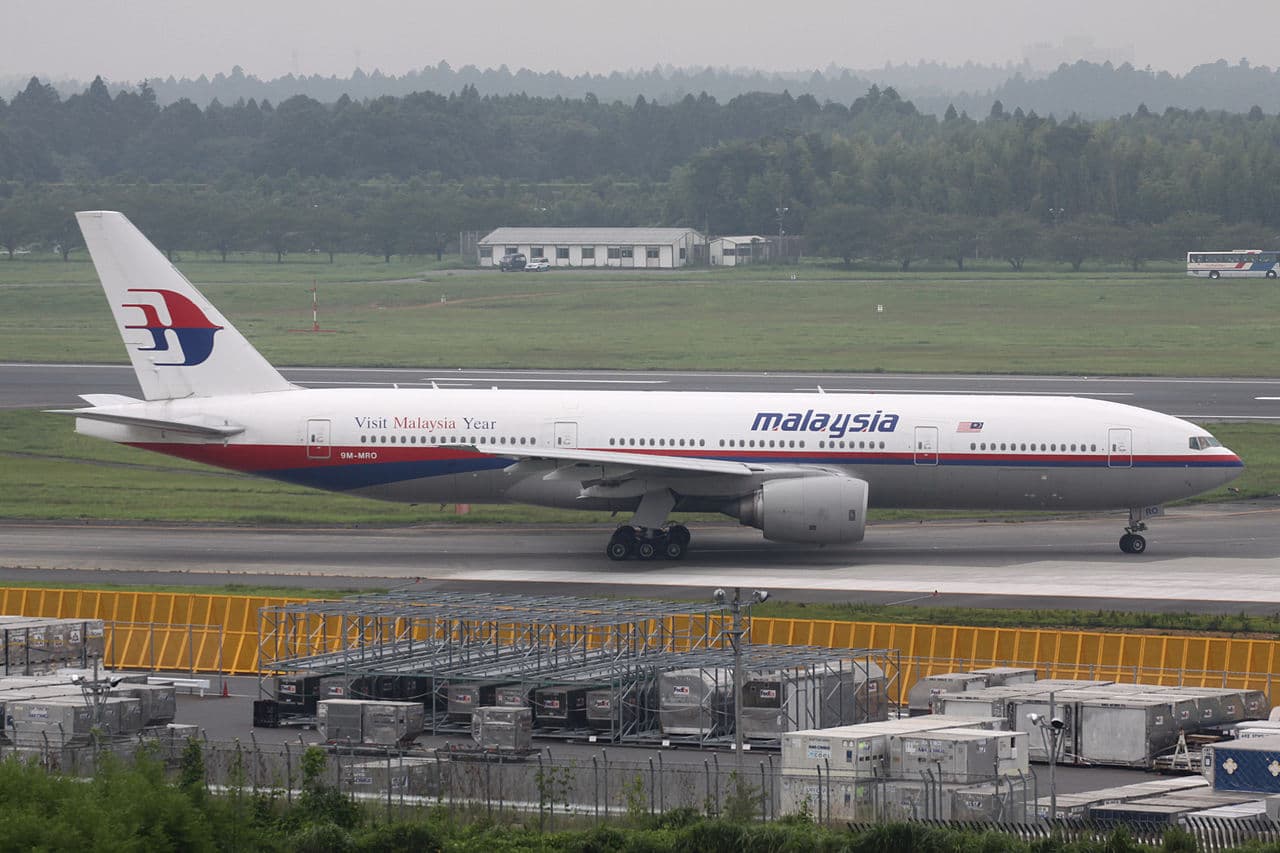
Malaysia Airlines Pilot Detained in Indonesia for Smuggling Over 70,000 Ecstasy Pills
A Malaysia Airlines pilot faces the threat of being sentenced to death by a court in Indonesia after he was allegedly caught trying to smuggle more than 70,000 ecstasy pills into Soekarno–Hatta International Airport on the island of Java during a work trip, hiding the more than 55 pounds of narcotics in his luggage. To make matters worse, the Malaysia Airlines pilot, who had just operated a flight from Kuala Lumpur, tested positive for ecstasy (also known as MDMA) and cocaine. Identified only by the initials MBSO, the Boeing 737 First Officer has been detained under Law No. 35 of 2009 on Narcotics, which carries a maximum sentence of death for the most serious charges or life imprisonment. Indonesian authorities said on Friday that MBSO was caught after a routine X-ray inspection of luggage by customs officials. Officers noticed something suspicious in a suitcase, which was identified by MBSO as being his. Inside, they discovered 14 large packages containing ecstasy and one package of methamphetamine. In total, officials counted 70,114 ecstasy pills. MBSO then allegedly told law enforcement that he had been recruited by a drug-smuggling gang, and for this particular shipment, he had been promised a payout of 50,000 Malaysian Ringgit (US $12,235). He was to transport the shipment to Jakarta, where he would check into a local hotel and meet up with a runner who would collect the drugs. This wasn’t the first time that MBSO had smuggled drugs into Indonesia, prosecutors allege. He has also allegedly smuggled methamphetamine to Sabah, Malaysia, and delivered 7 kg of methamphetamine to Jakarta during a previous trip. While rare, pilots and flight attendants are sometimes recruited by international drug smuggling gangs, often targeting crew members with debt problems or substance misuse issues. Malaysia Airlines has had more than its fair share of crew members caught up in this type of activity. In 2018, for example, a senior member of cabin crew at Malaysia Airlines was jailed for 12 months after being caught trying to smuggle £150,000 in criminal cash out of Heathrow Airport in West London. The money is believed to have come from illegal drug dealing. Two years later, a Malaysian flight attendant who hid millions of dollars’ worth of heroin in her underwear was jailed for nine and a half years by a Melbourne court for smuggling the drugs into Australia. The mother of two smuggled heroin into Australia on at least eight occasions between October 2018 and January 2019, when she was finally caught. The flight attendant claimed she had agreed to help the drug smugglers to help pay off her daughter's mounting medical bills. Other airlines in the region have had similar issues. In March 2023, four Vietnam Airlines flight attendants were arrested on suspicion of trying to smuggle around 11.4 kilograms of ecstasy from France through Ho Chi Minh City Airport. The drugs were concealed in toothpaste tubes. And a couple of monts a go, a Thai flight attendant was busted by police and customs agents at Melbourne International Airport as she attempted to smuggle 1kg of heroin into Australia.
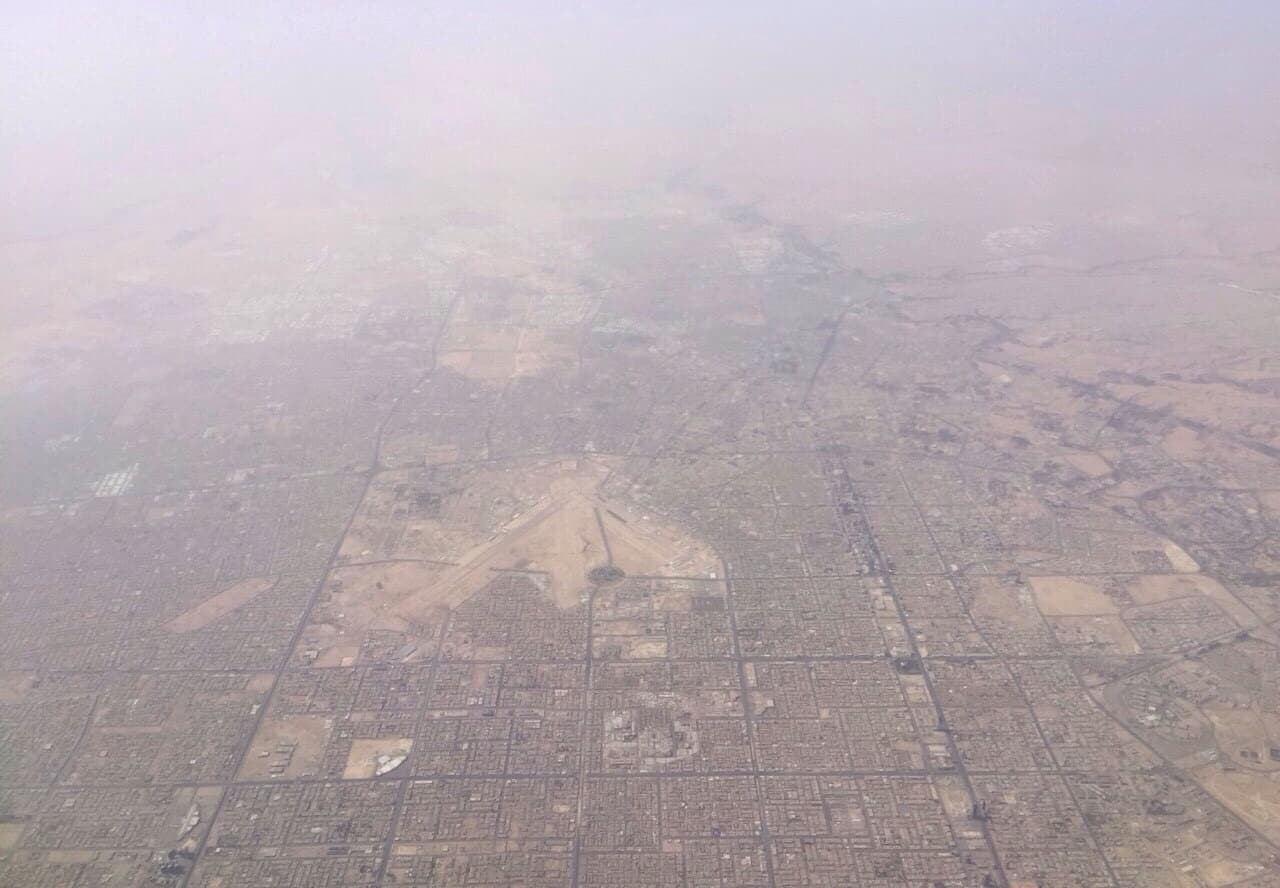
Riyadh Air Debuts Stunning Hafawa Lounge at King Khalid International Airport
Hello from Saudi Arabia, as I continue my review trip . The main reason I came to Saudi Arabia is to try Riyadh Air, which is the most well funded and ambitious airline start that we've seen in a very long time (admittedly it helps to be owned by Saudi Arabia's Public Investment Fund). The airline finally launched commercial operations as of a few weeks ago, and I'll be flying the airline in business class from Riyadh (RUH) to Madrid (MAD). Prior to the flight, I had the chance to check out the Riyadh Air Hafawa Lounge at Riyadh's King Khalid International Airport. It's rare to seen an airline offer a true flagship lounge experience at the time of launch, so that's remarkable in and of itself. However, Riyadh Air really knocked it out of the park with this lounge. This will unarguably make my list of the world's best business class lounges , and in terms of lounge aesthetics, I think this might just be on Cathay Pacific's level (which is the ultimate compliment). While I'll have a full review soon, I'd like to share some initial impressions of this 2,000 square meter (21,500 square foot) lounge, which has the capacity for 370 guests. The Riyadh Air Hafawa Lounge has gorgeous design Like I said, this is just an initial impressions post, so I'll save most of my commentary for the actual review. Let me start by sharing several pictures of the lounge space, to give you a sense of the design. Riyadh Air Hafawa Lounge escalators Riyadh Air Hafawa Lounge entrance Riyadh Air Hafawa Lounge design elements Riyadh Air Hafawa Lounge dining room Riyadh Air Hafawa Lounge bar Riyadh Air Hafawa Lounge experience suite Riyadh Air Hafawa Lounge seating Riyadh Air Hafawa Lounge bathroom For a little context, the lounge is broken up into multiple themed areas, based on whether one wants to rest, socialize, dine, or enjoy immersive digital experiences. Across the board, the design is intended to draw inspiration from the landscape of Saudi Arabia. The attention to detail in this lounge is among the best I've seen anywhere, and that even includes the lighting, the ambient music, easy access to a variety of charging ports, etc. This is clearly one of those lounges where every single detail was considered in the design. I should also mention that for the time being, this lounge is a complete oasis of calm, given that Riyadh Air is just ramping up operations. This lounge was obviously designed for an airline with a lot more planes than what Riyadh Air currently has. In a world of overcrowded lounges, that's quite lovely! The Riyadh Air Hafawa Lounge has great food & amenities The Riyadh Air Hafawa Lounge has a food selection that rivals the best business class lounges out there. There's an expansive buffet, which in and of itself would be a solid selection, with both hot and cold options. We're talking mostly individually plated cold options, plus eight hot options that I found to be very high quality. Riyadh Air Hafawa Lounge buffet Riyadh Air Hafawa Lounge buffet Riyadh Air Hafawa Lounge buffet Riyadh Air Hafawa Lounge buffet Riyadh Air Hafawa Lounge buffet Riyadh Air Hafawa Lounge buffet Riyadh Air Hafawa Lounge buffet Riyadh Air Hafawa Lounge buffet But that's only the beginning, as there's also an a la carte dining selection, which I found to be really high quality. Guests can order as much as they want, and are encouraged to have a three course meal. Given the late night and early morning flights departing the Middle East, it's a great way to dine on the ground, so you can sleep onboard. Riyadh Air Hafawa Lounge a la carte dining Riyadh Air Hafawa Lounge a la carte dining Riyadh Air Hafawa Lounge a la carte dining Then there's a cafe area, with barista coffee, tea, and sweets. Riyadh Air Hafawa Lounge cafe Riyadh Air Hafawa Lounge iced latte & sweets Lastly, there's the bar area, serving some pretty imaginative mocktails, including the signature "Lavender Haze." Riyadh Air Hafawa Lounge signature mocktail Yes, let me acknowledge that the lounge is "dry," so there's no alcohol. Obviously for many people, alcohol is an important part of the lounge experience, so that's less than ideal. A nice glass of wine or a negroni would've elevated this lounge experience even more. Beyond the great food, the lounge has some other solid amenities, ranging from private quiet rooms (each is its own room with a door)… Riyadh Air Hafawa Lounge quiet room …to massage chairs… Riyadh Air Hafawa Lounge massage chair …to well designed shower suites. Riyadh Air Hafawa Lounge shower suite Bottom line Riyadh Air launched operations in recent weeks, and has already opened its flagship Hafawa Lounge at Riyadh Airport. I must admit, this is easily one of the best business class lounges I've been to, in terms of design, amenities, and food. If the onboard experience is remotely as good as this, then I'm in for quite the treat… What do you make of Riyadh Air's lounge?
Trump to Reveal $22 Billion Overhaul Plan for Washington Dulles Airport
The president has repeatedly complained about the airport, which he called a poor reflection of Washington, D.C., and the U.S.
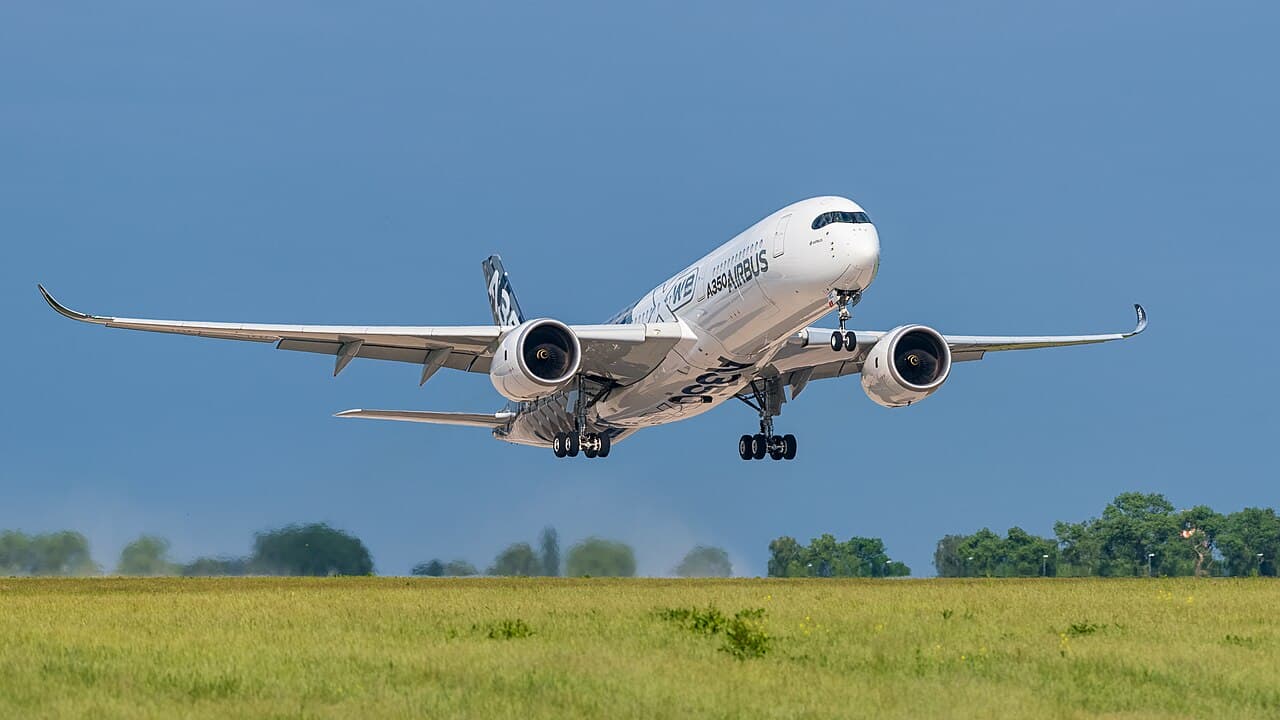
Qatar Airways Reactivates Retired Widebodies After Airbus A350 Grounding Crisis
Few global airlines have leaned on stored and semi-retired widebody aircraft as heavily as Qatar Airways . Facing an unprecedented operational deficit that threatened its core hub-and-spoke model at Hamad International Airport in Doha, the Qatari flag carrier chose an aggressive tactical path to reactivate long-haul airframes it had previously written off or scheduled for permanent phase-out.
The Daily Touch & Go
The day's best aviation news in your inbox. Free, no spam.