Illustration: The Touch & Go
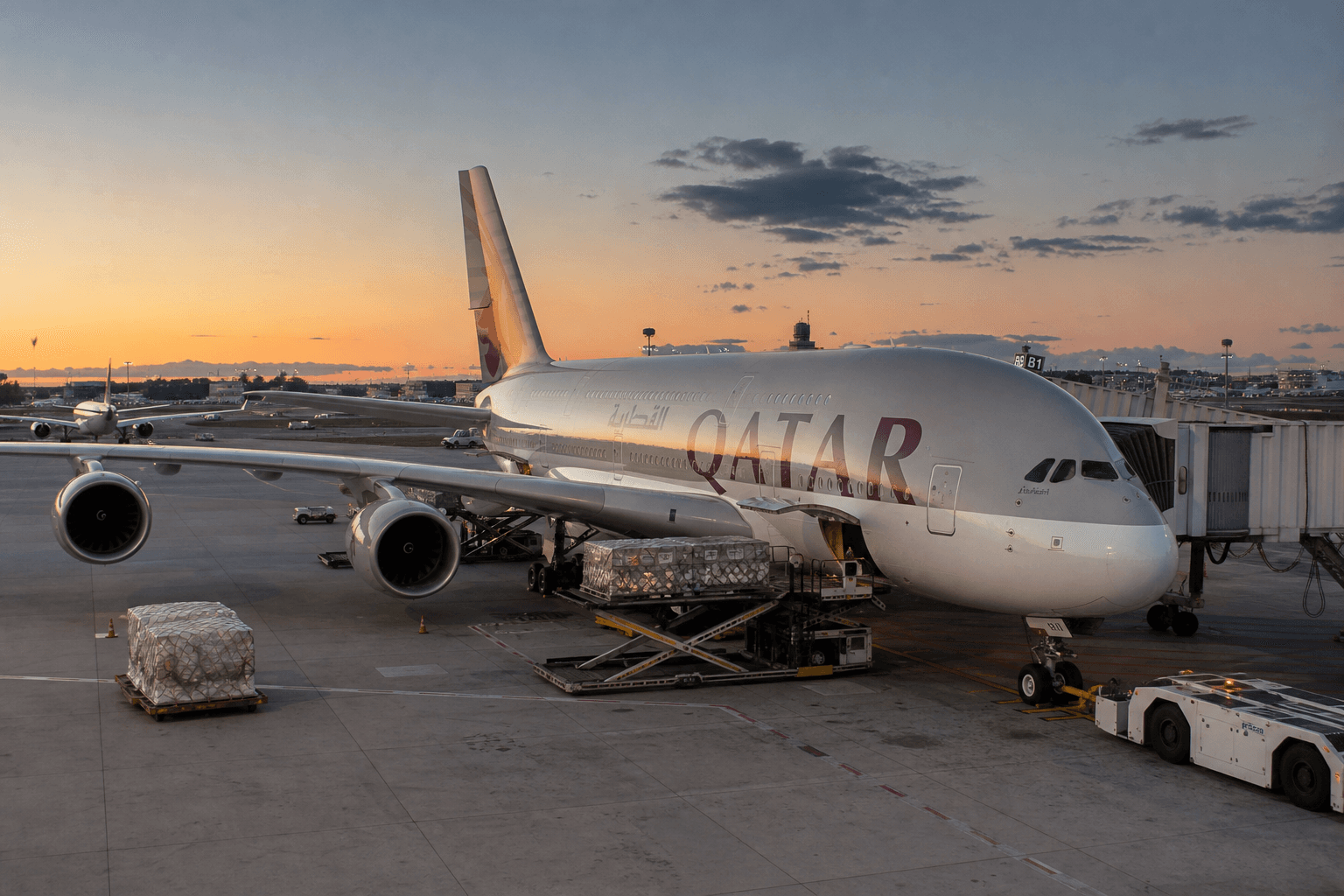
Qatar Airways Cuts Airbus A380 Service to Sydney, Switching to Boeing 777-300ER
Qatar Airways ends Airbus A380 flights to Sydney, replacing them with Boeing 777-300ERs as it rebuilds long-haul routes post-2026 Middle East tensions.
The gist
Qatar Airways ceases A380 flights to Sydney, opting for 777-300ERs and ending first-class service on that route.
Continuing coverage
All Long-Haul Routes →- Boeing 777-9 challenges Airbus A350-1000 dominance in long-haul widebody market
- IndiGo Halts Leased Widebody Flights, Awaits Airbus A350 to Restart Long-Haul Service
- IndiGo suspends London Heathrow and shifts Amsterdam to A321XLR as it awaits Airbus A350 widebodies
- Singapore Airlines to Drop 16 Long-Haul Routes in Network Reshuffle
- STARLUX Airlines Unveils AIRSORAYAMA Airbus A350-1000 at Phoenix Sky Harbor
As geopolitical tensions in the Middle East begin to ease following the disruptions earlier in 2026, Qatar Airways is restructuring its long-haul network from its Doha Hamad International Airport hub. One significant operational change is the permanent removal of the Airbus A380 from the Sydney Kingsford Smith Airport route. This adjustment follows a temporary grounding of the airline's A380 fleet during the 2026 Iran Crisis and marks a notable shift in its Australian operations.
Qatar Airways previously operated the A380 daily to Sydney until March 22, 2026, completing 81 flights in the early part of the year. The airline had scheduled the superjumbo to resume on September 16 but has now replaced it with the Boeing 777-300ER for this route. This substitution reduces overall seat capacity and eliminates the first-class cabins previously available on the A380, as the 354-seat 777-300ERs lack this premium product.
Sydney’s loss of A380 service is significant given it was Qatar’s first Australian destination to be served by the superjumbo, starting in 2016. Over the decade, Qatar Airways flew 2,685 rotations between Doha and Sydney using the A380, with daily service customary outside the pandemic year. Alongside Sydney, both Melbourne and Perth airports also hosted Qatar Airways A380 flights, though Melbourne’s service ceased after 2019 due to the global health crisis, and only Sydney had daily A380 flights into 2026.
At Melbourne Airport, the A380 service commenced in 2017, tallying 1,004 flights until suspension during the pandemic. Perth saw 1,543 Qatar Airways A380 departures from 2018 through 2025, peaking with daily flights in 2023 and 2024. Currently, Qatar Airways serves Melbourne and Perth with its Airbus A350s and Boeing 777 aircraft instead of the A380, signaling a fleet reallocation strategy across Australian markets.
The removal of the A380 from Sydney reflects the airline’s response to ongoing passenger caution despite the de-escalation of Middle East conflict. Although the A380 allowed higher capacity and a premium first-class presence on Australia routes, current market conditions have led Qatar Airways to prioritize flexibility through the Boeing 777-300ER, which offers a different mix of passenger and operational economics.
Sydney Airport remains a key destination for Airbus A380 operations despite Qatar Airways' withdrawal. Emirates operates two daily A380 flights between Dubai and Sydney, with one extending to Christchurch, New Zealand. Singapore Airlines also runs twice-daily A380 flights linking Sydney and its Changi Airport hub. Additionally, Qantas maintains extensive A380 service from Sydney to four key international destinations, underscoring the continued demand for large-capacity aircraft on key long-haul routes from Australia.
Qatar Airways indicates it is steadily expanding its global network to more than 160 gateways, signaling efforts to restore and grow its international reach after the disruptions of 2026. The carrier’s decision to retire the A380 from Sydney and likely other routes indicates a recalibration of its fleet deployment reflecting demand shifts and operational factors shaped by geopolitical events.
This fleet realignment will impact premium passengers who had access to first-class on the A380, as the 777-300ER currently deployed does not feature this cabin. The change marks a retreat from the ultra-large aircraft operating on some long-haul routes, possibly signaling a broader industry trend towards smaller, more versatile twinjets amid fluctuating global travel demand following geopolitical upheavals.
Qatar Airways’ strategic adjustments in Australia come at a time of intense competition among airlines operating large aircraft at Sydney. Despite Qatar’s pullback, multiple carriers continue to operate A380 flights, ensuring Sydney remains a significant hub for superjumbo service in the Asia-Pacific region.
Read more
All Airlines →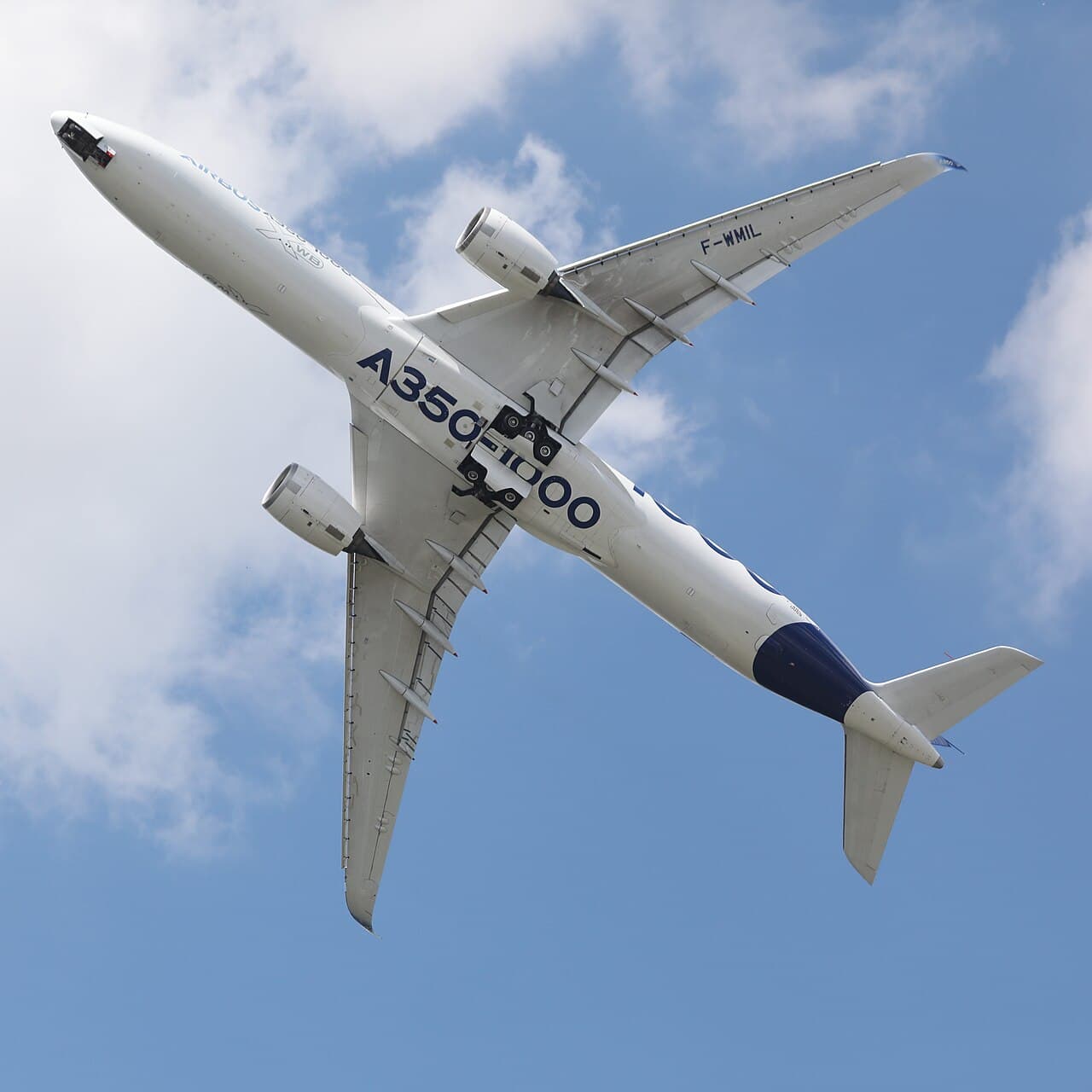
Boeing 777-9 challenges Airbus A350-1000 dominance in long-haul widebody market
When the Boeing 777-9 finally enters commercial service, it will become the largest twin-engine airliner ever built. By then, however, its main rival will already have spent nearly a decade carrying passengers, building a global customer base, and proving itself on some of the world's longest routes. That unusual timing means the contest between the 777-9 and Airbus A350-1000 is not about which widebody aircraft is better on paper. It is about whether Boeing's larger, higher-capacity design can overcome Airbus' years-long operational head start.
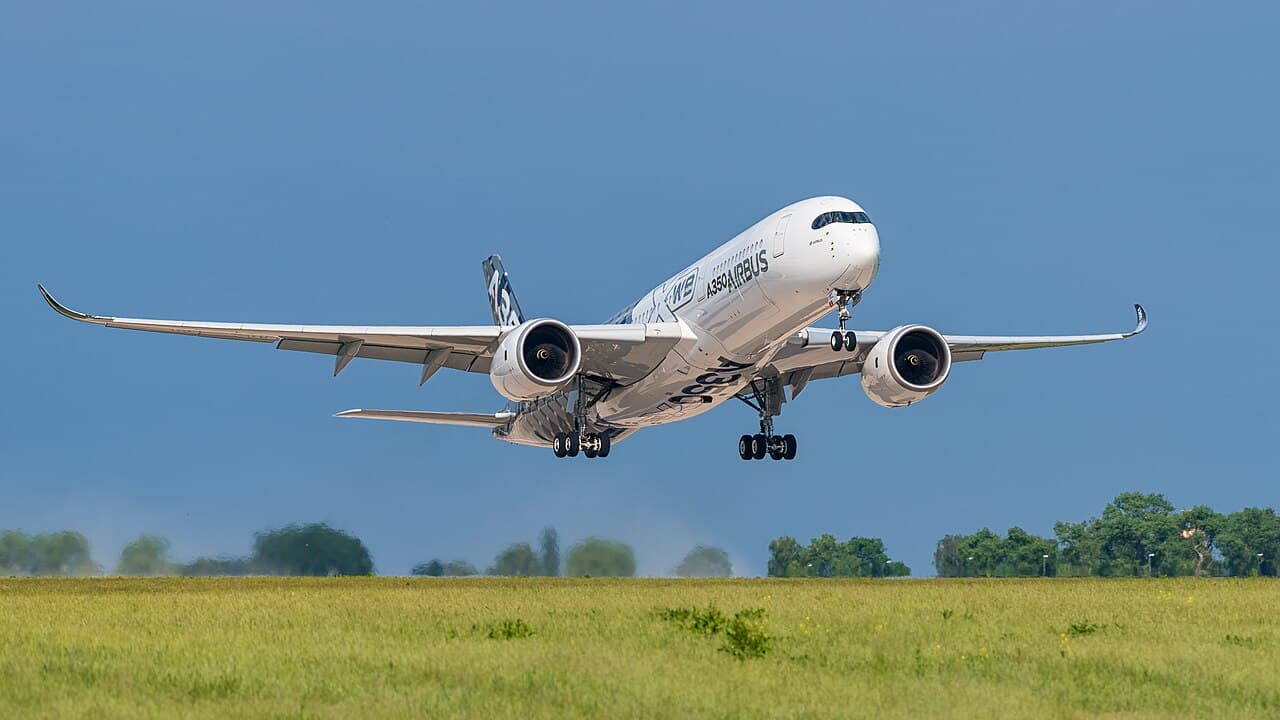
IndiGo Halts Leased Widebody Flights, Awaits Airbus A350 to Restart Long-Haul Service
India’s largest airline, IndiGo, will suspend its current wide-body flight operations from October 25, 2026, marking a temporary halt to its early long-haul experiments while it awaits delivery of its own Airbus A350-900 fleet. ezstandalone.cmd.push(function () { ezstandalone.showAds(119); }); The decision, announced on July 31, also ends the airline’s damp-lease (ACMI) agreement with Norway’s Norse Atlantic Airways. Under this arrangement, six Boeing 787-9 aircraft had been operating selected India-Europe routes since early 2025. IndiGo entered the partnership to accelerate learning in long-haul operations, develop crew and network capabilities, and establish brand presence ahead of its A350 arrivals, originally expected from 2027. ezstandalone.cmd.push(function () { ezstandalone.showAds(127); }); The leased Dreamliners enabled services to destinations including London Heathrow, Amsterdam, Manchester, and others. External Pressures Force ACMI Closure However, the operating environment deteriorated markedly. Airspace restrictions linked to Middle East geopolitical tensions forced longer routings, while elevated fuel prices, currency pressures, and rising costs eroded route efficiency, schedule reliability, and competitiveness. ezstandalone.cmd.push(function () { ezstandalone.showAds(128); }); As a result, Mumbai–Amsterdam flights will switch to IndiGo’s Airbus A321XLR narrowbodies from October 25. London Heathrow services will be temporarily discontinued until the A350-900s arrive. Photo Credit: IndiGo The airline has stressed that its broader international expansion plans remain intact, with continued growth via the A321XLR and eventual deployment of its 60 ordered A350s. IndiGo has pledged to support affected passengers through alternative arrangements or refunds. ezstandalone.cmd.push(function () { ezstandalone.showAds(129); }); From Norse Atlantic’s perspective, the parties mutually agreed to end the ACMI partnership effective November 1, 2026. One of the six 787-9s had already been scheduled for return at the end of August following IndiGo’s earlier closure of its Manchester route. The remaining five will now also be redelivered. Norse Atlantic Perspective Norse CEO Eivind Roald described the 18-month collaboration as valuable but noted that elevated fuel prices, airspace disruptions, and longer flight routings from the Middle East conflict had undermined commercial viability for both sides. ezstandalone.cmd.push(function () { ezstandalone.showAds(130); }); “We have jointly concluded that alternative deployment of the aircraft will be more commercially beneficial to both parties,” Roald said. The returned aircraft will give Norse greater flexibility. The carrier is in discussions with multiple airlines for new ACMI placements covering up to five jets and plans to deploy part of the fleet on profitable winter routes, including services from Europe to Orlando and New York. This capacity boost also supports Norse’s ongoing strategic review. Following interest from potential counterparties, the board has launched a formal process that could lead to a sale, merger, or strategic partnership, aiming to enhance long-term shareholder value. ezstandalone.cmd.push(function () { ezstandalone.showAds(131); }); Photo Credit: IndiGo Conclusion The episode highlights the challenges facing long-haul operators in a volatile geopolitical climate. For IndiGo, the pause represents a prudent short-term recalibration rather than a retreat from international ambitions. The airline built its success on a disciplined narrowbody model and views the A350 programme as the foundation for genuine long-haul growth. For Norse Atlantic, the end of a major ACMI contract that once covered half its fleet creates both near-term redeployment opportunities and strategic optionality. As IndiGo transitions its European network and prepares for its own widebodies, and as Norse seeks new partners or structural change, both carriers are adapting to an industry environment where flexibility and cost discipline have become essential. ezstandalone.cmd.push(function () { ezstandalone.showAds(132); }); The temporary cessation of IndiGo’s leased widebody flying underscores how external shocks can reshape even carefully planned expansion strategies, while reinforcing the airline’s long-term commitment to connecting India with the world.
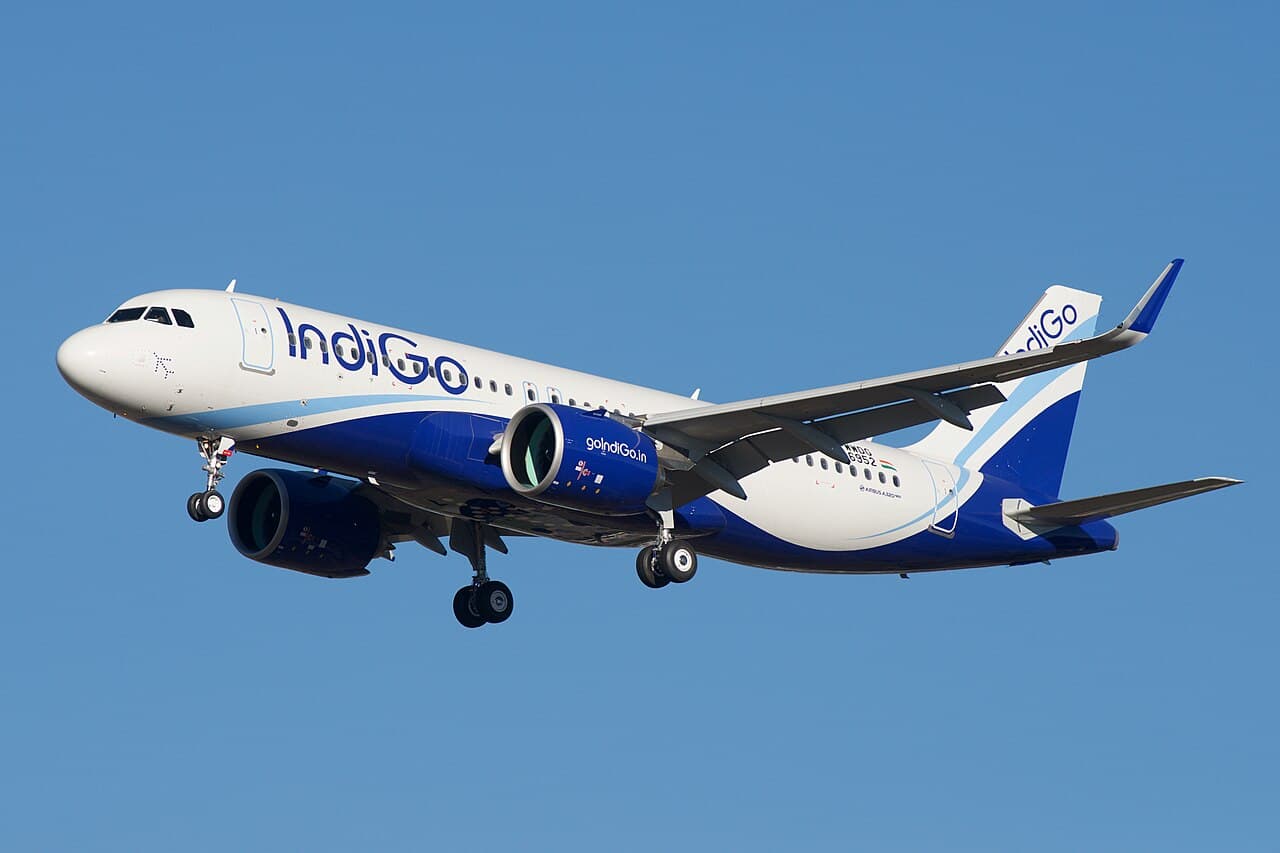
Airbus Surpasses 1,000 Net Orders in 2026 Following Strong July Demand
Airframer nearly halfway to delivery target after handing over 67 aircraft in July. Airbus's net orders for this year have surpassed 1,000 after the airframer added more than 200 to its total during July. It has confirmed China Eastern Airlines' order for 25 A330-900s and Hainan Airlines' agreement for 40 A320neo-family aircraft in the airframer's latest backlog figures. It has listed the Hainan deal as comprising 13 A321neos and 27 A320neos. Airbus's July backlog records the SMBC Aviation Capital order for 65 A321neos and 35 A320neos unveiled at the Farnborough air show . Orders from Saudi Arabian carriers Riyadh Air, for six A350-1000s, and Flynas for five A330-900s and 20 A321neos – both revealed during the show – have also been listed. Airbus's figures for the month show two agreements from undisclosed customers, one for six A321neos, and the other for a single A320neo and A319neo – the first for an A319neo since March 2024. Net orders to the end of July, as a result, reached 1,024. Airbus has also delivered 418 aircraft this year, including 32 A350s, 10 A330s and 326 A320neo-family aircraft, alongside 50 A220s. This total is just under half of the planned full-year target of 870.
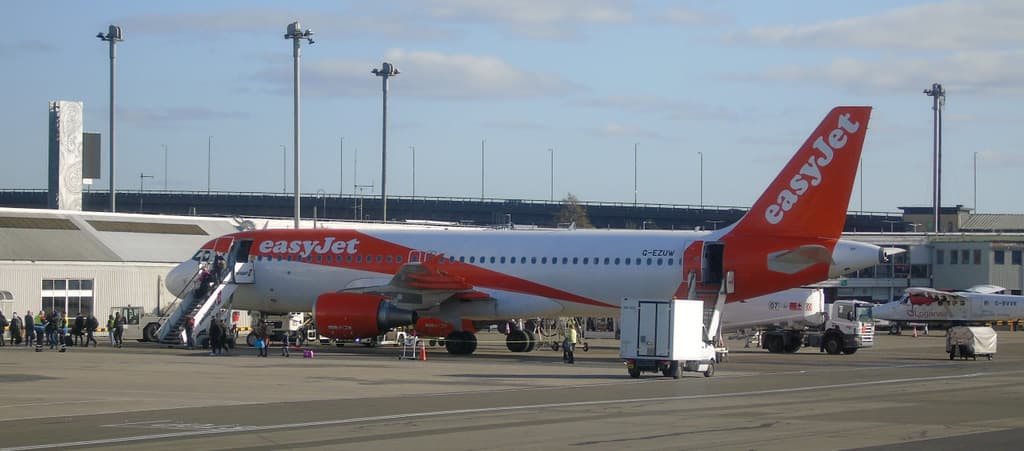
Apollo Global Management Secures £5.7B Takeover of easyJet with No Immediate Job Cuts
easyJet has formally agreed to a £5.7 billion ($7.7 billion) takeover by US private equity giant Apollo Global Management , setting the stage for one of Europe's largest low-cost airlines to return to private ownership. Apollo's firm offer values easyJet at £7.15 ($9.63) per share, an 81% premium to the airline's £3.94 closing price on May 28, immediately before the takeover interest became public. The deal remains subject to shareholder, court, aviation, merger-control and foreign-investment approvals.
The Daily Touch & Go
The day's best aviation news in your inbox. Free, no spam.