

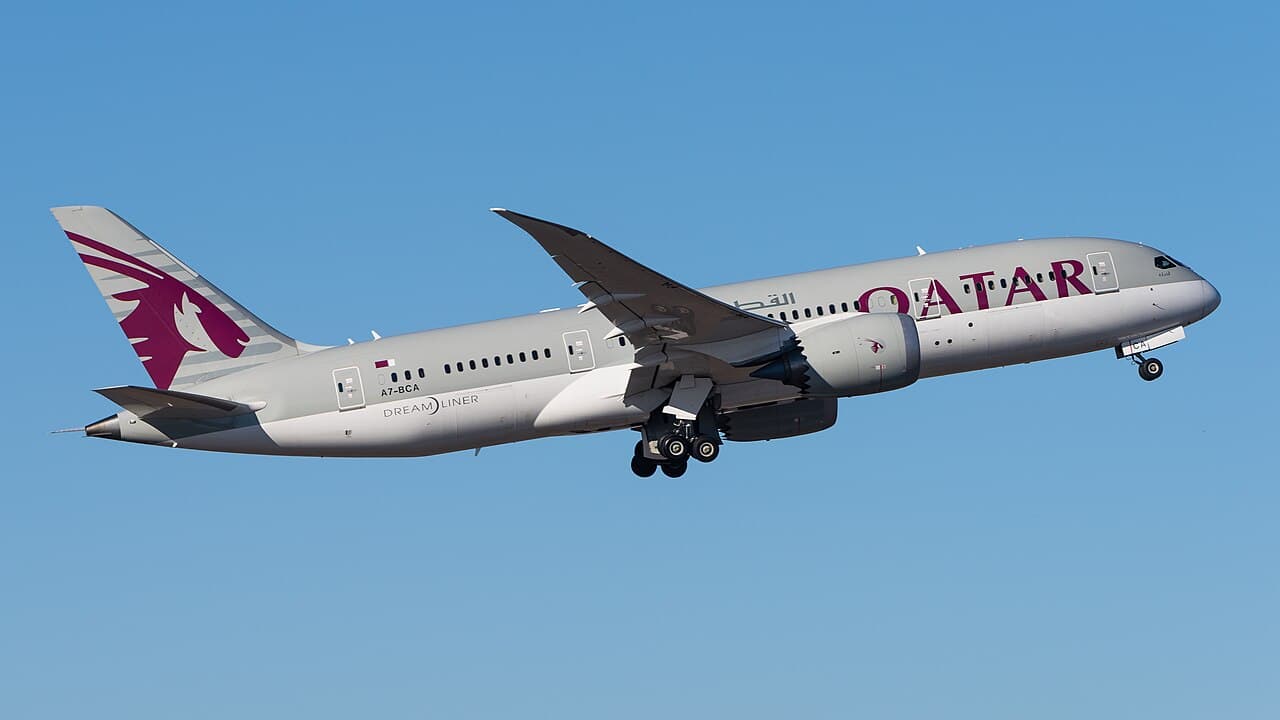
Image: Julian Herzog ( Website ) · CC BY 4.0 · via Wikimedia Commons
Boeing's Chevrons Quiet Engines but Cost Fuel on 787, 747-8, and 737 MAX
Boeing employs serrated engine nozzles on three aircraft families to reduce noise, accepting a small fuel burn penalty as an operational trade-off.
The gist
Boeing's serrated engine nozzles cut noise but slightly raise fuel use on 787, 747-8, and 737 MAX jets.
Continuing coverage
All Boeing →- Boeing Completes Final 737 Max 10 Certification Flight Test Ahead of Year-End Approval
- Defunct Cameroon Airlines Sues Boeing for $179M Over 1995 737-200 Crash
- Legacy 1960s Boeing 737 Design Caps Economy Seat Width at 17 Inches
- Boeing's 737 MAX 7 Set for FAA Certification This Month, Boosting Southwest's Fleet Plans
- Boeing Ends Production of Boeing 777-300ER After Nearly Two Decades
Boeing integrated distinctive serrated edges known as chevrons on the engine nacelles of its 787 Dreamliner, 747-8, and 737 MAX aircraft to reduce noise emissions during takeoff and landing. This design emerged from research collaborations in the early 2000s with GE Aerospace and NASA to meet rising airport noise regulations and lessen urban community disturbance near airports. Rather than overhaul entire engines, engineers focused on modifying exhaust nozzle geometry to improve how hot core exhaust and cooler bypass air mix, which lessens turbulence and the resulting jet noise.
Modern high-bypass turbofan engines produce two exhaust streams: a hot high-speed core and a cooler, slower bypass flow. At the junction between these flows and ambient air, high turbulence generates significant engine noise. Chevrons create controlled vortices along the nozzle edge that encourage gradual mixing of these flows, smoothing the velocity change and diminishing jet roar. This technology is now present on all Boeing 787s regardless of engine choice (Rolls-Royce Trent 1000 or GE GEnx), the 747-8's GE GEnx-2B engines, and all Boeing 737 MAX aircraft equipped with CFM LEAP-1B engines, making it a signature Boeing feature.
Despite the acoustic benefits, the serrated design introduces an unavoidable aerodynamic drawback. The vortices induced by chevrons interfere with the exhaust flow, reducing engine thrust by about 0.5%. While this reduction may seem marginal, it impacts fuel burn, which is critical given the significant operating costs airlines face. This penalty applies throughout every flight phase, including climb, cruise, and descent, even when noise restrictions are irrelevant, because the chevrons are fixed and always exposed to exhaust flow.
The fuel efficiency impact is particularly notable on the 737 MAX, which often operates multiple short-haul flights daily. Each takeoff and climb phase involves high thrust, and the continuous cruise drag penalty accumulates over many sectors, increasing overall fuel consumption compared to an equivalent aircraft lacking chevrons. Conversely, on long-range 787 and 747-8 aircraft with fewer daily takeoff cycles and extensive cruise segments, the proportional penalty is smaller but still present, demonstrating the balancing act between noise abatement and operational economy.
Boeing's exclusive adoption of chevrons for many years was underpinned by patents that restricted other airframers from implementing similar serrated nozzle designs until protections expired in 2021. Airbus, notably absent from adopting chevrons on aircraft such as the A320neo, A330neo, and A350, pursued alternative strategies to reduce engine noise, emphasizing inherently quieter engine architecture over after-the-fact exhaust flow modification.
For example, the Airbus A350 uses Rolls-Royce Trent XWB engines with very high bypass ratios paired with acoustic liners inside engine nacelles to absorb noise. Aerodynamic refinements further minimize turbulence naturally. Airbus engineers found that chevrons did not offer meaningful noise reductions when considered in the context of the entire aircraft, and their fuel penalties made them less attractive. This highlights diverging philosophies in noise reduction between Boeing and Airbus, balancing noise mitigation and fuel efficiency in differing ways.
The evolution of chevron use also reflects advancements in engine and airframe design. Boeing is moving away from chevrons in next-generation aircraft as better noise suppression methods become available, proving that while the technology was effective for its era, newer innovations can better manage the trade-offs between acoustic performance and fuel efficiency. The chevrons remain a visible example of engineering compromises standard in aerospace design.
Boeing's incorporation of chevrons on three major jet families underscores the complexity in balancing environmental concerns, regulatory compliance, and airline economics. Mitigating community noise near airports remains critical, yet the accompanying fuel cost underscores challenging trade-offs aircraft manufacturers and operators face. These engineering decisions will continue evolving as new materials, aerodynamic concepts, and engine technologies emerge, shaping the next generation of quieter and more efficient aircraft.
Frequently asked questions
- What are chevrons on Boeing aircraft engines?
- Chevrons are serrated patterns on the trailing edge of engine nacelles designed to reduce noise by smoothing the mixing of hot core and bypass exhaust flows.
- Which Boeing aircraft models have engines with chevrons?
- Boeing 787 Dreamliner, 747-8, and all variants of the 737 MAX are equipped with engines featuring chevrons.
- Why do chevrons cause increased fuel consumption?
- The vortices generated by chevrons disturb exhaust flow, reducing engine thrust by about 0.5%, which leads to slightly higher fuel burn throughout all flight phases.
Read more
All Sustainability →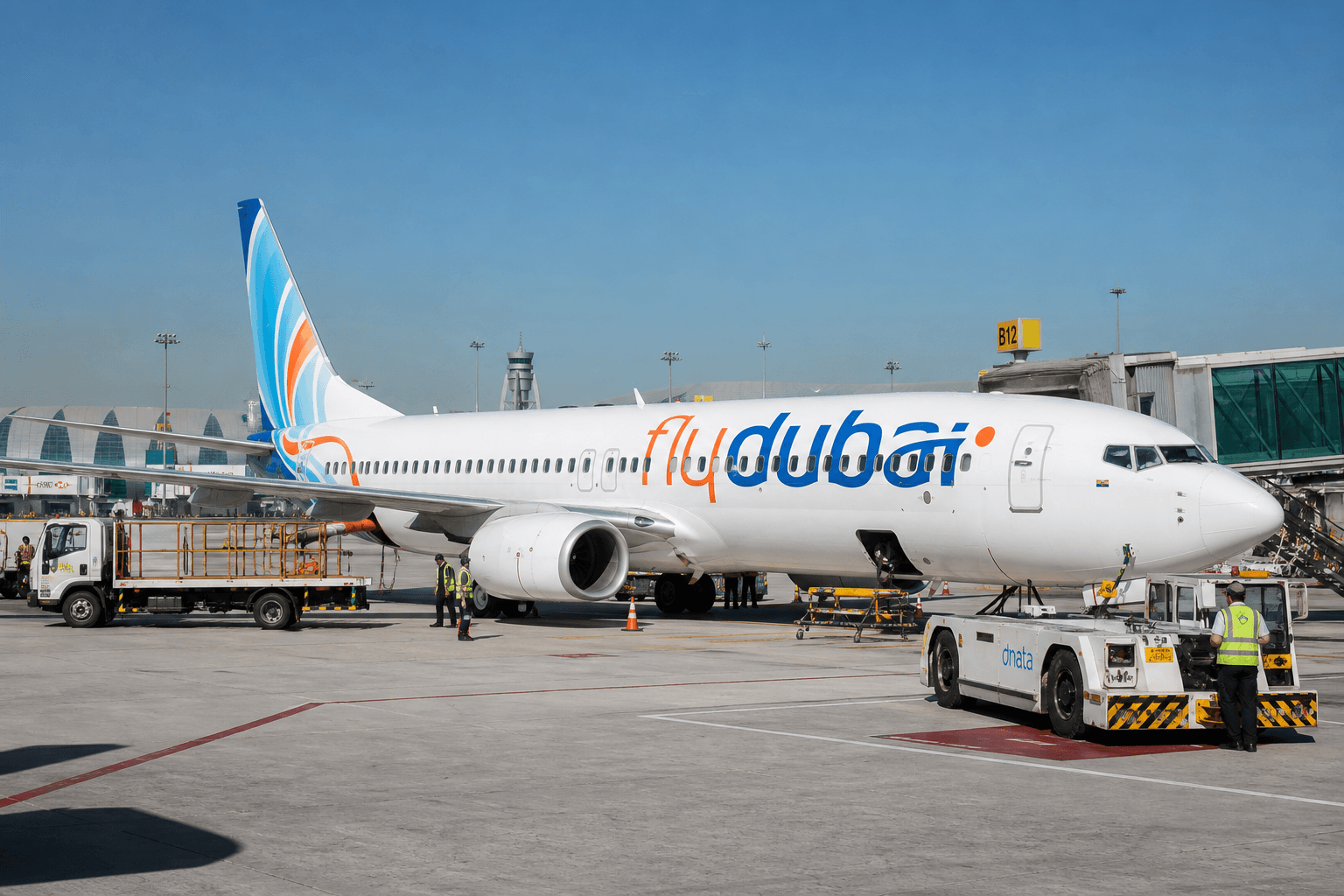
flydubai's single-engine taxiing program cuts emissions well above industry average
Small changes can make a big difference in aviation when extrapolated across a whole fleet.
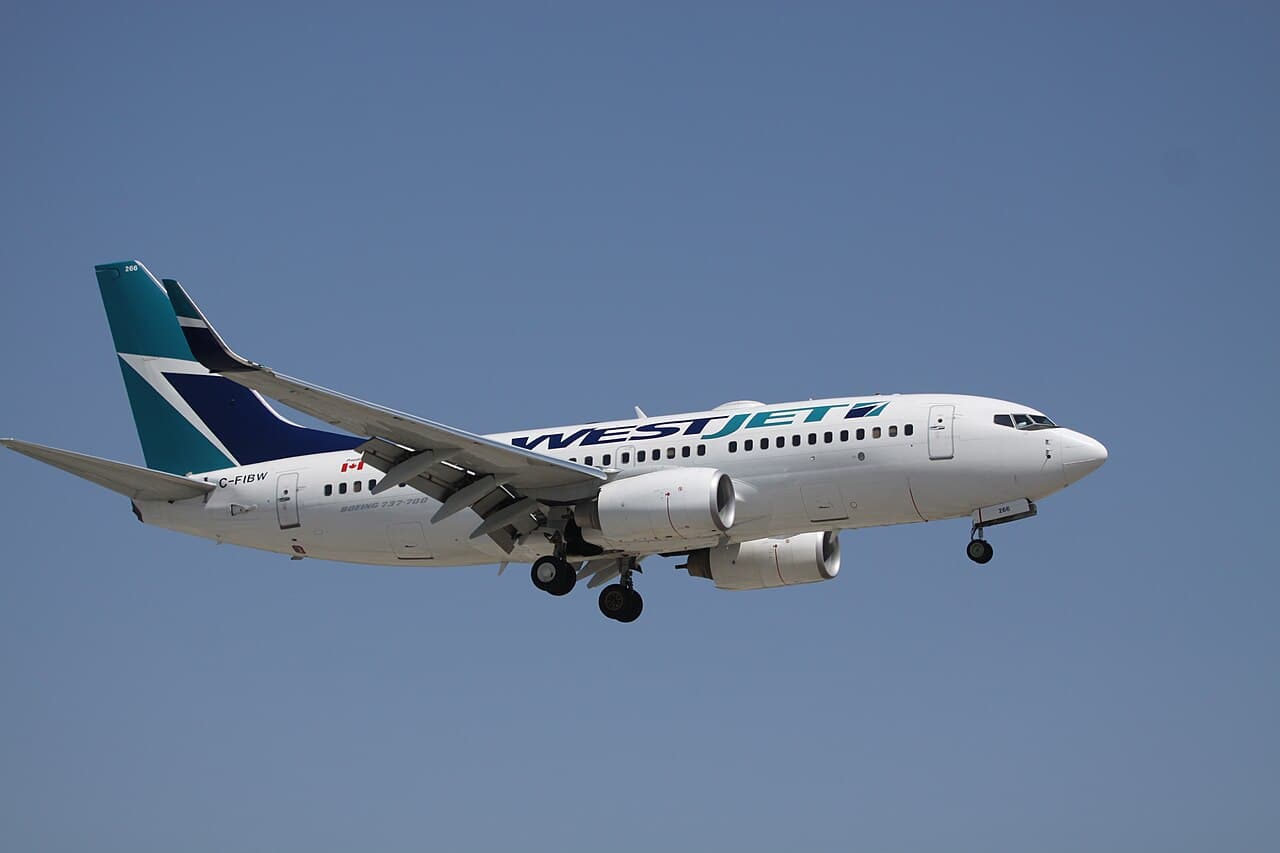
WestJet Flight Attendants Issue Strike Notice Over Unpaid Ground Work Dispute
Flight attendants at Canada’s second-largest airline, WestJet, have issued the Calgary-based carrier a 72-hour strike notice over a raging dispute over crew members being forced to work ‘for free’ after months of contract negotiations ended in an impasse between the airline and the Canadian Union of Public Employees (CUPE). Earlier this month, more than 4,000 WestJet flight attendants overwhelmingly backed strike action if the airline refused to pay them for the time that they are at work but not actually flying. Over 99.4% of flight attendants voted to support a walkout on a turnout of 97.3% of CUPE members. Under Canadian law, the union then had to enter into a 21-day cooling-off period, meaning that the earliest date that crew members can stage a crippling strike is August 2. At the heart of the dispute is the fact that traditionally, flight attendants in Canada have only been paid during the time that the plane is in motion, from the point that the aircraft pushes back from the gate to when it arrives at its destination. That means that flight attendants are effectively ‘working for free’ during boarding, which is often seen as one of the busiest and most stressful parts of the job. If a flight is delayed on the ground, flight attendants have to continue working without pay. The so-called ‘block hours’ approach to paying flight attendants was, until only recently, the dominant pay structure for flight attendants across North America. That, however, began to change in 2022, when Delta Air Lines became the first major carrier to offer ‘boarding pay’ at 50% of the usual flying pay rate. In the last few years, a slew of other carriers have followed suit, including American Airlines, United Airlines, Alaska Airlines, and several smaller regional carriers. Last Summer, flight attendants at Air Canada also secured boarding pay for the first time after a messy walkout, which flight attendants continued even after the government attempted to order crew members back to work. The CUPE union has warned the Carney government not to intervene and “respect the collective bargaining process between WestJet and its flight attendants.” In a statement issued on Thursday, Alia Hussain, President of the local CUPE 8125 union, which represents WestJet flight attendants, said: “We have been clear about what needs to change, and we have worked hard to reach a fair deal.” “The strike notice does not mean flight attendants want to go on strike. CUPE 8125 has been clear throughout negotiations that its goal is to reach a fair agreement without disrupting passengers or the travelling public,” the statement continued. “There's still time to avoid a strike,” Hussain added. “We want a fair contract for our members that recognizes the value of flight attendants' work and recognizes our position as employees of the second-largest carrier in Canada.” Hussain is calling on WestJet to re-enter into negotiations and reach a deal. If one cannot be reached, however, passengers should expect widespread disruption. In response to the strike notice, WestJet has issued its own 72-hour lockout notice. What that means is that flight attendants will be prevented from attending to work, even if they want to, cutting them off from pay. The other consequence of a lockout notice is that WestJet will not be able to operate. No flight attendants will be able to work, and the airline will have no other option but to ground its entire fleet, leaving tens of thousands of passengers stranded. “The decision to issue a lockout notice, in response to the actions taken by the union, was not one that was made lightly. We sincerely regret the inconvenience and uncertainty this continues to cause for our guests," commented WestJet chief executive Alexis von Hoensbroech. “Our commitment remains at the bargaining table, where we will continue to work around the clock to come to an agreement that provides value and meaningful improvements for our Cabin Crew and is sustainable for our company,” von Hoensbroech added. The amount of time that WestJet has to reach a deal is, in reality, less than 72 hours. If a deal can’t be reached in the next day or so, the airline will have to start activating plans to bring planes back to their respective bases before the strike starts. Without a deal, the only way that mass disruption can be avoided is if the government intervenes and orders flight attendants to turn up to work. However, as we saw last summer, Air Canada flight attendants and their union leaders were willing to disregard that order, risking jail time. Air Canada flight attendants secured boarding pay at an initial 50% of the normal pay rate, rising to 60% in 2026, 65% in 2027, and then topping out at 70% in 2028.
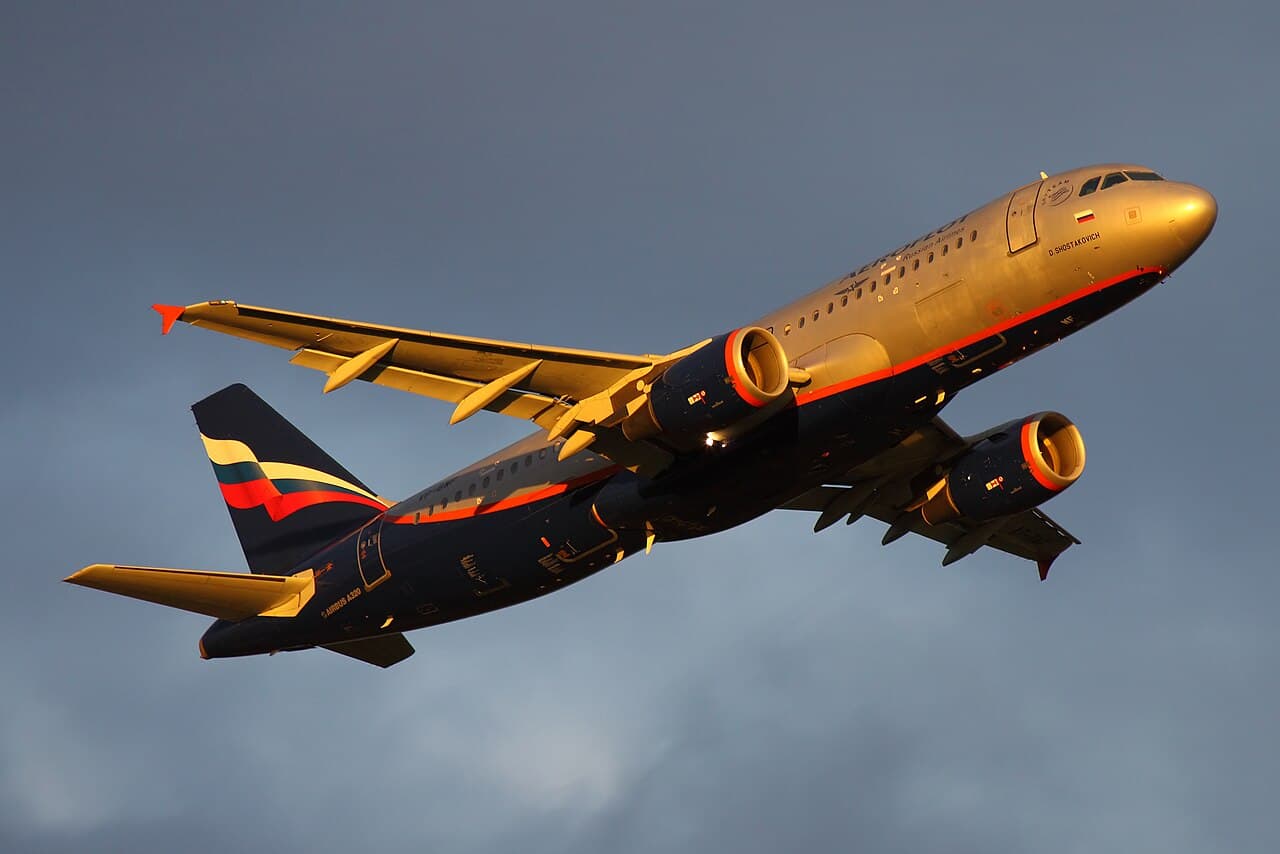
Airbus Posts Strong H1 2026 with 351 Aircraft Deliveries and Record Order Backlog
Airbus has reported robust performance in its commercial aircraft business for the first half of 2026, with higher deliveries, record orders, and solid revenue growth. ezstandalone.cmd.push(function () { ezstandalone.showAds(119); }); The results demonstrate the company’s ability to meet surging global demand while navigating supply chain and production challenges. In the first six months of 2026, Airbus delivered 351 commercial aircraft, up from 306 in H1 2025. This represents a significant step forward in the company’s ramp-up strategy. The deliveries comprised 44 A220s, 271 A320 Family aircraft, 10 A330s, and 26 A350s. ezstandalone.cmd.push(function () { ezstandalone.showAds(127); }); Strong Order Intake and Record Backlog Demand for Airbus aircraft remains exceptionally high. Gross orders reached 886 aircraft in H1 2026, compared to 494 in the same period last year. After cancellations, net orders stood at 821 aircraft — more than double the 402 net orders recorded in H1 2025. The company’s order backlog grew to 9,222 commercial aircraft at the end of June 2026. This massive backlog provides visibility for years of production and underscores Airbus’s leading position in the global commercial aviation market. ezstandalone.cmd.push(function () { ezstandalone.showAds(128); }); Revenue and Profitability Growth Revenues from Airbus’s commercial aircraft activities increased 15% year-on-year to €23.9 billion. This growth was primarily driven by higher delivery volumes and increased services business, though partially offset by a weaker US dollar. EBIT Adjusted for the commercial aircraft segment rose to €1,987 million, up from €1,714 million in H1 2025. The improvement reflects strong operational execution, despite headwinds from currency hedging rates. ezstandalone.cmd.push(function () { ezstandalone.showAds(129); }); Production Ramp-Up on Track Airbus continues to make steady progress on its ambitious production targets: A220 programme: Ramp-up ongoing, with a target of 13 aircraft per month by 2028. A320 Family: On track to reach 70-75 aircraft per month by end-2027, stabilising at rate 75 thereafter. A330 programme: Targeting rate 5 by 2029. A350 programme: Aiming for rate 12 by 2028. These rate increases are critical as airlines worldwide seek to modernise fleets with more fuel-efficient aircraft amid growing passenger traffic and sustainability pressures. ezstandalone.cmd.push(function () { ezstandalone.showAds(130); }); Photo Credit: Airbus Full-Year 2026 Guidance Unchanged Airbus reaffirmed its 2026 targets, assuming no major additional disruptions to global trade, air traffic, or supply chains. The company expects to deliver around 870 commercial aircraft for the full year. Overall group guidance remains intact, with targeted EBIT Adjusted of around €7.5 billion and Free Cash Flow before Customer Financing of around €4.5 billion. Chief Executive Officer Guillaume Faury noted that strong Q2 deliveries demonstrate effective execution in a complex environment. “We are ramping up across all businesses to meet the growing demand for our civil… solutions,” he said. ezstandalone.cmd.push(function () { ezstandalone.showAds(131); }); Photo Credit: Airbus Positive Outlook Despite Challenges While the first-half cash flow was negative due to planned inventory build-up for future ramp-up, Airbus maintains a healthy net cash position of €8.4 billion. The company continues investing in research and development (€1.464 billion group-wide in H1) to drive innovation in areas such as sustainable aviation fuels and next-generation technologies. The strong commercial performance highlights Airbus’s competitive strength in a recovering aviation market. With a healthy mix of narrowbody and widebody deliveries and a record backlog, the European manufacturer is well-positioned to capitalise on long-term industry growth. ezstandalone.cmd.push(function () { ezstandalone.showAds(132); }); As Airbus accelerates production rates and focuses on operational excellence, stakeholders will watch closely to see whether the company can sustain this momentum through the second half of 2026 and beyond. The results signal confidence in the future of commercial aviation and Airbus’ central role in it.
Porter Airlines Unveils Modernized Dash 8 Interiors Enhancing Regional Economy Travel
Porter Airlines is raising the bar for regional flying by refreshing the cabins of its entire De Havilland Dash 8-400 fleet. ezstandalone.cmd.push(function () { ezstandalone.showAds(119); }); The Toronto-based carrier is installing the latest Expliseat TiSeat 2V — the world’s lightest seat in its class — across all 29 aircraft. These upgrades, combined with new lighting and flooring, promise a noticeably more comfortable and modern experience for passengers on shorter routes. ezstandalone.cmd.push(function () { ezstandalone.showAds(127); }); The first refreshed Dash 8s are already flying, with the full fleet expected to feature the new interiors by fall 2026. This investment shows Porter’s ongoing dedication to “elevated economy” service, proving that comfort matters even on regional flights. Smarter, Lighter Seats for Better Comfort The star of the refresh is the new-generation TiSeat 2V from French manufacturer Expliseat. These seats feature redesigned cushions tailored specifically to Porter’s standards, updated tray tables, and built-in device holders that let passengers enjoy hands-free entertainment. First-row seats also receive special tray table upgrades for extra personal space. ezstandalone.cmd.push(function () { ezstandalone.showAds(128); }); Made with advanced carbon fibre and titanium, the TiSeat 2V remains exceptionally light. This design helps reduce overall aircraft weight, leading to lower fuel consumption and decreased CO₂ emissions over the aircraft’s lifetime. Passengers benefit from improved comfort without any reduction in legroom or changes to the cabin layout. Porter Airlines operates its Dash 8-400s in a comfortable two-by-two configuration with 78 seats total. There are no middle seats. Flyers in PorterReserve enjoy 32 inches of legroom, while PorterClassic offers 30 inches — generous dimensions for regional routes in Eastern Canada and the U.S. ezstandalone.cmd.push(function () { ezstandalone.showAds(129); }); Source: Expliseat website Additional Cabin Enhancements Beyond the seats, Porter is introducing several thoughtful upgrades: Mood lighting with modern LED technology Individual LED reading lights Fresh new carpeting throughout the cabin These changes create a brighter, more welcoming environment that aligns with Porter’s reputation for genuine hospitality and stylish service. Kent Woodside, Executive Vice President and Chief Operating Officer at Porter Airlines , explained the motivation. ezstandalone.cmd.push(function () { ezstandalone.showAds(130); }); “Our passengers told us that seat comfort is a meaningful part of their experience, even on shorter regional flights. Updating seats, along with other cabin upgrades, will noticeably refresh and modernize the overall environment.” He added that Porter aims to deliver a globally recognized flying experience and will continue prioritizing comfort. A Win for Regional Travellers Regional flights often receive less attention than long-haul journeys, yet they form a vital part of many trips. By focusing on these upgrades, Porter demonstrates that economy travel does not have to feel basic. ezstandalone.cmd.push(function () { ezstandalone.showAds(131); }); The combination of lightweight, supportive seats, better lighting, and a clean cabin helps reduce fatigue and improve the overall journey — whether flying for business or leisure. The partnership with Expliseat builds on years of collaboration. Jean-Francois Tessier, Vice President Sales North America at Expliseat , noted the shared commitment to innovative technology that boosts both passenger comfort and operational efficiency. Photo Credit: Porter Airlines A Continuing Commitment to Elevated Economy Porter Airlines has built its brand on offering more than standard economy. From its distinctive livery and friendly crew to these cabin investments, the airline consistently seeks ways to stand out in a competitive market. ezstandalone.cmd.push(function () { ezstandalone.showAds(132); }); The Dash 8 fleet serves key regional routes, making these improvements accessible to thousands of passengers every week. Legroom and seating configuration stay the same, preserving the popular no-middle-seat layout that travellers love. The focus remains on meaningful enhancements that passengers can feel immediately. As the refreshed aircraft spread across the network, flyers can look forward to a more comfortable, modern ride on Porter’s turboprops. ezstandalone.cmd.push(function () { ezstandalone.showAds(133); }); For those who value thoughtful details and genuine care in economy class, these updates reinforce why Porter continues to earn strong loyalty in Canadian aviation.
The Daily Touch & Go
The day's best aviation news in your inbox. Free, no spam.