

Image: San Diego Air & Space Museum · Public domain · via Wikimedia Commons
Delta Pilots End Scheduling Talks, Complicating Efforts to Fix Rising Flight Cancellations
Delta Airlines pilots have unanimously withdrawn from accelerated scheduling negotiations amid escalating cancellations; contract talks now shift back to prolonged bargaining under federal labor rules.
The gist
Delta pilot union walks away from scheduling talks as flight cancellations surge, pushing contract talks into a lengthy process.
Continuing coverage
All Delta Air Lines →- US Citizen Detained by ICE at Delta Gate Due to Mistaken Identity
- Delta to Launch Nonstop Austin-Paris Flight in Summer 2027 Alongside Austin-San Diego Service
- Delta Flight from Las Vegas Faces Inflight Wi-Fi Scam After DEF CON
- Delta Flight 2204 Returns to Atlanta After Cockpit Fumes, Evacuates Passengers Safely
- Delta Boeing 757 evacuated via slides after smoke reported in cockpit at Atlanta
Delta Air Lines is facing a worsening operational crisis as flight cancellations surged to nearly 3% in July, higher than competitors United and American Airlines, and more than double Southwest's rate. Although weather factors contributed, Delta's ability to recover from disruptions has deteriorated, leading to significant spirals in cancellations. Senior Delta executives had anticipated ongoing challenges through the summer, but recent developments suggest the situation is deteriorating rather than improving.
Management has cited pilot scheduling complexities as a core challenge, but industry observers also point to shortcomings within Delta's own management. These include the airline’s agreement to pilot contract provisions that their current IT systems struggle to manage, and operating with an insufficient number of cockpit crew members to handle fluctuating demand. The interplay of these factors has resulted in unreliable schedules and increasing operational disruptions.
In an effort to address scheduling problems, Delta and its pilots’ union entered accelerated negotiations earlier this year. The pilot union proactively established a website assigning blame to management for the cancellations before July's spike, seeking to ensure public discourse recognized management’s responsibility rather than framing the pilots as unwilling to work.
However, these negotiations have recently broken down. The Master Executive Council (MEC) of Delta's pilot union convened a special session to assess progress on accelerated talks, receiving a full briefing on the positions of both union and company. The MEC unanimously concluded that accelerated bargaining no longer promises an acceptable result within a reasonable timeframe, instructing the negotiating committee to revert to traditional Section 6 bargaining governed by the Railway Labor Act.
This traditional bargaining path is expected to extend contract talks significantly. The Delta pilots’ current contract becomes amendable at the end of December 2026, and the last negotiation cycle took nearly four years from start to ratification. This indicates that resolution of the current scheduling issues and contract amendments could take multiple years to finalize, maintaining uncertainty for both pilots and management.
Delta has been facing more than just operational troubles. Pilot staffing is strained, and the airline has resorted to hiring aggressively in an attempt to maintain flight coverage—a move that affects regional airlines by poaching experienced pilots. Despite the strain, Delta pilots reportedly maintain higher engagement levels compared to counterparts at American and United. Moreover, Delta has sought to limit pilots’ ability to drop trips, an unpopular but effective move to reduce cancellations and overtime expenses.
From a broader operational perspective, Department of Transportation data indicate that while cancellations have increased recently, Delta still ranks highly in on-time performance and operational reliability when measured across multiple metrics. It leads the big four U.S. carriers in on-time arrivals and maintains superior performance in wheelchair handling and denied boarding metrics. Whether these strengths can offset growing pilot-management tensions in the near term remains to be seen.
The pilot union’s decision to withdraw from accelerated talks signals a potentially prolonged disruption. Without changes to scheduling practices and settled contract terms, Delta could continue to struggle recovering from delays and cancellations, risking further erosion of its historically strong operational reputation. The airline’s ability to address systemic scheduling, technology, and staffing problems will be critical in restoring reliability and passenger confidence.
Frequently asked questions
- Why did Delta pilots withdraw from accelerated scheduling negotiations?
- The Delta pilots’ Master Executive Council unanimously agreed that accelerated negotiations could no longer yield an acceptable result in a reasonable timeframe, so they decided to return to traditional contract bargaining under the Railway Labor Act.
- How are Delta's flight cancellations trending compared to other major US airlines?
- In July, Delta cancelled nearly 3% of its flights, which was worse than United and American Airlines and about 2.6 times the cancellation rate of Southwest Airlines.
- What factors have contributed to Delta's operational difficulties and flight cancellations?
- Factors include weather-related disruptions, management's failure to align IT systems with pilot contract provisions, operating with insufficient cockpit crew, and strained pilot staffing and scheduling complexities.
Read more
All Airlines →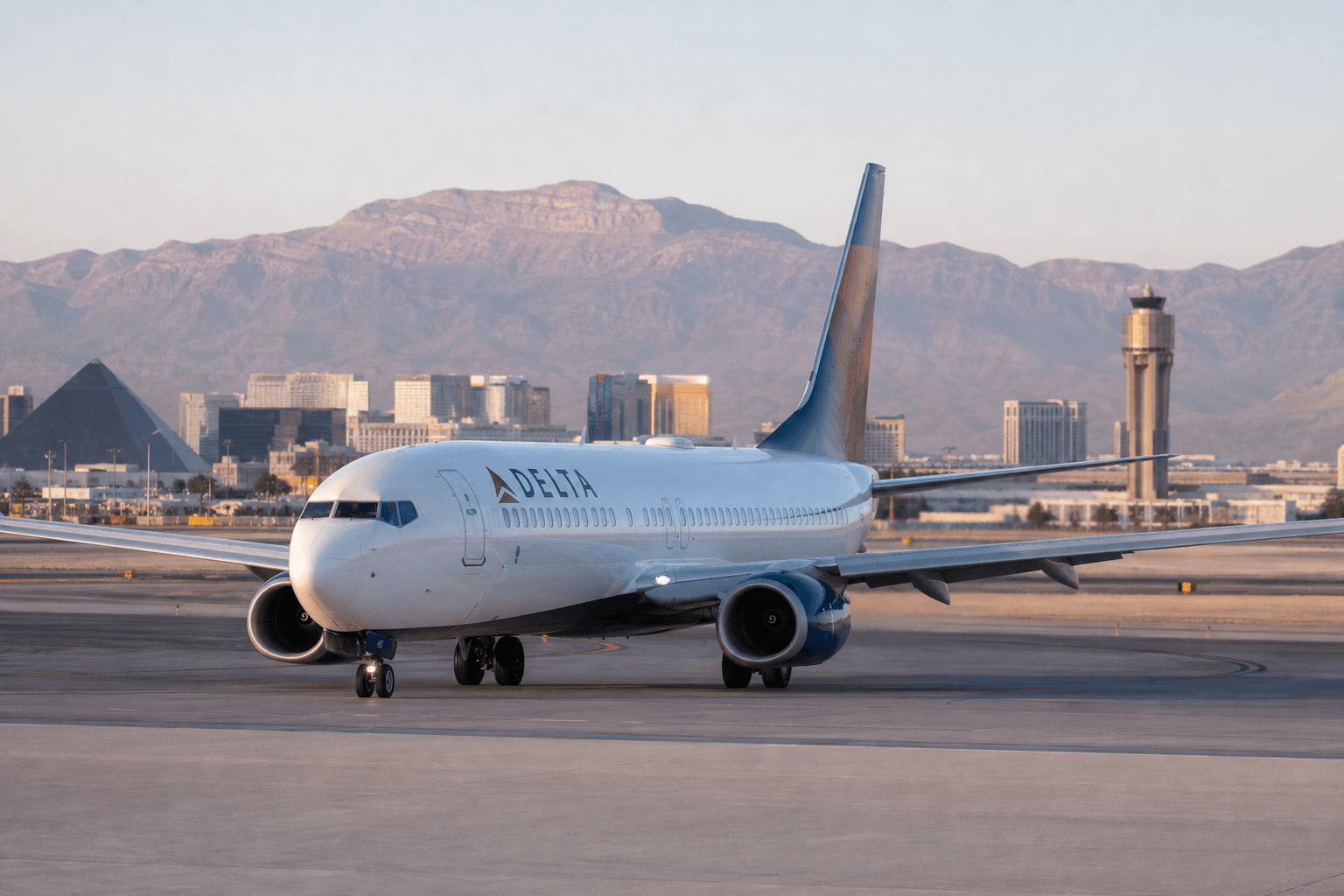
Delta Flight from Las Vegas Faces Inflight Wi-Fi Scam After DEF CON
Delta flight 591 from Las Vegas to Atlanta became a post-DEF CON Wi-Fi scare after the crew reported that passengers had created a fake "Delta WiFi Fast" network and "jammed" the inflight internet. The plane itself does not appear to have been at risk, but phishing passengers, disrupting onboard Wi-Fi, or impersonating Delta's network could still create serious legal trouble.
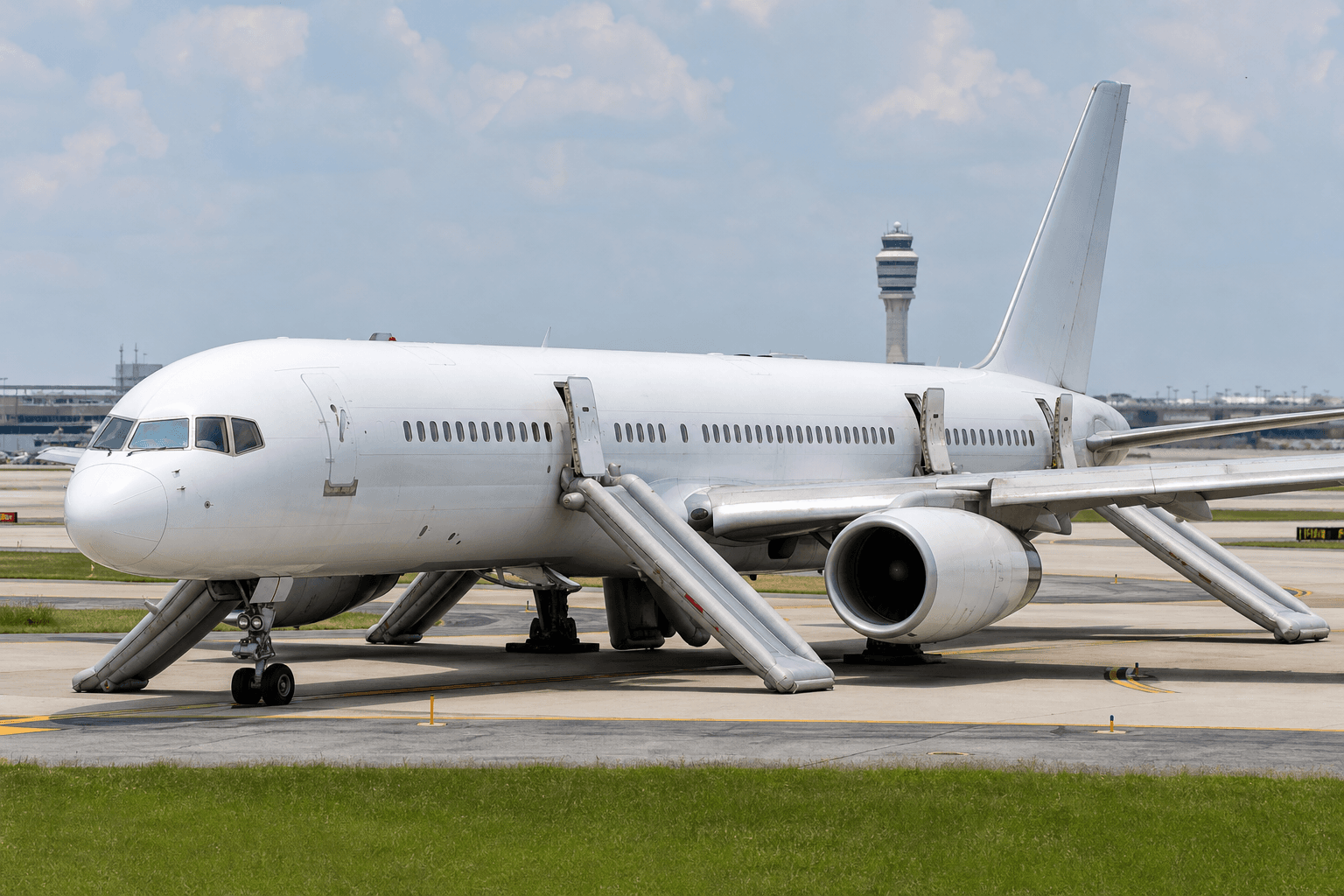
Delta Flight 2204 Returns to Atlanta After Cockpit Fumes, Evacuates Passengers Safely
A Delta 757 returned to Atlanta shortly after takeoff after pilots reported smoke and fumes in the cockpit, donned oxygen masks, and told passengers to brace for landing. The plane landed safely, but after smoke was reported in the back of the aircraft, nearly 200 passengers evacuated by slides on a taxiway before continuing to Orlando on a replacement aircraft.
American Airlines misjudged market dynamics and slot strategies in NY, LA, Chicago leading to decline
American Airlines shrank in New York, Los Angeles, and Chicago because it misunderstood both the value of being relevant in major spending markets and the way route networks drive loyalty and credit card economics. The airline can't undo every mistake, specially in New York, but it can add the right flights, investing in product, and treat its schedule as a loyalty and cobrand strategy.
American Airlines revamps leadership to boost lagging profits against Delta and United
American Airlines is shaking up its senior leadership as CEO Robert Isom faces growing pressure to improve the carrier's financial performance and close the gap with rivals Delta Air Lines and United Airlines. The changes broaden oversight across American's commercial and operational teams and bring former Spirit Airlines Chief Operating Officer John Bendoraitis into the company to lead technical operations. In a memo to employees, Isom acknowledged a "meaningful gap" between American's current performance and where he said the airline should be, describing the leadership changes as the first in a series of moves aimed at improving execution and strengthening the company. Isom announced that Chief Commercial Officer Nat Pieper will add marketing and branding to his responsibilities, while Chief Customer Officer Heather Garboden will take on reservations and service recovery. JC Gulbranson will add oversight of airports and planning. Garboden and Gulbranson will also join American's senior leadership team. Chief Communications Officer Ron DeFeo is stepping down. Caroline Clayton will oversee communications, while Steve Neuman will lead government affairs. Both will join the senior leadership team. The changes come as American continues to trail Delta and United on profitability. American expects roughly break-even results for 2026 as higher fuel prices weigh on earnings. Earlier this year, the airline said a sharp increase in jet fuel costs could add more than $4 billion in expenses compared with its previous assumptions. American has also been under pressure from its labor unions. The Association of Professional Flight Attendants issued a unanimous vote of no confidence in Isom in February, saying the airline had fallen behind competitors in profitability, operational performance and overall competitiveness. The union has called on Isom to step down. The Allied Pilots Association has also questioned whether American's current management can close the performance gap with Delta and United. APA President Nick Silva recently told pilots that the union had sought a meeting with American's board to discuss concerns about the company's future but was rebuffed. He said the union had since spoken with analysts, investors and other stakeholders. Despite the criticism, Isom has said American is not changing its overall strategy. He said the airline continues to focus on expanding its global network, increasing premium revenue and strengthening its AAdvantage loyalty program. American has also been investing in premium seating, lounges, onboard connectivity and changes to its hub schedules as it works to improve revenue and operational performance.
The Daily Touch & Go
The day's best aviation news in your inbox. Free, no spam.