

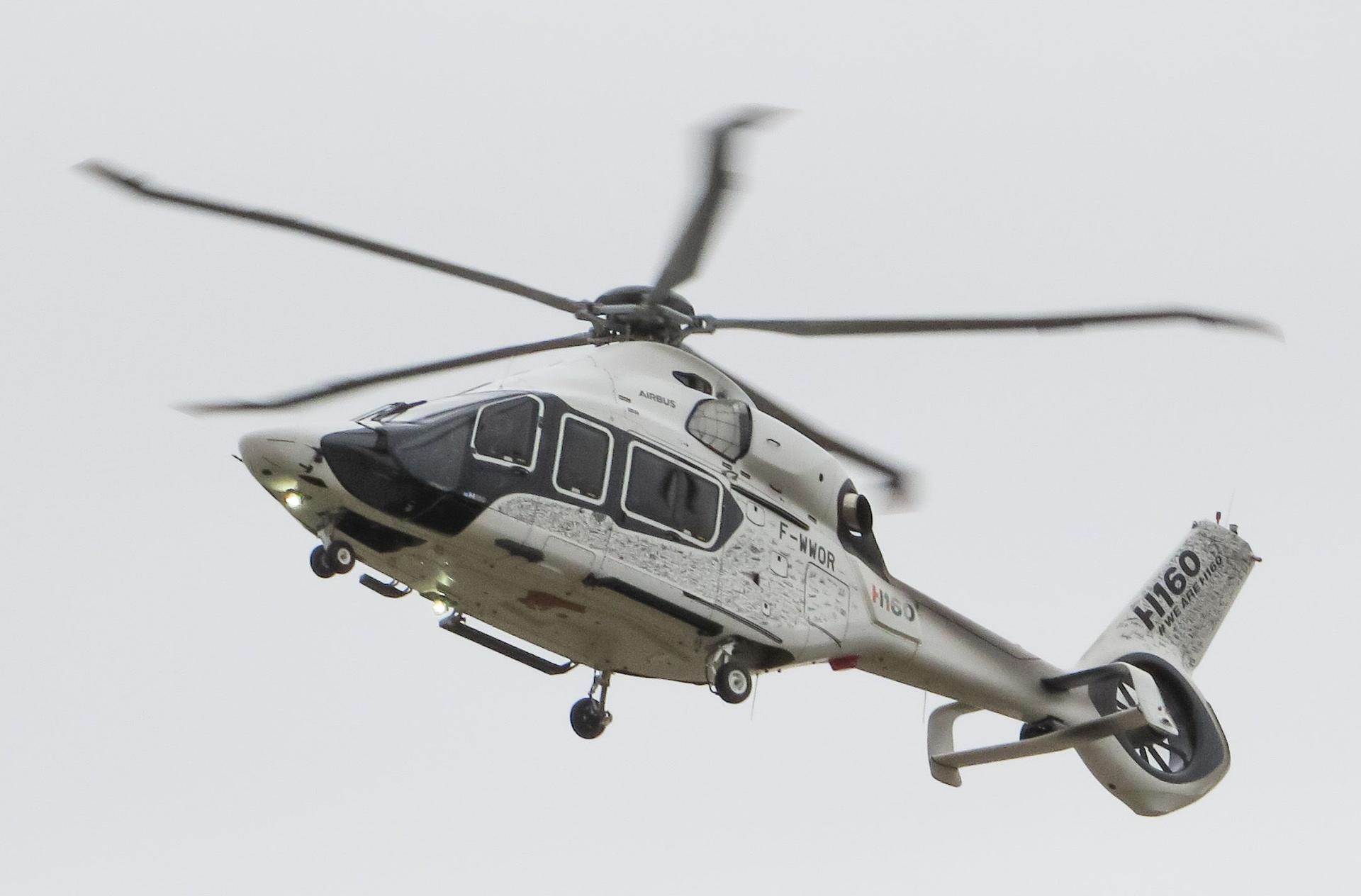
Image: Berg2 · CC BY-SA 3.0 · via Wikimedia Commons
EASA Orders Emergency Checks on Airbus H160-B Cockpit Windows After In-Flight Detachment Risk Found
Europe's air safety regulator has given H160-B operators 10 flight hours to inspect pilot and copilot escape windows after a production-line test showed they could unlock and fall away in flight.
The gist
EASA wants every affected Airbus H160-B cockpit window inspected within 10 flight hours after a factory test found the windows could detach in flight.
Continuing coverage
All Easa →- Gulf Carriers Extend Saudi Suspensions as Drone and Missile Attacks Hit Bahrain and Riyadh
- EASA Expands Urgent A380 Wing Spar Crack Checks to 24 Jets, Adding Eight More
- EASA Shortens ATR 42/72 De-Icing Valve Check Intervals After Voepass Flight 2283 Findings
- Ascendance Rolls Out First Full-Scale Atea Hybrid-Electric VTOL After Eight Years of Development
- Gulf Carriers Extend Saudi Suspensions as Houthi Drones and Missiles Target the Kingdom
The European Union Aviation Safety Agency has ordered emergency inspections of Airbus H160-B helicopters after a check on the production line showed that cockpit escape windows could come loose and detach during flight. The agency issued the airworthiness directive on November 25, 2026, and it took effect two days later, on November 27. The directive applies to every H160-B serial number. EASA did not say how many of those helicopters are actually fitted with the affected windows.
The compliance window is short. Operators of H160-Bs equipped with the affected pilot or copilot windows must complete the inspection within 10 flight hours of the November 27 effective date. Where an inspection turns up a problem, the directive requires the operator to correct it before the helicopter flies again. In practice, that means an H160-B with a faulty window installation stays on the ground until the repair is done.
The regulator's action followed a move by the manufacturer. Airbus Helicopters issued an emergency service bulletin on November 24, one day before EASA published its directive. The bulletin set out instructions for checking how the cockpit windows are installed. EASA's directive, effective three days after the bulletin appeared, turned the inspection from a manufacturer recommendation into a mandatory requirement for operators.
The defect came to light at the factory rather than in service. During a test carried out after the windows had been fitted on the assembly line, a red warning flag on the cockpit window's lock indicator remained visible. The flag forms part of the indicator that shows whether the window is locked. That finding prompted a further investigation into what the visible flag meant for the security of the window.
The investigation found that the condition did not have to be obvious to be dangerous. When the red flag stayed even partly visible, the window could unlock and detach in flight. A partially showing flag was therefore enough to indicate a window that might not stay in place. The inspections ordered under the directive target the installation of the pilot and copilot windows on helicopters fitted with the affected parts.
EASA set out the consequences of a window coming free. The agency said a detached window could damage the helicopter itself. It also said a falling window could injure people on the ground. Those two risks are the basis for the 10-flight-hour deadline and the requirement that any problem be fixed before further flight.
The directive reaches operators outside Europe as well. The H160 entered service in the United States in 2024 with PHI Aviation, which flies the helicopter in offshore energy operations. Because the directive covers all H160-B serial numbers, operators must determine whether their aircraft carry the affected pilot or copilot windows. EASA has not published a count of how many helicopters are fitted with them.
Originally reported by AeroTime
Read more
All Aviation Safety →
FAA Orders Inspections of 60 US Boeing 787s Over Fuel Tank Sealant Defects Linked to Lightning Risk
A new airworthiness directive targets specific 787-8, 787-9 and 787-10 Dreamliners whose fuel tank sealant flaws could let a lightning strike produce an ignition spark.
Bolivia Charges 32 Over Looting of Banknotes From Crashed Air Force C-130 at El Alto
Prosecutors accuse the group of aggravated robbery and destroying state property after crowds took millions of banknotes from a deadly February crash of a Bolivian Air Force Hercules.
Polish Prosecutors' Expert Panel Finds Late Approach and Altimeter Error Doomed Smolensk Tu-154M
An international expert group set up by Poland's National Prosecutor's Office ruled out an explosion or technical fault in the 2010 Smolensk crash and blamed the approach, altitude data and Russian air traffic control.
Cessna 210 Crash off Horn Island Kills Six Fort Myers Family Members Returning From Fishing Trip
A Cessna 210 flown by Fort Myers businessman Brent Stokes went down off Mississippi after a rapid descent, killing him and five relatives, including three children, as the FAA and NTSB open an investigation.
The Daily Touch & Go
Launching soon: the day's best aviation news in your inbox. Join the list, free.