

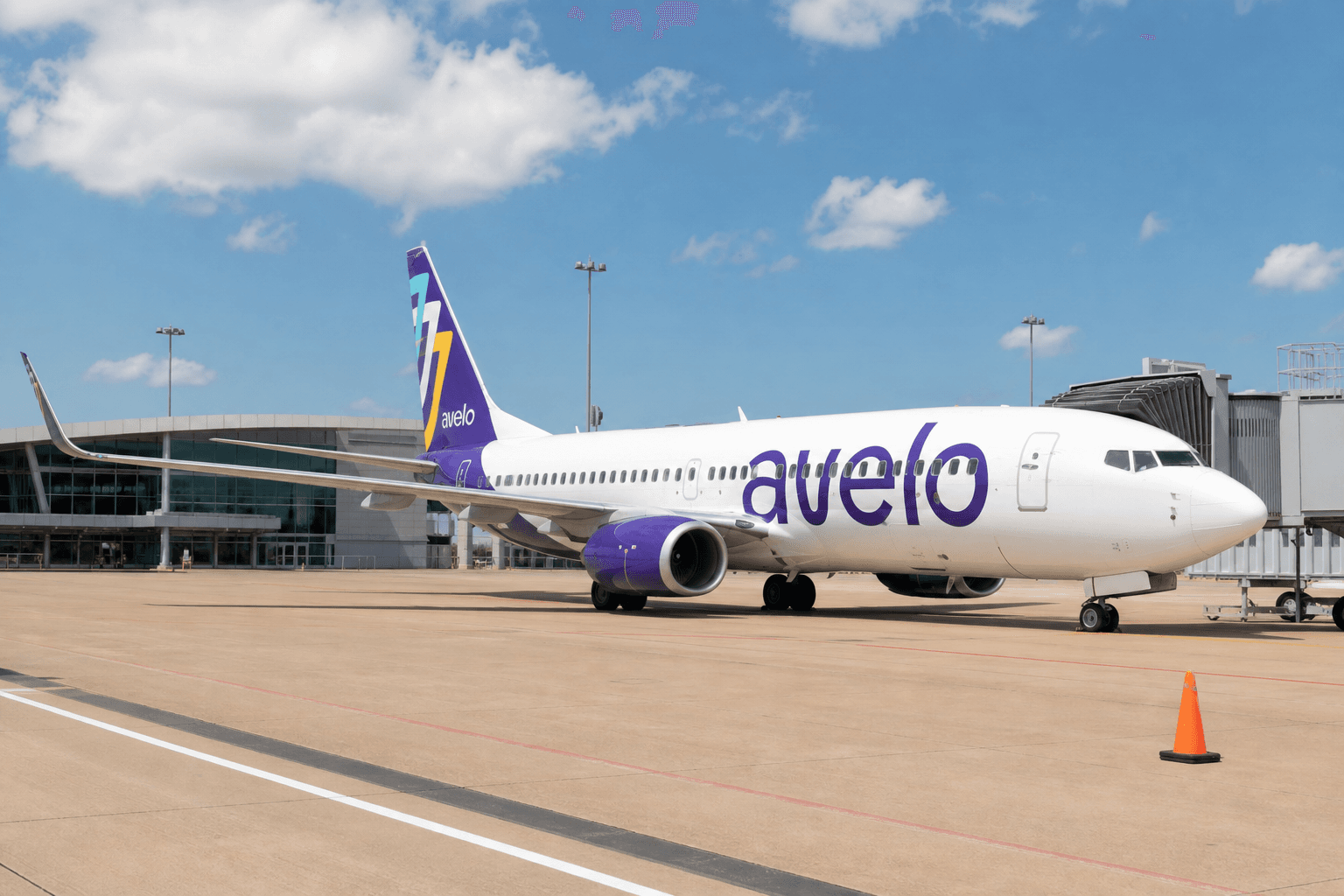
Illustration: The Touch & Go
Avelo Airlines to Begin Commercial Flights at McKinney National Airport in November 2026
Avelo Airlines will launch scheduled passenger service from McKinney National Airport, adding a third commercial airport to Dallas-Fort Worth's aviation landscape with flights to five leisure destinations.
The gist
McKinney National Airport will become Dallas-Fort Worth’s third passenger airport as Avelo Airlines starts flights in late 2026.
Continuing coverage
All Low-Cost Carriers →- Apollo Global Management Secures £5.7B Takeover of easyJet with No Immediate Job Cuts
- Apollo Global Management close to acquiring easyJet for $7.6 billion with growth plans
- EasyJet takeover sparks fleet flexibility debate among European low-cost carriers
- Frontier to Launch Starlink High-Speed WiFi Across Fleet in Early 2027
- Vueling to Launch Boeing 737 MAX 8-200 on Mediterranean and European Routes in December 2026
The Dallas-Fort Worth metropolitan area is set to welcome a new player in its commercial aviation scene as Avelo Airlines announces plans to commence passenger services from McKinney National Airport in November 2026. This marks a significant milestone for McKinney National, historically a general aviation hub, transforming it into North Texas's third commercial passenger airport alongside Dallas/Fort Worth International and Dallas Love Field airports.
Avelo Airlines will kick off operations at McKinney with five leisure-oriented routes using its Boeing 737-800 fleet. The initial destinations include key vacation spots such as Las Vegas, Fort Lauderdale, Fort Myers, Orlando, and Tampa. The airline plans to base two aircraft at McKinney, creating over 100 jobs spanning pilots, cabin crew, maintenance engineers, and ground personnel. As both the airport’s launch airline and anchor tenant, Avelo is positioning itself at the forefront of McKinney's new commercial chapter.
Traditionally, the Dallas-Fort Worth region’s scheduled travel has revolved around two primary airports. Dallas/Fort Worth International Airport, one of the busiest globally, serves as a major American Airlines hub, while Dallas Love Field is dominated by Southwest Airlines. With the rapid growth in northern suburbs, McKinney National presents travelers with a convenient alternative that significantly reduces travel time compared to the drive to the larger, more congested airports.
Since its founding in 1979, McKinney National Airport has primarily supported business and general aviation activity. Positioned about 30 miles north of downtown Dallas, the airport serves as a reliever for DFW and Love Field and hosts a dynamic mix of corporate jets, private aircraft, air taxi services, and pilot training operations. Companies like Toyota and Texas Instruments have extensive aviation activities in the surrounding region, making McKinney one of Texas’s busiest non-commercial airports with over 140,000 annual aircraft movements and more than 200 based aircraft.
To accommodate its new commercial operations, McKinney is completing a new 46,000 square foot passenger terminal on the airport’s east side. Designed for low-cost carrier efficiency, the facility will initially offer four boarding gates with the capacity to expand to six. Amenities will include central food and beverage options, spacious waiting lounges, nearly 1,000 public parking spaces, rental car facilities, and a modern security screening area. Forecasts suggest the airport could handle approximately 200,000 passengers annually in its early phase, with potential growth to one million passengers as demand increases.
McKinney National’s infrastructure includes a single concrete runway (18/36), 7,002 feet long, equipped with an instrument landing system (ILS) for Runway 18 and RNAV procedures at both ends. This setup can accommodate narrow-body aircraft such as the Boeing 737 and Airbus A320 families, which are expected to dominate scheduled flights. The airport will continue to nurture its role as a busy general aviation base alongside expanding airline service, maintaining a diverse mix of business jets, turboprops, and private light planes.
For aviation enthusiasts, McKinney’s smaller scale compared to DFW offers appealing aircraft spotting opportunities. Public roads near the airfield provide accessible vantage points, and spotting at the airport’s main entrance near the control tower offers views of business and corporate aviation activity. The introduction of scheduled Boeing 737 flights will add a new dimension, blending commercial jetliners with existing executive aircraft traffic, a combination that traditionally attracts keen spotters.
The transformation of McKinney National Airport into a commercial passenger facility with Avelo Airlines as the launch carrier signals a broader trend of regional airports evolving to meet growing local demand. The expansion reflects both the Dallas-Fort Worth area’s demographic growth and the desire for more convenient travel options in suburban communities. Initial operations will set the foundation for future development with scalability built into the airport’s design, potentially reshaping air travel choices in North Texas for years to come.
Read more
All Airports →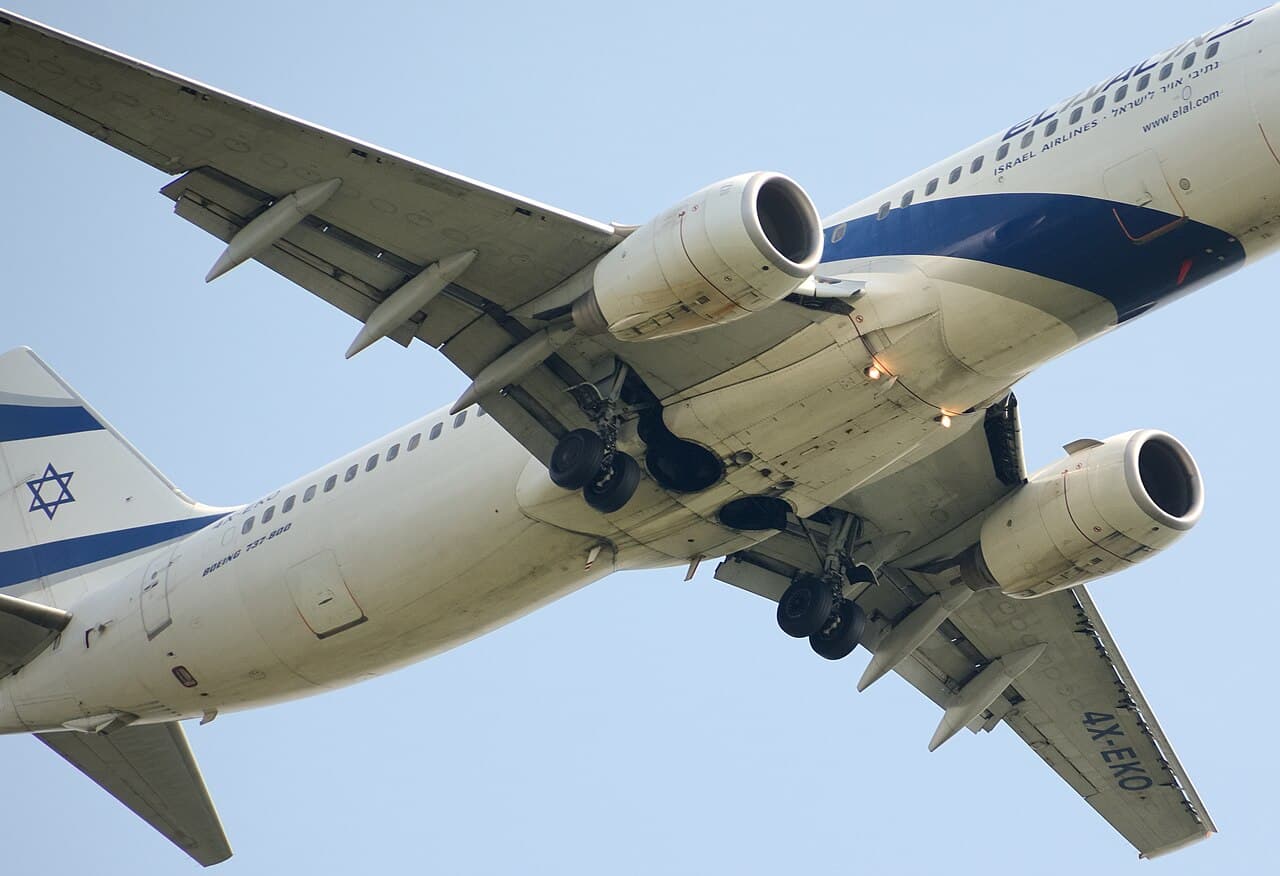
Southwest Airlines Expands Nashville Hub with Seven New Routes by March 2027
Southwest Airlines is the largest carrier at Nashville International Airport (BNA). Indeed, present scheduling data made available by Cirium , an aviation analytics company, shows that it has penciled in a grand total of 5,667 flights from the facility this August, offering some 909,987 seats in the process. This also makes it Southwest's fifth-largest base by scheduled departures.
Loganair to Cease Operations at Dundee Airport and End Heathrow Route
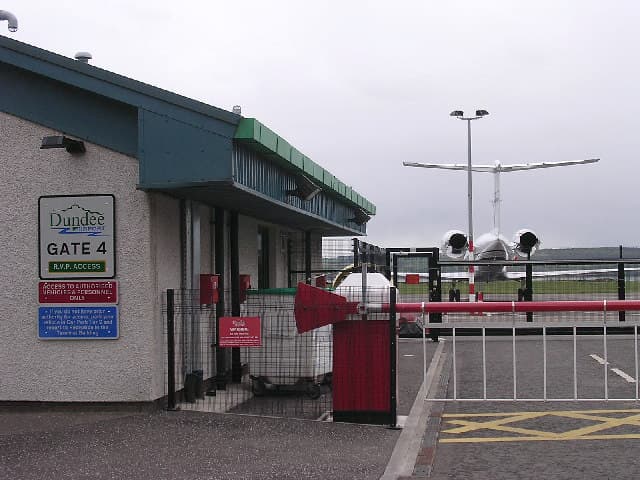
The carrier said flights to and from the small airport are no longer financially viable.
Boeing 777 Crews Balance Rolling and Standing Takeoffs for Efficiency and Safety
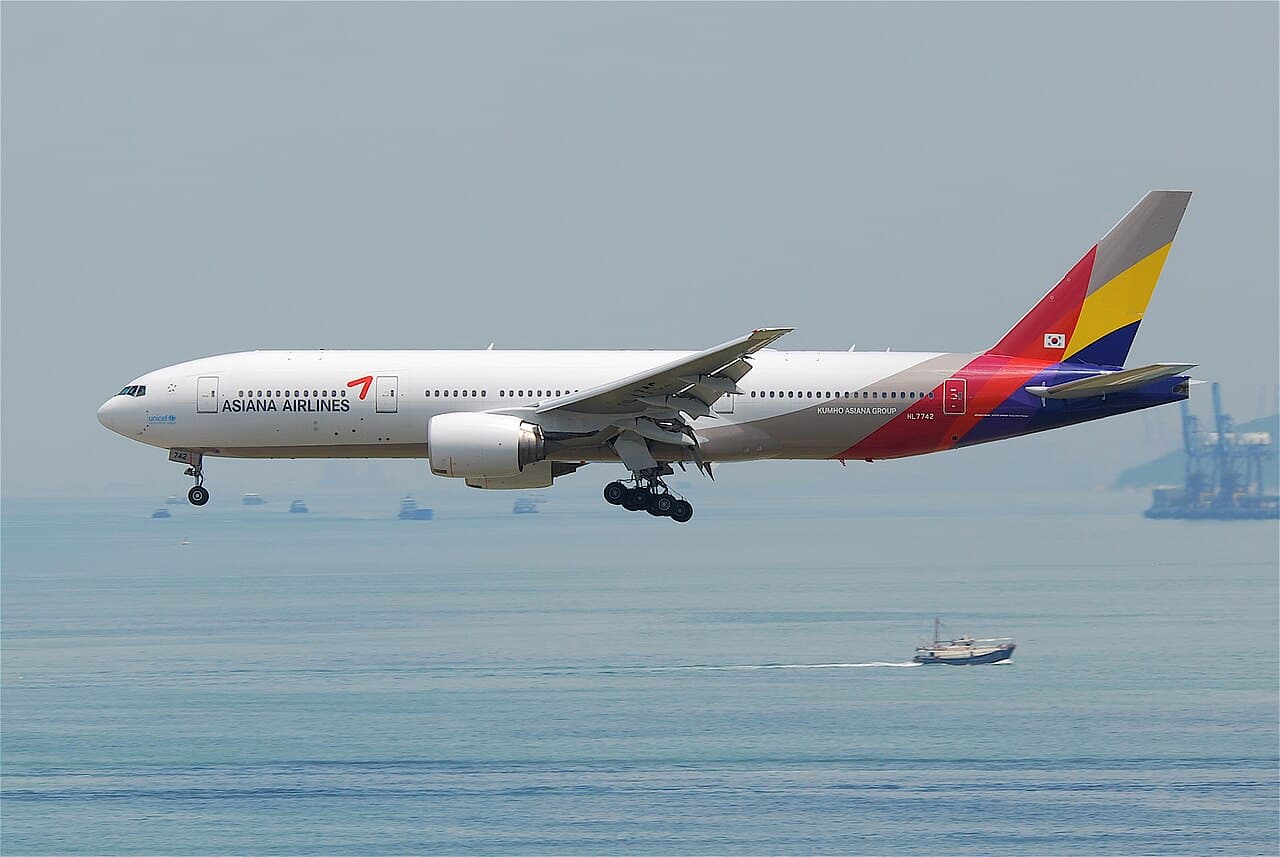
Whenever a 350-ton (317-metric-ton) Boeing 777 swings its nose onto the runway centerline, it normally comes to a complete standstill, sets the parking brakes, and undergoes a dramatic spool-up of the engines before release. Flight deck crews frequently skip over this full stop entirely, sweeping the thrust levers forward while the twin-jet is still rolling through its turn.
ATR identifies 209 untapped Indonesian domestic air routes serving 16 million passengers annually
Franco-Italian turboprop aircraft manufacturer ATR has identified 209 new domestic air routes across Indonesia that it says would be economically viable using regional turboprop planes. The company points to a market of roughly 16 million passengers a year that remains largely untapped despite existing airport infrastructure. According to ATR, 70 of Indonesia's 180 paved-runway airports currently have no scheduled passenger service at all, leaving significant room for new domestic routes without the need for major infrastructure investment. Inside ATR's data: tracking 780 million journeys The findings come from ATR's proprietary MobilityMonitor platform, which tracked the travel patterns of 35 million Indonesian residents, a sample the company says is representative of the broader population. That group made roughly 780 million inter-city journeys over the course of a year, using a mix of cars, motorbikes, buses, ferries, trains, and planes. Around 90% of those journeys fell between 100 and 800 kilometers, a distance range ATR says is well suited to turboprop aircraft. By cross-referencing the most common travel routes with Indonesia's existing airport network, and then scaling the sample data to estimate total market size, ATR arrived at its list of 209 potential air routes. Outer islands stand to benefit most #image_title The data shows that 88% of these potential routes, representing about 14 million passengers annually, are intra-island connections rather than routes between islands. Notably, 90% of the identified routes fall on islands other than Java, including Sumatra, Sulawesi, Kalimantan, Papua, and Maluku. That imbalance reflects Indonesia's uneven infrastructure. Java, despite making up only about 7% of the country's land area, contains roughly 58% of its motorway network. Kalimantan, by contrast, is about four times larger than Java but has only around 5% of the country's motorways. ATR's data illustrates just how much that gap affects mobility. Average surface travel speeds in Java reach around 65 kilometers per hour thanks to its more developed road and rail systems, while speeds elsewhere in the archipelago drop to between 26 and 37 kilometers per hour. Distances tend to be longer on the outer islands too, often exceeding 350 kilometers and reaching nearly 480 kilometers in parts of Papua. Sumatra and Sulawesi lead the opportunity ATR identified Sumatra and Sulawesi as the largest potential markets for regional aviation, driven by strong travel demand across a wide range of new city-pair connections. One example cited by the company is the Bengkulu-Pekanbaru (BKS-PKU) route in Sumatra, where a road trip can take more than 18 hours, compared to roughly one hour by direct flight. ATR estimates demand along that corridor could support two daily flights. ATR sees an opening for turboprops Alexis Vidal, ATR's Senior Vice-President, Commercial, said the data points to a large, largely untapped market. "The demand is there, as is the airport infrastructure. What is needed now is the right aircraft," Vidal said. He added that MobilityMonitor has also revealed just how uneven mobility is across the Indonesian archipelago, but said regional air services could help close that gap. "By connecting communities across the archipelago using regional air services, it will help to drive economic growth, provide greater access to essential services and create more opportunities for people," Vidal said. RELATED ATR sees 16 million-passenger market in untapped Indonesian routes
The Daily Touch & Go
The day's best aviation news in your inbox. Free, no spam.