


Shield AI's VTOL stealth X-BAT redefines modern combat aircraft roles
The X-BAT, a stealthy, jet-powered VTOL combat drone, aims to transform aerial warfare with autonomous operations and versatile deployment.
The gist
Shield AI's autonomous VTOL X-BAT combines stealth, heavy firepower, and unparalleled agility for high-risk combat missions.
Continuing coverage
All Shield Ai →A new era in aerial warfare is emerging with the development of Shield AI's X-BAT, a cutting-edge vertical takeoff and landing (VTOL) combat aircraft designed to operate autonomously in hostile environments. Unlike traditional manned fighters, the X-BAT integrates stealth characteristics with a jet propulsion system and multirole capabilities. Its ability to carry heavyweight armaments externally, including cruise missile-sized weapons, marks it as a formidable asset capable of striking diverse targets from flexible locations.
The X-BAT’s VTOL feature enables it to launch and recover from virtually any location within strike range, a significant departure from conventional runways or aircraft carriers. This capability radically enhances deployment agility, forcing adversaries to monitor and defend multiple potential launch sites simultaneously. Andrew Hawkes, a former RAF Typhoon pilot and director of X-BAT campaigns for Europe at Shield AI, emphasizes how this mobility complicates enemy intelligence, surveillance, and reconnaissance (ISR) efforts, presenting a continuous operational threat that strains hostile defenses.
From a military doctrine perspective, the X-BAT addresses the growing vulnerability of fixed airbases, which recent conflicts have shown can be targeted even under friendly air superiority. Hawkes noted that the assumption of guaranteed safe ground operations no longer holds. The VTOL capability thus offers a form of survivability and flexibility, qualifying the aircraft as a true force multiplier by amplifying combat effectiveness while reducing exposure to conventional threats on the ground.
In addition to vertical operations, the X-BAT embodies the functions of a conventional collaborative combat aircraft (CCA), executing multirole tasks including strike missions, air dominance, and ISR. Shield AI designs this drone to operate in highly contested environments too risky for manned fighters like the Typhoon, Rafale, Gripen, or even the F-35, thanks to its autonomous control system, which can adapt instantaneously to dynamic battlefield scenarios without putting pilots at risk.
Powering the X-BAT is a single General Electric Aerospace F110 engine capable of producing approximately 30,000 pounds of thrust, aligning it with certain manned fighter jets in terms of raw propulsion. Flight testing is slated to begin within the year, initially validating VTOL flight envelope performance. By 2027, these evaluations will expand to demonstrate broader autonomy features, with an intended initial operating capability targeted for 2029.
The intelligence behind the X-BAT's autonomy is Shield AI’s proprietary Hivemind software. This platform-agnostic system goes far beyond typical autopilots by enabling unmanned vehicles to perceive their environment, make decisions independently, and respond to unexpected conditions without human intervention. Hivemind’s versatility is proven, currently deployed across nearly 30 unmanned platforms including the US Air Force’s X-62 and Anduril Industries’ YFQ-44A.
Founded in 2015 by brothers Brandon and Ryan Tseng along with robotics expert Andrew Reiter, Shield AI embodies a start-up ethos bolstered by a strong team including former SpaceX engineers and veterans from elite military units. The company’s mission centers on creating truly autonomous combat aircraft that maintain human oversight but relinquish direct piloting control, enabling operations in high-threat zones unmanageable by manned aircraft.
Shield AI benefits from venture capital funding that permits rapid innovation and bold technological strides. Hawkes explains that the company’s culture and clear vision draw top talent, enabling it to push the boundaries of autonomous warfare systems reliably and swiftly. Their approach underscores a shift towards unmanned platforms that can match or exceed manned aircraft capabilities while reducing human risk and broadening tactical options.
The emergence of the X-BAT challenges current aerial warfare paradigms by combining stealth, heavy armament, and VTOL capability with autonomous operation, providing armed forces a versatile and survivable solution. As flight testing progresses through this decade, the platform could revolutionize how air power projects force in increasingly complex and contested environments.
Frequently asked questions
- What makes the X-BAT different from conventional combat aircraft?
- The X-BAT combines stealth, VTOL capability, and autonomous operation, allowing vertical takeoff and landing from diverse locations and enabling high-risk missions without onboard pilots.
- How does the X-BAT’s VTOL capability affect enemy defenses?
- Its VTOL ability forces adversaries to monitor multiple potential launch sites, increasing their ISR burden as the aircraft can deploy from nearly anywhere within range of targets.
- What is the operational timeline for the X-BAT?
- Flight testing of the VTOL prototype begins this year, with expanded evaluations in 2027 aiming for initial operating capability by 2029.
Read more
All Military/Defense →San Diego Pilot's Volunteer Flights Bring Burn Survivors to Champ Camp
San Diego pilot Andy Coy recently flew 16-year-old burn survivor Susy home from Champ Camp, piloting the most recent of 18 Angel Flight West flights she has received since 2019. The trip also added to Coy's record as a volunteer aviator. He has completed 38 flights as an Angel Flight West Command Pilot, transporting passengers and supplies for the nonprofit organization. A Pilot Raised Around Aviation Coy grew up in a family with connections to general aviation and medicine. His father was a general aviation pilot who founded a radiology practice, and his uncle served in the Air Force before becoming a pilot for Delta Air Lines. Coy, however, did not begin pursuing his own pilot certificate until 2020, after his son left home to attend college about seven hours away in San Luis Obispo. Coy has since logged more than 1,100 flight hours. His Angel Flight West assignments have included transporting patients and their families, carrying blood and flying campers and counselors to specialized programs across the western United States. Angel Flight West coordinates the flights at no cost to passengers through a network of volunteer pilots and commercial airline partners. "Camp flights are especially important to me," Coy said. "Those kids have been through tough experiences, and I love seeing the camaraderie between the campers and counselors — laughing together, supporting one another, and being part of the group." Eighteen Flights to Camp Susy attends the Alisa Ann Ruch Burn Foundation's Champ Camp, a weeklong residential program held at Wonder Valley in Sanger, California. She began traveling to the camp in 2019 and has since received 18 flights through Angel Flight West. Coy piloted her most recent trip home. "As a burn survivor, Susy has walked a path that requires courage every single day," her mother, Vivana, said. "The trips didn't just take her to camp; they lifted her confidence, her independence, and her sense of possibility. Because of Angel Flight West, she was able to experience unforgettable adventures, learn new skills, and feel empowered in ways that truly matter." Champ Camp is open to burn survivors ages 5 to 17 who were treated at California hospitals or currently live in the state. The 2026 session was held June 6-13 and included activities like fishing, horseback riding, canoeing, archery, crafts, water slides, campfires and team-building exercises. The program is staffed by medical personnel, counselors and volunteers, including adult burn survivors and firefighters. Three Decades of Camp Flights "It's one thing to have your physical needs cared for in the hospital, but it's another to care for your soul and mental health journey after something as life-changing as a burn injury," Alisa Ann Ruch Burn Foundation Camps and Recreation Manager Erika Mendoza said. "Because of AFW and the partnership we've had for many, many years, our camp kids don't just get to see their favorite people once a year — they get to see them multiple times." The distances involved can make transportation a deciding factor in whether a child can attend a specialized camp. Angel Flight West said some participants travel hundreds or thousands of miles, and volunteer aircraft can shorten that trip while connecting campers with programs such as Champ Camp. Know someone using GA to make a difference? Send the details to editor@avweb.com .
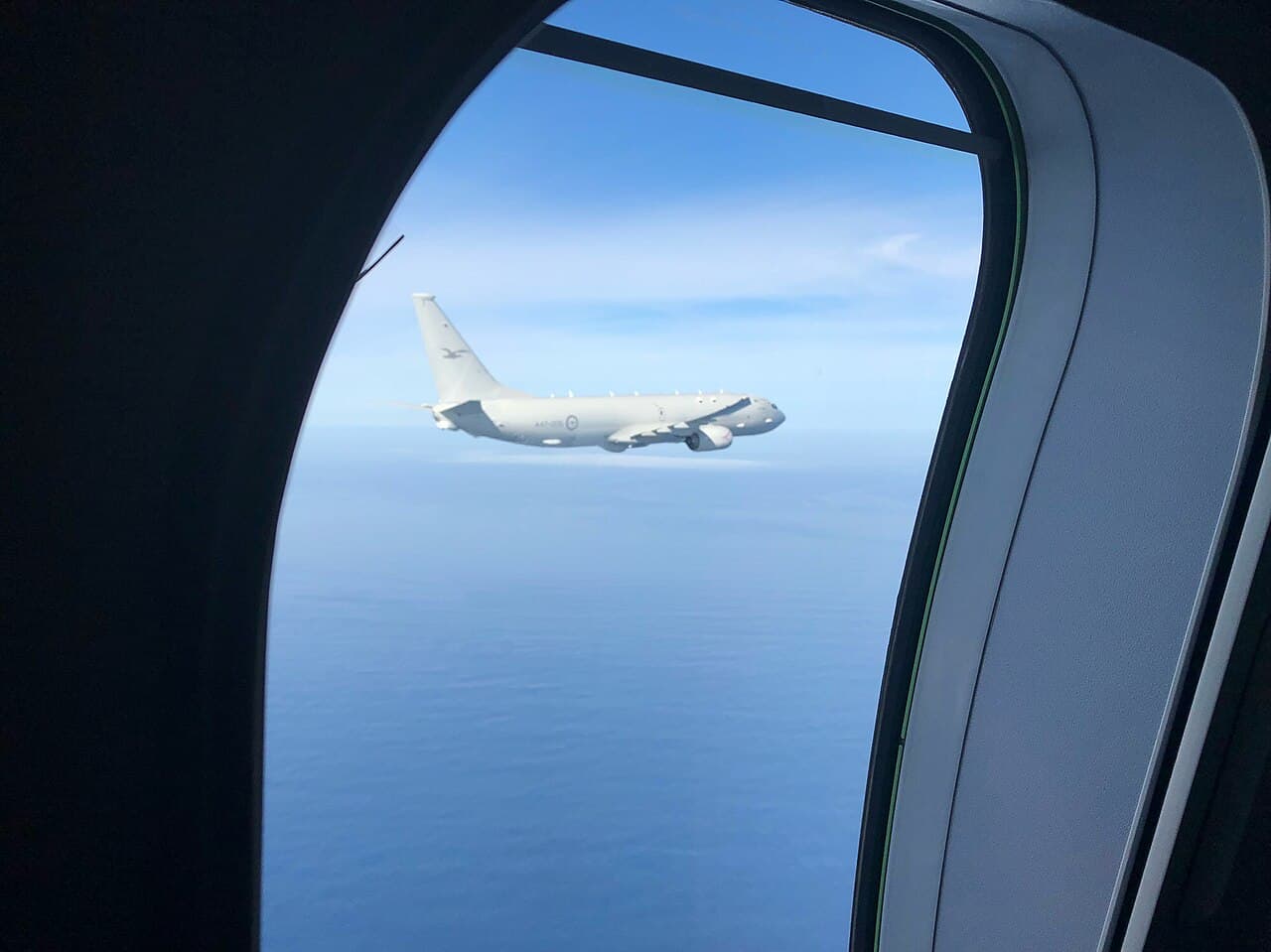
RAAF marks 45 years of Operation Gateway with P-8A Poseidon patrols from Malaysia
The Royal Australian Air Force (RAAF) has completed this year's first rotation of Operation Gateway, with three P-8A Poseidon aircraft conducting maritime patrols from Royal Malaysian Air Force Base Butterworth as the mission marks its 45th year. The detachment carried out maritime domain awareness patrols across the North Indian Ocean and South China Sea, monitoring activity along some of the world's busiest shipping corridors connecting Southeast Asia, South Asia, the Middle East, and Africa. Same mission, different era Operation Gateway is one of Australia's longest-running Defence operations. It has been bringing Australia and Malaysia together in support of regional security since 1980, with the first mission in 1981. In the most recent Operation Gateway… pic.twitter.com/sg82mC2o9r — Defence Australia (@DefenceAust) June 24, 2026 Australia's longest-running bilateral operation Operation Gateway is the longest continuous bilateral operation in Australian Defence Force history and remains a central element of the Australia-Malaysia defense relationship. Since the operation began in 1981, Gateway aircraft have accumulated more than 30,000 flying hours and completed more than 3,500 sorties. Squadron Leader Justin McCoy, the detachment commander, said the operation benefits both nations. "Being based at Butterworth gives us proximity to our patrol areas," McCoy said. "The situational awareness we gain from these missions is important for understanding the security environment." 75 personnel behind the mission The 2026 deployment involved more than 75 personnel from 92 Wing, along with supporting elements from across the Air Force, including 19 Squadron at Butterworth. "Operation Gateway represents 45 years of collaborative operations," McCoy said. "We've gone on a journey not only within Australia, but with Malaysia in lockstep with those changes. Everyone who has deployed here and supported us locally has worked really hard, and I'm very proud of the outcome." Same mission, new aircraft While the P-8A Poseidon has replaced earlier maritime patrol aircraft over the decades, the mission itself remains unchanged. Each patrol contributes to a layered understanding of activity across critical maritime approaches, supporting informed decision-making for both Australia and Malaysia. The Indian Ocean serves as an economic highway spanning multiple regions, making it one of the most strategically significant waterways globally. Monitoring that activity continues to be the focus of the operation as it enters its fifth decade. RELATED RAAF deploys P-8A Poseidon and E-7A Wedgetail to RIMPAC 26 exercise in Hawaii
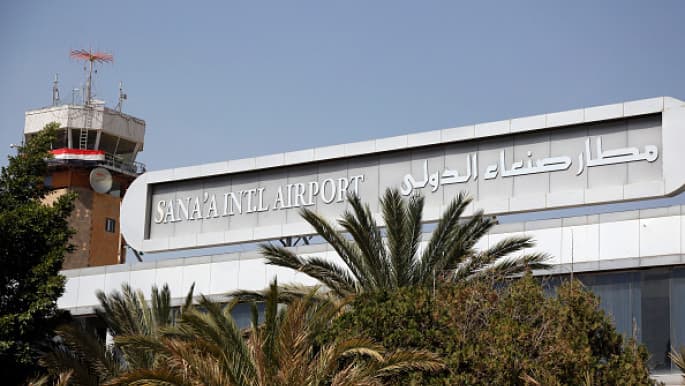
Yemen's government strikes Sana'a airport runway to block Iranian Mahan Air flight
Yemen's Saudi-backed government said it struck the runway at Sana'a International Airport on July 13, 2026, to stop a Mahan Air flight from Iran from landing in the Houthi-controlled capital. Sana'a International Airport is the main airport serving Yemen's capital and the country's Houthi-controlled north. Mahan Air is an Iranian airline that had sought permission to fly a Houthi delegation home from Tehran. The Mahan Air Airbus A340-300 diverted to Hodeidah Airport on Yemen's Red Sea coast and landed there instead, according to officials from both sides of the conflict. Yemen's internationally recognized government said Iran had requested approval for the Mahan Air flight from Tehran to Sana'a. The government rejected the request and accused the Houthis of trying to bring the aircraft into the country without permission from Yemen. Yemen's Defense Minister Taher al-Aqili said government forces struck the airport runway after diplomatic efforts failed to stop the flight. The government operates from the southern city of Aden, while the Iran-backed Houthis control Sana'a. The Houthis said Saudi Arabia carried out the attack and warned that it would retaliate. Saudi officials did not immediately comment on their country's involvement. Footage broadcast by the Houthi-controlled Al-Masirah television network appeared to show bombs striking the airport compound and causing explosions. The flight was carrying Houthi officials who had traveled to Iran for the funeral of the country's late Supreme Leader Ayatollah Ali Khamenei. An Iranian aircraft landed at Sana'a on July 3, and later carried the delegation to Tehran. The Houthis said more than 200 patients and other passengers were aboard the inbound flight. They also accused Saudi warplanes of trying to prevent the aircraft from landing, an allegation Saudi Arabia did not confirm. The July 13 flight was intended to return the delegation to Yemen. Rashad al-Alimi, who leads Yemen's Presidential Leadership Council, said the government offered to bring the officials back aboard a Yemenia flight, but the Houthis insisted on using the Iranian aircraft. Yemen temporarily closed all of its airports after the strike before reopening them several hours later. The attack marked one of the sharpest escalations in years between the Houthis and Yemen's Saudi-backed government. A truce reached in 2022 sharply reduced fighting after years of war, although the agreement did not produce a permanent settlement. Houthi military spokesman Yahya Saree said the airport strike ended the period of de-escalation and "will not go unanswered." UN Special Envoy for Yemen Hans Grundberg said he was concerned that the dispute could lead to a wider confrontation and urged both sides to preserve the relative calm in place since 2022. The Yemeni government said it would use "all available means" against aircraft that enter the country without authorization. It also held Iran responsible for what it described as repeated violations of Yemeni airspace. Neither side released the Mahan Air aircraft's registration or type. Authorities also did not identify the aircraft or weapon used to strike the Sana'a runway.
South Korea upgrades F-15K fleet with advanced BAE EPAWSS electronic countermeasures
The BAE-produced Eagle Passive Active Warning Survivability System is meant to help the non-stealth F-15 survive against modern air defences. South Korea will field an advanced electronic warfare system on its fleet of Boeing F-15K Slam Eagle fighters meant to protect the jets from modern ground-based air defences. BAE Systems developed the ALQ-250 Eagle Passive Active Warning Survivability System (EPAWSS), which uses electromagnetic jamming to reduce the ability of air search radars to detect and lock on to the non-stealthy F-15. The all-digital, internally carried system provides 360° threat detection and countermeasures, according to BAE. This allows pilots to operate in hostile and signal-dense electromagnetic environments. “Its advanced capabilities complement the speed, range and payload of the F-15, enhancing combat airpower and air superiority,” the company says. The EPAWSS is in active production for the US Air Force F-15 fleet, including new-build F-15EX Eagle IIs and retrofits for existing F-15E Strike Eagles. The country-specific F-15Ks operated by the Republic of Korea Air Force (ROKAF) are derived from the two-seat F-15E, with 59 jets currently in service. Boeing, which is the prime contractor for sustainment of Seoul’s Slam Eagle fleet, issued a contract to BAE on 13 July to provide the EPAWSS for the F-15Ks. "We are working closely with Boeing, the ROKAF and regional industry teams to deliver the most technically advanced [electronic warfare] system for the F-15K aircraft upgrade," says Phillip Casalegno, F-15 international programme director at BAE Systems. The countermeasures package will improve the ROKAF’s ability to counter current and future threats and ensure interoperability with US forces, BAE says. Notably, BAE has for the first time confirmed the frontline deployment of the EPAWSS. Although the company is not providing specifics, this presumably came during the campaign of heavy bombing launched by the US and Israel in late February. “The system has been employed in operational settings and is continuously improved via software and firmware updates,” BAE says of the EPAWSS. Washington deployed hundreds of fighters, bombers and mobility aircraft to the Middle East as part of that multi-week operation.
The Daily Touch & Go
The day's best aviation news in your inbox. Free, no spam.