Illustration: The Touch & Go
FAA Restores Boeing's Authority to Certify New 737 MAX and 787 Jets
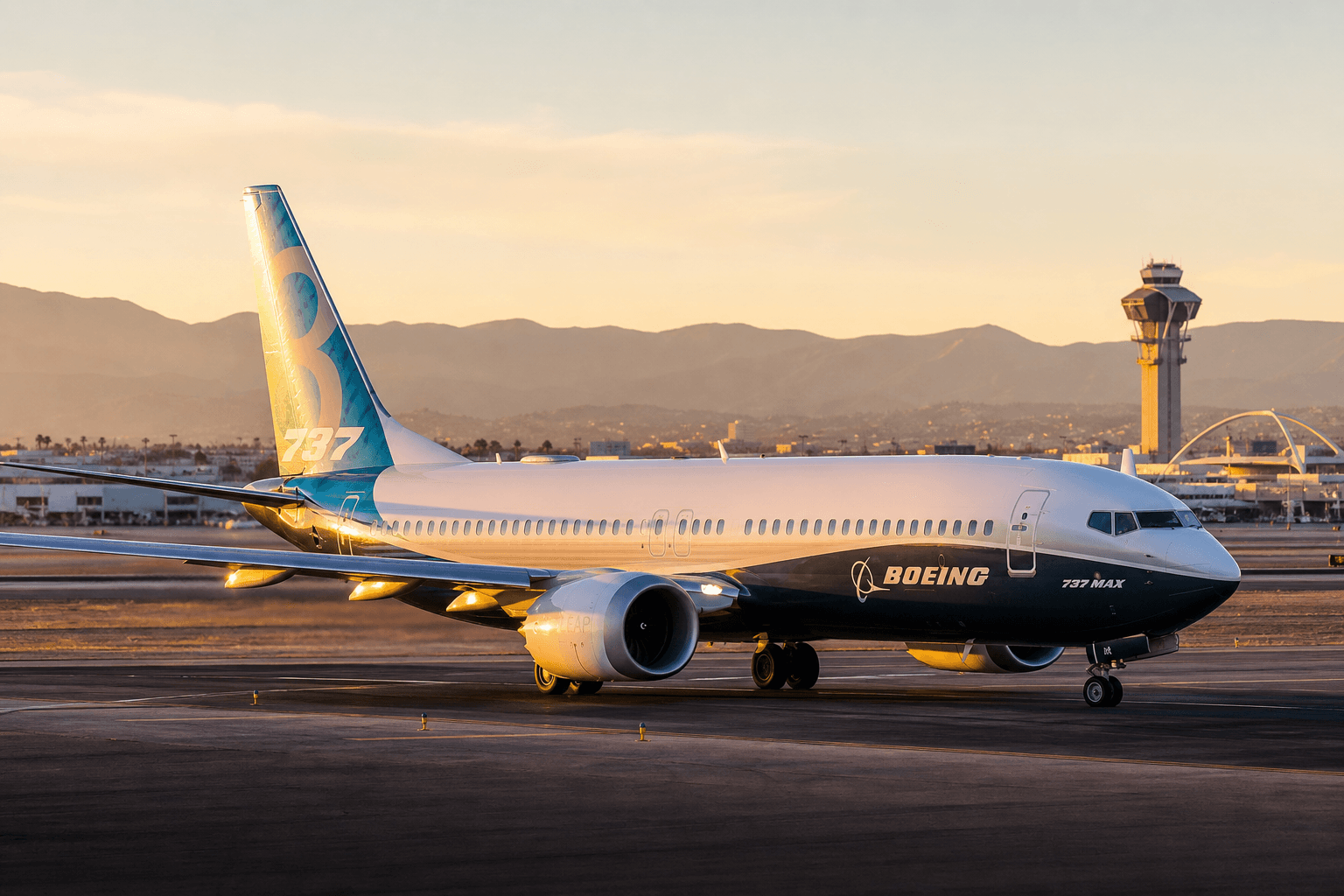
The FAA has returned the power for Boeing to issue final airworthiness certificates for newly built 737 MAX and 787 aircraft following months of joint inspections.
The gist
Boeing regains delegated certification authority for 737 MAX and 787 after FAA and Boeing inspections align.
Continuing coverage
All Boeing →- Boeing advances 737 Max and 777-9 programs with key system redesigns and production ramp-up
- Boeing launches $1 billion 737 North Line in Everett to boost MAX output
- Boeing launches fourth 737 MAX final assembly line at Everett facility
- US F-47 Sixth-Gen Fighter Faces $300M Price Tag and Limited Fleet Size
- Boeing books 121 jet orders in June while boosting deliveries to highest monthly level in years
Starting July 20, the Federal Aviation Administration (FAA) will allow Boeing to resume issuing its own final airworthiness certifications for newly manufactured 737 MAX and 787 Dreamliner airplanes. This decision marks the culmination of a multi-year process that began after two fatal MAX crashes in 2018 and 2019 led the FAA to retain final certification authority for these models.
Since late September 2025, Boeing and the FAA have alternated weekly responsibility for certifying these aircraft, a system designed to evaluate Boeing’s production quality and compliance. After closely monitoring and comparing inspection results for eight months, the FAA concluded that Boeing inspections delivered findings comparable in quality to those by FAA inspectors.
Under the updated arrangement, Boeing will now assume responsibility for all routine final certifications of newly built 737 MAX and 787 jets. However, the FAA will maintain ongoing oversight functions, including production line inspections, audits, assembly monitoring, quality assurance reviews, and supervision of Boeing’s safety management culture.
The FAA initially withdrew Boeing’s delegated final certification authority for the 737 MAX after the Lion Air and Ethiopian Airlines crashes. The agency retained certification authority to ensure Boeing’s quality control and verification processes met regulatory standards before returning authority. A similar restriction was applied to Boeing’s 787 after discovery of multiple production defects raised concerns about Boeing’s inspection processes.
Attempts to reinstate Boeing’s certification authority earlier were delayed due to oversight findings and safety incidents including a 2024 door plug failure on an Alaska Airlines 737 MAX. The partial return of authority in September 2025 introduced a shared certification schedule between Boeing and FAA inspectors, paving the way to this full restoration.
Delegated certification authority allows Boeing engineers certified under the FAA’s Organization Designation Authorization (ODA) program to perform functions such as design approval, testing, and issuing airworthiness certificates on FAA’s behalf. While Boeing carries out these duties, legal certification authority remains with the FAA, which also audits and supervises Boeing’s compliance.
The FAA’s rationale for delegating authority stems from practical considerations. Boeing’s engineering workforce vastly exceeds the FAA’s, providing detailed knowledge of design and production that the agency could not replicate feasibly. Delegation enables the FAA to focus on strategic safety oversight rather than routine final inspections, improving regulatory efficiency while maintaining safety standards.
This restored authority does not include independent approval of new MAX variants like the MAX 7 or MAX 10, which remain fully under FAA certification control. The FAA emphasizes that it will continue robust oversight, including surveillance of Boeing’s production processes and corporate safety culture, ensuring accountability remains stringent despite delegation.
The FAA’s announcement reflects confidence based on data gathered during the past eight months of joint inspections, which showed comparable results between Boeing’s and FAA’s findings. Despite the past certification controversies surrounding the MAX, this resolution signals progress in reestablishing trust in Boeing’s quality control and certification processes for two of their most important commercial aircraft programs.
Frequently asked questions
- Why did the FAA originally remove Boeing's authority to certify 737 MAX and 787 aircraft?
- The FAA removed Boeing's authority following the 2018 and 2019 737 MAX crashes and multiple production defects on the 787, to ensure all newly built aircraft met safety and quality standards before returning certification to Boeing.
- What process led to Boeing regaining its certification authority?
- From September 2025, Boeing and the FAA alternated weekly certification responsibilities. After comparing inspection findings over eight months and determining they were comparable, the FAA restored Boeing's authority for routine final certification.
- Does Boeing now independently certify all new 737 MAX models?
- No, Boeing has regained delegated certification authority for the 737 MAX and 787, but not for new MAX variants like the MAX 7 or MAX 10, which remain under direct FAA certification control.
Read more
All Regulatory →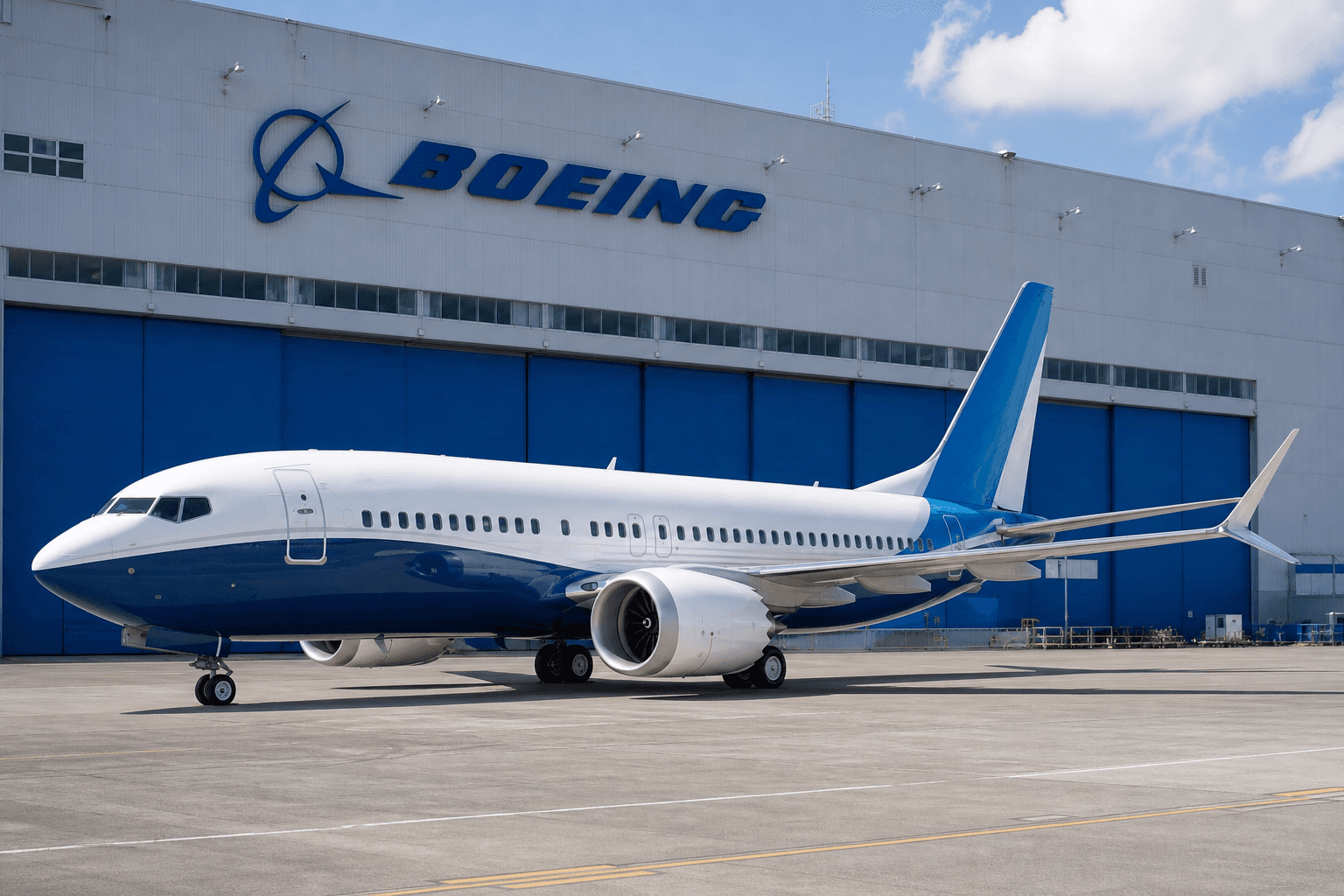
Boeing 737 MAX Surpasses 7,200 Orders, Becoming Company's Best-Selling Aircraft
As the Boeing 737 MAX series nears the final stages of certification for its highly anticipated MAX 10 and MAX 7 variants, the order book has filled up to epic proportions. With the backlog that accumulated after the first quarter of 2026, Boeing is slated to deliver 7,206 airframes of all variants, which makes it the best-selling aircraft in the historic plane maker's history.
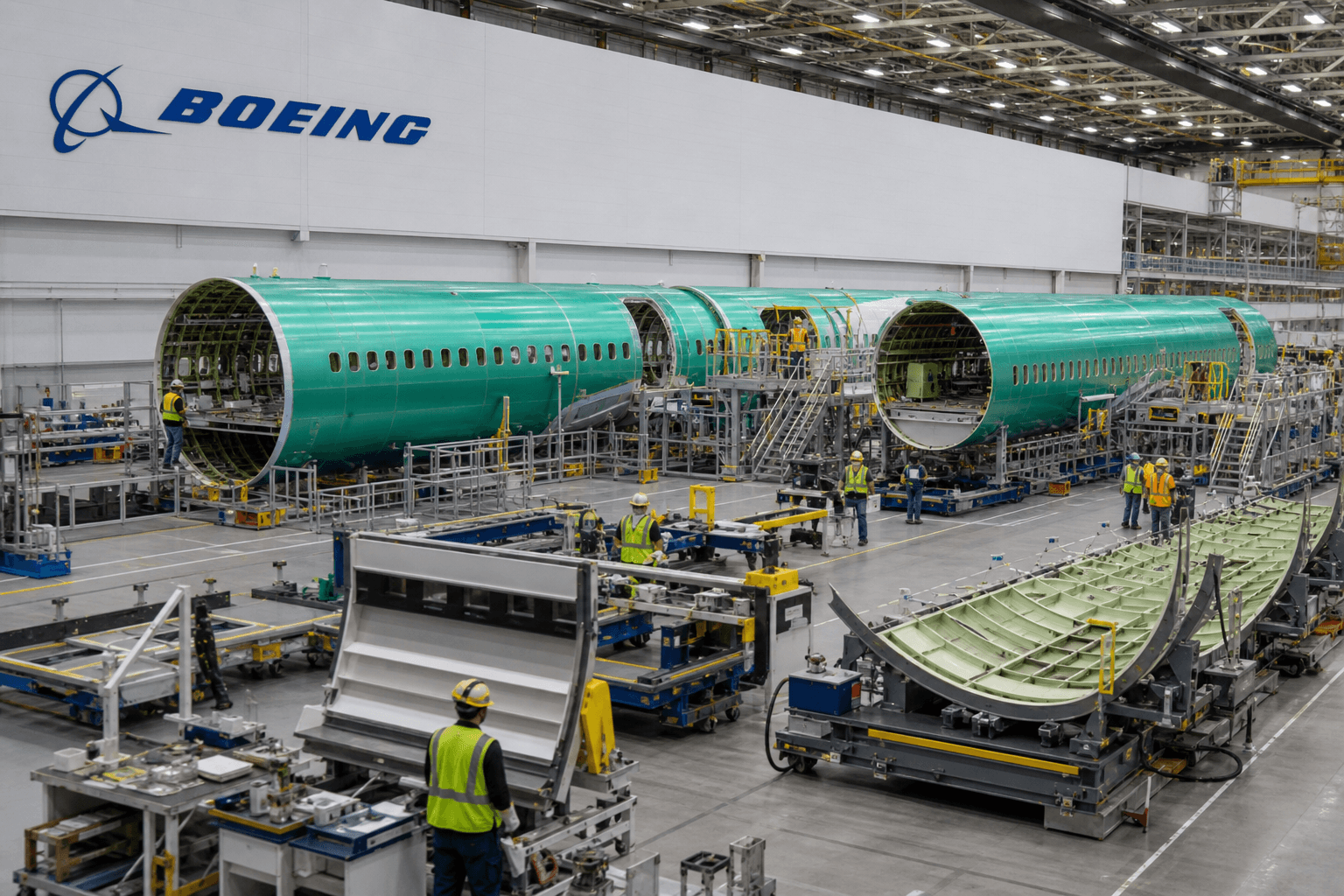
Boeing launches 737 Max assembly at new Everett North Line to boost production
The company intends for the new line to help it achieve a production rate of 52 737s monthly. Boeing has started assembling the first 737 Max on its new line in Everett, marking the start of production at a site the company says will enable it to further accelerate 737 output. The airframer disclosed the milestone in an internal company message on 6 July, saying it began producing the jet on that day and that it will hold a ribbon-cutting ceremony there on 10 July. Boeing has for decades only produced 737s at its Renton facility south of Seattle but several years ago began planning to assemble them also on the new “North Line” at its Everett site north of Seattle. Boeing has said the additional capacity will enable it to ramp production without sacrificing quality. “Boeing teammates began assembling a 737 Max airplane on the new North Line on Monday, marking the start of 737 production at the Everett site. The team worked on the fuselage in the systems installation tool, replicating the build process used on the three 737 production lines about an hour south in the Renton factory,” a message posted to Boeing’s news site reads. The company freed up space in Everett in recent years after ending 747 production entirely and moving all 787 production to its site in North Charleston, South Carolina. The North Line is in the space where Boeing formerly produced 787s. Throughout the last decade, Boeing had assembled 53 737s monthly in Renton. But output slowed following the 737 Max grounding and subsequent Covid-19 pandemic. The company has struggled recently to ramp up production amid persistent quality problems that prompted the Federal Aviation Administration to cap output. Supply chain shortages were also a factor. The supplier issues have since eased, and the FAA has lifted its caps. As a result, Boeing’s production cadence has accelerated, with the company now moving from a rate of 42 to 47 737s monthly. Boeing aims to boost production to 52 jets monthly with assistance from the North Line. Additional rate hikes are also planned. “The build process in Everett will largely be the same as in Renton, apart from the production of the wings. Wings will continue to be built by teammates in Renton and then the 737 Wing Transport Tool will ferry them to Everett for final assembly,” Boeing’s internal message says. The exact composition of the new wing transport system has not immediately been made clear. While the North Line has been designed to accommodate production of all four 737 Max variants, Boeing has said it will initially produce only Max 8s, 9s and 10s – but not Max 7s – in Everett. The Max 7 and Max 10 are not yet certificated but Boeing says it expects to achieve those approvals this year. Workers at the North Line include new employees and those transferred from Renton and another Boeing site in Moses Lake, Washington. Boeing plans first to operate the North Line at "low rate initial production" — a reduced pace that will enable it to closely monitor the production system and demonstrate to the FAA that processes there conform to those in Renton — a requisite for Boeing to receive FAA approval to operate the North Line under its existing 737 production certificate. Boeing previously aimed for the North Line to be running in the second half of 2024 but delayed the plan after the FAA capped 737 output .
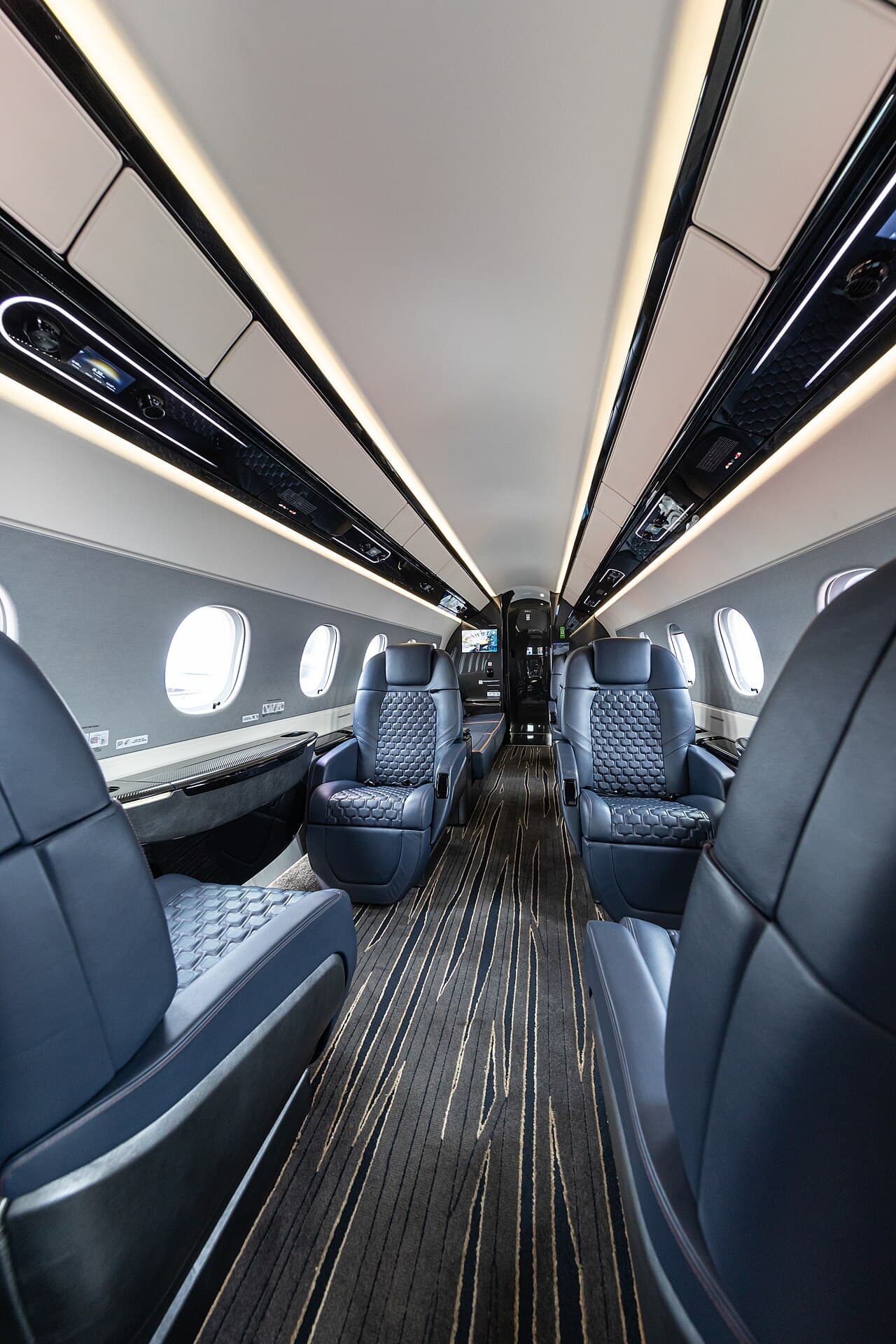
Embraer's Praetor 500E Earns Triple Certification in U.S., Europe, and Brazil
Manufacturer receives approval to introduce the midsize jet in the U.S., Europe, and Brazil.
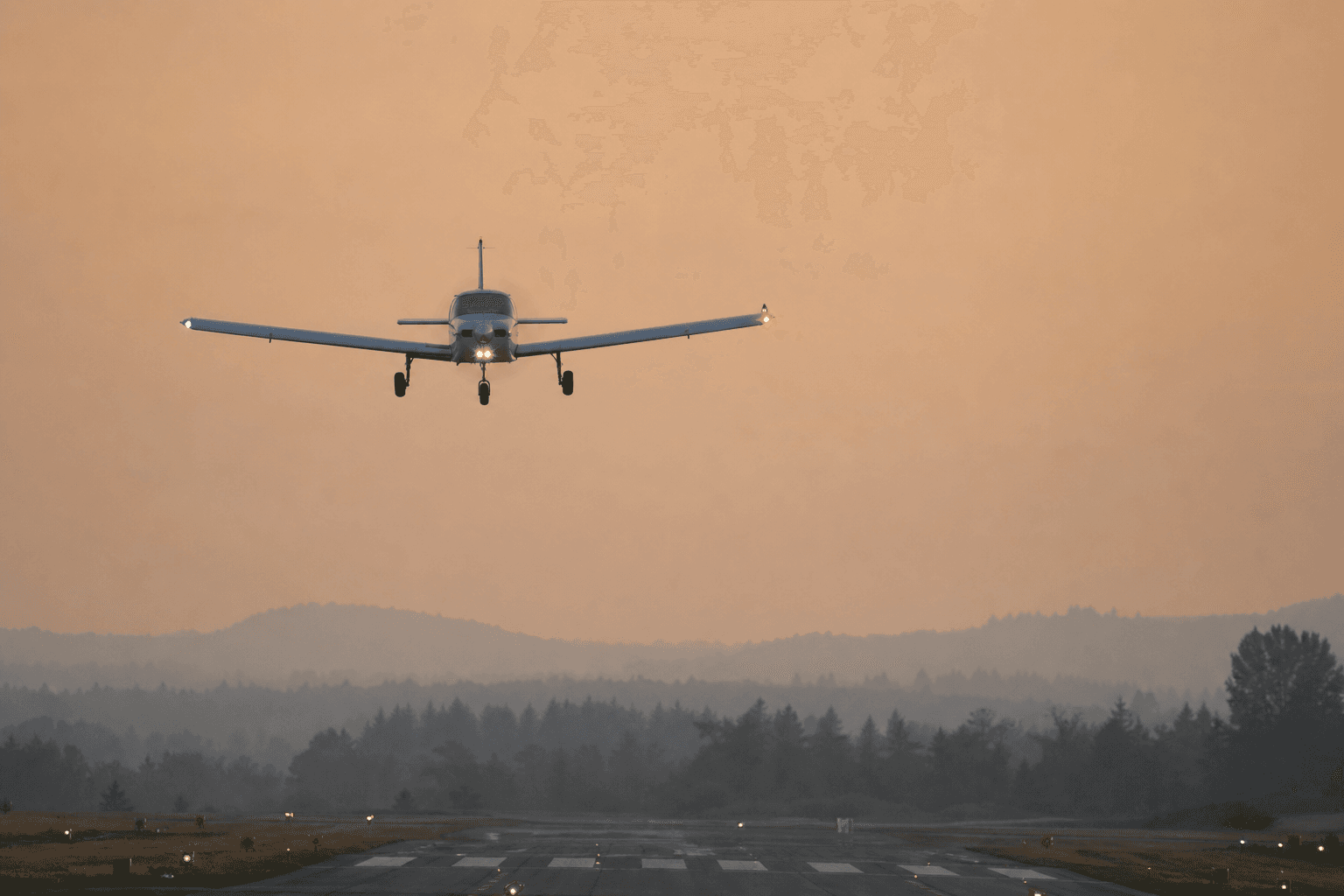
Wildfire smoke reduces visibility near Oshkosh ahead of AirVenture arrivals
Canadian wildfire smoke has sharply reduced visibility in parts of Wisconsin, raising concerns for pilots preparing to fly into EAA AirVenture Oshkosh ahead of the show's opening on Monday. The National Weather Service said wildfire smoke would continue to affect visibility and air quality across northeast Wisconsin through Friday, July 17, 2026, just as the first major wave of aircraft begins arriving at Wittman Regional Airport. At times on July 16, visibility at Oshkosh dropped to around one mile in haze and smoke before improving later in the day. ATC cautioned that changing conditions underscore how quickly an otherwise visual arrival could become difficult or potentially unsafe, particularly for pilots flying into the congested Oshkosh area. The National Weather Service office in Green Bay said smoke could reduce visibility to less than one mile in parts of the region. A statewide air-quality advisory has also been extended until at least 12:00 local time on Friday, with monitoring stations in Wisconsin recording Air Quality Index readings in the hazardous category. Air traffic controllers involved in preparations for AirVenture urged pilots to remain conservative when making weather decisions. Controllers also cautioned pilots not to attempt to thread their aircraft between thunderstorms forecast south of Oshkosh on July 17. They warned that a pilot encountering smoke while flying VFR should not assume that a pop-up IFR clearance will be available into the pilot's preferred airport due to the heavy influx of traffic expected in the region. IFR arrivals at Oshkosh and several surrounding airports require reservations during AirVenture because of the extraordinary amount of traffic in the region. A pilot who encounters deteriorating visibility could therefore be directed to an alternate airport. The FAA's special AirVenture flight procedures took effect at 12:00 local time on Thursday, July 16, and remain in place until 12:00 on July 27. The FAA advises pilots planning to land at Oshkosh to prepare for a possible diversion to Fond du Lac, Appleton or Green Bay. Pilots are also urged to obtain a complete weather briefing, review applicable notices to airmen (Notams) and become familiar with the special procedures before departure. There were no announced changes Thursday to the Fisk VFR arrival, the FAA's published AirVenture procedures or the mass-arrival schedule. The first scheduled mass arrivals are due at Oshkosh on Saturday, July 18. Up to 70 Mooneys are scheduled to arrive at 10:00 local time followed by as many as 130 Bonanzas at 13:00 and 90 Cessnas at 17:00. Sunday's schedule calls for up to 50 Cirrus aircraft to arrive at 10:00 and as many as 70 Cherokees at 12:00. EAA notes that all mass-arrival times remain subject to change because of weather or other factors. Under the special procedures, most VFR aircraft arriving at Oshkosh follow a route through Ripon and Fisk before receiving runway instructions from controllers. The procedure relies heavily on pilots maintaining visual contact with landmarks and other aircraft and rocking their wings to communicate with controllers, making reduced visibility a significant concern. Oshkosh is closed to arriving aircraft each night from 20:00 until 07:00 local time during the special-procedure period. The FAA also warns that some categories of aircraft may be temporarily turned away because of parking saturation, ground conditions, temporary flight restrictions, air shows or other activities. Much of the smoke is coming from hundreds of wildfires burning across Canada, with some of the largest concentrations in Ontario, Manitoba and Saskatchewan. Fires in northern Minnesota are also contributing to the haze over the Upper Midwest. Smoke from the fires has spread across the Great Lakes and into the Northeast US, producing unhealthy or hazardous air quality and reducing visibility in parts of Wisconsin, Minnesota, Michigan and Illinois. Conditions around Oshkosh are expected to improve as winds shift heading into the weekend, and the current National Weather Service forecast does not specifically call for widespread smoke after Friday. Longer-range smoke forecasts remain uncertain, however, and another change in wind direction could bring smoke back during AirVenture next week while the fires continue to burn. EAA AirVenture Oshkosh runs from July 20 through July 26, 2026. Thousands of aircraft are expected to fly into Wittman Regional Airport and surrounding airports before and during the event.
The Daily Touch & Go
The day's best aviation news in your inbox. Free, no spam.