Image: SounderBruce · CC BY-SA 4.0 · via Wikimedia Commons
FAA mandates inspections on 737 Max door straps and proposes 787 Trent 1000 engine fix
The FAA requires inspections on Boeing 737 Max doorframe bear straps prone to cracking and proposes new rules to mitigate dual engine failure risks on 787s with Trent 1000 turbofans.
The gist
FAA orders 737 Max doorframe inspections and proposes safety fixes for 787 Trent 1000 engines to prevent structural cracks and dual engine failure.
Continuing coverage
All Boeing →- Boeing 737 MAX 7 Secures FAA Certification After Lengthy Development Delay
- FAA prioritizes certifying Boeing 737 MAX 7 and MAX 10 before 777-9 amid extensive delays
- Boeing's Chevrons Quiet Engines but Cost Fuel on 787, 747-8, and 737 MAX
- Boeing Completes Final 737 Max 10 Certification Flight Test Ahead of Year-End Approval
- Defunct Cameroon Airlines Sues Boeing for $179M Over 1995 737-200 Crash
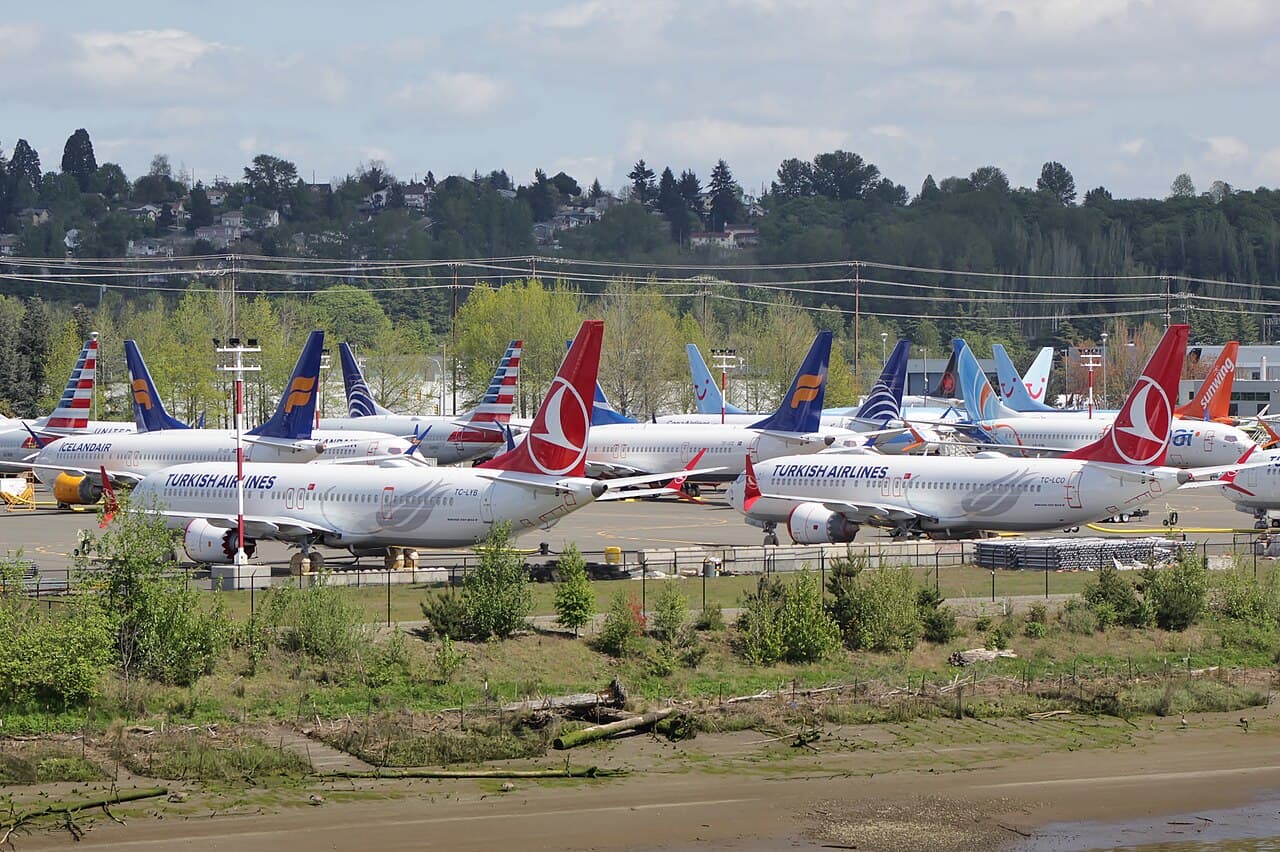
The Federal Aviation Administration (FAA) has stepped up oversight of Boeing aircraft by issuing new directives aimed at enhancing safety on the 737 Max and 787 Dreamliner fleets. This week, the agency mandated inspections on the Boeing 737 Max focusing on structural fasteners known as bear straps, which are located on the upper corners of the right-side forward doorframe. The inspections address potential cracking from stress that could jeopardize structural integrity.
Cracking issues with bear straps have a precedent on earlier 737 models, first identified more than a decade ago. After recognizing the problem on 737 Classics, the FAA mandated inspections in 2014. Boeing subsequently notified 737 Next Generation operators in 2019 and recommended inspections, which became mandatory by FAA rule in 2021. December 2024 saw Boeing issuing an Alert Requirements Bulletin to 737 Max operators outlining the need for fuselage skin and bear strap inspections, now formally required by the FAA's latest airworthiness directive (AD).
The FAA states that due to the design similarities between the 737 Max and its predecessors, there is a credible risk that Max variants could develop the same stress cracks in the bear straps as older aircraft. Stress concentration at door cutouts causes the fuselage skin and bear strap to undergo high operating stresses, leading to cracks that may compromise critical structural components. Boeing emphasized that these inspections serve as multiple opportunities to detect and address cracks before they reach critical lengths.
Alongside the 737 Max directive, the FAA also issued a proposed rule to address a specific safety risk involving Rolls-Royce Trent 1000 turbofan engines installed on Boeing 787 Dreamliners. The concern involves the potential for uncontained failures on the left-side Trent engine, which could cause debris to damage systems on the right-side engine. This scenario might trigger a dual engine failure with serious safety implications.
The agency’s notice cited a manufacturer report indicating insufficient coverage on the protection system of the left fan cowl of the right engine, allowing intermediate pressure turbine rotor debris to impact components such as oil lines or air-pressure sensors. Boeing responded in January with a Special Attention Requirements Bulletin advising 787 operators to inspect Trent engines and replace fan cowls on right-side engines to mitigate this hazard.
The FAA's proposed AD would make these inspections and fan cowl replacements mandatory, although it affects only a small number of aircraft — 22 787s registered in the US, as most American carriers use 787s equipped with GE Aerospace’s GEnx engines instead. This targeted regulatory approach focuses on the relatively limited fleet exposed to the issue.
Boeing noted ongoing efforts to analyze root causes and develop engineering changes to prevent such cracking in 737 Max bear straps going forward. The combination of directives reflects increased scrutiny on structural and engine-related risks following operational experience and safety feedback.
These FAA actions follow a history of proactive measures on similar issues: vulnerabilities discovered on former 737 variants have guided inspection regimes that the agency is now extending to newer models. The Trent 1000 engine focus highlights evolving understanding of engine failure scenarios and their cascade effects on twin-engine long-haul aircraft.
Ensuring the structural soundness of doorframe components and the reliability of engine protection systems is critical for passenger safety and fleet integrity. Operators of affected aircraft must comply with the FAA timelines for inspections and replacements to remain airworthy, reinforcing the agency's commitment to risk mitigation stemming from real-world operational data.
Frequently asked questions
- What structural issue has the FAA identified on Boeing 737 Max aircraft?
- The FAA identified potential stress cracking on bear straps, structural fasteners located on the upper corners of the 737 Max right-side forward doorframe.
- What risk is associated with the Rolls-Royce Trent 1000 engines on 787s that the FAA aims to address?
- The FAA is addressing the risk that an uncontained failure in the left-side Trent 1000 engine could send debris to the right-side engine, potentially causing dual engine failure.
- How has Boeing responded to these identified issues on the 737 Max and 787?
- Boeing issued inspection bulletins for the 737 Max bear straps and has conducted engineering analysis to prevent cracking, while advising 787 operators to inspect and replace fan cowls on right-side Trent 1000 engines to mitigate failure risks.
Read more
All Aviation Safety →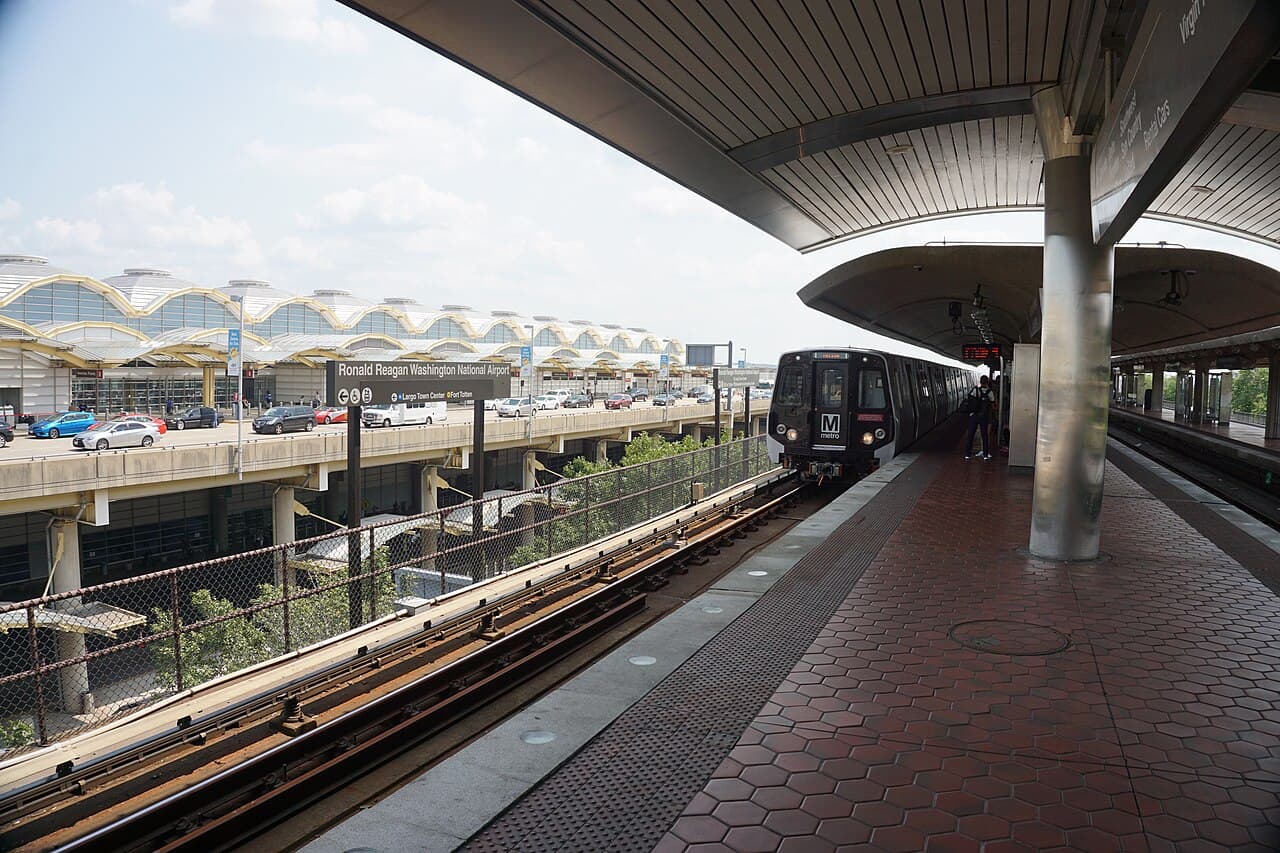
FAA Probes Separation Breach After Marine One and Envoy Air Jet Departured One Minute Apart at DCA
The Federal Aviation Administration ( FAA ) is investigating an incident at Ronald Reagan Washington National Airport (DCA) on Tuesday afternoon, after the presidential helicopter Marine One and a departing regional jet appeared to have lost separation. The helicopter, carrying President Donald Trump, lifted off near the White House at around 2:33 PM local time, just a minute before an Envoy Air Embraer E170 departed from DCA.
Boeing 737 MAX 7 Secures FAA Certification After Lengthy Development Delay
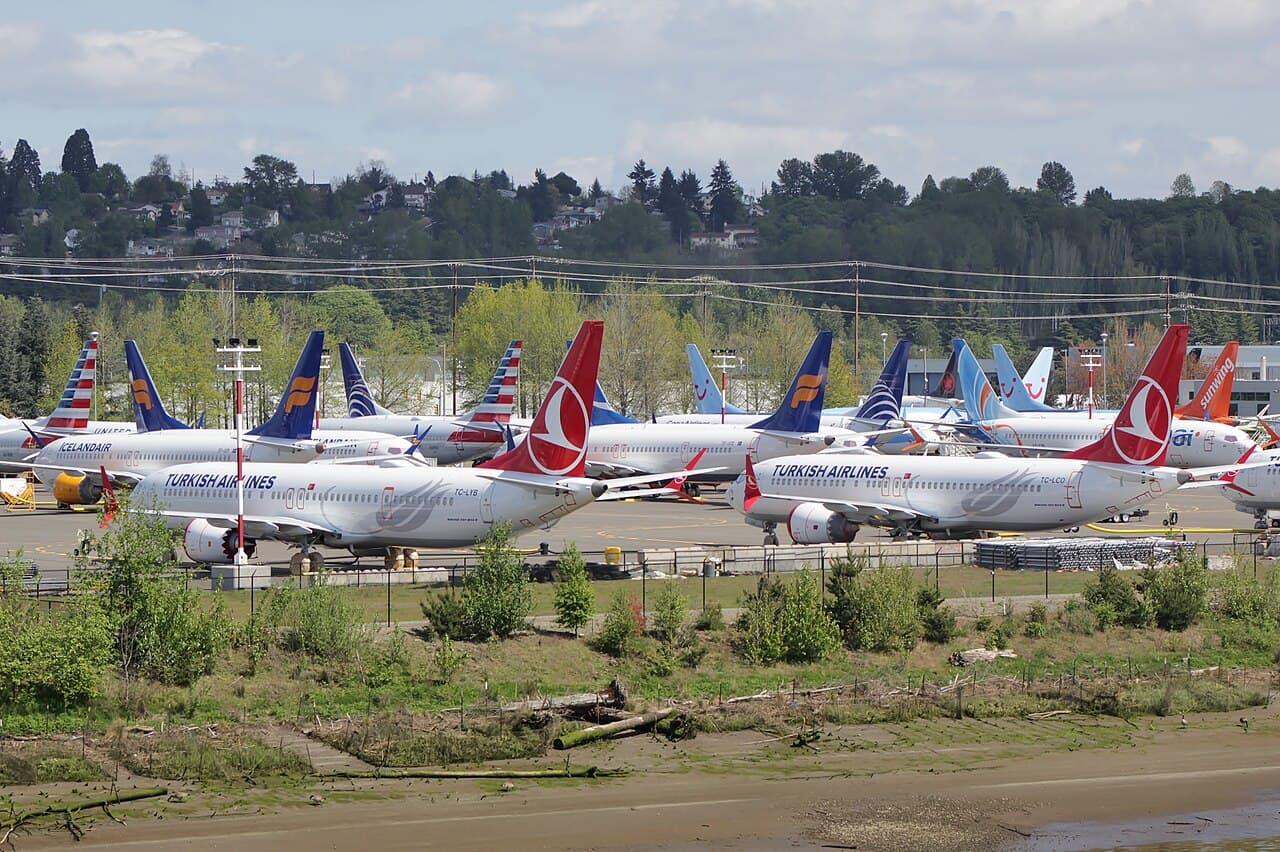
Just over 13 years ago, Boeing and Southwest Airlines came together to launch the 737 MAX 7, the third and smallest member of the 737 MAX family. In May 2013, Boeing was riding high and, alongside its launch customer Southwest , predicted that the Dallas carrier would receive its first 737-7 delivery in 2019. In the following years, the dynamics shifted significantly for Boeing with two fatal Boeing 737 MAX 8 crashes between 2018 and 2019. The worldwide Boeing MAX fleet was grounded, and confidence in the company's manufacturing and quality controls diminished. In November 2020, the Federal Aviation Administration (FAA) finally gave Boeing 's 737 MAX the go-ahead to fly commercially again, but the impact on the 737-7 development had been significant. Original artwork from 2013 (Boeing) Plans for the 737-7's entry into service were rescheduled and even when Boeing thought they were nearly there, further complications arose during the certification process. However, on August 3, 2026, Boeing finally announced the news it had been waiting to deliver for several years, confirming that the MAX 7 had secured type certification from the FAA. "This important certification validates the rigor of our airplane's design and recognizes the determination and resilience of our 737 MAX development team," Stephanie Pope, President and CEO of Boeing Commercial Airplanes, said. Since the test program began in 2018, the 737-7 has completed more than 1,000 hours of flight and ground evaluation and conducted extensive system safety analysis and human factors reviews. During the program Boeing also updated the engine anti-ice system to address a potential condition that was discovered during flight testing. The Federal Aviation Administration has certified the 737-7! This milestone for the longest-range 737 MAX validates the rigor of the design and testing and recognizes #TeamBoeing 's determination and resilience. Certification includes more than 1,000 hours of flight and ground… pic.twitter.com/0S45IjqL3u — Boeing Airplanes (@BoeingAirplanes) August 3, 2026 Boeing said that the regulatory approval "caps a multi-year certification effort" in which the company "demonstrated through comprehensive testing and analysis that the airplane meets all commercial aviation regulations". "Our team of dedicated engineers and test experts worked through challenges, an extended pandemic, and the transition to new certification processes," Pope added. "Through it all, our team stayed focused on completing all requirements and delivering a safe and more capable airplane to our customers." The FAA on 737-7 certification process The FAA issued Boeing an amended type certificate for the new 737-7 and a Production Limitation Record (PLR). In a statement explaining the aircraft's certification process, the FAA said the approval followed almost a "decade of extensive review". The FAA said its work involved resolving complex technical issues and completing a thorough review of the aircraft's design and supporting safety analyses. "Throughout the process, the FAA performed or directly reviewed significant work involving flight controls, system safety assessments, human factors, flightcrew alerting, and other novel, complex, or safety-critical areas, while also requiring testing, design changes, and additional analysis where necessary," the FAA stated. The FAA required Boeing to "incorporate key improvements" that address requirements in the Aircraft Certification, Safety, and Accountability Act and recommendations from the National Transportation Safety Board (NTSB). Anna Zvereva / Creative Commons These included updates to the flight-control software, flightcrew alerting system, and a redesigned engine anti-ice system. "These changes provide pilots with clearer information and warnings and prevent the engine inlet from overheating and potentially weakening the surrounding structure," the FAA said. FAA safety inspectors will remain present at Boeing sites across the US to oversee the manufacturing process and assess the planemaker's Safety Management System (SMS) and safety culture. "Our Boeing team held regular and detailed discussions with the FAA to ensure Boeing understood the requirements and provided transparency of our progress," said Mike Sinnett, Senior Vice President of Product Strategy, Product Development and Development Programs. "With this certification program, Boeing has developed a clearer understanding of the latest regulatory requirements, which is expected to accelerate future airplane development with a renewed emphasis on human factors, safety and quality." Focus moves to Boeing's 737-7 airline customers Focus will now begin to move to Boeing's airline customers that ordered 737-7 aircraft, namely Southwest Airlines, which has purchased around 250 jets. In response to news of the latest certification, Southwest said it was "pleased with the FAA's certification of the Boeing 737-7 aircraft, and we look forward to the plane entering service in the coming months." "Certification is an important step toward continuing to modernize our all-Boeing 737 fleet with upgraded interiors and more fuel-efficient aircraft to fit our customers' preferences and demand patterns," Southwest Airlines added. According to ch-aviation data, there are around 28 assembled 737-7s destined for Southwest currently in storage. The US carrier plans to introduce the aircraft in 2027. Boeing In the most up to date ch-aviation data available, China's Ruili Airlines has ordered two 737-7s, as had Ukraine's SkyUp Airlines. There in an order on the database for a single 737-7 from Indonesia's Jhonlin Air Transport. Luxair, the European launch customer, also ordered four 737-7s at Paris Air Show 2023. WestJet canceled its orders for Boeing's smallest MAX jet as did the now defunct Canada Jetlines. Turkmenistan Airlines also canceled an order for three 737-7s. With MAX 7 type certification now secure it remains to be seen whether more customers will be willing to purchase the aircraft. RELATED Little and large: Boeing rounds off 737-7 and 737-10 certification flight tests
Boeing Completes Final 737 Max 10 Certification Flight Test Ahead of Year-End Approval
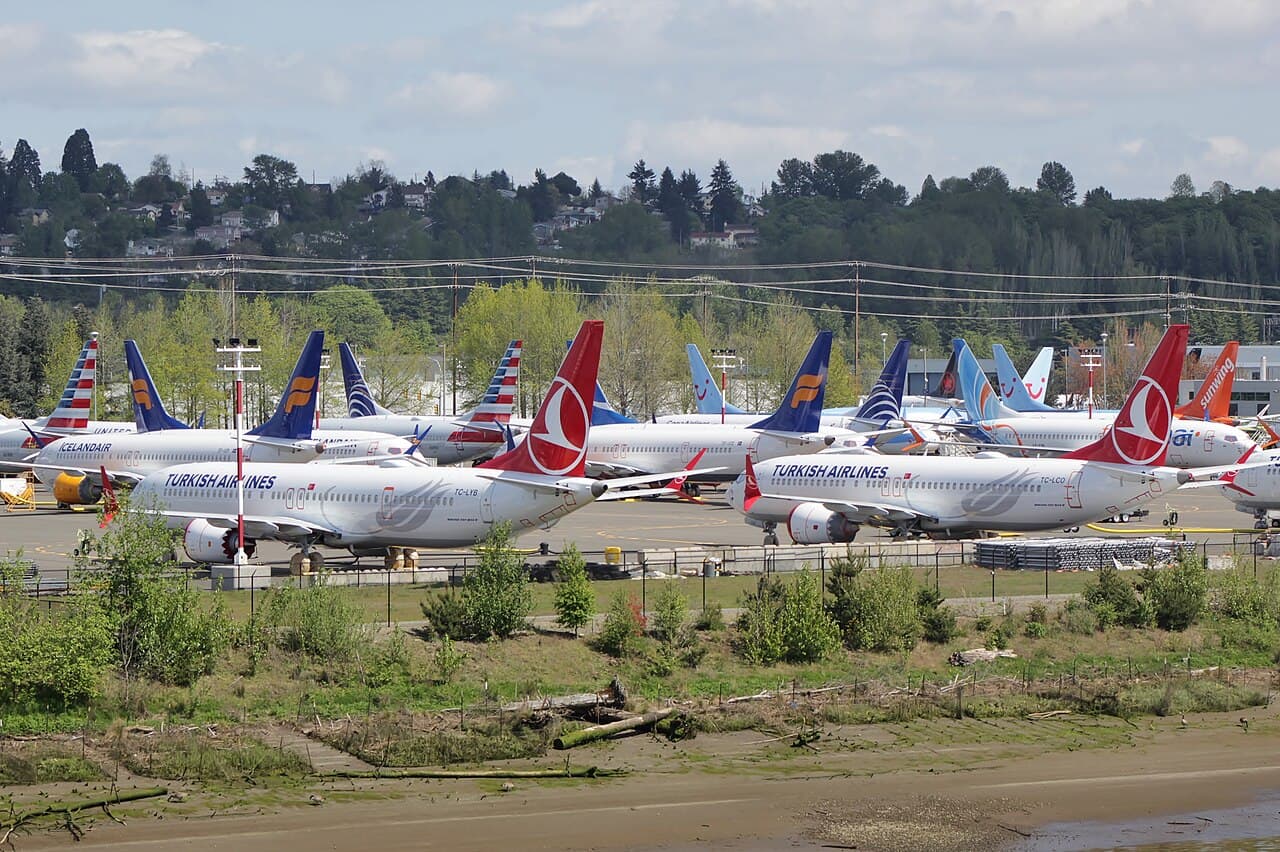
Company expects to achieve the Max 10’s certification this year. Boeing has completed its final planned 737 Max 10 certification flight test, a milestone the airframer says puts it on track to meet its goal of achieving the type’s regulatory approval before year-end. “With flight testing complete, the programme now shifts to closing the remaining development assurance reviews and system safety assessments, and submitting final deliverables”, the company said to the US Federal Aviation Administration on 28 July. Boeing is working on the 737 Max 10’s certification programme alongside that of the Max 7 – the two variants of the twinjet that have yet to enter service. The manufacturer has said it expects to secure the Max 7’s approval this summer, followed by the Max 10’s clearance sometime this year. It expects to begin delivering both types next year. The final Max 10 certification flight involved an “interiors evaluation to confirm audibility of the lavatory smoke detector and cabin speaker system”, Boeing says. The jet took off and returned to King County International airport – Boeing Field. The company used three Max 10s for the type’s flight-test programme, logging some 2,060 flight hours. Those flights let Boeing evaluate two design changes : an updated engine anti-ice system and an “enhanced” angle of attack (AoA) system. Boeing redesigned the anti-ice system to prevent a problem involving engine inlet inner barrels overheating in some circumstances. It added "turbulators" on the forward fan cases ahead of the Max's twin CFM International Leap-1B engines. Those devices make air entering the engine swirl, drawing in cooler air and reducing temperatures, Boeing vice-president of 737 development Chris Payne said on 8 July. The enhanced AoA is intended to keep pilots from facing information overload in cases where one of the Max’s two AoA sensors fail – a factor contributing to two 737 Max crashes in 2018 and 2019. The new AoA system simplifies "flight deck effects" by identifying AoA faults, inhibiting stick shake and displaying a simple message to pilots: "AoA Fault", Payne said. All Max models, including aircraft in service, will eventually have both updates.
Defunct Cameroon Airlines Sues Boeing for $179M Over 1995 737-200 Crash
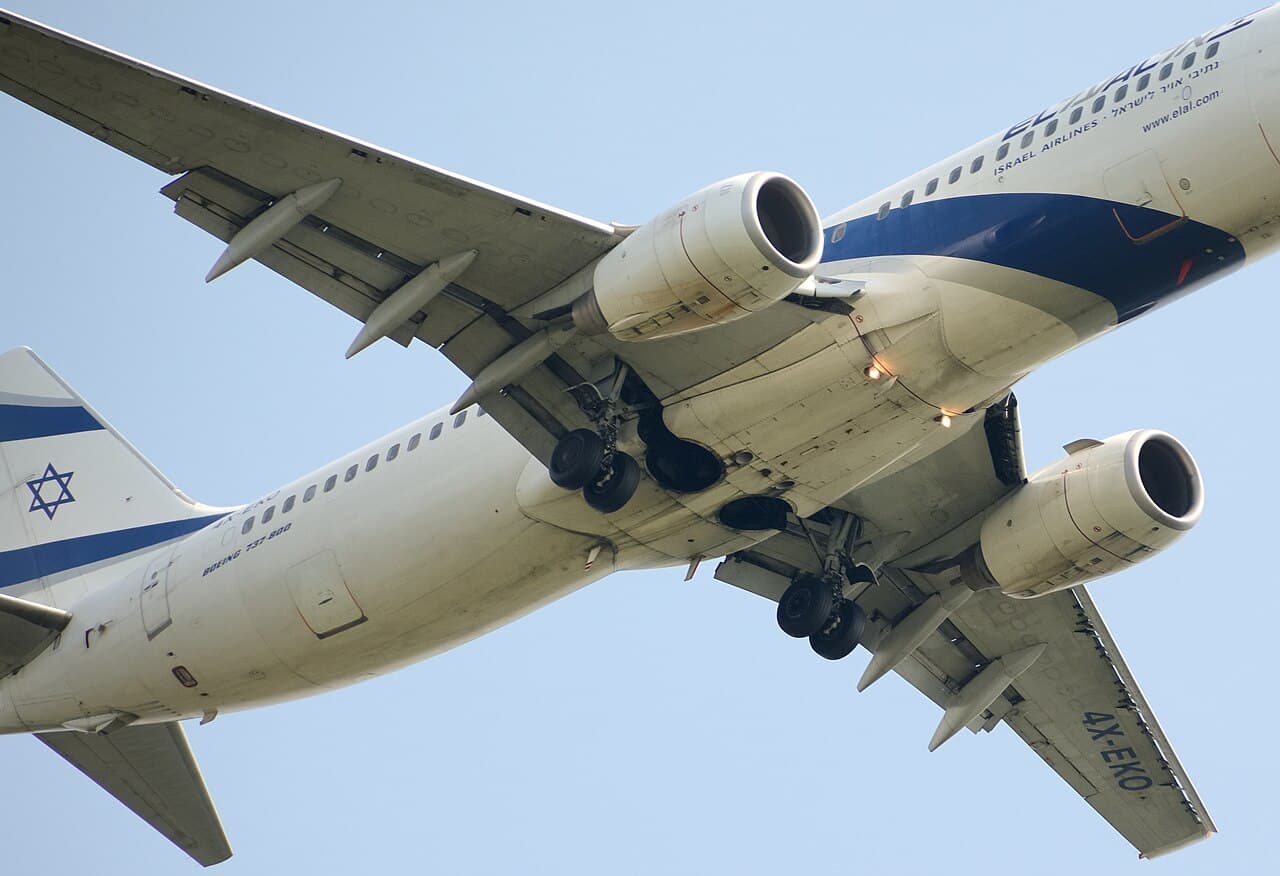
Boeing is suing to block a defunct airline's $179 million claim over a 1995 Cameroon Airlines 737 crash. The accident report blamed engine failure and pilot handling, while Boeing says the airline's purchase contract waived these claims decades ago.
The Daily Touch & Go
The day's best aviation news in your inbox. Free, no spam.