

Image: Mobilus In Mobili · CC BY-SA 2.0 · via Wikimedia Commons
Mexico Asks US for Talks on SpaceX Airspace Use as FAA Weighs Up to 456 Starbase Launches a Year
President Claudia Sheinbaum wants a meeting on permission, launch frequency and possible relocation of Starbase after a Starship stage spent seven minutes in Mexican airspace on Nov. 14.
The gist
Mexico wants US talks on SpaceX flights through its airspace as the FAA studies raising the Starbase launch cap from 25 to as many as 456 a year.
Continuing coverage
All Faa →- Two American Airlines 737-800s Touch Wingtips While Queued for Departure at Reagan National
- House Democrats Say FAA Took AI Traffic Tool SMART Nationwide Before Finishing 90-Day Validation
- Duffy to Face Senate Panel Over Nov. 13 Nationwide Ground Stop That Canceled 18,000 Flights
- FAA Grants First U.S. Digital Tower System Design Approval to Frequentis
- FAA Collects Reports After Piper Seminole Rolls 60 Degrees in Wings-Level Stall
Mexican President Claudia Sheinbaum said on Nov. 26 that her government has asked the United States, through its embassy, for a meeting on SpaceX's use of Mexican airspace for launches from Starbase. She said the talks should cover whether permission is granted, how often the airspace could be used and, if necessary, relocating the launch site. No date has been set. The U.S. Embassy referred questions to the State Department, which did not immediately respond, and SpaceX did not immediately comment. Sheinbaum described SpaceX as a private company whose operations affect national airspace and said the matter belongs with the U.S. government.
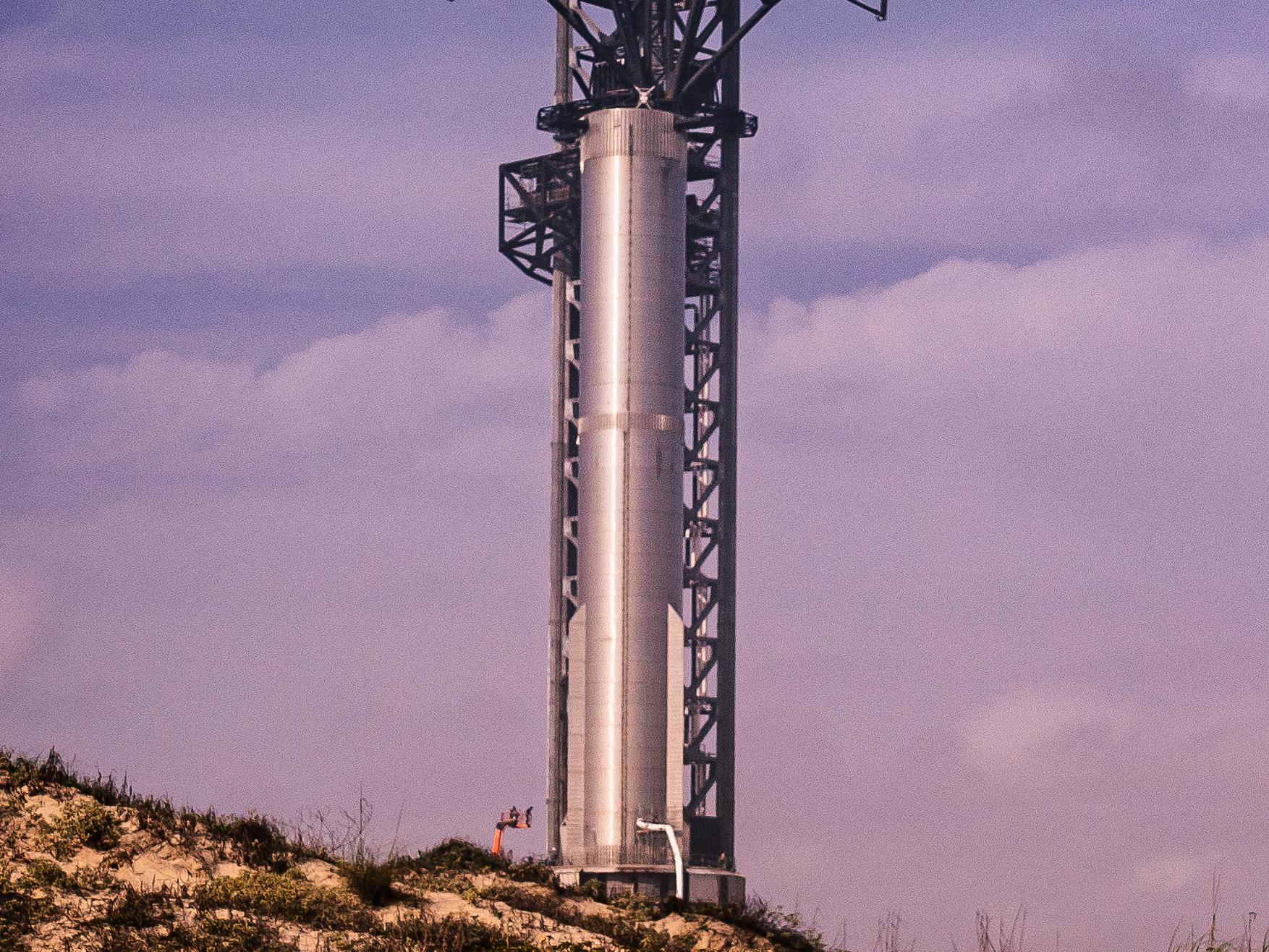
The request follows a Starship return on Nov. 14. Mexico's air navigation service, SENEAM, and its civil aviation agency, AFAC, said the vehicle's upper stage entered Mexican airspace at 3:08 p.m. Mexico City time and left seven minutes later. The agencies had received an FAA notification on Nov. 13, when they described a crossing as only a possibility lasting about 15 minutes and said they might coordinate route and schedule changes with airlines if it happened. Mexico's transport ministry, SICT, said the crossing posed no risk to air operations.
Launches already close Mexican airspace. For Starship Flight 13 on July 24, Mexico issued NOTAM B1467/26, defining a dangerous area of 14 coordinate points from the surface to unlimited altitude. The airline-operations group OPSGROUP reported that a medevac jet from Guatemala City was turned back near the Belize-Mexico border because the airspace ahead had closed.
An FAA letter of agreement covering Boca Chica launches names Mexico as a party and references Mexican air navigation officials, according to documents reported in June. Kelvin Coleman, a former director of the FAA's commercial space office, said Mexico is included when flights are expected to pass through its airspace. FAA environmental reviews state that some Starship launches during busy periods could disrupt as many as 200 flights per hour, and that southerly trajectories could affect the airspace of Mexico, Cuba, Jamaica and the Cayman Islands.
The frequency question is now before the FAA. On Oct. 14 the agency published a notice of intent for a programmatic environmental impact statement covering Starbase. Phase 1 would allow up to 100 launches and 200 landings a year on any day. Phase 2 would allow up to 456 launches, restricted to weekdays, and 912 landings, implemented within several years, compared with the current authorization of 25 launches and 50 landings. The 456 figure is a ceiling under study rather than an approval.
For its analysis, the FAA assumes half of launches and landings take place between 10 p.m. and 7 a.m., with launch azimuths from 40 to 115 degrees. The notice includes temporary airspace closures in the federal action but does not mention Mexico or foreign airspace. Sheinbaum cited up to 400 flights a year and asked what that would mean for Mexican airspace. Two official sources list different comment deadlines: the FAA's project page gives Dec. 7, while the Federal Register notice gives Nov. 30.
Debris has added to the dispute. Fragments began reaching Playa Bagdad in Matamoros, Tamaulipas, by Nov. 17, and the environmental group Conibio estimated it had recovered 15 kg by that day, later counting more than 1,500 pieces. Mexico's environmental enforcement agency, Profepa, described the fragments as lining from Starship's propellant tank and said it will ask SpaceX to take responsibility; the Mexican navy is storing the material. SpaceX said its ground partners found very little debris, that it is not clear the material came from its operations, and that independent tests showed no chemical, biological or toxicological risk. Accounts differ on whether Booster 22, which aborted its tower catch after a low fuel mass alarm, was destroyed by its flight termination system or splashed down.
The legal footing is unsettled. The 1944 Chicago Convention gives each state complete and exclusive sovereignty over the airspace above its territory, but no international agreement sets how high that airspace reaches, and most countries use the 100 km Karman line. Under the 1967 Outer Space Treaty, ratified by both countries, Article IX lets a state request consultation when it expects harmful interference from another state's activity, and the 1972 Liability Convention makes a launching state absolutely liable for damage to aircraft in flight or on the ground. The reports reviewed identify no legal authority Mexico could invoke to force the relocation of a launch site on U.S. soil operating under a U.S. license.
Originally reported by Tech Times
Read more
All Regulatory →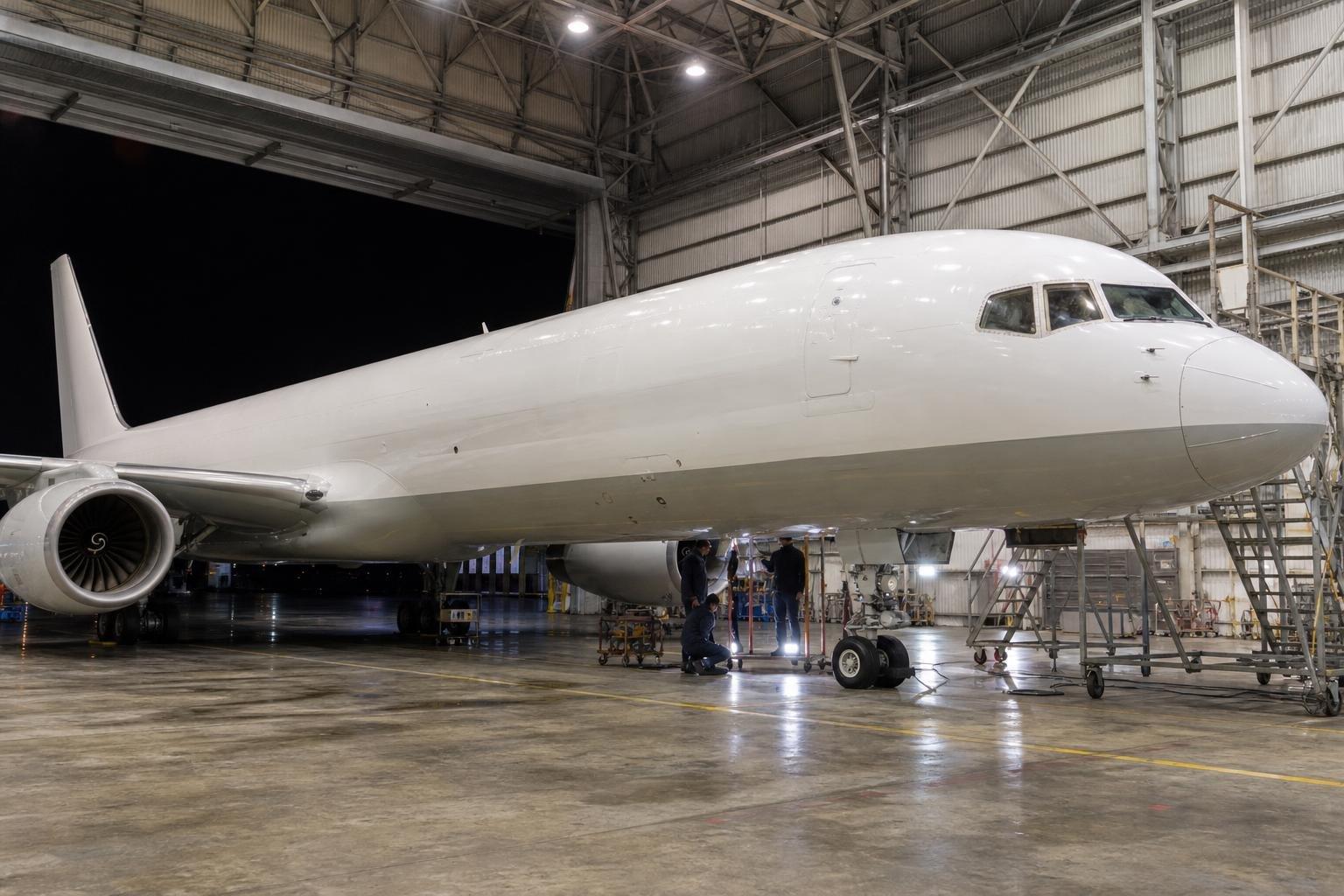
FAA Orders Pre-Flight Inspections of Boeing 757 Fuselage Repairs After Crack Reports
A new airworthiness directive covering an estimated 427 US-registered 757s requires checks of reinforcing repairs in the lower fuselage before further flight, and the FAA rejected an industry bid for more time.
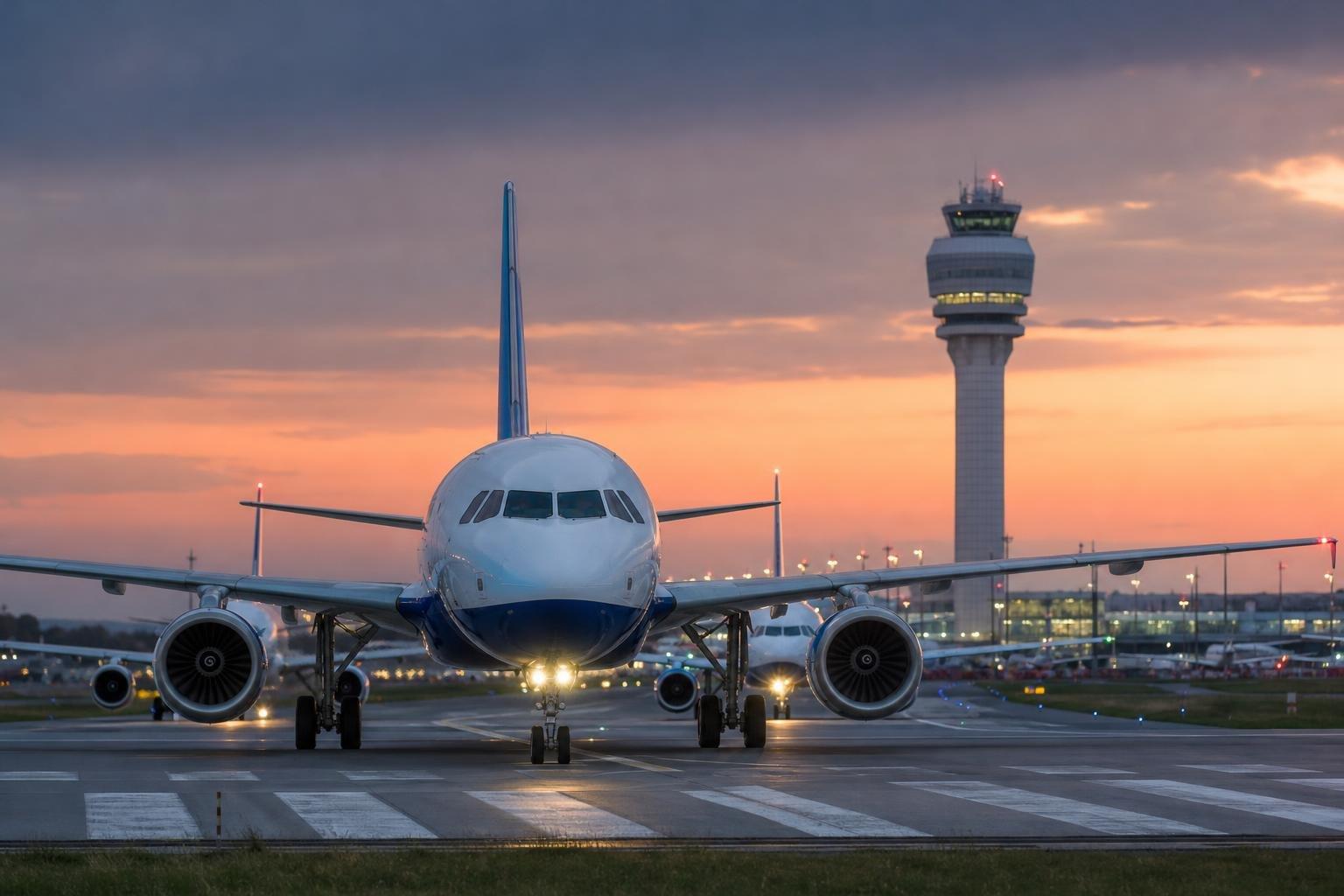
FAA Requires Stand-Alone Tower Supervisors for Line Up and Wait as Thanksgiving Rush Begins
A new FAA staffing rule bars towers from using Line Up and Wait unless a dedicated supervisor is on duty, and controllers are already warning pilots of possible departure delays.
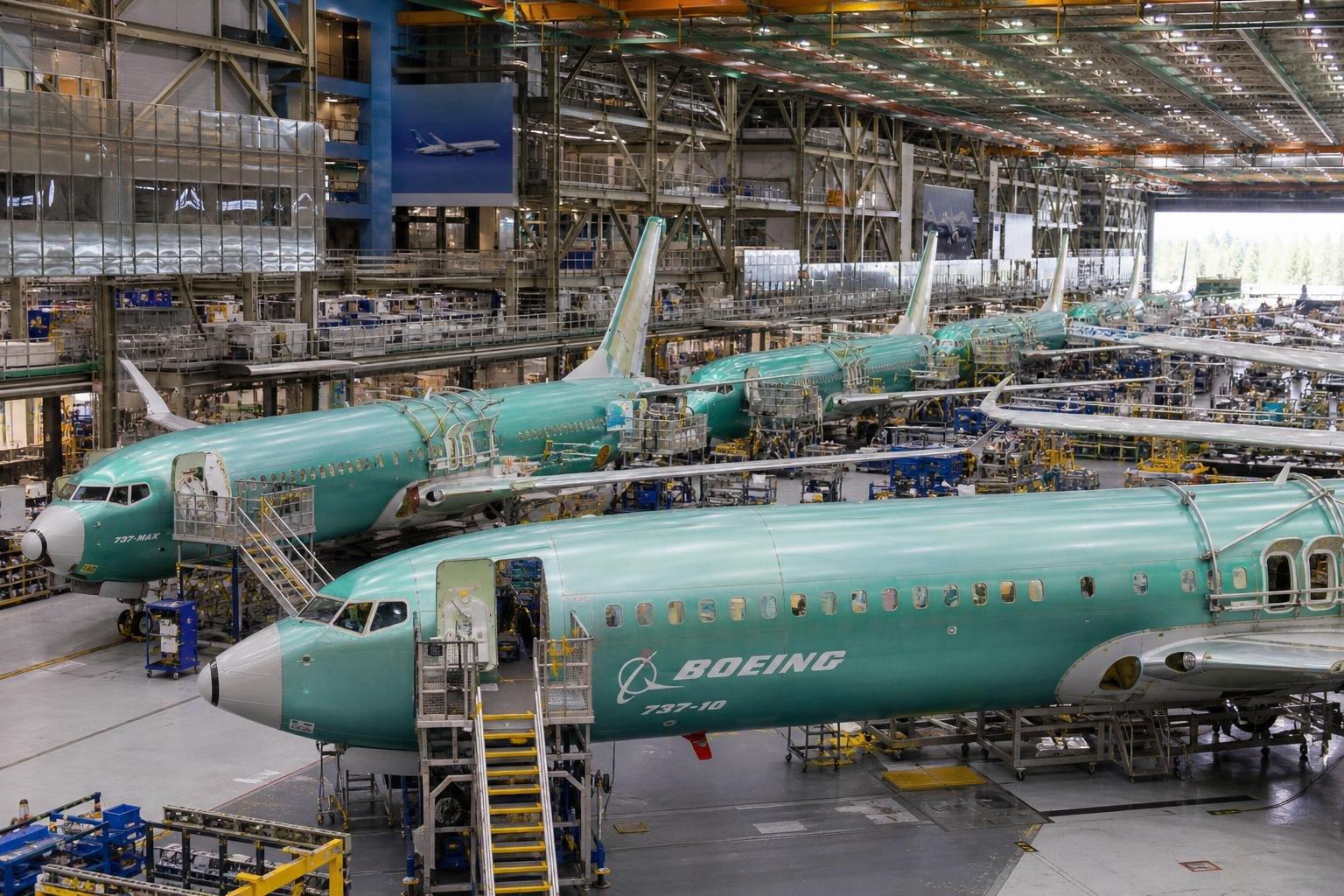
Everett-Built 737 MAX Jets Added to Boeing Production Certificate as North Line Nears Deliveries
Boeing's new 737 line in Everett, Washington, has reportedly cleared a regulatory step toward handing over jets, with the planemaker working through the final stages of an FAA audit.
Aviation Coalition Asks Congress for $30 Billion in ATC Funding, Short of White House $50 Billion Ask
More than 60 aviation groups urged lawmakers to approve at least $30 billion for air traffic control modernization, even as the Trump administration now seeks about $50 billion after this month's national ground stop.
The Daily Touch & Go
Launching soon: the day's best aviation news in your inbox. Join the list, free.