

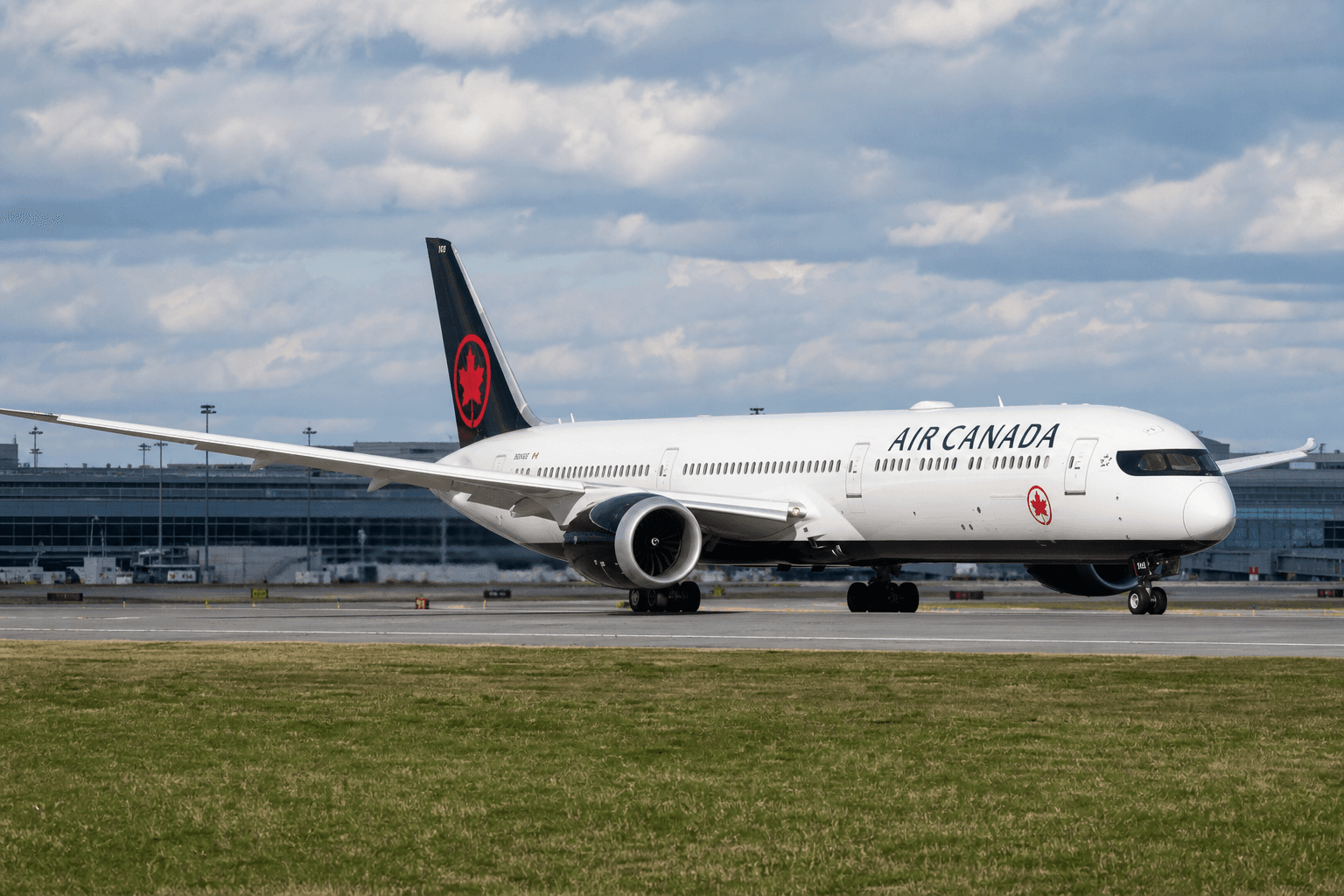
Illustration: The Touch & Go
Air Canada Sets New Q2 Revenue Record Despite Rising Fuel Costs and Operational Hurdles
Air Canada reported record second-quarter revenues of $6.3 billion with strong demand, but faced operating losses due to higher fuel expenses and labour charges.
The gist
Air Canada posted historic Q2 revenues amid surging fuel costs and operational challenges, highlighting resilience in premium travel demand.
Continuing coverage
All Air Canada →- Air Canada Faces Backlash Over Losing Passenger's Husband's Ashes and $200 Voucher Offer
- Air Canada posts solid Q2 results as global carriers announce fleet and route shifts
- Air Canada sells 25% of Aeroplan loyalty program to Blackstone and Canadian investors for $2.5B
- Air Canada Nears $2 Billion Deal Selling Minority Aeroplan Stake to Blackstone
- Air Canada launches new long-haul routes to Tenerife and Sapporo for 2026/27 winter
Air Canada announced its financial results for the second quarter of 2026, revealing record operating revenues of $6.3 billion, an 11% increase over the same period last year. This strong performance was driven by robust demand across its network, particularly in premium and corporate travel segments, as well as contributions from sixth freedom traffic. Despite these encouraging revenue figures, the airline faced operational difficulties including weather disruptions late in the quarter, which impacted flight completion rates and constrained capacity growth to just 0.3% year-over-year, slightly below company guidance.
The airline's adjusted EBITDA reached $719 million during the quarter, positioning it at the high end of its guidance range. Nonetheless, Air Canada's operating expenses climbed to $6.481 billion, reflecting a significant 49% spike in fuel costs compared to the previous year, combined with $388 million in labor-related and other charges. These factors culminated in a reported operating loss of $215 million for the quarter, illustrating how external cost pressures offset gains in revenue.
Adjusting for certain items, Air Canada posted a pre-tax income of $77 million and an adjusted net income of $114 million, translating to earnings of $0.40 per diluted share. The reported net loss stood at $178 million or $0.63 per diluted share, highlighting the gap between reported and adjusted figures influenced by one-time charges. The airline’s cost per available seat mile (CASM) on an adjusted basis came in at 15.47 cents, underpinning ongoing cost management efforts amidst inflationary headwinds.
Cash flow metrics remained positive, with net cash generated from operating activities totaling $651 million and free cash flow at $174 million for the quarter. Air Canada also utilized $125 million to repurchase over six million shares, indicating confidence in its financial strength. The company maintained a stable net leverage ratio at 1.7, reflecting prudent balance sheet management during a period of cost volatility and capital deployment.
Michael Rousseau, President and CEO, emphasized the quarter’s successes, pointing to diversified revenue streams, effective pricing strategies, and rigorous control over variable costs. He attributed the strong performance to sustained premium and corporate travel demand, while acknowledging the contributions of the airline’s workforce. Rousseau highlighted a solid cash position and balance sheet as foundations for ongoing investments and shareholder returns.
Looking beyond the quarter, Rousseau expressed optimism for continued resilience despite fuel price volatility. He cited initiatives including fare adjustments and hedging to mitigate rising fuel expense impacts. The company also reaffirmed an operational outlook supported by disciplined cost management and passenger demand assumptions. Moreover, Rousseau introduced Anko van der Werff as his announced successor and outlined ambitions to regain an investment-grade credit rating in the medium term.
Air Canada reinstated its full-year 2026 guidance with some revisions. It now anticipates adjusted EBITDA between $2.9 billion and $3.2 billion, narrower and lower than the previously suspended range. The company forecasts capacity growth of 2.25% to 3.25% relative to 2025, with an expected 5% to 6% rise in adjusted CASM from the previous year. Free cash flow is projected between $200 million and $500 million. Key assumptions involve modest Canadian GDP growth, stable passenger trends, and a Canadian dollar exchange rate around C$1.41 to the U.S. dollar.
Fuel pricing assumptions provided by Air Canada foresee jet fuel costs averaging approximately C$1.38 per litre in Q3 and declining to C$1.29 in Q4. The airline plans to offset higher fuel expenditures substantially through pricing initiatives and hedging contracts. Additionally, the company expects to realize $1 billion from planned sale-and-leaseback aircraft transactions in 2026, balancing liquidity and fleet financing.
Looking further ahead, Air Canada targets operating revenues of roughly $30 billion by 2028 alongside an adjusted EBITDA margin of at least 17%. By 2030, the carrier aims to continue margin expansion and deliver strong free cash flow generation. These forward-looking goals underscore the airline’s strategy to navigate cost pressures while capitalizing on the rebound in travel demand and creating long-term shareholder value.
Frequently asked questions
- What drove Air Canada's record operating revenues in Q2 2026?
- Strong travel demand across the network, particularly in premium and corporate segments, combined with sixth freedom traffic, supported record revenues of $6.3 billion.
- How did fuel costs impact Air Canada's financial results in Q2 2026?
- Fuel expenses rose by 49%, significantly increasing operating costs and contributing to an operating loss of $215 million despite strong revenues.
- What is Air Canada's updated financial guidance for the full year 2026?
- The airline expects adjusted EBITDA between $2.9 billion and $3.2 billion, capacity growth of 2.25% to 3.25%, and free cash flow ranging from $200 million to $500 million. Fuel costs and currency assumptions are factored into this outlook.
Read more
All Airlines →
American Airlines revamps leadership to boost lagging profits against Delta and United
American Airlines is shaking up its senior leadership as CEO Robert Isom faces growing pressure to improve the carrier's financial performance and close the gap with rivals Delta Air Lines and United Airlines. The changes broaden oversight across American's commercial and operational teams and bring former Spirit Airlines Chief Operating Officer John Bendoraitis into the company to lead technical operations. In a memo to employees, Isom acknowledged a "meaningful gap" between American's current performance and where he said the airline should be, describing the leadership changes as the first in a series of moves aimed at improving execution and strengthening the company. Isom announced that Chief Commercial Officer Nat Pieper will add marketing and branding to his responsibilities, while Chief Customer Officer Heather Garboden will take on reservations and service recovery. JC Gulbranson will add oversight of airports and planning. Garboden and Gulbranson will also join American's senior leadership team. Chief Communications Officer Ron DeFeo is stepping down. Caroline Clayton will oversee communications, while Steve Neuman will lead government affairs. Both will join the senior leadership team. The changes come as American continues to trail Delta and United on profitability. American expects roughly break-even results for 2026 as higher fuel prices weigh on earnings. Earlier this year, the airline said a sharp increase in jet fuel costs could add more than $4 billion in expenses compared with its previous assumptions. American has also been under pressure from its labor unions. The Association of Professional Flight Attendants issued a unanimous vote of no confidence in Isom in February, saying the airline had fallen behind competitors in profitability, operational performance and overall competitiveness. The union has called on Isom to step down. The Allied Pilots Association has also questioned whether American's current management can close the performance gap with Delta and United. APA President Nick Silva recently told pilots that the union had sought a meeting with American's board to discuss concerns about the company's future but was rebuffed. He said the union had since spoken with analysts, investors and other stakeholders. Despite the criticism, Isom has said American is not changing its overall strategy. He said the airline continues to focus on expanding its global network, increasing premium revenue and strengthening its AAdvantage loyalty program. American has also been investing in premium seating, lounges, onboard connectivity and changes to its hub schedules as it works to improve revenue and operational performance.
Air Canada posts solid Q2 results as global carriers announce fleet and route shifts
Top airline news stories for August 12, 2026 (click the link for the full details): Air Canada reports its Q2 financial results Air France targets the retirement date for the remaining Airbus A318s The clock is ticking for Asiana Airlines, final merger date set New plan for Cabo Verde Airlines Neos plans to resume an […]
Air Canada sells 25% of Aeroplan loyalty program to Blackstone and Canadian investors for $2.5B
Private equity firm and other investors will receive a 25% stake of the programme, valued at $10 billion. Air Canada has agreed to sell a stake in its Aeroplan loyalty programme to the private equity firm Blackstone and a consortium of Canadian funds, including pensions. The investors will pay $2.5 billion for a 25% stake in the programme, valuing it at $10 billion. Air Canada will use the proceeds to reduce its debt and buy back shares. Air Canada will have the option to repurchase shares in five to eight years at a price that reflects a total rate of return of 6.5% for the outside investors. Shares of Air Canada spiked more than 5% in trading following a Bloomberg report of the potential deal on Tuesday, followed by another large gain on Wednesday following the announcement and earnings report that topped investor expectations. It's not Air Canada's first time using its frequent flyer scheme as a cushion for fresh capital, though a deal like this is relatively rare among North American airlines. Aeroplan was previously spun off into a separate company in 2005 as part of Air Canada's 2003 bankruptcy. The carrier repurchased the programme in 2019. In 2014, Virgin Australia sold a 35% stake in its Velocity frequent flyer programme to Affinity Equity Partners for A$336 million. It bought back the stake in 2019 for A$700 million. And as the COVID-19 pandemic hit airlines in 2020, many carriers used their loyalty programmes and credit card business as collateral to shore up liquidity. "Aeroplan remains a core part of Air Canada’s commercial strategy, and we continue to retain full control of the programme’s strategy, operations, partnerships, and member experience, while monetising a portion of its underlying value," says departing chief executive Michael Rousseau.
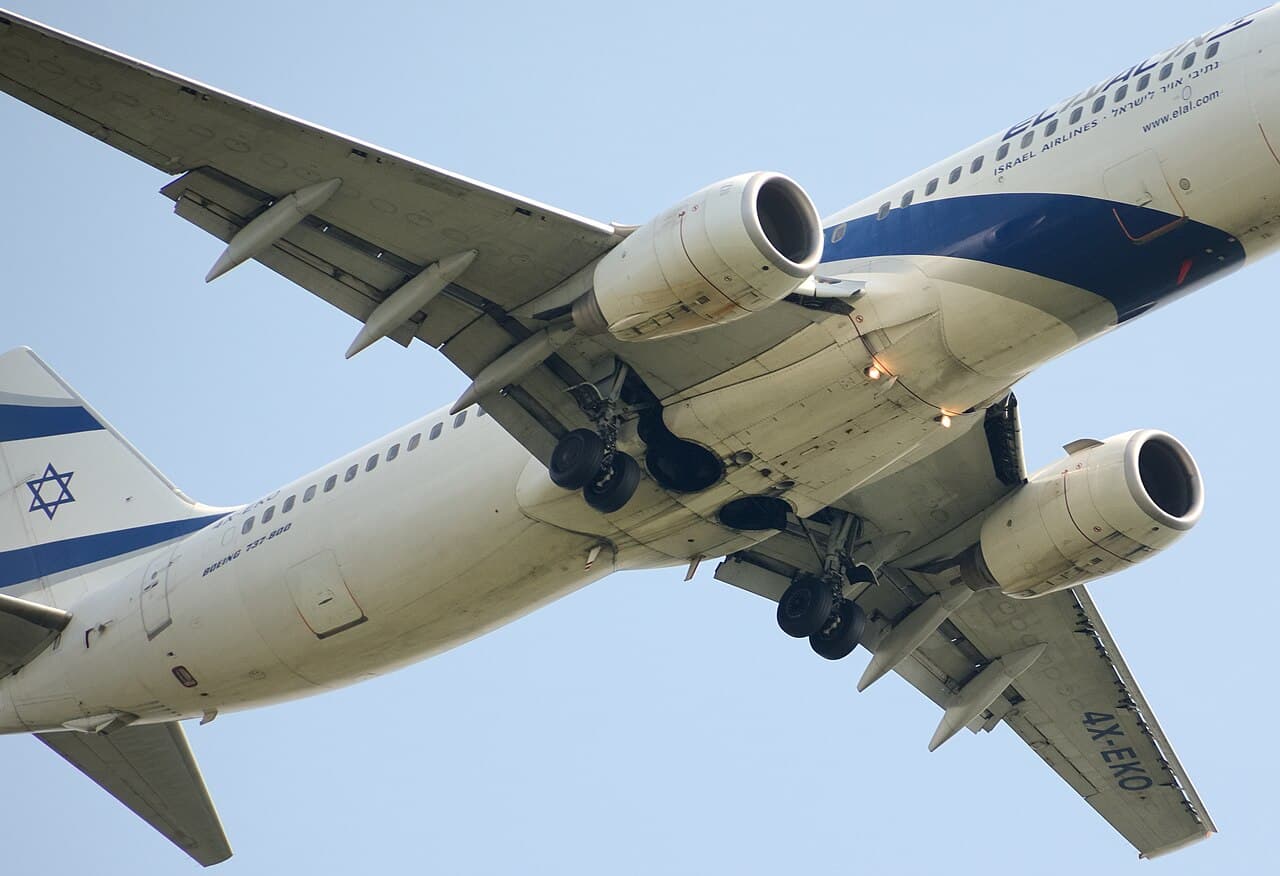
Modern jet engines cut commercial aircraft fuel burn by up to 15 percent over predecessors
The primary driver of aircraft efficiency today is the engines. While advances in aerodynamics and materials do cut down on fuel burn as well, the engine is the main determinant as to how much fuel an aircraft burns, and older planes equipped with new engines tend to be more than competitive against a clean-sheet aircraft. During the start of the Jet Age, manufacturers were primarily focused on increasing power, with fuel efficiency being a second priority, but as technology has developed, this has changed.
The Daily Touch & Go
The day's best aviation news in your inbox. Free, no spam.