

Image: Maksym Kozlenko · CC BY-SA 3.0 · via Wikimedia Commons
Sydney Airport's new Master Plan approved for integrated terminal by 2045
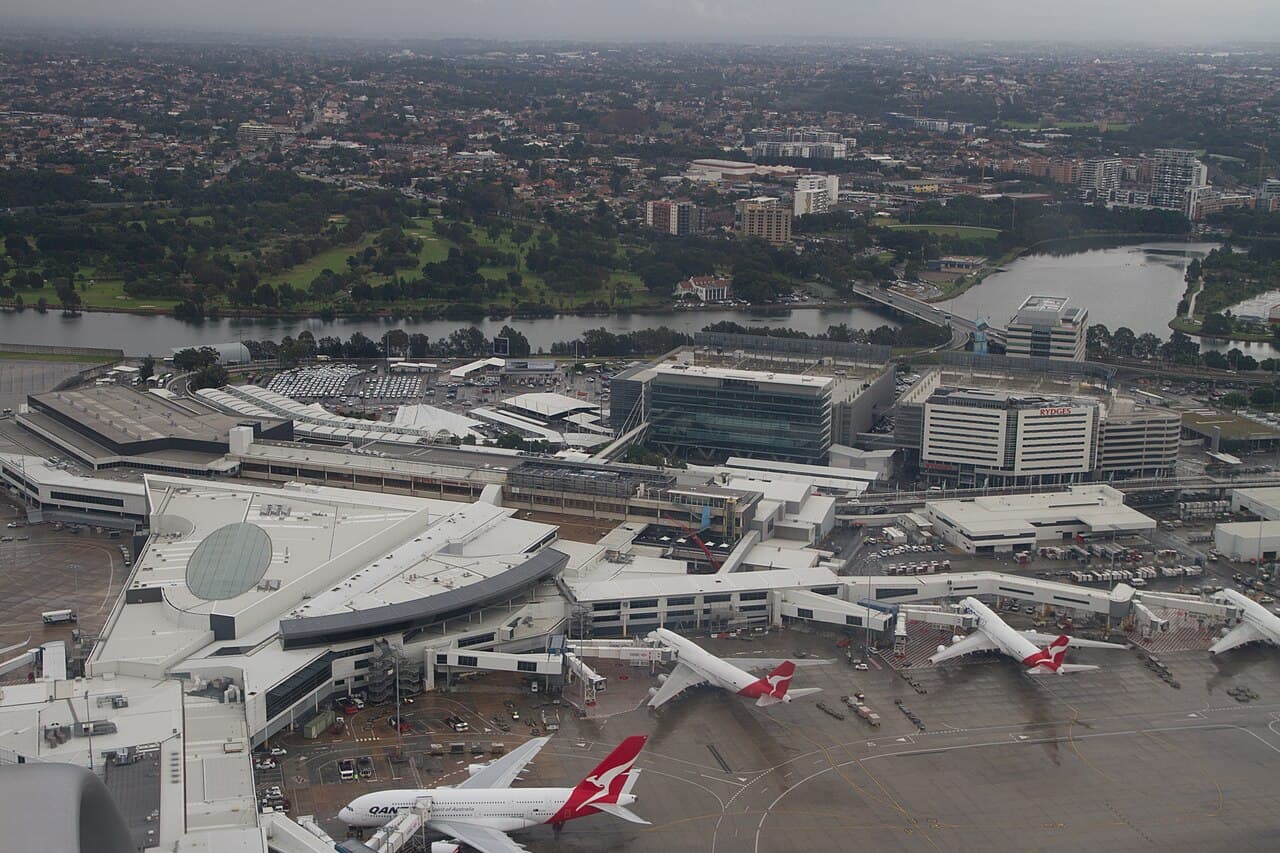
The Australian government has endorsed Sydney Airport's Master Plan 2045, enabling a transformation of the domestic terminal into a unified facility combining domestic, regional, and international services.
The gist
Sydney Airport will merge all flight services into a single terminal by 2045 to better handle 72 million passengers annually, backed by government approval.
Continuing coverage
All Sustainability →- Top 5 Airlines Offering Best Premium Economy Amenity Kits in 2026
- Schiphol Invests Record €801 Million as Quiet Aviation Gains Momentum in 2026
- Porter Airlines Unveils Modernized Dash 8 Interiors Enhancing Regional Economy Travel
- flydubai's single-engine taxiing program cuts emissions well above industry average
- Airbus Plans To Launch New A320 Successor Program In 2030
Sydney Airport’s long-term development vision advanced significantly after the Australian government gave formal approval to the airport’s Master Plan 2045 on August 14, 2026. This approval sets in motion a comprehensive redevelopment scheme prioritizing the unification of the airport’s domestic, regional, and international terminals into a single integrated terminal experience. According to the Minister for Infrastructure, Transport, Regional Development and Local Government, Catherine King, this endorsement provides Sydney Airport with the strategic framework necessary to upgrade terminal capacity, passenger amenities, and transport links in anticipation of growing passenger demand over the next two decades.
At the heart of this Master Plan lies a radical redesign of Sydney Kingsford Smith Airport’s existing domestic precinct. Currently, domestic, regional, and international operations function separately, but the new plan envisions consolidating these into one streamlined terminal building. Sydney Airport CEO Scott Charlton highlighted that this integrated terminal strategy will simplify passenger flows and operational efficiency as traffic expands. The plan also emphasizes sustainable development, aiming to minimize environmental impacts and maintain strong community partnerships throughout the transformation process.
Projected passenger numbers underline the urgency of this major redevelopment. The Master Plan forecasts Sydney Airport serving over 72 million passengers annually by 2045, split almost evenly between 36.4 million international travelers and 36.2 million domestic and regional passengers. This dramatic increase from current levels will necessitate expansive terminal upgrades and enhanced transport infrastructure to maintain efficient airport operations and passenger satisfaction.
Beyond passenger growth, Sydney Airport anticipates a significant economic impact from its expansion. The Master Plan estimates the airport’s annual contribution to the economy will rise to about $70 billion by 2045. Moreover, employment opportunities directly associated with the airport are expected to exceed 105,000 jobs, reflecting the facility’s rising importance as a regional economic engine and transportation hub.
Embedded in the Master Plan is Sydney Airport’s five-year Airport Environment Strategy, which focuses on reducing greenhouse gas emissions, boosting climate resilience, and promoting sustainable operational practices. Scott Charlton pointed out that integrating environmental stewardship within these development plans is crucial as the airport prepares to manage increased passenger traffic responsibly and sustainably.
The approved Master Plan also underscores a robust collaboration between the airport, government bodies, and local communities. Throughout the planning stages, these stakeholders contributed input to ensure the redevelopment aligns with broader urban planning and environmental goals. Minister King’s approval signals governmental confidence in the thoroughness and viability of the vision laid out in the Master Plan.
With this government approval, Sydney Airport gains certainty to proceed with detailed design, stakeholder engagement, and phased construction over the next two decades. The transition to a single integrated terminal represents one of the most significant infrastructure projects in Australian aviation history, promising to redefine air travel experiences while supporting Sydney’s role as a major global gateway.
Implementation of the Master Plan will require ongoing assessment to align infrastructure investment with technological advancements, passenger expectations, and sustainability targets. The plan’s emphasis on integration and environmental responsibility could set a benchmark for airport modernization in the 21st century, balancing capacity expansion with community and ecological considerations.
Frequently asked questions
- What is the main goal of Sydney Airport’s Master Plan 2045?
- The main goal is to redevelop the domestic precinct into a single integrated terminal combining domestic, regional, and international operations to improve passenger experience and capacity.
- How many passengers is Sydney Airport expected to handle annually by 2045?
- Sydney Airport is projected to handle over 72 million passengers annually by 2045, split almost evenly between international and domestic/regional travelers.
- What are the key environmental strategies included in the Master Plan?
- The plan incorporates Sydney Airport’s Airport Environment Strategy focused on reducing emissions, enhancing climate resilience, and promoting sustainable airport operations.
Read more
All MRO/Maintenance →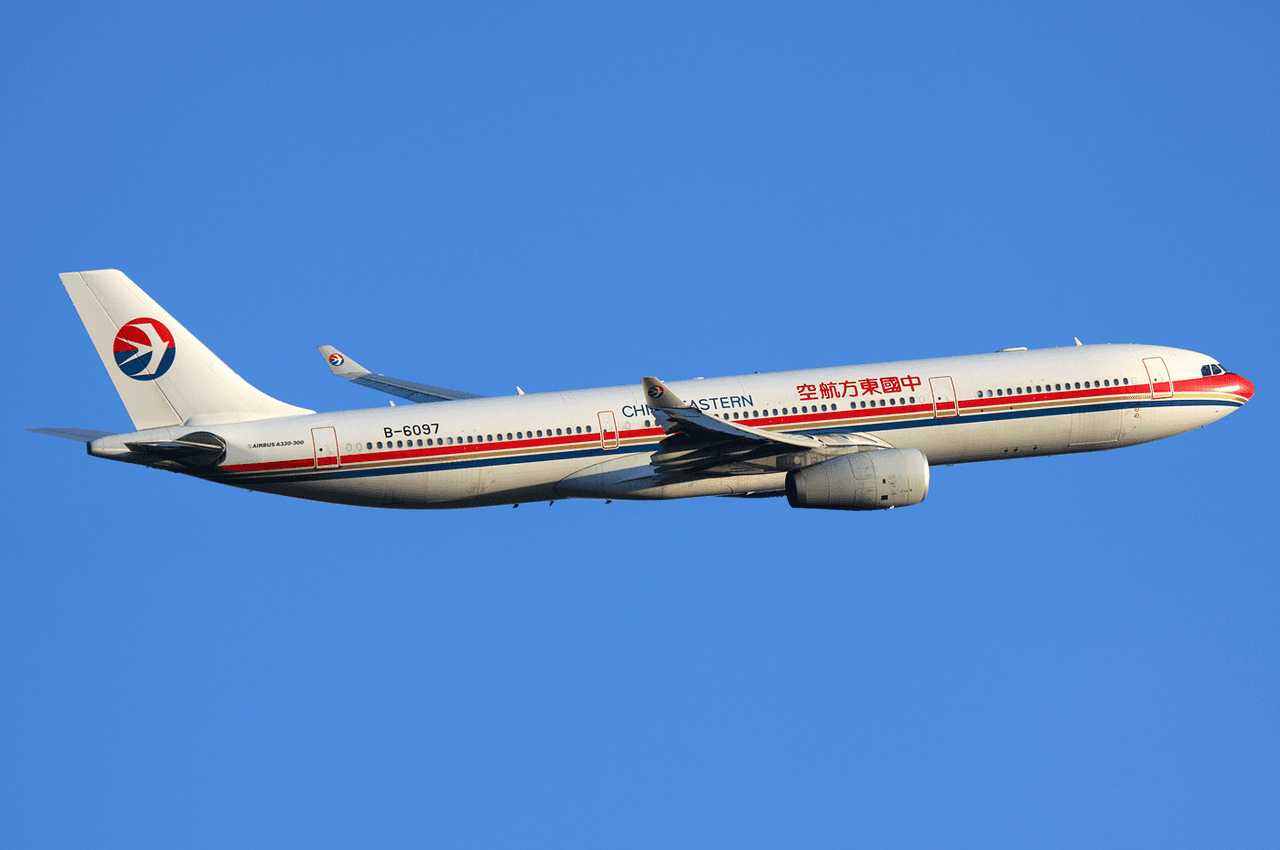
SWISS Begins Retrofit of A330-300s with New SWISS Senses Cabins Including First Class Redesign
In 2025, SWISS introduced new cabins for its long haul aircraft ( including an all-new first class and business class ), in a project that's known as SWISS Senses . SWISS is part of Lufthansa Group, so these cabins are essentially identical to the new Lufthansa Allegris concept , but with different branding. These new SWISS Senses cabins were first rolled out on newly delivered Airbus A350-900s , though we know that SWISS also plans to reconfigure its existing jets with these new seats. There's an exciting update, as the first Airbus A330-300 is currently being reconfigured with SWISS Senses cabins. SWISS Senses coming to Airbus A330-300 fleet SWISS has confirmed that it has started the project of reconfiguring Airbus A330-300s with new cabins. This work is taking place in Hong Kong (HKG) — the first plane with the registration code HB-JHC arrived in Asia on July 20, and is expected to be there for some time. So far, the existing cabins have reportedly been removed from the aircraft, and it's also undergoing heavy maintenance (a C-check), so there's a lot of work to be done. It always takes longer for the first aircraft to be reconfigured, given that new seats have to be certified on the aircraft . We know that Lufthansa Group has had quite some challenges with certification of new cabins, so we'll see how this all plays out, since the airline group doesn't have a great track record. However, assuming things go relatively smoothly, the plan is for the retrofit project to be put into full motion once the prototype is certified and back in service, so hopefully that's before the end of the year. At that point, the expectation is that one plane will be reconfigured every six weeks. SWISS' fleet consists of 14 A330s, so you'd expect the entire project to take right around 84 weeks, or a little over 19 months. Realistically, I expect it'll be around the spring of 2028 when the A330 project is complete, best case scenario. More realistically, I'd guess it'll wrap up in the summer or fall. The plan is then to reconfigure the fleet of 12 Boeing 777-300ERs. We'll see with exactly what timeline this starts. The project could start once the A330 retrofit is complete, or who knows, it could also start before then. SWISS is reconfiguring its Airbus A330s How the layout of SWISS Airbus A330-300s will change As SWISS reconfigures its Airbus A330-300s, what should we expect, exactly? Currently, SWISS' A330s have 236 seats, including eight first class seats, 45 business class seats, and 183 economy class seats. Old SWISS A330-300 seat map Once reconfigured, SWISS' A330s will have 225 seats, including three first class suites (one double suite), 43 business class seats, 28 premium economy seats, and 151 economy class seats. New SWISS A330-300 seat map So we're no doubt seeing a significantly better product across the board. However, with the introduction of SWISS Senses, we're seeing a five seat reduction in first class, a two seat reduction in business class, a new premium economy cabin with 28 seats, and a 32 seat reduction in economy class. One wild aspect of the SWISS Senses cabin on the A330 is that the first class is apparently too heavy for the plane, and could cause a weight and balance issue. As a result, the airline is installing a 1.5-ton weight in the back of the aircraft , to prevent that from being an issue. That's not exactly ideal, eh? Anyway, I'm going to be very curious to see how these A330s look once reconfigured. The cabins of these planes are tired, and in particular, SWISS' A330 business class leaves a lot to be desired. SWISS' A330 business class is outdated at this point It remains to be seen how tight the premium cabins on these planes feel, though. In economy, the A330 is a joy, given its 2-4-2 layout (meaning each row has two sets of seat pairs). The overall cabin is 17 inches narrower than on the A350 (where the SWISS Senses cabins debuted), so I'm sure this will be felt in business class, though the first class cabin feeling is what interests me most. The new SWISS Senses business class is great Keep in mind that there's a double suite in center of first class , and that feels tight on the A350, assuming you're two people ( it's the same as in Lufthansa Allegris ). I have to imagine it'll feel significantly more constrained on the A330. I imagine the double suite will be tight on the A330 Bottom line SWISS has started the project of retrofitting its Airbus A330 fleet with new cabins. The plane will be getting the new SWISS Senses concept with four classes of service. While SWISS Senses debuted on the A350, it's great to see the carrier's tired A330s get some love as well. The first plane is currently in the "shop," and it'll likely be a few months before it's ready to go, given that it's the prototype. Once this plane is back in service, expect planes to be reconfigured one after the other, with each taking around six weeks. Here's to hoping the certification process goes smoothly, given Lufthansa Group's track record. What do you make of SWISS' A330 retrofit plans?
JetBlue Unveils Four-Cabin Fare Model Introducing BlueFirst Base Premium Option
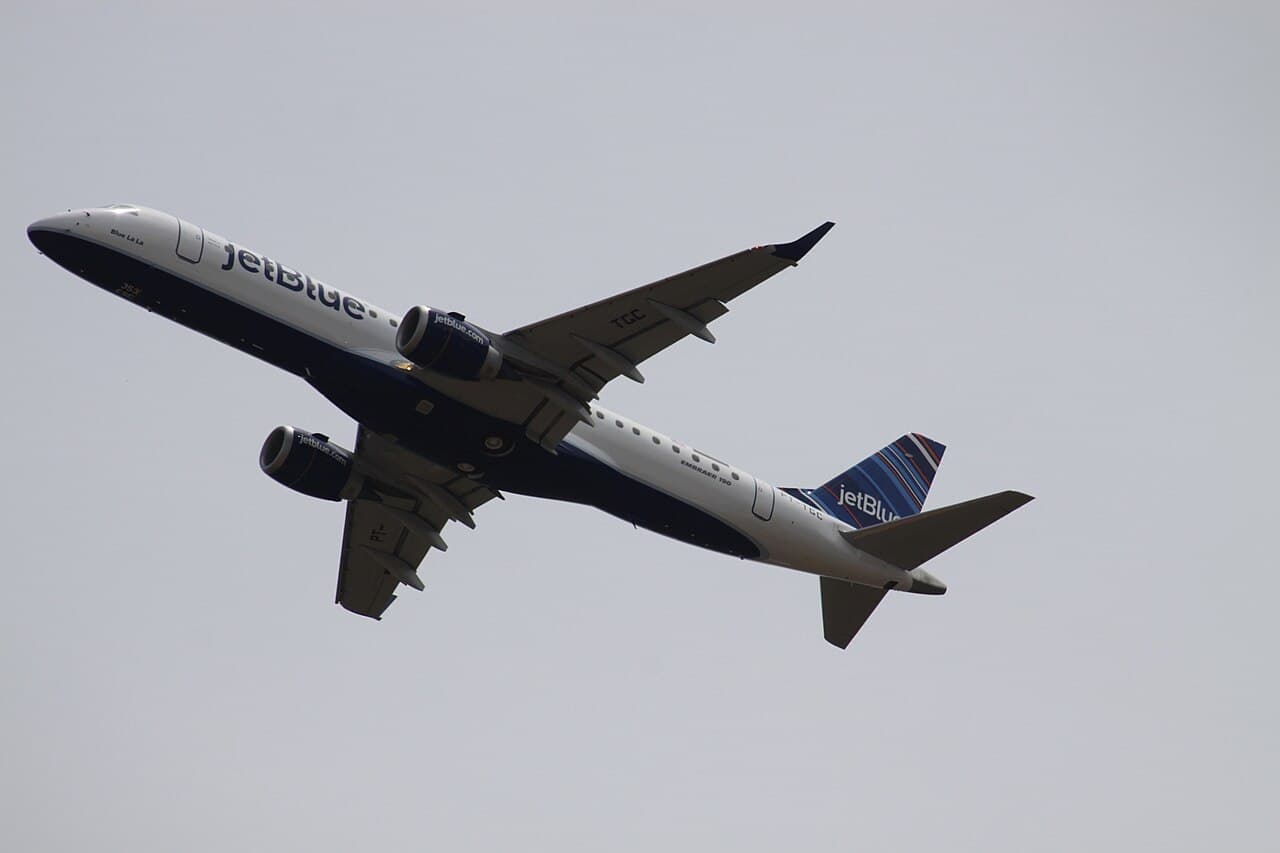
New York-based JetBlue Airways is preparing to launch an all-new first class product for flights configured without its existing flagship "Mint" service. Dubbed "BlueFirst," this is the first conventional premium cabin to be offered on JetBlue flights without Mint seats configured.
FAA Orders $2.66M Seat Inspections on 453 Boeing 737 MAX Jets Amid Certification Oversight
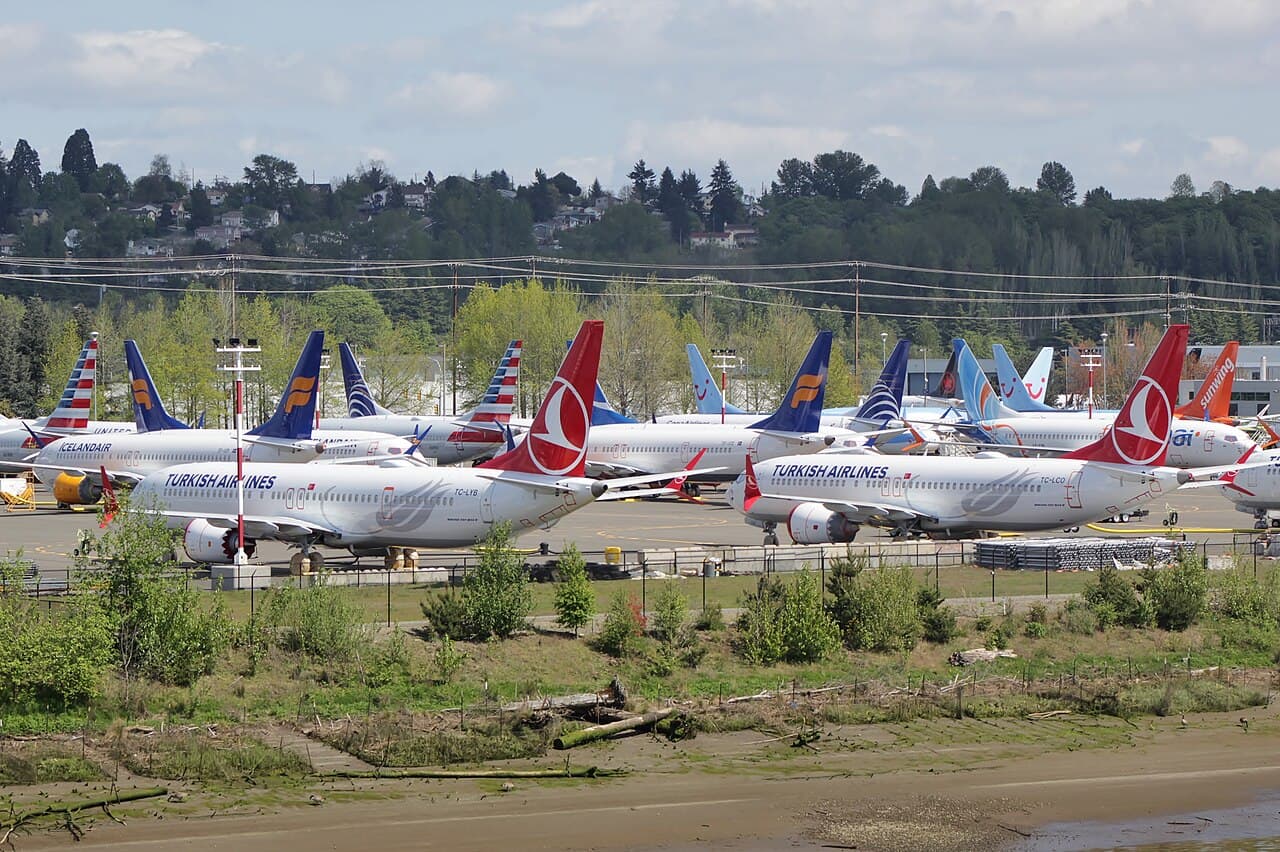
The FAA has recently permitted Boeing to independently issue airworthiness certificates for new examples of its 737 MAX and 787 models, but just a week after Boeing was granted this privilege (which it historically held for decades but was suspended in recent years), the FAA has proposed a new airworthiness directive (AD) regarding improperly installed seats on hundreds of 737 MAXs. It's not actually unusual for the FAA and other regulators to issue ADs, but it does signal that the FAA is only stepping up its oversight of Boeing.
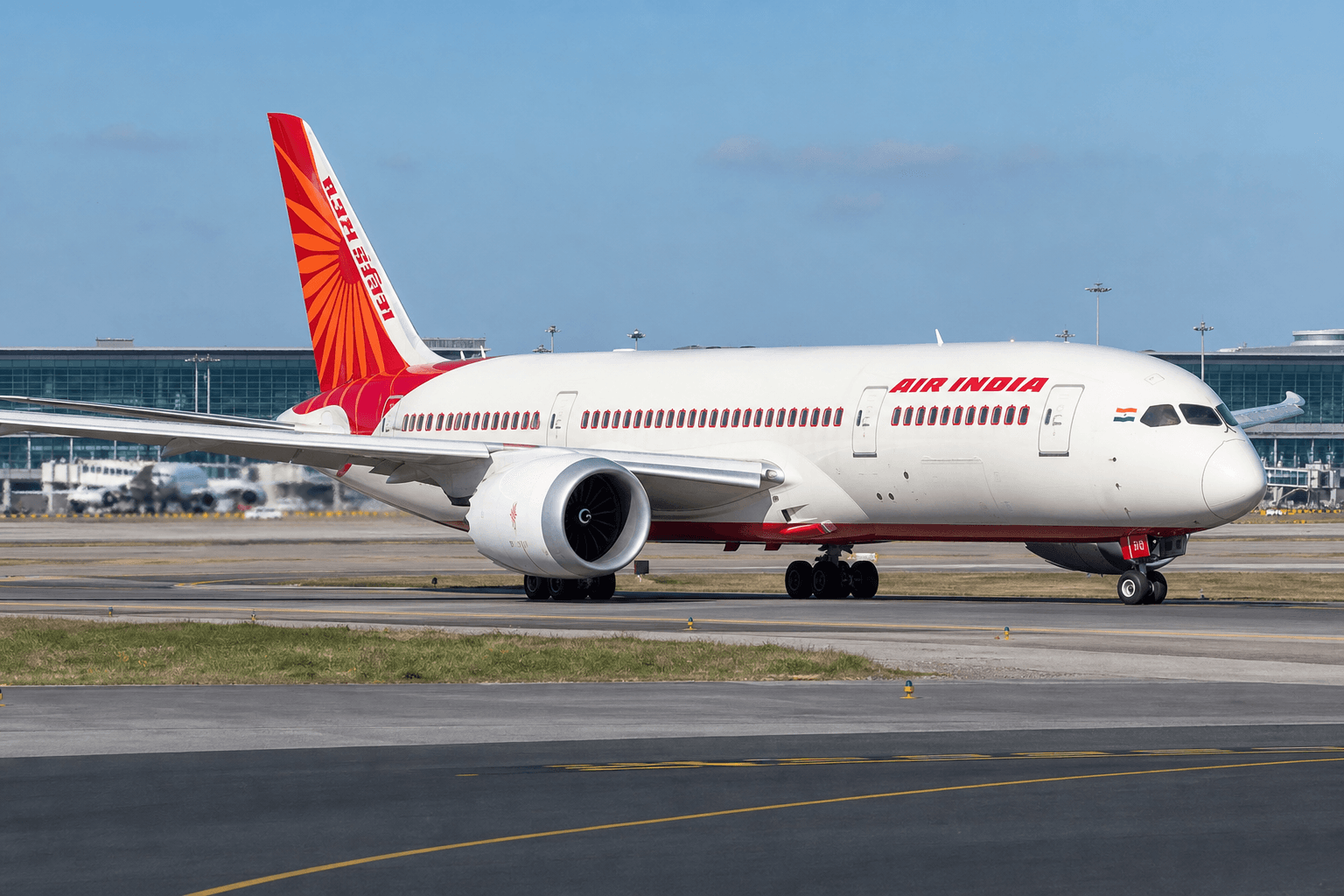
Former Ethiopian Airlines CEO Tewolde Gebremariam appointed as Air India CEO
Former Ethiopian Airlines boss Tewolde Gebremariam has been named as the new CEO of Air India, following a comprehensive search to identify the next leader. On August 5, 2025, Air India announced that Gebremariam's "track record" leading Ethiopian Airlines made him "uniquely suited" to for the position. "Tewolde Gebremariam is widely recognized as one of the most successful aviation chief executives," Air India said. "During his decade-plus tenure as CEO of Ethiopian Airlines Group, he spearheaded a multi-billion-dollar expansion, transforming a regional carrier into Africa's largest, most profitable, and decorated airline group—growing revenue by more than fourfold and fleet size nearly threefold." Air India said its objective was to find a leader with a "proven record of managing mega-scale airline turnarounds". Fortune Global Forum 2019 / Flickr.com The airline praised Gebremariam's ability to manage "complex operational landscapes, driving cultural transformation, building competitive global hubs, and developing world-class MRO (Maintenance, Repair, and Overhaul) and aviation training infrastructure". Gebremariam served as the CEO of Ethiopian Airlines from January 2011 to March 2022 and was succeeded by Mesfin Tasew. "Having completed the initial phase of stabilization, integration, and fleet commitments under Campbell's guidance, Air India is now entering a critical execution and expansion era," N. Chandrasekaran, Chairman of Tata Sons and Air India, said. "Tewolde's track record in building one of the world's most efficient and profitable airline groups makes him uniquely suited to lead Air India." Campbell Wilson announced his resignation on April 7, 2026, ending a nearly four-year tenure leading the Tata Group-owned carrier through a sweeping post-privatization transformation. John Taggart / Creative Commons Gebremariam said it was a "profound honor to be entrusted with leading Air India at such a historic moment in its journey". "Air India carries an incredible legacy, and the opportunity to build a world-class global airline that reflects India's extraordinary economic potential is uniquely exciting," added Gebremariam RELATED Air India CEO Campbell Wilson resigns, will stay until successor named
The Daily Touch & Go
The day's best aviation news in your inbox. Free, no spam.